Understanding the Vietnamese Manufacturing Landscape
Vietnam’s economy has emerged as one of the most dynamic and rapidly expanding in Southeast Asia, attracting significant global attention. Characterized by a robust manufacturing sector, strategic location, and a young, skilled workforce, Vietnam presents compelling opportunities for international trade and investment. This overview delves into the nation’s economic ascent, highlights its pivotal manufacturing industries, and outlines the strategic advantages that position it as a preferred destination for businesses seeking reliable Vietnam Suppliers and production partners.

1. Growth of Vietnam’s economy and its global impact
Over the past few decades, Vietnam has transformed from an agricultural economy into a burgeoning industrial powerhouse. Its consistent GDP growth, often among the highest in the world, is a testament to its successful economic reforms and integration into the global supply chain. This remarkable expansion has lifted millions out of poverty and fostered a vibrant consumer market. Driven by foreign direct investment (FDI) and a proactive government approach to international trade, Vietnam has solidified its position as a critical node in global manufacturing. Its engagement with major international organizations and its commitment to free trade have further enhanced its global standing, making it an increasingly indispensable player in international commerce. The nation’s resilience, even in the face of global economic uncertainties, underscores its strong fundamentals and future potential, drawing more businesses looking to import from Vietnam and establish long-term partnerships.
2. Key industries and popular export products
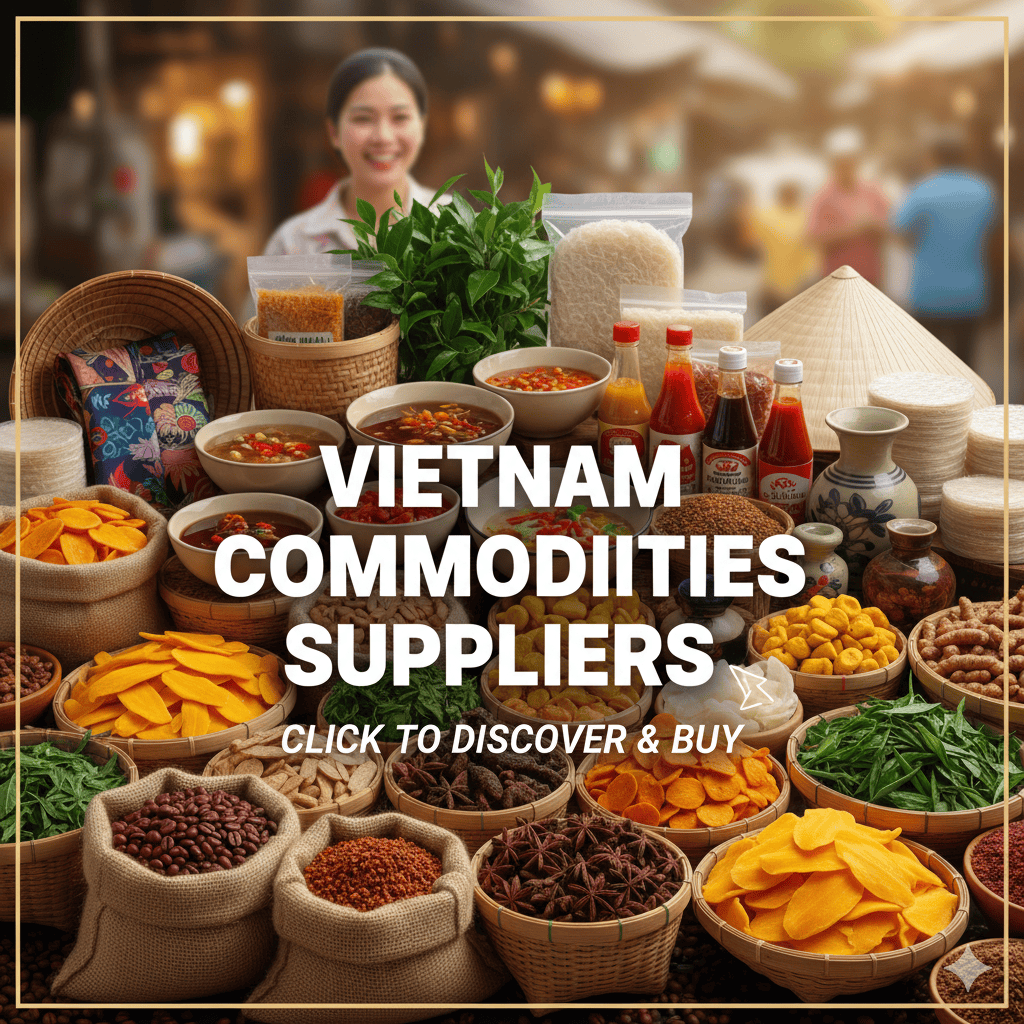
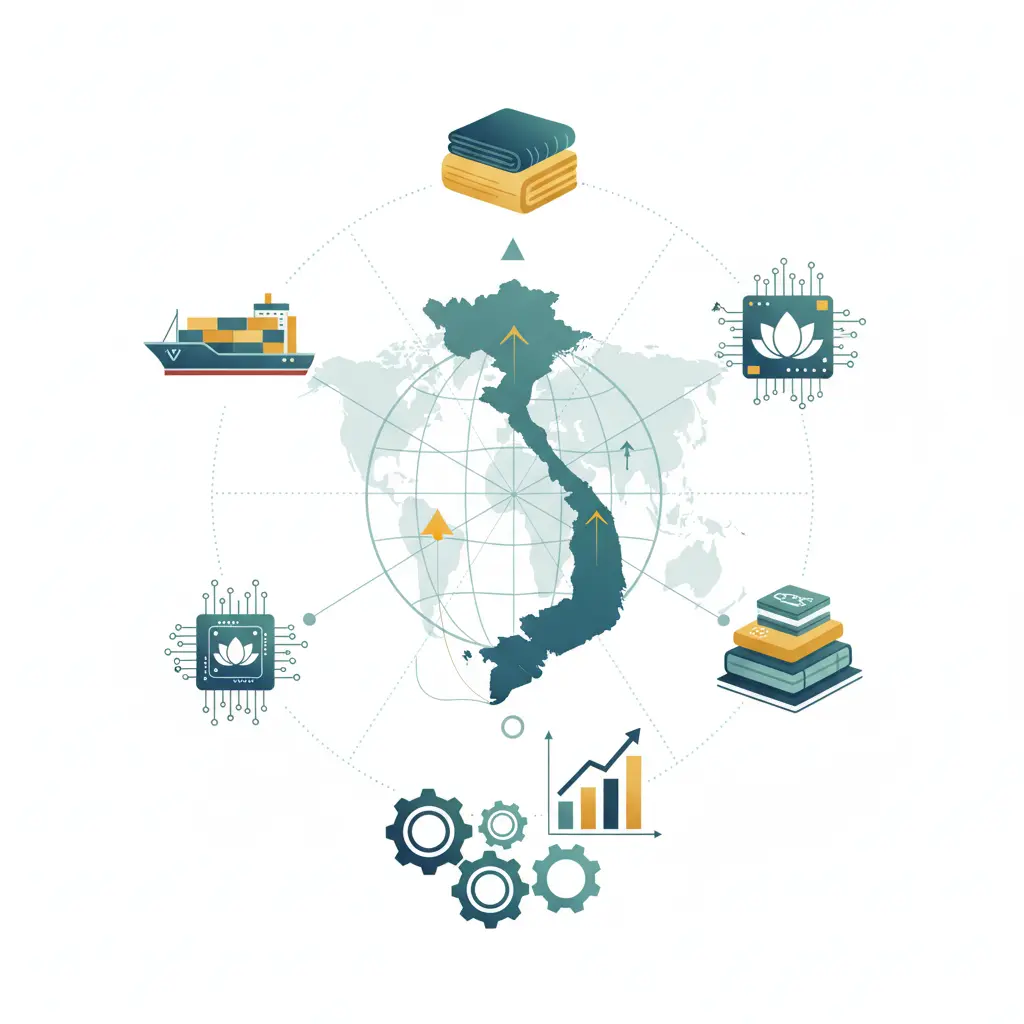
The diversification of Vietnam’s manufacturing base is a key driver of its economic success. Several sectors stand out for their robust growth and export potential. Electronics manufacturing, including smartphones, components, and consumer electronics, is a cornerstone, with major global brands establishing significant production facilities here. The textile and garment industry remains a traditional strength, known for producing high-quality apparel and footwear for international markets. Furniture manufacturing, producing both indoor and outdoor pieces, has also seen substantial growth, leveraging Vietnam’s abundant timber resources and skilled craftsmanship. Additionally, the agricultural processing sector is booming, exporting coffee, rice, seafood, and various fruits. These industries are supported by a vast network of skilled Vietnam manufacturers, making the country a prime source for wholesale Vietnam suppliers and diverse products across a multitude of categories. For businesses seeking to diversify their supply chains, Vietnam offers a deep and competitive manufacturing ecosystem.
3. Strategic advantages of manufacturing in Vietnam (e.g., labor, trade agreements)
Manufacturing in Vietnam offers a suite of strategic advantages that appeal to international businesses. Perhaps the most significant is its competitive labor force. Vietnam boasts a large, relatively young, and increasingly educated workforce, with labor costs significantly lower than many regional competitors, while maintaining high productivity. Beyond labor, Vietnam’s proactive approach to international trade agreements is a major draw. It is a signatory to numerous free trade agreements (FTAs), including the Comprehensive and Progressive Agreement for Trans-Pacific Partnership (CPTPP), the EU-Vietnam Free Trade Agreement (EVFTA), and the Regional Comprehensive Economic Partnership (RCEP). These agreements provide preferential tariffs and streamlined customs procedures, making it highly attractive to import from Vietnam by reducing costs and enhancing market access to major global economies. Furthermore, the Vietnamese government actively supports foreign investment through various incentives, including tax breaks and simplified administrative processes. Coupled with ongoing infrastructure development—such as new ports, airports, and industrial zones—these factors create an incredibly conducive environment for businesses seeking efficient and cost-effective production, making it easy to find reliable Vietnam export companies list and optimize global supply chains.
How to Find Reliable Vietnam Manufacturers & Suppliers
In today’s globalized economy, Vietnam has emerged as a powerhouse in manufacturing and supply chain, offering competitive advantages for businesses worldwide. Yet, successfully sourcing products requires navigating a complex landscape to identify truly reliable Vietnam Suppliers. This guide provides practical steps and essential resources for identifying trustworthy Vietnamese partners, ensuring quality, transparency, and long-term success in your sourcing efforts, whether you’re looking to Import from Vietnam for the first time or optimize existing supply lines.
1. Leveraging online platforms and B2B marketplaces
The digital age has revolutionized how businesses connect, and online platforms serve as a primary gateway to finding potential Vietnam manufacturers. Global B2B marketplaces like Alibaba, Global Sources, and TradeKey host thousands of Vietnamese companies across various sectors. These platforms offer extensive search filters, allowing you to narrow down suppliers by product, capacity, certification, and location within Vietnam. Beyond these international giants, regional Vietnamese B2B sites and industry-specific portals also provide valuable leads, often featuring smaller, specialized Wholesale Vietnam suppliers that might not have a strong presence on larger platforms.
However, the convenience of online searching comes with the critical need for due diligence. Always scrutinize supplier profiles for verified status, certifications (like ISO, BSCI, SA8000), and customer reviews. Pay attention to their communication responsiveness and clarity. Initiate contact with a detailed Request for Quotation (RFQ) and be prepared to ask probing questions about their production capacity, quality control processes, minimum order quantities (MOQs), and lead times. Requesting samples is a non-negotiable step to assess product quality and ensure it meets your specifications before committing to a larger order. Building trust starts with transparent communication and a thorough vetting process online.
2. Attending trade shows and industry events in Vietnam
While online platforms offer convenience, nothing quite compares to the direct interaction and tangible assessment possible at trade shows and industry events. Attending these events in Vietnam provides an unparalleled opportunity to meet potential partners face-to-face, inspect product samples firsthand, and gauge a supplier’s professionalism and scale. Major cities like Ho Chi Minh City and Hanoi regularly host international trade fairs across diverse sectors, from textiles and garments to electronics, furniture, and agricultural products. These events are not just about finding suppliers; they’re also invaluable for understanding market trends, competitor offerings, and the broader Vietnamese manufacturing landscape.
These interactions allow for immediate feedback, detailed discussions on product customization, and often, more effective price negotiations than through email exchanges. Beyond the exhibition floor, networking events and seminars frequently accompany these shows, offering insights into local regulations, economic forecasts, and opportunities for establishing valuable business relationships. Before attending, research specific industry shows relevant to your product category and plan your meetings in advance to maximize your time and ensure you connect with the most promising Vietnam export companies list candidates. The personal connection forged at a trade show can significantly strengthen the foundation of a reliable long-term partnership when you Import from Vietnam.
3. Working with sourcing agents and consultants
For businesses new to sourcing from Vietnam or those dealing with complex product requirements, engaging a local sourcing agent or consultant can be an invaluable strategy. These professionals possess deep local market knowledge, understand cultural nuances, and often have established networks of trusted Vietnam Suppliers. A good sourcing agent acts as your eyes and ears on the ground, helping to overcome language barriers, negotiate favorable terms, and conduct factory audits and quality control checks before, during, and after production.
Their services typically include supplier identification, vetting, price negotiation, contract assistance, and ongoing quality assurance. They can navigate the intricacies of Vietnamese business practices and legal frameworks, mitigating risks associated with miscommunication or misunderstandings. When selecting an agent, look for transparency in their fee structure, a proven track record, and references from past clients. Ensure they have expertise in your specific product category and a clear understanding of your quality standards. While an additional cost, a reliable sourcing agent can ultimately save you time, money, and headaches, ensuring your products meet specifications and arrive on schedule, particularly when dealing with the diverse range of Vietnam export companies list available.
Finding reliable Vietnamese partners requires a multi-pronged approach combining digital outreach, personal interaction, and, where appropriate, expert local assistance. By diligently applying these strategies, you can establish robust and transparent supply chains, leveraging Vietnam’s dynamic manufacturing capabilities for your business’s success. For more insights into Vietnam’s robust economic transformation and its growing role in global trade, you can refer to authoritative sources like the World Bank’s overview of Vietnam’s economy.
Navigating Wholesale & Import from Vietnam Successfully
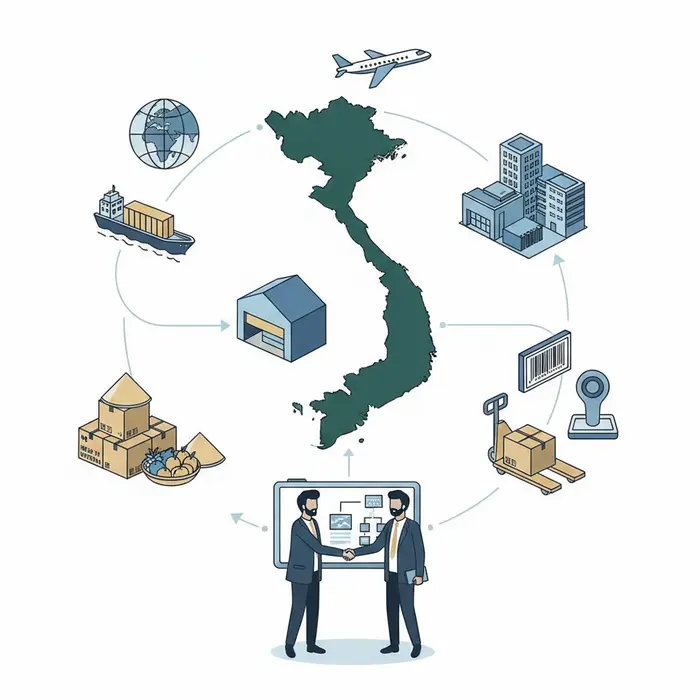
As a burgeoning hub for manufacturing and export, Vietnam offers immense opportunities for businesses looking to source high-quality goods at competitive prices. Navigating wholesale and import from Vietnam, however, requires a strategic approach, careful planning, and an understanding of local business practices. This guide delves into the key considerations for importing goods and managing wholesale orders from Vietnam, focusing on critical logistical and financial aspects to ensure a smooth and profitable supply chain.
1. Understanding Minimum Order Quantities (MOQs) and Pricing Structures
One of the primary factors in establishing a successful relationship with Vietnam Suppliers is understanding their Minimum Order Quantities (MOQs) and how they structure their pricing. MOQs represent the smallest quantity of a product a manufacturer is willing to produce or sell in a single order. These can vary significantly depending on the product, the manufacturer’s production capacity, and their target market. For smaller businesses or startups, high MOQs from certain Vietnam manufacturers might be a barrier. It’s crucial to negotiate these early on; some suppliers may be flexible, especially for trial orders or long-term commitments, but this might come with a slightly higher per-unit cost. Pricing structures also demand careful analysis. Beyond the per-unit cost, consider how pricing changes with volume, whether there are discounts for bulk orders, and what is included in the quoted price (e.g., ex-factory, FOB, CIF). Understanding these Vietnam export companies list pricing nuances is vital for accurate budgeting and competitive retail pricing.
2. Implementing Effective Quality Control and Assurance Measures
Maintaining product quality is paramount when importing from Vietnam. Effective quality control (QC) and quality assurance (QA) measures are non-negotiable to prevent costly defects, returns, and damage to your brand reputation. Before placing significant orders with wholesale Vietnam suppliers, conduct thorough due diligence. This includes requesting samples, reviewing factory audits, and understanding their existing QC processes. Ideally, implement a multi-stage inspection process: pre-production checks to ensure raw materials meet specifications, in-line inspections during manufacturing to catch issues early, and final pre-shipment inspections (PSI) before goods leave the factory. Many importers choose to hire third-party inspection agencies based in Vietnam, who can provide unbiased reports and ensure compliance with your specific quality standards. This proactive approach to quality management is essential for long-term success with import from Vietnam operations.
3. Managing Payment Terms, Methods, and Currency Exchange
Financial transactions are a critical component of importing. Navigating payment terms, methods, and currency exchange rates effectively can significantly impact profitability and risk. Typical payment terms for Vietnam manufacturers often involve an upfront deposit (e.g., 30%) to start production, with the remaining balance due upon completion or shipment (e.g., 70% against B/L copy). While wire transfers (TT) are common, consider exploring other secure methods like Letters of Credit (LC) for larger orders, which offer more protection for both buyer and seller. Always ensure your payment terms are clearly outlined in a legally binding purchase agreement. Furthermore, the Vietnamese Dong (VND) is the local currency, but most international transactions are quoted and settled in US Dollars (USD). Fluctuations in currency exchange rates can impact your final cost. It’s wise to monitor exchange rates and consider hedging strategies or locking in rates with your bank for large orders to mitigate currency risk. Understanding key international shipping terms, such as Incoterms, also clarifies who bears the costs and risks at various stages of the shipping process, directly influencing payment structures and overall financial liability.
Key Product Categories for Import from Vietnam
Vietnam has rapidly emerged as a dynamic and increasingly indispensable hub in the global supply chain. Its strategic location, competitive manufacturing costs, a young and skilled workforce, and proactive engagement in numerous free trade agreements have propelled it to the forefront for businesses seeking diverse sourcing opportunities. This section highlights popular and emerging product categories that are ideal for sourcing, showcasing the incredible diversity and potential for businesses looking to Import from Vietnam.
1. Textiles, Apparel, and Footwear Sourcing Opportunities
Vietnam has solidified its global standing as a powerhouse in textile, apparel, and footwear manufacturing, second only to China in certain categories. The industry thrives on a combination of competitive labor costs, continuous investment in modern production technologies, and an increasingly skilled workforce capable of meeting international standards. Importers can find an extensive range of products, from high-quality fashion apparel – including both fast fashion and premium segments – to specialized athletic wear, durable workwear, and a vast array of footwear options, encompassing sneakers, casual shoes, and formal footwear. Major global brands like Nike and Adidas have long-established significant production bases here, a testament to the country’s manufacturing capabilities. Many Vietnam manufacturers in this sector are equipped to handle large-scale orders while adhering to stringent quality control and ethical manufacturing practices, making them attractive Wholesale Vietnam suppliers. Furthermore, a growing emphasis on sustainability and eco-friendly production methods means that businesses can source products that align with contemporary consumer demands for responsible manufacturing. Vietnam’s extensive network of free trade agreements, including the CPTPP and EVFTA, further enhances its appeal by offering preferential tariffs and streamlined trade processes, making it a highly cost-effective and reliable option for international buyers.
2. Electronics, Components, and Machinery
The electronics sector in Vietnam has experienced exponential growth, transforming the country into a critical hub for high-tech manufacturing and assembly. This rapid expansion has been fueled by substantial foreign direct investment from global tech giants such as Samsung, Intel, and LG, which have established large-scale production facilities. Businesses looking to Import from Vietnam in this category can source a wide array of cutting-edge products, ranging from popular consumer electronics like smartphones, tablets, smart home devices, and televisions, to essential electronic components such as semiconductors, circuit boards, and integrated circuits. Beyond consumer goods, Vietnam is also developing its capabilities in industrial electronics and machinery, including precision mechanical components, solar panels, and specialized industrial equipment. The country’s commitment to fostering a robust technological ecosystem, coupled with a young, tech-savvy workforce and supportive government policies, ensures a continuously evolving and reliable supply chain. This makes it easier to find specialized Vietnam export companies list for specific electronic manufacturing needs, ensuring quality and competitive pricing for global markets.
3. Furniture, Home Goods, and Handicrafts
Vietnam’s rich cultural heritage and skilled artisan tradition are beautifully showcased in its thriving furniture, home goods, and handicrafts sectors. This category offers an exquisite blend of traditional craftsmanship and contemporary design, appealing to a global market that values uniqueness, quality, and often, sustainability. Importers can discover an extensive range of products, from elegant indoor and outdoor furniture crafted from sustainably sourced wood, durable rattan, and eco-friendly bamboo, to intricate decorative items, high-quality ceramics, lustrous lacquerware, and hand-woven textiles and baskets. The sector is highly versatile, capable of producing both mass-market collections and bespoke, artisanal pieces, offering significant flexibility to international buyers. Many Wholesale Vietnam suppliers in this domain are adept at incorporating eco-friendly materials and sustainable production practices, aligning perfectly with global consumer trends towards environmentally conscious living and ethical sourcing. The distinct aesthetic, competitive pricing, and commitment to quality make Vietnamese furniture and handicrafts a compelling choice for retailers, interior designers, and wholesalers worldwide, eager to offer products with both character and commercial appeal.
For businesses aiming to diversify their supply chains, mitigate risks, and source high-quality products at competitive prices, engaging with Vietnam Suppliers is an increasingly strategic and rewarding decision. The country’s robust economic growth and increasing integration into global trade networks underscore its position as a reliable and dynamic sourcing destination. According to the World Bank, Vietnam continues to demonstrate strong economic resilience and a commitment to export-oriented manufacturing, promising continued growth and a wealth of opportunities across its diverse product categories for international buyers.
Top Vietnam Export Companies List & Resources for 2025
A comprehensive guide to finding major export players and accessing crucial resources for building strong, long-term partnerships in 2025.
Vietnam continues its ascent as a global manufacturing and export powerhouse, offering immense opportunities for international businesses looking to diversify their supply chains or source high-quality goods. For anyone aiming to import from Vietnam in 2025, identifying reliable partners is paramount. This guide provides an actionable framework for navigating the landscape of Vietnam export companies list and connecting with trustworthy Vietnam manufacturers and wholesale Vietnam suppliers. Building strong, long-term partnerships requires a strategic approach, leveraging official channels and industry insights to identify the most suitable Vietnam Suppliers.
As global supply chains evolve, Vietnam’s strategic location, skilled workforce, and favorable trade policies make it an increasingly attractive destination for sourcing. From textiles and footwear to electronics and agricultural products, the diversity of goods available from this vibrant Southeast Asian nation is vast. Understanding where to look and how to vet potential partners is the first step towards successful procurement. This article will walk you through the most effective strategies for identifying leading Vietnam Suppliers and securing beneficial collaborations.
1. Utilizing Government Trade Agencies and Official Directories
One of the most reliable starting points for compiling a robust Vietnam export companies list is through government trade agencies and official directories. These bodies are mandated to promote national exports and facilitate trade, offering verified information and often directly connecting buyers with pre-vetted suppliers.
- Vietrade (Vietnam Trade Promotion Agency): As an agency under the Ministry of Industry and Trade, Vietrade is a primary resource. Their website often features directories of exporters by sector, trade fair schedules, and contact information for key industry players. They are instrumental in promoting Vietnam manufacturers on the global stage.
- Ministry of Industry and Trade (MOIT): The official portal of MOIT provides broader economic data, trade policies, and sometimes lists of major industries and their representative companies. While not a direct supplier directory, it offers valuable context and can help identify leading sectors.
- Foreign Embassies and Trade Missions: Your home country’s embassy or trade mission in Vietnam, or the Vietnamese embassy in your country, can provide lists of verified exporters, industry reports, and even facilitate introductions. They often have commercial attachés whose job it is to assist foreign businesses in finding reliable wholesale Vietnam suppliers.
- Official Business Registries: The Vietnamese government maintains official business registration databases. While not always user-friendly for foreign businesses, these can be accessed through local consultants and offer definitive proof of a company’s legal standing and registration details. Leveraging these official channels significantly reduces the risk associated with finding new partners.
2. Connecting with Industry Associations and Chambers of Commerce
Beyond government bodies, industry-specific associations and Chambers of Commerce are invaluable resources for discovering Vietnam export companies list. These organizations represent the collective interests of their members, often including the most prominent and reputable exporters in their respective fields.
- Vietnam Chamber of Commerce and Industry (VCCI): VCCI is arguably the most influential business organization in Vietnam, representing a vast network of enterprises. They organize business matching events, publish directories, and can provide referrals to trusted Vietnam Suppliers across various sectors. Their extensive network makes them a vital gateway for businesses looking to import from Vietnam.
- Sector-Specific Associations: For instance, the Vietnam Textile and Apparel Association (VITAS), the Vietnam Association of Seafood Exporters and Producers (VASEP), or the Vietnam Electronic Industries Association (VEIA) all maintain member directories. These associations are excellent for identifying specialized Vietnam manufacturers who adhere to industry standards and best practices. Connecting with these groups allows you to target your search precisely and gain insights into specific market segments. They often host events and webinars, offering direct networking opportunities with potential partners.
- Foreign Chambers of Commerce (e.g., AmCham, EuroCham, KORCHAM): These chambers represent foreign businesses operating in Vietnam and often have strong relationships with local suppliers. They can offer insights into the local business culture, provide recommendations for wholesale Vietnam suppliers, and organize networking events. For example, the European Chamber of Commerce in Vietnam (EuroCham) is a valuable resource for European businesses.
3. Identifying Major Established Exporters by Sector
Once you’ve explored official channels and associations, a more targeted approach involves researching major established exporters within your specific product sector. These are often the largest Vietnam manufacturers with proven track records in international trade.
- Market Research Reports: Reputable market research firms often publish reports detailing leading companies by industry in Vietnam. These reports can highlight key players, market shares, and export volumes, helping you identify significant Vietnam Suppliers.
- Trade Fairs and Exhibitions: Participating in or even just researching past participants of major trade fairs in Vietnam (e.g., Vietnam Expo, SaigonTex) can reveal a concentrated list of active exporters. These events are often attended by the biggest wholesale Vietnam suppliers keen on establishing new international partnerships. While attending in person is ideal, reviewing exhibitor lists from previous years can be highly informative.
- Online B2B Platforms (with caution): While platforms like Alibaba, Global Sources, and even local Vietnamese B2B sites list many suppliers, it’s crucial to exercise due diligence. Use them as a starting point for discovery, but always cross-reference companies with information from government agencies and industry associations. Look for Gold Suppliers or verified manufacturers, but remember these verifications are not always exhaustive.
By systematically utilizing these resources, businesses can compile a comprehensive Vietnam export companies list and confidently identify reliable Vietnam Suppliers for 2025. This structured approach ensures that you build a foundation of trust and efficiency, leading to successful and sustainable sourcing from Vietnam. Investing time in thorough research and vetting will pay dividends in long-term partnership success when you import from Vietnam.
Partner with Vietnam’s Leading Suppliers
Looking for reliable suppliers in Vietnam? Contact VietnamSuppliers.com today to connect with verified manufacturers and exporters across all industries.
—————————————
References
– World Bank – Vietnam Overview: https://www.worldbank.org/en/country/vietnam/overview
– World Bank’s overview of Vietnam’s economy: https://www.worldbank.org/en/country/vietnam/overview
– international shipping terms: https://www.freightos.com/freight-resources/incoterms-2020-guide/
– World Bank Vietnam Overview: https://www.worldbank.org/en/country/vietnam/overview
– European Chamber of Commerce in Vietnam (EuroCham): https://www.eurochamvn.org/