What is Anti-Dumping Duty? The Basics
In the intricate world of international trade, competition is often fierce, but ideally fair. However, instances of unfair trade practices can emerge, threatening domestic industries and distorting market dynamics. One such practice is “dumping,” which governments counteract using a specific trade remedy: Anti-Dumping Duty Explained. This section will delve into the fundamental concepts surrounding anti-dumping duty, explaining what it is, why it’s imposed, and the key terms associated with its application.
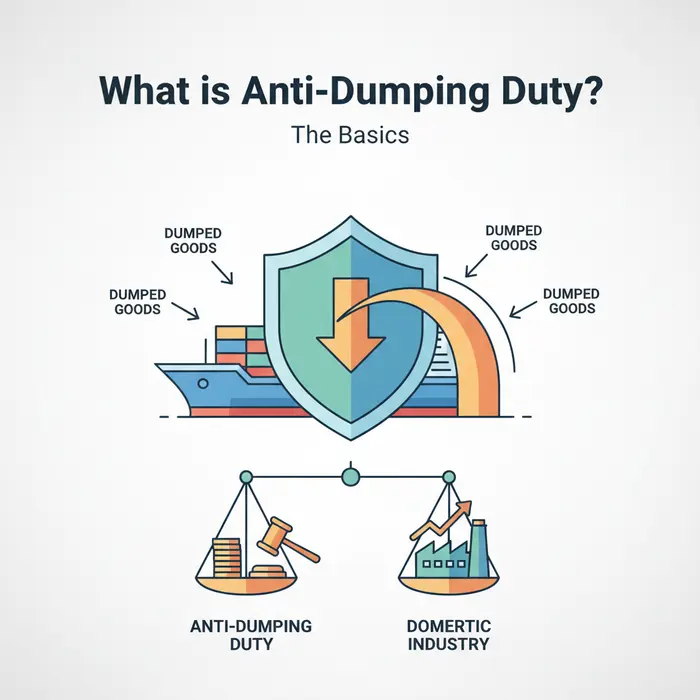
At its core, an anti-dumping duty is a protectionist tariff imposed by a domestic government on foreign imports that it believes are priced below their fair market value. The primary goal is to level the playing field, ensuring that domestic industries are not disadvantaged by artificially low-priced foreign goods. Understanding this mechanism is crucial for businesses engaged in global trade, as it significantly impacts import strategies and pricing structures. The impact of anti-dumping duty on imports can be substantial, often leading to increased costs for importers and adjustments in supply chains.
1. Definition of Dumping: Unfair Trade Practice
Dumping occurs when a company exports a product at a price lower than the price it normally charges in its own home market, or lower than its cost of production. It’s considered an unfair trade practice because it gives the exporting company an unfair competitive advantage, potentially driving domestic producers out of business. This practice is particularly damaging when foreign companies leverage strong state subsidies or operate in markets with different cost structures, allowing them to sell goods abroad at prices domestic companies cannot match without incurring losses. The intention behind dumping is often to gain market share rapidly, eliminate competition, or clear excess inventory, ultimately at the expense of local industries. When evidence suggests that dumping is causing or threatening material injury to an industry in the importing country, the stage is set for an investigation into potential anti-dumping measures.
2. Purpose of Anti-Dumping Measures
The fundamental purpose of imposing anti-dumping duties is to safeguard domestic industries from the adverse effects of unfairly priced imports. By adding a duty to the dumped goods, the importing country aims to bring the price of the imported product closer to its “normal value,” thereby neutralizing the unfair competitive advantage. This prevents predatory pricing strategies from undermining local manufacturers, protecting jobs, and maintaining industrial capacity. The legal framework for these measures is primarily governed by the WTO Anti-Dumping Agreement, which sets out the rules for applying anti-dumping duties, ensuring they are not used as arbitrary protectionist tools but rather as legitimate responses to demonstrable unfair trade. Countries must conduct thorough investigations, establish injury to domestic industries, and prove a causal link between the dumped imports and the injury before imposing duties.
3. Key Terms: Normal Value, Export Price, Like Product
To determine if dumping has occurred and to calculate the appropriate anti-dumping duty, several key terms are critically important:
- Normal Value: This refers to the price of the like product when sold in the ordinary course of trade for consumption in the exporting country’s domestic market. If domestic sales are not available or suitable, the normal value can be determined based on the price of the like product exported to an appropriate third country or a constructed value (cost of production plus a reasonable amount for administrative, selling, and general costs, and profits).
- Export Price: This is the price at which the product is sold from the exporting country to the importing country. It’s essentially the actual price paid or payable for the product destined for export.
- Like Product: This refers to a product that is identical, i.e., alike in all respects to the product under consideration, or, in the absence of such a product, another product which, although not alike in all respects, has characteristics closely resembling those of the product under consideration. This comparison is crucial for a fair assessment.
The dumping margin is calculated as the difference between the Normal Value and the Export Price. If the Normal Value is higher than the Export Price, dumping is occurring. How anti-dumping duties are applied involves this calculation, with the duty typically being equal to or less than the dumping margin.
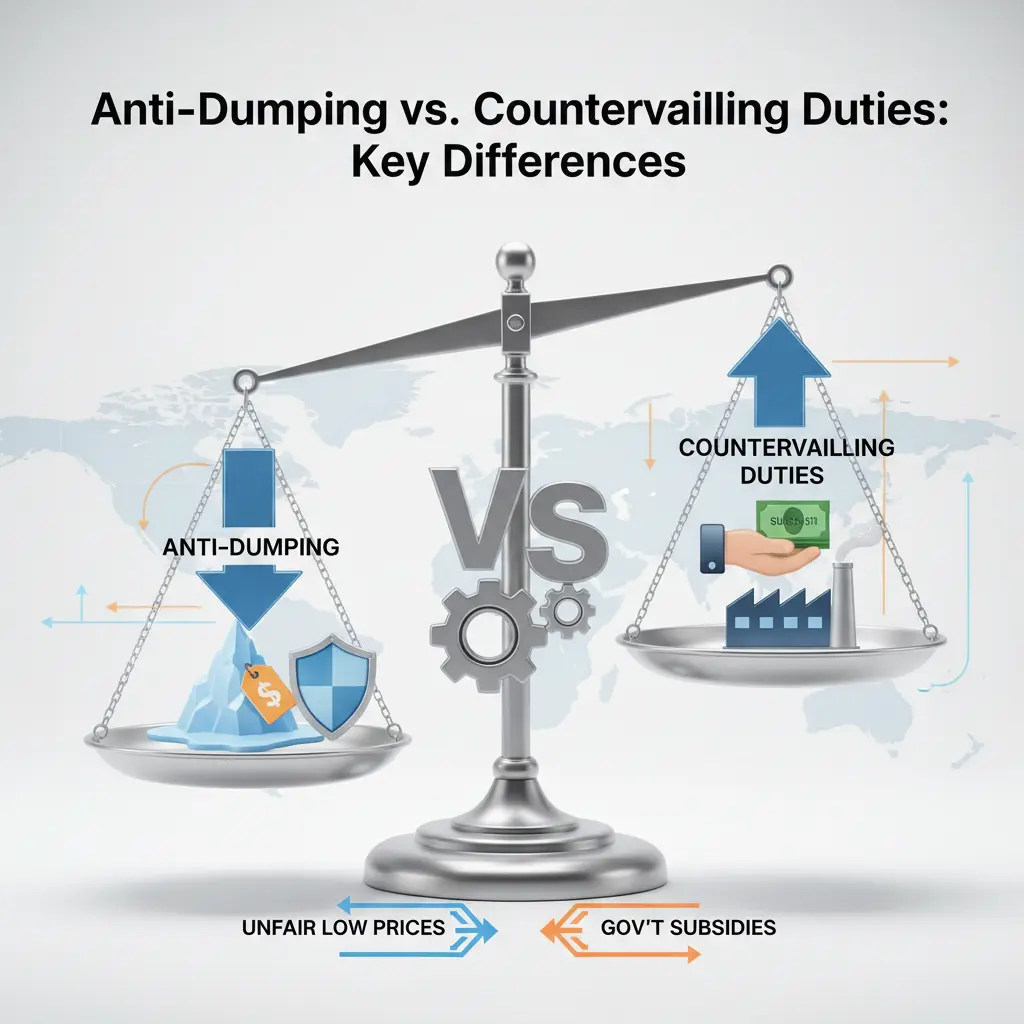
It’s also important to distinguish anti-dumping duties from countervailing duties vs anti-dumping. While both are trade remedies designed to counteract unfair trade practices, countervailing duties address subsidies provided by foreign governments that give an unfair advantage to their exporters, whereas anti-dumping duties specifically target the predatory pricing behavior of individual companies. Both aim to restore fair competition in the global marketplace. For more detailed insights into navigating international trade regulations and understanding Anti-Dumping Duty Explained, resources are available to help businesses comply and adapt.
How Anti-Dumping Duties Are Applied: The Investigation Process
The application of anti-dumping duties involves a rigorous, multi-stage investigation process. Governed by national laws and the WTO Anti-Dumping Agreement, this intricate procedure ensures that duties are only imposed when genuine unfair trade practices are proven to harm domestic industries. From the initial complaint to the final imposition of tariffs, each step meticulously gathers evidence and provides due process, clarifying the broader Anti-Dumping Duty Explained principles.
1. Initiating an Anti-Dumping Investigation
The journey of an anti-dumping duty typically begins with a formal petition from a domestic industry. Producers of a “like product” in the importing country must demonstrate sufficient standing, usually representing at least 25% of total domestic production. The complaint must present compelling prima facie evidence across three critical areas: that goods are being dumped (sold below normal value), that the domestic industry is suffering material injury or threat thereof, and that a causal link exists between the dumped imports and the injury. The national investigating authority (e.g., the U.S. Department of Commerce or the European Commission) reviews the petition. If adequate, an investigation is formally initiated, notifying the exporting country’s government and all known interested parties, including exporters and importers. This initial phase establishes the groundwork for a comprehensive inquiry.
2. Determining ‘Injury’ and ‘Causation’ to Domestic Industry
Once an investigation is initiated, a pivotal stage involves meticulously assessing the “injury” suffered by the domestic industry and establishing a “causal link” to the dumped imports. Injury can be material injury, threat of material injury, or material retardation of a domestic industry. Authorities examine economic factors like declining sales, reduced market share, price suppression, lost profits, and adverse impacts on employment. Crucially, the injury must be directly caused by the dumped imports, not other factors like economic downturns, changes in consumer tastes, or technological shifts. This “non-attribution” requirement ensures impartiality; investigators must isolate the impact of dumping. An independent body, such as the U.S. International Trade Commission (ITC), often handles the injury determination. This rigorous analysis is fundamental to understanding the impact of anti-dumping duty on imports and ensuring fair trade practices.
3. Calculating the Anti-Dumping Duty Margin
The final and most technical phase involves calculating the anti-dumping duty margin. This margin is the difference between the “normal value” of the product in the exporting country and its “export price” to the importing country. Normal value is typically the domestic market price, or a constructed value if domestic sales are unsuitable. The export price is the selling price to the importing country. To ensure a “fair comparison,” adjustments are made to both values for differences in sales terms, quantities, and physical characteristics. This intricate process involves detailed questionnaires and data analysis. A preliminary determination often leads to provisional measures, like cash deposits. Following further review and hearings, a final determination is issued. If dumping and injury are confirmed, the definitive anti-dumping duty, no higher than the dumping margin, is applied. These duties are typically in effect for five years, subject to ‘sunset reviews,’ distinguishing them from countervailing duties vs anti-dumping, which address subsidies.
The Impact of Anti-Dumping Duty on Imports & Businesses
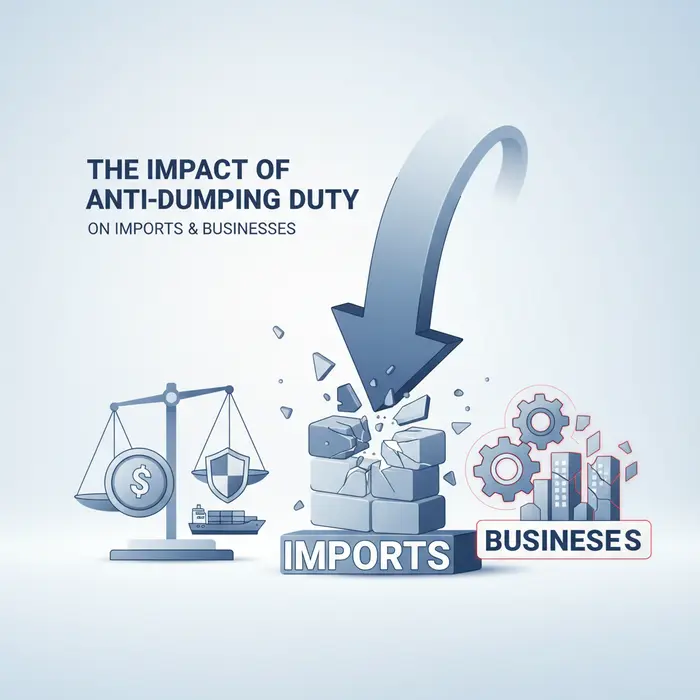
Anti-dumping duty is a protectionist tariff levied by a domestic government on foreign imports that it believes are priced below fair market value. This practice, known as dumping, occurs when a company exports a product at a price lower than its domestic price or its cost of production. The primary goal of imposing such duties is to counteract unfair trade practices and safeguard domestic industries from severe injury or threat of injury caused by cheap imports. Understanding how these duties are applied and their broad implications is crucial for all stakeholders involved in global trade. This section will delve into the multifaceted effects of anti-dumping duties on importing companies, exporting firms, domestic industries, and ultimately, end-consumers, offering a comprehensive look at what happens when Anti-Dumping Duty Explained comes into play in international commerce.
1. Effects on Importing Businesses and Supply Chains
For businesses that rely on imported goods, the imposition of an anti-dumping duty can have immediate and significant repercussions. The most direct impact of anti-dumping duty on imports is a substantial increase in the cost of goods. This additional tariff is typically paid by the importer, directly affecting their profit margins. Faced with higher acquisition costs, importing companies must decide whether to absorb these costs, thereby reducing profitability, or pass them on to their customers through increased prices. The latter can lead to reduced sales volume and potential loss of market share if consumers opt for cheaper alternatives or domestic substitutes.
Furthermore, anti-dumping duties can severely disrupt established supply chains. Companies might be forced to seek alternative suppliers in countries not subject to the duties, which can involve significant effort, new vendor qualification processes, higher logistics costs, and potentially longer lead times. This transition can introduce supply uncertainty and affect production schedules. For businesses operating on just-in-time inventory systems, these disruptions can be particularly damaging, leading to production delays and stock shortages. The complexity introduced by managing these new supply routes adds administrative burden and operational challenges, impacting overall efficiency and competitiveness.
2. Challenges for Exporting Countries and Manufacturers
From the perspective of exporting countries and their manufacturers, anti-dumping duties represent a formidable barrier to market access. When a country imposes such duties, exporters from the targeted nation face a significant disadvantage. Their products become more expensive and less competitive in the importing market, leading to a direct loss of sales volume and market share. This can result in reduced production, potential job losses within the affected industries, and a downturn in the exporting country’s overall trade revenue.
Manufacturers in exporting countries must often re-evaluate their pricing strategies or actively seek out new export markets not subject to anti-dumping measures. This diversification can be costly and time-consuming, requiring new market research, compliance with different regulatory frameworks, and establishing new distribution channels. Moreover, defending against anti-dumping allegations is an arduous and expensive legal process. Countries often engage in disputes under the framework of the WTO anti-dumping agreement, which sets out the rules for applying such measures. While the WTO aims to ensure fairness and prevent abuse, the process can be protracted and resource-intensive, imposing substantial financial and administrative burdens on both governments and individual firms.
3. Benefits and Protections for Domestic Industries
While creating challenges for importers and exporters, anti-dumping duties are primarily designed to provide tangible benefits and protections for domestic industries. By neutralizing the price advantage of dumped imports, these duties level the playing field, allowing domestic manufacturers to compete fairly on price. This protection can prevent domestic industries from suffering financial losses, market share erosion, and potential bankruptcies that could arise from aggressive, unfairly priced foreign competition.
The imposition of anti-dumping duties can lead to increased sales, production, and profitability for domestic firms. This can, in turn, stimulate investment in domestic manufacturing capacity, technology upgrades, and research and development, fostering long-term growth and job creation within the country. For example, when unfair competition is curbed, domestic companies are more likely to invest in expanding their operations, leading to economic resilience. It’s important to note the distinction between anti-dumping duties and Countervailing duties vs anti-dumping. While both are trade remedies, anti-dumping duties address products priced unfairly low, whereas countervailing duties tackle products benefiting from government subsidies. Both mechanisms ultimately aim to protect domestic industries from injury caused by unfair foreign trade practices, ensuring a more equitable competitive environment.
In conclusion, the application of anti-dumping duties creates a complex web of economic consequences. While they serve as a critical tool for protecting domestic industries from injurious unfair trade practices, their implementation invariably impacts importing businesses, supply chains, and exporting nations, necessitating careful consideration of their broader economic and political ramifications.
WTO Anti-Dumping Agreement: International Rules & Framework
In the intricate world of global trade, fair competition is paramount. However, sometimes goods are exported at prices below their normal value, a practice known as “dumping.” This can severely injure domestic industries in the importing country. To maintain a level playing field and prevent protectionism disguised as legitimate trade defense, the World Trade Organization (WTO) plays a critical role. The WTO’s comprehensive rules provide a crucial international framework for regulating anti-dumping measures, ensuring that countries can respond legitimately to unfair pricing practices without stifling trade.
Understanding the application and Anti-Dumping Duty Explained within the WTO context is essential for importers, exporters, and policymakers alike. The international rules are designed to prevent arbitrary actions, promote transparency, and offer a clear path for dispute resolution, thereby minimizing the negative impact of anti-dumping duty on imports while protecting domestic industries.
1. The Agreement on Anti-Dumping (ADA)
At the heart of the WTO’s anti-dumping framework is the Agreement on Implementation of Article VI of the General Agreement on Tariffs and Trade 1994, commonly known as the Agreement on Anti-Dumping (ADA). This agreement sets out the detailed provisions and conditions under which a WTO member country can impose anti-dumping duties on imported goods. The ADA defines dumping as the introduction of products into the commerce of another country at less than their normal value.
For an importing country to lawfully apply anti-dumping duties, three cumulative criteria must be met:
- **Dumping must exist:** The export price of a product must be less than its comparable price in the ordinary course of trade for the like product when destined for consumption in the exporting country.
- **Material injury to a domestic industry:** The dumped imports must cause or threaten to cause material injury to the domestic industry that produces the like product.
- **Causal link:** There must be a demonstrable link between the dumped imports and the material injury suffered by the domestic industry.
The process of how anti-dumping duties are applied typically begins with a complaint from a domestic industry. This triggers an investigation conducted by the importing country’s authorities. The investigation involves gathering evidence from all interested parties, including exporters, importers, and domestic producers, to determine if dumping has occurred, if injury exists, and if there is a causal link. Provisional duties may be imposed during the investigation, and definitive duties are applied only after a final affirmative determination. It’s also important to differentiate anti-dumping duties from countervailing duties vs anti-dumping measures; the former addresses unfair pricing by companies, while the latter targets subsidies provided by foreign governments.
2. WTO Principles and Oversight of Fair Trade
The WTO anti-dumping agreement is underpinned by core WTO principles designed to ensure fair play and prevent protectionist abuses. Transparency and due process are paramount. Investigating authorities are required to provide all interested parties with full opportunities to present their evidence and views, ensuring that decisions are based on objective facts and not political pressure. Confidential information is protected, but non-confidential summaries must be made available.
Furthermore, the ADA ensures that anti-dumping measures are not used discriminatorily. While specific duties are applied to goods from particular sources found to be dumping, the overall spirit of non-discrimination guides the system. WTO members are also obligated to notify the Committee on Anti-Dumping Practices of all preliminary and final anti-dumping actions, as well as any legislative changes. This oversight mechanism allows other members to review and question the consistency of such measures with the ADA, fostering greater accountability and adherence to international rules.
3. Dispute Settlement Body (DSB) Procedures
When a WTO member believes that another member has violated the provisions of the ADA in applying anti-dumping measures, they can invoke the WTO’s robust Dispute Settlement Understanding (DSU). The Dispute Settlement Body (DSB) procedures provide a structured, rules-based mechanism for resolving trade disputes, ensuring that the WTO anti-dumping agreement is enforced consistently and effectively.
The process typically begins with consultations between the disputing parties, aiming for a mutually agreed solution. If consultations fail, the complaining member can request the establishment of a panel to adjudicate the dispute. The panel examines the evidence and arguments, issues a report with findings and recommendations, which can then be appealed to the Appellate Body (though the Appellate Body’s function is currently suspended, interim appeal arrangements are often used). If a measure is found to be inconsistent with the ADA, the losing party is expected to bring its measure into conformity with WTO rules. Should they fail to do so, the complaining party may be authorized by the DSB to impose retaliatory trade measures. This robust dispute settlement system acts as a crucial check on the arbitrary use of anti-dumping duties, upholding the integrity of the international trading system.
In the complex landscape of international trade, governments frequently deploy various measures to ensure fair competition and protect domestic industries from predatory or distortive practices. Among the most significant of these are anti-dumping duties and countervailing duties. While both aim to neutralize unfair trade advantages, they target fundamentally different types of trade distortions. Understanding their distinct triggers, purposes, and the specific unfair trade practices they address is crucial for businesses operating across borders. This section will clarify these differences, providing a comprehensive explanation of each measure and highlighting why they are applied separately under international trade law.
1. Defining Countervailing Duties and Subsidies
Countervailing Duties (CVDs) are tariffs specifically imposed on imported goods to offset the benefits of subsidies provided by foreign governments to their domestic producers or exporters. These duties are a direct response to government intervention that distorts market conditions. A subsidy, in this context, refers to a financial contribution from a government or public body that confers a benefit to specific enterprises or industries. This can manifest in various forms, such as direct grants, preferential loans, tax exemptions, the provision of goods or services at below-market rates, or income/price support. The primary purpose of CVDs is to negate the unfair price advantage that foreign products gain due to this government support, which can severely harm domestic industries by allowing subsidized imports to be sold at artificially low prices, thereby undermining fair market competition.
2. Dumping vs. Subsidies: Understanding the Core Issues
The distinction between anti-dumping duties and countervailing duties largely hinges on the source of the unfair trade practice. Dumping occurs when an individual company exports a product to another country at a price lower than the price it normally charges in its own domestic market, or at a price lower than its cost of production. This practice is primarily a strategic business decision made by a private entity, often with the intent to gain market share or eliminate competitors. The concept of Anti-Dumping Duty Explained illuminates how such pricing is deemed unfair. Anti-Dumping Duties (ADDs) are consequently imposed to offset this specific price discrepancy, aiming to restore fair pricing and protect domestic industries from injury caused by these artificially low-priced imports. The Impact of anti-dumping duty on imports can be substantial, re-leveling the competitive playing field.
In contrast, subsidies, which trigger countervailing duties, originate from the actions of a foreign government. This fundamental difference—dumping being a private sector business practice versus subsidies being a government policy—is the bedrock of their separate legal and investigative treatments. While both practices are considered unfair trade practices under the World Trade Organization (WTO) rules due to their distortive effects on international trade, they stem from entirely different origins and motivations.
3. Separate Investigative Processes and Legal Bases
The application of both ADDs and CVDs is governed by distinct agreements under the World Trade Organization (WTO), underscoring their separate legal foundations. The WTO Anti-Dumping Agreement (Agreement on Implementation of Article VI of the GATT 1994) outlines the rules and procedures for anti-dumping measures, while the Agreement on Subsidies and Countervailing Measures (SCM Agreement) addresses subsidies and their corresponding countervailing duties. Investigative bodies, such as the U.S. Department of Commerce and the International Trade Commission, conduct separate and often parallel inquiries for each type of unfair practice.
For a dumping investigation, authorities must establish that dumping has occurred (by comparing export price with normal value or cost), that a domestic industry is suffering material injury, and that there’s a causal link between the dumping and the injury. How anti-dumping duties are applied involves meticulous price analysis and market studies. For a subsidy investigation, the focus shifts to identifying a financial contribution by a government or public body, confirming that it confers a benefit, demonstrating that it is specific to certain enterprises or industries, and proving that it causes injury to the domestic industry. Despite their shared goal of ensuring fair trade and preventing market distortions, the evidence required, the methodologies employed, and the legal tests applied for anti-dumping and countervailing duty investigations are distinct and rigorously defined. This clear separation is why businesses and trade experts consistently differentiate between Countervailing duties vs anti-dumping as two unique trade remedies.
In essence, anti-dumping duties combat the predatory pricing of individual foreign companies, while countervailing duties address market distortions caused by foreign government support. Both are critical tools for maintaining a level playing field in international commerce, reflecting the global commitment to fair trade practices as enshrined in WTO agreements. Businesses must remain vigilant and informed about these measures, as their application can profoundly affect market access and competitiveness, influencing import strategies and supply chain resilience.
Partner with Vietnam’s Leading Suppliers
Looking for reliable suppliers in Vietnam? Contact VietnamSuppliers.com today to connect with verified manufacturers and exporters across all industries.
—————————————
References
– WTO Anti-Dumping Agreement: https://www.wto.org/english/docs_e/legal_e/19-adp_e.htm
– WTO Anti-Dumping Agreement: https://www.wto.org/english/docs_e/legal_e/19-adp_e.htm
– WTO Anti-Dumping Agreement: https://www.wto.org/english/tratop_e/adp_e/adp_e.htm
– WTO Anti-Dumping Agreement details: https://www.wto.org/english/thewto_e/what_e/tif_e/agrm8_e.htm
– WTO Anti-Dumping Agreement: https://www.wto.org/english/docs_e/legal_e/14-adp.pdf