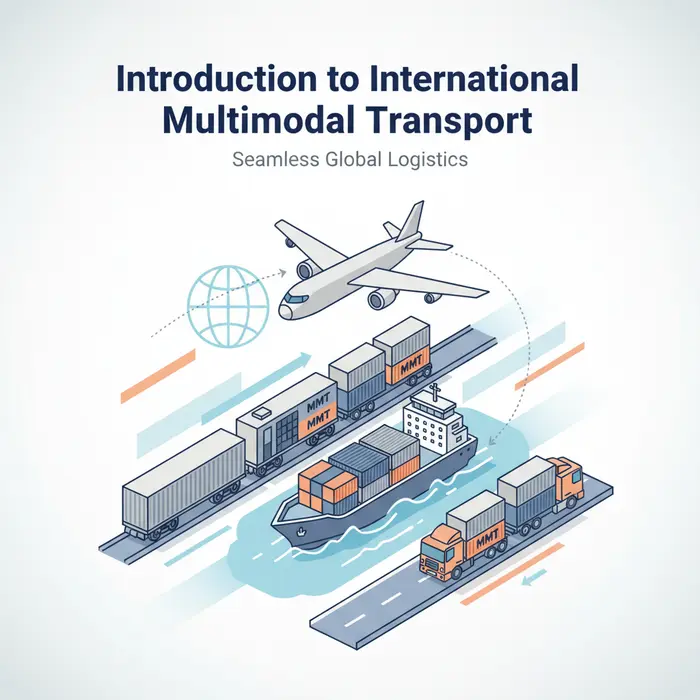
Introduction to International Multimodal Transport
In the intricate landscape of global commerce, the efficient movement of goods is paramount. Traditional shipping methods, often relying on a single mode of transport for the majority of a journey, are increasingly being superseded by more integrated and flexible approaches. International Multimodal Transport stands at the forefront of this evolution, representing a sophisticated system designed to streamline the global supply chain. This approach is not merely a combination of different transport modes; it’s a meticulously coordinated strategy that leverages the strengths of each mode—sea, air, road, and rail—under a unified management system, offering unparalleled efficiency, cost-effectiveness, and reliability.
1. What is Multimodal Transport?
Multimodal Transport, often interchangeably confused with intermodal transport, is a distinct method of freight movement where goods are transported using at least two different modes of transport (e.g., ship, train, truck, plane) from an origin to a final destination. The crucial differentiator lies in the legal framework: it is performed under a single contract of carriage, with a single carrier or Multimodal Transport Operator (MTO) taking full responsibility for the entire journey, regardless of how many modes are utilized. This contrasts sharply with traditional methods where separate contracts are often required for each leg or mode, fragmenting responsibility and increasing administrative burden. While intermodal transport also uses multiple modes, it typically involves separate contracts for each leg, meaning the shipper retains more direct control and liability over the transitions. The rise of International Multimodal Freight reflects a global shift towards integrated logistics, offering shippers a holistic solution that simplifies complex international movements and enhances supply chain resilience.
2. Key Characteristics and Components
The essence of International Multimodal Transport lies in its integrated nature and the strategic selection of transport modes. Key characteristics include the seamless transfer of cargo between different modes without significant handling of the goods themselves, typically facilitated by standardized loading units like containers. This emphasis on containerization is a cornerstone, allowing for rapid and secure transitions from ship to rail, rail to truck, or any other combination. The components involve ocean liners for long-haul sea legs, railway networks for efficient landbridge connections, air cargo for speed-critical shipments, and trucking services for first and last-mile delivery. Effective Multimodal Logistics Solutions demand sophisticated planning, real-time tracking, and robust communication systems among all stakeholders. This coordinated approach optimizes transit times, reduces the risk of damage or loss, and often lowers overall transportation costs by leveraging the most economical mode for each segment of the journey. For instance, combining the cost-effectiveness of sea freight with the speed of rail or road for inland distribution is a common strategy, offering a balanced approach to efficiency and expenditure. According to the United Nations Conference on Trade and Development (UNCTAD), multimodal transport plays a critical role in facilitating international trade by offering integrated and efficient transport solutions across different geographical regions.
3. The Role of a Single Contract and Carrier
Perhaps the most significant advantage and defining feature of International Multimodal Transport is the “single contract, single carrier” principle. Under this model, the shipper enters into one contract with a Multimodal Transport Operator (MTO), who then assumes full responsibility for the entire transit from the point of origin to the final destination, encompassing all chosen modes. This consolidates liability, meaning the shipper only needs to deal with one entity for all aspects of the transport, including claims for loss or damage, irrespective of where in the journey the incident occurred. This dramatically simplifies administrative processes, reduces paperwork, and enhances accountability. The MTO acts as the principal, coordinating all sub-carriers and ensuring smooth transitions between modes. This unified approach not only provides greater peace of mind for the shipper but also significantly streamlines the claims process. The Benefits of Multimodal Shipping derived from this single-point responsibility are substantial, including reduced lead times, improved tracking capabilities, greater flexibility in routing, and ultimately, a more reliable and predictable supply chain. This integrated liability structure differentiates it from traditional methods, positioning multimodal transport as a superior choice for complex global movements.
In conclusion, International Multimodal Transport is more than just combining different modes; it’s a strategic logistical framework that addresses the complexities of modern global trade through integration, efficiency, and consolidated responsibility. Its growing importance is undeniable, offering businesses a competitive edge by optimizing supply chain performance, reducing operational risks, and fostering greater predictability in an ever-evolving global marketplace.
The Core of Multimodal Logistics Solutions
In an increasingly interconnected global economy, the efficiency of supply chains dictates competitive advantage. At the heart of optimizing these complex networks lies International Multimodal Transport. This sophisticated approach involves the seamless integration of multiple modes of transport – such as sea, rail, road, and air – under a single contract, orchestrated by a single logistics provider. Unlike intermodal transport, which also uses multiple modes but often with separate contracts for each segment, multimodal solutions offer a holistic, end-to-end strategy, encompassing planning, execution, and monitoring. This comprehensive approach is crucial for managing the intricate demands of global trade, reducing complexities, and enhancing reliability across vast geographical distances. Multimodal logistics solutions are not merely about moving goods; they are about strategically connecting disparate points in the most efficient, cost-effective, and environmentally sustainable manner possible.
Optimizing Supply Chains with Multimodal
The strategic deployment of multimodal transport significantly impacts supply chain optimization. By leveraging the strengths of each transport mode – for instance, the cost-effectiveness of sea freight for long distances, the speed of rail for continental transit, and the flexibility of road for last-mile delivery – businesses can achieve a balanced approach to their International Multimodal Freight needs. This integrated strategy leads to tangible benefits for global trade and economic development. Key advantages include reduced transit times, lower operational costs due to optimized routing and consolidation, and enhanced supply chain visibility. Moreover, multimodal shipping often contributes to a smaller carbon footprint by favoring more energy-efficient modes like rail and sea over extensive road transport. The ability to adapt quickly to disruptions, re-routing cargo via alternative modes, showcases the inherent flexibility and resilience that multimodal solutions bring to modern supply chains. Understanding the nuances of intermodal vs multimodal transport reveals that multimodal offers a unified management framework, simplifying customs procedures and administrative burdens for shippers.
Technology’s Role in Multimodal Operations
Technological advancements are the backbone of modern multimodal logistics solutions. Digital platforms, powered by Artificial Intelligence (AI) and Machine Learning (ML), provide real-time tracking, predictive analytics, and optimized routing capabilities. The Internet of Things (IoT) sensors embedded in containers offer continuous monitoring of location, temperature, and humidity, ensuring cargo integrity and security throughout its journey. Blockchain technology is increasingly being explored to enhance transparency, improve documentation management, and streamline payment processes across complex multimodal networks. These innovations not only provide unparalleled visibility into the entire supply chain but also enable proactive decision-making, allowing logistics providers to anticipate and mitigate potential delays or issues. The integration of data analytics helps identify inefficiencies, optimize resource allocation, and continuously refine operational strategies, ensuring that International Multimodal Transport remains at the forefront of logistical innovation.
Containerization and Standardized Units
The advent of containerization revolutionized global trade and is a fundamental pillar of effective multimodal operations. Standardized ISO shipping containers allow for seamless transfer of goods between different transport modes without the need for intermediate handling of the cargo itself. This innovation dramatically reduces handling time, minimizes the risk of damage or theft, and significantly lowers overall shipping costs. Whether cargo is moving from a ship to a train, and then onto a truck, the container remains sealed, simplifying logistics and accelerating transit. This standardization not only facilitates the smooth flow of International Multimodal Freight but also enables economies of scale, making global trade more accessible and efficient. The universality of containers underscores the strategic importance of multimodal logistics solutions, providing a robust framework for connecting diverse geographical markets through a unified and highly efficient transport system.
Intermodal vs. Multimodal Transport: Key Differences
In the complex world of global trade, efficient freight movement is paramount. However, the terminology used to describe various transport methods can often lead to confusion, particularly when distinguishing between intermodal and multimodal transport. While both involve the use of multiple modes of transportation, their underlying structures, contractual arrangements, and liability implications are fundamentally different. Understanding these distinctions is not merely an academic exercise; it has significant practical implications for international freight shippers, influencing cost, risk management, and overall supply chain efficiency. This guide aims to clearly delineate these two critical International Multimodal Transport strategies, highlighting why the choice between them profoundly impacts global logistics.
1. Defining Intermodal Transport
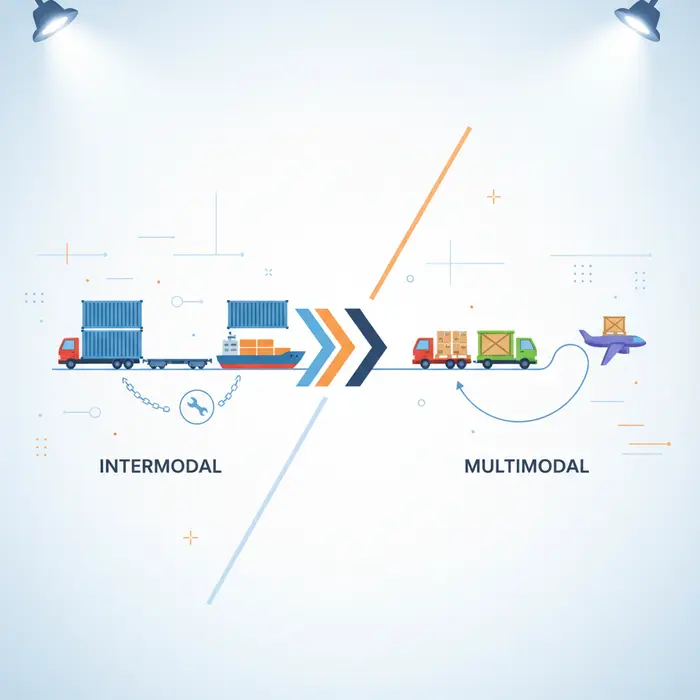
Intermodal transport refers to the movement of goods in the same loading unit – typically a container – using multiple modes of transport (e.g., rail, road, sea, air) without any handling of the goods themselves when changing modes. The defining characteristic of intermodal transport is that each segment of the journey is governed by a separate contract of carriage with individual carriers. For instance, a shipper might contract a trucking company for the first leg, a rail operator for the second, and a shipping line for the ocean journey. At each transfer point, responsibility shifts from one carrier to the next. The shipper, or their freight forwarder acting on their behalf, is responsible for coordinating these individual contracts and ensuring seamless handovers between the different modes. While this approach offers flexibility and can sometimes be more cost-effective by leveraging specialized carriers for each leg, it places the burden of coordination and risk management directly on the shipper.
2. Defining Multimodal Transport (Revisited for Comparison)
In contrast, multimodal transport, also known as combined transport, involves the carriage of goods by at least two different modes of transport on the basis of a single contract of carriage. This single contract covers the entire journey from origin to destination, regardless of how many different transport modes are utilized. A single entity, known as a Multimodal Transport Operator (MTO), assumes responsibility for the entire shipment. The MTO contracts with individual carriers for each segment (trucking, rail, ocean, etc.) but from the shipper’s perspective, there is only one point of contact and one bill of lading. This streamlined approach offers simplicity and a unified chain of responsibility, making it a preferred choice for many International Multimodal Freight operations seeking comprehensive Multimodal Logistics Solutions.
3. Contractual and Liability Distinctions
The core difference between Intermodal vs Multimodal Transport lies in their contractual and liability frameworks, which have profound practical implications for international freight. In intermodal transport, because there are separate contracts for each mode, liability is typically segmented. If damage or loss occurs, the shipper must identify which specific carrier was responsible and pursue a claim against them directly. This can be a complex, time-consuming, and often frustrating process, especially when goods cross multiple borders and jurisdictions. The burden of proof rests heavily on the shipper to pinpoint the exact leg where the incident occurred, which can be challenging at best. For more detailed insights into the legal frameworks, the United Nations Conference on Trade and Development (UNCTAD) provides extensive resources on international multimodal transport conventions and regulations.
Conversely, in multimodal transport, the MTO assumes end-to-end liability for the entire journey under a single contract. This significantly simplifies the claims process for the shipper. If damage or loss occurs at any point, the shipper only needs to file a claim against the MTO, who then handles any sub-claims with their contracted carriers. This single point of accountability provides a much higher degree of certainty and reduced administrative burden for the shipper. While multimodal transport might sometimes appear to have a slightly higher upfront cost due to the MTO’s consolidated service, the reduction in administrative overhead, enhanced risk management, and simplified liability often outweigh this. The Benefits of Multimodal Shipping in this context are clear: greater predictability, reduced operational complexity, and a single, reliable partner for the entire supply chain. Choosing the right strategy, therefore, depends on a shipper’s risk appetite, their internal logistics capabilities, and the specific demands of their international freight movements. For those seeking streamlined operations and minimized liability exposure, comprehensive Multimodal Logistics Solutions are often the preferred approach.
Unlocking the Benefits of Multimodal Shipping
In today’s interconnected global economy, businesses are constantly seeking innovative strategies to optimize their supply chains, reduce costs, and enhance efficiency. Among these, International Multimodal Transport stands out as a pivotal approach. This sophisticated method involves the seamless coordination of at least two different modes of transport (such as sea, air, rail, or road) under a single contract of carriage. Unlike intermodal transport, where each leg might be contracted separately, multimodal transport streamlines documentation and liability, offering a holistic solution managed by a single carrier or freight forwarder. Adopting comprehensive Multimodal Logistics Solutions provides significant advantages, transforming the way companies handle their International Multimodal Freight and navigate complex global logistics challenges. From significant cost reductions to improved environmental performance, the benefits of multimodal shipping are multi-faceted and crucial for competitive advantage.
1. Cost-Efficiency and Savings
One of the most compelling reasons for businesses to embrace International Multimodal Transport is the potential for substantial cost savings. By strategically combining different transport modes, companies can leverage the economic advantages of each. For instance, long-haul journeys can be more cost-effective via sea or rail, while road transport efficiently handles shorter distances or last-mile deliveries. This flexibility allows for an optimized balance between speed and cost, often resulting in lower overall freight charges compared to relying solely on a single, potentially expensive mode like air freight for the entire journey.
Moreover, the single contract associated with multimodal logistics solutions significantly reduces administrative burdens. Instead of managing multiple contracts, invoices, and points of contact for each leg of the journey, businesses deal with one entity, simplifying paperwork, reducing human error, and freeing up valuable internal resources. This consolidation also enhances negotiation power with carriers, as larger, consolidated shipments often qualify for better rates. Furthermore, optimized routing and scheduling inherent in effective International Multimodal Transport can lead to reduced inventory holding costs by minimizing transit times and improving supply chain predictability. The efficient transfer between modes also helps in avoiding costly demurrage and detention charges often associated with port congestion or delays in single-mode operations.
2. Enhanced Reliability and Timeliness
The global supply chain is inherently susceptible to disruptions, whether from natural disasters, geopolitical events, or infrastructure failures. International Multimodal Transport offers a robust solution for building resilience and ensuring more reliable and timely deliveries. By diversifying transport routes and modes, businesses can mitigate risks associated with reliance on a single pathway. If one mode faces a disruption (e.g., a port strike affecting sea freight or road closures impacting trucking), alternative modes can often be activated to keep goods moving, ensuring continuity of supply.
This flexibility not only enhances reliability but also contributes to more predictable transit times. Advanced tracking and tracing technologies employed in modern multimodal logistics solutions provide end-to-end visibility of shipments across all segments of the journey. This real-time information allows businesses to monitor progress, anticipate potential delays, and proactively communicate with customers, leading to improved customer satisfaction. By combining the speed of certain modes (e.g., air for urgent parts) with the efficiency of others (e.g., rail for bulk goods), multimodal strategies can also achieve faster overall transit times for complex international routes, ensuring products reach their destination on schedule and in optimal condition.
3. Reduced Environmental Impact and Sustainability
As corporate social responsibility and environmental sustainability become paramount, International Multimodal Transport offers a compelling pathway to reducing a company’s carbon footprint. Shipping goods by sea or rail, particularly for long distances, is significantly more energy-efficient and generates considerably fewer greenhouse gas emissions per ton-mile compared to road or air transport. By consciously shifting freight from emission-intensive modes to greener alternatives for the longest possible legs of the journey, businesses can make substantial contributions to environmental conservation.
The optimization inherent in multimodal logistics solutions extends beyond modal choice. It also involves maximizing cargo capacity and reducing empty runs, further contributing to fuel efficiency and lower emissions. Companies adopting multimodal shipping strategies not only align with global sustainability goals but also meet the growing demand from consumers and regulators for environmentally conscious practices. This commitment enhances a company’s brand image, fosters goodwill, and can even open doors to new markets that prioritize green supply chains. In an era where sustainability is non-negotiable, International Multimodal Transport provides a tangible and effective means to build a more sustainable and responsible global logistics operation.
Challenges and Future Outlook for Multimodal Freight
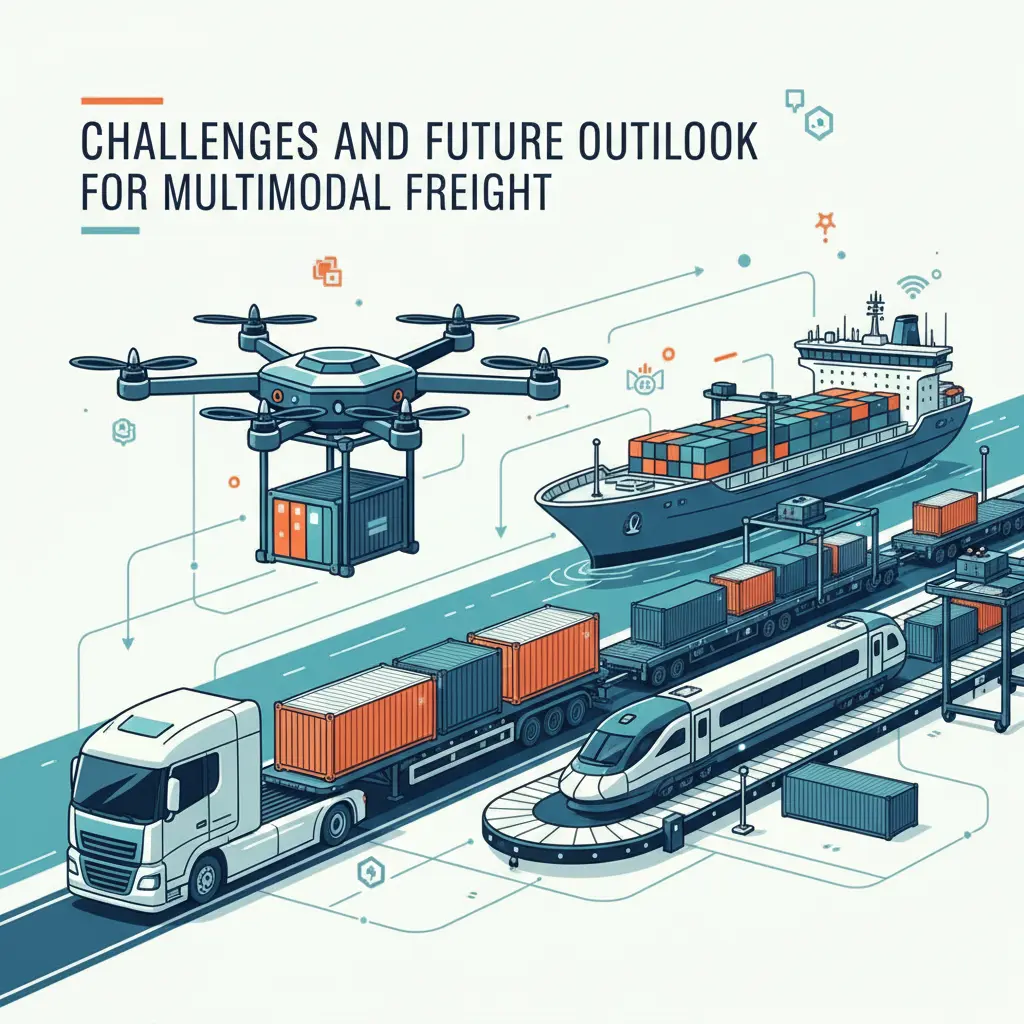
International multimodal transport, a cornerstone of modern global logistics, offers unparalleled efficiency and cost-effectiveness by seamlessly integrating various modes of transport such as sea, road, rail, and air. However, its widespread adoption and optimization are not without significant hurdles. This section delves into the common obstacles faced in implementing multimodal transport solutions and explores the transformative future trends poised to reshape its evolution in the intricate global supply chain landscape.
1. Common Challenges in Implementation
Despite the inherent benefits of multimodal shipping, implementation often encounters a spectrum of operational and infrastructural challenges. One primary hurdle is the lack of harmonized infrastructure across different regions and countries. Inadequate port connectivity, insufficient rail capacity, or disparate road network standards can create bottlenecks, hindering the smooth transfer of goods between modes. Furthermore, the coordination of multiple carriers and logistics providers across various transport legs presents a complex logistical puzzle. Data silos and a lack of real-time visibility across the entire supply chain can lead to inefficiencies, delays, and increased costs. Companies often struggle with integrating disparate IT systems, making end-to-end tracking and proactive problem-solving difficult. The initial capital investment required for specialized equipment, such as intermodal containers or dedicated transshipment hubs, can also be a significant barrier for some businesses looking to transition to multimodal logistics solutions.
2. Regulatory and Customs Harmonization
The patchwork of varying national and international regulations, alongside complex customs procedures, poses another substantial challenge for international multimodal freight. Each country may have its own set of rules regarding documentation, liability, safety standards, and environmental compliance, which can complicate the process of moving goods across multiple borders using different transport modes. The absence of universally accepted legal frameworks for multimodal contracts often leaves shippers and carriers exposed to ambiguities concerning responsibility and compensation in case of loss or damage. Harmonizing these diverse regulatory landscapes is critical for streamlining operations and reducing administrative burdens. International organizations such as UNCTAD are actively working towards standardizing procedures and promoting global trade facilitation, which is essential for the seamless flow of goods in a true intermodal vs multimodal transport environment.
3. Emerging Technologies and Future Trends (e.g., AI, Blockchain)
The future of multimodal transport is intrinsically linked to technological advancements, offering promising solutions to current challenges. Artificial Intelligence (AI) and Machine Learning (ML) are set to revolutionize route optimization, demand forecasting, and predictive maintenance, leading to more efficient asset utilization and reduced transit times. Real-time data analytics, powered by IoT sensors on containers and vehicles, will provide unprecedented visibility into cargo location and condition, enabling proactive risk management and improved customer service. Blockchain technology holds immense potential for creating immutable, transparent, and secure digital ledgers for all transactions and documentation within the supply chain. This could drastically simplify customs clearance, reduce fraud, and enhance trust among all stakeholders. Furthermore, the development of autonomous vehicles, smart ports, and drone technology promises to further automate and accelerate various stages of the multimodal journey, making International Multimodal Transport more resilient, sustainable, and cost-effective than ever before. These innovations will collectively pave the way for a more integrated and intelligent global logistics landscape.
Partner with Vietnam’s Leading Suppliers
Looking for reliable suppliers in Vietnam? Contact VietnamSuppliers.com today to connect with verified manufacturers and exporters across all industries.
—————————————
References
– UNCTAD: Multimodal Transport and Logistics: https://unctad.org/topic/transport-and-trade-facilitation/multimodal-transport-and-logistics
– World Bank Trade: https://www.worldbank.org/en/topic/trade
– UNCTAD on Multimodal Transport and Containerization: https://unctad.org/topic/transport-and-trade-logistics/multimodal-transport-and-containerization
– UNCTAD – Multimodal Transport and Logistics: https://unctad.org/topic/trade-logistics/multimodal-transport-and-logistics
– UNCTAD: https://unctad.org/topic/transport-and-trade-facilitation