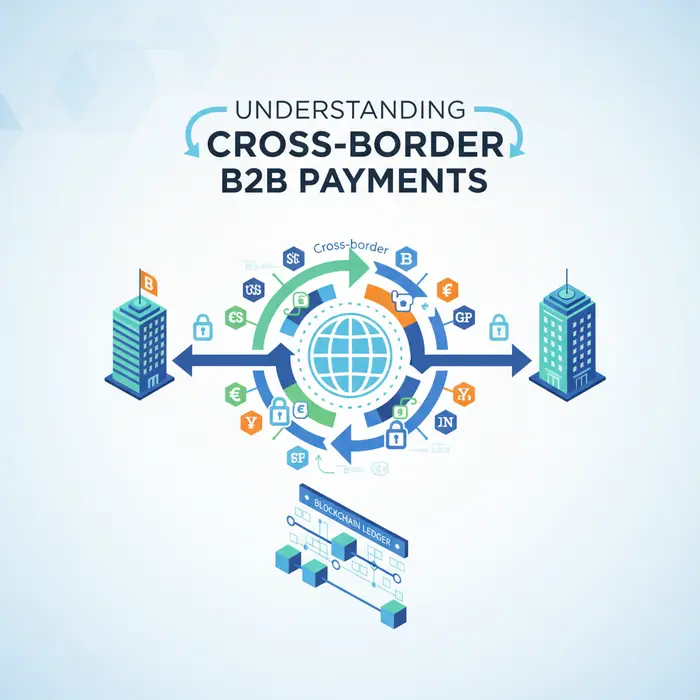
Understanding Cross-border B2B Payments
In an increasingly interconnected global economy, cross-border B2B payments are the lifeblood of international commerce, enabling businesses to transact across geographical boundaries. These financial exchanges, which involve payments between companies located in different countries and often in different currencies, are fundamental to global supply chains, trade agreements, and market expansion. However, despite their critical role, these payments are notoriously complex, characterized by a myriad of challenges ranging from regulatory hurdles and currency fluctuations to high transaction costs and security concerns. Navigating this intricate landscape requires a deep understanding of the underlying mechanisms and potential pitfalls, ensuring that global trade can flourish efficiently and securely.
1. What are B2B Cross-border Payments?
B2B cross-border payments refer to any financial transaction where a business in one country sends money to a business in another country. Unlike domestic payments, these transactions involve multiple jurisdictions, diverse banking systems, and often different currencies. They encompass a wide array of payment scenarios, including paying international Cross-border B2B payments suppliers, settling invoices for imported goods, compensating international service providers, or transferring funds between subsidiary entities worldwide. These payments are typically larger in volume and value compared to B2C or P2P transactions and require robust, reliable, and compliant global trade payment solutions. The methods for these payments can vary significantly, from traditional wire transfers via SWIFT to modern digital platforms leveraging blockchain or real-time payment networks. Understanding the nuances of these international payment methods for suppliers is crucial for businesses engaged in global trade, as the choice of method can significantly impact speed, cost, and transparency.
2. Key Challenges in International B2B Transactions
The complexities inherent in international B2B transactions often pose significant challenges for businesses. These hurdles can impede efficiency, increase costs, and introduce substantial risks:
- High Costs and Fees: Traditional banking systems often involve multiple intermediary banks, each levying fees for their services. This can lead to surprisingly high transaction costs, impacting profit margins for both importers and exporters.
- Slow Processing Times: Cross-border payments can take several days to clear due to differing banking hours, anti-money laundering (AML) checks, and manual processing at various stages. This delay can disrupt cash flow and strain supplier relationships.
- Currency Volatility and Exchange Rate Risks: Fluctuations in foreign exchange rates can result in unexpected gains or losses between the time a payment is initiated and when it’s received. Businesses need to consider strategies like hedging or utilizing trade finance options for importers to mitigate these risks.
- Regulatory and Compliance Complexity: Each country has its own financial regulations, anti-money laundering (AML), Know Your Customer (KYC), and sanctions screening requirements. Non-compliance can lead to hefty fines, legal repercussions, and reputational damage.
- Lack of Transparency: Often, businesses lack real-time visibility into the status of their payments, making it difficult to track funds and anticipate arrival times. Hidden fees from correspondent banks further compound this issue.
- Security Concerns: Cross-border transactions are attractive targets for fraudsters. Ensuring secure cross-border transactions is paramount, requiring robust authentication and encryption protocols.
- Accessibility and Integration: Integrating payment solutions with existing enterprise resource planning (ERP) or accounting systems can be challenging, leading to manual processes and data reconciliation issues.
3. The Critical Role of Efficient Cross-border Payments
Despite the challenges, efficient cross-border B2B payments are indispensable for the modern global economy. They are not merely transactional; they are strategic enablers that:
- Facilitate Global Trade Growth: By making it easier and cheaper for businesses to pay and get paid internationally, efficient payment systems directly stimulate import and export activities, expanding market reach for companies worldwide.
- Enhance Supply Chain Resilience: Timely and reliable payments ensure that international suppliers are paid promptly, fostering stronger relationships, preventing disruptions, and securing access to critical goods and services. A robust payment infrastructure underpins the entire global supply chain, from raw materials to finished products.
- Drive Business Expansion and Competitiveness: Streamlined payment processes reduce operational costs and improve cash flow management, freeing up capital that businesses can reinvest in innovation, R&D, and expansion into new markets. Companies that offer diverse and efficient payment methods gain a competitive edge in attracting and retaining international partners.
- Promote Financial Inclusion and Economic Development: Improved payment infrastructure can lower barriers for small and medium-sized enterprises (SMEs) to engage in international trade, fostering economic growth and creating opportunities in developing economies.
- Support Innovation in Financial Technology: The demand for better cross-border payment solutions has spurred significant innovation in the FinTech sector, leading to the development of faster, cheaper, and more transparent payment rails. Understanding the evolving landscape of these global trade payment solutions is key to staying ahead in international business.
In conclusion, while the intricacies of cross-border B2B payments remain a significant hurdle, their fundamental role in lubricating the gears of international commerce cannot be overstated. As global trade continues to expand, the imperative for businesses to adopt efficient, secure, and transparent payment strategies becomes ever more critical for sustained growth and competitiveness.
Common International Payment Methods for Suppliers
Navigating international trade requires suppliers to choose efficient payment methods. This section explores diverse Cross-border B2B payments options, detailing their benefits, drawbacks, and suitability for various global trade scenarios. Understanding these helps businesses ensure timely funds, manage costs, and mitigate risks in global trade payment solutions, ultimately leading to secure cross-border transactions.
1. Bank Transfers (Wire Transfers/SWIFT)
Bank transfers, or SWIFT payments, remain a traditional and widely recognized option for international payment methods for suppliers. These involve direct funds transfer between bank accounts globally, facilitated by the SWIFT network, which provides a secure messaging system for financial transactions.
Benefits:
- Security & Reliability: Highly secure for substantial sums via established banking networks.
- Global Reach: Universally accessible through the worldwide SWIFT network for international transfers.
- High-Value Transactions: Preferred for large-value global trade payment solutions due to robust security.
Drawbacks:
- Speed: Typically 2-5 business days, posing a challenge for urgent payments.
- Cost: High fees from multiple banks can significantly impact smaller transactions.
- Complexity: Requires precise details, prone to errors, causing delays or fund loss.
- Transparency: Real-time tracking is often limited, requiring bank contact for updates.
Suitability:
Best for high-value, infrequent Cross-border B2B payments and established relationships where reliability over speed is key.
2. Digital Payment Platforms & E-wallets
Digital payment platforms (e.g., PayPal, Payoneer, Wise, Stripe) and e-wallets have grown popular for faster, more cost-effective Cross-border B2B payments. These services streamline international fund transfers, often bypassing traditional banking hurdles.
Benefits:
- Speed & Efficiency: Often instant or same-day processing.
- Lower Fees: Competitive rates for small to medium transfers, especially in specific corridors.
- Ease of Use: User-friendly interfaces simplify the payment process.
- Transparency: Real-time tracking and notifications.
- Multi-currency Support: Built-in conversion and accounts for easier international management.
Drawbacks:
- Transaction Limits: Can be restrictive for very large invoices.
- Varying Fees: Fees for large amounts or frequent conversions can still accumulate.
- Regional Availability: Not all platforms operate effectively in every country.
- Security: Requires careful vetting to ensure secure cross-border transactions.
Suitability:
Ideal for small to medium-sized, frequent international payment methods for suppliers, particularly for businesses dealing with freelancers or operating in digitally advanced markets. Excellent for prioritizing speed and convenience in global trade payment solutions.
3. Credit Cards and Debit Cards for B2B
Business credit and debit cards are increasingly used for Cross-border B2B payments, especially for smaller, urgent, or recurring supplier invoices. They offer a direct, immediate payment method leveraging global card networks like Visa and Mastercard.
Benefits:
- Instant Payment: Immediate authorization and transfer confirmation.
- Short-Term Credit: Business credit cards aid cash flow for urgent payments.
- Fraud Protection: Robust detection and protection mechanisms for secure cross-border transactions.
- Expense Tracking & Rewards: Detailed statements and potential reward programs add value.
Drawbacks:
- High Processing Fees: Significant drawback, often 2-4%+ of transaction value, usually borne by the supplier.
- Transaction Limits: Restrictive for large-value B2B purchases.
- Supplier Acceptance: Not all international suppliers accept cards or may levy surcharges.
- Chargeback Risk: Buyer protection can lead to administrative burden and potential loss for suppliers.
Suitability:
Best for urgent, low-value, or infrequent international payment methods for suppliers (e.g., subscriptions, one-off purchases). Less viable for routine, high-volume, or large-value global trade payment solutions due to high costs.
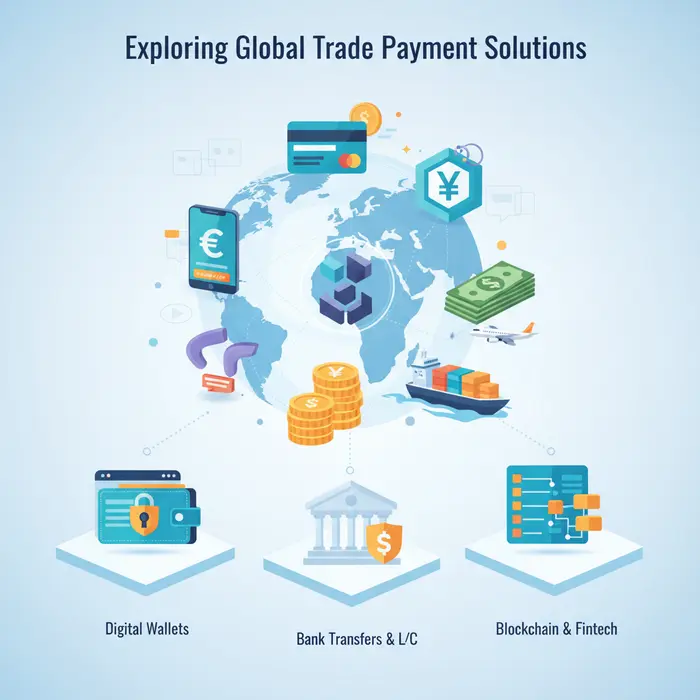
Exploring Global Trade Payment Solutions
In the rapidly evolving landscape of international commerce, efficient and secure cross-border B2B payments are paramount. Traditional methods often grapple with complexities such as high transaction costs, slow settlement times, opaque foreign exchange rates, and a lack of transparency. These challenges hinder cash flow, increase operational overhead, and introduce significant risks for businesses engaged in global trade. Recognizing these pain points, innovative global trade payment solutions have emerged, designed to enhance efficiency, reduce costs, and significantly improve transparency in international B2B transactions. The focus is firmly on creating a seamless and secure payment experience for both importers and suppliers.
1. Real-time Gross Settlement (RTGS) Systems
Real-time Gross Settlement (RTGS) systems form a critical backbone of modern global payment infrastructure. At its core, RTGS is a funds transfer system where money or securities are transferred from one bank to another on a “real-time” and “gross” basis. “Real-time” means transactions are processed continuously as received, without waiting. “Gross” signifies each transaction is settled individually, not netted. This immediate, one-to-one settlement mechanism is fundamental to ensuring finality and irrevocability of payments.
For businesses involved in high-value international B2B transactions, RTGS offers unparalleled advantages. It significantly reduces settlement risk, as funds are transferred directly with immediate finality, often within minutes. This payment certainty is a major benefit for international payment methods for suppliers, allowing them to release goods or services with confidence. The speed and finality of RTGS systems improve liquidity management for companies, allowing better cash flow forecasting and reducing the need for extensive credit lines. While primarily for domestic interbank settlements, RTGS principles are increasingly vital for accelerating the processing of large-value cross-border B2B payments through correspondent banking networks.
2. Blockchain and Distributed Ledger Technology (DLT)
The landscape of Cross-border B2B payments is undergoing a transformative shift with Blockchain and Distributed Ledger Technology (DLT). DLT is a decentralized, immutable ledger shared and synchronized across a network of participants. Unlike traditional centralized databases, DLT ensures all participants have access to the same, unalterable record of transactions, drastically enhancing transparency and trust without relying on a single intermediary.
For global trade, DLT offers a compelling suite of advantages. Its inherent cryptographic security features make it ideal for secure cross-border transactions, significantly reducing fraud and tampering risks. The elimination of multiple intermediaries can lead to faster settlement times and substantially lower transaction costs. Furthermore, DLT’s capability to incorporate smart contracts—self-executing agreements with terms written into code—can automate various aspects of trade finance, such as releasing payments upon verified goods delivery. This potential for automation and verifiable transparency offers revolutionary trade finance options for importers and exporters, streamlining complex processes and reducing manual errors. Pilot projects are already demonstrating DLT’s capacity to revolutionize the speed, cost, and traceability of global trade payments.
3. Integrated Payment Gateways
Integrated Payment Gateways represent a pragmatic and increasingly sophisticated solution for streamlining global trade payment solutions. Essentially, a payment gateway is a service that authorizes payments for e-businesses. In the B2B context, integrated gateways consolidate various international payment methods, currencies, and regulatory requirements into a single, unified platform.
These gateways significantly simplify managing diverse payment channels for international payment methods for suppliers and buyers. They offer multi-currency support, often handling foreign exchange conversions at competitive rates, thereby reducing FX volatility risks. Key benefits include automated reconciliation, robust fraud detection and prevention tools, and seamless integration with existing Enterprise Resource Planning (ERP) or accounting systems. This integration minimizes manual data entry, reduces errors, and provides a consolidated view of all global transactions. By offering a single API, businesses can manage various payment types—from bank transfers and e-wallets to local payment schemes—across different regions efficiently, ensuring compliance with international regulations and enabling secure cross-border transactions on a global scale.
The evolution of global trade demands equally advanced payment infrastructure. The solutions discussed—from the established reliability of RTGS systems to the revolutionary potential of DLT and the pragmatic efficiency of integrated payment gateways—are fundamentally reshaping how businesses conduct cross-border B2B payments. By embracing these innovative global trade payment solutions, companies can unlock greater efficiency, reduce operational costs, enhance transparency, and foster more secure and dynamic international trading relationships in an increasingly interconnected world. Adopting these technologies is key to navigating global commerce and gaining a competitive edge.
Trade Finance Options for Importers
Navigating the complexities of international trade requires importers to employ strategic financial tools to ensure smooth operations, manage cash flow, and mitigate inherent risks. Effective trade finance options are crucial for securing financing for international purchases, optimizing payment terms with Cross-border B2B payments, and fostering stable relationships with international suppliers. These global trade payment solutions not only provide financial leverage but also instill confidence in all parties involved, leading to more secure and efficient international payment methods for suppliers. This section will explore key trade finance options specifically designed to empower importers in their cross-border transactions.
1. Letters of Credit (LCs)
A Letter of Credit (LC), also known as Documentary Credit, is a payment mechanism issued by a bank on behalf of the importer (buyer), guaranteeing payment to the exporter (seller) provided that the exporter presents specified shipping documents within a stipulated timeframe. Essentially, it substitutes the creditworthiness of the importer with that of a reputable bank, offering a high degree of payment security for the seller and delivery assurance for the buyer. For importers, LCs are invaluable for mitigating the risk of non-delivery or non-conforming goods, as payment is only released upon the presentation of documents that strictly comply with the LC’s terms and conditions.
The process typically involves the importer requesting their bank to issue an LC in favor of the exporter. The importer’s bank then sends the LC to the exporter’s bank, which advises the exporter. Once the goods are shipped, the exporter submits the required documents (e.g., bill of lading, commercial invoice, packing list) to their bank. After verification against the LC terms, the exporter’s bank forwards them to the importer’s bank for payment. This mechanism is particularly beneficial when trading with new suppliers or in unfamiliar markets, enhancing trust and facilitating secure cross-border transactions. While LCs can involve fees and require meticulous document preparation, they remain one of the most reliable trade finance options for importers looking to manage both payment and performance risks.
2. Trade Credit Insurance
Trade Credit Insurance provides protection against the risk of non-payment of commercial debts. While often associated with exporters protecting themselves against importer default, it also offers indirect yet significant benefits for importers. By enabling suppliers to mitigate their risk of non-payment, trade credit insurance can make suppliers more willing to offer competitive credit terms (e.g., open account terms) to importers. This means importers can receive goods and then pay at a later date, significantly improving their cash flow and reducing the immediate need for working capital to finance purchases.
For importers, longer payment terms mean they can potentially sell the imported goods and generate revenue before their payment to the supplier is due. This effectively turns supplier credit into a form of financing for their international purchases. Moreover, a supplier protected by Trade Credit Insurance is a more stable trading partner, reducing supply chain disruptions caused by financial distress. In scenarios where importers are selling goods on credit to their own domestic or international buyers, they can also procure trade credit insurance to protect their own receivables, thereby safeguarding their cash flow and overall financial health. It’s a proactive risk management tool that supports both sides of the cross-border B2B payments equation.
3. Supply Chain Finance (SCF)
Supply Chain Finance (SCF), also known as reverse factoring or confirmed payables, is a modern set of financing solutions designed to optimize working capital for both buyers and suppliers within a supply chain. For importers, SCF is a powerful tool to extend their payment terms to suppliers without negatively impacting the supplier’s cash flow. In an SCF arrangement, a third-party financier (often a bank or financial institution) pays the supplier’s invoices early at a discount, while the importer retains their original, longer payment terms.
The primary benefit for importers is the ability to manage cash flow more effectively by extending payment cycles, freeing up capital that can be reinvested into other areas of the business. This flexibility in payment allows importers to optimize their working capital and improve liquidity. Simultaneously, suppliers benefit by gaining immediate access to funds, often at a lower financing cost than they could obtain independently, thanks to the importer’s stronger credit rating. This strengthens supplier relationships, encourages better pricing, and ensures a more resilient supply chain. SCF solutions are particularly effective for high-volume, repetitive global trade payment solutions, streamlining payment processes and fostering greater efficiency in international payment methods for suppliers across borders.
In conclusion, importers have a range of sophisticated trade finance options at their disposal to navigate the complexities of international trade. From the traditional security offered by Letters of Credit to the risk mitigation of Trade Credit Insurance and the cash flow optimization capabilities of Supply Chain Finance, these tools are indispensable for managing cash flow effectively, mitigating risks, and securing financing for their international purchases. Leveraging these trade finance options for importers is key to achieving sustainable growth and ensuring secure cross-border transactions in today’s dynamic global marketplace.
Ensuring Secure Cross-border Transactions
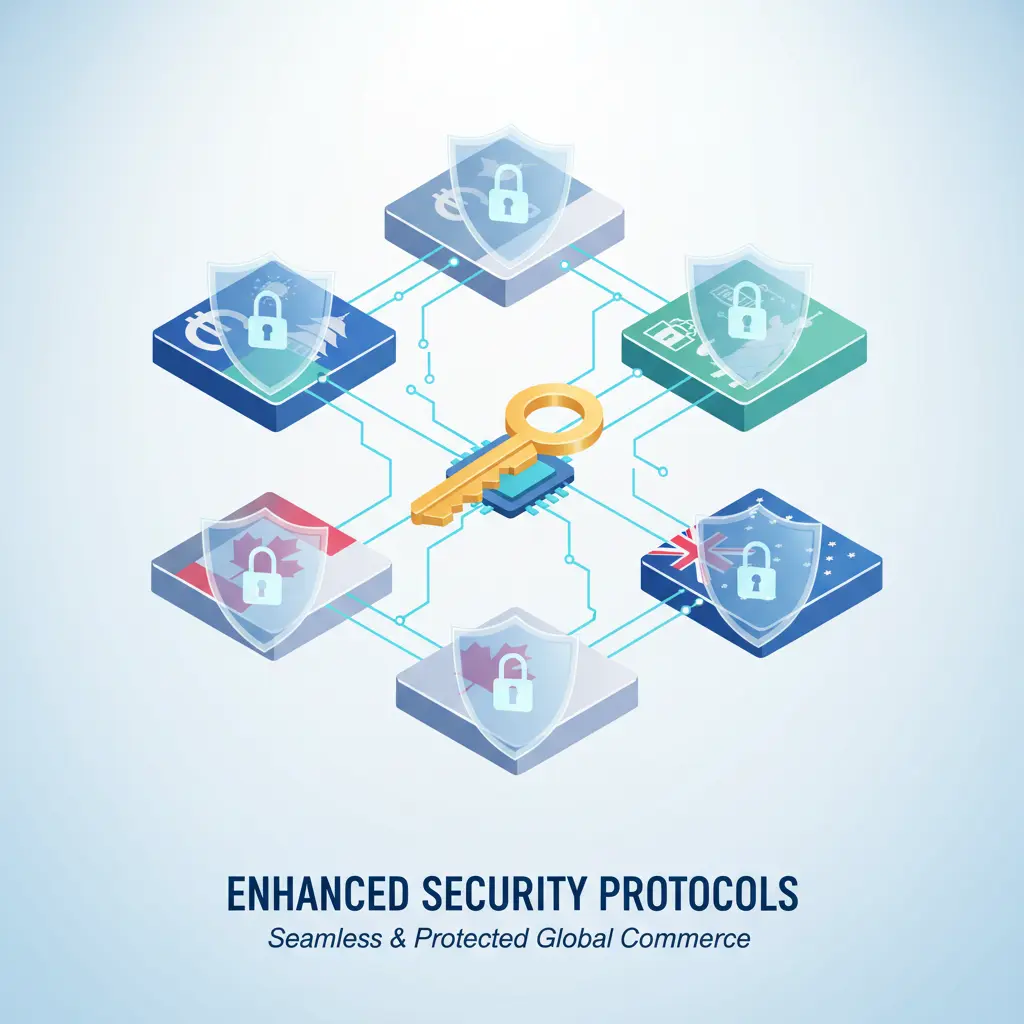
In the rapidly expanding landscape of global commerce, cross-border B2B payments are the lifeblood of international trade. However, the inherent complexity and volume of these transactions also present significant security challenges. Protecting businesses from sophisticated fraud schemes, ensuring rigorous compliance with an evolving web of global regulations, and leveraging cutting-edge technologies are paramount for fostering trust and efficiency. As companies increasingly engage in global trade payment solutions, the need for robust security measures becomes non-negotiable, safeguarding financial integrity and operational continuity.
1. Fraud Prevention Strategies
Fraud prevention is the cornerstone of secure cross-border B2B payments. Businesses must adopt multi-layered strategies to combat increasingly sophisticated threats like phishing, invoice fraud, and payment diversion. A critical first step involves robust vendor verification processes, including thorough due diligence on new suppliers and ongoing monitoring of existing ones. Implementing multi-factor authentication (MFA) for all payment authorizations significantly reduces the risk of unauthorized access. Furthermore, leveraging advanced analytics and artificial intelligence (AI) can help identify anomalous transaction patterns that may indicate fraudulent activity, flagging suspicious payments for manual review before they are processed. These proactive measures, combined with strict internal controls and employee training on recognizing and reporting suspicious requests, form a formidable defense against financial crime in international payment methods for suppliers.
2. Regulatory Compliance (AML, KYC)
Navigating the intricate web of international regulations is crucial for secure cross-border transactions. Anti-Money Laundering (AML) and Know Your Customer (KYC) frameworks are designed to prevent illicit financial activities, including terrorism financing and money laundering. For businesses, compliance means implementing stringent procedures for identifying and verifying the identity of all parties involved in a transaction, understanding their business activities, and assessing their risk profile. This includes comprehensive customer due diligence (CDD) and enhanced due diligence (EDD) for higher-risk entities. Regular sanctions screening against global watchlists, such as those maintained by OFAC, UN, and EU, is mandatory to ensure payments are not processed for prohibited individuals or entities. Moreover, continuous transaction monitoring helps identify unusual payment behaviors that might suggest money laundering attempts. Adhering to these global standards, often guided by international bodies like the Financial Action Task Force (FATF), is not just a legal obligation but also a vital practice for maintaining reputational integrity and avoiding severe penalties.
3. Data Encryption and Cyber Security Best Practices
The digital nature of cross-border payments necessitates paramount attention to data encryption and cybersecurity. Protecting sensitive financial information from cyber threats is essential. End-to-end encryption should be applied to all payment data, both in transit and at rest, rendering it unreadable to unauthorized parties. Tokenization, which replaces sensitive data with unique, non-sensitive tokens, adds another layer of security, especially for recurring payments. Businesses should exclusively utilize payment gateways and platforms that adhere to the highest industry security standards, such as PCI DSS compliance. Regular cybersecurity audits, vulnerability assessments, and penetration testing are indispensable for identifying and rectifying potential weaknesses in payment systems and infrastructure. Furthermore, adopting a robust incident response plan ensures that any security breach can be quickly contained, mitigated, and reported in compliance with data protection laws like GDPR or CCPA. Continuous employee training on cybersecurity awareness, strong password policies, and secure data handling practices are also vital components of a comprehensive cybersecurity strategy, protecting valuable data and facilitating seamless trade finance options for importers and exporters alike.
In conclusion, ensuring secure cross-border B2B transactions requires a holistic approach that integrates advanced fraud prevention, meticulous regulatory compliance, and robust cybersecurity measures. By proactively addressing these critical areas, businesses can mitigate risks, build confidence, and unlock the full potential of global trade in an increasingly interconnected world.
Partner with Vietnam’s Leading Suppliers
Looking for reliable suppliers in Vietnam? Contact VietnamSuppliers.com today to connect with verified manufacturers and exporters across all industries.
—————————————
References
– PwC Global Payments Report 2023: https://www.pwc.com/gx/en/industries/financial-services/financial-services-publications/global-payments-report-2023.html
– international transfers: https://www.investopedia.com/terms/w/wiretransfer.asp
– Bank for International Settlements on Payment Systems: https://www.bis.org/publ/qtrpdf/r_qt1909e.htm
– Trade Credit Insurance: https://www.investopedia.com/terms/t/trade-credit-insurance.asp
– Financial Action Task Force (FATF): https://www.fatf-gafi.org/