
Understanding the Landscape of Cross-Border B2B Payments
The global economy is more interconnected than ever, with businesses routinely engaging in transactions across borders. For B2B enterprises, the efficiency and security of Cross-Border B2B Payments are not just operational necessities but strategic imperatives. From procuring raw materials from a supplier in Vietnam to distributing finished goods to an international market, the seamless flow of funds underpins the entire supply chain. However, navigating the intricate landscape of international transactions presents a unique set of challenges that can impact everything from cash flow and profitability to supplier relationships and market competitiveness. Understanding these complexities and leveraging optimal International Trade Payment Methods are crucial for businesses aiming to thrive in a globalized marketplace. This section will delve into the multifaceted environment of international B2B payments, exploring key challenges, the dynamic regulatory landscape, and the significant economic implications for businesses worldwide.

1. Key Challenges in Global B2B Transactions
The inherent complexity of Cross-Border B2B Payments stems from a confluence of factors. One primary hurdle is the sheer diversity of International Trade Payment Methods. Businesses often grapple with choices between traditional methods like wire transfers (SWIFT) or letters of credit, and newer digital solutions, each carrying different costs, processing times, and risk levels. High transaction fees, particularly for smaller value payments, can significantly erode profit margins. Furthermore, currency conversion and effective B2B Foreign Exchange Solutions present another layer of intricacy. Volatile exchange rates can introduce unforeseen costs and make financial planning challenging, requiring sophisticated hedging strategies or access to competitive FX rates.
Another critical concern is ensuring Secure Cross-Border Transactions. The risk of fraud, cyber-attacks, and data breaches necessitates robust security protocols and trusted payment partners. Businesses must protect sensitive financial information throughout the transaction lifecycle, complying with various data protection regulations. Lack of transparency is also a significant issue; companies often struggle with poor visibility into the payment journey, leading to delays, reconciliation problems, and increased administrative burden. Finding reliable Global Payment Gateways for Exports that offer comprehensive tracking and reporting is essential for maintaining control and efficiency. For more insights into optimizing your international payment processes, explore resources on Cross-Border B2B Payments.
2. The Evolving Regulatory Environment
The landscape of international payments is continuously shaped by an intricate web of national and international regulations. Navigating these rules is paramount for ensuring compliance and avoiding hefty penalties. Anti-Money Laundering (AML) and Know Your Customer (KYC) directives are foundational, requiring businesses and financial institutions to rigorously verify client identities and monitor transactions for suspicious activity. While vital for combating illicit financial flows, these regulations can add significant administrative burden and introduce payment processing delays. Different jurisdictions also have varying data privacy laws, such as GDPR, which dictate how customer and transaction data must be handled, stored, and transmitted, further complicating the development of seamless Secure Cross-Border Transactions.
Moreover, geopolitical developments and trade policies can swiftly alter the regulatory framework, introducing new sanctions or restrictions on certain International Trade Payment Methods. This dynamic environment demands that businesses remain agile and well-informed, often requiring specialized legal and compliance expertise. The global push towards greater financial transparency, as championed by organizations like the Bank for International Settlements (BIS) through initiatives enhancing cross-border payments, indicates a future with even more stringent reporting requirements. Adhering to these evolving standards is not merely about avoiding penalties; it’s about building trust, maintaining a strong reputation, and fostering sustainable international business relationships.
3. Economic Impact on International Trade Payment Methods
The efficiency, cost, and speed of Cross-Border B2B Payments have profound economic implications for businesses operating internationally. High transaction fees, unfavorable foreign exchange rates, and slow processing times can significantly inflate the cost of goods and services, ultimately impacting competitive pricing and profit margins. Delayed payments, a common issue in global transactions, can severely strain a business’s cash flow, hindering its ability to invest, meet operational expenses, or seize new market opportunities. This is particularly critical for small and medium-sized enterprises (SMEs) with limited liquidity.
Conversely, optimized B2B Foreign Exchange Solutions and access to competitive exchange rates can unlock substantial savings, while efficient Global Payment Gateways for Exports can dramatically reduce administrative overhead and accelerate reconciliation processes. Faster payment cycles improve working capital management and strengthen supplier relationships, potentially leading to better terms and increased reliability in the supply chain. In a globalized economy where every basis point counts, the strategic management of international payment methods can be a significant differentiator. Businesses investing in modern, secure, and transparent payment solutions are better positioned to reduce costs, enhance operational efficiency, and accelerate their growth in the international market, gaining a competitive edge.
Modern International Trade Payment Methods Explored
In today’s interconnected global economy, businesses engaged in international trade face the critical challenge of ensuring efficient, cost-effective, and secure Cross-Border B2B Payments. The landscape of international trade payment methods is rapidly evolving, moving beyond traditional banking rails to embrace digital innovations that promise greater speed, transparency, and affordability. Understanding these diverse options is crucial for any business looking to optimize its global transactions and minimize risks associated with B2B Foreign Exchange Solutions.
1. Traditional Methods vs. Digital Innovations
Historically, businesses have relied on a few established methods for International Trade Payment Methods, each with its own set of advantages and limitations:
- Wire Transfers (Telegraphic Transfers – TT): These remain a prevalent method due to their directness and speed compared to older mail systems. Funds are transferred electronically from one bank account to another. While generally reliable, they can be expensive, involve multiple intermediary banks, and lack transparency regarding exact delivery times or associated fees until the transaction is complete. Exchange rates can also vary significantly.
- Letters of Credit (LC): Offering a high degree of security for both the buyer and seller, an LC is a commitment from a bank (on behalf of the buyer) to pay the seller a specified amount once certain conditions (e.g., submission of shipping documents) are met. LCs mitigate risk, particularly in new or high-value trade relationships, but they are complex, time-consuming to arrange, and relatively costly due to bank fees and administrative overhead.
- Documentary Collections: Involving banks as facilitators rather than guarantors, this method entails the seller’s bank forwarding documents (essential for the buyer to take possession of goods) to the buyer’s bank with instructions for payment. Less secure than an LC for the seller but simpler and cheaper, it relies more on the established trust between trading partners.
While these traditional methods still hold their place, especially for specific risk profiles or transaction values, the demand for greater efficiency, lower costs, and enhanced tracking has spurred significant digital innovations. Businesses are actively seeking alternatives that streamline processes and provide better control over their Secure Cross-Border Transactions.
2. Emerging Payment Technologies (e.g., Blockchain, RTP)
The digital revolution has introduced a wave of new technologies poised to redefine international trade payments:
- Real-Time Payments (RTP): While primarily a domestic phenomenon in many countries, the concept of instant, 24/7 payment settlement is increasingly influencing cross-border transactions. Initiatives like SWIFT GPI (Global Payments Innovation) aim to enhance the speed, transparency, and traceability of traditional wire transfers, providing end-to-end tracking and faster credit confirmation. Although not true real-time settlement globally, it’s a significant step towards improving the existing infrastructure.
- Blockchain and Distributed Ledger Technology (DLT): Blockchain offers a decentralized, transparent, and immutable ledger for transactions. For cross-border payments, this technology has the potential to drastically reduce the number of intermediaries, lower transaction costs, and enable near-instant settlement. Stablecoins, cryptocurrencies pegged to fiat currencies, are emerging as a viable solution for businesses seeking the benefits of blockchain’s speed and cost-efficiency without the volatility of traditional cryptocurrencies. Enterprise blockchain platforms are also being developed specifically for B2B payments, promising enhanced security and compliance.
- Global Payment Gateways and Fintech Platforms: A growing number of fintech companies and dedicated Global Payment Gateways for Exports and imports are disrupting the traditional banking model. These platforms leverage advanced technology to offer integrated solutions that consolidate various payment methods, provide competitive B2B Foreign Exchange Solutions, automate compliance checks, and offer comprehensive reporting. They typically facilitate faster processing, lower fees, and better FX rates by pooling volumes and optimizing payment routes, often through API integrations with existing ERP systems.
3. Choosing the Right Method for Your Business Needs
Selecting the optimal payment method requires a careful evaluation of several factors:
- Transaction Value and Frequency: For high-value, infrequent trades with new partners, the security of an LC might still be paramount. For frequent, lower-value transactions, digital platforms or RTP-like services offer greater efficiency and cost savings.
- Risk Profile (Country, Partner): Assess the political and economic stability of the trading partner’s country, as well as the trust level with the specific counterparty. Higher risk often warrants more secure methods like LCs.
- Speed and Urgency: If immediate payment or rapid delivery is critical, consider digital platforms, blockchain solutions, or faster wire transfer services like SWIFT GPI.
- Cost Considerations: Compare transaction fees, foreign exchange rates, and any associated administrative costs. While traditional banks might have higher per-transaction fees, some digital solutions offer transparent, lower-cost structures.
- Compliance and Regulatory Requirements: Ensure the chosen method complies with anti-money laundering (AML), know-your-customer (KYC), and other international trade regulations in all relevant jurisdictions.
- Integration and Automation: Evaluate how well the payment method integrates with your existing accounting or enterprise resource planning (ERP) systems to minimize manual effort and improve reconciliation.
Ultimately, there is no one-size-fits-all solution. Businesses must strategically combine traditional and emerging International Trade Payment Methods, leveraging the strengths of each to create a payment strategy that aligns with their specific operational needs, risk appetite, and financial goals for Secure Cross-Border Transactions. The ongoing innovation in Global Payment Gateways for Exports and B2B Foreign Exchange Solutions means that staying informed and adaptable is key to thriving in the global marketplace.
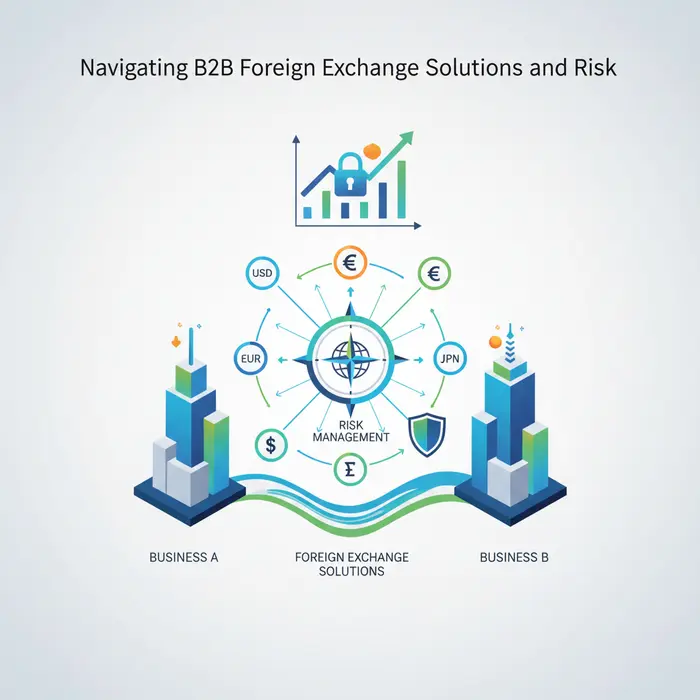
Navigating B2B Foreign Exchange Solutions and Risk
In the dynamic world of international commerce, businesses engaged in Cross-Border B2B Payments constantly face the inherent complexities of currency exchange. Fluctuations in foreign exchange (FX) rates can significantly impact profitability, cash flow predictability, and competitive pricing strategies. For companies, particularly those involved in Global Payment Gateways for Exports, understanding and effectively managing these risks is not merely a financial task but a strategic imperative. This section delves into critical aspects of B2B Foreign Exchange Solutions, identifying robust strategies to mitigate currency risks, optimize conversion rates, and ensure Secure Cross-Border Transactions for sustained international growth.
1. Understanding FX Volatility and Its Impact
FX volatility refers to the rate at which the value of a currency changes over time. This instability is driven by a myriad of factors, including geopolitical events, macroeconomic indicators (like interest rates, inflation, and GDP growth), central bank policies, and even market sentiment. For businesses dealing with International Trade Payment Methods, this volatility can transform expected profits into losses overnight or erode the competitive edge gained through careful negotiation. A sudden depreciation of a foreign currency can diminish the value of receivables, while an appreciation can inflate the cost of payables. The unpredictable nature of FX rates underscores the need for proactive risk management, impacting everything from raw material procurement to final product pricing and the ultimate profitability of Secure Cross-Border Transactions.
2. Hedging Strategies for Currency Risk Management
Effectively managing currency risk is paramount for businesses involved in Cross-Border B2B Payments. Hedging involves using financial instruments to lock in an exchange rate for a future transaction, thereby mitigating the impact of adverse currency movements. The most common hedging strategies include:
- Forward Contracts: These are customized agreements between two parties to exchange a specified amount of one currency for another at a pre-determined rate on a future date. They offer predictability but are legally binding. Learn more about forward contracts and their applications.
- Currency Options: Giving the holder the right, but not the obligation, to buy or sell a currency at a specified rate before a certain date. This offers flexibility but comes with a premium cost.
- Currency Swaps: An agreement between two parties to exchange principal and/or interest payments in different currencies. These are often used for longer-term international financing.
- Natural Hedging: Involves matching currency inflows with currency outflows. For instance, a company receiving payments in Euros might choose to pay its European suppliers in Euros, thereby naturally offsetting its FX exposure.
Implementing the right hedging strategy requires a deep understanding of the business’s specific exposure, risk tolerance, and cash flow cycles. The goal is not necessarily to profit from currency movements but to protect profit margins and ensure financial stability for B2B Foreign Exchange Solutions.
3. Optimizing Conversion Rates with Specialized Platforms
Beyond risk mitigation, optimizing conversion rates is crucial for enhancing the profitability of International Trade Payment Methods. Traditional banking channels often come with opaque fee structures, unfavorable exchange rates, and lengthy processing times, chipping away at margins. This is where specialized B2B Foreign Exchange Solutions and Global Payment Gateways for Exports come into play.
Modern platforms offer several advantages:
- Real-time, Competitive Exchange Rates: Leveraging vast networks and technology, these platforms often provide more favorable rates than traditional banks, with transparent fee structures.
- Faster Processing: Expedited transaction speeds reduce delays in Cross-Border B2B Payments, improving cash flow and supplier relationships.
- Reduced Fees: Lower transfer fees and conversion costs directly translate into savings, optimizing the overall cost of Secure Cross-Border Transactions.
- Automation and Integration: Many platforms integrate with existing ERP or accounting systems, streamlining reconciliation and reducing manual errors.
- Dedicated Support and Insights: Specialized providers often offer expert guidance on market trends and bespoke strategies for currency management.
By leveraging these sophisticated tools, businesses can move beyond simply accepting market rates to actively seeking the best possible conversion rates, turning FX from a potential liability into a strategic advantage. Exploring options like Cross-Border B2B Payments on VietnamSuppliers.com can offer valuable insights and connections for optimizing international transactions.
In conclusion, navigating the complexities of foreign exchange in B2B international trade demands a multi-faceted approach. By understanding FX volatility, implementing robust hedging strategies, and utilizing specialized B2B Foreign Exchange Solutions for optimizing conversion rates, businesses can confidently engage in global commerce, ensuring financial stability and maximizing profitability in their Global Payment Gateways for Exports.
Ensuring Secure Cross-Border Transactions
In the intricate world of international trade, the movement of funds across borders introduces a unique set of challenges and risks. While the efficiency of Cross-Border B2B Payments is crucial for global commerce, the paramount importance of security, compliance, and fraud prevention cannot be overstated. Businesses engaged in international transactions must navigate a complex landscape of varying regulations, sophisticated cyber threats, and the constant need to protect sensitive financial data. Failure to address these critical areas can result in significant financial losses, severe reputational damage, and legal repercussions. This section explores the essential pillars that uphold the integrity and safety of international B2B payment processes, offering insights into how businesses can mitigate risks and foster trust in their global financial dealings.
1. Compliance with AML, KYC, and Sanctions Regulations
The bedrock of secure international financial operations lies in strict adherence to Anti-Money Laundering (AML), Know Your Customer (KYC), and sanctions regulations. These global frameworks combat illicit financial activities such as terrorism financing, money laundering, and fraud, which often exploit the complexities of Cross-Border B2B Payments. KYC processes require financial institutions and payment providers to verify client identities, understand business nature, and assess transaction risks. AML regulations mandate the monitoring and reporting of suspicious activities to prevent the flow of illegally obtained funds.
Furthermore, adherence to international sanctions lists is non-negotiable. These lists, issued by bodies like the UN, OFAC, and the EU, prohibit transactions with specific individuals, entities, and countries. For businesses utilizing various International Trade Payment Methods, robust screening systems are indispensable to ensure no sanctioned party is involved. Non-compliance can lead to hefty fines, asset freezes, and irreversible damage to a company’s standing. Implementing automated screening tools and regularly updating compliance protocols are vital steps towards maintaining integrity in a constantly evolving regulatory environment.
2. Best Practices for Fraud Prevention and Cybersecurity
The digital nature of modern Global Payment Gateways for Exports makes them prime targets for cybercriminals. Fraud prevention and robust cybersecurity measures are therefore critical for safeguarding funds and data during B2B foreign exchange transactions. Common threats include business email compromise (BEC), invoice fraud, phishing attacks, and sophisticated malware designed to intercept or alter payment instructions. Preventing these attacks requires a multi-layered approach.
Key best practices include implementing strong multi-factor authentication (MFA) for all payment authorizations and platform access, ensuring all software and systems are regularly updated with the latest security patches, and conducting frequent cybersecurity audits. Employee training is paramount, educating staff on recognizing phishing attempts, verifying payment requests through independent channels, and understanding the risks associated with unsecured networks. For companies leveraging B2B Foreign Exchange Solutions, partnering with providers that offer advanced encryption, tokenization, and real-time fraud detection systems adds an essential layer of protection. Clear internal controls and separation of duties for payment initiation and approval further reduce internal fraud risk.
3. Data Security and Privacy Considerations
Beyond financial loss, the breach of sensitive data poses a severe threat in Secure Cross-Border Transactions. Protecting corporate financial details, customer information, and employee data is not only a matter of trust but also a legal imperative. Global data privacy regulations such as GDPR and CCPA impose strict requirements on how data is collected, processed, stored, and transferred across borders. Businesses must ensure that their payment partners and internal systems comply with these mandates, especially when dealing with various International Trade Payment Methods.
Effective data security measures include end-to-end encryption for all data in transit and at rest, secure data storage solutions, and strict access controls. Data localization requirements in certain jurisdictions may also dictate where and how data is stored. Transparency with partners and customers about data handling practices builds confidence. Regular data protection impact assessments help identify and mitigate potential vulnerabilities. Ultimately, a proactive approach to data security and privacy not only prevents breaches but also reinforces a company’s commitment to ethical business practices, ensuring the long-term viability and trustworthiness of its global operations.
In conclusion, ensuring secure Cross-Border B2B Payments demands a comprehensive strategy that integrates stringent compliance, proactive fraud prevention, and robust data security. By prioritizing these elements, businesses can confidently navigate the complexities of international trade, safeguard their assets, and maintain their reputation in the global marketplace.
Leveraging Global Payment Gateways for Exports
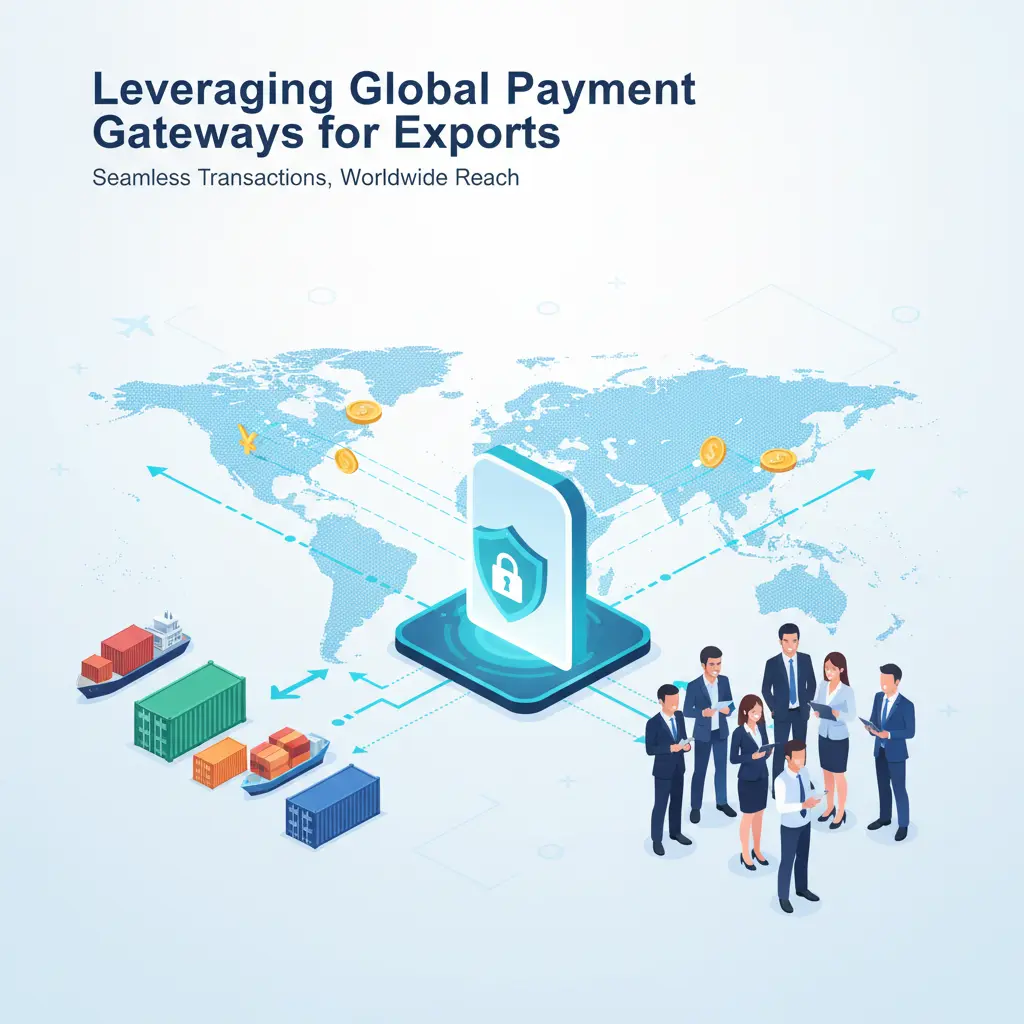
Modern payment gateways are revolutionizing how businesses manage export payments. By offering seamless, efficient, and secure processing, these gateways not only enhance operational capabilities but also significantly broaden market reach for exporters. This section explores the critical role of these technologies in streamlining international trade, focusing on the intricate world of Cross-Border B2B Payments.
1. Features and Benefits of B2B Payment Gateways
Global payment gateways are indispensable tools for businesses engaged in international trade. Unlike traditional banking methods, these platforms offer a host of features designed specifically for the complexities of International Trade Payment Methods. Key benefits include real-time currency conversion, often at competitive rates, which effectively acts as a B2B Foreign Exchange Solution, mitigating risks associated with currency fluctuations. They provide a centralized platform for managing multiple currencies and payment types, from bank transfers and e-wallets to credit card payments, ensuring flexibility for international buyers. Furthermore, these gateways are built with robust security protocols, employing advanced encryption and fraud detection mechanisms to ensure Secure Cross-Border Transactions. This not only protects sensitive financial data but also builds trust with international partners. For exporters, the ability to accept payments from virtually anywhere in the world, coupled with faster settlement times compared to traditional wire transfers, translates into improved cash flow and reduced administrative burden. The comprehensive reporting and analytics features also provide valuable insights into payment trends, helping businesses optimize their global sales strategies. The operational efficiency gained through these Global Payment Gateways for Exports is a significant competitive advantage.
2. Integration with ERP and Accounting Systems
The true power of modern payment gateways is fully realized when they are seamlessly integrated with a business’s existing Enterprise Resource Planning (ERP) and accounting systems. This integration creates a cohesive ecosystem where financial data flows effortlessly across departments, eliminating manual data entry, reducing errors, and enhancing overall operational visibility. For companies involved in Cross-Border B2B Payments, this means that every international transaction, including payment status, currency conversions, and associated fees, is automatically recorded and reconciled within their financial records. This automation is crucial for maintaining accurate books, simplifying compliance with international tax regulations, and preparing for audits. Integration also allows for automated invoice generation and payment reminders, improving collection efficiency and customer experience for international clients. Inventory management, order fulfillment, and financial forecasting all become more precise and data-driven when payment data is directly linked to other business processes. This holistic approach ensures that businesses can scale their export operations without increasing their administrative overhead, making international expansion more manageable and profitable.
3. Future Trends in Global Payment Infrastructure
The landscape of global payments is continuously evolving, driven by technological advancements and changing market demands. Looking ahead, several key trends will shape the future of global payment infrastructure, particularly for Cross-Border B2B Payments. We can expect to see further innovations in blockchain technology and distributed ledger technology (DLT), promising even faster, more transparent, and potentially lower-cost international transactions by bypassing traditional intermediary banks. Real-time payment networks are expanding globally, which will lead to near-instantaneous settlement for exports, revolutionizing cash flow management for businesses. The rise of Artificial intelligence (AI) and machine learning (ML) will continue to enhance fraud detection and prevention, making secure cross-border transactions even more robust. Furthermore, the increasing adoption of open banking initiatives is fostering greater interoperability between financial institutions and payment service providers, leading to a wider array of integrated financial solutions. Customization and personalization of payment solutions will also become more prevalent, catering to the specific needs of diverse industries and geographic markets. As these trends mature, payment gateways will likely evolve into comprehensive financial operating systems for exporters, offering not just payment processing but also integrated trade finance, supply chain financing, and advanced analytics to further optimize global trade.
Partner with Vietnam’s Leading Suppliers
Looking for reliable suppliers in Vietnam? Contact VietnamSuppliers.com today to connect with verified manufacturers and exporters across all industries.
—————————————
References
– Innovation in Cross-Border Payments (BIS Annual Report 2023): https://www.bis.org/publ/arpdf/ar2023_special_chapter_payments.pdf
– SWIFT GPI (Global Payments Innovation): https://www.swift.com/our-solutions/swift-gpi
– Investopedia: Forward Contract: https://www.investopedia.com/terms/f/forwardcontract.asp
– FATF Recommendations: https://www.fatf-gafi.org/publications/fatfrecommendations.html?hf=1&b=0&s=desc(fatfdate)
– Secure Cross-Border Transactions: https://www.swift.com/swift-for-corporates/payments

