
Introduction to Global Supply Chain Management
In today’s hyper-interconnected global economy, Global Supply Chain Management (GSCM) has transcended its traditional role as a mere logistical function, becoming a cornerstone of strategic business success. It encompasses the intricate processes that enable the flow of goods, services, information, and capital across international borders, from initial sourcing to final delivery. As businesses navigate a constantly evolving landscape, understanding and mastering GSCM is paramount for achieving operational excellence, fostering growth, and building resilience against an increasing array of global challenges, especially as we look towards 2025 and beyond.
1. What is Global Supply Chain Management (GSCM)?
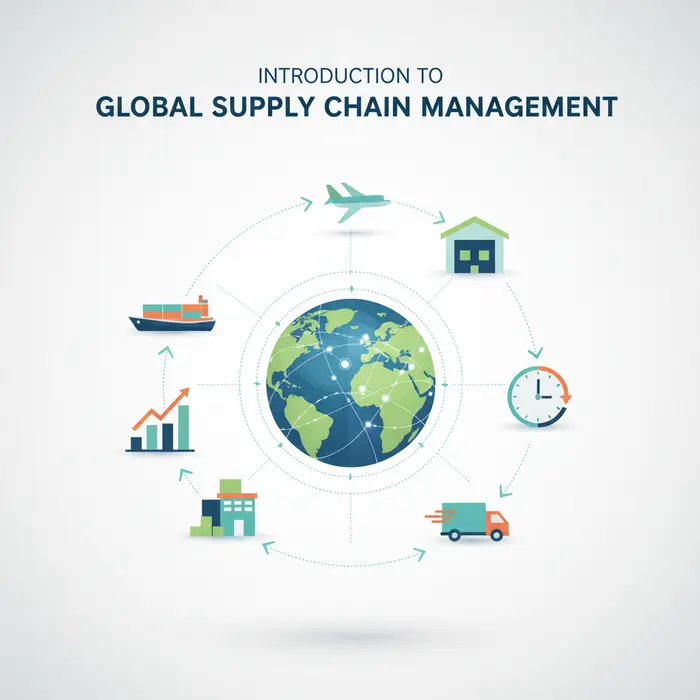
Global Supply Chain Management (GSCM) involves the comprehensive planning, implementation, and control of the efficient, cost-effective movement and storage of raw materials, work-in-process inventory, finished goods, and related information from the point of origin to the point of consumption, on a worldwide scale. This intricate process integrates various functional areas—including procurement, production, inventory management, warehousing, and transportation—across multiple countries. Unlike domestic supply chains, GSCM contends with diverse regulatory frameworks, trade agreements, cultural nuances, and often complex International logistics services. It demands strategic coordination to leverage global resources effectively, such as employing B2B sourcing solutions Vietnam to optimize component acquisition and manufacturing.
2. Why GSCM is Critical for Business Growth and Resilience
Robust Global Supply Chain Management is indispensable for modern businesses, providing a critical foundation for sustained growth and resilience in a volatile global market. Its importance is underscored by several key benefits:
- Cost Efficiency and Optimization: GSCM allows companies to strategically source materials and labor from competitive regions, optimize production locations, and streamline global distribution channels, leading to significant cost reductions. Effective supply chain optimization strategies are crucial here, improving overall operational efficiency and profitability.
- Enhanced Market Access and Competitiveness: By facilitating the seamless movement of goods across borders, GSCM enables businesses to access new international markets for both sourcing and sales. This global reach enhances competitive advantage through improved product availability, faster time-to-market, and the ability to offer competitive pricing.
- Risk Management and Business Continuity: The past few years have highlighted the paramount need for supply chain risk management in global trade. A well-designed GSCM framework incorporates diversification of suppliers, multi-modal transport options, and robust contingency planning. This proactive approach helps businesses withstand disruptions from geopolitical instability, natural disasters, or economic downturns, ensuring operational continuity and minimizing financial impact.
Without a strong GSCM framework, businesses face increased costs, delays, and a significant impediment to their ability to adapt and grow in an ever-changing global environment.
3. Key Trends Shaping Global Supply Chains in 2025
The global supply chain landscape is continuously evolving, driven by technological advancements, shifting geopolitical currents, and changing consumer demands. As we approach 2025, several trends are poised to significantly impact how businesses manage their worldwide operations:
- Digital Transformation and Hyper-Transparency: Technologies such as Artificial Intelligence (AI), Machine Learning, Blockchain, and the Internet of Things (IoT) are becoming integral. These tools offer unparalleled visibility, enabling predictive analytics for demand forecasting, real-time tracking, and enhanced data security, all contributing to advanced supply chain optimization strategies.
- Sustainability and Ethical Sourcing: Driven by consumer awareness and regulatory pressures, there’s a growing emphasis on environmentally friendly and socially responsible practices. This includes reducing carbon footprints, ensuring fair labor conditions, and adopting circular economy principles across the supply chain.
- Geopolitical Realignment and Regionalization: Trade tensions and recent disruptions are accelerating trends like reshoring, nearshoring, and friend-shoring. Companies are diversifying manufacturing and sourcing bases to build more resilient, regionally focused networks, impacting global trade flows and B2B sourcing solutions.
- Increased Agility and Resilience: The ability to quickly adapt to market shifts, demand fluctuations, and unforeseen disruptions is paramount. This necessitates highly agile supply chains capable of rapid reconfigurations, supported by advanced planning systems and flexible partnerships.
Successfully navigating these trends requires strategic foresight, continuous investment in technology and talent, and a commitment to perpetual adaptation. Businesses that proactively embrace these shifts will be best positioned to thrive in the complex global marketplace of 2025 and beyond.
Supply Chain Optimization Strategies for Efficiency
In an increasingly interconnected yet volatile world, mastering Global Supply Chain Management is no longer an option but a strategic imperative. Businesses face myriad challenges, from geopolitical shifts and trade complexities to rapid technological advancements and evolving consumer demands. To navigate this intricate landscape, organizations must embrace sophisticated supply chain optimization strategies designed to enhance operational efficiency, reduce costs, and improve responsiveness across their entire global network. This involves a holistic approach, leveraging cutting-edge technology and adopting best practices to build a resilient, agile, and cost-effective supply chain.
Optimizing a global supply chain demands a proactive stance, moving beyond reactive problem-solving to predictive intelligence and strategic foresight. The goal is to transform the supply chain from a cost center into a competitive advantage, enabling seamless flow of goods, information, and capital. This section delves into practical and innovative strategies that are crucial for achieving this transformation, ensuring businesses can thrive in the dynamic environment of global trade.
Leveraging Technology for End-to-End Visibility and Control
The foundation of any modern supply chain optimization effort lies in harnessing technology to achieve unparalleled visibility and control. Real-time data and actionable insights are paramount for effective decision-making. Advanced technologies such as Artificial Intelligence (AI), Machine Learning (ML), the Internet of Things (IoT), and blockchain are revolutionizing how businesses manage their international logistics services.
AI and ML algorithms can process vast amounts of data to predict demand fluctuations, identify potential disruptions, and optimize routing and inventory levels. IoT devices, embedded across the supply chain from manufacturing plants to shipping containers, provide live tracking and condition monitoring, enabling proactive interventions. Blockchain technology offers an immutable and transparent ledger for all transactions, enhancing trust and traceability, particularly vital for supply chain risk management in global trade.
Furthermore, robust Enterprise Resource Planning (ERP) systems, integrated with Supply Chain Management (SCM) software, serve as central nervous systems, unifying data from various operational silos. This integration provides a single source of truth, enabling end-to-end visibility from raw material sourcing to final product delivery. By embracing these digital tools, companies can move towards predictive and prescriptive supply chain models, minimizing risks and maximizing efficiency. For deeper insights into this transformation, refer to Deloitte’s insights on digital supply chain transformation.
Implementing Lean Principles in Global Operations
Originating from manufacturing, lean principles are equally powerful when applied to the complexities of global supply chain management. The core idea is to identify and eliminate waste in all its forms – overproduction, waiting, unnecessary transport, over-processing, excess inventory, unnecessary motion, and defects. Implementing lean across global operations focuses on streamlining processes, reducing lead times, and enhancing responsiveness.
For global supply chains, this translates into optimizing freight movements to reduce idle time and transportation costs, rationalizing warehouse layouts, and standardizing operational procedures across different regions. Value stream mapping becomes an invaluable tool, allowing organizations to visualize the entire flow of materials and information, identifying bottlenecks and areas for improvement. By fostering a culture of continuous improvement (Kaizen), businesses can incrementally enhance efficiency and reduce non-value-added activities.
Lean practices also encourage close collaboration with suppliers and partners, extending the principles of waste reduction beyond internal operations. This collective effort ensures that the entire network operates with maximum efficiency, leading to faster fulfillment cycles, lower operational costs, and improved customer satisfaction for international logistics services.
Optimizing Inventory Management and Forecasting
Effective inventory management and accurate forecasting are critical pillars of supply chain optimization. Holding too much inventory ties up capital and incurs storage costs, while holding too little risks stockouts and lost sales. The challenge intensifies in a global context, with longer lead times and higher variability in demand and supply.
Modern strategies employ advanced analytical techniques, including demand sensing and predictive analytics, to generate more precise forecasts. This moves beyond historical data, incorporating real-time market signals, promotional activities, and external factors like weather patterns or social media trends. Implementing dynamic safety stock calculations, which adjust based on demand and supply variability, helps balance service levels with inventory costs.
Furthermore, strategies such as Vendor-Managed Inventory (VMI) or collaborative planning, forecasting, and replenishment (CPFR) foster closer ties with suppliers and customers, allowing for more synchronized inventory flows. For businesses engaged in B2B sourcing solutions Vietnam or other international procurement, optimizing inventory management is crucial for mitigating risks associated with long transit times and potential disruptions, ensuring a steady supply of components and finished goods. This strategic approach minimizes carrying costs, prevents costly stockouts, and enhances overall supply chain resilience.
By integrating technological advancements, embracing lean methodologies, and refining inventory and forecasting practices, businesses can achieve a truly optimized supply chain. These strategies collectively contribute to a more agile, resilient, and cost-effective global network, positioning companies for sustained growth and competitive advantage in today’s complex marketplace.
Navigating International Logistics Services and Challenges
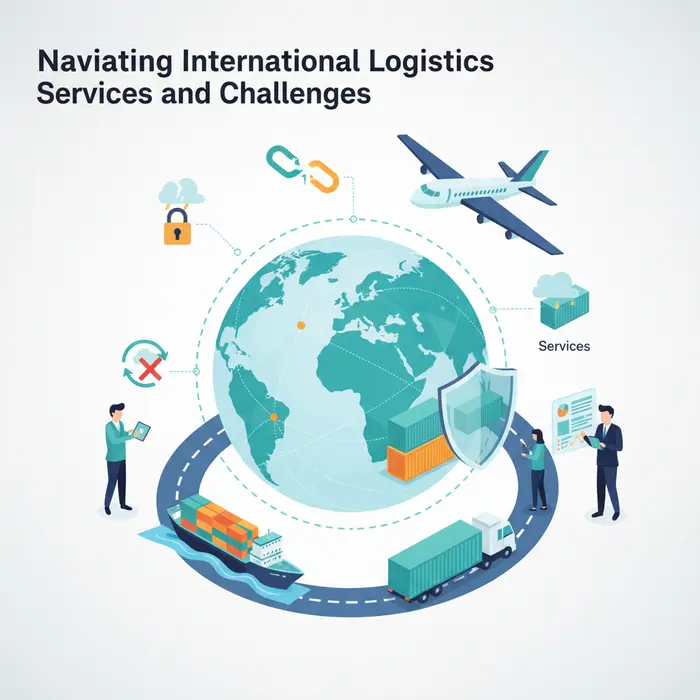
In today’s interconnected world, effective Global Supply Chain Management is paramount for businesses seeking to expand their reach and maintain a competitive edge. Navigating the complexities of international logistics requires a deep understanding of various services, from freight forwarding to customs clearance, and the ability to adapt to unforeseen challenges. This section explores the intricate landscape of global shipping, offering insights into overcoming common hurdles and leveraging supply chain optimization strategies to ensure seamless operations and timely delivery worldwide.
1. Choosing the Right International Logistics Services Provider
The foundation of successful international trade lies in selecting an adept International logistics services provider. This crucial decision impacts everything from transit times and costs to compliance and overall customer satisfaction. When evaluating potential partners, businesses must look beyond mere pricing. Key considerations include the provider’s global network, their expertise in specific trade lanes, technological capabilities for real-time tracking and communication, and their track record in handling diverse cargo types. A specialized freight forwarder, for instance, can streamline the movement of goods, negotiating rates with carriers, consolidating shipments, and managing documentation. For businesses involved in B2B sourcing solutions from Vietnam, a provider with strong local presence and understanding of the Vietnamese market dynamics can be invaluable. Vetting their financial stability, insurance coverage, and customer support responsiveness is also essential. The right partner acts as an extension of your team, providing strategic guidance and proactive solutions to potential disruptions, thereby enhancing your overall supply chain management.
2. Understanding Customs Regulations and Compliance Requirements
Customs regulations are arguably one of the most significant complexities in global shipping. Each country has its own set of rules, tariffs, and documentation requirements, making compliance a continuous challenge. Failure to adhere to these regulations can result in costly delays, fines, and even seizure of goods. Businesses must thoroughly understand Harmonized System (HS) codes for accurate product classification, country-specific import/export licenses, and various duties and taxes. Staying updated on Free Trade Agreements (FTAs) can also offer significant cost advantages, but requires meticulous adherence to rules of origin. Partnering with a logistics provider experienced in customs brokerage is often a wise investment. These experts can navigate the intricate paperwork, ensure proper valuation, and act as an intermediary with customs authorities, mitigating risks and accelerating clearance processes. Proactive supply chain risk management in global trade involves not only understanding these regulations but also having contingency plans for potential changes or issues.
3. Multimodal Transport Solutions for Global Reach and Flexibility
Achieving optimal speed, cost-efficiency, and environmental sustainability in international logistics often necessitates the use of multimodal transport solutions. This approach combines different modes of transportation – such as sea, air, rail, and road – under a single contract, managed by a single carrier or logistics provider. For instance, goods might travel by sea from Asia to a European port, then by rail inland, and finally by truck for last-mile delivery. Multimodal solutions offer significant flexibility, allowing businesses to adapt to varying transit times, cost pressures, and geographical constraints. They can be particularly beneficial for bulk cargo or when supply chain disruptions necessitate rerouting. The integrated nature of multimodal transport simplifies coordination, as the responsibility rests with a single entity, reducing administrative burdens and potential communication gaps. This strategic integration is a key component of modern supply chain optimization strategies, enabling companies to build more resilient and responsive global supply chains, critical for industries engaging in B2B sourcing solutions Vietnam to European or North American markets.
Supply Chain Risk Management in Global Trade
In an increasingly interconnected world, Global Supply Chain Management is a complex endeavor, fraught with potential disruptions. From geopolitical shifts and natural disasters to cybersecurity threats, the integrity and efficiency of global supply chains are constantly under siege. Effective supply chain risk management in global trade is no longer a luxury but a critical imperative for businesses aiming to maintain continuity, protect reputation, and sustain profitability. This section explores strategies for comprehensive risk identification, proactive mitigation, and the foundational principles for constructing truly resilient and agile supply chain networks.
1. Identifying and Assessing Global Supply Chain Risks
The first step in fortifying any global supply chain is a systematic identification and assessment of potential risks. These risks are multifaceted and can manifest across various domains:
- Geopolitical Risks: Trade wars, tariffs, political instability, and sanctions can swiftly reconfigure trade routes, impact costs, and cut off access to vital markets or supplies. Constant monitoring of political landscapes is necessary.
- Natural Disasters and Environmental Risks: Earthquakes, floods, hurricanes, and pandemics (as demonstrated by COVID-19) cause widespread infrastructural damage, labor shortages, and manufacturing shutdowns, leading to significant delays and capacity constraints. Climate change exacerbates these events.
- Economic Risks: Currency fluctuations, inflation, recession, and unexpected shifts in consumer demand can erode profit margins, increase operational costs, and create inventory imbalances.
- Cybersecurity Threats: With increasing digitalization, supply chains are vulnerable to data breaches, ransomware attacks, and system failures that can disrupt operations, compromise sensitive information, and damage trust.
- Operational and Supplier Risks: Issues such as supplier bankruptcy, quality control failures, labor disputes, or disruptions in international logistics services can ripple through the entire network, causing significant delays and cost overruns.
A comprehensive risk assessment involves mapping the entire supply chain, identifying critical nodes, and quantifying potential impacts using tools like FMEA (Failure Mode and Effects Analysis) and scenario planning.
2. Building Resilient and Agile Supply Chain Networks
Once risks are identified, the focus shifts to developing and implementing supply chain optimization strategies designed to build inherent resilience and agility. This involves moving beyond traditional linear models to create adaptive and responsive networks:
- Diversification of Suppliers and Sourcing: Reducing over-reliance on a single source or region is paramount. Exploring multiple suppliers across different geographies, including emerging markets for B2B sourcing solutions Vietnam, can provide crucial alternatives during disruptions.
- Enhanced Visibility and Transparency: Implementing technologies such as IoT, blockchain, and advanced analytics can provide end-to-end visibility, offering real-time data on inventory levels, shipment locations, and potential disruptions. This proactive insight enables quicker decision-making.
- Strategic Inventory Management: While lean principles aim to minimize inventory, strategic buffer stocks for critical components or finished goods at key locations can absorb short-term shocks without halting operations.
- Flexible Logistics and Transportation: Utilizing multi-modal transportation options and having backup carriers or routes available can mitigate risks associated with port closures, road blocks, or specific carrier failures.
- Collaboration and Partnerships: Fostering strong, collaborative relationships with suppliers, logistics partners, and even competitors can facilitate shared intelligence and coordinated responses during crises.
3. Contingency Planning and Crisis Response Strategies
Even the most resilient supply chains can face unforeseen challenges, making robust contingency planning and swift crisis response capabilities essential. This involves preparing for the unexpected:
- Scenario-Based Planning: Developing detailed contingency plans for various disruption scenarios (e.g., supplier failure, major port closure, cybersecurity attack) helps define roles, responsibilities, and specific actions.
- Emergency Response Teams: Establishing dedicated crisis management teams with clear communication protocols ensures a coordinated and effective response.
- Communication Strategy: Transparent and timely communication with stakeholders—including customers, suppliers, and employees—is crucial to manage expectations, maintain trust, and mitigate reputational damage.
- Investment in Technology for Predictive Analytics: Leveraging AI and machine learning can help predict potential disruptions, allowing for pre-emptive action like analyzing weather patterns or monitoring geopolitical news.
- Regular Review and Testing: Contingency plans must be regularly reviewed, updated, and tested through drills and simulations to ensure effectiveness and identify gaps.
Building an adaptive framework for supply chain risk management in global trade is an ongoing journey of continuous improvement, ensuring businesses can not only survive disruptions but emerge stronger and more competitive.
B2B Sourcing Solutions and Emerging Markets (e.g., Vietnam)
In an increasingly interconnected yet volatile global economy, effective B2B sourcing solutions are paramount for businesses seeking competitive advantage and resilience. The landscape of Global Supply Chain Management is continually evolving, driven by technological advancements, shifting geopolitical dynamics, and the rise of new manufacturing powerhouses. This section delves into strategic approaches for supplier selection and diversification, with a keen focus on the burgeoning opportunities presented by emerging markets, particularly Vietnam, for manufacturing and procurement.
1. Strategic Supplier Selection and Relationship Management
The foundation of a robust supply chain lies in meticulously planned supplier selection. Beyond mere cost considerations, businesses must prioritize suppliers that demonstrate consistent quality, reliability, ethical compliance, and financial stability. A strategic approach involves comprehensive due diligence, including factory audits, quality control checks, and a thorough assessment of a supplier’s operational capabilities and long-term vision. Cultivating strong, collaborative relationships with suppliers is equally critical. This involves clear communication, shared objectives, and a commitment to mutual growth. Such partnerships foster transparency and enable proactive supply chain optimization strategies, helping to mitigate potential disruptions and enhance overall efficiency. Furthermore, in today’s complex environment, effective supply chain risk management in global trade necessitates partners who are adaptable and transparent about their own sub-suppliers and processes.
2. Exploring the Advantages of Sourcing from Vietnam
Vietnam has rapidly emerged as a powerhouse in the global manufacturing landscape, drawing significant attention from international buyers looking for viable alternatives to traditional sourcing hubs. The country offers a compelling blend of cost-effectiveness, a young and increasingly skilled workforce, and a strategic geographical location. Government initiatives, coupled with numerous free trade agreements (such as EVFTA and CPTPP), have fostered a business-friendly environment, attracting foreign direct investment and enhancing its export capabilities across various sectors, including textiles, electronics, furniture, and agricultural products. Businesses exploring B2B sourcing solutions Vietnam can benefit from competitive labor costs, a stable political climate, and a growing industrial infrastructure. While the opportunities are vast, careful planning for customs, shipping, and local compliance is paramount for successful engagement, leveraging efficient international logistics services.

3. Diversifying Your Global Sourcing Portfolio for Stability
Relying heavily on a single region or a limited number of suppliers poses significant risks to any enterprise, as demonstrated by recent global events. Diversifying your global sourcing portfolio is no longer just an option but a strategic imperative for long-term stability and resilience. By spreading procurement across multiple geographies and an array of vetted suppliers, companies can buffer against disruptions caused by natural disasters, geopolitical tensions, trade tariffs, or economic downturns in any single region. This strategy involves balancing established markets with emerging ones like Vietnam, Mexico, or India, creating a resilient network that can adapt to unforeseen challenges. A diversified approach supports sustainable Global Supply Chain Management, ensuring continuity of supply and minimizing the impact of localized issues. It fosters a more robust and responsive supply chain, crucial for navigating the complexities of modern international trade.
In conclusion, successful B2B sourcing in the contemporary global landscape demands a multi-faceted approach. Strategic supplier selection, underpinned by strong relationship management, forms the bedrock. Simultaneously, exploring the distinct advantages offered by emerging markets like Vietnam provides significant growth opportunities and cost efficiencies. Critically, diversifying the global sourcing portfolio across various regions acts as an essential safeguard, building resilience against an unpredictable world. Businesses that embrace these strategies will not only optimize their supply chains but also position themselves for sustained success in the competitive global market.
Partner with Vietnam’s Leading Suppliers
Looking for reliable suppliers in Vietnam? Contact VietnamSuppliers.com today to connect with verified manufacturers and exporters across all industries.
—————————————
References
– supply chain optimization strategies: https://www.mckinsey.com/capabilities/operations/our-insights/supply-chain-management
– Deloitte’s insights on digital supply chain transformation: https://www2.deloitte.com/us/en/insights/topics/operations/supply-chain-digital-transformation.html
– Inbound Logistics: https://www.inboundlogistics.com/
– World Economic Forum: Global Supply Chain Resilience: https://www.weforum.org/agenda/2023/07/global-supply-chain-resilience-covid-19/
– supply chain risk management in global trade: https://www.mckinsey.com/capabilities/operations/our-insights/supply-chain-risk-management

