
The Rise of Vietnam in Global Manufacturing
Vietnam has rapidly solidified its position as a global manufacturing powerhouse, emerging as a dynamic and attractive alternative or complement to traditional Asian production centers. Its strategic location, competitive costs, and robust government support have positioned it as a key player in diversified supply chains worldwide. Businesses seeking resilient and efficient Vietnam Supply Chain Solutions are increasingly turning their gaze towards this Southeast Asian nation, drawn by its burgeoning industrial capacity and commitment to economic integration.

1. Strategic Location & Trade Agreements
Vietnam’s geographical position is a significant advantage, providing unparalleled access to major shipping lanes and key markets across Asia and beyond. Its long coastline and well-developed port infrastructure facilitate efficient logistics for global trade. Beyond geography, Vietnam has aggressively pursued and signed numerous Free Trade Agreements (FTAs) that significantly enhance its attractiveness for manufacturers. Key agreements include the Comprehensive and Progressive Agreement for Trans-Pacific Partnership (CPTPP), the EU-Vietnam Free Trade Agreement (EVFTA), and the Regional Comprehensive Economic Partnership (RCEP). These FTAs reduce import duties from Vietnam for goods entering partner countries, making Vietnamese-made products more competitive globally. This network of trade agreements not only provides preferential access to vast consumer markets but also encourages foreign direct investment (FDI), further strengthening Vietnam manufacturing capabilities. This extensive trade network simplifies market entry and integration for businesses looking to expand their global footprint, and helps them more easily Find Vietnam suppliers B2B directory.
2. Skilled Labor Force & Cost Efficiency
One of Vietnam’s most compelling assets is its large, young, and increasingly skilled labor force. With a strong emphasis on education and vocational training, the country consistently produces a workforce that is adaptable, trainable, and keen to embrace new technologies. This human capital is available at highly competitive wage rates compared to established manufacturing hubs, offering significant cost efficiencies for businesses. While labor costs are rising, they remain attractive enough to ensure a strong return on investment for labor-intensive industries. Furthermore, the commitment to quality is evident, with a growing number of enterprises offering sophisticated Vietnam quality control services, ensuring that products meet international standards. This blend of cost-effectiveness and a developing skill base underpins the expansion of diverse Vietnam manufacturing capabilities, from textiles and footwear to high-tech electronics.
3. Government Support & Investment Incentives
The Vietnamese government has played a proactive role in fostering an investment-friendly environment, implementing policies designed to attract and retain foreign businesses. These incentives include corporate income tax holidays, exemptions, reduced land lease fees, and streamlined administrative procedures for setting up and operating businesses. Continuous investment in infrastructure – including roads, ports, airports, and industrial parks – further enhances the country’s appeal as a manufacturing hub. The government’s strategic vision also includes supporting the development of local industries and promoting technology transfer, creating a vibrant ecosystem for both foreign and domestic enterprises. This strong governmental backing, combined with a stable political climate, provides a secure and predictable operating environment for investors, making it easier to integrate into broader Vietnam Supply Chain Solutions and confidently Find Vietnam suppliers B2B directory resources.
Understanding Vietnam Manufacturing Capabilities
Vietnam has emerged as a formidable global manufacturing hub, attracting significant foreign direct investment and becoming a critical node in numerous international Vietnam Supply Chain Solutions. Its strategic location, competitive labor costs, and pro-business government policies have propelled it into the spotlight for companies seeking to diversify or optimize their production footprints. From intricate electronics to high-volume apparel, understanding Vietnam’s diverse manufacturing strengths is key to unlocking its full potential as a production partner.
1. Key Industries: Textiles, Electronics, Furniture
Vietnam’s manufacturing sector is characterized by the robust performance of several key industries, each contributing significantly to the nation’s economic growth and export prowess. These sectors exemplify the diverse Vietnam manufacturing capabilities.
- Textiles and Apparel: This traditional sector remains a cornerstone of Vietnamese manufacturing. Leveraging a skilled workforce and strong government support, Vietnam has become one of the world’s largest exporters of textiles and garments. The industry boasts a comprehensive supply chain, from yarn and fabric production to dyeing, finishing, and garment assembly. Companies looking for high-quality, cost-effective production in apparel, footwear, and textile products will find a mature ecosystem and experienced Find Vietnam suppliers B2B directory options here.
- Electronics and High-Tech Components: Perhaps the most dynamic growth area, Vietnam’s electronics sector has seen explosive expansion. Major global players have established large-scale operations for manufacturing smartphones, tablets, computers, and various electronic components. This industry benefits from substantial investment in technology and a rapidly developing skilled workforce, positioning Vietnam as a crucial player in the global tech supply chain. The complexity and precision involved underscore the country’s growing technological sophistication.
- Furniture Manufacturing: Vietnam has cemented its reputation as a global leader in furniture production, particularly for wooden indoor and outdoor furniture. The industry benefits from abundant raw materials, skilled craftsmanship, and efficient production processes. Vietnamese furniture manufacturers are known for their ability to produce high-quality, competitively priced products for global markets, making it an attractive destination for buyers worldwide.
2. Infrastructure for Production & Logistics
The backbone of Vietnam’s manufacturing success is its continually improving infrastructure, vital for efficient production and seamless global trade. The government has made significant investments in upgrading transportation networks and industrial zones, which are integral to effective Vietnam Supply Chain Solutions.
- Modernizing Ports and Logistics Networks: Vietnam boasts a strategic coastline with major deep-water ports like Hai Phong, Da Nang, and Ho Chi Minh City, which are continuously being expanded and modernized to handle increasing cargo volumes. These ports are complemented by an expanding network of highways, railways, and inland waterways, facilitating the movement of raw materials and finished goods. This robust logistics infrastructure is crucial for timely deliveries and reducing transportation costs.
- Industrial Parks and Economic Zones: Across the country, numerous industrial parks, export processing zones, and high-tech parks offer state-of-the-art facilities, pre-built factories, and streamlined administrative procedures for foreign investors. These zones provide reliable utilities, waste management, and customs services, creating a conducive environment for manufacturing operations. The development of these specialized zones plays a significant role in attracting diverse industries and optimizing production efficiency. When considering these zones, companies also factor in aspects like Import duties from Vietnam, which can impact overall cost structures.
3. Technological Adoption and Innovation
While known for its cost-effectiveness, Vietnam is also making significant strides in technological adoption and fostering innovation. This commitment is enhancing Vietnam manufacturing capabilities and elevating the quality and complexity of its production output.
- Embracing Industry 4.0: Vietnamese manufacturers are increasingly investing in automation, robotics, and smart factory solutions to boost productivity, improve precision, and reduce reliance on manual labor. This shift is particularly evident in the electronics and automotive components sectors, where advanced manufacturing processes are becoming standard. The government actively promotes digital transformation and provides incentives for companies adopting advanced technologies.
- Focus on Quality Control and R&D: There’s a growing emphasis on stringent Vietnam quality control services across all sectors. Manufacturers are implementing international quality management systems (e.g., ISO certifications) and investing in advanced testing equipment to meet global standards. Furthermore, investment in research and development is on the rise, particularly in areas like sustainable manufacturing, new materials, and product design, positioning Vietnam not just as a production hub but also as a center for innovation. This push for higher standards and technological advancement is critical for Vietnam to move up the value chain and maintain its competitive edge in the global market. The World Bank notes Vietnam’s strong economic performance and the need for continued reforms to boost productivity and resilience, underscoring the importance of these technological advancements. (World Bank: Vietnam Economic Outlook)
In conclusion, Vietnam offers a compelling proposition for global manufacturers. Its diverse industrial base, robust infrastructure, and increasing commitment to technological advancement and quality make it an indispensable partner for companies navigating the complexities of modern Vietnam Supply Chain Solutions. As it continues to evolve, Vietnam is poised to play an even more prominent role in global manufacturing.
Ensuring Quality: Vietnam Quality Control Services
As Vietnam solidifies its position as a global manufacturing hub, offering Vietnam Supply Chain Solutions, quality assurance is paramount. For businesses leveraging robust Vietnam manufacturing capabilities, integrating effective Vietnam quality control services is a strategic necessity. This section explores critical quality assurance methodologies, services, and best practices for safeguarding product integrity and brand reputation when sourcing from Vietnam.
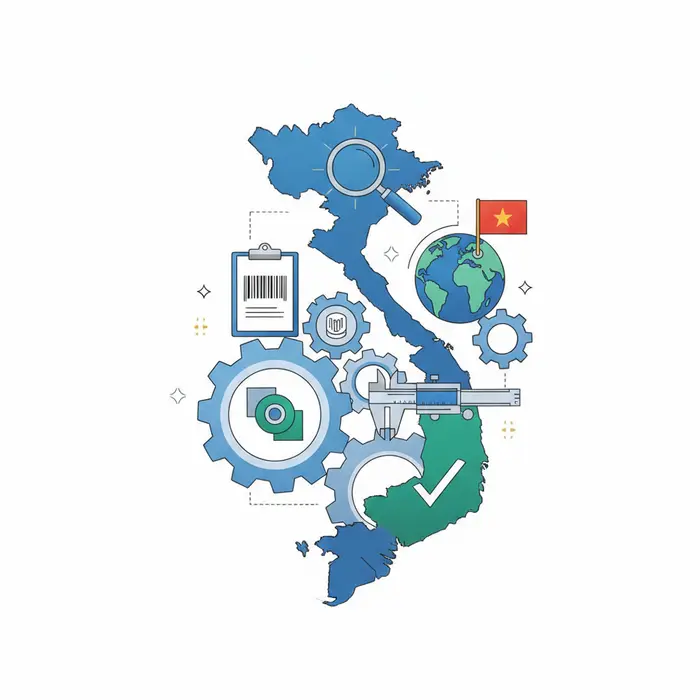
A proactive approach to quality control minimizes risks, reduces costly reworks, and ensures products meet customer expectations and international compliance. Deploying comprehensive quality assurance strategies helps businesses confidently navigate global trade, delivering superior products despite considerations like Import duties from Vietnam.
1. Pre-Production, In-Process, and Final Inspections
Effective quality control is a multi-stage process, vital throughout the production lifecycle:
- Pre-Production Inspection (PPI): This initial stage verifies raw materials, components, and machinery compliance before mass production. Vietnam quality control services here assess factory capacity, schedules, and material readiness, preventing early issues and saving significant time and cost. It includes checking material certificates, samples, and ensuring correct production line setup.
- In-Process Inspection (IPI): Conducted at 20-80% completion, IPIs monitor manufacturing, enabling early detection of deviations and defects. Inspectors verify workmanship and adherence to quality standards, ensuring prompt corrective actions. This oversight maintains consistent quality and optimizes Vietnam manufacturing capabilities.
- Final Random Inspection (FRI) / Pre-Shipment Inspection (PSI): The most critical inspection, performed when 100% of goods are produced and 80% packed. PSIs use Acceptable Quality Limit (AQL) sampling to assess product quality, quantity, packaging, and marking. A thorough PSI ensures finished products meet requirements before shipment, confirming Vietnam QC services effectiveness.
2. Accredited Third-Party QC Providers
Engaging accredited third-party quality control providers offers impartiality, specialized expertise, and local market knowledge invaluable in global manufacturing. When you Find Vietnam suppliers B2B directory, robust QC processes are paramount, and third-party inspectors provide independent verification.
These Vietnam quality control services often encompass factory and social compliance audits, alongside specialized product testing. Inspectors, trained to international standards, deeply understand product categories and manufacturing pitfalls, identifying subtle flaws. Unbiased reports foster trust and accountability within the Vietnam Supply Chain Solutions ecosystem. Selecting an accredited provider ensures reliable, actionable quality data.
3. Implementing International Standards (ISO, etc.)
Adherence to recognized international standards is a cornerstone of effective quality management. ISO 9001 for Quality Management Systems is a globally recognized benchmark for consistent quality and improvement. When sourcing from Vietnam, requiring suppliers to maintain ISO certifications (or similar industry standards) significantly bolsters product integrity and reduces risks.
Beyond ISO 9001, other relevant standards may apply, such as ISO 14001 for environmental management or specific product safety standards (e.g., CE, FCC). Implementing these throughout Vietnam manufacturing capabilities ensures compliance, enhances efficiency, and fosters a quality culture. This proactive engagement reassures buyers, establishing Vietnam as a reliable source, benefiting those seeking comprehensive Vietnam Supply Chain Solutions.
In conclusion, robust quality control is indispensable for successful sourcing from Vietnam. By strategically implementing multi-stage inspections, leveraging accredited third-party Vietnam quality control services, and ensuring adherence to international quality standards, businesses can mitigate risks, uphold product integrity, and build resilient Vietnam Supply Chain Solutions that consistently meet global demands.
Finding Reliable Partners: Vietnam Suppliers B2B Directory
Vietnam has rapidly emerged as a vital hub in the global manufacturing and supply chain landscape. Its strategic location, competitive labor costs, and increasingly skilled workforce make it an attractive destination for businesses seeking to diversify their sourcing options. However, successfully navigating the Vietnamese market requires a clear strategy for identifying and vetting reliable partners. This guide will walk you through effective methods to locate potential suppliers in Vietnam, emphasizing the critical roles of B2B directories, trade fairs, and robust sourcing strategies to build resilient Vietnam Supply Chain Solutions.
1. Navigating Online B2B Platforms
Online B2B (Business-to-Business) platforms serve as a primary gateway for international buyers looking to connect with suppliers in Vietnam. These directories aggregate vast numbers of manufacturers, distributors, and service providers, offering a convenient starting point for your search. Prominent global platforms like Alibaba and Global Sources feature numerous Vietnamese suppliers across various industries. However, for a more focused approach, specialized directories such as Find Vietnam suppliers B2B directory offer a curated list specific to the region, providing deeper insights into local capabilities. When utilizing these platforms, focus on suppliers with comprehensive profiles, verified badges, and positive reviews. Filter your searches using keywords related to your product, such as “apparel manufacturing Vietnam” or “electronics components Vietnam,” to narrow down your options based on their Vietnam manufacturing capabilities. Initial communication should be clear and concise, outlining your requirements and assessing their responsiveness and English proficiency. This preliminary screening is crucial for building a shortlist of potential partners.
2. Trade Fairs and Local Sourcing Agents
While online platforms offer convenience, trade fairs provide an invaluable opportunity for direct engagement and firsthand assessment. Major events like Vietnam Expo, SaigonTex, and various industry-specific shows held in Hanoi and Ho Chi Minh City allow you to meet suppliers face-to-face, inspect product samples, and discuss custom requirements. The personal interaction fostered at these events can accelerate trust-building and provide a deeper understanding of a supplier’s operational ethos. Furthermore, attending trade fairs offers insights into market trends and competitor activities within Vietnam.
Another highly effective strategy, particularly for businesses new to the Vietnamese market or those with limited resources for frequent travel, is engaging a local sourcing agent. These agents possess intimate knowledge of the local business landscape, cultural nuances, and language, which can be critical for successful negotiations and problem-solving. A good sourcing agent can help identify reputable factories, conduct preliminary screenings, negotiate favorable terms, and even oversee Vietnam quality control services throughout the production process. Their expertise can significantly mitigate risks and streamline your sourcing efforts, ensuring that your interests are well-represented on the ground.
3. Due Diligence and Supplier Vetting Process
Once you have a shortlist of potential suppliers, a rigorous due diligence and vetting process is paramount to ensure long-term reliability and minimize risks. This stage involves several critical steps:
- Company Verification: Confirm the supplier’s legal registration, business licenses, and operational history. Third-party services can conduct background checks and verify financial stability.
- Factory Audits: If feasible, conduct or commission a factory audit. This involves an on-site inspection of their facilities, production processes, quality management systems, and adherence to labor and environmental standards. This provides concrete evidence of their Vietnam manufacturing capabilities and ethical practices.
- Sample Orders: Place small sample orders to assess product quality, consistency, and the supplier’s ability to meet specifications. This is a practical test of their production capabilities and attention to detail.
- Communication and Responsiveness: Evaluate their communication clarity, timeliness, and willingness to address concerns. Consistent and transparent communication is a hallmark of a reliable partner.
- References: Request references from their existing international clients and follow up on them to gauge their past performance and reliability.
- Contractual Agreements: Draft comprehensive contracts that clearly define product specifications, quality standards, payment terms, delivery schedules, intellectual property rights, and dispute resolution mechanisms. It’s also crucial to understand Import duties from Vietnam and other customs regulations to factor into your total cost.
Effective supplier vetting is a continuous process that safeguards your investment and ensures the integrity of your supply chain. For further insights into establishing robust vetting processes in international trade, refer to resources on building supply chain resilience.
By combining thorough online research, strategic engagement at trade fairs, the judicious use of local agents, and rigorous due diligence, businesses can confidently secure reliable partners in Vietnam. This multi-faceted approach is fundamental to establishing an efficient, cost-effective, and resilient Vietnam Supply Chain Solution, ultimately contributing to your business’s long-term success in the global marketplace.
Navigating Import Duties from Vietnam & Logistics
As Vietnam solidifies its position as a global manufacturing hub, businesses worldwide are increasingly sourcing products from this dynamic Southeast Asian nation. However, navigating the intricate web of import duties, tariffs, and logistical complexities is crucial for successful and cost-effective trade. Establishing robust Vietnam Supply Chain Solutions is paramount to ensure smooth operations from factory floor to final destination.
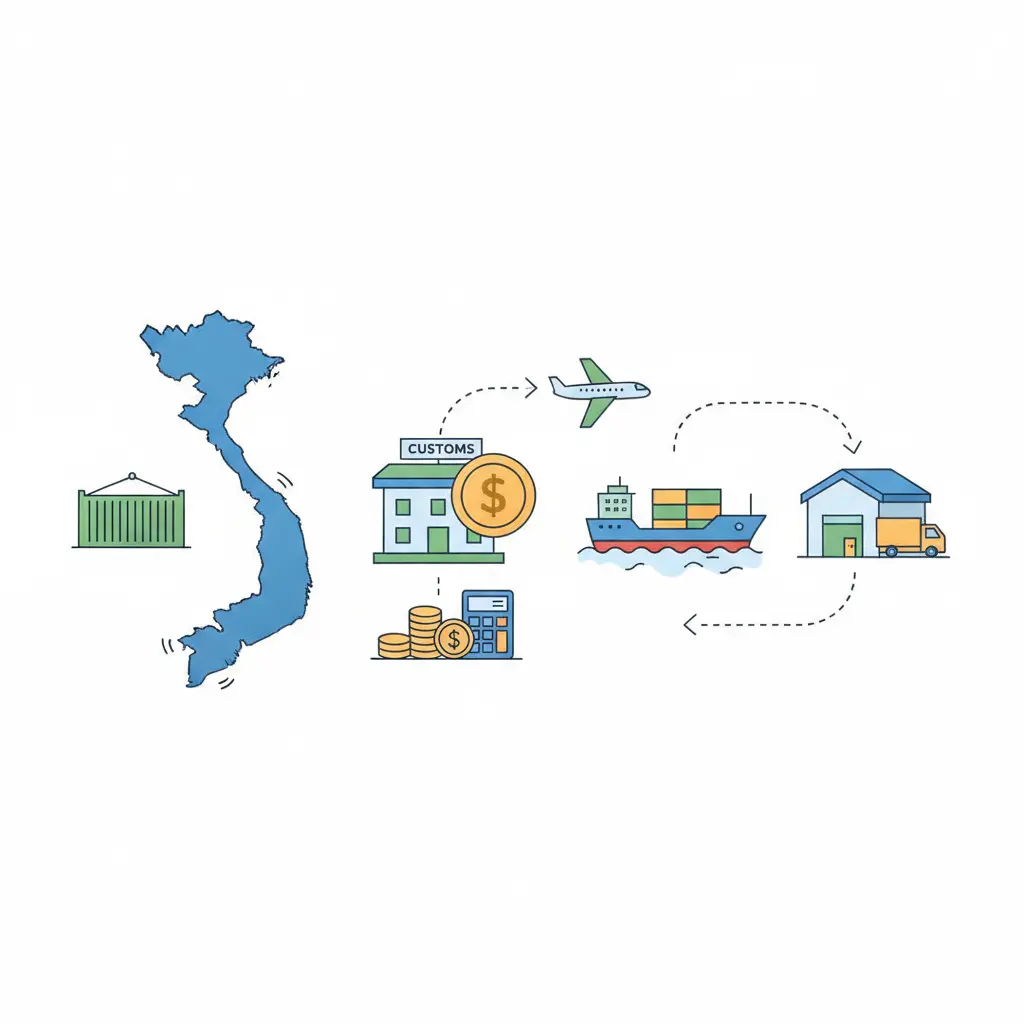
1. Understanding Free Trade Agreements (FTAs) & Tariffs
One of the most significant factors influencing import duties from Vietnam is the existence and application of Free Trade Agreements (FTAs). Vietnam has strategically entered into numerous bilateral and multilateral FTAs, providing preferential tariff treatment for goods originating from Vietnam when entering partner countries. Key agreements include the Comprehensive and Progressive Agreement for Trans-Pacific Partnership (CPTPP), the EU-Vietnam Free Trade Agreement (EVFTA), and the Regional Comprehensive Economic Partnership (RCEP), among others. These agreements can significantly reduce or even eliminate tariffs, making Vietnamese products more competitive in international markets. For instance, understanding the nuances of how these Free Trade Agreements apply to your specific products is critical. To qualify for preferential tariffs, goods must meet the “Rules of Origin” (ROO) criteria stipulated in each FTA, which often involves meticulous documentation proving the product’s origin and local content percentage. For countries without an FTA with Vietnam, or for products that don’t meet ROO, goods will typically be subject to Most Favoured Nation (MFN) tariffs, which are generally higher.
2. Customs Clearance and Documentation
Efficient customs clearance is the backbone of international trade. Delays and penalties often arise from incomplete or inaccurate documentation. Importers must be prepared with a comprehensive set of documents, including the Commercial Invoice, Packing List, Bill of Lading (for sea freight) or Air Waybill (for air freight), and crucially, the Certificate of Origin (CO). The CO, especially Form E for ASEAN-China FTA or EUR.1 for EVFTA, is vital for claiming preferential duties under FTAs. Accurate classification of goods using the Harmonized System (HS) codes is another critical step, as these codes determine the applicable duty rates and any specific import regulations. Misclassification can lead to incorrect duty payments, fines, and shipment delays. Furthermore, some products may require specific licenses, permits, or certifications (e.g., health certificates for food, safety standards for electronics) depending on the destination country’s regulations. Partnering with a knowledgeable customs broker or freight forwarder with expertise in import duties from Vietnam can mitigate risks and streamline this complex process.
3. Optimizing Shipping & Freight Forwarding
The choice of shipping method significantly impacts cost, speed, and overall efficiency. Sea freight, offered in Full Container Load (FCL) or Less than Container Load (LCL) options, is generally the most economical for large volumes and non-time-sensitive goods. Air freight, while more expensive, is ideal for urgent, high-value, or perishable items. An experienced freight forwarder acts as a pivotal partner, managing the entire logistics chain from the factory gate in Vietnam to your warehouse. They can negotiate rates with multiple carriers, consolidate shipments, handle trans-shipments, and advise on optimal routes and shipping schedules. Understanding Incoterms (International Commercial Terms) is also essential, as they define the responsibilities of buyers and sellers for the delivery of goods, including costs, risks, and insurance. For businesses looking to leverage robust Vietnam manufacturing capabilities, it’s vital to integrate logistics planning early in the sourcing process. Furthermore, ensuring reliable Vietnam quality control services at the source can prevent costly returns and re-shipping, directly impacting logistics efficiency. When seeking new partners, utilizing a Find Vietnam suppliers B2B directory can help identify manufacturers who are accustomed to international shipping requirements and documentation. Ultimately, a well-managed logistics strategy, informed by an understanding of all these elements, is key to competitive sourcing from Vietnam.
Partner with Vietnam’s Leading Suppliers
Looking for reliable suppliers in Vietnam? Contact VietnamSuppliers.com today to connect with verified manufacturers and exporters across all industries.
—————————————
References
– World Bank: Vietnam Overview – Trade: https://www.worldbank.org/en/country/vietnam/overview#3
– World Bank: Vietnam Economic Outlook: https://www.worldbank.org/en/country/vietnam/overview#1
– ISO 9001 Quality Management: https://www.iso.org/iso-9001-quality-management.html
– building supply chain resilience: https://www.ey.com/en_us/supply-chain/how-to-build-supply-chain-resilience
– WTO | Vietnam – Member Information: https://www.wto.org/english/thewto_e/countries_e/vietnam_e.htm

