Understanding Trade Facilitation and Its Impact
Trade facilitation stands as a cornerstone of modern international commerce, crucial for fostering seamless global trade operations and driving sustainable economic growth. In an increasingly interconnected world, where goods traverse continents with unprecedented speed, the efficiency with which they move across borders directly influences national economies, business competitiveness, and consumer access to diverse products. This section delves into the essence of trade facilitation, defining its core principles and exploring its profound, multifaceted impact on global commerce and development. By streamlining complex procedures and enhancing transparency, trade facilitation unlocks significant opportunities, directly contributing to the Trade Facilitation Benefits for Global Trade, making it an indispensable element for any nation aspiring to thrive in the global marketplace.
1. What is Trade Facilitation? A Core Definition
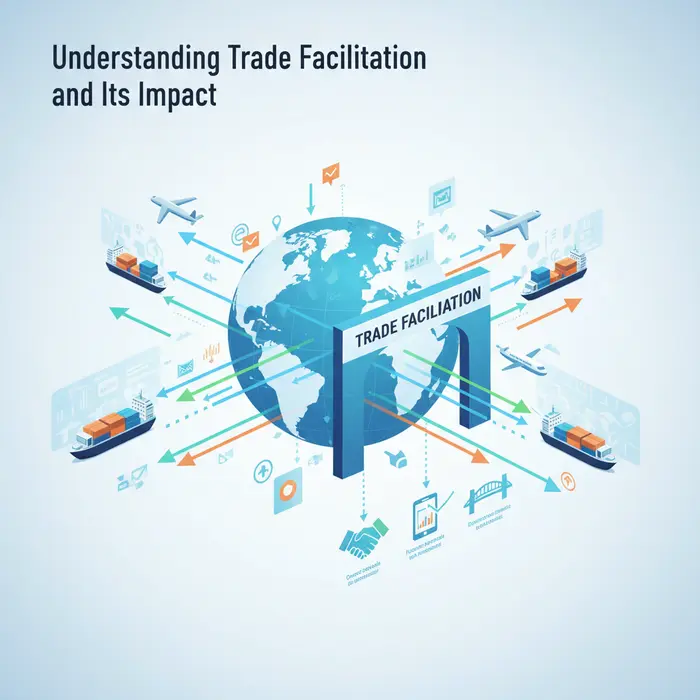
At its heart, trade facilitation refers to the simplification, standardization, harmonization, and modernization of international trade procedures and controls. It encompasses a broad range of measures aimed at making the movement of goods across borders easier, quicker, and more cost-effective. This involves optimizing administrative processes, reducing bureaucratic hurdles, and enhancing the transparency of regulatory requirements. Rather than focusing on tariff reductions, trade facilitation tackles non-tariff barriers, which often present significant impediments to cross-border trade. These barriers can include complex customs formalities, redundant documentation requirements, inefficient port operations, and inadequate infrastructure. By addressing these operational bottlenecks, trade facilitation seeks to create a more predictable and efficient trading environment. Its ultimate goal is to cut down both the time and expenses associated with international transactions, directly benefiting businesses, governments, and consumers worldwide.
2. The Broad Impact on Global Commerce and Development
The implications of robust trade facilitation extend far beyond mere procedural adjustments; they resonate deeply throughout global commerce and socio-economic development. For businesses, particularly small and medium-sized enterprises (SMEs), simplified procedures mean reduced compliance costs and faster access to international markets, fostering increased competitiveness and expansion opportunities. For consumers, it translates into a wider variety of goods at potentially lower prices, driven by improved supply chain efficiency. On a macro level, effective trade facilitation stimulates economic growth by boosting trade volumes, attracting foreign direct investment, and encouraging the diversification of economies. It plays a critical role in strengthening supply chain resilience through trade facilitation, ensuring that goods can move smoothly even amidst global disruptions, thereby mitigating risks for businesses and national economies alike. Furthermore, by making trade more predictable and less burdensome, it contributes to poverty reduction by creating jobs, enhancing income opportunities, and integrating developing countries more fully into the global trading system. The improved transparency and predictability also reduce opportunities for corruption, fostering a more equitable and trustworthy trading environment.
3. Boosting Efficiency: Customs Modernization and the WTO TFA
Central to the success of trade facilitation initiatives are the continuous efforts in customs procedures streamlining and the implementation of international agreements. Modern customs administrations are moving towards risk-based management, electronic data interchange, and single window systems, which allow traders to submit all required information through a single portal. These advancements significantly reduce duplication, accelerate clearance times, and enhance data accuracy. A pivotal international framework in this regard is the WTO Trade Facilitation Agreement explained, which entered into force in 2017. This agreement mandates measures such as publishing trade-related information, providing advance rulings, establishing appeal procedures, and facilitating cooperation among customs and other border agencies. Its implementation is projected to significantly cut global trade costs, particularly for developing countries. Studies suggest that full implementation of the WTO TFA could reduce worldwide trade costs by an average of 14.3%, greatly helping in reducing trade costs for exporters importers. This not only boosts the competitiveness of businesses but also strengthens global supply chains, fostering an environment where goods move with greater speed, transparency, and predictability. The synergy between technological advancements in customs and the commitment to international standards set by agreements like the WTO TFA is propelling global trade towards unprecedented levels of efficiency and inclusivity.
The WTO Trade Facilitation Agreement (TFA) Explained
The global economy thrives on the efficient movement of goods across borders. Complex, opaque, and slow customs procedures often hinder growth. The World Trade Organization (WTO) addressed this with the landmark Trade Facilitation Agreement (TFA), which entered into force in February 2017. This pivotal global framework streamlines and modernizes international customs procedures, unlocking significant Trade Facilitation Benefits for Global Trade. It serves as a blueprint for a more predictable, transparent, and efficient global trading environment.
1. Origins and Core Objectives of the TFA
The WTO Trade Facilitation Agreement’s genesis lies in the Doha Development Agenda (2001), where trade facilitation was deemed crucial. Negotiations spanned over a decade, reflecting diverse interests and capacities among WTO members. The primary driver was the economic drag from inefficient border processes – lengthy delays, excessive paperwork, and unpredictable costs, disproportionately affecting small and medium-sized enterprises (SMEs) and developing nations.
The TFA’s core objectives aim to expedite the movement, release, and clearance of goods across borders. Specifically, it seeks to:
- Reduce trade costs: By simplifying procedures, cutting time and monetary expenses for exporters and importers.
- Increase transparency: Ensuring trade-related information, laws, and regulations are readily accessible.
- Enhance predictability: Minimizing arbitrary decisions and standardizing customs processes.
- Improve cooperation: Fostering better collaboration among customs and other border agencies, domestically and internationally.
- Support economic development: Making trade easier and cheaper, boosting volumes, and integrating developing countries more effectively into global supply chains. This comprehensive approach defines the WTO Trade Facilitation Agreement explained.
2. Key Provisions: Transparency, Simplification, and Cooperation
The TFA is structured around three main pillars: transparency, simplification, and cooperation, each addressing specific bottlenecks.
Transparency is foundational. It mandates that WTO members promptly publish information on import, export, and transit procedures, including duties and fees. Members must establish inquiry points for traders and publish average goods release times. Provisions for advanced rulings on tariff classification and origin, and an appeals procedure for administrative decisions, are also required. These measures foster a predictable business environment, aiding operational planning.
Simplification focuses on Customs procedures streamlining to minimize bureaucratic hurdles. Key measures include:
- Pre-arrival processing: Allowing documentation submission before goods arrive.
- Risk management: Encouraging risk assessment for targeted inspections, speeding low-risk clearances.
- Authorized Economic Operator (AEO) programs: Providing expedited processing for compliant traders.
- Post-clearance audit: Releasing goods upon arrival, with audits conducted later, accelerating flow.
- Use of technology: Promoting automation and single windows to reduce redundant data and physical inspections. These provisions are instrumental in Reducing trade costs for exporters importers by cutting processing times and administrative burdens.
Cooperation emphasizes both domestic and international collaboration. Domestically, it calls for effective cooperation between customs and other border agencies. Internationally, it encourages collaboration between customs administrations of different WTO members, particularly on mutual assistance and information exchange, to combat fraud and facilitate legitimate trade.
3. Impact and Implementation: Enhancing Global Trade Efficiency
The TFA promises significant Trade Facilitation Benefits for Global Trade. Studies project full implementation could reduce worldwide trade costs by an average of 14.3% and boost global merchandise exports by up to $1 trillion annually, with largest gains for developing countries. This translates directly into lower consumer prices, increased business competitiveness, and greater integration into global value chains.
Crucially, the TFA builds Supply chain resilience through trade facilitation. By standardizing and accelerating customs processes, it reduces lead times and improves international shipment reliability. This predictability is vital for managing inventory and responding to market changes with agility, especially in a disruption-prone era. Its focus on transparency also makes international trade less susceptible to corruption, creating a fairer playing field.
A unique feature is its “special and differential treatment” for developing and least-developed countries (LDCs), offering implementation flexibility based on capacity. This ensures benefits are accessible to all, with support provided where needed. To explore the broader benefits of streamlined trade practices and their impact, further resources are invaluable. The TFA stands as a testament to fostering a more efficient, inclusive, and predictable global trading system, driving economic growth and shared prosperity. For official information, visit the WTO Trade Facilitation Agreement page.
Streamlining Customs Procedures for Enhanced Efficiency
Modern global trade thrives on speed, reliability, and cost-effectiveness. A significant bottleneck in achieving these objectives has historically been complex and often antiquated customs procedures. However, through comprehensive trade facilitation initiatives, a paradigm shift is underway, directly leading to the modernization and streamlining of customs operations. This transformation significantly reduces bureaucratic hurdles, slashes processing times at borders, and ultimately unlocks substantial Trade Facilitation Benefits for Global Trade. The core of these efforts often aligns with principles laid out in agreements like the WTO Trade Facilitation Agreement explained, which aims to expedite the movement, release, and clearance of goods across borders.

1. Digitalization and Automation in Customs Operations
One of the most profound impacts of trade facilitation on customs procedures is the widespread adoption of digitalization and automation. This involves moving away from paper-based systems to electronic data interchange (EDI), allowing for the submission of declarations, permits, and other regulatory documents digitally. Automated systems can process these electronic submissions instantly, significantly reducing manual errors and processing delays. Examples include electronic customs declarations, e-payment systems for duties and taxes, and the use of sophisticated software for automated risk assessment. Furthermore, emerging technologies like blockchain are being explored to enhance supply chain transparency and traceability, securing data exchange and verifying product authenticity. These advancements contribute directly to Trade Facilitation Benefits for Global Trade by accelerating clearance, minimizing human intervention, and providing real-time visibility into the status of shipments, which is crucial for modern logistics.
2. Risk Management, Single Window Systems, and Coordinated Border Management
To further enhance efficiency and security, trade facilitation emphasizes advanced risk management techniques. Rather than inspecting every shipment, customs authorities use data analytics and intelligence to identify high-risk consignments for detailed scrutiny, allowing low-risk goods to pass through quickly. This targeted approach is a cornerstone of effective Customs procedures streamlining. Complementing this are Single Window Systems, which provide a single point of entry for all import, export, and transit-related information, often electronically. This means traders submit data once, fulfilling all regulatory requirements from various border agencies simultaneously, drastically reducing duplication and administrative burden. Moreover, coordinated border management fosters greater cooperation and information sharing among customs, health, agriculture, and other agencies. This integrated approach ensures a holistic and efficient processing of goods, directly contributing to Reducing trade costs for exporters importers and strengthening Supply chain resilience through trade facilitation by minimizing delays and enhancing predictability.
3. Enhanced Transparency and Predictability for Traders
A critical, yet often underestimated, aspect of streamlined customs procedures is the increased transparency and predictability they offer to traders. Trade facilitation initiatives mandate that customs authorities publish their laws, regulations, administrative procedures, and fees in an easily accessible manner. This includes making information available online, ensuring clarity and consistency in application. Furthermore, pre-arrival processing, where documents can be submitted and reviewed before goods even reach the border, and advance rulings, where traders can request binding decisions on classification or origin before shipment, significantly reduce uncertainty. The provision of clear, objective, and timely information empowers businesses to plan their logistics and financial operations more effectively. This enhanced transparency builds trust between traders and customs, fosters a more predictable trading environment, and is vital for improving Supply chain resilience through trade facilitation by reducing unforeseen delays and costs, ultimately benefiting all participants in global trade.
Reducing Trade Costs for Exporters and Importers
In the dynamic landscape of global commerce, the efficiency with which goods move across borders can be as critical as the goods themselves. Trade facilitation, a comprehensive approach to streamlining customs and border procedures, stands as a cornerstone for fostering economic growth and enhancing business viability. For both exporters and importers, the Trade Facilitation Benefits for Global Trade are tangible and far-reaching, directly impacting operational expenses, delivery times, and ultimately, market reach. By reducing bureaucratic hurdles and fostering predictable trade environments, trade facilitation empowers businesses to operate more smoothly, reduce overheads, and secure a stronger foothold in international markets.
1. Minimizing Delays and Logistical Expenses
One of the most immediate and significant benefits of trade facilitation is its impact on transit times and associated logistical expenses. Outdated or cumbersome customs procedures are notorious for causing bottlenecks, leading to costly delays, demurrage charges, and increased warehousing fees. Effective trade facilitation addresses these issues head-on through measures such as the implementation of single window systems, risk management techniques, and pre-arrival processing. These innovations significantly reduce the time goods spend at borders, allowing for faster inventory turnover and improved cash flow for businesses.
For instance, WTO Trade Facilitation Agreement explained initiatives encourage countries to simplify documentation requirements and harmonize procedures, directly contributing to Customs procedures streamlining. This not only speeds up the clearance process but also minimizes opportunities for corruption and reduces the need for costly expediting services. The resulting predictability in supply chains enhances Supply chain resilience through trade facilitation, allowing companies to plan more effectively, avoid stock-outs or overstocking, and ultimately lower overall logistical overheads. Reduced delays mean goods reach customers quicker, boosting customer satisfaction and competitive edge.
2. Lowering Compliance Costs and Boosting Competitiveness
Beyond physical movement, international trade is inherently laden with compliance requirements, ranging from documentation and declarations to adherence to various regulations. For many businesses, particularly Small and Medium-sized Enterprises (SMEs), navigating this complex web can be daunting and expensive. Trade facilitation aims to simplify these processes, thereby Reducing trade costs for exporters importers associated with compliance.
By standardizing forms, enabling electronic submission of documents, and enhancing transparency of regulations, trade facilitation significantly cuts down the administrative burden. This means less time spent on paperwork, fewer errors, and a reduced likelihood of penalties. When compliance is simpler and more predictable, businesses can allocate resources more efficiently, focusing on core operations rather than administrative overhead. This reduction in indirect costs directly translates into improved profit margins and allows companies to offer more competitive prices, thereby boosting their market position. Moreover, a transparent and predictable regulatory environment attracts foreign direct investment and encourages greater participation in global value chains.
3. Enhancing Market Access and Mitigating Risks
Trade facilitation extends its benefits beyond cost reduction, playing a crucial role in expanding market access and mitigating various risks inherent in international trade. Simplified and harmonized trade procedures lower non-tariff barriers, making it easier for businesses, especially SMEs, to enter new markets where complex regulations might have previously been prohibitive. When the process of importing or exporting becomes less cumbersome and more predictable, companies are more willing to explore untapped markets, diversifying their customer base and revenue streams.
Furthermore, the increased transparency and predictability brought about by trade facilitation measures significantly mitigate operational and financial risks. Businesses face fewer uncertainties regarding delivery times, customs duties, and regulatory changes, allowing for more accurate financial forecasting and risk management. This stable environment reduces the likelihood of unforeseen costs or disruptions that could impact profitability or reputation. By fostering an environment where trade flows more freely and predictably, trade facilitation not only reduces the financial burden on exporters and importers but also empowers them to seize new opportunities, innovate, and thrive in the competitive global economy.
Building Supply Chain Resilience and Predictability
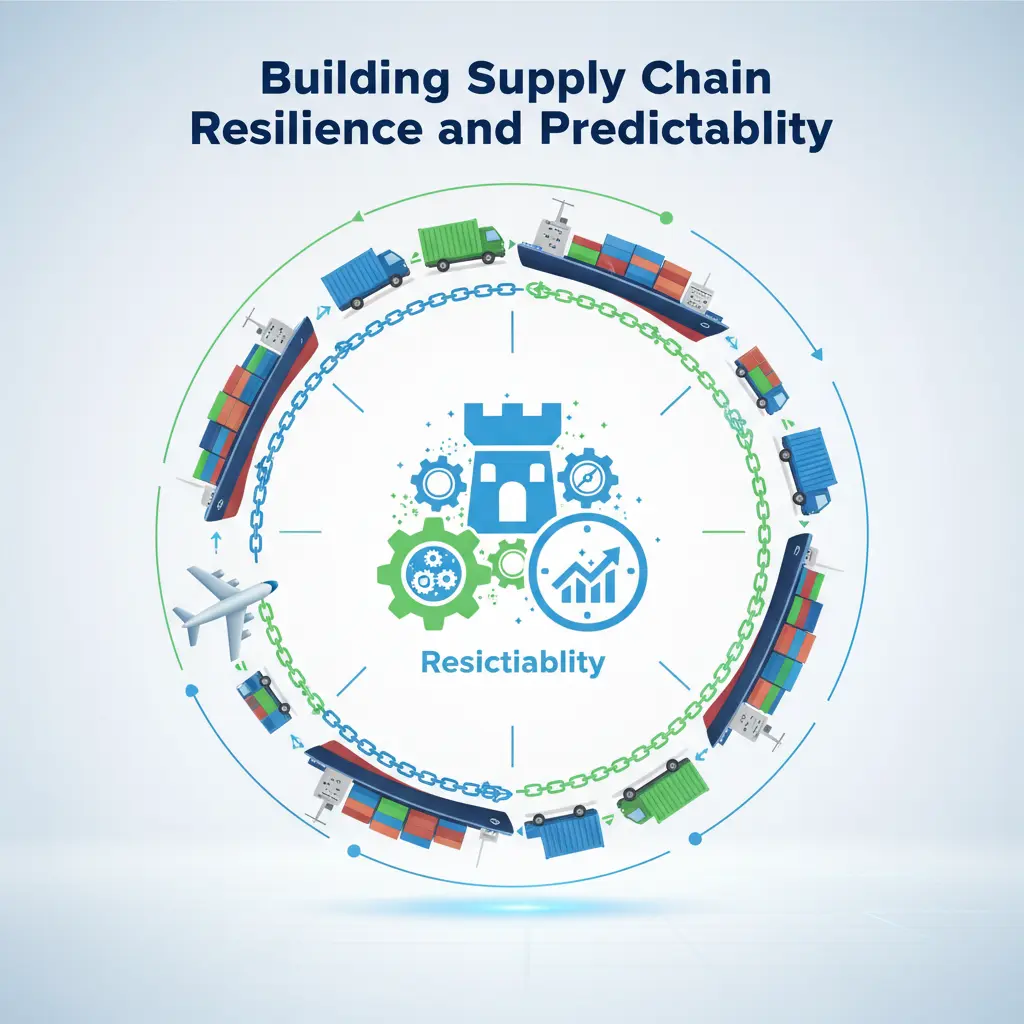
In today’s interconnected yet often volatile global economy, the robustness and reliability of supply chains are paramount. Trade facilitation plays a critical role in cultivating more resilient and predictable supply networks, enabling businesses to navigate disruptions with greater agility and ensuring a smoother, more efficient operational flow. By streamlining cross-border procedures, enhancing transparency, and fostering cooperation, trade facilitation directly contributes to significant trade facilitation benefits for global trade, transforming potential weaknesses into sources of strength. It is the bedrock upon which modern, adaptable supply chains are built, ensuring that goods move efficiently from origin to destination even in challenging circumstances.
The concept of trade facilitation encompasses a broad range of measures aimed at simplifying and modernizing international trade procedures. This includes everything from the standardization of documents and the automation of customs processes to improved infrastructure and greater cooperation between border agencies. The WTO Trade Facilitation Agreement (TFA) explained, for instance, provides a comprehensive framework for members to improve customs procedures streamlining and reduce trade costs, thereby laying the groundwork for more dependable global commerce.
1. Mitigating Disruptions and Improving Reliability
One of the primary contributions of trade facilitation to supply chain resilience is its capacity to mitigate disruptions and enhance overall reliability. By simplifying and harmonizing customs procedures, the time and cost associated with moving goods across borders are substantially reduced. This reduction in friction means that supply chains are less susceptible to delays caused by administrative hurdles, inefficient inspections, or inconsistent regulatory enforcement. For instance, the implementation of single-window systems, which allow traders to submit all required documentation through a single entry point, significantly accelerates clearance times and reduces opportunities for error. This proactive approach to customs procedures streamlining helps prevent bottlenecks that can quickly cascade into major supply chain disruptions, ensuring a more consistent flow of goods. Furthermore, improved risk management techniques, often facilitated by robust data exchange platforms, allow customs authorities to focus their efforts on high-risk shipments while expediting low-risk ones, thereby bolstering the predictability of trade flows.
2. Faster Transit Times and Enhanced Just-in-Time Logistics
Trade facilitation directly translates into faster transit times for goods, a critical factor for businesses relying on just-in-time (JIT) inventory management systems. When border processes are efficient and predictable, companies can maintain leaner inventories, reducing warehousing costs and the risk of obsolescence. This efficiency is achieved through measures such as pre-arrival processing of documents, electronic submissions, and harmonized commodity descriptions. By accelerating the movement of goods, trade facilitation supports the precise timing required by JIT models, allowing manufacturers to receive components exactly when needed and retailers to replenish shelves without excessive lead times. This not only optimizes working capital but also significantly enhances the responsiveness of the supply chain to changes in demand or unexpected events. The predictability gained through streamlined operations is a key to supply chain resilience through trade facilitation, making it possible for businesses to operate with greater confidence in delivery schedules.
3. Enhanced Transparency and Risk Management
A fundamental aspect of building predictable and resilient supply chains through trade facilitation is the enhancement of transparency and risk management capabilities. Transparent processes, clear regulatory frameworks, and readily accessible information empower businesses to better understand and comply with import and export requirements. This clarity reduces uncertainty, errors, and the potential for corrupt practices, fostering a more stable trading environment. Moreover, trade facilitation initiatives often involve the implementation of advanced information and communication technologies, enabling real-time tracking of shipments and proactive identification of potential issues. With greater visibility into the entire supply chain, companies can more effectively assess and mitigate risks, whether they stem from geopolitical events, natural disasters, or logistical hurdles. This improved foresight is instrumental in achieving reduced trade costs for exporters and importers, allowing for timely adjustments and alternative strategies to maintain continuity. The ability to anticipate and respond to challenges with robust information and adaptable processes is central to improving overall operational flow and predictability in global supply chains, making trade facilitation an indispensable tool for modern businesses.
Partner with Vietnam’s Leading Suppliers
Looking for reliable suppliers in Vietnam? Contact VietnamSuppliers.com today to connect with verified manufacturers and exporters across all industries.
—————————————
References
– WTO Trade Facilitation Agreement: https://www.wto.org/english/tratop_e/tradfa_e/tradfa_e.htm
– WTO Trade Facilitation Agreement page: https://www.wto.org/english/tratop_e/tradfa_e/tradfa_e.htm
– WTO Trade Facilitation Agreement: https://www.wto.org/english/tratop_e/tradfa_e/tradfa_e.htm
– WTO Trade Facilitation Agreement Explained: https://www.wto.org/english/tratop_e/tradfa_e/tradfa_e.htm
– WTO Trade Facilitation Agreement: https://www.wto.org/english/tratop_e/tradfa_e/tradfa_e.htm