The Imperative of Optimized Trade Documentation
In an increasingly interconnected yet complex global economy, international trade serves as the lifeblood of countless businesses worldwide. Navigating the intricate web of cross-border transactions, customs regulations, and logistical challenges demands meticulous attention to detail. At the heart of this operational complexity lies trade documentation – a critical component that, if not managed efficiently and accurately, can derail shipments, incur substantial costs, and damage business relationships. Optimizing international trade documentation is no longer merely a best practice; it has become an imperative for businesses aiming to maintain competitiveness, ensure compliance, and foster seamless operations.
As trade volumes surge and regulatory landscapes shift, the traditional paper-based, manual documentation processes are proving to be bottlenecks. Businesses must adapt by streamlining their documentation workflows, embracing digital solutions, and fostering a culture of accuracy. This introduction explores the foundational importance of efficient trade documentation in today’s dynamic global marketplace, highlighting the necessity for companies to evolve their processes to meet current and future demands.

1. The Evolving Landscape of Global Trade
The landscape of global trade is in constant flux, shaped by geopolitical shifts, technological advancements, and a heightened focus on sustainability and ethical sourcing. The proliferation of free trade agreements, coupled with evolving customs requirements and heightened security concerns, has made international transactions significantly more intricate. Businesses today must contend with a myriad of documents, from commercial invoices and packing lists to certificates of origin and customs declarations, each with specific requirements that can vary significantly between countries and even between different trade lanes.
Furthermore, the digital revolution has begun to transform trade, offering both opportunities and challenges. While digital platforms promise greater efficiency, they also necessitate a fundamental shift in how documentation is prepared, shared, and authenticated. Staying abreast of these changes is paramount for ensuring adherence to export documentation best practices. Companies must recognize that what constituted acceptable documentation a decade ago might now be outdated, risking delays, penalties, or even rejection of goods at borders. Embracing a proactive approach to understanding and implementing an International Trade Facilitation Agreement is crucial for any business engaged in cross-border commerce.
2. Why Documentation Optimization is Crucial for Competitiveness
In a fiercely competitive global market, efficiency and agility are key differentiators. Optimized trade documentation directly contributes to both. Firstly, it significantly reduces the risk of errors and omissions, which are common culprits behind customs delays, fines, and even cargo abandonment. Each error can translate into measurable financial losses, increased lead times, and damaged customer trust.
Secondly, efficient documentation accelerates customs clearance processes. By having accurate, complete, and correctly formatted documents readily available, businesses can avoid the dreaded hold-ups at ports and borders, ensuring goods reach their destination faster. This not only improves cash flow by reducing the time goods spend in transit but also enhances customer satisfaction. Moreover, robust documentation processes are essential for effective supplier reliability assessment, as a supplier’s ability to provide accurate and timely documents is a strong indicator of their overall operational competence and compliance.
Ultimately, investing in optimizing international trade documentation is an investment in operational resilience and strategic advantage. It allows companies to operate more smoothly, reduce costs associated with non-compliance and delays, and dedicate more resources to core business activities rather than rectifying avoidable documentation issues.
3. Common Hurdles in International Trade Documentation
Despite the undeniable benefits, many businesses still grapple with significant challenges in managing their international trade documentation. One of the primary hurdles is the reliance on manual, paper-intensive processes. This approach is inherently prone to human error, slow, and lacks real-time visibility. Data often has to be re-entered multiple times across different systems, creating inconsistencies and increasing the likelihood of mistakes.
Another major challenge stems from the lack of standardization across various countries and even within different industry sectors. Regulations are constantly changing, making it difficult for businesses to keep up without dedicated resources or sophisticated systems. Communication breakdowns between parties involved in the trade chain – including exporters, importers, freight forwarders, and customs brokers – further exacerbate these issues, leading to discrepancies and confusion. Without a comprehensive International trade compliance checklist, companies risk overlooking critical requirements.
The complexity is compounded by siloed data systems and a lack of integration, preventing a holistic view of the trade transaction. Overcoming these hurdles requires a strategic shift towards modern solutions, such as implementing Digital trade documents solutions, which can centralize data, automate processes, and ensure consistency across all documentation, thereby paving the way for truly optimized international trade operations.
Export Documentation Best Practices for Seamless Trade
In the intricate world of global commerce, effective export documentation is the backbone of seamless international trade. Errors or omissions in paperwork can lead to costly delays, customs penalties, and even strained business relationships. This section details robust strategies and actionable advice for managing export documentation efficiently, minimizing inaccuracies, and significantly accelerating customs clearance. By embracing optimizing international trade documentation, businesses can transform a potential bottleneck into a competitive advantage.
Standardizing Document Workflows and Templates
One of the most effective export documentation best practices is the standardization of document workflows and the use of consistent templates. Each export shipment requires a precise set of documents, including but not limited to, the commercial invoice, packing list, certificate of origin, and a bill of lading or air waybill. Creating standardized templates for these crucial documents ensures that all necessary fields are completed accurately and consistently across every transaction. This approach not only reduces the likelihood of human error but also streamlines the entire process, making it easier for new staff to adapt and for experienced personnel to work more efficiently. Implementing digital document management systems further enhances standardization by providing a central repository for templates, automated data entry features, and version control. This significantly improves data integrity and accessibility, which are critical for swift customs processing and compliance with varying international regulations. Furthermore, regularly reviewing and updating these templates to reflect changes in trade agreements or customs requirements is vital for maintaining compliance and operational efficiency.
Ensuring Data Accuracy and Consistency Across All Forms
The cornerstone of efficient export operations is impeccable data accuracy and consistency across all related forms. Even minor discrepancies—such as a mismatch between the weight listed on the commercial invoice and the packing list, or an incorrect Harmonized System (HS) code—can trigger customs delays, inspections, fines, or even rejection of the shipment. To mitigate these risks, businesses must implement rigorous cross-referencing procedures. This involves verifying that details such as product descriptions, quantities, values, consignee information, and shipping terms (Incoterms) are identical across all documentation. Leveraging automated data validation tools and integrating Enterprise Resource Planning (ERP) systems can significantly reduce manual entry errors and ensure data synchronization. A robust international trade compliance checklist should include regular audits of documentation processes and data input. Training staff extensively on the importance of accuracy and the potential repercussions of inconsistencies is also crucial. By prioritizing this practice, companies can avoid costly setbacks and foster a reputation for reliability in global supply chains.
Collaboration with Freight Forwarders and Customs Brokers
Effective collaboration with experienced freight forwarders and customs brokers is an indispensable element of any comprehensive export documentation best practices strategy. These logistics partners possess specialized knowledge of complex international trade regulations, country-specific customs requirements, and the latest digital trade documents solutions. Engaging them early in the export planning process allows them to advise on the correct documentation, necessary permits, and optimal shipping routes. Freight forwarders can assist in preparing accurate shipping instructions, bills of lading, and manifest information, ensuring these align with physical cargo and regulatory demands. Customs brokers, on the other hand, are experts in navigating the intricate customs clearance process, ensuring all declarations are correctly filed and duties/taxes are accurately assessed. Transparent and proactive communication is key: sharing comprehensive information, including product specifications, origin details, and transaction terms, enables these partners to act effectively on your behalf. Utilizing digital platforms for secure data exchange and real-time tracking further enhances this collaboration, allowing for swift responses to any issues and ultimately accelerating customs clearance. A proactive approach to supplier reliability assessment extends to these partners, ensuring they are competent and trustworthy allies in your international trade endeavors. By leveraging their expertise, businesses can significantly reduce compliance risks and achieve truly seamless international trade.
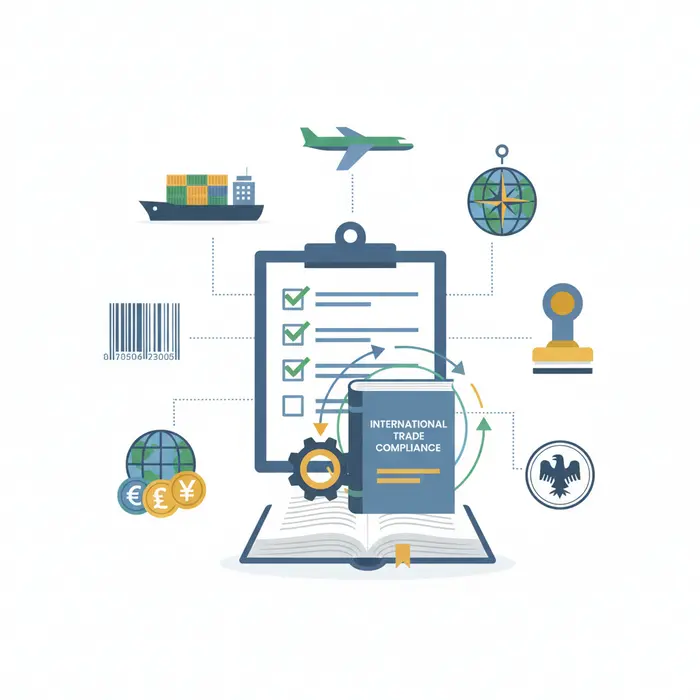
In the dynamic and ever-expanding world of global commerce, navigating the complex web of international trade regulations is not merely a bureaucratic hurdle but a critical strategic imperative. Businesses engaged in cross-border transactions face a myriad of rules, standards, and legal requirements imposed by various governments and international bodies. Failing to comply can lead to severe consequences, including hefty fines, shipment delays, reputational damage, and even loss of export privileges. Therefore, a robust and proactive international trade compliance checklist is indispensable for ensuring seamless operations and safeguarding your business interests. This comprehensive guide aims to illuminate key areas of compliance, offering actionable insights to help your organization not just adhere to regulations but also achieve optimizing international trade documentation and processes.
The journey towards full compliance begins with a meticulous approach to every stage of the trade lifecycle, from supplier selection and product classification to shipping and record-keeping. As supply chains become more intricate, the demand for precision in export documentation best practices grows exponentially. Embracing digital trade documents solutions can significantly streamline these processes, reducing errors and enhancing efficiency. However, technology alone is not enough; a deep understanding of the underlying regulatory landscape is paramount.
1. Understanding Country-Specific Import/Export Regulations
One of the foundational pillars of international trade compliance is a thorough understanding of the specific import and export regulations pertinent to each country involved in a transaction. These regulations are far from uniform; they vary significantly based on the origin, destination, and nature of the goods. Businesses must conduct diligent research to identify and adhere to all applicable laws. This includes, but is not limited to, customs duties, taxes, quotas, licensing requirements, product standards (e.g., safety, environmental, health), labeling mandates, and packaging specifications.
For instance, certain agricultural products may require specific health certificates, while electronic goods might be subject to particular electromagnetic compatibility (EMC) standards in the importing country. Failure to meet these country-specific requirements can result in goods being detained at customs, refusal of entry, or even destruction, leading to substantial financial losses and logistical nightmares. Regular monitoring of regulatory changes, engagement with local trade experts, and robust supplier reliability assessment processes are crucial steps in mitigating risks associated with non-compliance.
2. Harmonized System (HS) Codes and Tariffs Compliance
At the heart of global trade classification lies the Harmonized System (HS) of tariff nomenclature, a standardized numerical method of classifying traded products developed and maintained by the World Customs Organization (WCO). Every product traded internationally is assigned a specific HS code, typically six digits long, which dictates the tariff rates, trade agreements, and specific regulations that apply to that item. Accurate HS code classification is non-negotiable for compliance and is a cornerstone of optimizing international trade documentation.
Misclassifying goods, even unintentionally, can have severe repercussions. It can lead to incorrect duty payments (either underpayment, resulting in fines and back duties, or overpayment, leading to competitive disadvantages), delays in customs clearance, and potential penalties from customs authorities. Furthermore, the HS code determines eligibility for free trade agreements and other preferential tariff treatments. Businesses should invest in robust classification processes, utilizing official guidance, seeking professional advice when necessary, and periodically reviewing their classifications to ensure accuracy and alignment with the latest WCO Harmonized System updates. This diligent approach is critical for navigating the intricate tariff landscape effectively.
3. Sanctions, Embargoes, and Restricted Party Screening
Compliance with international sanctions and embargoes is a critical, high-stakes aspect of global trade. Governments and international bodies impose these measures to achieve foreign policy and national security objectives, restricting trade with specific countries, entities, or individuals. Businesses must rigorously screen all parties involved in a transaction – including customers, vendors, banks, and freight forwarders – against various denied party lists, sanctioned entity lists, and embargoed country lists published by authorities such as the U.S. Office of Foreign Assets Control (OFAC), the EU, and the UN. This process is known as restricted party screening.
Engaging in transactions with sanctioned entities or countries, even indirectly, can result in crippling fines, criminal prosecution, and severe reputational damage. The due diligence extends beyond merely checking names; it involves understanding the ultimate beneficial ownership, the destination of goods, and the end-use. Implementing automated screening solutions, regularly updating screening lists, and establishing clear internal policies for handling potential matches are essential practices. An effective screening program is not just about avoiding penalties; it’s about upholding ethical trade practices and contributing to global security. By integrating these practices into their routine operations, businesses can significantly strengthen their international trade compliance checklist and minimize exposure to high-risk transactions.
Enhancing Supply Chain Resilience Through Supplier Reliability Assessment
In today’s interconnected global economy, the ability of a supply chain to withstand disruptions and maintain continuous operations is paramount. A key pillar in achieving this resilience lies in robust supplier reliability assessment and meticulous documentation processes. By systematically evaluating and managing supplier performance, businesses can proactively identify and mitigate risks, ensure compliance, and foster long-term stability. This approach goes beyond basic vendor management, delving into the granular details of operational efficiency, quality control, and adherence to international trade regulations, all underpinned by comprehensive and accessible documentation. Ultimately, it’s about transforming potential vulnerabilities into sources of competitive advantage through strategic foresight and data-driven decision-making.
1. Documenting Supplier Qualification and Vetting Processes
The foundation of a reliable supply chain is built upon a rigorous supplier qualification and vetting process, meticulously documented from initial contact to final approval. This critical phase involves far more than just verifying a supplier’s business registration; it encompasses a thorough assessment of their operational capabilities, financial stability, ethical practices, and adherence to regulatory standards. Businesses must establish an international trade compliance checklist to ensure potential partners meet all necessary legal and ethical requirements, including anti-corruption policies, labor laws, and environmental standards. Detailed records of due diligence, factory audits, quality control certifications (e.g., ISO), and capacity assessments are essential. Furthermore, documenting their proven track record of export documentation best practices is crucial for minimizing customs delays and ensuring smooth cross-border transactions. This comprehensive documentation provides an auditable trail, enabling swift verification and ensuring that only the most reliable and compliant suppliers are integrated into the supply chain.
2. Tracking Performance Metrics via Documentation
Once suppliers are qualified, continuous monitoring of their performance is vital for maintaining supply chain health. Effective supplier reliability assessment relies heavily on well-documented performance metrics. Key Performance Indicators (KPIs) such as on-time delivery rates, quality defect rates, responsiveness to inquiries, and adherence to contractual terms must be consistently tracked and recorded. These metrics provide objective data points for evaluating a supplier’s ongoing suitability and identifying potential areas of concern before they escalate into major disruptions. Leveraging digital trade documents solutions can significantly streamline this process, enabling real-time data capture, automated reporting, and centralized access to performance dashboards. This not only enhances visibility across the supply chain but also facilitates proactive communication and collaborative problem-solving with suppliers, driving continuous improvement and reinforcing their commitment to shared success. Accurate documentation of these performance indicators serves as a robust mechanism for accountability and strategic supplier development.
3. Managing Incoterms and Delivery Terms Effectively
One of the most frequent sources of disputes and delays in international trade stems from misunderstandings or misapplications of Incoterms and delivery terms. Meticulous documentation and clear communication of these terms are indispensable for optimizing international trade documentation and ensuring a smooth supply chain flow. Each transaction must explicitly state the agreed-upon Incoterm (e.g., FOB, CIF, DDP), defining precisely when and where the risk and cost responsibilities shift from the seller to the buyer. This includes specifying responsibilities for freight, insurance, customs clearance, and duties. Comprehensive records of all agreements, purchase orders, shipping instructions, and proof of delivery are critical. These documents not only serve as a reference in case of discrepancies but also provide a legal framework for resolving disputes efficiently. By clearly documenting these terms and educating all parties involved, businesses can minimize ambiguities, reduce unexpected costs, and prevent costly delays, thereby significantly enhancing the predictability and reliability of their international supply chain operations.
In conclusion, building a resilient supply chain in the complex landscape of global trade is an ongoing endeavor that thrives on structured processes and comprehensive documentation. From the initial vetting of suppliers to the continuous monitoring of their performance and the precise management of trade terms, every step contributes to a more robust and responsive supply network. By embracing meticulous documentation and advanced digital solutions for optimizing international trade documentation, companies can not only mitigate risks but also unlock efficiencies, foster stronger supplier relationships, and secure a significant competitive edge in the dynamic global marketplace.
Leveraging Digital Trade Documents Solutions for Future Growth
The landscape of international trade is undergoing a profound transformation, driven by technological advancements that promise to revolutionize traditional processes. Modernizing trade documentation, from the foundational aspects of automation to the cutting-edge capabilities of blockchain, is no longer a luxury but a strategic imperative. This shift towards digital trade documents solutions offers unparalleled benefits in terms of efficiency, security, and global competitiveness. By examining these transformative powers, businesses can move towards optimizing international trade documentation, streamlining complex workflows, and ensuring greater compliance and transparency across their supply chains. The future of global commerce hinges on embracing these innovations to unlock new avenues for growth and resilience.

1. Implementing Electronic Data Interchange (EDI) and APIs
At the forefront of digital trade documentation are Electronic Data Interchange (EDI) and Application Programming Interfaces (APIs). EDI has been a cornerstone for decades, enabling the standardized, computer-to-computer exchange of business documents such as purchase orders, invoices, and shipping notices. By automating the transmission of critical data, EDI significantly reduces manual entry errors, accelerates transaction cycles, and fosters more reliable communication between trading partners. However, EDI often operates within a closed, proprietary network.
APIs, on the other hand, represent a more modern and flexible approach. They act as bridges, allowing different software applications to communicate and share data seamlessly in real-time. For trade documentation, APIs facilitate the dynamic integration of various systems—from enterprise resource planning (ERP) and customer relationship management (CRM) platforms to logistics and customs clearance software. This integration capability is crucial for implementing export documentation best practices, ensuring that all necessary information is accurate, consistent, and instantly available across the entire trade lifecycle. Implementing robust EDI and API strategies is fundamental for organizations aiming for true digital transformation, laying the groundwork for more efficient and interconnected international trade. This approach directly contributes to optimizing international trade documentation by automating data flow and reducing friction points.
2. Blockchain for Secure and Transparent Documentation
Beyond traditional digital methods, blockchain technology is emerging as a game-changer for enhancing the security and transparency of trade documents. Blockchain, a decentralized and immutable ledger, offers a robust framework for recording and verifying every step of a transaction. Each document, once recorded on the blockchain, creates an unalterable and timestamped entry, making it virtually impossible to tamper with. This inherent security drastically reduces the risk of fraud, counterfeiting, and disputes that plague traditional paper-based or even less secure digital systems.
Furthermore, blockchain-powered smart contracts can automate various aspects of trade agreements. These self-executing contracts automatically enforce terms and conditions, releasing payments or confirming deliveries only when predefined criteria are met. This level of automation and trust is invaluable for supplier reliability assessment and ensuring that all parties adhere to their commitments without the need for intermediaries. The transparency offered by blockchain allows all authorized participants to view the same, single source of truth regarding a document’s journey, from issuance to delivery. Organizations seeking advanced digital trade documents solutions will find blockchain instrumental in building resilient, secure, and highly transparent supply chains, fostering trust among global partners. The International Chamber of Commerce (ICC) is at the forefront of advocating for digital trade standards, as seen in their Digital Trade Standards Initiative (DTSi).
3. AI and Automation in Document Generation and Verification
Artificial Intelligence (AI) and advanced automation are poised to redefine the efficiency and accuracy of trade document generation and verification. AI-powered tools can automate the creation of complex documents such as invoices, packing lists, certificates of origin, and bills of lading by extracting relevant data from various sources and populating templates with minimal human intervention. This capability not only saves significant time but also dramatically reduces human errors, a common issue in manual documentation processes.
Moreover, AI excels in the verification process. Machine learning algorithms can rapidly analyze vast amounts of data to identify discrepancies, inconsistencies, or potential red flags within documents, ensuring adherence to an international trade compliance checklist. Natural Language Processing (NLP) can interpret unstructured data in documents, cross-referencing information against trade regulations and customs requirements globally. This intelligent automation helps businesses maintain rigorous compliance, avoid penalties, and accelerate customs clearance. By leveraging AI, companies can significantly enhance the speed and accuracy of their documentation workflows, thereby achieving true optimizing international trade documentation. The integration of AI and automation is critical for any business aiming to future-proof its trade operations, ensuring agility, precision, and a competitive edge in the global marketplace.
Partner with Vietnam’s Leading Suppliers
Looking for reliable suppliers in Vietnam? Contact VietnamSuppliers.com today to connect with verified manufacturers and exporters across all industries.
—————————————
References
– International Trade Facilitation Agreement: https://www.wto.org/english/tratop_e/tradfa_e/tradfa_e.htm
– international trade compliance checklist: https://www.trade.gov/export-compliance-program
– WCO Harmonized System updates: https://www.wcoomd.org/en/topics/nomenclature/instrument-and-tools/hs_classification.aspx
– :
– International Chamber of Commerce (ICC) Digital Trade Standards Initiative: https://iccwbo.org/digital-trade-standards-initiative-dtsi/