
Why Vietnam? The Rise of a Sourcing Hub
Vietnam has rapidly emerged as a formidable player in the global manufacturing landscape, transforming from an emerging economy into a dynamic sourcing powerhouse. The compelling reasons behind its growing prominence as a global manufacturing and export hub are multifaceted, offering strategic advantages that businesses worldwide are increasingly recognizing. For companies looking to diversify their supply chains and optimize costs, Vietnam Sourcing has become an imperative strategy.
1. Key Economic Advantages & Growth
Vietnam’s ascent is anchored in its remarkable economic stability and sustained growth. The nation has consistently posted impressive GDP figures, even amidst global economic uncertainties, driven by robust industrial output and burgeoning exports. A business-friendly government has actively cultivated an environment conducive to foreign direct investment (FDI), offering attractive incentives, streamlined administrative procedures, and significant investments in infrastructure. This proactive approach has drawn substantial capital from multinational corporations seeking reliable production bases. The strategic development of industrial parks and special economic zones further sweetens the deal, providing ready-to-use facilities and logistics networks. The availability of a young, adaptable, and increasingly skilled workforce, coupled with competitive labor costs, provides a significant operational advantage. This combination of supportive policies, economic dynamism, and human capital makes Vietnam an incredibly attractive destination for manufacturing and an undeniable leader in the global supply chain narrative. According to the World Bank, Vietnam’s economic growth has been among the fastest in the world, with impressive resilience. [World Bank: Vietnam Overview]
2. Diversification from Traditional Manufacturing
While historically recognized for its strong foothold in textiles, apparel, and footwear, Vietnam has skillfully navigated a strategic shift towards higher-value manufacturing. This diversification is a critical element of its appeal as a sourcing hub. The country is no longer solely a destination for labor-intensive industries but has become a significant player in electronics manufacturing, including smartphones, components, and consumer electronics, attracting tech giants like Samsung and Intel. Automotive parts, machinery, and even advanced medical equipment are now increasingly Made in Vietnam Products. This move up the value chain signifies Vietnam’s commitment to industrial modernization and technological advancement. It demonstrates a sophisticated capability to handle more complex production processes, offering buyers a broader spectrum of products and technologies. This evolving industrial base allows companies to Find Vietnam Suppliers across a wider array of sectors, reducing reliance on a single industry and bolstering the nation’s resilience against market fluctuations.
3. Strategic Trade Agreements & Global Integration
A cornerstone of Vietnam’s success as a global sourcing hub is its proactive engagement in international trade agreements and its deep integration into the global economy. Vietnam boasts an extensive network of Free Trade Agreements (FTAs), including the Comprehensive and Progressive Agreement for Trans-Pacific Partnership (CPTPP), the European Union-Vietnam Free Trade Agreement (EVFTA), and the Regional Comprehensive Economic Partnership (RCEP). These agreements provide preferential market access to major global economies, significantly reducing tariffs and non-tariff barriers, making Importing from Vietnam remarkably cost-effective and efficient. Such widespread market access offers a distinct advantage for companies looking to export globally from a Vietnamese base. Furthermore, Vietnam’s commitment to improving logistics infrastructure, including modern ports, airports, and road networks, facilitates seamless movement of goods. Its strategic geographical location within Southeast Asia further enhances its appeal as a central point for regional and international trade. The presence of numerous Vietnam export companies list on various B2B platforms underscores this robust export-oriented ecosystem, positioning Vietnam as an indispensable link in global supply chains.

In summary, Vietnam’s rise as a premier global sourcing hub is no accident. It is the culmination of strategic economic planning, a concerted effort towards industrial diversification, and an aggressive pursuit of global trade integration. These factors collectively present a compelling case for businesses worldwide to consider Vietnam Sourcing as a cornerstone of their procurement strategies, ensuring resilience, cost-efficiency, and access to a rapidly expanding, high-quality manufacturing base.
Finding Reliable Vietnam Suppliers
Navigating the global supply chain landscape requires a strategic approach, and for many businesses, Vietnam Sourcing has emerged as a top priority. With its burgeoning manufacturing sector, competitive labor costs, and increasingly sophisticated infrastructure, Vietnam offers immense potential for diversifying supply chains and accessing high-quality Made in Vietnam Products. However, the success of your sourcing efforts hinges critically on your ability to identify and vet trustworthy partners. This guide provides effective strategies and platforms to help you Find Vietnam Suppliers and reliable Vietnam export companies for your specific product needs, ensuring a smooth and secure Importing from Vietnam experience.
1. Online B2B Platforms & Directories
The digital age has revolutionized how businesses connect, and online B2B platforms are often the first port of call for those looking to Find Vietnam Suppliers. Global giants like Alibaba, Global Sources, and TradeKey host numerous Vietnamese manufacturers and Vietnam export companies list their offerings. When using these platforms, pay close attention to supplier verification badges, transaction history, and customer reviews. Always request detailed product specifications, minimum order quantities (MOQs), and pricing structures.
Beyond these international platforms, specific Vietnamese trade portals and directories, often supported by government agencies or trade associations, can offer more localized and specialized supplier information. Examples include the Vietnam Trade Portal or industry-specific directories. These platforms often provide a curated Vietnam export companies list, sometimes with more stringent verification processes. Leverage their search filters to narrow down suppliers by product category, export experience, and certifications (e.g., ISO, SA8000), which are crucial indicators of a supplier’s adherence to international trade standards and quality management.
2. Trade Shows & Sourcing Agents in Vietnam
While online platforms offer convenience, nothing quite compares to direct interaction, which is where trade shows and professional sourcing agents come into play for successful Importing from Vietnam.
Trade Shows:
Attending trade shows in Vietnam allows you to meet potential suppliers face-to-face, physically inspect product samples, discuss terms directly, and gauge a company’s professionalism firsthand. Major cities like Ho Chi Minh City and Hanoi regularly host international exhibitions across various sectors, from textiles and garments to furniture, electronics, and agricultural products. These events provide invaluable networking opportunities and a chance to quickly compare multiple suppliers in one location. Research upcoming trade fairs relevant to your industry well in advance to plan your visit effectively.
Sourcing Agents:
For businesses lacking the time, resources, or local expertise to navigate the Vietnamese market independently, hiring a reputable sourcing agent can be an invaluable investment. A good sourcing agent acts as your eyes and ears on the ground, offering services such as supplier identification and vetting, factory audits, quality control, negotiation support, and logistics coordination. They possess local market knowledge, cultural understanding, and an established network, significantly de-risking your Vietnam Sourcing efforts. When selecting an agent, prioritize those with proven experience in your specific product category, transparent fee structures, and strong references.
3. Networking & Industry Associations
Expanding your professional network and engaging with industry associations can unlock unparalleled opportunities to Find Vietnam Suppliers. Joining business chambers, such as AmCham Vietnam, EuroCham Vietnam, or regional trade groups, provides access to events, seminars, and member directories. These organizations often facilitate direct connections between international buyers and local Vietnamese businesses, offering a vetted pool of Vietnam export companies list and insights into market trends and regulatory changes.
Furthermore, connecting with peers who have experience with Importing from Vietnam can lead to valuable referrals and shared insights on reliable suppliers and best practices. Trade promotion agencies, both within Vietnam and in your home country, can also offer support, market intelligence, and lists of qualified exporters. These avenues provide a layer of credibility and trust often missing from purely online interactions, helping you forge stronger, more reliable partnerships for your Vietnam Sourcing journey.
Ultimately, a multi-faceted approach combining digital research, direct engagement, and professional networking is key to successfully identifying and securing dependable Vietnamese suppliers, laying the groundwork for a robust and resilient supply chain.
Understanding Made in Vietnam Products & Quality
Vietnam has rapidly emerged as a powerhouse in global manufacturing, transforming from a nascent economy into a competitive hub for diverse goods. For businesses looking to optimize their supply chains, Vietnam Sourcing offers a compelling proposition due to its strategic location, growing infrastructure, and skilled workforce. However, successful importing from Vietnam hinges on a thorough understanding of the Made in Vietnam products landscape, especially concerning quality control, compliance with international standards, and how to effectively ensure product excellence.
1. Popular Product Categories & Industries
The range of Made in Vietnam products has expanded significantly beyond its traditional strengths. While the country is globally recognized for its vibrant textile and apparel industry, producing everything from high-fashion garments to sportswear, its manufacturing capabilities now span numerous sectors. Footwear, particularly athletic and casual shoes for major international brands, remains a cornerstone of its export economy. Vietnam has also become a leading exporter of wooden furniture, with a strong focus on sustainable sourcing and intricate craftsmanship.
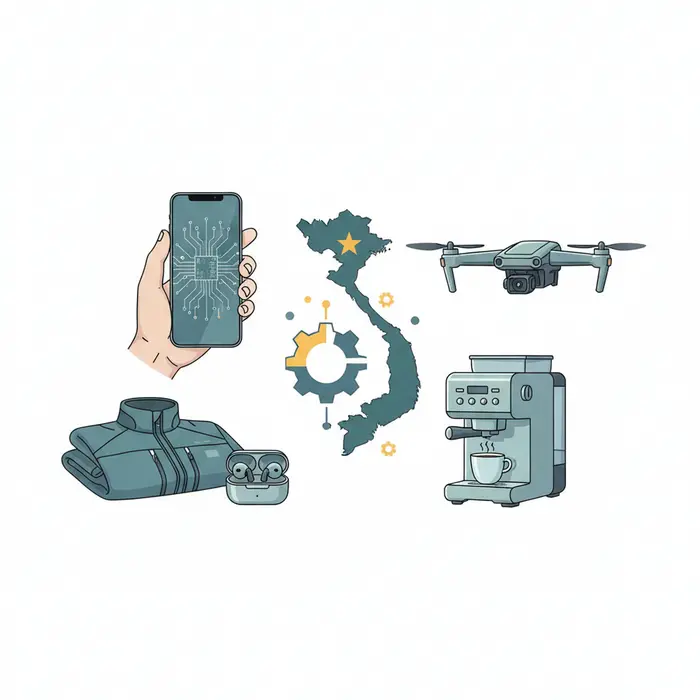
In recent years, the nation has seen substantial growth in electronics manufacturing, attracting investments from tech giants for producing smartphones, components, and consumer electronics. The agricultural sector continues to thrive, offering high-quality coffee, rice, seafood, and various fruits and spices. Furthermore, a burgeoning industry for handicrafts, ceramics, and plastic goods showcases the versatility and adaptability of Vietnamese manufacturers. This diversification means that businesses can find Vietnam suppliers for a broad spectrum of needs, from high-volume commodities to specialized niche products.
2. Ensuring Quality Control and Compliance
Quality control is paramount when dealing with any international supply chain, and importing from Vietnam is no exception. Ensuring that Made in Vietnam products meet desired specifications and global standards requires a proactive and rigorous approach. Key quality control (QC) measures typically involve multiple inspection stages: pre-production checks on raw materials and components, during production inspection (DUPRO) to monitor processes and early defects, and crucially, pre-shipment inspection (PSI) to verify the final product’s quality, quantity, and packaging before export.
Compliance is another critical aspect. Depending on the product and target market, goods must adhere to international standards such as ISO 9001 for quality management, CE marking for European markets, RoHS for hazardous substance restrictions, or specific industry certifications. Many Vietnamese factories are increasingly adopting these standards, but it’s essential for buyers to verify these certifications and conduct independent factory audits. Engaging third-party inspection agencies is a common and effective strategy to ensure impartiality and expertise in upholding quality standards. These agencies can also help navigate the complexities of local regulations and ensure ethical labor practices, which are becoming increasingly important for global brands. According to a report by the World Bank, Vietnam’s commitment to improving its business environment and integrating into global value chains has significantly boosted its manufacturing and export capabilities.
3. Cultivating Strong Supplier Relationships and Standards
Beyond initial inspections and certifications, long-term success in Vietnam Sourcing hinges on cultivating robust relationships with your chosen Vietnam suppliers. Clear, unambiguous communication of product specifications, quality benchmarks, and packaging requirements from the outset is vital. Providing detailed tech packs, sample approvals, and establishing a documented Quality Assurance (QA) plan with the supplier helps set expectations and provides a framework for consistent quality. Regularly scheduled factory visits, whether in person or via virtual audits, can foster trust, identify potential issues early, and demonstrate your commitment to a collaborative partnership.
For businesses seeking reliable partners, leveraging a Vietnam export companies list or utilizing sourcing platforms can provide initial leads. However, thorough due diligence, including checking business licenses, references, and production capacity, is indispensable. Many international buyers opt to work with local sourcing agents or established Vietnamese trading companies that possess in-depth market knowledge, language capabilities, and expertise in local business practices. These intermediaries can streamline negotiations, manage quality control throughout the production cycle, and provide invaluable assistance in resolving any issues that may arise, ultimately helping to maintain high standards for your Made in Vietnam products and ensuring a smoother importing from Vietnam process.
In conclusion, Vietnam offers a compelling landscape for global sourcing, characterized by its diverse product offerings and evolving manufacturing capabilities. By diligently implementing stringent quality control measures, understanding and enforcing compliance standards, and fostering strong, transparent relationships with suppliers, businesses can confidently leverage the benefits of Vietnam Sourcing and successfully bring high-quality Made in Vietnam products to international markets.
Navigating the Importing from Vietnam Process
Importing goods from Vietnam offers significant opportunities for businesses seeking high-quality products at competitive prices. The country’s robust manufacturing sector produces a diverse range of “Made in Vietnam Products,” from textiles and electronics to furniture. However, successfully bringing these products to your market demands a thorough understanding of the logistical, documentary, and regulatory landscape. This breakdown guides you through the complexities, from effectively initiating your Vietnam Sourcing efforts and identifying reliable “Vietnam Suppliers” to ensuring smooth customs clearance, streamlining your “Importing from Vietnam” journey.
1. Shipping, Customs & Incoterms
The journey of your “Made in Vietnam Products” from the factory to your warehouse involves critical decisions regarding shipping, customs, and Incoterms. Choosing the right mode of transport—sea freight for bulk, cost-effective shipments, or air freight for urgent, high-value goods—depends on your specific needs. Engaging experienced freight forwarders specializing in “Importing from Vietnam” can simplify port operations and carrier selections. When you “Find Vietnam Suppliers,” understanding their logistics capabilities is crucial.
Customs clearance is pivotal at both the Vietnamese export end and your destination country’s import point. In Vietnam, export customs requires a declaration, commercial invoice, packing list, and often a Certificate of Origin (Form A, E, or others, depending on trade agreements). At the destination, similar documents, plus any required import permits, are needed. Duties and taxes are assessed based on the Harmonized System (HS) code; accurate classification is paramount to avoid delays and unexpected costs.
Incoterms (International Commercial Terms), published by the International Chamber of Commerce (ICC), define the responsibilities of buyers and sellers for goods delivery. They clarify who manages payment, insurance, documentation, and customs clearance. Common Incoterms when “Importing from Vietnam” include FOB (Free On Board), CIF (Cost, Insurance, and Freight), and EXW (Ex Works). Understanding these terms is vital for managing costs, risks, and liabilities effectively during your “Vietnam Sourcing” operations. For a detailed guide, refer to the official ICC Incoterms website.
2. Payment Methods & Risk Management
Securing your financial transactions is a cornerstone of successful “Importing from Vietnam.” Several payment methods are commonly employed, each with varying risk levels:
- Telegraphic Transfer (T/T): Often used for deposits and final payments. While straightforward, T/T offers less buyer security if the seller defaults. Due diligence on your “Vietnam Suppliers” is critical.
- Letter of Credit (L/C): A more secure option, an L/C is a bank guarantee of payment to the seller upon presentation of specified documents. L/Cs are ideal for larger transactions or new “Vietnam export companies list” entries, mitigating risk despite higher banking fees and administrative complexity.
- Documentary Collections (D/P, D/A): Banks facilitate document exchange against payment (D/P) or acceptance (D/A) of a draft, offering less security than L/Cs.
Effective risk management in “Vietnam Sourcing” extends beyond payment methods. It involves comprehensive contracts outlining product specifications, quality standards, delivery schedules, and dispute resolution. Thorough background checks on potential “Vietnam Suppliers” – verifying business registration and production capacity – are paramount. Consider factory audits or third-party inspection services for quality control before final payment. This proactive approach safeguards your investment when bringing “Made in Vietnam Products” to market.
3. Documentation & Regulatory Compliance
The successful movement of goods relies heavily on meticulous documentation and strict adherence to both Vietnamese export regulations and your country’s import laws. Non-compliance can result in significant delays, fines, or even seizure of your “Made in Vietnam Products.”
Key documents typically required for “Importing from Vietnam” include:
- Commercial Invoice & Packing List: Detail goods, quantities, prices, terms of sale, and package contents.
- Bill of Lading (B/L) or Air Waybill (AWB): The contract between shipper and carrier, acting as title to the goods.
- Certificate of Origin (C/O): Verifies country of manufacture, essential for preferential tariffs under free trade agreements.
- Quality Certificates/Inspection Reports: Proof that goods meet agreed-upon standards or industry requirements.
- Export/Import Licenses/Permits: Certain goods may require specific permits from Vietnamese authorities (export) or your country’s authorities (import). Researching these early in your “Vietnam Sourcing” process is critical.
Staying informed about regulatory changes in both markets is crucial. Utilize resources from government trade bodies and customs authorities. When you “Find Vietnam Suppliers,” inquire about their experience with export documentation and international trade regulations. Partnering with experienced freight forwarders and customs brokers can alleviate much of this burden, ensuring all paperwork is accurate and correctly submitted. This diligent approach is vital for a smooth supply chain when “Importing from Vietnam.”
Building Long-Term Supplier Relationships & Future Trends
In the dynamic landscape of global trade, establishing robust and enduring relationships with Vietnamese suppliers is paramount for sustainable success. This section delves into strategic approaches for fostering strong, sustainable connections with your manufacturing partners in Vietnam, while also exploring the evolving facets and future developments within Vietnam’s burgeoning export landscape. For businesses focused on Vietnam Sourcing, understanding these dynamics is crucial for securing competitive advantages and ensuring supply chain resilience.

Effective Communication & Cultural Nuances
Fostering strong relationships with Vietnamese suppliers begins with effective communication, which extends beyond merely speaking the same language. It requires a deep appreciation for cultural nuances that shape business interactions. Vietnamese culture places a high value on respect, hierarchy, and building personal relationships, often referred to as ‘mối quan hệ’. Direct confrontation is generally avoided; instead, communication is often indirect, emphasizing harmony and saving face. When you find Vietnam suppliers, investing time in face-to-face meetings, demonstrating patience, and showing genuine interest in their culture can build immense trust. It’s advisable to engage with local interpreters or cultural consultants who can bridge potential misunderstandings and ensure your message is accurately conveyed and received. Understanding the decision-making process, which might be more centralized than in Western cultures, and showing respect for seniority are also vital. Consistency in your demands and expectations, coupled with proactive problem-solving, will solidify your partnership. Developing these soft skills is as important as negotiating terms when you are seriously considering Vietnam Sourcing for long-term growth.
Sustainability and Digitalization in Vietnam Sourcing
The global shift towards ethical and environmentally responsible practices is profoundly influencing Made in Vietnam products and the broader export landscape. Buyers are increasingly scrutinizing supplier practices related to environmental, social, and governance (ESG) factors. For businesses importing from Vietnam, ensuring your partners adhere to fair labor standards, safe working conditions, and sustainable manufacturing processes is no longer optional but a prerequisite for market access and brand reputation. Vietnam’s government and many enterprises are actively promoting green manufacturing and digital economy initiatives, recognizing their importance for future economic resilience and global competitiveness. Parallel to this, digitalization is transforming how businesses approach Vietnam Sourcing. The adoption of e-commerce platforms, blockchain for supply chain traceability, and data analytics tools is enhancing transparency, efficiency, and risk management. Leveraging these digital solutions allows for better monitoring of production, quicker communication, and improved logistics, ultimately streamlining the entire sourcing process and strengthening trust through verifiable data. This dual focus on sustainability and technology is reshaping the future of sourcing from the region.
Leveraging Trade Agreements and Future Growth Areas
Vietnam’s strategic engagement in numerous Free Trade Agreements (FTAs) is a critical factor for businesses looking at its long-term export potential. Agreements like the Comprehensive and Progressive Agreement for Trans-Pacific Partnership (CPTPP), the EU-Vietnam Free Trade Agreement (EVFTA), and the Regional Comprehensive Economic Partnership (RCEP) significantly reduce tariffs and non-tariff barriers, making importing from Vietnam more cost-effective and efficient. These agreements also foster a more predictable and stable business environment, encouraging foreign direct investment and enhancing Vietnam’s position as a global manufacturing hub. For companies building a Vietnam export companies list, understanding the specific benefits and rules of origin under these FTAs is essential to maximize advantages. Looking ahead, Vietnam is actively diversifying its export base beyond traditional textiles and footwear. Emerging sectors such as high-tech electronics, renewable energy components, agricultural processing with higher value-add, and even specialized services are poised for significant growth. This diversification not only offers new sourcing opportunities but also strengthens the resilience of the overall supply chain, reducing reliance on single industries. Businesses engaged in Vietnam Sourcing should monitor these evolving sectors to capitalize on future trends and maintain a competitive edge.
Partner with Vietnam’s Leading Suppliers
Looking for reliable suppliers in Vietnam? Contact VietnamSuppliers.com today to connect with verified manufacturers and exporters across all industries.
—————————————
References
– World Bank: Vietnam Overview: https://www.worldbank.org/en/country/vietnam/overview
– International Trade Centre (ITC): https://www.intracen.org/
– World Bank: https://www.worldbank.org/en/country/vietnam/overview
– official ICC Incoterms website: https://iccwbo.org/resources-for-business/incoterms-rules/
– Vietnam’s green manufacturing and digital economy initiatives: https://www.worldbank.org/en/country/vietnam/overview

