The Rise of Vietnam in Global Manufacturing
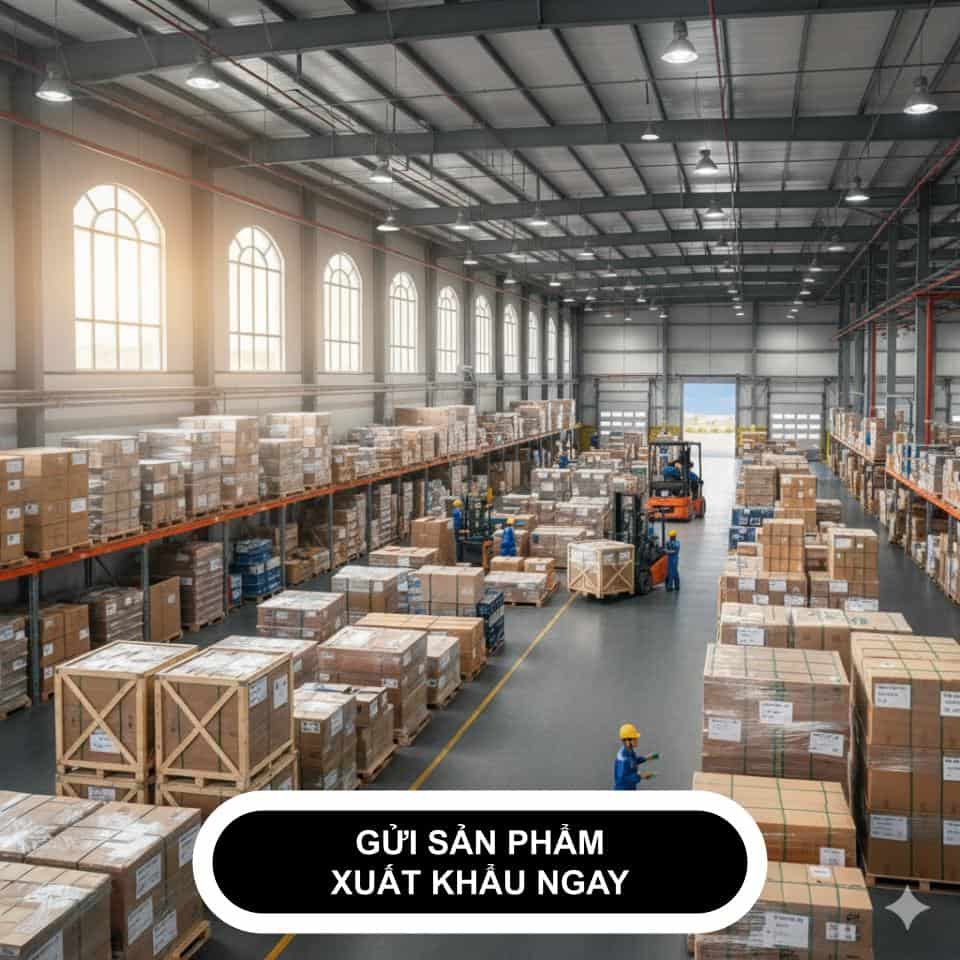
Vietnam has emerged as a formidable player in the global manufacturing landscape, undergoing a remarkable transformation from an agrarian economy to a dynamic industrial hub. This significant shift has positioned the nation as a strategic destination for global companies seeking to diversify and optimize their supply chains. The sustained growth, strategic advantages, and supportive environment make Vietnam Manufacturing Sourcing an increasingly attractive and viable option for businesses worldwide.

1. Key Economic Indicators & Growth Drivers
Vietnam’s impressive economic trajectory is underpinned by consistent GDP growth, often ranking among the fastest-growing economies globally. This rapid expansion is fueled by a combination of factors, including a young, abundant, and increasingly skilled labor force. While labor costs remain competitive, there’s a noticeable uptick in productivity and skill development, enabling Vietnam to move up the value chain. Key industrial sectors, such as textiles, footwear, electronics, and furniture, have witnessed significant expansion. For instance, the proliferation of state-of-the-art Vietnam textile factory operations and a robust network of Vietnam furniture suppliers underscore the nation’s growing capabilities and capacity to meet diverse international demands. The government’s commitment to maintaining macroeconomic stability further bolsters investor confidence and fosters a conducive environment for industrial growth.
2. Strategic Location & Trade Agreements
One of Vietnam’s most compelling advantages is its strategic geographical location. Situated at the heart of Southeast Asia, it offers convenient access to major shipping routes and proximity to key markets across Asia. This logistical benefit significantly reduces lead times and shipping costs, enhancing its appeal for global manufacturing. Moreover, Vietnam has proactively engaged in an extensive network of Free Trade Agreements (FTAs). These include major pacts like the Comprehensive and Progressive Agreement for Trans-Pacific Partnership (CPTPP), the EU-Vietnam Free Trade Agreement (EVFTA), and the Regional Comprehensive Economic Partnership (RCEP). These agreements have dramatically reduced tariffs, improved market access for Vietnamese goods, and attracted foreign investment by making the country a more integrated part of global trade. The ability to leverage these trade agreements makes Vietnam an excellent choice for businesses looking into Vietnam OEM manufacturing, ensuring competitive pricing and smoother market entry.
3. Government Initiatives & FDI Inflows
The Vietnamese government has played a pivotal role in accelerating the nation’s manufacturing ascent through a series of pro-business policies and strategic initiatives. These include streamlining investment procedures, offering tax incentives, and actively investing in critical infrastructure development such as modern ports, highways, and industrial parks. These efforts have directly translated into substantial Foreign Direct Investment (FDI) inflows, particularly from East Asian powerhouses like South Korea, Japan, and China, as well as European and North American enterprises. This influx of capital and expertise has not only expanded manufacturing capacity but also driven technological upgrades and quality improvements across various sectors. The increasing sophistication and international standards upheld in Vietnamese factories have also spurred the growth of support services, including reliable Vietnam factory audit services, ensuring compliance and quality assurance for international buyers. This supportive ecosystem solidifies Vietnam’s reputation as a reliable and efficient global manufacturing hub. According to the World Bank, Vietnam’s impressive economic growth and commitment to global integration continue to attract significant foreign investment, cementing its position in the global supply chain.
Navigating Vietnam OEM Manufacturing Opportunities
Vietnam has rapidly emerged as a powerhouse in the global manufacturing sector, offering immense Original Equipment Manufacturer (OEM) opportunities for businesses worldwide. Its strategic location, competitive labor costs, supportive government policies, and numerous free trade agreements make it an attractive alternative to traditional manufacturing hubs. For companies seeking to diversify their supply chains or achieve cost efficiencies without compromising quality, understanding the landscape of Vietnam Manufacturing Sourcing is crucial. This guide explores the nation’s diverse capabilities and outlines best practices for identifying, engaging with, and managing suitable OEM partners.
1. Identifying Niche OEM Sectors and Capabilities
Vietnam’s OEM capabilities span a wide array of product categories, evolving from basic assembly to complex, high-value manufacturing. Recognizing these niche strengths is key to successful partnership selection.
- Textiles and Apparel: This sector remains a cornerstone of Vietnam OEM manufacturing. With a skilled workforce and substantial investment in modern machinery, Vietnamese factories excel in producing garments, footwear (including for major global brands), and textile products. Many a Vietnam textile factory offers integrated services from design to finished product, catering to diverse fashion and functional apparel needs.
- Furniture Manufacturing: Vietnam has become a global leader in furniture production, known for high-quality wooden, upholstered, and outdoor furniture. Vietnam furniture suppliers are adept at working with various materials and designs, exporting substantial volumes to markets like the US and EU. The industry benefits from sustainable timber sources and a blend of traditional craftsmanship with modern production techniques.
- Electronics and Components: Attracting giants like Samsung, LG, and Intel, Vietnam’s electronics sector is expanding rapidly. Its capabilities include manufacturing smartphones, televisions, computers, consumer electronics, and a wide range of electronic components. The focus here is often on assembly, testing, and component production, benefiting from a young, tech-savvy workforce.
- Footwear: Building on its textile expertise, Vietnam is a major hub for footwear production, especially athletic shoes. Factories here are renowned for their efficiency and capacity to produce complex, high-performance footwear for leading global brands.
- Automotive Parts & Machinery: While still developing, this sector is growing, supported by government incentives. Vietnamese OEMs are increasingly producing parts and components for the automotive industry, as well as light machinery and agricultural equipment.
When seeking a partner, it’s essential to align your product requirements with a factory’s demonstrated expertise and current production portfolio.
2. Partner Selection & Due Diligence for OEM Projects
Successful OEM partnerships hinge on rigorous partner selection and due diligence. This process mitigates risks and ensures alignment with your business objectives.
- Define Your Criteria: Start by clearly outlining your requirements: production capacity, technological capabilities, quality control standards (e.g., ISO certifications), ethical compliance (labor practices, environmental regulations), communication proficiency, and lead times.
- Initial Research & Vetting: Utilize online directories, industry associations, trade shows, and referrals to compile a shortlist of potential partners. Evaluate their websites, client testimonials, and production portfolios. Look for factories with a track record of working with international clients.
- Factory Audits: This is a critical step. Engaging Vietnam factory audit services provides an independent assessment of a potential partner’s operational capabilities, quality management systems, social compliance, and financial stability. An audit can reveal potential bottlenecks, compliance issues, or areas of strength that online research might miss. It’s also an opportunity to assess a factory’s responsiveness and transparency.
- Request Samples and Quotes: Obtain detailed quotes, including tooling costs, unit prices, and minimum order quantities (MOQs). Requesting product samples is essential to verify quality, material usage, and adherence to specifications before committing to mass production.
- Communication and Cultural Fit: Assess their communication channels, language proficiency, and willingness to adapt to your operational procedures. A strong cultural fit and transparent communication are vital for long-term collaboration.
3. Managing Production & Quality Control in OEM Processes
Once a partner is selected, effective management of the production cycle and stringent quality control are paramount to the success of your OEM project.
- Clear Specifications and Documentation: Provide exhaustive product specifications, technical drawings, material lists, and packaging requirements. Ambiguity can lead to costly errors. A detailed Statement of Work (SOW) or manufacturing agreement outlining responsibilities, intellectual property protection, payment terms, and delivery schedules is essential.
- Pre-Production Sample Approval: Before mass production begins, thoroughly review and approve pre-production samples. This is your final chance to make adjustments and ensure that the factory understands and can execute your requirements precisely.
- Ongoing Quality Control (QC): Implement a multi-stage QC process. This typically includes: a) Pre-Production Inspection (PPI) of raw materials and components; b) In-Line Production Inspection (DUPRO) to catch defects early in the manufacturing process; and c) Final Random Inspection (FRI) of finished goods before shipment. Consider using third-party QC agencies for unbiased assessments.
- Communication and Relationship Management: Maintain open and consistent communication with your OEM partner. Regular progress updates, prompt issue resolution, and constructive feedback foster a strong, long-term relationship. Understanding local holidays and business customs can also smooth operations.
By diligently navigating these stages, businesses can effectively leverage Vietnam’s growing prominence in the global manufacturing landscape, securing high-quality products and efficient supply chain solutions.
Spotlight on Key Industries: Textiles & Furniture
Vietnam has firmly established itself as a dynamic hub for global manufacturing, drawing significant attention from international buyers and investors. Among its diverse industrial landscape, the textile and furniture sectors stand out for their robust growth, technological adoption, and commitment to quality. This deep dive explores the specific strengths and myriad opportunities within these two pivotal sectors, showcasing their remarkable global competitiveness and innovation. For businesses exploring their next Vietnam Manufacturing Sourcing destination, understanding these industries is crucial.
1. Growth of the Vietnam Textile Factory Ecosystem
The transformation of Vietnam’s textile and apparel industry has been nothing short of extraordinary. Propelled by strategic government policies, a skilled and cost-effective labor force, and a raft of free trade agreements (FTAs), the Vietnam textile factory ecosystem has blossomed into a global powerhouse. Major international brands increasingly look to Vietnam for reliable and high-quality production, shifting significant portions of their supply chains to the country.
This growth is not merely in volume but also in sophistication. Modern Vietnam textile factories are investing heavily in advanced machinery, automation, and sustainable production processes. They are adept at handling complex orders, offering comprehensive Vietnam OEM manufacturing services that span from design conceptualization and material sourcing to mass production and quality control. This includes a wide range of products, from intricate garments and activewear to sophisticated home textiles and technical fabrics. The ability of Vietnamese manufacturers to meet stringent international quality standards and adapt to evolving fashion trends has cemented their position in the global textile supply chain, underscoring its pivotal role.

2. Emerging Trends Among Vietnam Furniture Suppliers
Parallel to the textile sector’s ascent, Vietnam’s furniture industry has also experienced remarkable expansion and innovation. Once primarily known for basic wooden furniture, Vietnam furniture suppliers have diversified their offerings and significantly elevated their design and manufacturing capabilities. The industry now boasts a vast array of products, from high-end contemporary pieces and outdoor furniture to office solutions and custom-designed furnishings.
Several key trends are shaping the future of Vietnam’s furniture sector. There’s a strong emphasis on design innovation, with many suppliers collaborating with international designers or investing in in-house design teams to create unique, market-responsive products. Quality control has become paramount, with sophisticated testing protocols ensuring durability and compliance with global safety standards. Furthermore, the ability to handle large-scale orders while maintaining intricate craftsmanship positions Vietnam as an attractive destination for furniture sourcing. The shift towards sustainable materials and eco-friendly production methods is also a prominent trend, catering to a growing global demand for environmentally conscious products. This adaptability and commitment to quality make Vietnam OEM manufacturing for furniture a highly competitive option.
3. Sustainability and Ethical Sourcing in These Sectors
In an era where consumers and businesses alike prioritize responsible production, both the textile and furniture industries in Vietnam are making significant strides in sustainability and ethical sourcing. Manufacturers are increasingly adopting eco-friendly practices, including waste reduction, water conservation, and the use of renewable energy sources. Certifications such as GOTS (Global Organic Textile Standard), OEKO-TEX, FSC (Forest Stewardship Council), and SA8000 are becoming more common, signaling a commitment to environmental stewardship and fair labor practices.
For buyers, ensuring ethical sourcing and production standards is critical. This is where Vietnam factory audit services play an indispensable role. These services provide comprehensive assessments of factories’ social compliance, environmental impact, and quality management systems, offering transparency and peace of mind. Investing in such audits helps mitigate risks, ensures adherence to international labor laws, and supports the development of a sustainable supply chain. By focusing on these principles, Vietnam’s textile and furniture sectors are not only meeting global demand but also setting new benchmarks for responsible manufacturing.
The journey of Vietnam’s textile and furniture industries from emerging players to global leaders is a testament to their resilience, adaptability, and unwavering commitment to quality. With continuous investment in technology, design, and sustainable practices, both sectors are poised for even greater success, offering unparalleled opportunities for international partners seeking reliable and innovative Vietnam Manufacturing Sourcing solutions.
Essential Steps for Successful Sourcing in Vietnam
Vietnam has emerged as a powerhouse in global manufacturing, offering compelling advantages like competitive labor costs, a growing skilled workforce, strategic geographical location, and a stable political environment. For businesses seeking to diversify their supply chains or capitalize on manufacturing growth outside of traditional hubs, understanding the essential steps for successful Vietnam Manufacturing Sourcing is paramount. This guide provides actionable advice and a practical roadmap, covering everything from initial research to complex logistics and effective supply chain management.
1. Initial Market Research & Supplier Identification Strategies
The foundation of successful sourcing in Vietnam lies in thorough initial market research. Businesses must first define their product specifications, desired quality standards, production volumes, and budget. Research should encompass a deep dive into specific industries – for instance, identifying established clusters for Vietnam textile factories in areas like Ho Chi Minh City or industrial zones specializing in electronics or components. Understanding the regulatory landscape, local business culture, and potential logistical hurdles from the outset is crucial.
Supplier identification can be approached through several channels:
- Online Directories & B2B Platforms: Websites like Alibaba, Global Sources, and specialized Vietnamese directories can provide initial leads. However, thorough vetting is essential.
- Trade Shows & Exhibitions: Participating in or visiting major trade shows in Vietnam (e.g., Vietnam International Furniture & Home Accessories Fair, Vietnam Textile & Garment Industry Exhibition) allows for direct interaction with potential suppliers and a chance to assess their capabilities firsthand.
- Local Sourcing Agents/Consultants: Engaging a reputable local agent can significantly streamline the process, leveraging their network and expertise in the Vietnamese market.
- Industry Associations: Vietnamese industry associations often have member directories and can provide recommendations for credible manufacturers, including those specializing in Vietnam OEM manufacturing.
Once a list of potential suppliers is compiled, rigorous due diligence is critical. This involves checking business registrations, verifying licenses, requesting certifications (e.g., ISO, SA8000), reviewing client references, and if possible, conducting preliminary factory visits to assess production capabilities and working conditions.
2. Negotiation Tactics & Contractual Agreements
Successful negotiation in Vietnam requires a blend of cultural understanding and strategic planning. While price is always a key factor, focus on building long-term relationships and discussing total value. Key negotiation points include:
- Pricing & Payment Terms: Be clear on payment schedules (e.g., deposit, progress payments, balance upon shipment) and currency.
- Minimum Order Quantities (MOQs) & Lead Times: Understand the supplier’s capacity and flexibility.
- Quality Control & Assurance: Define clear quality benchmarks, inspection protocols, and defect resolution processes.
- Packaging & Labeling: Specify all requirements to meet import regulations and brand standards.
- Intellectual Property Rights: Ensure robust clauses protect your designs and trademarks.
Cultural nuances matter; patience, respect, and indirect communication are often appreciated. Avoid aggressive tactics. Once terms are agreed upon, a comprehensive and legally binding contract is indispensable. This contract should clearly outline all specifications, terms, conditions, and dispute resolution mechanisms. Particular attention should be paid to defining responsibilities for shipping and insurance through widely recognized international trade terms, such as Incoterms® Rules Explained by DSV. For businesses sourcing from Vietnam furniture suppliers or other industries, specifying material origins and environmental compliance is also increasingly important.
3. Logistics, Shipping & Supply Chain Management Best Practices
Efficient logistics and robust supply chain management are the backbone of sustainable sourcing from Vietnam. Navigating international shipping, customs, and local transportation requires meticulous planning. Key considerations include:
- Freight Forwarders: Partner with experienced freight forwarders who have a strong presence and network in Vietnam. They can help with customs clearance, optimize shipping routes (sea freight for bulk, air freight for urgent goods), and manage documentation.
- Customs & Regulations: Stay updated on Vietnam’s export regulations and your destination country’s import duties and customs requirements. Missteps here can lead to costly delays.
- Warehousing & Distribution: Depending on your supply chain model, consider warehousing solutions in Vietnam or at your destination to manage inventory and optimize distribution.
- Quality Control & Inspections: Implement a robust quality control process throughout the production cycle. This often includes pre-production inspections, in-line inspections, and final pre-shipment inspections. Engaging professional Vietnam factory audit services can provide independent verification of quality, compliance, and ethical standards.
- Risk Management & Contingency Planning: Develop strategies to mitigate risks such as production delays, natural disasters, political instability, or sudden changes in trade policies. Diversifying suppliers, maintaining safety stock, and having alternative shipping routes are crucial elements.
By diligently following these steps, businesses can establish resilient, cost-effective, and successful sourcing operations in Vietnam, leveraging its growing manufacturing capabilities for long-term strategic advantage.
Ensuring Quality and Compliance with Vietnam Factory Audit Services
In the dynamic landscape of global supply chains, Vietnam has emerged as a powerhouse for Vietnam Manufacturing Sourcing, attracting businesses worldwide with its competitive costs and growing industrial capacity. However, successful sourcing extends far beyond initial price negotiations; it critically hinges on ensuring product quality, maintaining ethical labor practices, and adhering to environmental standards. This is where specialized Vietnam factory audit services play an indispensable role. These audits are not merely a checkbox exercise but a proactive strategy for mitigating risks, safeguarding brand reputation, and fostering sustainable supply chain relationships.

1. Types of Vietnam Factory Audit Services (Quality, Social, Environmental)
To comprehensively address the complexities of modern manufacturing, Vietnam factory audit services typically encompass several distinct types, each targeting specific areas of concern:
- Quality Audits: These are foundational for ensuring product integrity. Quality audits delve deep into a factory’s quality management system (QMS), production processes, raw material inspection, in-process quality control, and final product inspection. For Vietnam OEM manufacturing, especially in sectors like Vietnam textile factory or Vietnam furniture suppliers, a thorough quality audit verifies that manufacturing capabilities meet specified standards, reducing defects and ensuring consistent output. They often assess adherence to international standards like ISO 9001.
- Social Audits: Also known as ethical or compliance audits, social audits evaluate working conditions, labor practices, and human rights within a factory. They scrutinize aspects such as child labor, forced labor, discrimination, health and safety, working hours, wages, and freedom of association. These audits are crucial for maintaining an ethical supply chain and complying with international labor laws and codes of conduct (e.g., SA8000, BSCI, SMETA), protecting a brand’s reputation from association with unethical practices.
- Environmental Audits: With increasing global emphasis on sustainability, environmental audits assess a factory’s environmental impact and adherence to regulations. This includes examining waste management systems, energy consumption, water usage, air emissions, chemical handling, and compliance with local environmental laws and international standards like ISO 14001. Environmental audits help identify potential liabilities, reduce ecological footprints, and support corporate social responsibility initiatives.
2. Why Audits Are Crucial for Risk Mitigation & Compliance
Engaging in Vietnam Manufacturing Sourcing without proper audits exposes businesses to a spectrum of significant risks:
- Mitigating Quality Risks: Without audits, there’s a higher chance of receiving sub-standard products, leading to customer dissatisfaction, returns, product recalls, and damage to brand credibility. Audits ensure that the supplier’s quality control systems are robust and effective from raw material to finished goods.
- Ensuring Ethical Compliance: Non-compliance with social standards, such as exploitative labor practices, can lead to severe reputational damage, consumer boycotts, legal actions, and loss of investor confidence. Social audits act as a safeguard, verifying that your products are made under fair and humane conditions.
- Navigating Regulatory Complexities: Operating in a foreign country involves navigating different regulatory frameworks. Environmental audits ensure compliance with Vietnamese environmental laws and international sustainability standards, preventing fines, operational disruptions, and negative publicity.
- Building Trust and Transparency: Audits foster greater transparency and accountability within the supply chain. By identifying areas for improvement, they help suppliers enhance their operations, leading to stronger, more reliable partnerships for ethical sourcing.
- Long-term Value: Proactive auditing not only mitigates immediate risks but also contributes to long-term value creation by fostering sustainable practices and improving overall supply chain resilience. Understanding and implementing robust quality management systems is key to this, as detailed by authoritative sources on international standards.
3. Choosing the Right Audit Partner and Process
Selecting an effective partner for your Vietnam factory audit services is paramount. Consider the following factors:
- Expertise and Experience: Choose an audit firm with a proven track record in Vietnam, deep knowledge of local regulations, and specific experience in your industry sector. They should understand the cultural nuances and manufacturing practices prevalent in the country.
- Accreditation and Certifications: Ensure the audit firm holds relevant accreditations (e.g., ISO 17020 for inspection bodies) and that their auditors are certified for the specific standards you require (e.g., SA8000, BSCI, ISO 9001, ISO 14001).
- Comprehensive Reporting: The audit report should be detailed, transparent, and provide actionable insights. It should clearly outline findings, non-conformities, root causes, and recommended corrective actions, rather than just a pass/fail grade.
- Follow-up and Corrective Action Plans (CAPs): A good audit service doesn’t end with the report. It includes guidance on developing and implementing Corrective Action Plans and often offers follow-up verification audits to ensure continuous improvement.
- Communication and Language Skills: Effective communication between the audit team, your company, and the factory management is vital. Auditors should be proficient in both English and Vietnamese to avoid misunderstandings.
By investing in professional Vietnam factory audit services, businesses can confidently navigate the complexities of international sourcing, ensuring that their products meet global quality benchmarks and are produced under ethical and sustainable conditions, solidifying a path for reliable Vietnam Manufacturing Sourcing.
Partner with Vietnam’s Leading Suppliers
Looking for reliable suppliers in Vietnam? Contact VietnamSuppliers.com today to connect with verified manufacturers and exporters across all industries.
—————————————
References
– World Bank Overview of Vietnam’s Economy: https://www.worldbank.org/en/country/vietnam/overview
– Vietnam: The Rising Star of Global Manufacturing: https://www.globaltrademag.com/vietnam-the-rising-star-of-global-manufacturing/
– global textile supply chain: https://www.fibre2fashion.com/news/textile-news/vietnam-s-textile-garment-exports-in-2023-drop-slightly-300454-newsitem
– Incoterms® Rules Explained by DSV: https://www.dsv.com/en-gb/logistics-services/freight-forwarding/sea-freight/incoterms
– ISO 9001 – Quality management: https://www.iso.org/iso-9001-quality-management.html