Understanding Vietnam’s Sourcing Landscape in Ho Chi Minh
Ho Chi Minh City (HCMC), often referred to by its former name, Saigon, stands as Vietnam’s economic powerhouse and a pivotal hub for international trade and sourcing. For global buyers looking to diversify their supply chains and tap into the vibrant Southeast Asian market, HCMC offers an unparalleled combination of strategic advantages, a dynamic economic environment, and a diverse range of key industries. This section serves as a comprehensive Vietnam sourcing guide Ho Chi Minh for understanding why this bustling metropolis has become a premier destination for procurement, detailing its unique strengths and offering insights into its market dynamics.
1. Why Ho Chi Minh is a Premier Sourcing Hub
HCMC’s ascendancy as a top sourcing destination is no accident; it’s the result of a deliberate policy of economic openness, strategic geographical positioning, and continuous infrastructure development. Strategically located near major shipping routes, HCMC boasts a robust port system, notably Cat Lai Port, which is Vietnam’s largest and most modern container terminal. This excellent logistical infrastructure significantly reduces lead times and shipping costs for international buyers. The city also benefits from a well-developed network of roads, railways, and an international airport, facilitating efficient movement of goods and personnel.
Economically, HCMC contributes significantly to Vietnam’s GDP, consistently exhibiting high growth rates. This economic vitality is underpinned by a stable political environment and a government committed to attracting foreign investment through favorable policies, tax incentives, and streamlined Vietnam import procedures for buyers. Furthermore, Vietnam’s participation in numerous Free Trade Agreements (FTAs), such as the CPTPP, EVFTA, and RCEP, provides preferential tariffs and reduces trade barriers, making products sourced from HCMC highly competitive on the global stage. The city’s young, increasingly educated, and cost-effective labor force also presents a compelling advantage for manufacturing and production across various sectors. The robust framework of Vietnam export regulations and documentation is continuously refined to meet international standards, ensuring smooth and compliant trade operations.
2. Key Industries and Growth Sectors in Southern Vietnam
Southern Vietnam, with Ho Chi Minh City at its core, is a hotbed of manufacturing and production, home to a wide array of industries that cater to global demand. The region is particularly renowned for its strength in:
- Textiles and Apparel: Vietnam is a global leader in textile and garment manufacturing, producing everything from fast fashion to high-end apparel for major international brands. HCMC and its surrounding provinces host numerous factories equipped with modern machinery and skilled labor.
- Footwear: Similar to textiles, the footwear industry is a cornerstone of the economy, with many global giants having their production bases here.
- Electronics and Components: As Vietnam moves up the value chain, the electronics sector, including consumer electronics, components, and even high-tech manufacturing, is experiencing significant growth, driven by foreign direct investment.
- Furniture and Wood Products: Capitalizing on its timber resources and skilled craftsmanship, Vietnam has become a major exporter of indoor and outdoor furniture.
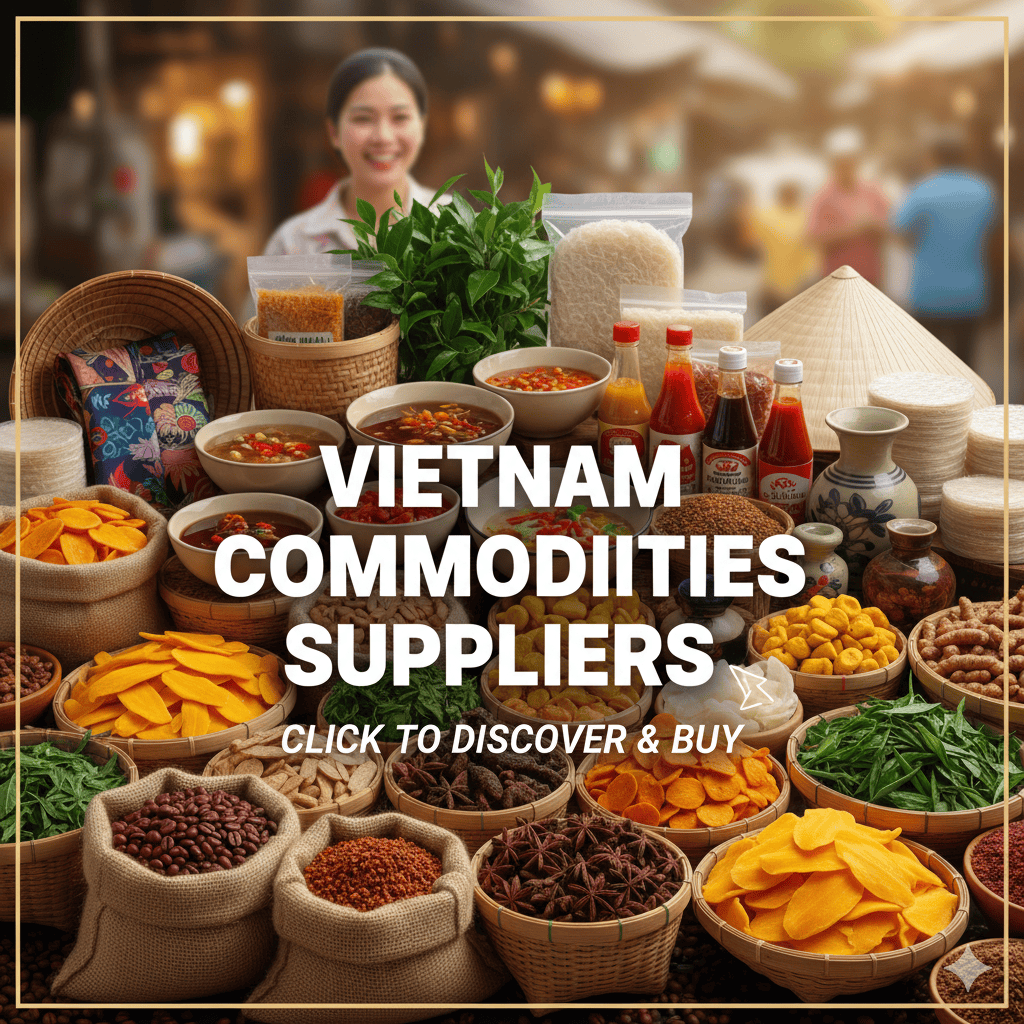
- Agricultural Products and Food Processing: The Mekong Delta, directly south of HCMC, is Vietnam’s agricultural heartland. This makes HCMC an ideal base for Sourcing agricultural products Vietnam such as coffee, rice, seafood, fruits, and spices. The city also hosts a burgeoning food processing industry that adds value to these raw materials for export.
- Plastics and Rubber: These industries support a wide range of other manufacturing sectors, producing raw materials and finished goods.
For buyers seeking reliable suppliers, a Ho Chi Minh commodity suppliers directory would reveal a vast network of manufacturers and exporters across these sectors. The consistent investment in industrial zones and high-tech parks around HCMC further solidifies its position as a diversified manufacturing hub.

3. Navigating Local Business Culture and Market Dynamics
Successful sourcing in Ho Chi Minh City goes beyond identifying the right suppliers; it involves understanding and respecting the local business culture and market dynamics. Vietnamese business culture, particularly in the south, emphasizes long-term relationships, trust, and mutual respect. Building rapport with potential partners through face-to-face meetings and demonstrating genuine interest in their operations can significantly impact negotiation outcomes and foster stronger collaborations.
Communication is often indirect, with an emphasis on harmony and avoiding direct confrontation. Patience and flexibility are crucial when negotiating terms and dealing with unforeseen challenges. Understanding the nuances of Vietnam export regulations and documentation and local labor laws is also paramount to ensure compliance and ethical sourcing practices. While English is widely spoken in business circles, having local representation or interpreters can greatly facilitate smoother communication and deeper cultural understanding. Leveraging the expertise of local sourcing agents or consultants can also provide invaluable insights into market trends, help navigate bureaucratic processes, and identify reputable partners, thereby mitigating risks and optimizing sourcing strategies. For further insights into Vietnam’s economic landscape, consider exploring resources like the World Bank’s data on Vietnam.
By meticulously assessing HCMC’s strategic advantages, diverse industrial base, and unique business environment, international buyers can unlock significant value and establish sustainable, resilient supply chains within this dynamic Southeast Asian market.
Vietnam Import Procedures for Buyers: A Step-by-Step Guide
Navigating international trade can be complex, especially when importing goods into a dynamic market like Vietnam. For buyers keen on exploring the rich potential of a Vietnam sourcing guide Ho Chi Minh, understanding the legal and logistical framework of import procedures is paramount. This guide breaks down the essential steps, documentation, and compliance requirements from a buyer’s perspective, ensuring a smoother journey from supplier to warehouse. Adherence to these regulations is crucial to avoid delays, penalties, and unforeseen costs, paving the way for successful trade relationships and efficient supply chains within Vietnam.
1. Essential Documentation and Licensing for Import
The foundation of any successful import into Vietnam lies in meticulously preparing the correct documentation. Buyers must ensure their suppliers provide accurate and complete paperwork, and in some cases, acquire specific licenses themselves. Key documents generally required include:
- Commercial Invoice: Details the goods, quantities, prices, and terms of sale.
- Packing List: Provides information about the contents and weight of each package.
- Bill of Lading (B/L) or Air Waybill (AWB): The contract between the shipper and carrier, acting as a title to the goods.
- Certificate of Origin (C/O): Crucial for determining eligibility for preferential duty rates under Vietnam’s various Free Trade Agreements (FTAs) like the EVFTA, CPTPP, or RCEP. Common forms include Form D (ASEAN), Form AK (ASEAN-Korea), Form A (GSP), etc.
- Customs Declaration Form: Submitted electronically via the Vietnam Automated Cargo Clearance System (VNACCS/VCIS).
Beyond these standard documents, certain goods necessitate specific import licenses or permits. Products such as food items, pharmaceuticals, cosmetics, medical devices, chemicals, and some electronics often require specialized permits from relevant Vietnamese ministries. Buyers should proactively identify if their specific commodities fall into these categories and work with their Ho Chi Minh commodity suppliers directory or freight forwarders to secure necessary approvals well in advance of shipment. Pre-shipment inspections by designated agencies may also be mandatory for certain regulated items.
2. Customs Clearance Process and Regulations Explained
Once your goods arrive at a Vietnamese port or airport, they enter the customs clearance phase. This process, governed by the General Department of Vietnam Customs, can be summarized in several critical steps:
- Customs Declaration Submission: Electronically submitted via the VNACCS/VCIS system, detailing the goods, their value, origin, and intended use.
- Documentary Examination: Customs officials review all submitted documents for accuracy and compliance. Declarations are classified into Green (low risk), Yellow (documentary check), or Red (physical inspection).
- Goods Inspection (if applicable): For Yellow or Red lane declarations, physical inspection of the cargo may occur at the port or a designated customs warehouse.
- Valuation and Duty Calculation: Customs assesses the dutiable value (typically CIF – Cost, Insurance, and Freight) and calculates applicable duties, taxes, and fees based on HS codes and Vietnam’s tariff schedule.
- Duty/Tax Payment: Importers must pay the assessed duties and taxes.
- Release of Goods: Upon successful payment and clearance, customs issues a release order, allowing the goods to be moved out of the customs area.
Engaging a reputable licensed customs broker in Vietnam is highly recommended. These professionals possess in-depth knowledge of local regulations, language proficiency, and established relationships with customs officials, significantly streamlining the clearance process and minimizing potential pitfalls for buyers engaged in a Vietnam sourcing guide Ho Chi Minh venture. They can manage electronic declarations, liaise with customs, and handle any discrepancies.
3. Understanding Duties, Taxes, and Fees for Importers
A comprehensive understanding of financial obligations is essential for accurate cost forecasting and pricing strategies. Importing into Vietnam typically involves several types of duties, taxes, and fees:
- Import Duty: This is the primary tariff applied to imported goods. Rates vary significantly based on the product’s HS code and its country of origin. Vietnam applies Most Favoured Nation (MFN) rates for WTO members, preferential rates under various FTAs, and ordinary rates for countries without trade agreements. Leveraging FTAs with a valid Certificate of Origin can drastically reduce or eliminate import duties.
- Value Added Tax (VAT): The standard VAT rate in Vietnam is 10%, though a reduced rate of 5% applies to certain essential goods and services. VAT is calculated on the CIF value plus any applicable import duties.
- Special Consumption Tax (SCT): Applied to specific luxury items or goods deemed harmful, such as tobacco, alcohol, automobiles, and certain petroleum products. SCT rates are often high and are calculated on the CIF value plus import duties.
- Environmental Protection Tax: Imposed on goods and products considered detrimental to the environment (e.g., petroleum, coal, certain chemicals).
To accurately determine these costs, importers must verify the correct HS code for their products – a classification system used globally to categorize goods. Misclassification can lead to incorrect duty payments, fines, and clearance delays. Consulting the official Vietnamese tariff schedule or utilizing a knowledgeable customs broker is vital to ensure compliance and optimize duty payments, particularly when sourcing diverse items from a Ho Chi Minh commodity suppliers directory. Proactive due diligence on duties, taxes, and fees is a critical step in a successful Vietnam import strategy.
Ho Chi Minh Commodity Suppliers Directory & Vetting Strategies
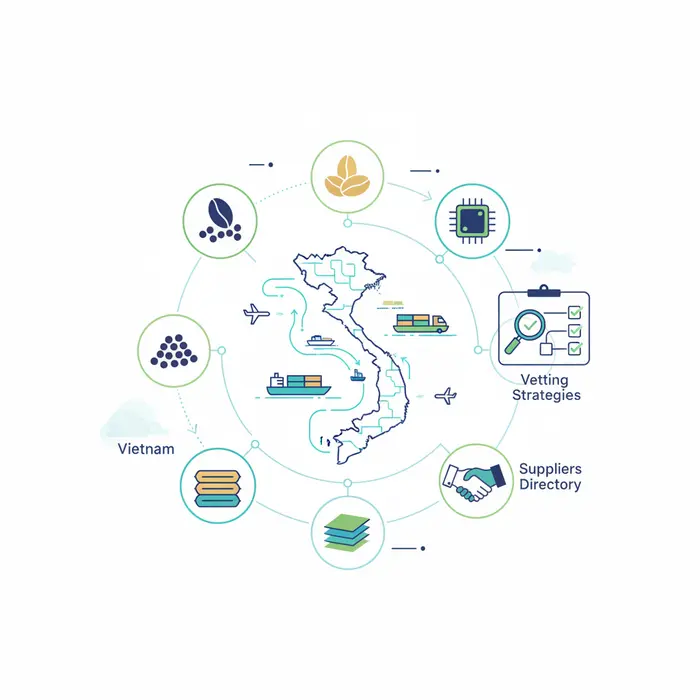
Ho Chi Minh City, Vietnam’s bustling economic hub, stands as a pivotal gateway for international trade, offering a vast landscape of commodity suppliers across various sectors, from agricultural products to manufactured goods. Navigating this dynamic market effectively requires a strategic approach, encompassing thorough supplier identification, stringent due diligence, and adept negotiation. This guide provides comprehensive insights into finding and evaluating reliable commodity suppliers in Ho Chi Minh, equipping buyers with the tools to establish robust and profitable trade relationships, crucial for any successful Vietnam sourcing guide Ho Chi Minh.
1. Finding Verified Suppliers: Online Platforms and Trade Fairs
The journey to securing high-quality commodities begins with identifying credible suppliers. Ho Chi Minh’s extensive network means leveraging both digital and physical avenues is key. Online B2B platforms serve as an excellent starting point for building a preliminary Ho Chi Minh commodity suppliers directory. Global platforms like Alibaba and Global Sources host numerous Vietnamese exporters, often with verified supplier badges. Additionally, regional platforms or dedicated Vietnamese trade portals can offer more localized options. When using these platforms, prioritize suppliers with detailed company profiles, clear product specifications, and positive reviews.
Beyond the digital realm, participating in trade fairs and exhibitions held in Ho Chi Minh City provides unparalleled opportunities for face-to-face interaction. Events such as Vietfood & Beverage – Propack, Agri-Exhibition, or specialized industry expos allow buyers to meet potential partners, assess product samples firsthand, and gain a deeper understanding of market trends. These direct engagements are invaluable for building rapport and validating a supplier’s authenticity, laying a strong foundation before delving into specific Vietnam import procedures for buyers. Networking at these events can also lead to referrals from established industry players, enhancing your pool of potential partners.
2. Performing Due Diligence and Supplier Audits
Once potential suppliers are identified, rigorous due diligence is paramount to mitigate risks and ensure reliability. This phase goes beyond initial contact and delves into the supplier’s operational integrity and compliance. Start by verifying business registration documents, export licenses, and any relevant certifications (e.g., ISO, HACCP for agricultural products). A key step is to confirm their legal standing and operational history. Websites of the General Department of Vietnam Customs or the Ministry of Industry and Trade can offer insights into registered businesses and their export activities, helping you navigate Vietnam export regulations and documentation. Financial stability checks, while sometimes challenging to obtain directly, can be inferred through their operational scale, reputation, and willingness to provide trade references.
Supplier audits are a critical component of due diligence, especially for commodities where quality control is vital. These audits typically involve on-site visits to assess production facilities, quality management systems, and adherence to ethical labor and environmental standards. For sourcing agricultural products Vietnam, inspect storage facilities, processing methods, and packaging protocols to ensure they meet your quality specifications and international food safety standards. Utilizing third-party inspection agencies based in Vietnam can provide an impartial assessment, validating the supplier’s claims and capabilities. This proactive approach helps in understanding the supplier’s actual capacity, consistency, and commitment to quality, significantly reducing potential issues related to product defects or delays.
3. Negotiation Tactics and Contract Best Practices
Effective negotiation is crucial for securing favorable terms and fostering a strong, long-term trade relationship. Approach negotiations with clear objectives regarding pricing, payment terms (e.g., Letter of Credit, T/T), delivery schedules, and Incoterms (e.g., FOB, CIF). Vietnamese business culture often values patience and relationship-building, so a respectful and understanding approach can yield better results. Be transparent about your requirements and expectations, and be prepared to discuss counter-offers. A flexible mindset, combined with firm adherence to your core needs, is essential.
The culmination of successful sourcing is a comprehensive and legally sound contract. This document should meticulously detail product specifications, quality benchmarks, packaging requirements, and inspection procedures. Crucially, it must outline payment schedules, delivery milestones, and penalties for non-compliance. Incorporate clauses for dispute resolution, intellectual property protection, and force majeure. Given the complexities of international trade, it’s advisable to have the contract reviewed by legal counsel specializing in Vietnamese commercial law. A well-drafted contract serves as a safeguard, clarifying responsibilities and expectations for both parties, thereby streamlining Vietnam import procedures for buyers and ensuring smooth transactions in your Ho Chi Minh commodity suppliers directory endeavors. By focusing on mutual benefit and clear communication, buyers can build enduring and prosperous partnerships with their Vietnamese suppliers.
Vietnam Export Regulations and Documentation for Seamless Trade
Vietnam has rapidly emerged as a global manufacturing and agricultural powerhouse, attracting international buyers seeking diverse products. For any buyer looking to engage with Vietnamese suppliers, understanding the intricacies of Vietnam’s export regulations and documentation is paramount. This knowledge not only helps in streamlining the procurement process but also ensures compliance, mitigates risks, and fosters a transparent trading relationship. From navigating specific licenses to understanding international shipping standards, a grasp of these requirements is fundamental for successful trade, especially when sourcing agricultural products Vietnam or manufactured goods from a bustling hub like Ho Chi Minh commodity suppliers directory.
1. Key Export Licenses and Permits for Vietnamese Manufacturers
Vietnamese manufacturers, much like their counterparts globally, must adhere to a structured framework of licenses and permits to legally export goods. The foundational requirement is a valid business registration certificate, which defines the scope of their operations. Beyond this, specific product categories necessitate additional permits to ensure compliance with national and international standards. For instance, food products, pharmaceuticals, chemicals, and cultural artifacts often require specialized permits issued by relevant ministries such as the Ministry of Agriculture and Rural Development (MARD) for agricultural and forestry products, or the Ministry of Health (MOH) for pharmaceuticals. Exporters of these goods must obtain quality control certificates, phytosanitary certificates (for plants and plant products), veterinary certificates (for animal products), and health certificates (for processed foods) to verify product safety and origin.
The Ministry of Industry and Trade (MOIT) plays a crucial role in overseeing general trade policies, though specific product regulations are delegated to specialized bodies. For buyers, it’s essential to confirm that their Vietnamese supplier possesses all necessary export licenses relevant to the goods being purchased. This due diligence is a critical step in preventing delays at customs and ensuring the legitimacy of the transaction. Understanding these initial hurdles helps buyers anticipate potential timelines and confirm their supplier’s capability and adherence to Vietnamese export regulations, thereby avoiding complications in the export process from Vietnam. This insight also aids in comprehending Vietnam import procedures for buyers from the supplier’s perspective.
2. Understanding Incoterms and Shipping Requirements
Incoterms, or International Commercial Terms, are globally recognized standards that define the responsibilities of buyers and sellers for the delivery of goods under sales contracts. These terms clarify who is responsible for paying and managing the shipment, insurance, documentation, and customs clearance. Common Incoterms used in trade with Vietnam include Free On Board (FOB), where the seller delivers goods on board the vessel nominated by the buyer at the named port of shipment; Cost, Insurance, and Freight (CIF), where the seller is responsible for costs and freight to bring the goods to the named port of destination, plus marine insurance; Ex Works (EXW), where the seller makes goods available at their premises; and Delivered Duty Paid (DDP), placing maximum obligation on the seller. Selecting the appropriate Incoterm is vital for both parties as it impacts pricing, risk, and logistical arrangements.
Beyond Incoterms, a comprehensive set of shipping documents is required for every export shipment. These typically include the commercial invoice (detailing the transaction), packing list (itemizing contents and weight), bill of lading (for sea freight) or airway bill (for air freight) as proof of shipment, and a certificate of origin (Form D or various FTAs like EUR.1, AK, etc., for preferential tariffs). Customs declarations, often submitted electronically via Vietnam’s VNACCS/VCIS system, are also mandatory. Ensuring the accuracy and completeness of these documents is paramount to avoid customs delays and penalties. Suppliers must be proficient in preparing these documents, and buyers should familiarize themselves with what to expect, especially when dealing with Vietnam export regulations and documentation specific to their goods.
3. Compliance with International Trade Laws and Standards
Vietnam’s integration into the global economy means that its exporters must comply not only with national laws but also with a myriad of international trade laws and standards. This encompasses product-specific quality, safety, health, and environmental standards set by destination markets. For example, food products destined for the EU or US must meet stringent food safety regulations, while electronics might need to comply with RoHS or CE marking. Exporters are also bound by international agreements such as those under the World Trade Organization (WTO) and various Free Trade Agreements (FTAs) that Vietnam is a signatory to, including the Comprehensive and Progressive Agreement for Trans-Pacific Partnership (CPTPP) and the EU-Vietnam Free Trade Agreement (EVFTA). These agreements often provide preferential tariffs, but demand strict adherence to rules of origin.
Furthermore, suppliers must be aware of potential anti-dumping and countervailing duties imposed by importing countries on specific Vietnamese goods, which can significantly impact competitiveness. Intellectual property rights (IPR) are another crucial area; exporters must ensure their products do not infringe upon patents, trademarks, or copyrights held by others. Buyers should encourage their suppliers to adopt internationally recognized certifications (e.g., ISO, HACCP, Fair Trade) as proof of compliance and quality assurance. This proactive approach to global standards and ethical practices is vital for building long-term, trustworthy relationships and navigating the complexities of Vietnam sourcing guide Ho Chi Minh strategies, assuring smooth transactions for both parties.
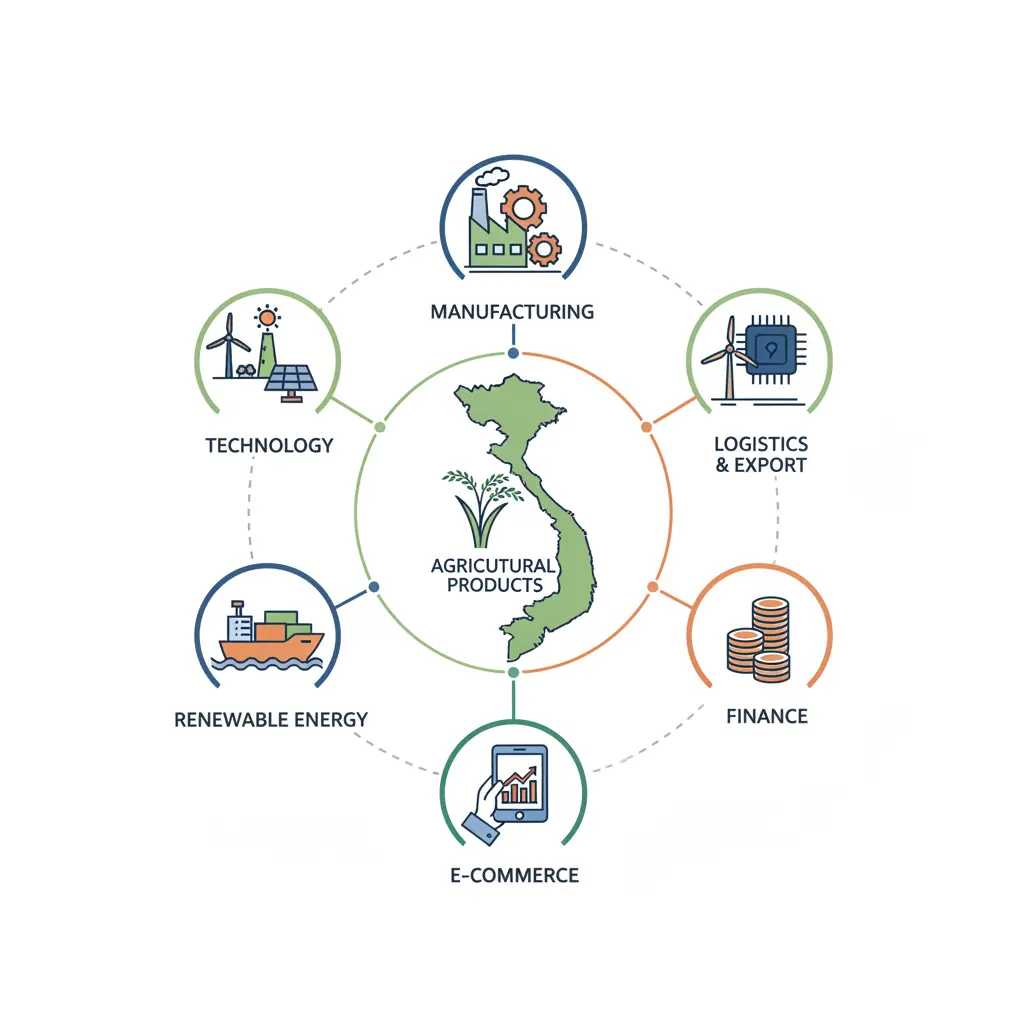
Ho Chi Minh City, a bustling economic hub, serves as Vietnam’s gateway for a vast array of export products, offering a strategic advantage for international buyers. For those embarking on a Vietnam sourcing guide Ho Chi Minh, understanding the diverse product categories and specific sourcing considerations is paramount. From the fertile Mekong Delta’s bounty to modern manufacturing facilities, the city and its surrounding regions are a treasure trove for global trade.
Agricultural products form a significant pillar of Vietnam’s export economy, with Ho Chi Minh City acting as a primary collection and distribution point. Beyond agriculture, other key sectors like textiles, footwear, electronics, and handicrafts present lucrative opportunities for businesses worldwide. Navigating the intricacies of Vietnam import procedures for buyers requires diligence, but the potential for high-quality goods at competitive prices makes the effort worthwhile.
1. Special Considerations for Agro-Products and Foodstuffs
Sourcing agricultural products from Vietnam involves unique challenges and opportunities. Vietnam is a global leader in exporting commodities like robusta coffee, rice, cashew nuts, black pepper, and various fruits (dragon fruit, durian, mango). When engaging in sourcing agricultural products Vietnam, buyers must prioritize freshness, quality, and adherence to international food safety standards. Many suppliers around Ho Chi Minh have adopted Good Agricultural Practices (GAP) and Hazard Analysis and Critical Control Points (HACCP) certifications to meet stringent global requirements, particularly for markets in the EU, US, and Japan. Establishing clear specifications for size, ripeness, packaging, and shelf-life is crucial. Furthermore, understanding the seasonal availability of certain produce is vital for planning consistent supply chains. Buyers should also be aware of specific phytosanitary requirements and export permits, which are critical for smooth customs clearance. Utilizing a reputable Ho Chi Minh commodity suppliers directory can streamline the process of finding certified and reliable partners.
2. Sourcing in Textiles, Footwear, and Electronics Sectors
Beyond agriculture, Ho Chi Minh City is a significant hub for manufacturing and exporting textiles, footwear, and electronics. The textile and garment industry benefits from a skilled workforce and established supply chains, producing everything from basic apparel to high-fashion items for global brands. Footwear manufacturing, particularly sports and casual shoes, is another dominant sector, with numerous factories operating efficiently. For electronics, Vietnam has emerged as a key manufacturing base for components, mobile phones, and consumer electronics, attracting major international investors. When sourcing from these sectors, buyers should focus on factories with strong quality management systems, ethical labor practices, and the capacity to meet large volume orders. Due diligence, including factory audits, is highly recommended to ensure compliance with international labor laws and environmental standards. Additionally, understanding the nuances of Vietnam’s trade regulations and free trade agreements can provide significant advantages, including tariff reductions.
3. Ensuring Quality Control and Sustainable Sourcing Practices
Regardless of the product category, maintaining stringent quality control and adopting sustainable sourcing practices are non-negotiable for long-term success. For agro-products, this means ensuring proper handling, cold chain logistics, and minimal use of pesticides. In textiles and electronics, it translates to material integrity, functional testing, and responsible manufacturing processes. Implementing third-party inspection services at various stages of production (pre-production, in-line, pre-shipment) is an effective way to mitigate risks and ensure products meet agreed-upon specifications. Moreover, sustainable sourcing is gaining prominence. Buyers are increasingly looking for suppliers who demonstrate commitment to environmental protection, fair labor practices, and community development. This includes certifications for organic farming, fair trade, or specific industry standards like WRAP for apparel. Understanding Vietnam export regulations and documentation thoroughly also plays a critical role in ensuring smooth transactions and avoiding delays. Building strong, transparent relationships with suppliers, grounded in mutual trust and a shared commitment to quality and sustainability, is the cornerstone of successful sourcing from Ho Chi Minh City.
Partner with Vietnam’s Leading Suppliers
Looking for reliable suppliers in Vietnam? Contact VietnamSuppliers.com today to connect with verified manufacturers and exporters across all industries.
—————————————
References
– World Bank’s data on Vietnam: https://data.worldbank.org/country/vietnam
– General Department of Vietnam Customs: https://www.customs.gov.vn/site/english/Pages/default.aspx
– Vietnam export regulations and documentation: https://www.customs.gov.vn/Lists/VanBanPhapQuy/DispForm.aspx?ID=3201&View=M&List=a6ed8741-9457-4187-88f1-5a3962649b56
– Vietnamese export regulations: https://www.customs.gov.vn/site/english_v2020/Default.aspx
– Vietnam’s trade regulations and free trade agreements: https://www.export.gov/article?id=Vietnam-Trade-Regulations