
Understanding the Global Import Cost Index 2025
The landscape of international trade is perpetually shifting, influenced by geopolitical dynamics, economic fluctuations, and technological advancements. For businesses, understanding and anticipating costs is paramount. This is where the Global Import Cost Index (GICI) 2025 emerges as an indispensable metric. The GICI serves as a crucial barometer, offering a comprehensive snapshot of the total expenses incurred when bringing goods from international markets to local shores. It is meticulously calculated to reflect a wide array of import-related expenditures, enabling businesses to make informed strategic decisions, optimize their supply chains, and navigate the volatile currents of global commerce with greater foresight.
1. What is the GICI and why is it important?
At its core, the Global Import Cost Index is a composite measure designed to quantify the aggregate cost of importing goods from international sources. Unlike simple freight cost indices, the GICI offers a holistic view, encapsulating every significant expense component contributing to the final landed cost. Its importance for businesses, policymakers, and economists cannot be overstated, especially in a year like 2025, marked by economic recalibrations and evolving trade policies.
For businesses, the GICI provides a critical tool for:
- Strategic Planning & Budgeting: Forecast future import expenditures for robust financial planning and competitive pricing.
- Risk Management: Identify potential cost escalations early, enabling mitigation strategies and enhancing supply chain resilience.
- Supply Chain Optimization: Inform decisions on logistics, inventory, and supplier negotiations, driving supply chain cost optimization strategies.
- Market Intelligence: Offers insights into broader global trade inflation impact, reflecting macroeconomic factors affecting overseas production costs.
In essence, the GICI transforms complex import data into actionable intelligence, empowering stakeholders to navigate international trade complexities with greater confidence.
2. Key components and methodology of the index
The comprehensive nature of the Global Import Cost Index stems from its robust methodology, integrating a multitude of data points across various cost categories. Each component is weighted according to its typical contribution to the total import cost, ensuring a realistic and representative measure.
The primary components feeding into the GICI include:
- International Shipping Cost Trends: Encompasses freight rates (ocean, air, road, rail), fuel surcharges, port handling, and terminal charges. Factors like vessel capacity and geopolitical disruptions significantly influence these. The global shipping cost trends, as highlighted by bodies like UNCTAD, are a critical input.
- Import Duty and Tax Rates: Tariffs, customs duties, VAT, excise taxes, and other levies imposed by destination countries. Changes in trade agreements or national tax policies directly impact this component.
- Global Trade Inflation Impact: Accounts for inflationary pressures on goods, including rising raw material prices, increased manufacturing labor costs, and currency exchange rate fluctuations.
- Insurance Costs: Cargo insurance premiums, fluctuating based on goods value, routes, and perceived risks.
- Administrative and Compliance Costs: Expenses related to customs brokerage, documentation, and regulatory compliance.
The GICI’s methodology involves collecting data from diverse sources such as national customs agencies, international shipping lines, freight forwarders, and economic research institutions. These data points are processed, weighted, and aggregated using a proprietary algorithm, often normalized against a base year for clear trend analysis. The index is typically updated periodically, reflecting the dynamic nature of global trade economics.
3. Interpreting GICI Trends and Implications for Businesses
Monitoring the Global Import Cost Index offers tangible insights that drive critical business decisions. An upward trend signifies increasing costs, while a downward movement suggests potential savings. A nuanced understanding is key, as different components may move independently, reflecting specific pressures within the global supply chain.
Factors influencing GICI trends include:
- Geopolitical Events: Conflicts or trade wars can disrupt shipping, increase insurance, and lead to tariffs.
- Economic Cycles: Global booms raise demand and capacity costs; slowdowns may ease prices.
- Regulatory Changes: New environmental rules or revised import duty and tax rates directly impact the index.
- Technological Advancements: Innovations in logistics and automation can lead to supply chain cost optimization strategies.
For businesses, interpreting these trends is vital. A rising GICI might necessitate adjusting pricing or exploring alternative sourcing (e.g., nearshoring) to reduce reliance on long-distance international shipping cost trends. Conversely, a falling GICI could present opportunities to expand product lines or increase inventory cost-effectively.
The GICI’s granular data allows businesses to pinpoint specific areas of concern. If international shipping cost trends drive an increase, focus might shift to negotiating better freight contracts or optimizing container utilization. If import duty and tax rates escalate, efforts could involve optimizing customs classifications or leveraging free trade agreements.
Ultimately, the Global Import Cost Index 2025 serves as an indispensable compass in the complex world of international trade, guiding businesses toward resilience, profitability, and sustainable growth.
International Shipping Cost Trends: A Deep Dive
The landscape of global trade is continually reshaped by fluctuating Global Import Cost Index, driven by a complex interplay of economic, geopolitical, and logistical factors. Over the past few years, businesses have grappled with unprecedented volatility in international shipping costs, transforming supply chain management from a routine function into a strategic imperative. Understanding these international shipping cost trends is crucial for predicting landed costs, managing profitability, and developing robust supply chain cost optimization strategies in an era where global trade inflation impact is keenly felt across industries. This deep dive will explore the key drivers behind current shipping market dynamics, highlight regional disparities, and look at emerging strategies for navigating this challenging environment.
1. Factors driving current shipping volatility and forecasts
The dramatic swings in ocean freight rates and air cargo prices observed since the pandemic have left many businesses scrambling. Several potent factors continue to fuel this volatility. Chief among them are fuel surcharges, sensitive to global oil price fluctuations exacerbated by geopolitical tensions, directly translating to higher operational costs for carriers. Furthermore, port congestion, while having eased slightly, remains a significant bottleneck in key global hubs. Labor shortages in trucking and port operations exacerbate these issues, causing delays and increasing demurrage and detention charges. Demand-supply imbalances, despite softening consumer demand, persist due to structural issues in shipping capacity and equipment availability. New environmental regulations like the IMO 2020 sulfur cap and the impending EU Emissions Trading System (ETS) for shipping are adding new cost layers as carriers invest in greener fuels and technologies. Forecasts from analysts like Drewry Shipping Consultants suggest continued volatility, with contract rates stabilizing above pre-pandemic norms, signaling a “new normal” for freight pricing. This sustained elevation contributes significantly to the overall global trade inflation impact, affecting everything from raw materials to finished consumer goods.
2. Regional shipping cost disparities and key routes
The global shipping market is not monolithic; costs vary significantly across different trade lanes and regions. The Trans-Pacific (Asia to North America) and Asia-Europe routes historically represent the busiest and often most volatile corridors. During peak congestion, these routes saw unprecedented rate hikes, with a single 40-foot container from China to the U.S. West Coast soaring from under $2,000 pre-pandemic to over $20,000. While these extreme peaks have receded, rates on these key routes are still subject to significant fluctuations based on seasonal demand, blank sailings, and localized port issues. For instance, labor disputes on the U.S. West Coast or geopolitical tensions impacting the Suez Canal can immediately trigger rerouting and higher costs.
Conversely, intra-Asia trade lanes, while also experiencing increases, have typically seen less dramatic swings due to shorter distances and different market dynamics. Emerging markets and less developed trade routes can face unique challenges, including limited carrier options, higher terminal handling charges, and less efficient customs processes, which contribute to a higher Global Import Cost Index for goods entering these regions. Businesses must factor in these regional nuances when formulating their supply chain cost optimization strategies, as a blanket approach will prove ineffective. Understanding which ports are most efficient, which carriers offer the best service-to-cost ratio on specific lanes, and the potential for surcharges specific to certain geographies is paramount.
3. The Evolving Role of Technology and Sustainability in Cost Management
In response to persistent cost pressures, technology and sustainability have emerged as critical pillars for managing international shipping cost trends. Advanced analytics, Artificial Intelligence (AI), and machine learning are increasingly deployed to predict freight rate movements, optimize container utilization, and identify cost-effective routes. Digital freight platforms offer greater transparency and facilitate efficient booking, aiding shippers in navigating complex pricing. Blockchain is also explored for streamlining documentation and reducing administrative costs, bolstering supply chain cost optimization strategies.
Simultaneously, the drive towards sustainability is reshaping cost dynamics. Investment in green fuels (like LNG, methanol) and electric vehicles, while initially higher in capital expenditure, aims to reduce long-term operational costs and reliance on conventional fossil fuels. Regulatory pressures and consumer demand for eco-friendly logistics are leading to the adoption of cleaner shipping practices. Carbon offsetting and green surcharges are becoming common, adding new line items to the overall Global Import Cost Index. Businesses strategically balance immediate financial outlays with future sustainability benefits and compliance requirements. Moreover, understanding the impact of varying import duty and tax rates in different jurisdictions, especially for green products or those affected by carbon tariffs, adds another layer of complexity to the overall cost equation.
Navigating the complex waters of international shipping costs demands agility, foresight, and a strategic embrace of both technological advancements and sustainable practices. As the global economy continues to evolve, understanding the multifaceted drivers of freight rates, regional disparities, and the long-term impact of green initiatives will be key to maintaining competitive advantage and ensuring the resilience of global supply chains. Proactive monitoring of the Global Import Cost Index and adaptation to new market realities will be indispensable for businesses worldwide.
The Impact of Global Trade Inflation
Global trade, a cornerstone of economic prosperity, is increasingly grappling with inflationary pressures that ripple across borders, influencing the cost of imported goods worldwide and significantly affecting purchasing power. This phenomenon, often encapsulated by the Global Import Cost Index, reflects a complex interplay of macroeconomic factors. Understanding these dynamics is crucial for businesses engaged in international commerce and for consumers facing higher prices for a vast array of products. From the moment raw materials are sourced to the final product landing on shelves, every stage of the global supply chain is susceptible to cost escalations driven by inflation, interest rates, and volatile currency markets.
The persistent challenge of global inflation trends has forced central banks to adopt tighter monetary policies, leading to a domino effect on international trade. Businesses importing goods are confronted with not only elevated commodity prices but also increased borrowing costs, making inventory management and expansion more expensive. These added costs are inevitably passed down the value chain, manifesting as higher consumer prices and eroded purchasing power. Navigating this intricate landscape requires a deep understanding of the specific factors at play.

Currency fluctuations and their effect on import values
One of the most immediate and tangible impacts on the cost of imported goods comes from currency fluctuations. When a country’s domestic currency weakens against the currency of its trading partners, imports become inherently more expensive. For instance, if the US Dollar strengthens against the Euro, European goods priced in Euros become more costly for US importers, even if the base price of the good itself hasn’t changed. This devaluation effectively reduces the purchasing power of the importing nation, compelling businesses to either absorb higher costs—eroding profit margins—or pass these increases on to consumers. Such shifts can significantly alter the competitiveness of imported products, influencing consumer choices and impacting demand. For businesses, managing currency risk through hedging strategies becomes paramount to stabilize their import costs and maintain predictable pricing for their customers.
Raw material price increases and commodity market pressures
The foundation of global trade inflation often lies in the fluctuating prices of raw materials and commodities. Geopolitical tensions, supply chain disruptions, extreme weather events, and shifts in global demand can all contribute to significant price hikes for essential inputs like oil, metals, agricultural products, and energy. When the cost of these fundamental components rises, it triggers a cascade of price increases throughout the manufacturing process, directly impacting the Global trade inflation impact on finished goods. For example, surging oil prices translate into higher transportation costs for nearly every product, from electronics to foodstuffs. Similarly, increased metal prices drive up the cost of machinery and durable goods. Businesses face the challenge of sourcing these materials at competitive prices while contending with market volatility, making strategic procurement and inventory management vital to mitigate the inflationary pressures originating from commodity markets.
Rising Interest Rates and Logistics Costs
Central bank efforts to combat inflation by raising interest rates have profound implications for global trade, particularly concerning financing and logistics. Higher interest rates increase the cost of borrowing for businesses, affecting everything from capital investments to inventory financing. Companies relying on credit to fund large shipments or maintain substantial stock levels face greater financial burdens. This, coupled with ongoing challenges in international shipping cost trends—driven by factors like fuel price volatility, labor shortages, port congestion, and evolving import duty and tax rates—creates a significant upward pressure on the overall cost of moving goods across the globe. These elevated logistics costs are a critical component of the Global Import Cost Index, forcing businesses to re-evaluate their supply chain cost optimization strategies. Strategies such as nearshoring, diversifying suppliers, and investing in more efficient transportation methods are becoming increasingly popular to mitigate these rising expenditures and maintain profitability in an inflationary environment.
In conclusion, the multifaceted impact of global trade inflation demands a comprehensive approach from businesses and policymakers alike. Understanding the intricate relationships between currency values, raw material prices, interest rates, and logistics is key to navigating the current economic climate effectively. Strategic planning, risk management, and continuous adaptation of supply chain models are essential for sustaining competitiveness and ensuring consumer access to affordable goods in an era of heightened global economic volatility.
Navigating Import Duty and Tax Rates
The intricate web of global commerce presents a myriad of challenges for businesses, not least among them the ever-evolving landscape of import duties, tariffs, and various national taxes. These financial levies are critical components of the landed cost of goods, directly influencing profitability and market competitiveness. Understanding and strategically managing these costs is paramount for importers, especially as the Global Import Cost Index continues to reflect significant volatility. This section delves into the complexities of these charges, examining recent shifts in trade policies and agreements that can dramatically alter an importer’s financial outlook, and explores proactive strategies for optimization and compliance.
1. Recent Changes in Global Trade Agreements and Tariffs
The past few years have witnessed a dynamic transformation in international trade policies, profoundly impacting the calculations for importers worldwide. Geopolitical shifts, bilateral disputes, and regional economic integrations have led to frequent adjustments in tariff schedules and trade agreement statuses. For instance, the ongoing trade tensions between major economic powers, such as the US and China, have resulted in fluctuating tariffs on thousands of product categories, creating an unpredictable environment. Similarly, post-Brexit trade arrangements have introduced new customs procedures and duty implications for goods moving between the UK and the EU, adding layers of complexity previously nonexistent.
On a broader scale, the emergence and evolution of comprehensive free trade agreements (FTAs) like the Regional Comprehensive Economic Partnership (RCEP) in Asia-Pacific and the Comprehensive and Progressive Agreement for Trans-Pacific Partnership (CPTPP) offer opportunities for reduced or eliminated duties for goods originating within member states. However, navigating the rules of origin and ensuring compliance with specific agreement criteria can be arduous. These rapid and often unpredictable changes underscore the critical need for importers to stay abreast of the latest international trade policies and their direct impact on the Global trade inflation impact across various supply chains. Staying informed via authoritative sources like the World Trade Organization’s agreements can help businesses anticipate and adapt to these shifts.
2. Strategies for Duty Optimization and Compliance
Effective management of import duties extends beyond merely paying the required tariffs; it involves strategic planning to optimize costs while ensuring stringent compliance. One of the foundational steps in this regard is accurate Harmonized System (HS) code classification. Misclassifying goods, whether intentionally or inadvertently, can lead to incorrect duty payments, costly delays, penalties, or even confiscation. Investing in expert classification services or robust internal training is crucial.
Furthermore, leveraging preferential trade agreements is a powerful Supply chain cost optimization strategy. By understanding and qualifying for FTAs, importers can significantly reduce or even eliminate duties. This requires meticulous documentation, including certificates of origin, and a deep understanding of each agreement’s specific rules. Other strategies include duty drawback programs, which allow for the recovery of duties paid on imported goods that are subsequently exported, and utilizing foreign trade zones (FTZs) or special economic zones, where duties can be deferred or reduced for goods processed or manufactured before entering the domestic market.
Compliance, however, remains paramount. Customs authorities worldwide are increasingly vigilant, employing advanced data analytics to detect non-compliance. Establishing robust internal controls, conducting regular audits, and maintaining transparent records are essential to mitigate risks associated with fines, reputational damage, and supply chain disruptions. Proactive engagement with customs brokers and legal experts specializing in trade can provide invaluable guidance in this complex area.
3. Understanding the Interplay of Shipping Costs and Import Duties
While import duties and taxes represent a significant fixed component of the landed cost, their overall impact is often amplified by fluctuating International shipping cost trends. The last few years have seen unprecedented volatility in freight rates, driven by factors such as global demand surges, port congestion, labor shortages, and geopolitical disruptions. A sharp increase in ocean freight, for example, can dramatically elevate the total cost of bringing goods to market, even if duties remain stable. This combination of rising Import duty and tax rates alongside volatile shipping costs can significantly inflate the overall Global Import Cost Index.
Importers must adopt a holistic approach to cost analysis, integrating all elements from ex-factory price to final delivery. This includes not just duties and taxes but also freight, insurance, handling fees, and domestic transportation. Understanding the interplay between these components allows businesses to make informed decisions regarding sourcing locations, shipping methods, and inventory management. For instance, while a particular sourcing country might offer lower manufacturing costs or preferential duty rates, higher shipping costs from that region could negate the savings. Conversely, a higher duty rate might be offset by significantly lower freight charges. Monitoring the Global Import Cost Index helps benchmark and understand these integrated cost pressures, enabling better forecasting and strategic adjustments to maintain competitive pricing and healthy profit margins in a continuously changing global marketplace.
Supply Chain Cost Optimization Strategies for Importers
In a global market increasingly defined by volatility and unpredictability, businesses face an unrelenting challenge: mitigating rising import costs while simultaneously enhancing supply chain resilience and improving overall operational efficiency. The confluence of geopolitical tensions, unforeseen disruptions, and global trade inflation impact has led to a significant upward trend in the Global Import Cost Index. For importers, a proactive and strategic approach to supply chain cost optimization strategies is no longer optional but imperative for sustained profitability and competitive advantage. This section outlines actionable strategies and best practices designed to navigate these complexities.
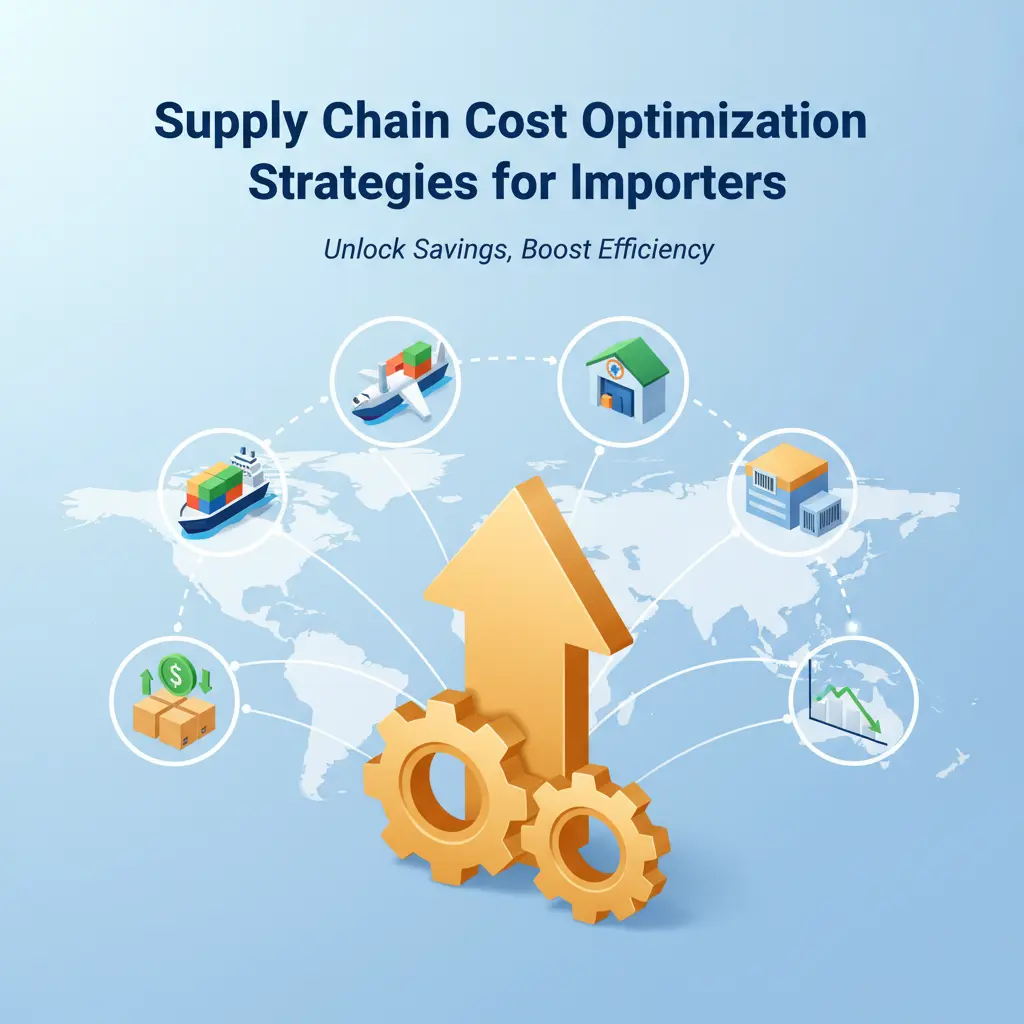
1. Leveraging Technology for Supply Chain Visibility and Efficiency
At the forefront of modern supply chain cost optimization strategies is the intelligent application of technology. Enhanced visibility, powered by advanced software solutions, provides importers with real-time insights into every stage of their supply chain—from order placement to final delivery. Implementing robust Supply Chain Management (SCM) platforms, Transportation Management Systems (TMS), and Warehouse Management Systems (WMS) can significantly reduce operational inefficiencies. These systems offer benefits such as optimized routing, load consolidation, and accurate demand forecasting, directly addressing rising international shipping cost trends. Predictive analytics and Artificial Intelligence (AI) can analyze historical data and current market conditions to anticipate potential disruptions, optimize inventory levels, and even identify the most cost-effective shipping methods. Furthermore, blockchain technology is emerging as a powerful tool for enhancing transparency and traceability, streamlining customs processes, and reducing administrative overhead associated with international trade.
2. Diversification of Sourcing and Risk Management in Logistics
Over-reliance on a single supplier or geographic region can expose businesses to severe vulnerabilities, especially given the unpredictable nature of the global economy and its impact on the Global Import Cost Index. Diversifying your supplier base across multiple countries and regions is a critical strategy for mitigating risks associated with geopolitical instability, natural disasters, and localized economic downturns. This approach not only ensures continuity of supply but also fosters competition among suppliers, potentially leading to better pricing and terms. Beyond sourcing, diversification extends to logistics and transportation. Exploring multi-modal shipping options (e.g., combining sea and air freight) or utilizing alternative shipping routes can provide flexibility and resilience against port congestions, carrier capacity issues, and fluctuating international shipping cost trends. Establishing partnerships with multiple logistics providers can also ensure that if one provider faces disruptions, alternatives are readily available, minimizing potential delays and additional costs.
3. Strategic Inventory and Warehousing Optimization
Inventory management often represents a significant cost center for importers, encompassing not just the cost of goods but also storage, insurance, obsolescence, and the capital tied up. Striking the right balance between maintaining sufficient stock to meet demand and avoiding excessive inventory is crucial. Strategies such as ‘just-in-time’ (JIT) inventory, while seemingly efficient, need to be carefully weighed against the risks of stockouts in a volatile supply chain. A more resilient approach might involve strategic safety stock for critical items, informed by sophisticated demand forecasting and risk assessment. Furthermore, optimizing warehousing operations can yield substantial savings. This includes leveraging modern warehouse layouts, implementing automation where feasible, and strategically locating warehouses closer to key markets or ports to reduce last-mile transportation costs. Utilizing bonded warehouses can also be a savvy move, allowing importers to defer payment of import duty and tax rates until goods are withdrawn for domestic consumption, thereby improving cash flow and potentially enabling re-export without incurring duties. Continuous analysis of carrying costs versus potential sales loss from stockouts is vital for effective inventory and warehousing optimization.
By integrating these multi-faceted strategies, importers can move beyond reactive cost-cutting to build resilient, efficient, and ultimately more profitable supply chains capable of navigating the complexities of the modern global market.
Partner with Vietnam’s Leading Suppliers
Looking for reliable suppliers in Vietnam? Contact VietnamSuppliers.com today to connect with verified manufacturers and exporters across all industries.
—————————————
References
– Review of Maritime Transport 2023: https://unctad.org/publication/review-of-maritime-transport-2023
– Drewry Shipping Consultants: https://www.drewry.com/
– IMF World Economic Outlook: https://www.imf.org/en/Blogs/Articles/2023/10/09/world-economic-outlook-navigating-global-divergences
– WTO Agreements on Trade Facilitation: https://www.wto.org/english/thewto_e/whatis_e/tif_e/agrm1_e.htm
– Review of Maritime Transport 2023: https://www.unctad.org/publication/review-maritime-transport-2023