
What is a Social Compliance Factory Audit?
In today’s global economy, consumers and stakeholders increasingly demand transparency and accountability from businesses. This has made the Social Compliance Factory Audit an indispensable component of responsible operations. At its core, it’s a systematic, independent examination of a manufacturing facility’s adherence to labor laws, ethical standards, and international conventions concerning worker welfare. It goes beyond quality control, delving into the human element of production to ensure goods are produced under fair, safe, and humane conditions.

1. Defining Social Compliance: Beyond the Basics
Social compliance covers a broad spectrum of ethical and legal requirements for labor practices, extending beyond merely avoiding child labor. It encompasses comprehensive standards designed to protect workers’ rights and ensure a safe, respectful environment. Key areas during a Social Compliance Factory Audit include:
- Child Labor: Strict prohibition of employing individuals below the legal working age.
- Forced Labor: Absolute prohibition of any form of involuntary or forced labor, including debt bondage or trafficking.
- Discrimination: Ensuring equal opportunities and treatment regardless of race, gender, religion, age, disability, sexual orientation, or nationality.
- Wages and Benefits: Verification that workers receive at least the minimum wage, overtime pay, and legally mandated benefits, and that deductions are lawful.
- Working Hours: Adherence to legal limits on working hours, including regular working hours and voluntary overtime, with appropriate rest periods.
- Health and Safety: Assessment of workplace conditions to ensure a safe and hygienic environment, adequate fire safety, emergency preparedness, and access to clean water and sanitation.
- Freedom of Association and Collective Bargaining: Respect for workers’ rights to form and join unions and bargain collectively without fear of reprisal.
- Disciplinary Practices: Prohibition of harsh, inhumane, or abusive treatment, including corporal punishment, mental or physical coercion, and verbal abuse.
These standards are benchmarked against international instruments like the International Labour Organization (ILO) Conventions on fundamental principles and rights at work, and industry codes such as BSCI, SEDEX, and SA8000.
2. Why Audits Matter: Protecting Your Brand and Workers
The importance of regular Social Compliance Factory Audits is paramount. For businesses, these are not just regulatory hurdles but strategic imperatives offering multifaceted benefits:
- Risk Mitigation: Audits help identify and address potential violations before they escalate into legal challenges, brand damage, or supply chain disruptions. They are crucial for implementing ethical sourcing best practices and safeguarding against reputational harm caused by associations with unethical labor.
- Brand Reputation and Consumer Trust: Consumers are increasingly conscious of the ethical footprint of the products they purchase. Demonstrating a commitment to social compliance builds trust, enhances brand loyalty, and provides a competitive edge.
- Improved Worker Welfare: Fundamentally, these audits lead to better working conditions, fair wages, and safer environments for factory employees, contributing to factory social compliance improvements and a more motivated workforce.
- Supply Chain Stability: Factories operating under fair and safe conditions typically experience lower employee turnover, higher productivity, and fewer industrial disputes, contributing to a more stable and reliable supply chain.
- Regulatory Compliance: Many countries and trade blocs have strict regulations regarding imported goods, often requiring evidence of social compliance. Audits help businesses navigate this complex regulatory landscape.
- Investor Confidence: Socially responsible investing is on the rise. Companies with robust social compliance programs are often viewed more favorably by investors seeking sustainable and ethical businesses.
Proactive engagement, including preparing for and responding to audits, can prevent public relations crises. Successful BSCI SEDEX audit passing strategies often involve continuous monitoring and a culture of improvement, not just last-minute fixes.
3. Key Objectives of an Audit Program
A well-structured Social Compliance Factory Audit program aims for several critical objectives:
- Identify Non-Compliance: The primary objective is to pinpoint any deviations from established social and labor standards, whether they are minor procedural issues or severe violations of human rights.
- Verify Corrective Actions: Beyond identification, audits serve to follow up on previously identified issues, ensuring that factories have effectively implemented corrective and preventive actions.
- Promote Continuous Improvement: Audits are not merely punitive; they are tools for continuous improvement. They provide factories with actionable insights and recommendations to enhance their social performance over time, moving towards a culture of proactive compliance.
- Ensure Transparency and Accountability: By providing an independent assessment, audits foster transparency within the supply chain, holding both brands and suppliers accountable for ethical practices.
- Build Trust and and Collaboration: A well-managed audit process can build stronger relationships between buyers and suppliers, fostering a collaborative environment aimed at achieving shared ethical goals.
- Educate and Empower: Audits often involve interviewing workers and management, which can serve as an educational opportunity, raising awareness about rights and responsibilities.
Effective audit program implementation often starts with a comprehensive supplier audit preparation checklist, guiding factories in self-assessment and readiness. Ultimately, a successful Social Compliance Factory Audit program fosters a sustainable, ethical manufacturing ecosystem benefiting all stakeholders.
Building a Foundation of Ethical Sourcing
The increasing scrutiny on global supply chains has made ethical sourcing not just a moral imperative but a fundamental business necessity. Companies worldwide are realizing that sustainable growth is inextricably linked to ensuring humane working conditions, fair wages, and environmentally responsible practices throughout their production networks. Proactively building a foundation of ethical sourcing involves implementing robust strategies that extend beyond mere compliance, aiming for continuous Social Compliance Factory Audit and improvement. This commitment safeguards brand reputation, mitigates operational risks, and fosters long-term, resilient supplier relationships. By embedding ethics at every stage, businesses can transform their supply chains into models of transparency and responsibility.
1. Developing a Robust Supplier Code of Conduct
A clearly defined and communicated Supplier Code of Conduct (CoC) is the cornerstone of any ethical sourcing program. This document outlines the minimum standards and expectations that all suppliers must adhere to, covering crucial areas such as labor rights, health and safety, environmental protection, and business integrity. Key elements typically include prohibitions against child labor and forced labor, requirements for fair wages and working hours, freedom of association, non-discrimination, safe working environments, and adherence to local environmental regulations.
Developing a robust CoC involves more than just drafting a document; it requires active engagement and communication. Companies must ensure suppliers fully understand the code’s provisions, providing training and resources where necessary. Crucially, the CoC must be enforceable, with clear consequences for non-compliance. Regular review and updates are also essential to reflect evolving international standards and best practices. By setting unequivocal expectations, businesses lay the groundwork for ethical sourcing best practices and foster a shared commitment to responsible operations across their entire value chain.
2. Integrating Ethics into Procurement Processes
Ethical considerations should not be an afterthought but an intrinsic part of every procurement decision. Integrating ethics into procurement processes means embedding social and environmental criteria into supplier selection, contracting, and ongoing relationship management. This begins during the initial vendor vetting stage, where potential suppliers are assessed not only on price and quality but also on their social compliance track record and ethical policies. A comprehensive supplier audit preparation checklist can be invaluable here, guiding initial assessments and ensuring all critical areas are covered.
During contract negotiations, ethical clauses must be explicitly included, detailing performance expectations, audit rights, and corrective action plans for non-compliance. Furthermore, ongoing supplier relationships should involve continuous monitoring and feedback. This might include regular self-assessments by suppliers, unannounced inspections, and performance reviews that factor in ethical conduct. By making ethical performance a key metric, companies signal its importance and encourage factory social compliance improvements as an integral part of their partnership. This proactive approach ensures that ethical considerations are weighted equally with commercial terms, driving sustainable and responsible purchasing decisions.
3. Supply Chain Mapping and Risk Assessment
Effective ethical sourcing demands a thorough understanding of the entire supply chain, extending beyond direct, Tier 1 suppliers to identify potential risks further upstream. Supply chain mapping involves visually charting every node in the production process, from raw material extraction to final product assembly. Once mapped, a comprehensive risk assessment identifies areas susceptible to ethical breaches. Factors contributing to higher risk often include geographical location (e.g., regions with weak labor laws or high corruption), specific industries (e.g., textiles, mining, agriculture), and the nature of work (e.g., labor-intensive processes, migrant workers).
Tools such as human rights impact assessments, environmental risk analyses, and geo-specific data can help pinpoint vulnerable points. For high-risk suppliers, more intensive due diligence is required, potentially involving third-party audits like BSCI or SEDEX. Developing specific BSCI SEDEX audit passing strategies becomes crucial for these suppliers, focusing on capacity building and continuous improvement rather than punitive measures alone. By systematically identifying and understanding these risks, companies can allocate resources effectively, develop targeted mitigation strategies, and ultimately enhance the resilience and ethical integrity of their entire supply network. This proactive risk management is vital for preventing issues before they escalate, ensuring long-term social compliance and ethical operations.
Your Essential Supplier Audit Preparation Checklist
The main challenge for factories today extends beyond production efficiency to include robust social compliance. Preparing for a Social Compliance Factory Audit is not merely a formality but a critical step towards demonstrating your commitment to ethical labor practices and sustainable operations. This comprehensive guide provides practical steps and a detailed supplier audit preparation checklist, ensuring all areas are meticulously covered before the assessment. By proactively addressing potential issues, factories can not only pass audits with flying colors but also cultivate a more resilient and responsible supply chain, reinforcing ethical sourcing best practices and driving continuous factory social compliance improvements. This preparation is key to building trust with buyers and consumers alike.

1. Understanding Audit Standards (e.g., BSCI, SEDEX, SA8000)
Before any audit, the foundational step is a deep understanding of the specific standards against which your factory will be assessed. Whether it’s a BSCI SEDEX audit passing strategies, SA8000, EICC, or a custom buyer code of conduct, each standard has unique requirements covering areas like working hours, wages, health and safety, child labor, forced labor, discrimination, and freedom of association. Factories must obtain the latest version of the relevant audit protocol and meticulously review each clause. This involves not just reading but actively interpreting how each requirement translates into your factory’s daily operations. Conduct an internal gap analysis against these standards to identify areas of non-compliance. This proactive assessment allows you to prioritize corrective actions and allocate resources effectively. Familiarize key personnel—HR, production managers, safety officers—with these standards, ensuring a shared understanding of expectations. Resources like the SA8000 Standard provide comprehensive guidelines for ethical labor practices.
2. Documentation Review and Record-Keeping Readiness
The backbone of any successful Social Compliance Factory Audit lies in impeccable documentation and robust record-keeping. Auditors rely heavily on verifiable records to confirm compliance across various parameters. Start by organizing all human resources documents, including employee contracts, payroll records (ensuring minimum wage and overtime calculations are accurate and transparent), attendance logs, and leave records. Health and safety documentation is equally crucial; this includes risk assessment reports, safety training records, machinery maintenance logs, fire safety drills, and permits for hazardous operations. Environmental permits, waste management records, and energy consumption data might also be requested depending on the audit scope. Ensure that all policies—anti-discrimination, grievance procedures, disciplinary actions, and worker rights statements—are not only well-documented but also clearly communicated to all employees and readily available. All records should be up-to-date, accurate, and easily retrievable, demonstrating a consistent commitment to factory social compliance improvements over time.
3. Worker Interview Preparation and Communication
Worker interviews are a critical component of social compliance audits, offering direct insights into the factory’s working conditions and compliance with labor laws and ethical standards. Preparing your workers for these interviews is paramount, not by scripting their answers, but by fostering an environment of open communication and trust. Employees should feel comfortable and empowered to speak truthfully about their experiences without fear of reprisal. This means regularly communicating their rights and the factory’s policies through various channels, such as bulletin boards, worker handbooks, and regular meetings. Ensure workers understand that audits are an opportunity to voice concerns and that their honesty is valued. Conduct mock interviews internally to help workers understand the types of questions they might be asked, focusing on topics like working hours, wages, workplace safety, and grievance mechanisms. Reinforce the factory’s commitment to protecting whistleblowers. This transparent approach not only helps in BSCI SEDEX audit passing strategies but also builds a stronger, more engaged workforce, which is the ultimate goal of ethical sourcing best practices.
Thorough preparation for a Social Compliance Factory Audit is a multi-faceted endeavor that goes beyond simply meeting minimum requirements. It’s about embedding a culture of continuous factory social compliance improvements and ethical sourcing best practices. By diligently addressing audit standards, maintaining impeccable documentation, and empowering your workforce, factories can confidently navigate audits, secure their reputation, and contribute to a more sustainable global supply chain. This proactive supplier audit preparation checklist ensures your factory is not just audit-ready, but truly compliant and responsible.
Driving Continuous Factory Social Compliance Improvements
Passing a social compliance audit is a crucial milestone for any factory, signaling adherence to fundamental labor standards and ethical practices. However, viewing an audit merely as a hurdle to clear rather than a stepping stone for ongoing improvement misses the broader objective of genuine social responsibility. True progress involves a systematic, long-term commitment to enhancing working conditions, upholding labor laws, and fostering a culture of respect and fairness. This section delves into actionable methods and strategies for factories to transcend superficial compliance and embed continuous factory social compliance improvements, ensuring long-term sustainability and ethical operations.
1. Implementing Corrective Action Plans (CAPs) Effectively
Corrective Action Plans (CAPs) are structured responses to non-compliance issues identified during a Social Compliance Factory Audit. Their effectiveness, however, extends far beyond merely ticking boxes. A truly impactful CAP requires a deep dive into root cause analysis. Instead of just fixing the symptom (e.g., providing a missing fire extinguisher), factories must investigate *why* the issue occurred in the first place (e.g., lack of a proper safety management system, insufficient training, or budget constraints). Understanding these underlying reasons enables the development of SMART actions – Specific, Measurable, Achievable, Relevant, and Time-bound. Each action should have clear responsibilities assigned and a defined timeline for completion. Robust monitoring and verification processes are equally vital to track progress and ensure that implemented solutions are not only effective in the short term but are also sustained over time. Integrating CAPs into the factory’s overall management system, rather than treating them as isolated tasks, transforms them into powerful tools for continuous improvement, significantly enhancing a factory’s preparedness for future audits and strengthening its ethical standing.
2. Worker Grievance Mechanisms and Engagement
Robust worker grievance mechanisms are fundamental to ethical sourcing best practices and creating a transparent, fair, and respectful workplace. An effective system allows workers to report concerns, complaints, or violations without fear of retaliation, fostering an environment of trust. Key components of such a mechanism include accessibility through multiple channels (e.g., anonymous suggestion boxes, hotlines, designated HR personnel, or union representatives), clear and communicated processes for receiving, investigating, and resolving grievances, and a firm commitment to confidentiality and non-retaliation. Prompt response and resolution are critical to maintaining worker confidence. Beyond reactive grievance handling, proactive worker engagement is paramount. This involves establishing platforms like worker committees, conducting regular feedback sessions, and implementing anonymous surveys to gather insights into working conditions, management practices, and overall job satisfaction. Involving workers in decision-making processes related to their work environment not only improves morale and reduces turnover but also enables early identification of potential issues, preventing them from escalating into serious non-compliance. Such proactive engagement strengthens the factory’s social fabric and contributes significantly to sustained compliance.
3. Training and Capacity Building for Management and Staff
Ignorance of labor laws, ethical standards, or best practices is a significant contributor to non-compliance issues. Therefore, comprehensive training and capacity-building programs are foundational for sustained factory social compliance improvements. For management, training should encompass a thorough understanding of local and international labor laws, relevant codes of conduct (such as those from BSCI or SEDEX), ethical leadership, fair management practices, and prevention of discrimination and harassment. Furthermore, managers should be equipped with skills for conducting internal audits, managing CAPs effectively, and cultivating a culture where compliance is ingrained, not just enforced. For workers, training should clearly outline their rights and responsibilities, including information on minimum wage, working hours, health and safety protocols, and the freedom of association. Crucially, they must be educated on how to effectively utilize the available grievance mechanisms. Capacity building extends beyond one-off training sessions to include continuous learning, skill development, and awareness campaigns. A well-informed and empowered workforce, supported by ethical and knowledgeable management, is proactive in maintaining high standards, mitigating risks, and demonstrating an intrinsic commitment to ethical operations. This proactive approach is a cornerstone of effective supplier audit preparation checklist strategies and ensures enduring adherence to BSCI SEDEX audit passing strategies, moving beyond mere compliance to genuine social responsibility.
BSCI & SEDEX Audit Passing Strategies
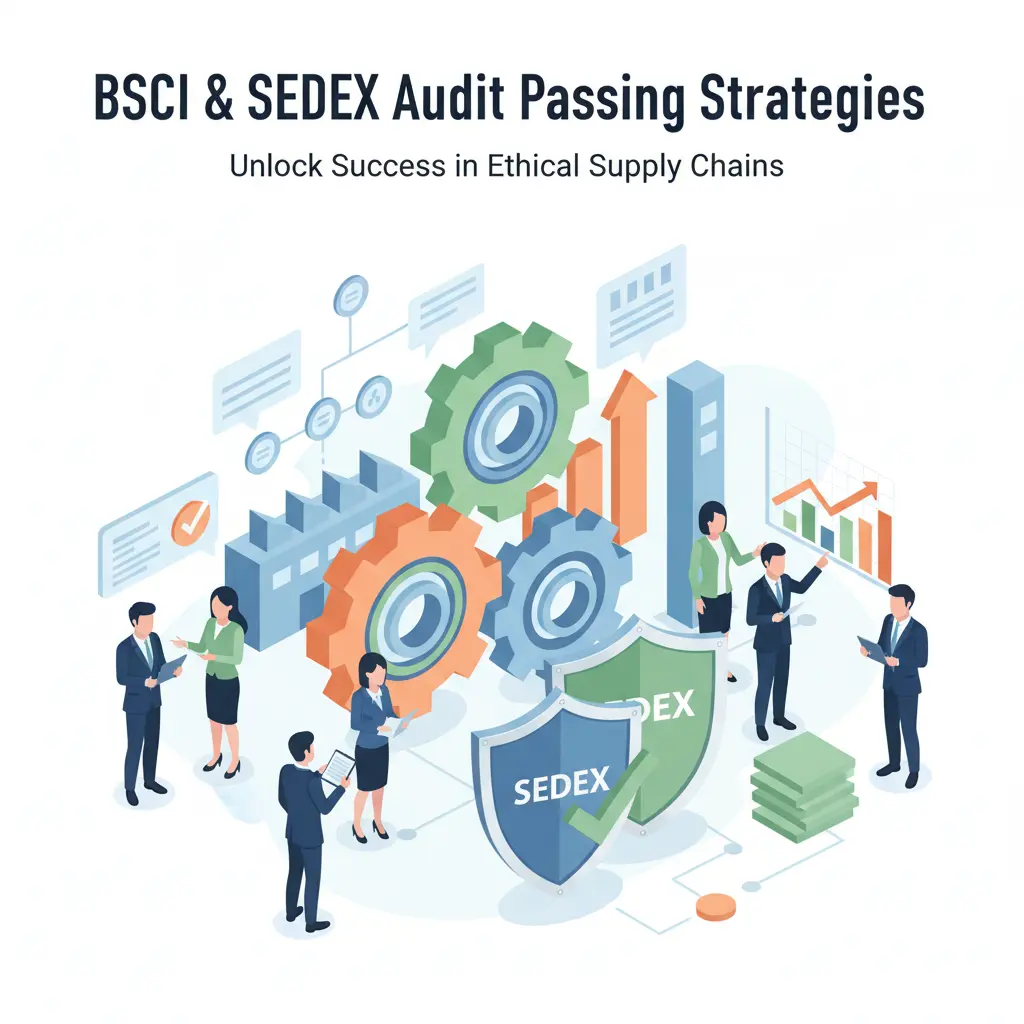
Navigating the complex landscape of social compliance audits is paramount for modern businesses committed to ethical sourcing and responsible supply chains. As global consumers and regulatory bodies demand greater transparency, successfully passing major audit programs like amfori BSCI (Business Social Compliance Initiative) and Sedex SMETA (Sedex Members Ethical Trade Audit) is no longer just a best practice—it’s a business imperative. This section dives into specific insights and advanced strategies designed to help factories not only prepare for but excel in these critical assessments, ensuring factory social compliance improvements and maintaining a strong reputation.
1. Key Differences and Commonalities: BSCI vs. SEDEX
While both BSCI and SEDEX are leading frameworks for conducting social compliance factory audit programs, understanding their nuances is crucial for effective preparation. BSCI, managed by amfori, offers a systematic, step-by-step approach to social compliance, focusing on 13 performance areas covering freedom of association, fair remuneration, health and safety, no child labor, and environmental protection. It emphasizes a continuous improvement process, moving suppliers through different audit statuses. SEDEX, on the other hand, is a membership organization providing one of the world’s largest collaborative platforms for sharing responsible sourcing data. Its primary audit methodology, SMETA, is a compilation of good practice in ethical audit technique, using the ETI Base Code and local law as its measurement tool. SMETA can be conducted as a 2-pillar audit (Labour Standards and Health & Safety) or a 4-pillar audit (adding Environment and Business Ethics).
Despite their structural differences, BSCI and SEDEX share fundamental commonalities. Both are deeply rooted in ILO Conventions and national labor laws, aiming to protect workers’ rights and improve working conditions across global supply chains. They both require robust documentation, transparent practices, and a commitment to continuous improvement. For factories, preparing for one often means you’re largely prepared for the other in terms of core compliance areas, making a unified approach to supplier audit preparation checklist highly efficient.
2. Common Audit Pitfalls and How to Avoid Them
Even well-intentioned factories can stumble during audits due to common oversight. A primary pitfall is inadequate documentation. Auditors meticulously review records, from employment contracts and wage calculations to training logs and health permits. Missing or inconsistent records for working hours, overtime, minimum wage adherence, and safety training can lead to major non-conformities. To avoid this, implement a stringent document management system that ensures all records are current, accurate, and easily retrievable.
Another frequent issue involves health and safety (H&S). This includes lacking proper personal protective equipment (PPE), unguarded machinery, blocked emergency exits, inadequate fire safety systems, or insufficient first aid provisions. Proactive measures, such as regular internal H&S inspections, worker training, and investing in necessary safety equipment, are non-negotiable. Furthermore, issues around worker communication, such as the absence of a clear grievance mechanism or proof of worker representation, can also be critical findings. Ensuring workers understand their rights and have accessible channels to raise concerns demonstrates true ethical sourcing best practices.
To proactively address these, consider conducting mock audits using an experienced third-party auditor. This simulates the actual audit experience, identifies gaps, and allows for corrective actions before the official audit, significantly improving your chances of achieving a good score in your SMETA Audits | Sedex or BSCI assessment.
3. Post-Audit Follow-up and Continuous Verification
Passing an audit is not the end goal; it’s a milestone in an ongoing journey of continuous improvement. The post-audit phase, particularly the implementation of the Corrective Action Plan (CAP), is crucial. Auditors provide detailed findings, often categorized by severity. It is imperative to address all non-conformities promptly, systematically, and thoroughly. For each finding, factories must identify the root cause, develop specific corrective actions, assign responsibilities, and set realistic timelines for completion.
Crucially, simply correcting an issue isn’t enough; providing robust evidence of its implementation is key. This might include updated policies, training records, purchase receipts for safety equipment, or photographic evidence. Beyond just fixing identified issues, factories should integrate lessons learned into their daily operations, establishing robust internal monitoring systems. Regular internal checks, worker surveys, and ongoing training programs foster a culture of compliance and continuous improvement, which are vital for sustained ethical performance and successful BSCI SEDEX audit passing strategies. This commitment moves beyond mere compliance to genuine responsible business practices, ensuring long-term sustainability and trust from global partners.
Partner with Vietnam’s Leading Suppliers
Looking for reliable suppliers in Vietnam? Contact VietnamSuppliers.com today to connect with verified manufacturers and exporters across all industries.
—————————————
References
– International Labour Organization (ILO) Conventions on fundamental principles and rights at work: https://www.ilo.org/global/standards/lang–en/index.htm
– SA8000 Standard: https://www.sa-intl.org/standards/sa8000/
– SA8000 Standard: https://sa-intl.org/resources/sa8000-standard/
– :
– :

