
The Imperative for Hanoi Sustainable Sourcing
As the global economy shifts towards greater accountability and environmental stewardship, the demand for ethical supply chains has never been more pronounced. In 2025, Hanoi stands out as a strategic hub poised to lead in sustainable practices, offering a unique blend of manufacturing capabilities, governmental support, and a growing commitment to responsible production. This section explores why Hanoi Sustainable Sourcing is not just a trend but a critical imperative for businesses seeking resilient, ethical, and future-proof supply chains.
1. Rising Consumer Demand for Ethical Products
Consumers worldwide are increasingly making purchasing decisions based on a brand’s commitment to ethical and sustainable practices. A recent PwC Global Consumer Insights Survey highlighted that a significant portion of consumers are willing to pay more for products that are sustainably produced and ethically sourced. This paradigm shift compels businesses to re-evaluate their supply chains, moving away from purely cost-driven models towards those that prioritize social and environmental responsibility. For companies engaged in Hanoi Sustainable Sourcing, this translates into a tangible competitive advantage. By partnering with Hanoi Ethical Manufacturers, businesses can meet this evolving consumer expectation, enhance brand reputation, and foster stronger customer loyalty. The transparent sourcing of raw materials, fair labor practices, and reduced environmental footprints are no longer niche concerns but mainstream drivers of consumer choice, making Hanoi’s burgeoning ethical manufacturing sector an attractive proposition for global buyers.
2. Global Supply Chain Transparency Initiatives
The push for greater supply chain transparency is no longer optional; it’s a regulatory and ethical imperative. Governments, NGOs, and industry bodies globally are enacting stricter regulations, demanding comprehensive visibility into every stage of production, from raw material extraction to final product delivery. The EU’s Corporate Sustainability Due Diligence Directive (CSDDD) and similar legislation worldwide are forcing companies to map their supply chains, identify potential risks, and implement corrective actions concerning human rights and environmental impacts. This global pressure makes robust supplier verification paramount. For businesses looking into Hanoi Sustainable Sourcing, leveraging a comprehensive Vietnam B2B Sourcing Platform that offers detailed supplier audits and certification checks is crucial. Such platforms facilitate access to a meticulously curated Hanoi Import Export Directory, allowing buyers to identify partners committed to transparent and accountable operations. Investing in thorough Vietnam Supplier Verification processes ensures compliance with international standards and mitigates risks associated with reputational damage, legal liabilities, and operational disruptions, positioning Hanoi as a reliable gateway for ethical global trade.
3. Hanoi’s Role in Sustainable Manufacturing Growth
Hanoi is rapidly emerging as a pivotal player in the global sustainable manufacturing landscape. Its strategic geographical location, coupled with a proactive government agenda focused on green growth and digital transformation, creates an attractive ecosystem for responsible production. The city’s industrial zones are increasingly adopting eco-friendly technologies, investing in renewable energy, and implementing waste reduction programs. Furthermore, a skilled workforce, competitive labor costs, and a strong export-oriented economy make Hanoi an ideal location for businesses seeking to diversify and strengthen their ethical supply chains. The city actively supports the development of Hanoi Ethical Manufacturers through incentives and capacity-building programs, fostering a culture of innovation in sustainable practices. For international buyers, engaging in Hanoi Sustainable Sourcing means tapping into a dynamic market that is not only cost-effective but also deeply committed to meeting stringent global sustainability benchmarks. The accessibility of a robust Hanoi Import Export Directory simplifies the process of connecting with verified suppliers, making the transition to more sustainable sourcing routes smoother and more efficient for businesses worldwide.
Identifying Hanoi’s Ethical Manufacturers
Navigating the complexities of global supply chains requires a keen eye, especially when aiming for sustainability and ethical production. This guide offers practical strategies for locating and assessing manufacturers in Hanoi who are genuinely committed to environmental stewardship and social responsibility. As businesses increasingly prioritize Hanoi Sustainable Sourcing, understanding how to identify truly ethical partners becomes paramount for building resilient and responsible supply chains. This involves moving beyond surface-level claims to deep dives into operational practices, ensuring your partners align with global ethical standards.
1. Key Certifications and Standards (e.g., SA8000, GOTS)
The first critical step in verifying a manufacturer’s ethical commitment involves scrutinizing their adherence to recognized certifications and standards. These frameworks provide independent verification of a company’s social and environmental performance. For social responsibility, certifications like SA8000 are gold standards, focusing on fair labor practices, safe working conditions, and the absence of child labor. Developed by Social Accountability International, SA8000 offers a robust, auditable standard. For textile and apparel manufacturers, GOTS (Global Organic Textile Standard) is crucial, certifying not only organic fibers but also environmentally and socially responsible manufacturing processes. Other relevant certifications might include Fair Trade, which ensures fair prices and working conditions for producers, and various ISO standards (e.g., ISO 14001 for environmental management, ISO 45001 for occupational health and safety). When assessing potential partners through a Vietnam B2B Sourcing Platform or a Hanoi Import Export Directory, always request copies of these certificates and verify their validity directly with the issuing bodies. This initial filter helps distinguish genuine ethical manufacturers from those making unsupported claims.
2. Labor Practices and Worker Welfare Assessments
Beyond certifications, a thorough assessment of labor practices and worker welfare is non-negotiable for identifying Hanoi Ethical Manufacturers. This requires going beyond paperwork and engaging in direct observation and employee interviews, where feasible. Key areas to evaluate include:
- Working Hours and Wages: Are employees paid at least the legal minimum wage, and are working hours compliant with national laws and international standards? Overtime should be voluntary and compensated appropriately.
- Health and Safety: Inspect the factory floor for safety hazards, proper ventilation, access to clean drinking water, and adequate sanitation facilities. Are workers provided with necessary personal protective equipment (PPE)?
- Non-Discrimination and Freedom of Association: Ensure policies prohibit discrimination based on gender, religion, ethnicity, or any other factor. Workers should have the right to form and join unions without fear of reprisal.
- Grievance Mechanisms: Are there clear, accessible, and confidential channels for workers to raise concerns or grievances without fear of retaliation?
- Child and Forced Labor: Absolutely zero tolerance for child labor or any form of forced labor. Verify age documentation and employment records diligently.
Conducting independent audits or utilizing trusted third-party Vietnam Supplier Verification services can provide invaluable insights into these sensitive areas.
3. Environmental Impact Assessment and Waste Management
A truly ethical manufacturer in Hanoi will also demonstrate a strong commitment to minimizing their environmental footprint. This involves evaluating their processes across several dimensions:
- Resource Consumption: Assess their water and energy usage. Do they have targets for reduction? Are they investing in energy-efficient machinery or renewable energy sources?
- Waste Management: Inquire about their waste generation, segregation, and disposal practices. Do they have clear policies for recycling, reusing, or safely disposing of hazardous waste? Look for evidence of proper wastewater treatment and air emission controls.
- Pollution Control: Understand how they manage chemical use, especially in industries like textiles or electronics. Are they using eco-friendly alternatives where possible? Do they have robust systems to prevent spills and accidental releases?
- Sustainable Sourcing of Raw Materials: Beyond their own operations, ethical manufacturers often prioritize sourcing raw materials sustainably. For example, using recycled materials, ethically harvested timber, or certified organic inputs.
Requesting environmental impact reports, conducting site visits to observe waste management practices, and discussing their long-term sustainability goals are essential for a comprehensive assessment. By focusing on these three pillars – certifications, labor practices, and environmental stewardship – businesses can confidently identify and partner with ethical manufacturers in Hanoi, fostering a more responsible and sustainable global supply chain.
Leveraging Vietnam B2B Sourcing Platforms
Vietnam has rapidly emerged as a dynamic hub for global manufacturing and sourcing, drawing increasing attention from international businesses. With its strategic location, burgeoning economy, and skilled workforce, the country offers a compelling proposition for companies looking to diversify their supply chains. Within Vietnam, Hanoi stands out as a prime location, boasting a significant concentration of manufacturers and a well-developed infrastructure. However, navigating this vibrant market to find reliable, ethical, and sustainable suppliers can be a complex endeavor. This is where online Business-to-Business (B2B) sourcing platforms prove invaluable, transforming the traditional sourcing landscape into a more efficient and transparent process for identifying Hanoi Sustainable Sourcing options.
These digital ecosystems connect buyers worldwide with a vast network of Vietnamese suppliers, facilitating everything from initial discovery to negotiation and order placement. They are particularly crucial for companies committed to responsible procurement, enabling them to filter for Hanoi Ethical Manufacturers who adhere to specific social and environmental standards. Leveraging a Vietnam B2B Sourcing Platform is no longer just an option but a strategic imperative for businesses aiming for both efficiency and integrity in their global supply chains.

1. Top B2B Platforms for Vietnamese Suppliers
The digital marketplace for connecting with Vietnamese suppliers is rich and diverse, offering multiple avenues for businesses to explore. Global giants like Alibaba.com and Global Sources are prominent players, featuring extensive directories of manufacturers from across Vietnam, including a strong presence from Hanoi. These platforms provide sophisticated search functionalities, allowing buyers to narrow down their options by product type, minimum order quantity (MOQ), and even certifications. Beyond these international behemoths, regional and specialized platforms also cater to specific industries or offer enhanced focus on Southeast Asian markets. Utilizing a comprehensive Hanoi Import Export Directory within these platforms allows for direct access to companies specializing in everything from textiles and apparel to electronics and agricultural products.
Many of these platforms also offer localized services and support, which can be immensely helpful for international buyers navigating cultural nuances and logistics. They act as a central hub, bringing together thousands of potential partners, thereby reducing the time and cost traditionally associated with international trade missions and on-the-ground scouting. For businesses seeking a broad range of products and services, exploring multiple platforms can yield the most comprehensive list of potential Vietnamese partners.
2. Filtering for Sustainable and Verified Companies
One of the most significant advantages of modern B2B sourcing platforms is their capacity to facilitate the identification of truly sustainable and ethically compliant suppliers. Companies focused on Hanoi Sustainable Sourcing can utilize advanced filtering options to pinpoint manufacturers that meet specific criteria. This includes searching for certifications such as ISO 14001 (Environmental Management Systems), SA8000 (Social Accountability), Fair Trade, or compliance with specific industry standards like WRAP for apparel. Many platforms also offer their own Vietnam Supplier Verification services, conducting background checks, factory audits, and verifying business registrations and legal standing. This helps mitigate risks and ensures that potential partners are legitimate and capable.
Furthermore, platforms often display supplier profiles with detailed information on their manufacturing processes, sustainability initiatives, and social responsibility programs. Buyers can request audit reports, environmental impact assessments, and codes of conduct directly through the platform. This transparency is vital for ensuring that suppliers not only claim to be ethical but also demonstrate it through verifiable practices. Engaging with suppliers who transparently share their sustainability efforts, perhaps even by being members of organizations like Sedex, significantly boosts confidence in responsible sourcing decisions.
3. Benefits of Digital Sourcing for Efficiency and Reach
The shift to digital sourcing through B2B platforms offers a multitude of benefits that extend beyond mere supplier discovery. Efficiency is paramount; these platforms drastically reduce the time and resources typically expended in traditional sourcing methods. Buyers can initiate contact with numerous suppliers simultaneously, compare quotes, and streamline the negotiation process, all from their desktop. The global reach of these platforms means that even niche products or highly specialized manufacturing capabilities within Hanoi are accessible to a worldwide audience, fostering greater competition and potentially better pricing.
Moreover, digital sourcing enhances transparency and reduces risks. Verified supplier profiles, review systems, and secure communication channels build trust and provide a clear audit trail. Platforms often offer escrow services and payment protection, adding another layer of security to transactions. For businesses prioritizing Hanoi Sustainable Sourcing and ethical procurement, the ability to quickly identify, vet, and engage with compliant manufacturers through a centralized platform is invaluable. It empowers companies to build resilient, responsible, and efficient supply chains, ensuring long-term success in an increasingly interconnected global market.
Navigating the Hanoi Import Export Directory
For businesses looking to tap into Vietnam’s booming manufacturing sector, particularly in its vibrant capital, Hanoi, identifying reliable and ethically compliant suppliers is paramount. While the allure of competitive pricing is strong, the modern global market demands Hanoi Sustainable Sourcing. This often means going beyond basic online searches and leveraging established local resources. A key tool in this endeavor is the Hanoi Import Export Directory, a critical resource for discovering vetted partners. These directories serve as an invaluable Vietnam B2B Sourcing Platform, offering a gateway to legitimate and often long-standing businesses. Effectively navigating these resources is crucial for securing partnerships with Hanoi Ethical Manufacturers and ensuring robust Vietnam Supplier Verification processes.
Official Government and Trade Association Directories
The first and most authoritative port of call for any serious importer should be the official government and trade association directories. In Vietnam, organizations such as the Vietnam Chamber of Commerce and Industry (VCCI) and various provincial Departments of Industry and Trade often publish or endorse comprehensive lists of registered businesses. These directories are invaluable because they typically only include companies that are officially registered, comply with local regulations, and have a proven track record of legitimate operation. Accessing these resources can provide a foundational layer of trust, distinguishing genuine businesses from less reputable entities.
They often categorize suppliers by industry, product type, and sometimes even by certifications, making it easier to pinpoint manufacturers specializing in your specific needs. Furthermore, these platforms are frequently updated, ensuring that you’re working with current and active business information. While direct online access to English versions of all local directories might be limited, reaching out to the commercial section of your country’s embassy in Hanoi or a local trade consultant can often provide access or guidance to these crucial official listings. These directories also offer insights into companies that are actively participating in trade events or government-backed initiatives, which can be an indicator of their commitment to international trade standards and practices.
Identifying Established Exporters with Sustainable Practices
Once you have access to these directories, the next step involves strategically sifting through the listings to identify established exporters, with a particular emphasis on those demonstrating sustainable practices. While a directory entry itself might not explicitly state ‘sustainable’ or ‘ethical,’ there are several indicators to look for. Companies that have been established for a longer period, indicated by their registration dates, often possess greater stability and experience in international trade. Look for mentions of international certifications such as ISO 14001 (Environmental Management) or SA8000 (Social Accountability), even if these are not directly listed in the directory, their presence in later verification stages can be implied by their professionalism.
Some directories might highlight companies that are members of specific industry associations related to sustainable manufacturing, fair trade, or environmental protection. Furthermore, pay attention to the scale of operations suggested by the company’s capital or employee count, as larger, more established firms are often more likely to have the infrastructure and policies in place to support sustainable operations. Prioritize companies that appear to be active in export, as this suggests familiarity with international quality standards, shipping logistics, and cross-cultural communication. This meticulous approach helps in narrowing down the vast list to potential Hanoi Ethical Manufacturers.
Cross-referencing Directory Listings with Online Presence
The digital age provides powerful tools for Vietnam Supplier Verification. After identifying promising candidates from the Hanoi Import Export Directory, the crucial next step is to cross-reference their listings with their online presence. Search for the company’s official website, LinkedIn profile, and any news articles or industry mentions. A professional, well-maintained website that clearly articulates their products, services, certifications, and perhaps even their sustainability initiatives, is a strong positive indicator. Look for sections detailing their manufacturing process, quality control, and commitment to environmental or social responsibility. Be wary of companies with no online footprint or a poorly designed, outdated website, as this can be a red flag.
Review their social media activity (if applicable) for insights into their corporate culture and engagement. Furthermore, check for reviews or testimonials on independent B2B platforms or industry-specific forums. This cross-referencing process helps to validate the information found in the directory, provides a deeper understanding of the company’s operations and values, and offers crucial evidence of their commitment to sustainable and ethical practices. Remember, a robust online presence complements official directory listings, providing a comprehensive view of a potential partner and solidifying the trust required for a successful long-term sourcing relationship. For further insights into the broader Vietnamese trade landscape and policies, official government trade portals can be incredibly helpful.
Crucial Steps for Vietnam Supplier Verification
In today’s globalized economy, ensuring the integrity and sustainability of your supply chain is paramount, especially when sourcing from dynamic markets like Vietnam. For businesses aiming for Hanoi Sustainable Sourcing, meticulous supplier verification is not just good practice—it’s a critical imperative. This process mitigates risks ranging from ethical lapses and environmental damage to non-compliance with international trade laws. By implementing robust due diligence, companies can secure their brand reputation, ensure product quality, and contribute to responsible global commerce. Navigating the landscape of Hanoi Ethical Manufacturers requires a structured approach to verification, ensuring that every partner aligns with your business values and international standards.
1. On-site Audits and Factory Visits Protocols
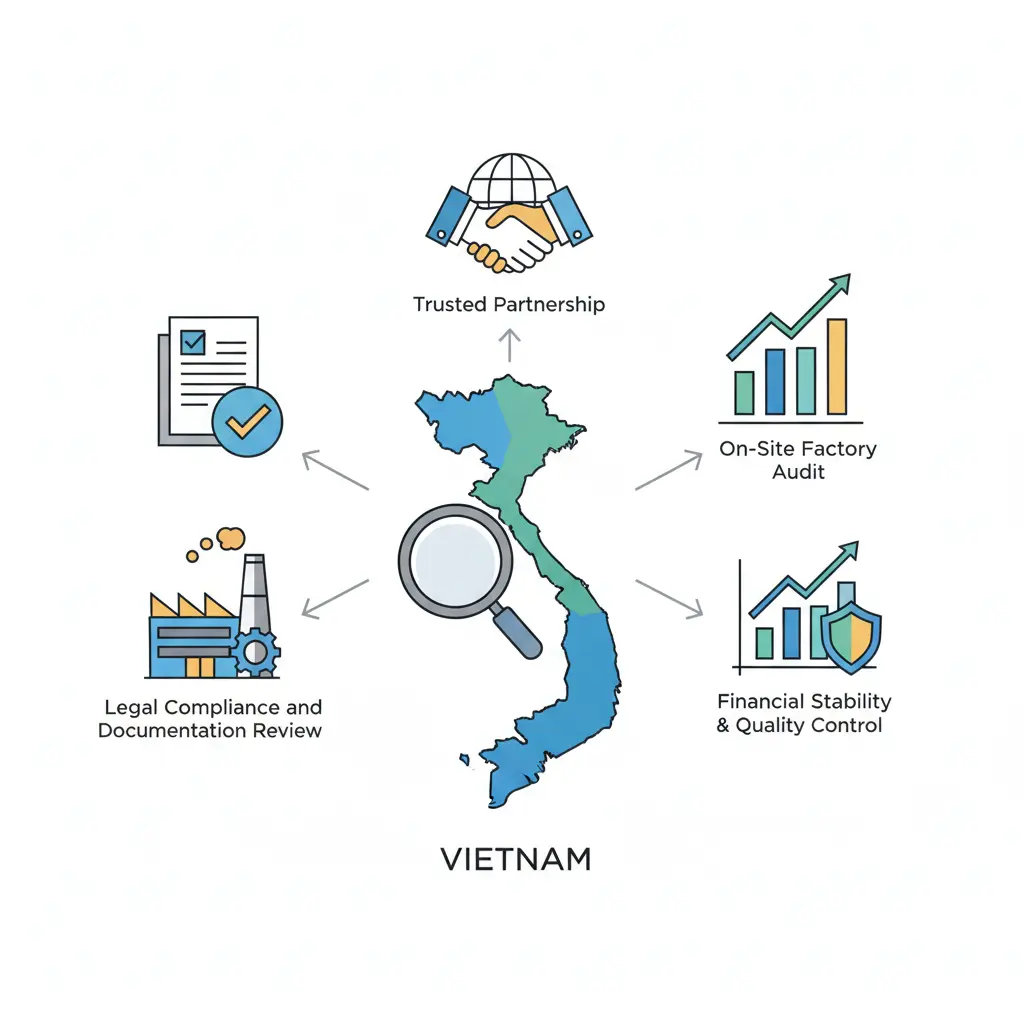
The most direct way to assess a potential supplier’s operations is through on-site audits and factory visits. These inspections offer an invaluable firsthand look into a factory’s working conditions, production processes, and adherence to ethical standards. For Hanoi Sustainable Sourcing, this step is non-negotiable. Protocols for such visits should be comprehensive, covering critical areas like worker safety, fair wages, working hours, child labor prevention, and environmental management systems. Auditors should examine production lines, storage facilities, and waste disposal methods. Furthermore, interviewing employees (confidentially, where appropriate) can provide deeper insights into the workplace culture and actual practices. It’s often beneficial to conduct both announced and unannounced visits to gain a more accurate picture, ensuring ongoing compliance rather than just a ‘showcase’ performance. Thorough documentation, including photos and detailed reports, is essential for comparing findings against your company’s code of conduct and international labor standards. This direct engagement is key to identifying genuine Hanoi Ethical Manufacturers.
2. Third-Party Verification Services and Reports
While internal audits are vital, complementing them with third-party verification services adds an indispensable layer of objectivity and specialized expertise. Independent auditing firms, often accredited by international bodies, can provide impartial assessments that might be challenging for internal teams to conduct. These services encompass a range of reports, including social compliance audits (e.g., SA8000, BSCI, SEDEX), environmental impact assessments, and quality management system certifications (e.g., ISO 9001, ISO 14001). Leveraging a reputable Vietnam B2B Sourcing Platform can sometimes provide access to profiles of suppliers that have already undergone such verifications, streamlining your initial due diligence. These reports offer a standardized framework for evaluating a supplier’s commitment to ethical labor practices and environmental stewardship, crucial for any business focused on Hanoi Sustainable Sourcing. They provide an unbiased perspective, mitigating potential conflicts of interest and enhancing the credibility of your supplier selection process. Ensure the chosen third-party adheres to recognized international auditing standards.
3. Legal and Compliance Checks for International Trade
Beyond ethical and environmental considerations, a robust supplier verification process must rigorously examine legal and compliance aspects relevant to international trade. This involves a thorough review of the potential supplier’s business registration, necessary operating licenses, and adherence to local Vietnamese laws and international regulations. Key checks include verifying their import and export licenses, ensuring compliance with intellectual property rights, and scrutinizing their tax compliance records. Understanding the legal framework governing their operations is critical to avoid future legal disputes, customs delays, or regulatory penalties. For companies utilizing a Hanoi Import Export Directory, this step is paramount after initial identification. It’s also vital to confirm that the supplier complies with specific industry standards and product safety regulations applicable to your target markets. Consulting legal experts specializing in Vietnamese business law and international trade can provide invaluable support in this complex area. This comprehensive “Vietnam Supplier Verification” ensures that your supply chain is not only ethical and sustainable but also legally sound and resilient to geopolitical and regulatory changes. Adherence to internationally recognized standards, such as those promoted by amfori BSCI, further solidifies a supplier’s commitment to global best practices in ethical sourcing and compliance.
Partner with Vietnam’s Leading Suppliers
Looking for reliable suppliers in Vietnam? Contact VietnamSuppliers.com today to connect with verified manufacturers and exporters across all industries.
—————————————
References
– PwC Global Consumer Insights Survey: https://www.pwc.com/gx/en/industries/consumer-markets/consumer-insights-survey.html
– Social Accountability International: https://sa-intl.org/programs/sa8000/
– :
– Vietnam Country Commercial Guide: https://www.trade.gov/country-commercial-guides/vietnam
– amfori BSCI: https://www.amfori.org/content/amfori-bsci

