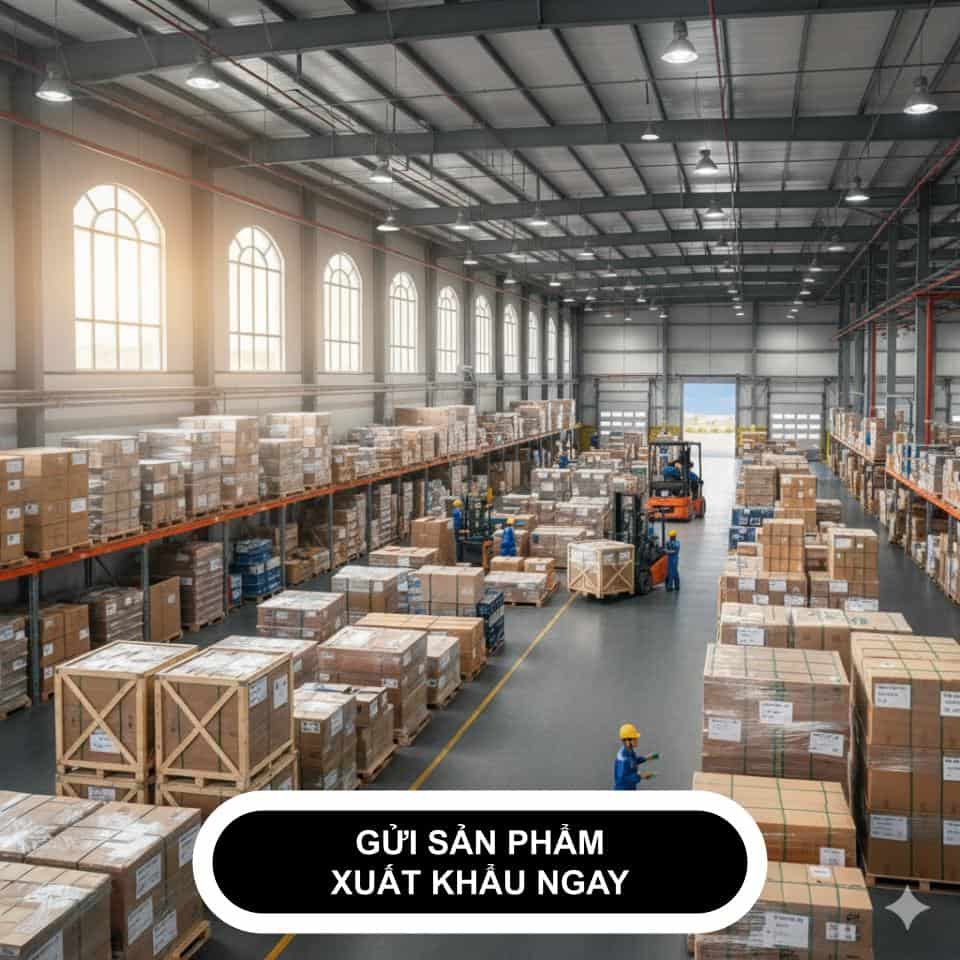
The Evolving Landscape of Global Supply Chain Trends 2024-2025
The global supply chain environment is undergoing a transformative period, marked by unprecedented complexity and dynamic shifts. As businesses navigate 2024 and look towards 2025, understanding these major shifts and overarching themes is crucial for strategic planning and maintaining competitiveness. The past few years have highlighted the vulnerabilities inherent in extended supply networks, pushing resilience and adaptability to the forefront of corporate agendas. This introduction sets the stage for a deeper exploration into the critical Global Supply Chain Trends 2024 that are redefining how goods are sourced, manufactured, and delivered across the world. From geopolitical realignments to technological breakthroughs and growing sustainability imperatives, the landscape demands proactive engagement and innovative strategies.

The imperative for robust and resilient supply chain strategies has never been clearer. Companies are re-evaluating their sourcing models, investing in advanced technologies, and grappling with the dual pressures of economic efficiency and environmental responsibility. These fundamental changes influence every facet of the supply chain, from raw material procurement to last-mile delivery. Key themes include the reshaping of international B2B sourcing, the evolving industrial manufacturing outlook, and the emergence of new export market opportunities. A proactive approach to these evolving trends will be essential for businesses aiming to thrive in this new era.
1. Geopolitical impacts on international trade and sourcing
Geopolitical tensions continue to be a dominant force, profoundly reshaping global trade routes and influencing decisions regarding international B2B sourcing. The ongoing conflicts, trade disputes, and the rise of protectionist policies have accelerated the trend towards diversification and regionalization. Businesses are increasingly looking beyond single-country dependencies, embracing “friend-shoring” or “near-shoring” strategies to mitigate risks associated with distant and politically unstable regions. This shift impacts the industrial manufacturing outlook, as companies seek to establish production hubs closer to end markets or within geopolitically aligned nations. Navigating complex tariff landscapes and understanding evolving trade agreements are now critical competencies. The emphasis is on building truly resilient supply chain strategies that can absorb shocks and maintain continuity, even amidst unpredictable global events. These geopolitical realignments are also creating new export market opportunities in emerging regional blocs, challenging traditional trade paradigms.
2. Technological integration and digitalization across the supply chain
The rapid advancement and integration of technology are revolutionizing supply chain operations, driving efficiency, transparency, and responsiveness. Digitalization is no longer an option but a necessity for businesses aiming to stay competitive. Key innovations include Artificial intelligence (AI) and machine learning for predictive analytics, optimizing inventory management, demand forecasting, and route planning. The Internet of Things (IoT) provides real-time visibility into goods in transit, warehouse conditions, and equipment performance, enhancing operational control. Blockchain technology is gaining traction for ensuring traceability, authenticity, and security across complex supply networks, particularly crucial for high-value goods and ethical sourcing. Automation, from robotic process automation (RPA) in administration to autonomous vehicles and drones in logistics, is streamlining processes and reducing human error. This technological leap significantly impacts the industrial manufacturing outlook, enabling smarter factories and more agile production lines. Companies leveraging these tools are better positioned to respond to market fluctuations and build more robust, resilient supply chain strategies.
3. Sustainability mandates and ESG pressures shaping logistics
Sustainability has moved from a peripheral concern to a core strategic imperative for global supply chains. Increasing regulatory pressures, consumer demand for ethically produced goods, and investor scrutiny via Environmental, Social, and Governance (ESG) criteria are driving significant changes in logistics and sourcing practices. Companies are focusing on reducing their carbon footprint, optimizing transportation routes, and investing in greener last-mile delivery solutions. The adoption of circular economy principles, aimed at minimizing waste and maximizing resource utilization, is influencing product design and reverse logistics. Ethical sourcing practices, ensuring fair labor conditions and responsible resource extraction, are becoming non-negotiable for international B2B sourcing. Businesses are also implementing more stringent supplier due diligence to comply with anti-slavery and human rights legislation. The commitment to ESG factors is not just about compliance; it’s about enhancing brand reputation, attracting responsible investment, and future-proofing operations. These sustainability mandates are fundamentally altering the industrial manufacturing outlook, pushing for greener production methods and supply chain transparency, reinforcing the need for adaptive and Global Supply Chain Trends 2024 strategies that consider long-term environmental and social impacts.
Navigating International B2B Sourcing and Procurement
In an increasingly interconnected yet volatile global economy, optimizing international B2B sourcing and procurement is paramount for businesses striving for efficiency and resilience. The landscape for cross-border procurement is continuously reshaped by geopolitical shifts, technological advancements, and evolving consumer demands, making it crucial for organizations to adapt their strategies. Understanding the critical Global Supply Chain Trends 2024 is not just advantageous but essential for sustained competitive advantage, particularly in industrial manufacturing and for identifying new export market opportunities.
1. Diversification of Supplier Networks and Nearshoring Strategies
The days of relying on a single, distant supplier for critical components are rapidly waning. Businesses are actively pursuing robust resilient supply chain strategies by diversifying their supplier networks across multiple geographies. This approach minimizes exposure to localized disruptions, whether from natural disasters, political instability, or economic downturns. Nearshoring, or even friend-shoring, has emerged as a key tactic within this diversification strategy. Moving production or sourcing closer to end markets or to politically aligned countries offers several compelling benefits:
- Reduced Lead Times: Shorter distances mean quicker delivery, enhancing responsiveness to market changes and improving inventory management.
- Lower Shipping Costs and Carbon Footprint: Decreased transportation needs translate to cost savings and better environmental performance.
- Improved Oversight and Quality Control: Proximity allows for more frequent visits and direct engagement with suppliers, ensuring higher product quality and adherence to ethical standards.
- Enhanced Collaboration: Geographic and cultural closeness can foster stronger, more collaborative relationships with suppliers, leading to innovation and problem-solving.
This strategic shift supports an agile approach to international B2B sourcing, protecting against single points of failure and building a more robust operational backbone.
2. Risk Assessment and Mitigation in Global Procurement
The complex nature of global procurement necessitates sophisticated risk assessment and mitigation frameworks. Beyond traditional market and credit risks, today’s procurement leaders must contend with a broader spectrum of challenges, including geopolitical tensions, cyber threats, and regulatory changes. A proactive approach involves:
- Comprehensive Due Diligence: Thoroughly vetting potential suppliers for financial stability, ethical practices, and compliance with international regulations.
- Scenario Planning: Developing contingency plans for various disruption scenarios, from port closures to raw material shortages. Understanding the broader industrial manufacturing outlook helps anticipate sector-specific vulnerabilities.
- Contractual Safeguards: Incorporating clauses related to force majeure, alternative sourcing arrangements, and clear dispute resolution mechanisms into supplier agreements.
- Supply Chain Mapping: Gaining end-to-end visibility of the supply chain, identifying all tiers of suppliers and potential bottlenecks. This comprehensive understanding is crucial for anticipating and managing risks effectively, as highlighted by resources like the World Economic Forum’s insights on reinventing supply chains for resilience.
Effective risk management transforms potential threats into opportunities for strengthening supply chain resilience and improving overall operational security.
3. Leveraging Data Analytics for Smarter B2B Sourcing Decisions
In the digital age, data is the ultimate enabler for optimizing international B2B sourcing. Leveraging advanced data analytics provides unparalleled insights, transforming reactive procurement into a proactive, strategic function. Key applications include:
- Supplier Performance Management: Tracking key metrics such as on-time delivery, quality, and compliance to identify top performers and areas for improvement.
- Demand Forecasting: Utilizing predictive analytics to anticipate future demand patterns, optimizing inventory levels, and preventing stockouts or overstocking. This is especially vital for navigating fluctuating export market opportunities.
- Cost Optimization: Identifying opportunities for cost savings through spend analysis, negotiation leverage, and identifying alternative, more cost-effective suppliers.
- Market Intelligence: Gaining real-time insights into commodity prices, geopolitical shifts, and new innovations, allowing for agile adjustments to sourcing strategies.
By transforming raw data into actionable intelligence, businesses can make more informed, strategic decisions, leading to greater efficiency, reduced costs, and enhanced competitive positioning in the global market. Embracing these analytical capabilities is no longer an option but a necessity for thriving in the modern international procurement landscape.
Industrial Manufacturing Outlook: Innovation and Adaptation
The industrial manufacturing sector is currently navigating an unprecedented era of change, driven by evolving consumer demands, rapid technological advancements, and persistent supply chain vulnerabilities. As industries worldwide contend with geopolitical shifts, economic uncertainties, and the imperative for sustainability, the ability to innovate and adapt has become paramount. This section examines how manufacturers are responding to these challenges, highlighting critical trends and charting future directions for a resilient and competitive industrial landscape.

The ongoing transformation calls for strategic investments in cutting-edge technologies and a renewed focus on workforce development to harness emerging Global Supply Chain Trends 2024. From enhancing production efficiency to fostering greater flexibility, the industrial manufacturing outlook is defined by a commitment to innovation as the cornerstone of future success.
1. Adoption of Industry 4.0 technologies (AI, IoT, automation) in manufacturing
The Fourth Industrial Revolution, or Industry 4.0, is fundamentally reshaping industrial manufacturing. At its core, Industry 4.0 integrates advanced digital technologies into physical production and operations. Artificial Intelligence (AI) is being deployed for predictive maintenance, optimizing machine performance, and automating quality control, significantly reducing downtime and waste. The Internet of Things (IoT) connects machines, sensors, and systems, enabling real-time data collection and analysis. This pervasive connectivity provides manufacturers with unprecedented visibility into their operations, facilitating data-driven decision-making and continuous process improvement. Automation, encompassing robotics and advanced automated systems, is boosting production speed, precision, and safety, especially in repetitive or hazardous tasks. These technologies collectively create “smart factories” where production lines are highly interconnected, self-optimizing, and responsive. This integration not only enhances operational efficiency but also unlocks new possibilities for product customization and faster time-to-market, critical for maintaining competitiveness in modern industrial manufacturing.
2. Agile manufacturing and production flexibility for demand shifts
In an increasingly volatile global market, the ability to quickly adapt to fluctuations in demand, supply chain disruptions, and changing customer preferences is crucial. Agile manufacturing represents a paradigm shift from rigid, mass production models to more flexible and responsive systems. This approach emphasizes modular production units, reconfigurable assembly lines, and cross-functional teams capable of rapid prototyping and iterative improvements. By embracing agility, manufacturers can scale production up or down with greater ease, pivot to new product lines, and quickly incorporate feedback. This flexibility is vital for navigating the unpredictability of global markets and ensuring business continuity in the face of unforeseen events, such as raw material shortages or sudden demand spikes. Implementing agile strategies also supports better Resilient supply chain strategies by reducing reliance on single points of failure and enabling quicker recovery. Such adaptability is becoming a key differentiator, empowering companies to capitalize on new Export market opportunities and manage risk more effectively.
3. Workforce skill gaps and development for a modern industrial outlook
The technological evolution of industrial manufacturing presents a significant challenge: the widening gap between existing workforce skills and the demands of modern smart factories. As AI, IoT, and automation become standard, the need for employees proficient in digital literacy, data analytics, robotics programming, and advanced troubleshooting escalates. Traditional manufacturing roles are evolving, requiring a blend of technical expertise, problem-solving abilities, and adaptability. Addressing these workforce skill gaps is critical for realizing the full potential of Industry 4.0 investments. Manufacturers are increasingly investing in upskilling and reskilling programs, often in collaboration with educational institutions and technology providers. These initiatives aim to equip the current workforce with the necessary digital competencies while attracting new talent with STEM backgrounds. A proactive approach to workforce development is essential for building a competent and engaged labor force, ensuring a sustainable and innovative industrial manufacturing outlook that can effectively leverage new technologies and maintain global competitiveness.
In conclusion, the industrial manufacturing sector is at a pivotal juncture, demanding continuous innovation and profound adaptation. The embrace of Industry 4.0 technologies, the shift towards agile production methodologies, and a strategic focus on workforce development are not merely options but necessities for future success. As the world becomes more interconnected and unpredictable, those manufacturers that proactively invest in these areas will be best positioned to thrive, seize new International B2B sourcing opportunities, and drive sustainable growth in a rapidly changing global landscape.
Unlocking New Export Market Opportunities
The year 2024 marks a pivotal period for businesses aiming to broaden their horizons beyond domestic borders. As global economic landscapes shift and consumer behaviors evolve, identifying and capitalizing on new export avenues is paramount for sustainable growth. Understanding the prevailing Global Supply Chain Trends 2024 is crucial, offering insights into logistical efficiencies, emerging production hubs, and shifting demand patterns that underpin successful market entry. Businesses must adopt proactive strategies to expand their global reach, moving beyond traditional markets to tap into dynamic new territories. This involves a keen analysis of international trade agreements, technological advancements in logistics, and the granular specifics of consumer trends in diverse regions, ultimately leading to significant Export market opportunities.
1. Growth regions and emerging economies for export expansion
The search for new export markets naturally leads to regions exhibiting robust economic growth and an expanding middle class. Southeast Asia, with its burgeoning economies like Vietnam, Indonesia, and the Philippines, continues to be a hotbed for International B2B sourcing and consumer goods. Favorable demographics, increasing disposable incomes, and proactive government policies supporting trade make these nations attractive. Similarly, parts of Latin America, particularly Mexico and Brazil, show renewed potential driven by nearshoring trends and strengthened trade ties with North America. Africa, often overlooked, presents a long-term strategic play, with countries like Nigeria, South Africa, and Egypt demonstrating significant, albeit diverse, growth prospects across various sectors. The International Monetary Fund’s World Economic Outlook April 2024 highlights these regions’ varying recovery and growth trajectories, emphasizing the need for tailored market entry strategies. For the Industrial manufacturing outlook, these regions also offer opportunities not just as end markets, but as potential production hubs, leveraging lower operational costs and strategic geographical positions. Businesses should closely monitor regional trade blocs like ASEAN, Mercosur, and the African Continental Free Trade Area (AfCFTA), as these agreements significantly reduce barriers and streamline market access for member and partner nations.
2. E-commerce and direct-to-consumer strategies for global reach
The digital revolution has profoundly reshaped the landscape of international trade, making direct-to-consumer (DTC) and e-commerce models viable pathways for global expansion. Businesses, regardless of size, can now reach consumers in virtually any corner of the world without the traditional complexities of physical storefronts or extensive distributor networks. This strategy demands robust digital marketing capabilities, localized website experiences, and efficient international shipping solutions. Platforms like Alibaba, Amazon Global Selling, and regional equivalents offer existing infrastructures for businesses to tap into global consumer bases. However, success hinges on understanding local payment methods, language nuances, and cultural preferences. A critical component of this strategy is a resilient supply chain that can handle varying order volumes, diverse shipping routes, and last-mile delivery challenges across different countries. Leveraging technology for inventory management, order fulfillment, and tracking becomes indispensable in ensuring a seamless customer experience and capitalizing on global e-commerce trends.
3. Compliance and evolving regulatory landscapes in export markets
Navigating the complex and ever-changing regulatory environment is perhaps one of the most significant challenges in international trade. Each export market has its own set of rules governing product standards, labeling requirements, import duties, customs procedures, intellectual property protection, and data privacy. Businesses must conduct thorough due diligence to ensure full compliance, as failure to do so can result in hefty fines, goods impoundment, reputational damage, and even legal action. For instance, the European Union’s GDPR or California’s CCPA significantly impact how businesses handle customer data globally. Staying abreast of evolving trade agreements, tariffs, and non-tariff barriers is essential for maintaining competitive pricing and market access. Developing Resilient supply chain strategies involves not only managing logistics but also building flexibility to adapt to new regulations or geopolitical shifts that might impact trade flows. This often requires engaging with local legal experts, customs brokers, and trade consultants to ensure that products meet all necessary certifications and that business practices align with local laws. Proactive monitoring of geopolitical developments and trade policy changes is crucial for mitigating risks and sustaining long-term export success.
Conclusion
Unlocking new export market opportunities in 2024 requires a multifaceted approach, combining strategic market identification, digital innovation, and meticulous regulatory compliance. By focusing on high-growth regions, embracing e-commerce, and diligently navigating diverse regulatory landscapes, businesses can not only expand their global footprint but also build more resilient and diversified revenue streams. The dynamic interplay of trade agreements, technological advancements, and evolving consumer trends will continue to shape the global marketplace, rewarding those who are prepared to adapt and innovate.
Building Resilient Supply Chain Strategies for Future Shocks
In an increasingly unpredictable global landscape, businesses face a constant barrage of potential disruptions, from geopolitical shifts and trade wars to natural disasters and pandemics. The year Global Supply Chain Trends 2024 highlight an urgent need for organizations to move beyond reactive measures and embrace proactive planning to fortify their operations. This section provides actionable insights and frameworks designed to help businesses enhance their resilient supply chain strategies against unforeseen disruptions, ensuring continuity, adaptability, and long-term sustainability. Emphasizing foresight and flexibility, these approaches aim to build supply chains capable of withstanding future shocks and emerging stronger.

1. Data analytics and predictive intelligence for risk management
The foundation of a truly resilient supply chain lies in its ability to anticipate and respond to potential threats before they escalate. Data analytics and predictive intelligence are paramount in achieving this proactive stance. By leveraging advanced analytics, artificial intelligence (AI), and machine learning (ML), businesses can gain real-time visibility across their entire supply network, from raw material suppliers to end-customer delivery. This involves integrating data from diverse sources – weather patterns, geopolitical stability indices, economic indicators, supplier performance metrics, and logistics data – to create early warning systems. Predictive models can identify potential bottlenecks, forecast demand fluctuations, and assess the impact of various disruption scenarios. For instance, analyzing historical data on disruptions like port congestion or raw material shortages can help build predictive models that alert companies to similar emerging patterns, enabling them to reroute shipments or secure alternative sources preemptively. Investing in robust data infrastructure and skilled data scientists is no longer a luxury but a necessity for robust risk identification and mitigation strategies in Global Supply Chain Trends 2024.
2. Inventory optimization and strategic buffer strategies
While lean principles advocate for minimal inventory, an overzealous pursuit can leave supply chains vulnerable during disruptions. The key is intelligent inventory optimization, balancing efficiency with resilience. Strategic buffer strategies involve more than just holding extra stock; they require a nuanced approach to where, when, and what type of inventory to hold. This includes implementing multi-echelon inventory planning, where buffer stock is strategically positioned at various points across the supply chain – at component suppliers, manufacturing hubs, and distribution centers. For businesses engaged in International B2B sourcing, regionalizing inventory hubs can significantly reduce lead times and exposure to single-point failures in global transit. Postponement strategies, where product customization is delayed until closer to the point of sale, also reduce the need for large inventories of finished goods. Furthermore, diversifying inventory locations and utilizing both in-house and third-party logistics (3PL) providers for warehousing adds another layer of security, safeguarding against localized disruptions. The goal is to ensure critical components and products remain accessible even when primary supply routes are compromised, a vital consideration for the Industrial manufacturing outlook.
3. Collaborative partnerships and ecosystem approaches to resilience
No single company can achieve true supply chain resilience in isolation. Building robust, collaborative partnerships throughout the entire ecosystem is fundamental. This means moving beyond transactional relationships with suppliers and fostering long-term, mutually beneficial alliances based on transparency and shared risk. Multi-sourcing strategies, where critical components or services are procured from several qualified suppliers, reduce dependency on any one vendor. Furthermore, mapping the entire extended supply network, including tier-2 and tier-3 suppliers, is crucial to identify hidden vulnerabilities. Companies should actively engage with their suppliers on contingency planning, share market intelligence, and even invest in their partners’ resilience capabilities. Beyond direct suppliers, collaborating with competitors, industry associations, and government bodies can lead to shared infrastructure, knowledge pooling, and coordinated responses during widespread crises. For instance, sharing logistics capacity during a regional disruption or jointly investing in new technologies can create a collective resilience that benefits all participants. This ecosystem approach is particularly pertinent for businesses exploring Export market opportunities, where understanding and engaging with local partners and regulations is key to navigating complex global trade environments. Such strategic alliances are integral to building a truly adaptive and resilient supply chain capable of navigating the complexities highlighted in the Global Supply Chain Trends 2024.
Partner with Vietnam’s Leading Suppliers
Looking for reliable suppliers in Vietnam? Contact VietnamSuppliers.com today to connect with verified manufacturers and exporters across all industries.
—————————————
References
– McKinsey & Company: Global supply chains in 2024: Four trends to watch: https://www.mckinsey.com/capabilities/operations/our-insights/global-supply-chains-in-2024-four-trends-to-watch
– Reinventing Supply Chains for Resilience | World Economic Forum: https://www.weforum.org/agenda/2023/01/reinventing-supply-chains-resilience/
– McKinsey & Company – Industry 4.0: Reimagining Manufacturing Operations: https://www.mckinsey.com/capabilities/operations/our-insights/industry-40-reimagining-manufacturing-operations
– International Monetary Fund’s World Economic Outlook April 2024: https://www.imf.org/en/Publications/WEO/Issues/2024/04/16/world-economic-outlook-april-2024
– proactive planning: https://www.weforum.org/agenda/2023/12/supply-chain-resilience-strategies-global-economy/