The Imperative of Sustainable Export Packaging
In today’s interconnected global economy, the movement of goods across borders is a fundamental driver of commerce. However, this relentless flow also carries a significant environmental footprint, particularly concerning packaging waste. For businesses engaged in international trade, Sustainable Export Packaging Solutions are no longer a niche preference but a critical component for long-term viability and success. This section explores why eco-friendly packaging has become an absolute necessity, driven by evolving regulations, consumer expectations, and tangible business benefits, making it an indispensable strategy for any company looking to thrive in the global marketplace.

1. Meeting Global Environmental Standards
The regulatory landscape for product packaging is undergoing a profound transformation worldwide. Governments and international bodies are increasingly implementing stringent environmental standards aimed at reducing waste, promoting recyclability, and minimizing carbon emissions across supply chains. Regions like the European Union, with its ambitious Green Deal, are at the forefront, introducing directives such as the Packaging and Packaging Waste Regulation (PPWR), which sets targets for recycled content, reuse, and restricts certain non-recyclable materials. Similarly, countries across North America and Asia are adopting Extended Producer Responsibility (EPR) schemes, holding manufacturers accountable for the entire lifecycle of their packaging. Failing to comply with these evolving regulations can result in hefty fines, border rejections, and significant logistical hurdles, severely disrupting international trade operations. Businesses must proactively adopt circular economy principles and invest in packaging that meets diverse global requirements, often requiring innovative Custom packaging for international shipping designed for both protection and environmental compliance.
2. Responding to Consumer Demand for Green Products
Beyond regulatory pressures, a powerful shift in consumer sentiment is compelling businesses towards sustainability. Modern consumers, particularly younger generations, are more environmentally conscious than ever before. They actively seek out brands that demonstrate a genuine commitment to sustainability, and this preference extends directly to product packaging. Studies consistently show that a significant percentage of consumers are willing to pay more for eco-friendly products and will actively boycott brands perceived as environmentally irresponsible. Packaging is often the first tangible interaction a consumer has with a product, making it a critical touchpoint for conveying a brand’s values. Leveraging sustainable materials, minimalist designs, and clear messaging about recyclability or compostability can significantly enhance Brand differentiation through packaging design. For businesses sourcing from regions like Vietnam, partnering with Eco-friendly packaging suppliers Vietnam can provide a competitive edge, allowing them to meet this growing demand while also supporting local sustainable practices.
3. The Long-Term Business Benefits of Sustainability
While the initial investment in sustainable packaging might seem daunting, the long-term strategic advantages far outweigh the costs. Adopting Sustainable Export Packaging Solutions can lead to substantial operational efficiencies and cost savings. Lighter, more compact packaging materials reduce shipping weights and volumes, leading to lower freight costs and a smaller carbon footprint during transportation. Innovations in material science also offer robust, protective alternatives that minimize product damage, further reducing waste and replacement costs. Moreover, a strong commitment to sustainability enhances a company’s brand reputation, fostering greater consumer loyalty and opening doors to new markets and partnerships. It also attracts top talent, as employees increasingly prefer to work for purpose-driven organizations. From a risk management perspective, proactive adoption of sustainable practices mitigates future regulatory risks and helps companies adapt to evolving market demands. Finally, by Optimizing logistics with protective packaging that is also sustainable, businesses can streamline their entire supply chain, reduce waste, and build a resilient, future-proof operation.
Custom Solutions for International Shipping Success
In the intricate world of global trade, the journey from manufacturer to consumer is fraught with potential challenges. Products face varying climates, handling, and regulatory environments, all of which can compromise their integrity. This is precisely where custom packaging for international shipping emerges as a critical differentiator. Beyond merely containing a product, tailor-made solutions offer robust protection, significantly reduce waste, and intelligently optimize cargo space, translating directly into enhanced profitability and customer satisfaction. By moving beyond generic, one-size-for-all approaches, businesses safeguard investments, ensure products arrive pristine, and streamline their entire export operation.
1. Designing for Diverse Products and Destinations
Effective international shipping begins with a deep understanding of the product itself and its intended journey. Custom packaging designers meticulously consider a product’s fragility, weight, dimensions, and material composition. For delicate electronics, this might involve multi-layered cushioning and anti-static materials; for liquids, leak-proof containers with robust sealing mechanisms are paramount; and for bulky industrial components, custom pallets and robust bracing systems are essential.
Furthermore, the destination dictates specific requirements. Humidity in Southeast Asia demands moisture-resistant solutions, while extreme cold in northern regions necessitates materials that maintain their integrity at low temperatures. Regulatory compliance, such as phytosanitary requirements for wood packaging materials (ISPM 15) or specific labeling standards, must also be incorporated from the outset. Strategic brand differentiation through packaging design can also play a pivotal role here. A well-designed, custom package not only protects but also reinforces brand identity upon arrival, creating a memorable unboxing experience that sets a company apart in competitive global markets. This meticulous design process ensures that every aspect of the package is optimized for both product safety and market appeal across diverse global landscapes.
2. Material Selection for Optimal Protection and Sustainability
The choice of packaging materials is a cornerstone of Sustainable Export Packaging Solutions. It’s a delicate balance between providing unparalleled protection and adhering to environmental stewardship. High-performance corrugated cardboard, for instance, offers excellent structural integrity and cushioning, often made from recycled content and being fully recyclable itself. For products requiring enhanced shock absorption, molded pulp, air cushions, or foam inserts (some now bio-based) are selected based on impact resistance needs. Moisture-sensitive goods benefit from desiccant packs, barrier films, or specialized coatings that prevent water ingress and condensation.
Sustainability is no longer an option but a necessity. Businesses are increasingly seeking materials that minimize environmental impact – from sourcing to disposal. This includes biodegradable plastics, compostable pouches, or innovative materials derived from agricultural waste. For companies looking for responsible sourcing, partnering with Eco-friendly packaging suppliers Vietnam can provide access to a burgeoning market of sustainable options, from bamboo packaging to recycled content solutions, all while maintaining international quality standards. These partnerships not only reduce ecological footprints but can also enhance a brand’s image as a responsible global citizen. The careful selection of materials ensures both the safety of the product and the health of the planet.
3. Impact on Freight Costs and Damage Reduction
One of the most tangible benefits of custom packaging for international shipping lies in its direct impact on a company’s bottom line. Generic packaging often leads to wasted space within shipping containers or pallets, forcing businesses to pay for “air” and thus inflating freight costs. Custom solutions, however, are designed to perfectly fit the product, optimizing every cubic inch of cargo space. This precise fit allows for more units per shipment, significantly reducing per-unit transportation expenses and contributing to optimizing logistics with protective packaging.
Moreover, superior protection directly translates into a drastic reduction in damage rates. Products that arrive broken or compromised incur substantial costs, including replacement manufacturing, return shipping, administrative processing, and potential loss of customer loyalty. The financial implications of a single damaged shipment can quickly erase profit margins. By investing in packaging engineered to withstand the rigors of international transit – vibration, impact, compression, and environmental shifts – businesses minimize these costly occurrences. The initial investment in custom packaging is often quickly recouped through lower freight charges, fewer insurance claims, and a substantial decrease in product returns, ultimately bolstering overall operational efficiency and profitability. Adhering to internationally recognized standards, such as those set by organizations like the International Safe Transit Association (ISTA), ensures packaging is rigorously tested to prevent damage and uphold product integrity throughout the supply chain.
Brand Differentiation Through Packaging Design
In today’s competitive global marketplace, product quality alone is often insufficient to capture and retain consumer loyalty. Brands must distinguish themselves, and one of the most powerful yet often overlooked avenues for differentiation is packaging design. Beyond mere protection, packaging serves as a silent ambassador, communicating brand values, quality, and commitment before the product is even seen. For businesses engaging in international trade, thoughtful, eco-conscious packaging elevates brand identity, creates a memorable unboxing experience, and significantly impacts customer perception, particularly when aiming for Sustainable Export Packaging Solutions. It’s a strategic investment that reflects a brand’s dedication to both its product and the planet, resonating deeply with an increasingly environmentally aware global consumer base.
1. Telling Your Brand’s Story Through Sustainable Materials
The materials chosen for your packaging speak volumes about your brand’s ethos. In an era where consumers are scrutinizing corporate responsibility more than ever, opting for sustainable materials is not just a trend; it’s a fundamental expectation. Utilizing recycled content, biodegradable plastics, compostable papers, or innovative alternatives like mushroom or seaweed packaging tells a compelling story of environmental stewardship. This approach demonstrates a proactive commitment to reducing ecological footprint, appealing directly to the values of eco-conscious international consumers. For instance, a brand using unbleached, recycled cardboard with soy-based inks immediately conveys authenticity and a dedication to sustainability, differentiating itself from competitors relying on conventional, single-use plastics. This material choice is a tangible manifestation of your brand’s narrative, fostering trust and connection with a global audience that increasingly prioritizes ethical consumption. It’s about crafting an identity that extends beyond the product itself, cementing your brand’s place as a responsible and forward-thinking entity.
2. Creating a Memorable and Eco-Friendly Unboxing Experience
The unboxing experience has evolved into a critical touchpoint in the customer journey, especially for e-commerce and international shipments. It’s the first physical interaction a customer has with your brand after purchase, and a well-designed, eco-friendly package can transform this moment into a delight. Custom packaging for international shipping allows brands to infuse their unique personality into every parcel. Imagine a sturdy yet elegant box made from recycled content, secured with water-activated tape, and featuring minimalistic, branded interior tissue paper. Such details, while seemingly small, contribute immensely to a premium feel without generating excessive waste. The goal is to create anticipation and satisfaction while maintaining an environmental conscience. This doesn’t mean sacrificing protection or aesthetics; rather, it encourages innovative design that optimizes both. A beautifully designed, durable package not only safeguards the product during its journey across continents but also reinforces your Brand differentiation through packaging design. It’s about creating an emotional connection that lingers long after the product has been unwrapped, turning a simple delivery into an experience worth sharing, further amplified by the visual appeal.
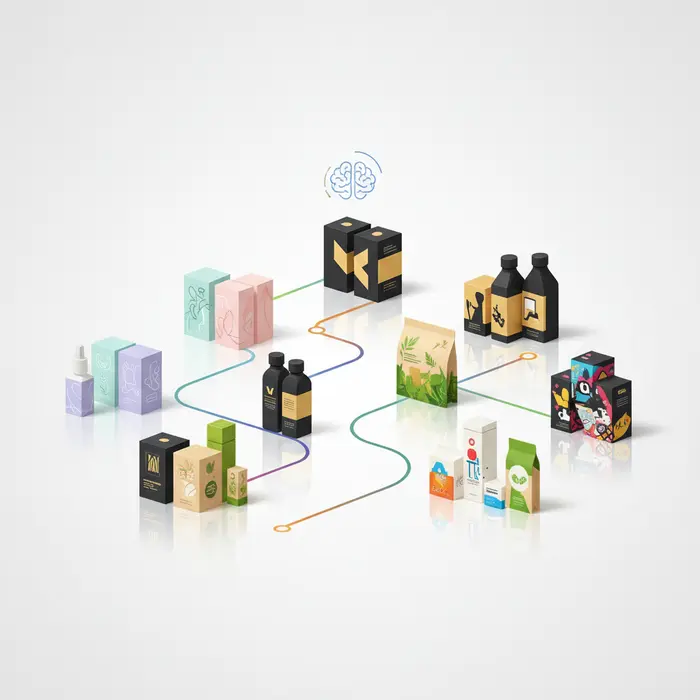
3. Visual Appeal and Customer Perception in International Markets
Beyond material and unboxing, the visual appeal of your packaging plays an undeniable role in shaping customer perception in diverse international markets. Design elements such as color, typography, imagery, and structural form must be carefully considered to resonate culturally while maintaining universal appeal. A sleek, minimalist design might convey sophistication in one market, while vibrant colors and intricate patterns could signify luxury in another. Therefore, understanding target market aesthetics is paramount. Professional and well-designed packaging instills confidence in consumers, suggesting a high-quality product within and a reliable brand behind it. This perception is even more critical when products travel great distances; robust and attractive packaging signals that the brand cares enough to invest in safe and presentable delivery. Furthermore, partnering with Eco-friendly packaging suppliers Vietnam can offer a competitive edge, leveraging expertise in both sustainable practices and international shipping requirements. These suppliers are adept at crafting solutions that not only enhance visual appeal but also prioritize protection, thereby optimizing logistics with protective packaging. By ensuring that your packaging is not only visually striking but also sturdy and environmentally responsible, you elevate your brand’s image, foster trust, and differentiate yourself effectively in the complex landscape of global commerce.
Sourcing Eco-Friendly Packaging Suppliers: A Focus on Vietnam
In an era defined by increasing consumer awareness and stringent environmental regulations, businesses worldwide are prioritizing sustainable practices. Central to this shift is the demand for eco-friendly packaging, which not only minimizes environmental impact but also enhances brand perception. For companies seeking innovative and Sustainable Export Packaging Solutions, Vietnam has emerged as a powerhouse. This Southeast Asian nation offers a unique blend of competitive manufacturing, a rich resource base, and a growing commitment to sustainability, making it an ideal partner for sourcing responsible packaging.
Partnering with eco-friendly packaging suppliers in Vietnam presents numerous advantages. From access to novel sustainable materials to cost-effective production, Vietnamese manufacturers are at the forefront of delivering solutions that meet global standards. This strategic collaboration allows businesses to differentiate their products, streamline logistics, and contribute positively to global sustainability goals.
1. Emerging Trends and Innovations in Vietnamese Packaging
Vietnam’s packaging industry is rapidly evolving, driven by both domestic demand and international export requirements. Suppliers are increasingly investing in research and development to offer a diverse range of sustainable materials and cutting-edge designs. Beyond traditional paperboard and recycled plastics, Vietnamese manufacturers are innovating with materials like bamboo fiber, rice husks, cassava starch, and even mushroom-based packaging, offering truly biodegradable and compostable alternatives. This focus on natural and renewable resources provides unique opportunities for Brand differentiation through packaging design, allowing products to stand out in crowded international markets.
Furthermore, Vietnamese suppliers are adopting advanced manufacturing technologies, including precision printing, automated production lines, and smart packaging solutions. These innovations not only ensure high-quality finishes but also optimize resource utilization, reducing waste and energy consumption throughout the production process. The commitment to innovation positions Vietnam as a leader in providing packaging that is both aesthetically pleasing and environmentally responsible.
2. Navigating Supply Chains for Sustainable Materials
One of the primary challenges in adopting sustainable packaging is securing a reliable and transparent supply chain for eco-friendly materials. Vietnamese Eco-friendly packaging suppliers Vietnam have a distinct advantage in this regard, leveraging the country’s abundant agricultural resources and established material networks. Local sourcing of materials like bamboo, bagasse (sugarcane waste), and various plant fibers reduces transportation emissions and supports local economies, further enhancing the sustainability credentials of the packaging.
Many Vietnamese suppliers are also proactive in obtaining international certifications such as FSC (Forest Stewardship Council) for paper products, biodegradable and compostable certifications (e.g., DIN CERTCO, BPI), and ISO standards for environmental management. These certifications provide crucial assurance regarding the origin and environmental integrity of the materials, helping businesses navigate complex regulatory landscapes. The emphasis on supply chain transparency and verifiable sustainability claims is critical for companies committed to ethical sourcing. For a broader understanding of circular economy principles in packaging, the Ellen MacArthur Foundation offers extensive insights into transforming global value chains: Ellen MacArthur Foundation – Circular Economy for Plastics.
3. Cost-Effectiveness and Quality Assurance
While sustainability is a key driver, cost-effectiveness and quality remain paramount for international trade. Vietnamese packaging suppliers excel in balancing these factors. The country’s competitive labor costs, combined with efficient manufacturing processes and a skilled workforce, translate into highly competitive pricing for sustainable packaging solutions. This allows businesses to invest in eco-friendly options without compromising their bottom line.
Moreover, Vietnamese manufacturers understand the critical importance of quality assurance, especially for Custom packaging for international shipping. They adhere to rigorous quality control protocols throughout the production cycle, from material selection to final inspection. This ensures that the packaging is durable, protective, and meets all specifications required for safe transit and product integrity. The focus on robust and high-performance packaging is vital for Optimizing logistics with protective packaging, minimizing damage during shipping, and ultimately enhancing customer satisfaction. By combining affordability with uncompromised quality, Vietnam offers a compelling proposition for businesses looking to source sustainable packaging globally.
In conclusion, Vietnam is rapidly solidifying its position as a global hub for eco-friendly packaging. Its blend of innovative material development, robust supply chain management, cost-effectiveness, and unwavering commitment to quality makes it an ideal partner for businesses striving for a greener future. Embracing Vietnamese suppliers for your packaging needs is a strategic move towards achieving both environmental responsibility and commercial success.
Optimizing Logistics with Protective & Sustainable Packaging
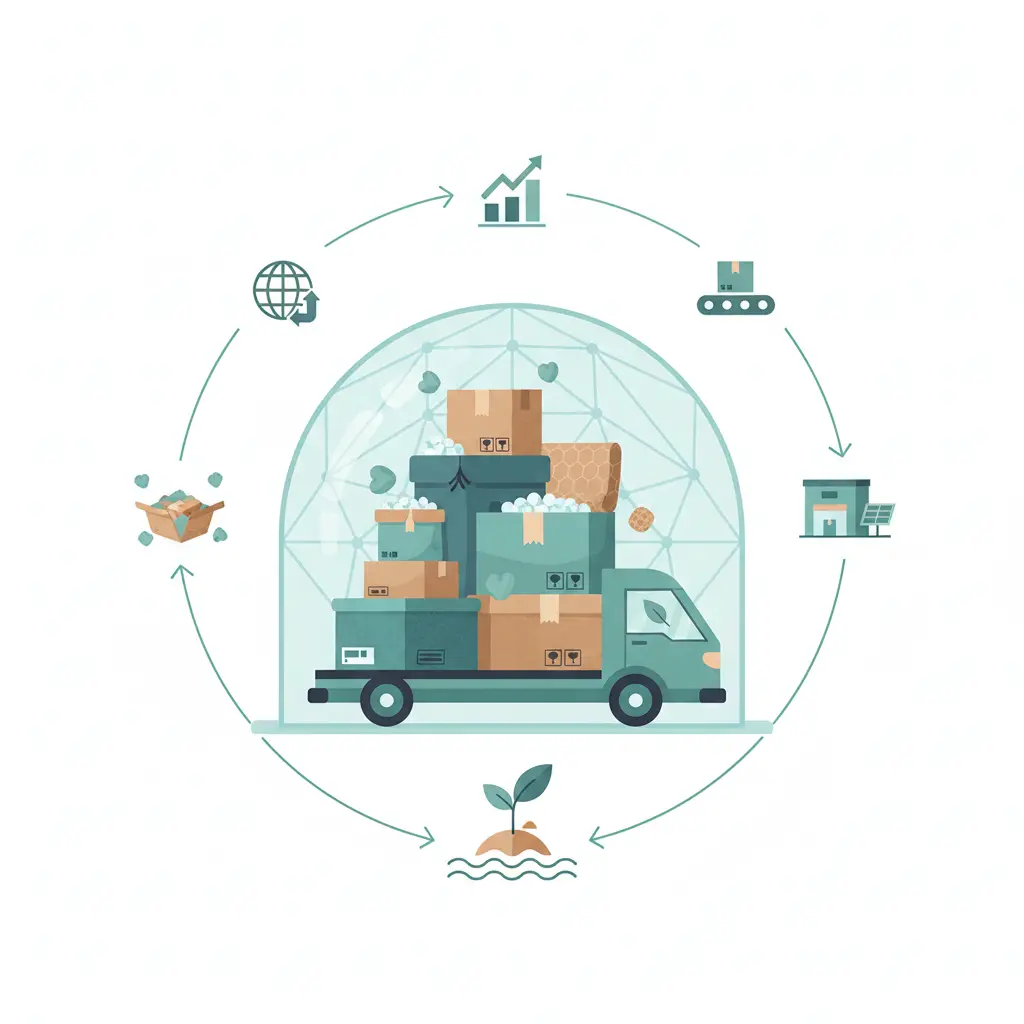
In the dynamic world of global commerce, efficient logistics are the backbone of successful operations. However, efficiency isn’t just about speed; it’s also about safeguarding products and minimizing environmental impact. Choosing the right protective packaging is not merely a defensive measure against damage; it’s a strategic imperative that can profoundly streamline logistics, significantly reduce transit damage, and contribute to overall operational efficiency. This critical decision impacts everything from supply chain costs to customer satisfaction and a company’s environmental footprint. By embracing Sustainable Export Packaging Solutions, businesses can achieve a dual advantage: robust protection for their goods and a commitment to planetary health. This comprehensive approach goes beyond traditional packaging considerations, delving into material science, design innovation, and a keen understanding of global shipping challenges.
1. Reducing Waste and Returns Through Superior Protection
One of the most immediate and tangible benefits of investing in superior protective packaging is the drastic reduction in product damage during transit. Goods moving through complex international supply chains are subjected to myriad stresses – impacts, vibrations, extreme temperatures, and moisture. Inadequate packaging leads to damaged products, which in turn results in costly returns, reshipments, and, perhaps most damagingly, a tarnished brand reputation. Each damaged item represents not only a monetary loss in terms of the product itself but also wasted labor, shipping costs for both the original delivery and the return, and the potential loss of a customer.
By contrast, expertly designed custom packaging for international shipping ensures that products arrive at their destination in pristine condition. This precision engineering considers factors like fragility, weight distribution, and the specific hazards of the chosen shipping method. For instance, advanced cushioning materials, robust outer layers, and intelligent void fill strategies prevent movement and absorb shocks effectively. This proactive approach significantly reduces the volume of returned goods, thereby minimizing waste generated from damaged products and their associated packaging. Ultimately, superior protection safeguards profit margins and enhances customer trust, proving that robust packaging is a cornerstone of efficient and sustainable logistics. Investing in high-quality materials and design for your Sustainable Export Packaging Solutions yields long-term savings and strengthens market position.
2. Lightweighting Strategies for Lower Shipping Emissions
Beyond protection, the weight of packaging plays a crucial role in logistics optimization and environmental sustainability. “Lightweighting” refers to the practice of designing packaging that minimizes material usage without compromising structural integrity or protective capabilities. This strategy directly translates into lower shipping costs and a reduced carbon footprint. Every kilogram saved in packaging weight across thousands of shipments can lead to substantial reductions in fuel consumption for air, sea, and road freight.
Advancements in material science have paved the way for innovative lightweight solutions, from high-strength corrugated cardboard to advanced polymers and biodegradable alternatives that offer excellent protection with minimal mass. For example, replacing heavier traditional materials with lighter, more durable composites can dramatically decrease the overall shipment weight. This isn’t just about cutting costs; it’s a vital component of a company’s environmental stewardship. By adopting lighter packaging, businesses actively contribute to reducing greenhouse gas emissions associated with transportation, aligning with global efforts towards a more sustainable future. The U.S. Environmental Protection Agency (EPA) emphasizes that “reducing the weight of packaging material through lightweighting can have significant environmental benefits across the supply chain, including reduced greenhouse gas emissions from transportation.” Read more about sustainable packaging strategies from the EPA. These strategies are essential for businesses looking to enhance their Optimizing logistics with protective packaging efforts while also meeting their environmental commitments.
3. Innovations in Reusable and Recyclable Export Packaging
The drive towards greater sustainability has spurred significant innovation in the realm of packaging, particularly concerning reusability and recyclability. The traditional linear model of “take-make-dispose” is rapidly being replaced by circular economy principles, where packaging materials are designed for multiple uses or to be easily recycled into new products. This shift is critical for minimizing landfill waste and conserving finite resources.
Innovations include robust, collapsible crates and pallets made from durable plastics or engineered wood that can be returned and reused many times within a closed-loop system. For single-use applications, the focus is on highly recyclable materials such as mono-materials that simplify the recycling process, or those made from recycled content themselves. Furthermore, the emergence of compostable and biodegradable packaging solutions offers alternatives that break down naturally at the end of their life cycle. Businesses actively seeking these advanced solutions are increasingly partnering with Eco-friendly packaging suppliers Vietnam, who are at the forefront of developing and manufacturing innovative materials that meet stringent international sustainability standards. Embracing these reusable and recyclable options not only demonstrates a strong commitment to environmental responsibility but also offers opportunities for brand differentiation through packaging design, showcasing a company’s values to an increasingly eco-conscious consumer base. Such forward-thinking approaches define the future of Sustainable Export Packaging Solutions, paving the way for a more resilient and responsible global supply chain. This commitment ensures that your custom packaging for international shipping contributes positively to both your bottom line and the planet.
Partner with Vietnam’s Leading Suppliers
Looking for reliable suppliers in Vietnam? Contact VietnamSuppliers.com today to connect with verified manufacturers and exporters across all industries.
—————————————
References
– Ellen MacArthur Foundation – Towards a Circular Economy: https://www.ellenmacarthurfoundation.org/
– International Safe Transit Association (ISTA): https://www.ista.org/
– optimizing logistics with protective packaging: https://www.mckinsey.com/industries/chemicals/our-insights/sustainability-in-packaging-inside-the-mind-of-the-european-consumer
– Ellen MacArthur Foundation – Circular Economy for Plastics: https://www.ellenmacarthurfoundation.org/our-work/plastics/circular-economy-for-plastics
– sustainable packaging strategies from the EPA: https://www.epa.gov/smm/packaging-material-and-design-strategies