Understanding Global Trade Compliance Solutions
In an increasingly interconnected yet regulated global economy, navigating the intricate web of international trade laws is paramount for any business engaged in cross-border commerce. Global Trade Compliance Solutions are not merely an administrative overhead; they represent a critical framework that enables businesses to operate legally, efficiently, and without incurring severe penalties. This section will define what global trade compliance entails, highlight its indispensable role, and underscore why adherence to complex international trade regulations is a non-negotiable aspect of modern global business operations.
1. Defining Trade Compliance: Beyond Borders
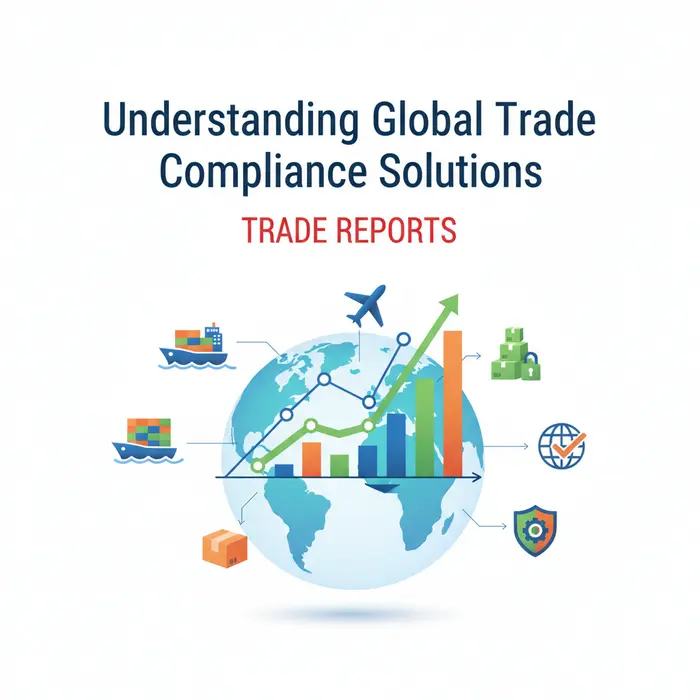
Trade compliance, at its core, refers to the adherence to all national and international laws, rules, and regulations governing the movement of goods, services, and technology across borders. This encompasses a vast array of requirements, including export controls, import regulations, customs duties and tariffs, sanctions programs, free trade agreements, product specific regulations, and anti-boycott provisions. For businesses, effective Global Trade Compliance Solutions extend beyond merely understanding these rules; it involves implementing robust systems and processes to ensure ongoing conformity. This includes everything from accurate product classification and country of origin determination to managing licenses and permits, and adhering to strict record-keeping requirements. Beyond avoiding legal repercussions, a strong compliance posture is a strategic asset, fostering trust, ensuring market access, and protecting a company’s reputation in the competitive global marketplace. It’s a proactive approach to managing risk within the entire supply chain, ensuring that every transaction meets legal standards.
2. The Evolving Landscape of International Trade Regulations
The environment for international trade is anything but static. Geopolitical shifts, technological advancements, emerging environmental concerns, and shifting national security priorities constantly reshape the global regulatory framework. Recent years have seen significant changes, such as the introduction of new sanctions regimes, evolving data privacy regulations impacting cross-border data flows, and increased scrutiny on supply chain transparency and forced labor. Take, for example, the dynamic nature of international trade regulations concerning dual-use goods, where technologies with both civilian and military applications require meticulous Export Control Compliance. Staying abreast of these changes is a formidable challenge for even the most resource-rich corporations. The complexity is further compounded by the divergence in rules between different countries and economic blocs, meaning what is permissible in one jurisdiction may be prohibited in another. Businesses must not only monitor these developments but also have the agility to adapt their operations, supply chains, and compliance programs swiftly to remain compliant and competitive. Tools like Customs Compliance Software and comprehensive Supply Chain Compliance Management systems are becoming indispensable for businesses striving to manage this continuous evolution.
3. Why Compliance is Not Optional for Global Businesses
For companies engaged in global commerce, compliance is not a discretionary choice; it is an absolute necessity. The consequences of non-compliance can be catastrophic, extending far beyond simple monetary fines. Penalties can include substantial financial levies, loss of export or import privileges, seizure of goods, severe reputational damage that erodes customer and partner trust, and in extreme cases, even criminal charges against individuals and corporations. For instance, violations of Export Control Compliance can lead to being placed on denied parties lists, effectively shutting a company out of international markets. Beyond the punitive measures, non-compliance can cause significant operational disruptions, leading to costly delays in shipments, disrupted supply chains, and strained relationships with logistics providers and customers. Conversely, a robust and well-implemented Global Trade Compliance strategy offers substantial benefits. It mitigates risks, streamlines customs processes, reduces potential duty costs, enhances operational efficiency, and builds a reputation as a reliable and ethical trading partner. Investing in proactive Global Trade Compliance Solutions, including advanced Customs Compliance Software and effective Supply Chain Compliance Management, is therefore a strategic investment that safeguards a company’s future and ensures its sustainable growth in the global marketplace.
Mastering Export Control Compliance
In today’s interconnected global economy, navigating the intricate web of international trade regulations is paramount for businesses. Global Trade Compliance Solutions are not just an operational necessity; they are a strategic imperative. Diving deep into the complexities of export control compliance, we uncover its critical importance in preventing illegal trade, protecting national security interests, and ensuring the responsible management of sensitive goods and technologies. Non-compliance can lead to severe penalties, reputational damage, and even loss of export privileges, underscoring the need for robust systems and an informed approach to international trade regulations.
1. Key Export Control Regimes (e.g., ITAR, EAR)
Understanding the foundational export control regimes is the first step toward effective compliance. The primary frameworks governing U.S. exports are the International Traffic in Arms Regulations (ITAR) and the Export Administration Regulations (EAR). ITAR, administered by the U.S. Department of State’s Directorate of Defense Trade Controls (DDTC), strictly controls the export and temporary import of defense articles and services as listed on the U.S. Munitions List (USML). These items are inherently military in nature and their transfer is highly restricted due to national security implications. Conversely, the EAR, managed by the U.S. Department of Commerce’s Bureau of Industry and Security (BIS), governs “dual-use” items – commercial goods, software, and technology that also have potential military applications, as well as less sensitive military items not covered by ITAR. Navigating these two regimes requires careful consideration of the item’s nature, its intended end-use, and the destination country. Comprehensive Export Administration Regulations (EAR) knowledge is essential for any exporter dealing with commercial or dual-use items, while ITAR demands an even higher level of scrutiny and specific registration for those involved with defense articles.
2. Restricted Party Screening Best Practices
A cornerstone of effective export control compliance is rigorous restricted party screening. This process involves diligently checking all parties involved in an export transaction – including customers, end-users, intermediaries, freight forwarders, and even vessel captains – against various government-issued denied or restricted party lists. These lists, such as the U.S. Department of Commerce’s Denied Persons List and Entity List, the U.S. Department of the Treasury’s Specially Designated Nationals (SDN) List, and the U.S. Department of State’s Nonproliferation Sanctions List, identify individuals, entities, and countries prohibited from receiving U.S. exports or engaging in specific transactions. Best practices dictate implementing an automated screening solution, often integrated within advanced Customs Compliance Software, to ensure continuous and consistent checks. Screens should occur at multiple points in the sales and fulfillment cycle – from initial inquiry to order processing and shipment – to capture any changes in status. Regular updates to screening lists and comprehensive record-keeping of all screening results are vital components of a robust Supply Chain Compliance Management strategy, mitigating the risk of inadvertent violations and demonstrating due diligence.
3. Classification of Goods and Technology (ECCN, USML)
Accurate classification of goods and technology is perhaps the most critical and challenging aspect of export control. Misclassification can lead to significant compliance breaches. For items subject to the EAR, companies must determine an Export Control Classification Number (ECCN). An ECCN is a five-character alphanumeric designation (e.g., 3A001) that categorizes items based on their type, function, and technical parameters. Determining the correct ECCN often requires a deep understanding of complex technical specifications and the EAR’s Commerce Control List (CCL). For items falling under ITAR, classification involves assigning them to one of the 21 categories on the U.S. Munitions List (USML). This process is even more stringent, as USML items are inherently defense-related and subject to strict licensing requirements. Companies can self-classify their items, but for complex technologies, seeking official guidance through a Commodity Jurisdiction (CJ) request for ITAR items or an official ECCN determination from BIS is often advisable. Leveraging specialized Global Trade Compliance Solutions and expert consultation can significantly streamline this process, ensuring accurate classification and preventing costly errors that could jeopardize international trade operations and expose businesses to regulatory penalties.
Leveraging Customs Compliance Software
In the intricate world of global commerce, businesses face a constant challenge: navigating an ever-evolving labyrinth of customs laws, tariffs, and trade regulations across multiple jurisdictions. The sheer volume and complexity of these requirements can lead to delays, costly fines, and reputational damage if not managed meticulously. This is where technology steps in, with modern customs compliance software emerging as an indispensable tool. It not only streamlines processes and drastically reduces the potential for human error but also ensures steadfast adherence to global customs laws and declarations, transforming a potential bottleneck into a strategic advantage for businesses engaged in international trade.
1. Features of Modern Customs Software Platforms
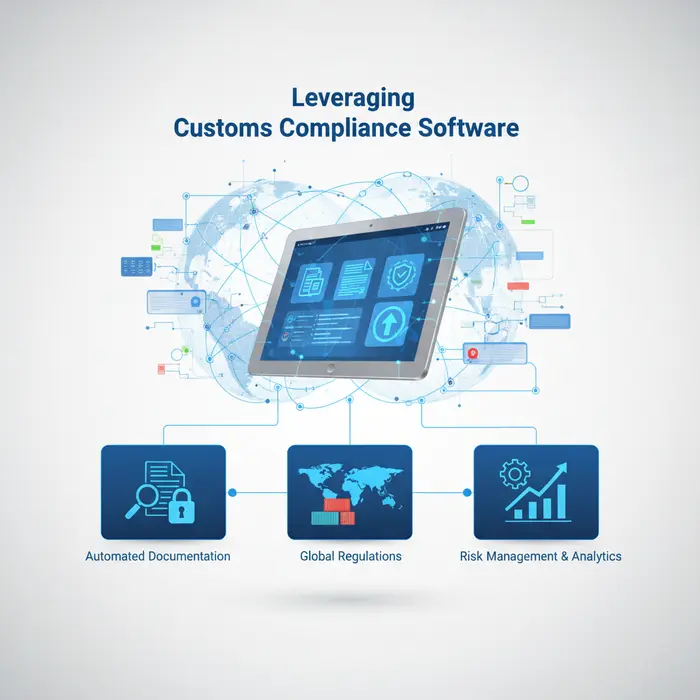
Modern Customs Compliance Software platforms are far more than just data entry systems; they are sophisticated ecosystems designed to manage the full spectrum of import and export operations. Key features often include automated Harmonized System (HS) classification, which significantly reduces errors and speeds up the classification process for thousands of products. These platforms also offer real-time duty and tax calculation, allowing businesses to accurately forecast costs and avoid unexpected charges. Advanced risk assessment tools provide invaluable insights, flagging potential compliance issues before they become problems, thereby bolstering overall Supply Chain Compliance Management. Furthermore, robust reporting capabilities generate detailed audit trails and performance metrics, crucial for internal review and external audits, ensuring complete transparency and accountability in line with stringent International Trade Regulations. Dashboard analytics offer a comprehensive overview of global trade activities, enabling proactive decision-making and continuous optimization of trade processes.
2. Automating Declarations and Documentation
One of the most significant benefits of leveraging customs compliance software is the profound impact of automation on declarations and documentation. Manually preparing customs declarations can be a time-consuming and error-prone task, often involving intricate forms and specific data points for each country. Modern software automates the generation of essential documents such as commercial invoices, packing lists, certificates of origin, and import/export declarations. By pulling data directly from product databases and transaction records, the system minimizes manual data entry, thereby drastically reducing the incidence of errors that could lead to delays, penalties, or even rejection of shipments. This automation also plays a critical role in Export Control Compliance, ensuring that goods are correctly screened against restricted party lists and embargoed countries before shipment. The speed and accuracy offered by automated declaration processes not only accelerate goods movement across borders but also free up valuable human resources to focus on more strategic tasks, ensuring smoother, faster, and more compliant global trade operations.
3. Integrating with ERP and Supply Chain Systems
The true power of customs compliance software is fully realized when it seamlessly integrates with existing enterprise resource planning (ERP) and other supply chain management (SCM) systems. This integration creates a unified ecosystem where data flows effortlessly between different operational silos, eliminating redundant data entry and improving data accuracy across the board. For instance, product master data, sales orders, purchase orders, and shipment details from ERP or WMS systems can automatically populate customs declarations and compliance checks. This real-time data exchange provides unprecedented visibility into the entire supply chain, from raw material sourcing to final delivery. Enhanced visibility enables businesses to monitor compliance status, track shipments, and respond proactively to any issues, ensuring a truly synchronized and efficient operation. Such integration is fundamental to achieving comprehensive Global Trade Compliance Solutions, fostering a proactive approach to risk management and operational excellence. It ensures that every aspect of the international supply chain operates in harmony, adhering to regulations while maximizing efficiency and minimizing costs.
Optimizing Supply Chain Compliance Management
In today’s interconnected global economy, the complexity of supply chains has surged, bringing with it an imperative for robust compliance management. Far beyond mere legal adherence, optimizing supply chain compliance encompasses a holistic approach to ensuring ethical, sustainable, and responsible operations from the initial raw material sourcing through to final product delivery. This proactive strategy mitigates risks, enhances brand reputation, and fosters long-term business resilience in the face of evolving Global Trade Compliance Solutions and regulatory landscapes. Effective supply chain compliance management is no longer a luxury but a fundamental necessity for businesses operating across borders.
1. Vendor Due Diligence and Third-Party Risk Management
The foundation of a compliant supply chain lies in rigorous vendor due diligence and continuous third-party risk management. Businesses must thoroughly vet all partners, suppliers, and subcontractors, regardless of their position in the supply chain. This involves assessing their financial stability, operational capabilities, legal standing, and crucially, their commitment to ethical practices and regulatory compliance. Factors such as sanctions screening, anti-bribery and corruption checks, and adherence to labor laws are paramount. Furthermore, understanding a vendor’s own sub-supplier network is vital to identify hidden risks. Implementing robust monitoring systems allows companies to track vendor performance against established compliance benchmarks, ensuring ongoing adherence. For instance, evaluating a supplier’s capacity to meet Export Control Compliance regulations is critical for companies dealing with sensitive goods or technologies. A proactive approach to third-party risk management not only protects against potential legal penalties but also safeguards brand integrity and operational continuity.
2. Transparency and Traceability in the Supply Chain
Achieving true compliance and accountability demands unparalleled transparency and traceability throughout the entire supply chain. Companies need clear visibility into every stage of their product’s journey, from the origin of raw materials to manufacturing, logistics, and distribution. This involves accurate data collection, secure information sharing, and the implementation of technologies that can track and verify goods in real-time. Blockchain, IoT, and AI are increasingly being deployed to create immutable records of transactions and movements, significantly improving traceability. For instance, advanced Customs Compliance Software can integrate with enterprise resource planning (ERP) systems to provide end-to-end visibility, automate customs declarations, and ensure duties and taxes are correctly applied. Enhanced transparency allows businesses to quickly identify and address non-compliance issues, respond effectively to product recalls, and provide consumers with credible information about product origins and ethical credentials. It also plays a pivotal role in proving adherence to various International Trade Regulations and demonstrating responsible Supply Chain Compliance Management practices.
3. Ethical Sourcing and Sustainability Standards
Beyond legal and regulatory mandates, modern supply chain compliance is intrinsically linked to ethical sourcing and sustainability standards. Consumers and stakeholders increasingly demand that companies operate responsibly, addressing environmental impact, labor practices, and human rights across their value chain. This involves establishing clear ethical sourcing policies, conducting regular social audits, and partnering with suppliers who share a commitment to fair labor wages, safe working conditions, and environmentally sound production methods. Adherence to international standards like the UN Guiding Principles on Business and Human Rights, and specific industry certifications for sustainability (e.g., Fair Trade, FSC, organic), becomes a competitive differentiator. Companies must actively work to eliminate forced labor, child labor, and unsafe practices, fostering a culture of respect and responsibility. By integrating sustainability criteria into supplier selection and performance management, businesses not only fulfill their corporate social responsibility but also build more resilient and future-proof supply chains. This commitment underpins the broader goal of responsible global trade and positions businesses as leaders in ethical commerce.
Optimizing supply chain compliance management requires a continuous, multi-faceted approach, integrating robust due diligence, comprehensive transparency, and unwavering commitment to ethical and sustainable practices. It is an ongoing journey that strengthens a company’s foundation, protects its reputation, and ensures its continued success in the dynamic global marketplace.
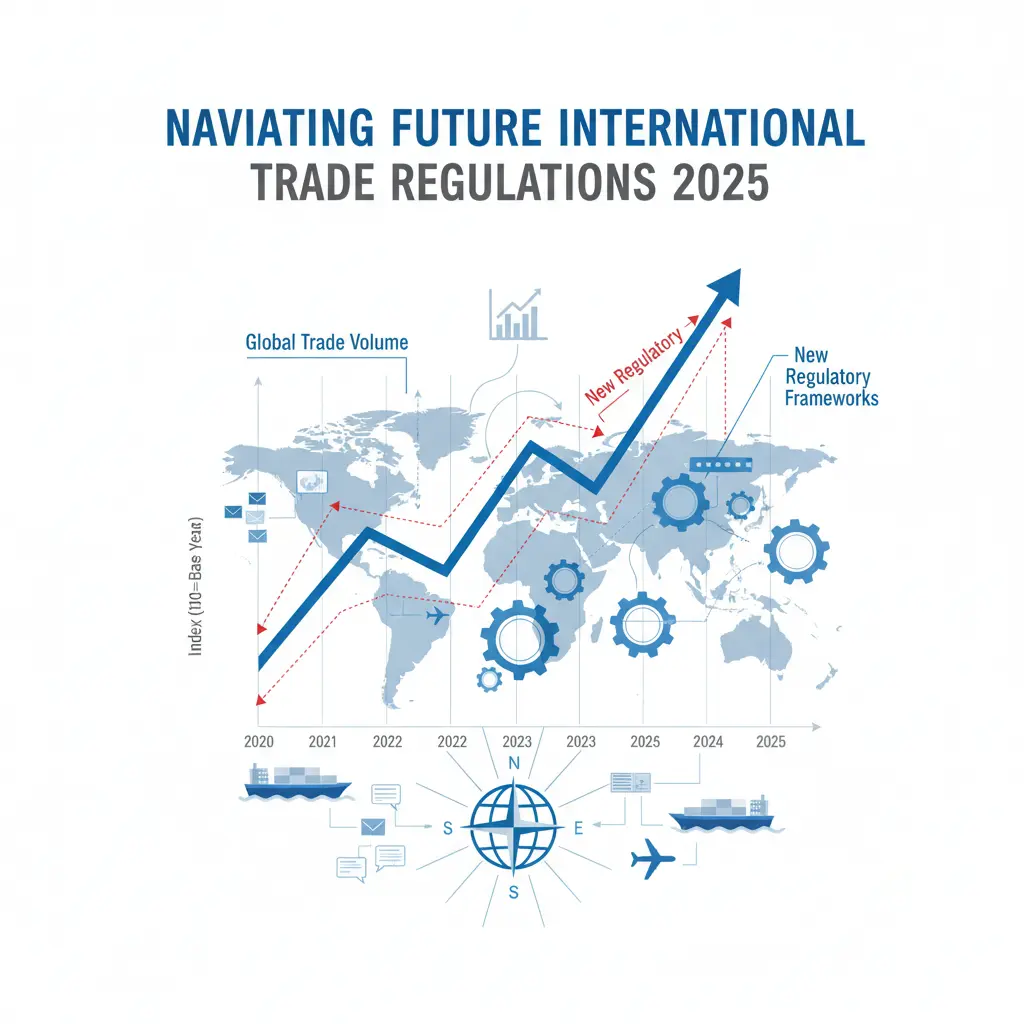
Navigating Future International Trade Regulations 2025
Navigating the intricate web of Global Trade Compliance Solutions in 2025 demands foresight and strategic adaptation. As the global economic landscape continues to evolve, businesses face an increasing imperative to understand and prepare for emerging trends and potential regulatory shifts. From geopolitical realignments to the rapid digitalization of commerce, the challenges are multifaceted. This section explores key areas of change and offers strategic approaches to ensure businesses not only stay compliant but also maintain a competitive edge in the dynamic international trade arena. Focusing on robust Global Trade Compliance Solutions is no longer an option but a necessity for sustainable growth, requiring comprehensive expertise in Global Trade Compliance Solutions.
1. Impact of Geopolitical Shifts on Trade Rules
The geopolitical environment remains a primary driver of changes in International Trade Regulations. Shifting alliances, trade disputes, and increased national security concerns are leading to fragmented regulatory frameworks and more stringent controls. Businesses must anticipate the continued rise of protectionist measures, tariff adjustments, and non-tariff barriers that can disrupt supply chains and increase operational costs. A critical area of focus will be Export Control Compliance as governments intensify efforts to safeguard critical technologies and sensitive goods. Companies dealing with dual-use items or advanced manufacturing processes, especially in regions affected by geopolitical tensions, need to reassess their compliance programs. Staying abreast of changes from bodies like the World Trade Organization (WTO) and regional trade blocs is vital. For example, recent supply chain vulnerabilities have prompted many nations to diversify sourcing, leading to new free trade agreements (FTAs) with complex rules of origin, requiring sophisticated Supply Chain Compliance Management systems to track and verify product eligibility. These shifts necessitate agile strategies and a robust understanding of how political decisions translate into new trade obligations.
2. Preparing for Digital Trade and E-commerce Regulations
The digital transformation of commerce continues unabated, bringing with it a wave of new regulations designed to govern online transactions, data privacy, and cross-border data flows. As e-commerce expands its global reach, businesses must contend with a patchwork of national and regional laws concerning consumer protection, taxation of digital services, and data localization. The European Union’s Digital Services Act (DSA) and Digital Markets Act (DMA), along with similar initiatives worldwide, represent a significant push towards regulating digital platforms and ensuring fair competition. Businesses involved in digital trade, particularly those operating across multiple jurisdictions, must prioritize compliance with evolving data governance standards like GDPR and emerging sector-specific data regulations. Implementing advanced Customs Compliance Software that can handle varied customs declarations for low-value shipments and manage e-commerce specific tariffs is becoming essential. Furthermore, ensuring secure data exchange and transaction transparency will be paramount to avoid penalties and maintain consumer trust. The future of trade is undeniably digital, and proactive engagement with these regulations is crucial for global market access.
3. Building a Proactive Compliance Strategy
In this rapidly changing environment, a reactive approach to compliance is no longer sufficient. Businesses must adopt a proactive, risk-based strategy for Global Trade Compliance Solutions. This involves several key pillars:
- Continuous Monitoring and Intelligence: Establish robust systems to monitor geopolitical developments, regulatory announcements, and enforcement trends across relevant jurisdictions. Subscribing to trade intelligence services and engaging with industry associations can provide invaluable insights.
- Technology Adoption: Leverage Customs Compliance Software and other digital tools to automate processes, improve data accuracy, and enhance visibility across the supply chain. AI and machine learning can help identify potential compliance risks before they escalate.
- Employee Training and Culture: Foster a culture of compliance throughout the organization. Regular training programs on Export Control Compliance, sanctions, and anti-corruption measures are essential for all relevant personnel.
- Supply Chain Resilience and Mapping: Understand your entire supply chain, identifying potential vulnerabilities and alternative sourcing options. Strong Supply Chain Compliance Management can mitigate risks from sanctions, force majeure events, and new trade barriers.
- Legal and Expert Consultation: Engage with trade law experts and consultants to navigate complex regulations and ensure policies are up-to-date and effective.
By integrating these elements, businesses can build a resilient framework that not only ensures adherence to International Trade Regulations but also transforms compliance from a cost center into a strategic advantage, enabling sustained growth and market leadership in 2025 and beyond.
Partner with Vietnam’s Leading Suppliers
Looking for reliable suppliers in Vietnam? Contact VietnamSuppliers.com today to connect with verified manufacturers and exporters across all industries.
—————————————
References
– World Trade Organization (WTO): https://www.wto.org/english/thewto_e/whatis_e/whatis_e.htm
– Export Administration Regulations (EAR): https://www.bis.doc.gov/index.php/documents/guidance/851-a-brief-overview-of-the-export-administration-regulations/file
– modern customs compliance software: https://www.wto.org/
– Understanding the WTO: legal texts and agreements: https://www.wto.org/english/docs_e/legal_e/legal_e.htm
– World Trade Organization (WTO): https://www.wto.org/