Why Vietnam? The Global Sourcing Powerhouse in 2025
As the global supply chain landscape continues its dynamic evolution, Vietnam has unequivocally emerged as a premier destination for international businesses seeking robust and reliable manufacturing and export capabilities. Heading into 2025, the nation’s strategic importance is not just growing; it’s solidifying its position as a global sourcing powerhouse. This shift is driven by a potent combination of advantageous economic policies, a burgeoning industrial base, and a commitment to integrating into the global economy, making Vietnam sourcing solutions incredibly attractive for astute international buyers.

1. Rising manufacturing hub overview and key sectors
Vietnam’s transformation from a predominantly agricultural economy to a manufacturing powerhouse has been swift and impressive. Over the past decade, the country has meticulously built a diversified industrial base, drawing significant foreign direct investment (FDI) due to its attractive policies and skilled workforce. Today, Vietnam is recognized globally for its proficiency in several key sectors. Electronics manufacturing, particularly for mobile phones, computers, and components, stands out, with major international tech giants establishing large-scale production facilities. The textile and garment industry, a traditional strength, continues to thrive, leveraging competitive labor costs and a strong supply chain to produce high-quality apparel for global markets. Footwear, furniture, and agricultural processing are also significant contributors, showcasing Vietnam’s versatility. The government’s continuous investment in infrastructure – including seaports, airports, and industrial zones – further enhances its appeal as a manufacturing and logistics hub, streamlining the process to import from Vietnam guide for businesses of all sizes.
2. Economic stability and growth forecasts for 2025
Vietnam’s economic narrative is one of remarkable resilience and consistent growth. Despite global economic uncertainties, the country has maintained a stable political environment and implemented market-oriented reforms that foster business confidence. For 2025, economic forecasts remain highly optimistic, with institutions like the World Bank projecting sustained GDP growth rates that position Vietnam among the fastest-growing economies in Southeast Asia. This stability is underpinned by robust domestic demand, increasing exports, and a government committed to prudent fiscal management. For international buyers, this translates into a predictable and secure investment climate, reducing risks associated with supply chain disruptions and currency volatility. Such a robust economic outlook makes exploring a Vietnam B2B supplier directory a strategic move for long-term partnerships, ensuring suppliers operate within a thriving and supportive ecosystem.
3. Key advantages for international buyers: cost, quality, and diversification
The allure of Vietnam for international buyers extends beyond its manufacturing prowess and economic stability, encompassing crucial advantages in cost, quality, and supply chain diversification. Firstly, cost-effectiveness remains a significant draw. While labor costs are steadily rising, they are still highly competitive compared to many established manufacturing hubs, offering attractive margins for businesses. This allows for more competitive pricing of wholesale products Vietnam on the global market. Secondly, there’s a clear upward trend in product quality. Vietnamese manufacturers are increasingly adopting international standards, investing in modern machinery, and enhancing quality control processes to meet the stringent demands of global brands. This commitment to quality ensures that products meet or exceed international specifications, building trust and reputation. Finally, and perhaps most critically in the post-pandemic era, Vietnam offers invaluable supply chain diversification. Businesses are increasingly wary of over-reliance on a single manufacturing base, and Vietnam presents a viable, high-capacity alternative to mitigate geopolitical and economic risks. Leveraging a Vietnam OEM manufacturers list or Vietnam Sourcing Solutions can therefore fortify supply chains, enhance resilience, and position businesses for sustained success in the competitive global market of 2025 and beyond.
Navigating Vietnam B2B Supplier Directories
Vietnam’s emergence as a global manufacturing powerhouse makes it a prime destination for diverse sourcing needs. Successfully importing from Vietnam, however, hinges on finding reliable partners. This guide provides effective Vietnam Sourcing Solutions by detailing how to effectively use and find the best Vietnam B2B supplier directory, including tips for identifying reliable partners and vetting potential manufacturers. Mastering these strategies is crucial for unlocking Vietnam’s vast potential.
1. Top online B2B platforms and marketplaces for Vietnam
Your search for a Vietnam B2B supplier directory often begins with global online B2B platforms. These marketplaces host millions of suppliers, with dedicated sections for Vietnamese manufacturers and exporters.
- Alibaba.com: The world’s largest B2B marketplace, Alibaba features numerous Vietnamese suppliers. Use filters for country/region (Vietnam), product type, and supplier type. Prioritize “Gold Suppliers” and “Verified Suppliers” badges for initial screening, though these aren’t full guarantees of reliability.
- Global Sources: Strong in electronics, fashion, and gifts, Global Sources offers detailed supplier profiles, often including factory audit reports. It’s particularly useful when seeking a Vietnam OEM manufacturers list for specific categories.
- Made-in-China.com: While mainly for Chinese suppliers, this platform increasingly lists Vietnamese companies, especially for machinery and industrial equipment.
Always send clear RFQs and assess communication clarity and response times. This initial interaction is vital for your Import from Vietnam guide journey, especially when looking for Wholesale products Vietnam.
2. Industry-specific directories and trade associations
Beyond generic platforms, industry-specific directories and trade associations offer more curated lists of potential suppliers, ideal for specialized sourcing.
- Vietnamese Trade Promotion Agency (VIETTRADE): This government agency is a key resource for connecting foreign buyers with Vietnamese businesses. Their website often provides directories of exporters and market intelligence. Consulting the official website of the Ministry of Industry and Trade of Vietnam offers authoritative information on trade policies.
- Local Chambers of Commerce & Industry Associations: International chambers in Vietnam (e.g., AmCham, EuroCham) and local Vietnamese Chambers often provide member directories or facilitate introductions. Industry-specific associations like the Vietnam Textile and Apparel Association (VITAS) or Vietnam Association of Seafood Exporters and Producers (VASEP) are invaluable. They maintain member lists and organize trade events, enhancing your Vietnam OEM manufacturers list or search for specialized wholesale products Vietnam.
- Trade Shows: Attending trade shows in Vietnam (e.g., Vietnam Expo) or international events with “Vietnam Pavilions” allows direct supplier interaction.
These avenues often lead to more established partners, significantly enhancing your Import from Vietnam guide experience.
3. Vetting potential suppliers: due diligence and red flags
Finding suppliers is only the first step; thorough vetting is critical to mitigating risks and ensuring a successful Import from Vietnam guide. This due diligence is paramount for any effective Vietnam Sourcing Solutions strategy.
Key Due Diligence:
- Business Registration: Request and verify their business license.
- Factory Audits & Certifications: Conduct an on-site factory audit or commission a third-party inspection. Verify relevant certifications (e.g., ISO, BSCI, SA8000) indicating adherence to international standards and ethical practices.
- Product Samples: Always request samples to evaluate quality and adherence to specifications before bulk orders.
- Communication: Assess clarity, English proficiency, and responsiveness. Good communication signals professionalism.
- Payment Terms: Be cautious of 100% upfront payment demands. Standard terms often involve a deposit (e.g., 30%) with the remainder upon shipment. Use secure methods like Letters of Credit (LC) for large orders.
- References: Ask for references from other international buyers.
Red Flags:
- Unrealistically Low Prices: Often indicative of poor quality or potential scams.
- Lack of Transparency: Evasiveness regarding business licenses, certifications, factory photos, or client references.
- Poor Communication: Persistent delays or vague answers can foreshadow significant problems.
- No Verifiable Physical Factory: Be wary if a “manufacturer” cannot provide a verifiable factory address or refuses factory visits; they may be a mere trading company or a scam.
- Unconventional Payment Demands: Requests for payments to personal accounts or through obscure methods are major red flags.
By meticulously navigating Vietnam B2B supplier directory resources and diligently vetting each potential partner, businesses can establish strong, reliable sourcing relationships in Vietnam. This meticulous approach is the cornerstone of successful Vietnam Sourcing Solutions.
Your Essential Import from Vietnam Guide
Navigating international trade from Vietnam is crucial for businesses seeking competitive advantages. This comprehensive Import from Vietnam guide covers regulatory compliance, logistics, and secure payment strategies for a seamless sourcing journey. Whether you’re seeking a Vietnam B2B supplier directory, reliable Vietnam OEM manufacturers list, or wholesale products Vietnam offers, this guide illuminates the path to successful Vietnam Sourcing Solutions.
1. Understanding customs duties and import regulations
The first critical step in importing from Vietnam is a thorough understanding of its customs duties and import regulations. Vietnam’s regulatory environment is influenced by numerous free trade agreements (FTAs) like CPTPP and EVFTA, which can significantly reduce or even eliminate tariffs. Verifying your product’s eligibility for preferential treatment under these agreements is crucial.
Key documentation typically includes a commercial invoice, packing list, bill of lading (for sea freight) or air waybill (for air freight), and a certificate of origin. The certificate of origin is vital as it certifies where your goods were produced, directly impacting the applicable duty rates. Importers must also be aware of specific product regulations concerning health and safety standards, environmental compliance, and intellectual property rights. Certain goods, like food products, pharmaceuticals, and electronics, may require additional licenses, permits, or inspections. Consulting a customs broker or trade specialist familiar with Vietnamese import-export laws is highly recommended to avoid delays and penalties. For detailed official information on import requirements and documentation for Vietnam, a reliable source like the U.S. Department of Commerce can provide invaluable insights. Neglecting these details can lead to costly delays, storage fees, and even the confiscation of goods.
2. Logistics and shipping considerations (sea, air, land)
Efficient logistics are the backbone of any successful import operation from Vietnam. Choosing the right shipping method depends on several factors: the volume and weight of your goods, their urgency, and your budget. Sea freight is typically the most economical option for large volumes and heavy goods, ideal for businesses engaged in importing wholesale products Vietnam offers. It’s often shipped as Full Container Load (FCL) or Less than Container Load (LCL). However, transit times can be significantly longer, ranging from weeks to over a month. Major Vietnamese ports like Ho Chi Minh City, Haiphong, and Da Nang serve as key gateways for maritime trade.
Air freight, while considerably more expensive, offers unparalleled speed, making it suitable for high-value, time-sensitive, or perishable goods. It’s often preferred for samples or urgent replenishment orders from Vietnam OEM manufacturers list suppliers. For most international imports, land transport is primarily used for internal distribution within Vietnam or the destination country. Regardless of the chosen method, understanding Incoterms (International Commercial Terms) is paramount. Incoterms define the responsibilities of buyers and sellers for the delivery of goods under sales contracts, covering aspects like who pays for what, where risk transfers, and who arranges for transportation and insurance. Engaging a reputable freight forwarder with experience in Vietnam is highly advisable. They can manage the complexities of bookings, customs clearance, and coordinating various legs of the journey, offering tailored Vietnam Sourcing Solutions.
3. Secure payment terms and trade finance options
Establishing secure and mutually beneficial payment terms is essential for building trust and ensuring smooth transactions with your Vietnamese suppliers. The most common payment methods include Telegraphic Transfer (T/T), Letter of Credit (L/C), and Documents Against Payment (D/P). T/T is a simple bank transfer, typically involving an upfront deposit (e.g., 30%) and the remaining balance upon shipment or receipt of documents. While straightforward, it carries more risk for the buyer, especially with new suppliers.
A Letter of Credit (L/C) offers a higher degree of security for both parties. Issued by a bank, an L/C guarantees payment to the seller provided they meet specified shipping and documentation requirements. This method is often preferred for larger orders or when working with new suppliers found through a Vietnam B2B supplier directory. Documents Against Payment (D/P) is another option where the buyer’s bank only releases shipping documents (allowing the buyer to collect the goods) once payment is made. For advanced importers, Open Account (O/A) terms might be negotiated, allowing goods to be shipped and delivered before payment is due, typically reserved for long-standing, trusted relationships.
Beyond these direct payment methods, various trade finance options can support your import operations. These include supply chain finance, where a third-party financier pays the supplier early at a discount, offering longer payment terms to the importer. Trade credit insurance can also mitigate payment risks. When negotiating, always strive for terms that balance risk and cash flow for your business. Due diligence on your chosen payment method and thorough review of contractual terms are critical to protecting your investment and ensuring successful Vietnam Sourcing Solutions.
Connecting with Top Vietnam OEM Manufacturers
In today’s globalized economy, businesses constantly seek strategic advantages to develop custom products efficiently and cost-effectively. Vietnam has emerged as a powerhouse for Original Equipment Manufacturing (OEM), offering compelling Vietnam Sourcing Solutions for companies looking to innovate and scale. OEM partnerships involve a manufacturer producing goods or components that are then sold under another company’s brand. This model is particularly attractive for businesses aiming to develop unique products without the overhead of establishing their own production facilities. From electronics and textiles to furniture and machinery, Vietnam’s diverse manufacturing landscape, coupled with its skilled workforce and favorable trade agreements, makes it an ideal destination for custom product development and the procurement of wholesale products Vietnam.
Navigating the Vietnamese manufacturing sector requires a strategic approach, encompassing everything from identifying the right partners to ensuring robust quality control. While the benefits are numerous—including competitive pricing, improved scalability, and access to specialized expertise—challenges such as cultural differences, communication barriers, and intellectual property protection must be carefully managed. This section provides a comprehensive guide to successfully engaging with Vietnam OEM manufacturers, helping businesses unlock the full potential of their sourcing initiatives.
1. Identifying suitable OEM capabilities and specializations
The first critical step in successful OEM collaboration is to accurately identify manufacturers whose capabilities align perfectly with your product specifications and business needs. This involves more than just finding a manufacturer; it means discovering a partner with the specific expertise, technology, and production capacity to bring your custom product vision to life. A comprehensive search often begins by leveraging a reliable Vietnam B2B supplier directory, attending industry-specific trade shows, or consulting with experienced sourcing agents who possess in-depth knowledge of the local market. When evaluating potential Vietnam OEM manufacturers list, consider their track record, previous projects, certifications (like ISO 9001 for quality management or ISO 14001 for environmental management), and their willingness to adapt to your specific design and production requirements. For example, some factories specialize in high-precision electronics, while others excel in large-volume textile production or intricate furniture design. Understanding these specializations is paramount to avoiding mismatches and ensuring your product is handled by experts. Due diligence should include factory audits, reviewing sample products, and assessing their communication infrastructure and project management capabilities. A thorough vetting process at this stage lays a strong foundation for a productive long-term partnership.
2. Negotiating contracts and intellectual property protection
Once suitable OEM partners are identified, the next crucial phase involves meticulous contract negotiation and establishing robust intellectual property (IP) protection measures. An OEM contract is not merely a formality; it is the bedrock of your partnership, detailing crucial aspects such as product specifications, pricing structures, payment terms, delivery schedules, quality standards, and dispute resolution mechanisms. Clarity and precision in this document are non-negotiable to prevent misunderstandings and potential conflicts down the line. Beyond commercial terms, safeguarding your intellectual property is paramount, especially when developing unique products. This includes your designs, prototypes, proprietary technologies, and brand identity. Implement comprehensive Non-Disclosure Agreements (NDAs) and ensure your manufacturing agreement explicitly addresses IP ownership, confidentiality clauses, and provisions against unauthorized manufacturing or disclosure. It is highly advisable to seek legal counsel specializing in international trade law and Vietnamese business regulations to ensure your contract is legally sound and enforceable. The World Intellectual Property Organization (WIPO) offers valuable resources and frameworks for international IP protection, underscoring the global importance of these safeguards. Proactive measures in IP protection not only secure your proprietary information but also foster trust and transparency with your manufacturing partner.
3. Quality control and production monitoring strategies
Maintaining consistent product quality is paramount for any brand, and it requires vigilant quality control and production monitoring throughout the OEM process in Vietnam. A robust quality assurance strategy should be integrated from the initial stages of production, not just at the final inspection. This typically involves a multi-layered approach: pre-production checks (verifying raw materials and components), in-line inspections (monitoring production processes and identifying defects early), and final quality inspections (ensuring finished products meet all specified standards before shipment). Many businesses opt for third-party inspection services, which provide an unbiased assessment of quality and compliance. Establishing clear Key Performance Indicators (KPIs) for quality, such as acceptable defect rates and performance benchmarks, is essential. Regular communication with your OEM manufacturer is vital; this includes scheduled updates, immediate reporting of issues, and collaborative problem-solving. Consider adopting an “Import from Vietnam guide” mindset by proactively understanding common challenges and best practices for managing overseas production. Regular factory visits, if feasible, can significantly enhance oversight and strengthen the relationship with your manufacturing partner. By implementing these strategies, businesses can ensure that the custom products manufactured in Vietnam consistently meet their brand’s high standards, contributing to customer satisfaction and market success.
Sourcing Wholesale Products in Vietnam: Opportunities & Trends
Explores the vibrant landscape for sourcing wholesale products Vietnam offers, outlining popular product categories, sourcing strategies, and future trends impacting the market beyond 2025.
Vietnam has rapidly emerged as a powerhouse in global manufacturing and an increasingly attractive destination for businesses seeking high-quality, cost-effective wholesale products. Its strategic location, competitive labor costs, growing infrastructure, and robust trade agreements have positioned it as a prime hub for Vietnam Sourcing Solutions. This dynamic landscape offers immense opportunities for importers, retailers, and distributors looking to diversify their supply chains and capitalize on a market known for its resilience and adaptability. Beyond traditional sectors, Vietnam is embracing innovation and sustainable practices, promising a vibrant future for international trade. This section explores the key opportunities and emerging trends in sourcing from Vietnam, guiding businesses through its diverse product offerings and strategic sourcing approaches.
1. Popular wholesale product categories and niches
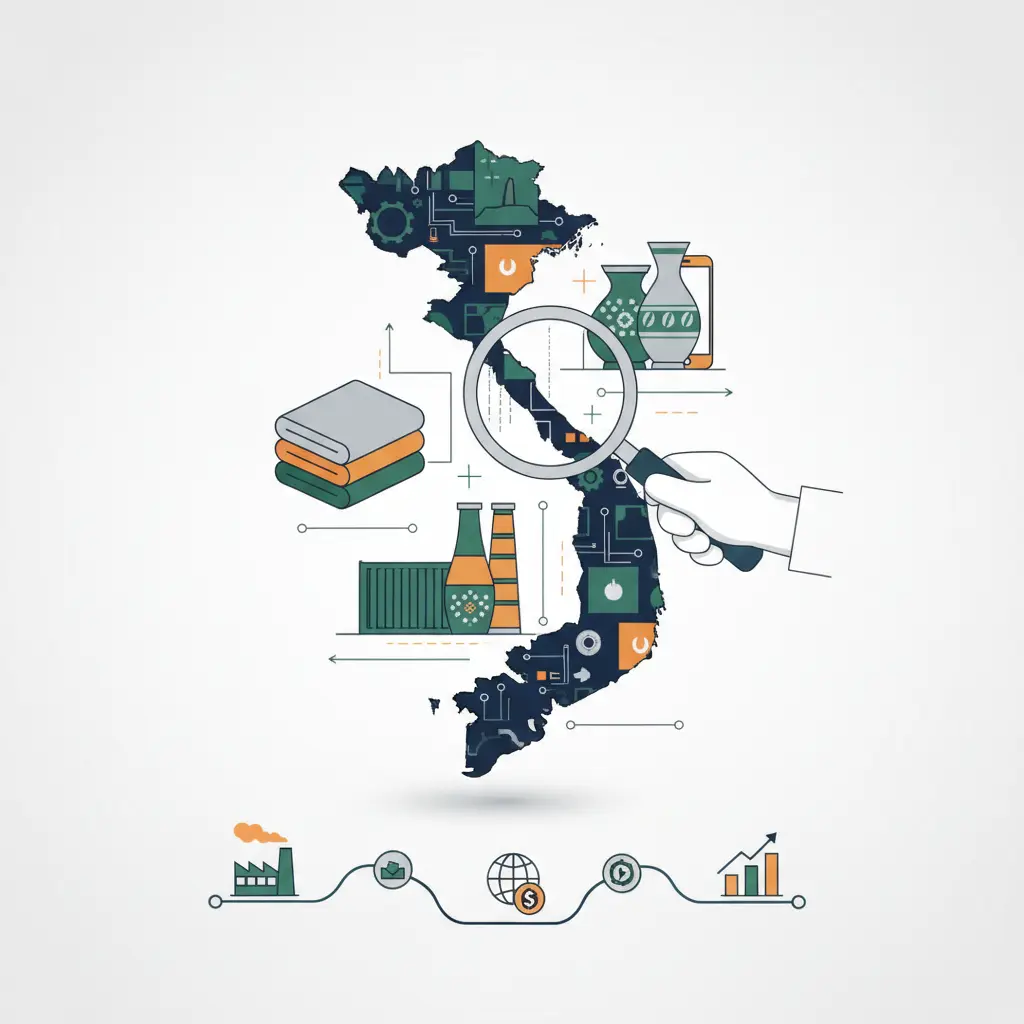
Vietnam’s manufacturing prowess spans a wide array of sectors, offering an extensive catalog of wholesale products Vietnam. Traditionally, the country has been renowned for its dominance in textiles and garments. From activewear and casual apparel to sophisticated fashion items, Vietnamese factories offer competitive pricing and high-quality production, catering to both fast fashion and premium brands. Footwear is another cornerstone, with Vietnam being a global leader in athletic and casual shoe manufacturing for major international labels. Beyond apparel, the furniture industry showcases impressive craftsmanship, producing a vast range of indoor and outdoor furniture, often utilizing sustainable wood sources and innovative designs.
The electronics sector is rapidly expanding, attracting significant foreign direct investment (FDI) and establishing Vietnam as a critical hub for consumer electronics assembly, components, and increasingly, original equipment manufacturing (OEM), supported by Vietnam’s robust economic growth. Agricultural products, including coffee, rice, spices, and seafood, continue to be significant export categories, known for their quality and organic options. Niche markets are also flourishing, encompassing handicrafts, ceramics, kitchenware, and eco-friendly products made from bamboo, rattan, and natural fibers, reflecting a growing global demand for sustainable and artisan-crafted goods. For businesses exploring these diverse offerings, understanding the specific strengths within each category is crucial for successful sourcing.
2. Leveraging trade shows and sourcing agents
Navigating the Vietnamese sourcing landscape requires effective strategies to identify reliable suppliers. One of the most traditional and effective methods remains attending international trade shows held within Vietnam, such as Vietnam Expo, VIFA-EXPO (furniture), or SaigonTex (textiles). These events provide direct access to a multitude of manufacturers, allowing buyers to inspect product quality firsthand, compare pricing, and build crucial relationships. Virtual trade shows and online B2B platforms are also gaining traction, offering convenient ways to connect with suppliers from anywhere. Utilizing a comprehensive Vietnam B2B supplier directory can be an invaluable starting point, providing verified contact information and product listings.
For businesses new to the market or those seeking specialized expertise, engaging a local sourcing agent or a reputable sourcing company can significantly streamline the process. Sourcing agents offer services ranging from supplier identification and vetting to quality control, price negotiation, and logistics coordination. They possess deep local market knowledge, language proficiency, and established networks, effectively mitigating risks associated with international procurement. An experienced agent can provide an essential Import from Vietnam guide tailored to specific product requirements, ensuring compliance with local regulations and international trade standards, ultimately saving time and resources.
3. Future of Vietnam sourcing: sustainability, technology, and market shifts
The future of sourcing in Vietnam is poised for significant transformation, driven by global demands for sustainability, technological advancements, and evolving market dynamics. Environmental, social, and governance (ESG) factors are increasingly influencing purchasing decisions, pushing Vietnamese manufacturers towards more sustainable production methods, ethical labor practices, and transparent supply chains. Businesses sourcing from Vietnam will increasingly prioritize suppliers demonstrating strong commitments to green manufacturing, reduced carbon footprints, and fair working conditions. This shift is creating new opportunities for eco-friendly products and innovation in manufacturing.
Technology will play a pivotal role, with automation, IoT, and AI-driven analytics enhancing manufacturing efficiency, quality control, and supply chain visibility. Digital platforms for sourcing, real-time tracking, and virtual inspections will become more prevalent, fostering greater transparency and trust between buyers and suppliers. Furthermore, geopolitical shifts and ongoing trade agreements (like the CPTPP and EU-Vietnam FTA) continue to reshape Vietnam’s position in global trade, potentially opening new markets and strengthening existing ones. As global supply chains diversify, Vietnam is set to further solidify its role as a flexible and reliable sourcing alternative, adapting swiftly to market changes and leveraging its growing digital economy. The nation’s commitment to continuous improvement and integration into the global economy ensures its lasting appeal as a strategic sourcing hub.
Partner with Vietnam’s Leading Suppliers
Looking for reliable suppliers in Vietnam? Contact VietnamSuppliers.com today to connect with verified manufacturers and exporters across all industries.
—————————————
References
– World Bank Vietnam Overview: https://www.worldbank.org/en/country/vietnam/overview
– Ministry of Industry and Trade of Vietnam: https://moit.gov.vn/web/english/home
– U.S. Department of Commerce: https://www.export.gov/apex/article2?id=Vietnam-Import-Requirements-and-Documentation
– WIPO: https://www.wipo.int/portal/en/index.html
– Vietnam’s robust economic growth: https://www.worldbank.org/en/country/vietnam/overview