
Understanding Market Diversification Strategy
In an increasingly interconnected yet volatile global economy, a robust market diversification strategy is no longer just an option but a strategic imperative for businesses aiming for sustainable growth and resilience. This section delves into the essence of market diversification, defining its core principles, strategic importance, and how it empowers businesses, especially exporters, to navigate complex international landscapes and mitigate risks effectively.

1. What is Market Diversification?
Market diversification refers to a business strategy that involves expanding a company’s reach into new markets, often geographical, or introducing new products/services to existing or new customer segments. It’s fundamentally about broadening a company’s operational base beyond its established territories or offerings to reduce reliance on a single market or product line. This strategic move can take various forms, from entering entirely new countries and regions, targeting different demographic groups, or even developing new product categories that appeal to distinct market needs. For businesses eyeing global growth, understanding strategic market diversification is key to successful international expansion.
Successful market diversification is often intertwined with effective global market entry strategies. These strategies dictate how a company will penetrate new markets, whether through direct export, joint ventures, licensing, franchising, or foreign direct investment. The choice of strategy depends on various factors, including market attractiveness, competitive intensity, regulatory environment, and the company’s risk appetite and resource availability. The ultimate goal is to create a more balanced and resilient business portfolio capable of withstanding localized economic downturns or shifts in consumer preferences.
2. Core Principles and Objectives
At its heart, market diversification operates on several core principles designed to foster long-term stability and growth:
- Risk Mitigation: This is arguably the primary driver. By spreading operations across multiple markets, a business reduces its exposure to the risks inherent in any single market, such as political instability, economic recession, or intense competition.
- Growth Opportunity: New markets offer untapped potential for sales, revenue, and brand expansion, allowing businesses to overcome saturation in their home markets or existing segments.
- Resource Optimization: Diversification can lead to more efficient use of resources, leveraging existing production capabilities, intellectual property, or expertise in new contexts.
- Enhanced Competitiveness: Operating in diverse environments often forces companies to adapt, innovate, and become more agile, sharpening their competitive edge globally.
The main objectives of pursuing a market diversification strategy include:
- Achieving greater revenue stability and predictability.
- Unlocking new avenues for profit and market share.
- Improving overall business resilience against unforeseen disruptions.
- Gaining a sustainable competitive advantage in the global arena.
3. Benefits and Strategic Importance
The strategic importance of market diversification cannot be overstated, particularly for businesses engaged in international trade. It offers a multitude of benefits that extend beyond mere risk reduction:
- Benefits of Market Diversification for Exporters: For companies relying on exports, diversifying their customer base across different countries provides a crucial buffer. If demand in one market declines due to economic conditions or trade barriers, sales in other markets can help stabilize overall revenues. It also allows exporters to tap into various consumer trends and regulatory environments, fostering product innovation and adaptability.
- Risk Management in International Trade: This strategy is a cornerstone of effective risk management in international trade. It insulates companies from the volatility associated with currency fluctuations, geopolitical tensions, and localized crises. By not placing all their eggs in one geographical basket, businesses can better navigate the unpredictable nature of global commerce.
- Supply Chain Diversification Benefits: Beyond sales markets, market diversification often encourages diversification of supply sources and manufacturing locations. This is a critical aspect of enhancing supply chain resilience. Sourcing from multiple regions or establishing production facilities in different countries can mitigate disruptions caused by natural disasters, political conflicts, or single-source dependency, ensuring a more stable flow of goods and materials.
- Long-term Growth and Innovation: Exposure to new cultures, consumer preferences, and competitive landscapes often sparks innovation within the company. It can lead to the development of new products, services, and business models that cater to a broader global audience, driving long-term growth and market leadership.
In conclusion, a well-executed market diversification strategy is a dynamic process that involves continuous market analysis, strategic planning, and adaptive execution. It is vital for companies seeking to build a robust, agile, and sustainable enterprise capable of thriving in the complex and ever-evolving global economy.
Benefits of Market Diversification for Exporters
In the dynamic and often unpredictable landscape of global commerce, relying on a single market or a handful of similar markets can expose exporters to significant vulnerabilities. A proactive market diversification strategy, however, offers a robust pathway to enhanced resilience, sustainable growth, and long-term profitability. By strategically expanding their reach into new geographic territories and consumer segments, exporters can mitigate risks, capitalize on emerging opportunities, and stabilize revenue streams. This approach is not merely about increasing sales volume but fundamentally about building a more robust and adaptable business model in international trade.
1. Enhanced Revenue Stability and Growth
One of the primary advantages of market diversification is the significant boost it provides to revenue stability and growth. By distributing sales across multiple markets, exporters can buffer the impact of economic downturns, political instability, or changes in consumer preferences within any single region. If demand slows in one country, robust sales in another can help maintain overall revenue levels, preventing sharp fluctuations. Furthermore, entering new markets exposes businesses to new customer bases and demand cycles, unlocking previously untapped revenue streams. This strategy allows exporters to tap into different growth rates and economic performances around the world, fostering a more consistent and predictable income flow while simultaneously creating new avenues for expansion and market share acquisition.
2. Reduced Reliance on Single Markets
A highly concentrated market presence inherently carries elevated risks. Economic recession, geopolitical tensions, shifts in trade policies, or even a natural disaster in a key target country can severely disrupt an exporter’s operations and financial health. Market diversification directly addresses this vulnerability by reducing an exporter’s dependence on any single market. This strategic move acts as a critical form of risk management in international trade, insulating the business from localized shocks. When facing challenges in one market, the exporter can pivot resources and focus on others that are performing well, ensuring business continuity. This decentralization of risk allows companies to navigate the complexities of global trade with greater confidence, safeguarding against unforeseen circumstances that could otherwise threaten their existence.
3. Optimized Resource Allocation and Innovation
Beyond risk mitigation and revenue stability, adopting a comprehensive global market entry strategy encourages optimized resource allocation and fosters a culture of innovation. As exporters explore diverse international markets, they encounter varied consumer needs, regulatory frameworks, and competitive landscapes. This exposure compels companies to adapt their products, services, and operational processes, leading to valuable insights and improvements. It can spark innovation in product development, marketing approaches, and even internal efficiencies as businesses learn to serve different demographics effectively. Moreover, diversification enables more efficient resource deployment, allowing companies to allocate capital, talent, and production capacity strategically to markets offering the best potential return on investment at different times. This agile approach strengthens an exporter’s competitive edge and long-term adaptability.
In conclusion, the benefits of market diversification for exporters extend far beyond simply finding new customers. It is a fundamental strategy for building long-term business resilience, ensuring financial stability, and unlocking continuous growth opportunities. By mitigating risks associated with market concentration, stabilizing revenue streams, and fostering innovation, exporters can navigate the complexities of the global economy with greater confidence and secure a sustainable future. Embracing market diversification is not just an option but a strategic imperative for any ambitious exporter aiming for lasting success on the international stage.
Key Global Market Entry Strategies
Delve into various approaches businesses can utilize to successfully enter and establish a presence in new international markets, tailored for different risk appetites.
The pursuit of new growth and enhanced resilience often leads businesses to explore international markets. Crafting an effective market diversification strategy is not merely about identifying new territories, but crucially, about selecting the right approach to enter them. Global market entry strategies vary significantly in terms of commitment, risk, and potential return, allowing companies to tailor their expansion based on resources, objectives, and risk tolerance. Understanding these diverse pathways is fundamental for businesses aiming to unlock the benefits of market diversification for exporters and solidify their global position. Effective risk management in international trade is woven into the fabric of these choices, as each method presents a unique balance of opportunities and challenges.

1. Direct vs. Indirect Exporting Models
Exporting represents one of the most common and often least resource-intensive methods for initial international market entry.
Direct Exporting involves a company selling products directly to customers or distributors in a foreign country without a domestic intermediary. This approach offers greater control over marketing, distribution, and pricing, allowing direct relationships and firsthand market knowledge. While offering deeper insight and potentially higher profit margins, direct exporting demands significant investment in international logistics and compliance, increasing the level of risk management in international trade. However, it can significantly contribute to the benefits of market diversification for exporters by establishing an independent presence.
Indirect Exporting, conversely, utilizes an intermediary located in the exporter’s home country, such as an export management company (EMC) or an export trading company (ETC). These intermediaries handle the complexities of international logistics, customs, and documentation, significantly reducing the financial and administrative burden on the exporter. This model minimizes risk and capital outlay, making it attractive for smaller businesses or those new to international trade. The trade-off is often less control over brand representation and market penetration, as well as lower potential profit margins. Despite these limitations, indirect exporting remains a vital starting point for many companies seeking to test international waters and begin their global market entry strategies without substantial upfront commitments. For further insights into effective international business strategies, explore resources like the Harvard Business Review on Market Entry Strategy.
2. Strategic Alliances, Licensing, and Franchising
These strategies involve deeper collaboration with foreign partners, offering a middle ground between low-commitment exporting and high-commitment direct investment.
Strategic Alliances, including joint ventures, involve two or more companies pooling resources to achieve a common goal, often entering a new market. A joint venture creates a new entity jointly owned by the partners, allowing shared risks, costs, and expertise, leveraging local knowledge to navigate cultural and regulatory landscapes. It’s effective for complex projects and can offer considerable supply chain diversification benefits. Successful alliances require careful partner selection and robust governance.
Licensing grants a foreign company the right to use a patent, trademark, or proprietary knowledge for a specified period, in exchange for royalties. This low-risk, low-cost entry method allows rapid market penetration without significant capital investment. However, the licensor has limited control over the licensee’s operations, quality, and marketing, potentially diluting brand equity.
Franchising is a specialized form of licensing where the franchisor provides a complete business system (brand, procedures, marketing) to a franchisee in a foreign market, in return for fees and royalties. It allows rapid global expansion with relatively low capital investment from the franchisor, leveraging the franchisee’s local market knowledge. Managing a global franchise network can be complex, requiring extensive support and careful monitoring for brand consistency.
3. Foreign Direct Investment (FDI) and Wholly Owned Subsidiaries
For businesses seeking maximum control, deep market penetration, and long-term strategic advantage, Foreign Direct Investment (FDI) represents the highest commitment among global market entry strategies.
Foreign Direct Investment (FDI) involves establishing a direct ownership stake in a foreign business or production facility. This can be:
- Greenfield Investment: Creating an entirely new operation from the ground up. This offers complete control over design, technology, and operations, ensuring alignment with global standards and maximizing supply chain diversification benefits. However, it requires substantial capital, time, and exposes the company to the highest risk.
- Acquisition: Purchasing an existing company in the foreign market. This offers rapid market entry and immediate access to an established customer base and local expertise. Acquisitions can be faster than greenfield but come with challenges like integrating different corporate cultures and managing existing liabilities.
Wholly Owned Subsidiaries are a direct outcome of FDI, where the parent company owns 100% of the foreign entity. This strategy provides the ultimate level of control over operations, technology, marketing, and intellectual property. It allows a company to fully realize its strategic objectives, adapt products precisely to local market needs, and capture all profits. This level of commitment is chosen by companies with significant resources, a long-term vision, and a desire to minimize risk management in international trade associated with shared control. However, it also means assuming full financial and operational responsibility, making it the most capital-intensive and riskiest entry method.
Choosing the optimal global market entry strategy is a critical decision based on a company’s capabilities, resources, strategic objectives, and the target market’s characteristics. From cautious exporting to bold direct investment, each pathway offers distinct benefits of market diversification for exporters and a unique risk-reward profile, ultimately contributing to a robust market diversification strategy for sustainable global growth.
Supply Chain Diversification Benefits for Global Trade
In today’s interconnected yet volatile global economy, businesses engaged in international trade face a dual imperative: to expand their market reach and to fortify their operational foundations. While a robust Market diversification strategy is crucial for opening new revenue streams and reducing reliance on any single consumer base, an equally critical, complementary approach lies in diversifying supply chains. This strategy moves beyond merely finding new buyers; it rethinks the origins and pathways of products, materials, and services. By spreading sourcing, manufacturing, and logistics across multiple geographies and providers, companies build greater operational resilience, effectively mitigating potential disruptions endemic to international trade and fostering long-term sustainable growth. The benefits of market diversification for exporters are significantly amplified when paired with a strategically diversified supply chain, creating a robust framework for navigating global commerce complexities.
1. Mitigating Geopolitical and Logistical Risks
One of the primary advantages of supply chain diversification is its unparalleled ability to mitigate a wide array of geopolitical and logistical risks that can severely impact global trade. Relying heavily on a single country or region for critical components or finished goods exposes businesses to the full brunt of its political instability, trade disputes, or economic downturns. Sudden tariff impositions, export bans, or diplomatic tensions can instantly render a supply chain unviable or prohibitively expensive. By sourcing from multiple countries, businesses create fallback options, allowing them to shift production or procurement swiftly if one region becomes problematic.
Beyond geopolitical concerns, logistical hurdles pose constant threats. Port congestions, shipping container shortages, labor strikes, or natural disasters (such as pandemics) in a key transit hub can bring an undiversified supply chain to a grinding halt. A diversified approach means having alternative shipping routes, multiple port options, and relationships with various freight forwarders. This redundancy acts as a critical buffer, ensuring that even if one channel is disrupted, others can continue to function, minimizing delays and maintaining product flow. According to analyses by institutions like the World Trade Organization, strengthening supply chain resilience through diversification is paramount for preventing systemic shocks and ensuring the stability of global commerce. This proactive risk management in international trade is not just about reacting to crises but building inherent resistance against them.
2. Ensuring Business Continuity and Flexibility
The inherent flexibility derived from a diversified supply chain is fundamental to ensuring business continuity, especially in an era marked by rapid change and unforeseen events. When a company has access to a broader network of suppliers and production facilities spread across different geographical locations, it significantly reduces the likelihood of a single point of failure bringing operations to a standstill. Imagine a scenario where a crucial factory in a sole-source country is hit by a natural disaster or experiences a prolonged labor dispute. Without diversification, the entire production line could halt, leading to lost sales and severe financial repercussions.
With a diversified supply chain, however, businesses possess the agility to reallocate production, shift orders to alternative suppliers, or reroute logistics with relative ease. This capacity for rapid adjustment is vital for adapting to sudden shifts in demand, supply shortages, or unexpected regulatory changes. It transforms a potentially catastrophic event into a manageable challenge, allowing companies to pivot quickly and maintain their operational momentum. This resilience translates directly into greater reliability for customers and stakeholders, reinforcing trust and safeguarding market share. Such strategic flexibility is a cornerstone of effective global market entry strategies, equipping businesses with the robustness needed to thrive in varied and unpredictable international landscapes.
3. Enhancing Cost Efficiency and Competitive Advantage
While often viewed primarily as a risk mitigation strategy, supply chain diversification also offers substantial benefits in terms of cost efficiency and competitive advantage. Relying on a single supplier or region can make a company vulnerable to price fluctuations, supplier monopolies, or rising labor costs. By engaging with suppliers in multiple regions, businesses can often gain access to lower-cost materials, components, or manufacturing services, particularly in emerging markets where production costs may be more favorable. This multi-sourcing strategy enhances negotiation power, as companies are not beholden to a single vendor and can leverage competitive bids.
Furthermore, diversification can lead to optimized logistics costs. By strategically placing production or distribution hubs closer to diverse end markets, companies can reduce shipping times and expenses, while also minimizing lead times. This not only improves customer satisfaction through faster delivery but also reduces inventory holding costs. Access to a broader range of specialized skills, innovative technologies, and different material grades from various global sources also fuels product innovation and differentiation. Ultimately, a well-executed supply chain diversification strategy leads to a more robust cost structure, improved responsiveness to market demands, and a stronger competitive position globally, enabling businesses to navigate complex international trade landscapes more effectively and secure sustained growth.
In conclusion, the strategic pursuit of supply chain diversification is no longer a luxury but a necessity for any business aspiring to thrive in global trade. When seamlessly integrated with a comprehensive market diversification strategy, it forms a powerful synergy. This dual approach fortifies businesses against geopolitical volatility, logistical bottlenecks, and unforeseen disruptions, while simultaneously unlocking new avenues for cost efficiency and fostering a dynamic competitive edge. By building resilient, flexible, and geographically dispersed supply networks, companies can ensure business continuity, enhance their adaptability, and solidify their position as reliable players in the intricate tapestry of international commerce. The proactive adoption of these strategies is key to unlocking sustained success in the global marketplace.
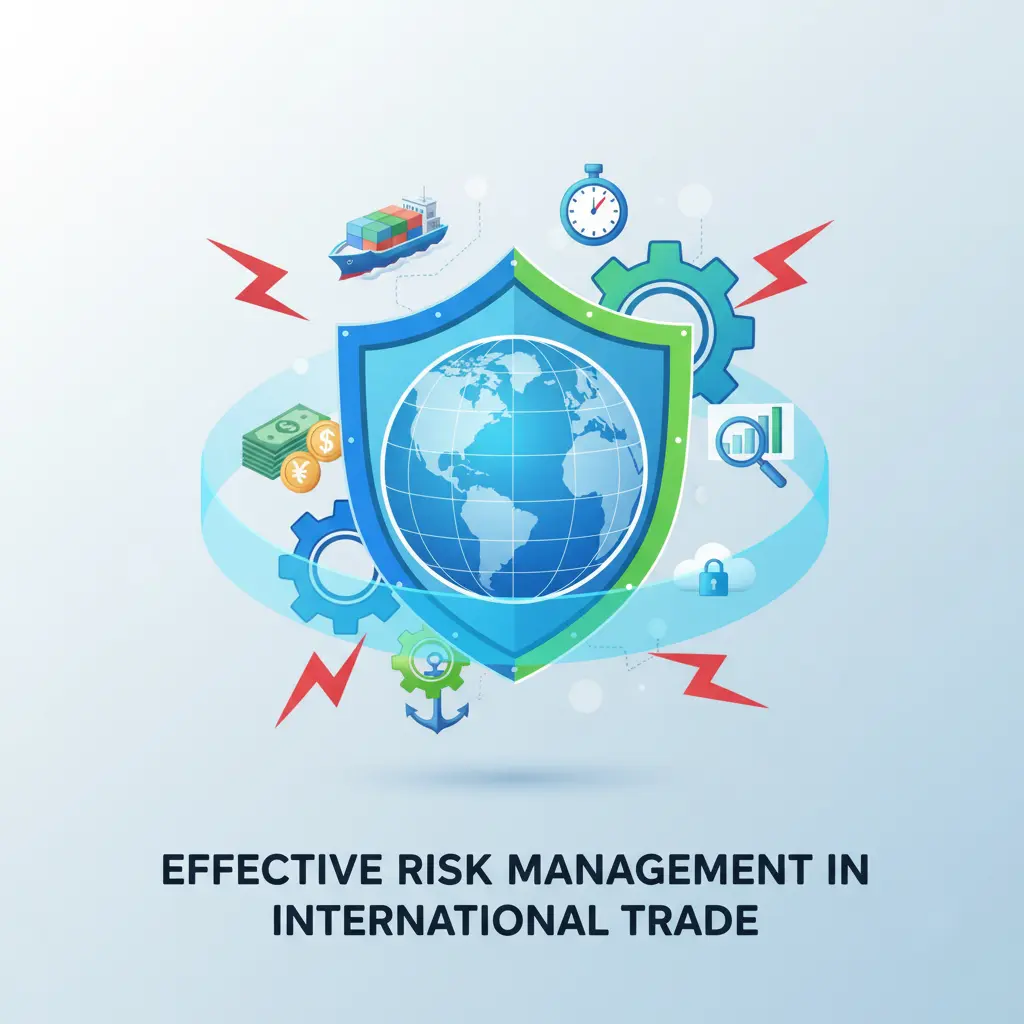
Effective Risk Management in International Trade
Expanding into international markets offers immense growth potential, yet it also introduces a complex web of risks that demand careful navigation. For businesses venturing beyond domestic borders, an effective market diversification strategy is not merely about identifying new sales channels; it’s fundamentally about building resilience and mitigating exposure to unforeseen challenges. Understanding, assessing, and proactively managing these risks are paramount to ensuring sustainable success in the global arena. From volatile economic conditions to intricate legal frameworks, a robust approach to risk management empowers exporters to capitalize on the benefits of market diversification while safeguarding their investments and reputation.
1. Navigating Currency Fluctuations and Political Instability
One of the most immediate and impactful risks in international trade stems from the unpredictable nature of global economies and political landscapes. Currency fluctuations can erode profit margins, making carefully negotiated deals less lucrative overnight. Businesses must contend with exchange rate volatility, which can turn favorable market conditions into significant financial liabilities. Strategies such as currency hedging, using forward contracts or options, can offer a degree of protection against adverse movements. Additionally, diversifying sales and procurement across multiple currencies and regions can naturally balance exposure.
Political instability, ranging from sudden policy changes and new trade barriers to civil unrest and governmental shifts, poses another significant threat. Such events can disrupt supply chains, invalidate contracts, or even lead to asset expropriation. To mitigate these dangers, businesses pursuing global market entry strategies should conduct thorough political risk assessments for target countries. This includes analyzing the stability of the legal and regulatory environment, the predictability of government policy, and geopolitical tensions. Investing in political risk insurance, establishing strong local partnerships, and adopting flexible market diversification strategies that allow for rapid market pivots are crucial defensive measures.
2. Ensuring Legal and Regulatory Compliance Across Borders
Operating internationally means navigating a labyrinth of diverse legal and regulatory frameworks. Compliance risks are pervasive, encompassing everything from import/export regulations, customs duties, and trade sanctions to intellectual property laws, labor laws, and data privacy regulations (like GDPR or local equivalents). Non-compliance can lead to severe penalties, including hefty fines, confiscation of goods, reputational damage, and even criminal charges, effectively derailing international ventures.
To ensure robust compliance, businesses must invest in comprehensive legal due diligence for each target market. Engaging local legal counsel who possess an intimate understanding of specific national and regional laws is often indispensable. Implementing rigorous internal compliance programs, conducting regular audits, and providing ongoing training for employees involved in international operations are vital. Staying abreast of evolving international trade regulations and agreements, such as those governed by the World Trade Organization (WTO), is also critical. A proactive approach to legal and regulatory compliance not only minimizes risks but also fosters trust and legitimacy with international partners and customers.
3. Optimizing Supply Chain Resilience and Operational Efficiency
The global nature of international trade inherently links businesses to complex supply chains, which, while offering cost efficiencies and specialized inputs, also introduce significant operational risks. Disruptions can arise from a multitude of sources: natural disasters, pandemics, geopolitical conflicts, logistical bottlenecks, quality control issues with overseas suppliers, or even cybersecurity breaches affecting transportation and inventory systems. The failure of a single link in the chain can have cascading effects, leading to production delays, increased costs, and ultimately, dissatisfied customers.
Building a resilient supply chain requires strategic planning and proactive measures. One key approach is to embrace the benefits of supply chain diversification by avoiding over-reliance on a single source or region for critical components or finished goods. This might involve dual sourcing from different countries, establishing regional hubs, or even exploring nearshoring options. Implementing advanced logistics and inventory management systems, utilizing real-time tracking, and establishing clear communication protocols with all supply chain partners can enhance transparency and responsiveness. Furthermore, conducting regular risk assessments of the entire supply chain, including potential points of failure and contingency planning for various scenarios, is essential for maintaining operational efficiency and ensuring business continuity.
In conclusion, successful expansion into international markets hinges on a sophisticated and integrated approach to risk management. By meticulously identifying, assessing, and mitigating risks related to currency fluctuations, political instability, legal compliance, and supply chain vulnerabilities, businesses can not only protect their assets but also unlock the full potential of their global endeavors. A well-executed market diversification strategy, supported by robust risk mitigation plans, transforms potential pitfalls into stepping stones for sustained international growth.
Partner with Vietnam’s Leading Suppliers
Looking for reliable suppliers in Vietnam? Contact VietnamSuppliers.com today to connect with verified manufacturers and exporters across all industries.
—————————————
References
– ITC calls for export diversification to build resilience: https://www.intracen.org/news/ITC-s-Executive-Director-calls-for-export-diversification-to-build-resilience/
– How to manage global supply chain risk: https://www.weforum.org/agenda/2023/01/how-to-manage-global-supply-chain-risk-davos2023/
– Harvard Business Review on Market Entry Strategy: https://hbr.org/topic/market-entry-strategy
– WTO Report on Supply Chain Resilience: https://www.wto.org/english/news_e/archive_e/sc_resilience_e.htm
– World Trade Organization (WTO): https://www.wto.org/

