Understanding the Modern Supply Chain Landscape
The modern global supply chain is a delicate web of interconnected processes, constantly evolving yet increasingly susceptible to disruption. From unprecedented events like the COVID-19 pandemic to escalating geopolitical tensions and rapid technological shifts, businesses worldwide face a landscape defined by volatility and uncertainty. This dynamic environment necessitates a fundamental shift in approach, moving beyond mere efficiency to prioritize inherent resilience. For companies navigating the complexities of international trade, understanding and adapting to these challenges is not just an advantage—it’s a critical imperative for sustained growth and survival. The emphasis today is firmly on building robust systems capable of absorbing shocks and recovering swiftly, ensuring continuity in an unpredictable world.
1. Post-Pandemic Volatility and Geopolitical Shifts
The ripple effects of the COVID-19 pandemic profoundly exposed the fragilities within global supply chains, triggering unprecedented disruptions in production, logistics, and demand. Factories shut down, shipping lanes became congested, and raw material shortages became commonplace, leading to soaring costs and extended lead times. Just as industries began to recover, new challenges emerged. Geopolitical shifts, including trade wars, regional conflicts (such as the war in Ukraine), and increasing protectionist policies, have added further layers of complexity. These events have not only disrupted direct trade routes but also forced a re-evaluation of sourcing locations due to concerns over political stability, tariffs, and national security. The resulting unpredictability has pushed businesses to rethink their heavy reliance on single-source suppliers or specific geographic regions, highlighting the urgent need for diversified sourcing strategies and agile response mechanisms. The era of ‘just-in-time’ inventory has rapidly transformed into ‘just-in-case’, as companies stockpile crucial components and reassess their entire operational footprint to mitigate future shocks.
2. Impact on B2B Global Sourcing for Startups
For startups, particularly those engaged in B2B global sourcing for startups, the current supply chain landscape presents both immense opportunities and formidable challenges. Lacking the established networks and financial buffers of larger corporations, new businesses are particularly vulnerable to supply chain disruptions. Securing reliable international logistics for new businesses becomes a critical hurdle, often involving navigating complex customs regulations, fluctuating shipping costs, and extended transit times. The emphasis on supplier diversification import export is paramount; relying on a single overseas vendor can prove catastrophic if that supplier faces production issues, geopolitical risks, or logistics bottlenecks. Smart startups are actively exploring alternative sourcing destinations, with regions offering stability, competitive pricing, and strong manufacturing capabilities gaining traction. For instance, understanding and implementing effective Global Supply Chain Resilience Strategies often involves looking at diverse opportunities such as Vietnam export opportunities B2B, which offers a robust manufacturing base and a growing network of reliable suppliers for various industries. Embracing a multi-region sourcing strategy not only mitigates risk but also enhances competitive advantage by providing flexibility and access to diverse product lines.
3. Emerging Technologies Shaping Logistics and Trade
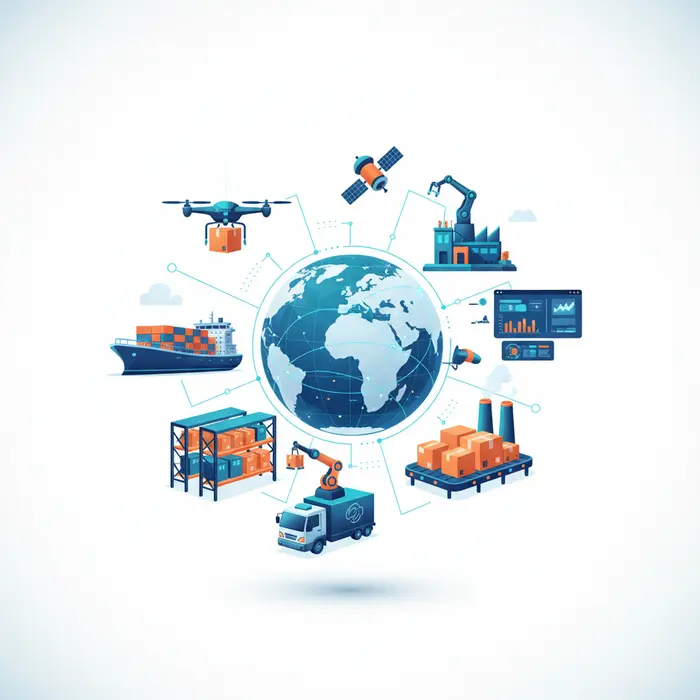
In response to the escalating complexities, emerging technologies are proving instrumental in fortifying global supply chain resilience strategies. Artificial intelligence (AI) and machine learning are revolutionizing demand forecasting, inventory management, and risk prediction, enabling businesses to anticipate disruptions before they materialize. Blockchain technology offers unprecedented transparency and traceability across the entire supply chain, allowing companies to track goods from origin to destination and verify ethical sourcing practices. The Internet of Things (IoT) provides real-time data on cargo location, temperature, and condition, drastically improving visibility and allowing for proactive intervention. Furthermore, automation in warehousing and logistics, coupled with advanced data analytics, streamlines operations, reduces human error, and optimizes routes, thereby enhancing efficiency and speed. For startups and established enterprises alike, integrating these technologies is no longer a luxury but a strategic necessity. They empower businesses with actionable insights, facilitating faster decision-making and enabling the creation of more adaptive, responsive, and ultimately, more resilient supply chain networks capable of thriving in an ever-changing world.
Building Robust B2B Global Sourcing for Startups
For nascent businesses, the journey of establishing a reliable and efficient global supply chain can seem daunting. Yet, tapping into international markets for sourcing offers unparalleled advantages, from cost efficiencies and access to specialized materials to enhanced product innovation. Building robust B2B global sourcing for startups from the ground up requires strategic foresight, meticulous planning, and a deep understanding of international trade nuances. This section delves into practical strategies and critical considerations to help new businesses navigate the complexities of global sourcing, ensuring a foundation built on reliability and efficiency, ultimately contributing to developing robust global supply chain resilience strategies.
1. Identifying Reliable International Suppliers
The first critical step in B2B global sourcing for startups is identifying partners who can consistently meet your quality, volume, and timeline requirements. This goes beyond a simple Google search. Begin by defining your product specifications, material needs, and ethical standards clearly. Research industry-specific online B2B marketplaces like Alibaba, Global Sources, or Thomasnet, but also explore industry associations and trade commissions. Attending virtual or physical trade shows relevant to your sector can provide direct access to a multitude of potential suppliers and allow for initial discussions and product inspections. For example, exploring Vietnam export opportunities B2B can be particularly fruitful for electronics, textiles, and furniture, given its growing manufacturing capabilities and favorable trade agreements. Look for suppliers who have a strong track record of international trade, possess relevant industry certifications (e.g., ISO, CE, RoHS), and demonstrate clear communication practices. Prioritize those who are transparent about their manufacturing processes, labor practices, and environmental impact, aligning with your company’s values and compliance requirements.
2. Navigating Supplier Vetting and Due Diligence
Once potential suppliers are identified, rigorous vetting and due diligence are paramount to mitigate risks inherent in international sourcing. This phase is crucial for establishing long-term, trustworthy relationships. Start by requesting comprehensive company profiles, business licenses, and financial statements to assess their stability and legitimacy. Always ask for product samples to evaluate quality firsthand and ensure they match your specifications. Factory audits, whether conducted in-person by a third party or virtually, can provide invaluable insights into production capabilities, quality control systems, and working conditions. Beyond product quality, scrutinize their compliance with international labor laws, environmental regulations, and ethical sourcing standards. Establishing clear contracts detailing product specifications, pricing, payment terms, quality control protocols, and dispute resolution mechanisms is non-negotiable. Furthermore, consider supplier diversification import export strategies early on to avoid over-reliance on a single source, thereby enhancing your overall global supply chain resilience. Thorough due diligence minimizes future disruptions and safeguards your startup’s reputation and bottom line.
3. Leveraging Digital Platforms for Sourcing Efficiency
In today’s interconnected world, digital platforms are indispensable tools for optimizing B2B global sourcing for startups. They streamline processes, improve communication, and provide data-driven insights. Beyond initial B2B marketplaces for supplier discovery, consider utilizing advanced supply chain management (SCM) software for end-to-end operational visibility. These platforms can help manage orders, track shipments, monitor inventory levels, and facilitate communication with multiple international suppliers simultaneously. For international logistics for new businesses, specialized digital freight forwarding platforms can simplify customs declarations, optimize shipping routes, and provide real-time tracking, often at competitive rates. Data analytics tools can offer insights into market trends, geopolitical risks, and supplier performance, enabling proactive decision-making. Cloud-based collaboration tools facilitate seamless communication across different time zones, ensuring that product development, quality checks, and issue resolution are handled efficiently. Embracing these digital solutions not only boosts operational efficiency but also equips your startup with the agility and responsiveness needed to adapt to dynamic global market conditions, making your supply chain more resilient and competitive.
Building a robust B2B global sourcing strategy for a startup is an ongoing process of learning, adapting, and refining. By diligently identifying and vetting international suppliers, and intelligently leveraging digital platforms, new businesses can establish efficient, reliable, and resilient international supply chains from inception. This proactive approach lays the groundwork for sustainable growth and competitive advantage in the global marketplace.
Mastering International Logistics for New Businesses
Exploring the critical aspects of international logistics, this guide offers essential insights for startups on managing shipping, customs, and global freight effectively to avoid common pitfalls. For new businesses venturing into the global marketplace, understanding and executing Global Supply Chain Resilience Strategies is not just an advantage—it’s a necessity. The complexities of international logistics can often seem daunting, from navigating diverse regulatory frameworks to optimizing freight costs. However, with strategic planning and the right approach to international logistics for new businesses, even startups can establish robust and efficient global supply chains. This section delves into key areas, providing actionable guidance to streamline operations and ensure timely, cost-effective delivery, vital for successful B2B global sourcing for startups and capitalizing on opportunities like Vietnam export opportunities B2B.
1. Choosing the Right Shipping Methods and Partners
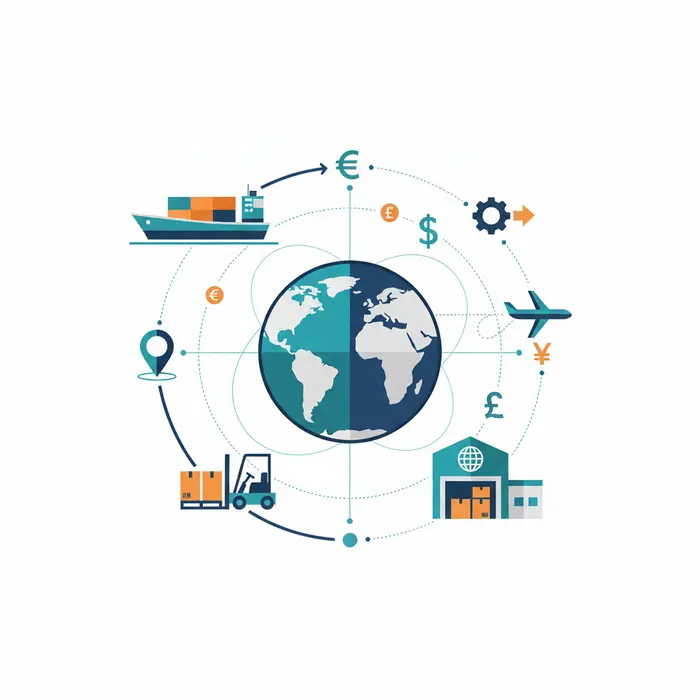
The initial step in mastering international logistics involves selecting appropriate shipping methods and reliable logistics partners. This decision directly impacts cost, speed, and the overall efficiency of your supply chain. For startups, balancing budget constraints with delivery timelines is crucial. Air freight offers speed, ideal for high-value or time-sensitive goods, but comes at a premium. Ocean freight, conversely, is cost-effective for bulk shipments and non-urgent deliveries, though transit times are significantly longer. Express courier services provide a hybrid solution, suitable for smaller, urgent packages with end-to-end tracking.
Beyond the method, vetting your logistics partners is paramount. Look for freight forwarders or carriers with proven experience in your target markets and product type. Key considerations include their global network, customer service, insurance options, and technological capabilities. A reliable partner can offer valuable insights into supplier diversification import export strategies and help you navigate the complexities, making them an indispensable asset for B2B global sourcing for startups. Negotiate clear service level agreements (SLAs) and always have contingency plans to maintain Global Supply Chain Resilience Strategies.
2. Customs, Compliance, and Documentation Simplified
Perhaps the most intricate aspect of international logistics for new businesses is managing customs, compliance, and documentation. Mistakes here can lead to costly delays, fines, or even seizure of goods. It’s essential to understand the customs regulations of both the origin and destination countries. Key documents typically include commercial invoices, packing lists, bills of lading (for ocean) or air waybills (for air), certificates of origin, and import/export licenses.
Understanding Incoterms® (International Commercial Terms) is critical as they define the responsibilities of buyers and sellers for the delivery of goods under sales contracts, covering costs, risks, and transportation. Proper classification of goods using Harmonized System (HS) codes is vital for accurate duty and tax assessment. For instance, businesses pursuing Vietnam export opportunities B2B must be aware of specific customs requirements and trade agreements that might impact duties. Proactive preparation and meticulous attention to detail in all documentation will smooth the customs clearance process and prevent unforeseen complications, reinforcing your Global Supply Chain Resilience Strategies.
3. Utilizing Technology for Real-time Shipment Tracking
In today’s fast-paced global economy, visibility and transparency are non-negotiable for effective international logistics. Leveraging technology for real-time shipment tracking allows new businesses to monitor their goods from the point of origin to the final destination. Modern logistics platforms, often provided by freight forwarders or third-party logistics (3PL) providers, offer detailed tracking information, estimated times of arrival (ETAs), and alerts for potential delays or exceptions.
This technological edge is crucial for informed decision-making and proactive problem-solving. It enables businesses engaged in B2B global sourcing for startups to communicate accurate delivery schedules to their customers, manage inventory more efficiently, and quickly address any disruptions, thereby enhancing customer satisfaction and operational control. Furthermore, data analytics derived from tracking systems can provide valuable insights into logistics performance, helping identify bottlenecks and areas for improvement, which is vital for continuous enhancement of Global Supply Chain Resilience Strategies and optimizing supplier diversification import export efforts. Embracing such digital tools is key to building a competitive and resilient supply chain.
Strategic Supplier Diversification Import Export
In the dynamic landscape of global commerce, businesses involved in import and export operations face a constant barrage of challenges, from geopolitical tensions and trade disputes to natural disasters and pandemics. Developing robust Global Supply Chain Resilience Strategies is no longer a luxury but a fundamental necessity for sustained growth and survival. A cornerstone of this resilience is strategic supplier diversification, a proactive approach designed to mitigate risks, ensure continuity of supply, and enhance agility in an increasingly unpredictable world. For new businesses and established enterprises alike, mastering supplier diversification import export principles is crucial for navigating international logistics for new businesses and securing B2B global sourcing for startups. This section will delve into the critical importance of spreading your sourcing eggs across multiple baskets, providing actionable steps to fortify your supply chain against unforeseen disruptions.
1. Mapping Your Current Supply Chain Vulnerabilities
Before embarking on diversification, a comprehensive understanding of your existing supply chain’s weaknesses is paramount. This initial phase involves a forensic audit to identify potential single points of failure, geographical concentrations, and dependencies that could cripple operations.
- Geographic Concentration: Are most of your critical suppliers located in a single country or region prone to specific risks (e.g., earthquakes, political instability, trade sanctions)? Relying heavily on one location, even for indirect inputs, presents a significant vulnerability.
- Single Source Dependencies: Identify any crucial components, raw materials, or finished goods for which you have only one approved supplier. What would happen if that supplier faced production issues, quality control problems, or went out of business?
- Logistical Bottlenecks: Assess your transportation routes and critical logistics partners. Are you overly reliant on a single port, shipping lane, or freight forwarder? Delays or disruptions at these points can have cascading effects.
- Financial Health of Suppliers: Understanding the financial stability of your key suppliers can prevent disruptions stemming from their insolvency.
- Regulatory and Geopolitical Risks: Keep abreast of potential trade policy changes, tariffs, and geopolitical events that could impact specific regions or industries. For instance,
Vietnam export opportunities B2Bmight arise from shifts in global manufacturing hubs, but understanding the specific regulatory environment is key.
Tools like supply chain mapping software, risk assessment matrices, and regular supplier audits can help pinpoint these vulnerabilities, providing a clear roadmap for where diversification efforts are most needed.
2. Strategies for Geographical Diversification
Once vulnerabilities are identified, the next step is to strategically spread your sourcing across different geographical regions. This approach lessens the impact of localized disruptions and fosters a more balanced risk profile.
- “China+1” or “Multi-Regional” Strategy: Many businesses, traditionally heavily reliant on a single manufacturing hub, are now adopting a strategy of diversifying into additional countries. This doesn’t necessarily mean abandoning existing relationships but rather building parallel capabilities elsewhere. For example, while China remains a powerhouse, countries like Vietnam, India, Mexico, and portions of Eastern Europe offer compelling alternatives or complements for specific goods and services. Exploring
Vietnam export opportunities B2Bcan be a strategic move for manufacturers looking for robust supply alternatives in Southeast Asia, leveraging its growing infrastructure and competitive labor costs. - Nearshoring/Reshoring: Depending on the product and market, bringing some production closer to your primary sales markets (nearshoring) or even back to your home country (reshoring) can reduce transit times, shipping costs, and exposure to long international supply chains, which is particularly relevant for businesses optimizing
international logistics for new businesses. - Regional Hubs: Establish different sourcing and manufacturing hubs in various continents or major economic blocs to serve regional markets, thus decentralizing risk and improving responsiveness.
The goal is not just to find cheaper alternatives but to build a resilient network of suppliers that can collectively ensure continuity, even if one region faces significant challenges. This proactive approach significantly strengthens B2B global sourcing for startups.
3. Developing a Multi-Supplier Contingency Plan
Beyond geographical spread, true resilience comes from having a robust plan for multiple approved suppliers for critical inputs. This involves more than just identifying backups; it requires active engagement and readiness.
- Primary, Secondary, and Tertiary Suppliers: For every critical component or product, identify at least one primary supplier and one or more qualified secondary or tertiary suppliers. These secondary suppliers should ideally be based in different regions than the primary to enhance geographical diversification.
- Active Qualification and Onboarding: Don’t wait for a crisis to onboard a new supplier. Proactively qualify and conduct trial orders with your backup suppliers to ensure they meet quality standards, production capacities, and logistical requirements. This reduces lead times and risks when a switch becomes necessary.
- Dual Sourcing for Critical Items: For extremely critical components, consider a dual-sourcing strategy where you actively purchase from two or more suppliers simultaneously. While this might slightly increase per-unit costs, it provides immediate flexibility and leverages competition.
- Contractual Flexibility: Negotiate contracts with both primary and secondary suppliers that allow for scaling up or down production with reasonable notice, providing agility in response to demand fluctuations or disruptions.
- Regular Review and Audit: Continuously monitor the performance, financial health, and risk profiles of all your suppliers. Regular audits ensure ongoing compliance and quality. McKinsey highlights the importance of such proactive measures in enhancing overall supply chain robustness, stating that companies with diversified supplier bases are better equipped to navigate disruptions. This approach, as detailed in reports like “Risk, resilience, and rebalancing in global supply chains,” is vital for long-term strategic advantage.
By systematically implementing these strategies, businesses can transform their supply chains from vulnerable links into robust, adaptive networks. Strategic supplier diversification is an ongoing process that requires continuous monitoring, evaluation, and adaptation, but its long-term benefits in terms of stability, efficiency, and competitive advantage are immeasurable for any entity engaged in global import and export.
Exploring New Frontiers: Vietnam Export Opportunities B2B
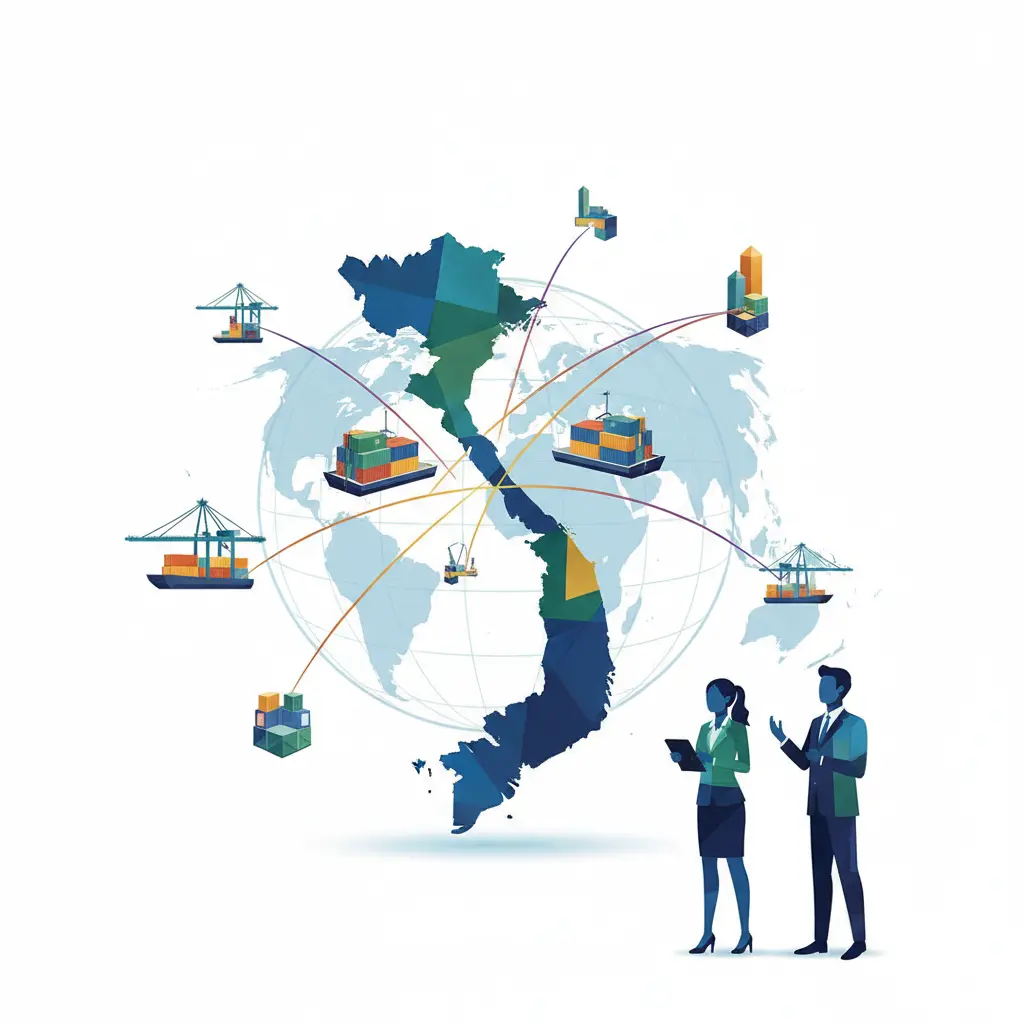
In an increasingly interconnected yet volatile global economy, businesses are constantly seeking strategies to enhance their Global Supply Chain Resilience Strategies. Vietnam has rapidly emerged as a pivotal player in this paradigm shift, offering compelling B2B export opportunities for companies looking to diversify their sourcing and expand their global footprint. Its strategic location, robust economic growth, and an improving business environment position it as a prime destination for enterprises ranging from startups engaged in B2B global sourcing for startups to established corporations seeking supplier diversification import export. This section delves into Vietnam’s allure as a key market, detailing specific B2B export avenues and critical considerations for successful engagement.
1. Why Vietnam is a Key Player in Global Trade
Vietnam’s ascent on the global trade stage is no accident. The nation boasts remarkable political stability, a young and increasingly skilled labor force, and a government committed to fostering foreign investment and international trade. Its strategic geographical position in Southeast Asia, with extensive coastlines and proximity to major shipping lanes, significantly reduces international logistics for new businesses costs and transit times. Furthermore, Vietnam has actively pursued and ratified numerous free trade agreements (FTAs), including the Comprehensive and Progressive Agreement for Trans-Pacific Partnership (CPTPP), the EU-Vietnam Free Trade Agreement (EVFTA), and the Regional Comprehensive Economic Partnership (RCEP). These agreements provide preferential tariffs and streamlined customs procedures, making Vietnamese products more competitive globally and significantly boosting Vietnam’s Economic Overview – World Bank. This favorable ecosystem makes Vietnam an indispensable component of any modern Global Supply Chain Resilience Strategies, offering an alternative to traditional manufacturing hubs and mitigating geopolitical risks.
2. Key Sectors and Products for B2B Sourcing in Vietnam
For businesses exploring Vietnam export opportunities B2B, a diverse array of sectors presents lucrative prospects. The textile and apparel industry remains a cornerstone, with Vietnamese factories producing high-quality garments, footwear, and accessories for leading global brands. Electronics manufacturing has also seen exponential growth, with the country becoming a vital hub for producing smartphones, components, and consumer electronics. Agriculture and food processing are other robust sectors, offering everything from coffee and rice to seafood and processed fruits, adhering to international quality standards. Furniture manufacturing, especially for wood and rattan products, combines skilled craftsmanship with competitive pricing. Additionally, emerging sectors like automotive parts, machinery, and renewable energy components are attracting significant B2B investment. For startups and SMEs, these sectors offer rich grounds for B2B global sourcing for startups, allowing for access to a wide range of goods and services that can enhance product portfolios and market reach.
3. Navigating Cultural and Business Practices in Vietnam
While Vietnam offers immense B2B potential, successful engagement requires an understanding of local cultural nuances and business practices. Building strong personal relationships (known as ‘mối quan hệ’) is paramount; initial meetings often focus on establishing trust before delving deeply into business specifics. Patience is a virtue, as decision-making processes can be slower than in Western countries. Communication tends to be indirect, with an emphasis on politeness and harmony. It is advisable to engage with local consultants or partners who possess deep market knowledge and can bridge cultural gaps. Understanding and adhering to local legal frameworks, particularly concerning contracts, intellectual property, and labor laws, is crucial for minimizing risks. For new businesses, grappling with the intricacies of international logistics for new businesses from Vietnam also requires careful planning, including selecting reliable freight forwarders and understanding customs regulations. By respectfully navigating these aspects, businesses can forge strong, long-lasting partnerships and unlock the full potential of Vietnam export opportunities B2B.
Partner with Vietnam’s Leading Suppliers
Looking for reliable suppliers in Vietnam? Contact VietnamSuppliers.com today to connect with verified manufacturers and exporters across all industries.
—————————————
References
– diversified sourcing strategies: https://www.mckinsey.com/capabilities/operations/our-insights/supply-chain-resilience
– How to Build a Resilient Supply Chain – Supply Chain Dive: https://www.supplychaindive.com/news/supply-chain-resilience-strategies-how-to-build-one/600570/
– :
– Risk, resilience, and rebalancing in global supply chains | McKinsey: https://www.mckinsey.com/capabilities/operations/our-insights/risk-resilience-and-rebalancing-in-global-supply-chains
– Vietnam Economic Overview – World Bank: https://www.worldbank.org/en/country/vietnam/overview