
Introduction to Marine Cargo Insurance
Global trade is the lifeblood of economies, relying heavily on the safe and efficient transportation of goods across vast oceans and intricate supply chains. However, this journey is fraught with risks, from natural disasters and accidents to theft and damage. This is where Marine Cargo Insurance steps in, serving as a critical safety net that underpins the confidence and stability of international shipping. This comprehensive guide will delve into its fundamental role, its significance for international shipping, and the key parties who benefit from its invaluable protection.
1. What is Marine Cargo Insurance and How Does It Work?
Marine Cargo Insurance is a specialized form of insurance designed to protect goods while they are in transit, whether by sea, air, or land. It covers losses or damages to cargo during the entire journey from the point of origin to the final destination. Essentially, it mitigates the financial risks associated with the movement of goods, providing compensation to the policyholder if the cargo is lost, damaged, or destroyed due to covered perils.
How does it work? A shipper, importer, or another interested party purchases a policy from an insurer, agreeing to pay a premium. In return, the insurer agrees to indemnify the policyholder for covered losses. Policies vary widely based on the “Types of marine insurance coverage” selected, which can range from “All Risks” coverage, offering the broadest protection against most external causes of loss, to more restrictive options like “Free From Particular Average” (FPA) or “With Average” (WA), covering specific named perils. The cost, often referred to as “Freight insurance cost,” is typically a small percentage of the cargo’s value but provides immense peace of mind. When a loss occurs, the policyholder files a claim with the insurer, providing evidence of the loss and relevant documentation, and if approved, receives compensation. Understanding these nuances is crucial when seeking “Marine insurance quotes.”
2. Why It’s Essential for International Shipping Success
The global supply chain is inherently vulnerable. Cargoes are exposed to a myriad of risks including adverse weather conditions, piracy, jettison, collision, fire, theft, mishandling, and even general average declarations, where all parties in a maritime venture share proportionally in any sacrifices or expenses voluntarily made to save the entire venture from peril. Without adequate international shipping insurance, businesses face the devastating prospect of significant financial loss, potentially jeopardizing their operations and reputation.
Marine Cargo Insurance ensures business continuity by safeguarding against these unforeseen events. It transforms unpredictable risks into a manageable, predictable expense (the premium). This financial security fosters trust among trading partners, facilitates credit and financing for trade transactions, and allows businesses to confidently expand into new markets. Furthermore, in an increasingly competitive global landscape, robust cargo insurance can be a competitive advantage, demonstrating a commitment to secure and reliable delivery. The decision to invest in this type of coverage is not just about protection; it’s about enabling smooth, uninterrupted global trade and ensuring long-term success.
3. Key Stakeholders Who Benefit from Coverage
A wide array of parties involved in global commerce directly benefit from the protection offered by Marine Cargo Insurance:
- Shippers/Exporters: These are the primary beneficiaries, as they bear the initial risk of loss or damage until the cargo is safely delivered to the buyer, depending on the Incoterms. Insurance protects their investment in the goods and ensures they receive payment even if something goes wrong during transit.
- Importers/Consignees: Often, the risk transfers to the importer at various points. Having cargo insurance means they are protected against receiving damaged goods or no goods at all, preventing financial losses and potential disruptions to their own supply chain or production schedules.
- Freight Forwarders & Logistics Providers: While typically not owning the goods, these entities can be held liable for certain types of damage or loss under their own terms of service or specific contractual agreements. Cargo insurance minimizes their exposure to claims from their clients and enhances their reputation for reliable service.
- Banks and Financiers: Financial institutions that provide loans or letters of credit for trade transactions often require cargo insurance as collateral. It assures them that the underlying goods, which secure their financial exposure, are protected against loss, thereby reducing their risk and facilitating trade finance.
In essence, Marine Cargo Insurance acts as a critical enabler of global trade, providing a crucial layer of security that allows goods to move freely and businesses to thrive in the complex and often unpredictable world of international shipping.
Exploring Types of Marine Insurance Coverage
Delve into the complex world of marine insurance, a critical safeguard for businesses involved in global trade. This comprehensive guide outlines the various classifications of coverage, detailing what each type protects against – from the integrity of the vessel itself to the goods being transported, and even the crucial freight charges that underpin shipping operations. Understanding these distinct policies is vital for managing risks associated with international shipping and ensuring financial stability amidst unforeseen maritime challenges.
1. Hull and Machinery Insurance Explained
Hull and Machinery (H&M) insurance forms the bedrock of protection for shipowners. This crucial policy specifically covers physical damage to the vessel itself – including its hull, machinery, and equipment – whether it’s a cargo ship, tanker, passenger vessel, or offshore unit. H&M policies typically protect against a wide array of perils of the sea, such as grounding, collision with other vessels or objects, sinking, heavy weather damage, fire, explosion, jettison, piracy, and general average contributions. It also often includes coverage for salvage charges, towage, and liability for collision damage to other ships (known as ‘running down clause’). The scope can vary based on the specific clauses agreed upon, such as the widely used Institute Time Clauses – Hulls, which provide a comprehensive framework for coverage over a defined period. For any enterprise owning or operating vessels, understanding the intricacies of H&M insurance is paramount to safeguarding a significant capital asset and ensuring continuous operational capability.
2. Cargo Insurance: All Risks vs. Named Perils
Marine Cargo Insurance is perhaps the most widely utilized form of marine coverage, designed to protect the goods being transported across oceans, rivers, or by air and land as part of an international transit. Its primary purpose is to indemnify the cargo owner against loss or damage to their goods from the point of origin to the final destination. The choice of coverage largely depends on the value, nature of the goods, and the shipper’s risk appetite, typically falling into two main categories:
All Risks Coverage: Despite its name, “All Risks” does not literally cover every conceivable risk, but it does provide the broadest possible protection. It covers all fortuitous losses or damages to the cargo, unless specifically excluded by the policy. Common exclusions might include willful misconduct of the insured, inherent vice of the goods (e.g., perishable goods spoiling naturally), ordinary leakage or loss in weight/volume, inadequate packing, nuclear risks, war, strikes, and riots (though these can often be added back via special clauses). This comprehensive option is highly recommended for high-value goods or complex supply chains, offering peace of mind against a wide range of unpredictable events during international shipping insurance.
Named Perils Coverage: Also known as “Free from Particular Average (FPA)” or “With Average (WA)” depending on the specific clauses, Named Perils coverage is more restrictive. It only covers losses or damages directly caused by specifically enumerated perils listed in the policy. Typical named perils include fire, collision, grounding, sinking, heavy weather, jettison, and general average. FPA policies offer the most limited coverage, usually only for total loss or general average, while WA policies extend to partial losses if they result from a named peril. While often more affordable, this option requires careful consideration to ensure the selected perils align with the actual risks faced by the cargo. Businesses seeking marine insurance quotes should weigh their risk exposure against potential costs to make an informed decision.
3. Freight Insurance: Protecting Your Shipping Costs
Beyond the vessel and the cargo, the financial mechanism of shipping – the freight – also requires specific protection. Freight insurance is designed to safeguard the shipping costs or the revenue a carrier expects to earn from transporting goods. This type of coverage becomes critical in scenarios where freight charges are contingent upon the safe arrival of the cargo, or when the vessel itself incurs damage that prevents it from completing its voyage. For instance, if a vessel is lost or extensively damaged, leading to the non-delivery of cargo, the carrier might lose the freight revenue they were expecting. Similarly, if cargo is damaged to the extent that it’s deemed worthless and abandoned, the freight may not be paid. Freight insurance indemnifies the shipowner or charterer against such losses, ensuring that even if unforeseen maritime events disrupt the voyage or damage the goods, the financial outlay for the transportation itself is not entirely forfeited. Understanding the nuances of freight insurance cost and its implications is crucial for carriers and charterers looking to mitigate significant financial risk and optimize their international shipping insurance strategies.
Understanding Policy Coverage: What’s Included & Excluded?
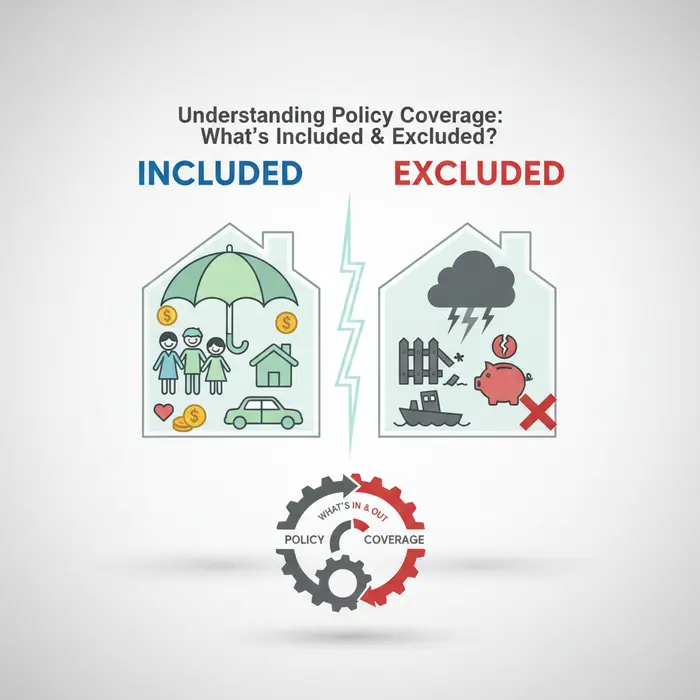
Navigating international trade requires robust protection for your valuable cargo. Marine cargo insurance is vital for mitigating shipping risks. However, understanding what your policy covers and excludes is paramount for adequate international shipping protection. This section clarifies types of marine insurance coverage, from Institute Cargo Clauses to common exclusions, aiding informed decisions for freight insurance cost-effectiveness.
1. Covered Perils: Institute Cargo Clauses (A, B, C)
The Institute Cargo Clauses (ICC) are international standards defining marine cargo insurance coverage. Issued by the Institute of London Underwriters, ICC (A), (B), and (C) structure risk categorization. Understanding these types of marine insurance coverage is crucial for selecting appropriate protection.
- ICC (A): The broadest ‘all risks’ coverage. It covers all loss or damage except specifically excluded perils. Ideal for high-value or fragile goods, offering comprehensive protection against diverse perils like natural disasters, theft, and non-delivery.
- ICC (B): More limited, covering named perils like fire, explosion, vessel stranding/sinking, collision, land conveyance overturning, discharge at distress port, natural phenomena (earthquake, lightning), jettison, washing overboard, or water entry into the vessel. Provides substantial protection against common transit risks.
- ICC (C): The most restrictive, offering basic protection for catastrophic losses: fire, explosion, vessel stranding/sinking, collision, land conveyance overturning, and jettison. Suitable for low-value, robust goods where major event protection is paramount. Businesses seeking competitive freight insurance cost might consider ICC (C), but must note its limited scope.
2. Common Exclusions and Policy Limitations
While marine cargo insurance offers vital protection, understanding its exclusions is equally important. These standard limitations define the insurer’s liability, crucial for managing expectations and avoiding surprises.
Typical exclusions in international shipping insurance policies include:
- Inherent Vice: Loss or damage from the cargo’s natural properties (e.g., spoilage, rust).
- Ordinary Losses: Normal leakage, weight/volume loss, or wear and tear during transit.
- Willful Misconduct: Loss or damage intentionally caused by the policyholder.
- Unseaworthiness: If the assured knew of the vessel’s unseaworthiness at transit start.
- Delay: Loss or damage caused by delay, even if the delay’s cause is an insured peril.
- Insufficient Packing: Inadequate cargo packing for the voyage.
- War and Strike Risks: Generally excluded but addable via specific clauses for additional freight insurance cost, covering war, civil commotions, strikes, and terrorism.
When getting marine insurance quotes, always clarify exclusions and if risks can be endorsed. This understanding is key to assessing your international shipping protection‘s true scope.
3. The Importance of Reading Your Policy Wording Carefully
Given marine cargo insurance’s intricacies, diligently reading and understanding the entire policy is paramount. An insurance policy is a legal contract; its terms dictate coverage and your obligations. Relying on summaries can lead to misunderstandings and claim disputes.
Key areas to examine:
- Perils covered/excluded: Ensure alignment with your cargo and route.
- Warranties/conditions: Breaching these promises (e.g., packing standards) can invalidate coverage.
- Deductibles/Limits: Understand your financial responsibility and the insurer’s maximum payout.
- Reporting/Time Limits: Prompt reporting and documentation are vital for claims.
- Geographical Scope/Duration: Confirm coverage spans the entire journey and expected transit.
By reviewing your policy, you can identify gaps, clarify terms, and ensure your international shipping protection truly meets needs. This proactive approach ensures your marine cargo insurance provides intended security. For detailed insights into these clauses, consult authoritative resources such as Clyde & Co’s expertise on marine insurance wording.
Getting Marine Insurance Quotes & Cost Factors
Securing reliable Marine Cargo Insurance is a critical step for any business engaged in international trade, protecting valuable goods from the myriad risks associated with global transit. This section will guide you through the process of obtaining competitive marine insurance quotes, delve into the crucial factors that influence freight insurance cost, and equip you with strategies for effectively comparing policies beyond just their price tag, ensuring you make an informed decision for your international shipping insurance needs.
1. How to Get Competitive Marine Insurance Quotes
Obtaining competitive marine insurance quotes requires a structured approach to ensure you receive comprehensive coverage at a fair price. The first step involves gathering detailed information about your shipment. Insurers will need to know the exact nature of your cargo (e.g., fragile, hazardous, high-value electronics, general merchandise), its total declared value, the precise route it will take, the mode of transport (ocean vessel, air freight, or multimodal), and details about packaging and loading procedures. Providing accurate and complete information is paramount, as any omissions could lead to discrepancies or issues during a claim.
Once you have your shipment details ready, reach out to multiple reputable marine insurance brokers or direct underwriters. Specialist brokers often have access to a wider range of insurers and can offer tailored solutions for specific types of cargo or challenging routes. Leveraging online platforms or aggregators can also provide initial estimates, though direct consultation is often recommended for complex or high-value shipments. Don’t hesitate to ask questions about policy terms, coverage exclusions, and the claims process. Clarity on these aspects upfront can prevent costly misunderstandings later, ensuring your international shipping insurance truly protects your interests.
2. Key Factors Affecting Freight Insurance Cost
The freight insurance cost is a complex calculation influenced by numerous variables, each contributing to the overall risk assessment. Understanding these factors is key to navigating the market effectively. Primarily, the type and value of the cargo play a significant role; delicate, perishable, high-value, or hazardous goods naturally attract higher premiums due to their increased vulnerability or potential for greater loss. The shipping route and destination are also critical, with higher-risk zones (e.g., areas prone to piracy, political instability, or severe weather) leading to elevated costs.
Furthermore, the mode of transport and the carrier’s reputation can impact premiums. A carrier with a strong safety record and modern vessels may result in lower costs compared to less established operators. The adequacy of packaging is another often-overlooked factor; well-packaged goods demonstrate due diligence and can mitigate certain risks, potentially reducing costs. Crucially, the types of marine insurance coverage selected – such as “All-Risk” coverage which offers broad protection against most perils, versus “Named Perils” which covers only specific, pre-defined events – will directly correlate with the premium. Finally, factors like your claims history and the deductible amount chosen can also influence the final Marine Cargo Insurance premium.
3. Comparing Policies: What to Look For Beyond Price
While freight insurance cost is undoubtedly a significant consideration, effective policy comparison extends far beyond the bottom line. The true value of a Marine Cargo Insurance policy lies in its scope and reliability when a claim arises. Therefore, always scrutinize the coverage exclusions and limitations. An “All-Risk” policy, for instance, is comprehensive but typically excludes losses due to war, strikes, riots, inherent vice of the goods, or inadequate packaging – understanding these nuances is vital. Verify the specific perils covered and ensure they align with the risks your cargo is most likely to face.
Beyond coverage, evaluate the insurer’s reputation and financial stability. A financially robust insurer provides peace of mind that valid claims will be paid promptly. Research their claims handling process; an efficient and transparent claims procedure can significantly reduce stress and financial burden during an unfortunate event. Pay attention to the deductible (or excess) amount, which is your out-of-pocket expense before the insurance kicks in. A lower premium might come with a higher deductible, effectively shifting more risk to you. Consider also the quality of customer service and any additional services offered, such as risk management advice or loss prevention resources. Thoroughly understanding the intricacies of international shipping insurance involves weighing all these factors to select a policy that offers genuine protection and value.
Making a Claim and Future Trends in Marine Insurance
Navigating the unpredictable waters of international trade requires robust protection, and marine cargo insurance serves as the critical safety net against perils at sea and on land. When unforeseen incidents occur, understanding the claims process is paramount to mitigating losses efficiently. The landscape of international shipping insurance is also undergoing a significant transformation, driven by technological advancements and evolving global risks, demanding forward-thinking strategies from shippers and insurers alike. This section will guide you through the intricacies of filing a successful claim and explore the exciting future trends shaping marine insurance for 2025 and beyond.
1. The Marine Cargo Insurance Claims Process Step-by-Step
The marine cargo insurance claims process is a structured procedure for policyholders to seek compensation for covered losses or damages during transit. An efficient process is vital for business continuity. Here’s a typical step-by-step guide:
- Immediate Notification of Loss/Damage: Promptly notify the insurer or their local agent upon discovery of damage or loss, including policy number, nature of loss, and voyage information. Timeliness is crucial.
- Survey and Inspection: For significant losses, the insurer will typically appoint an independent surveyor or loss adjuster to assess damage cause and extent. The insured must cooperate fully, providing access to goods and information.
- Mitigation of Loss: Policyholders have a duty to take all reasonable steps to prevent further damage to cargo, such as re-packaging or securing goods, even before a surveyor arrives.
- Formal Claim Submission: Once the loss extent is determined and documentation gathered, a formal claim form detailing lost/damaged items, estimated value, and incident circumstances is submitted to the insurer.
- Insurer’s Assessment and Review: The insurer’s claims department reviews all documentation, including the surveyor’s report, to verify coverage and quantum of loss. Understanding your types of marine insurance coverage beforehand is crucial to avoid denials.
- Settlement or Denial: Upon successful assessment, the insurer offers a settlement based on policy terms and validated loss. If covered, payment is processed; otherwise, the claim may be denied with reasons provided.
2. Essential Documentation for a Successful Claim
A well-documented claim significantly expedites the settlement process, making comprehensive and accurate paperwork critical for a successful outcome. The following documents are typically required:
- Bill of Lading (B/L) / Air Waybill (AWB): Contract of carriage and goods receipt.
- Commercial Invoice: Declared value of goods, essential for loss amount.
- Packing List: Details contents and quantity per package.
- Insurance Policy or Certificate: Proof of coverage, terms, and sum insured.
- Survey Report / Loss Adjuster’s Report: Expert assessment of damage cause and extent.
- Claim Form: Official document formally stating the claim.
- Correspondence with Carrier: Communication regarding loss/damage, including protest letters.
- Photographic/Video Evidence: Visual proof of damage.
Meticulously organizing and providing all necessary documentation can drastically reduce delays and increase the likelihood of a favourable settlement, also aiding in accurate assessment of freight insurance cost.
3. Impact of Technology (IoT, AI) on Underwriting and Future Trends
The marine insurance sector is undergoing a technological revolution, with IoT and AI reshaping risk assessment, underwriting, and claims management. These innovations promise more precise marine insurance quotes and efficient operations.
- IoT for Real-time Monitoring: IoT devices track cargo conditions (temperature, humidity, shock, location) in real-time. This data provides insights for proactive interventions, enabling underwriters to offer dynamic pricing based on actual risk exposure and help mitigate loss.
- AI for Enhanced Underwriting: AI algorithms process vast data – shipping routes, weather, port congestion, historical claims – to identify complex risk patterns. This enables accurate risk assessment, automated underwriting, tailored policies, and improved fraud detection, streamlining claims validation.
- Predictive Analytics: Combining IoT data with AI-driven analytics allows insurers to anticipate issues before they escalate. Anomaly detection in sensor data, for instance, can signal cargo spoilage, prompting immediate action. This shift towards proactive risk prevention is a major future trend for 2025.
- Blockchain for Transparency: Blockchain provides an immutable, transparent ledger for all shipment data. This significantly reduces disputes, verifies documentation instantly, and speeds up settlements.
As the maritime industry embraces digitalization, international shipping insurance will integrate these technologies, leading to more responsive, data-driven, and secure global trade. Keeping abreast of these developments is crucial. For further insights into the future of marine insurance, explore industry reports such as those offered by Marsh & McLennan Companies, which often delve into emerging risks and technological advancements.
Partner with Vietnam’s Leading Suppliers
Looking for reliable suppliers in Vietnam? Contact VietnamSuppliers.com today to connect with verified manufacturers and exporters across all industries.
—————————————
References
– International Union of Marine Insurance: https://www.iumi.com/
– Marine Insurance – Investopedia: https://www.investopedia.com/terms/m/marine-insurance.asp
– Clyde & Co’s expertise on marine insurance wording: https://www.clydeco.com/en/insights/2019/07/marine-cargo-claims-the-institute-cargo-clauses
– Marine Cargo Insurance Explained: https://www.marsh.com/us/insights/commercial-broking/marine-cargo-insurance-explained.html
– Marsh & McLennan Companies: https://www.marsh.com/us/insights/research/future-of-marine-insurance.html

