In the complex web of global supply chains, maintaining consistent product quality is paramount. Yet, businesses frequently encounter a silent threat known as quality fade – a gradual, often imperceptible decline in the quality of products supplied by manufacturers over time. This insidious phenomenon can undermine years of brand building, erode customer trust, and significantly impact the bottom line. Understanding its anatomy – from its root causes to its devastating effects – is crucial for any business engaged in international trade and committed to delivering excellence.
1. What is Quality Fade and Why Does it Happen?
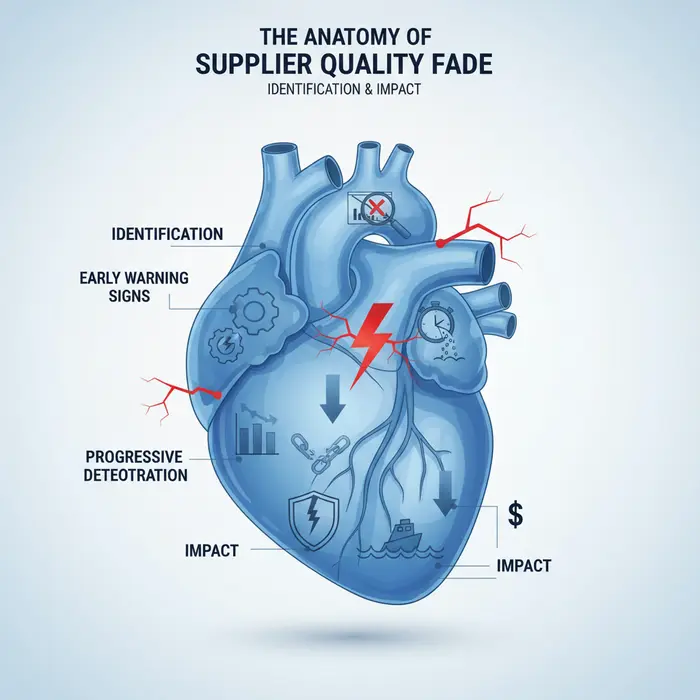
Quality fade refers to the progressive, subtle reduction in product quality that occurs after initial samples or first production runs meet specifications. Unlike a sudden, catastrophic defect, quality fade is a creeping degradation, often involving minor changes in materials, manufacturing processes, or finishing. Initially, the changes might be so slight they go unnoticed, but over time, they accumulate, leading to a product that no longer meets original expectations or standards.
Several factors contribute to this phenomenon:
- Cost Reduction Pressures: Suppliers, especially in highly competitive markets, may be tempted to cut corners to reduce production costs and improve their margins. This often manifests as switching to cheaper, lower-grade raw materials or components, reducing quality control checks, or using less skilled labor.
- Lack of Oversight: Inadequate supplier quality control strategies and insufficient monitoring from the buying company can create an environment where quality slips unnoticed. Without regular inspections, audits, and clear communication, suppliers may not feel the consistent pressure to maintain standards. This is a common challenge in international supplier quality management, where geographical distance can complicate oversight.
- Production Capacity Strain: As demand for a product increases, suppliers might overextend their capacity, leading to rushed production, reduced attention to detail, and a decline in quality.
- Employee Turnover & Training Gaps: A loss of experienced staff or a failure to adequately train new employees can result in inconsistencies in manufacturing processes and a general decrease in workmanship.
- Material Scarcity or Price Fluctuations: Suppliers might be forced to substitute materials due to availability issues or price hikes, potentially leading to a drop in quality if the alternatives are not rigorously vetted.
2. Hidden Costs: Brand Damage and Customer Churn
The impact of quality fade extends far beyond the immediate cost of defective goods. Its most significant and often hidden costs manifest in brand erosion and customer attrition. When products consistently fail to meet expectations, consumers lose faith in the brand. This can lead to:
- Decreased Customer Satisfaction: Customers experiencing lower quality products are less likely to repurchase and more likely to voice their dissatisfaction publicly.
- Increased Returns and Warranty Claims: A rise in product failures translates directly to higher return rates, increased customer service costs, and more frequent warranty claims, all of which eat into profit margins.
- Negative Reviews and Word-of-Mouth: In the age of online reviews and social media, a single negative experience can quickly propagate, deterring potential new customers and damaging brand reputation across a wider audience. This is a critical aspect of dealing with quality fade proactively.
- Loss of Market Share: Competitors offering more consistent quality can capitalize on a brand’s quality fade, attracting dissatisfied customers and eroding market share.
- Damaged Brand Image and Trust: The long-term impact on a brand’s reputation can be catastrophic, taking years and significant investment to rebuild. For B2B suppliers, consistent B2B supplier performance issues can lead to lost contracts and a damaged industry standing.
These hidden costs can far outweigh the initial savings a supplier might have gained from cutting corners, ultimately impacting the buying company’s revenue, profitability, and long-term viability.
3. Early Warning Signs: How to Spot Degradation
Identifying quality fade early is crucial for mitigating its impact. Businesses must implement robust monitoring systems and be vigilant for subtle indicators. Key early warning signs include:
- Increased Defect Rates: Even a slight, consistent increase in minor defects, such as cosmetic flaws, functional inconsistencies, or packaging issues, should be a red flag.
- Customer Complaints and Feedback: Pay close attention to recurring complaints, even if seemingly minor, about product durability, finish, or performance. Analyze review trends for any shift towards negative sentiment.
- Changes in Material or Production Process: Unannounced changes by the supplier to raw materials, components, or manufacturing methods are immediate causes for concern and warrant investigation. This is a crucial area for preventing quality degradation in imports.
- Inconsistent Product Samples: If samples from different production batches vary in quality, appearance, or functionality, it indicates a lack of consistent process control at the supplier’s end.
- Extended Lead Times or Delivery Delays: While not directly a quality issue, these can sometimes signal internal problems at the supplier, such as overstretched capacity or resource shortages, which can indirectly impact quality.
- Audit Findings: Regular supplier audits, both announced and unannounced, are invaluable. Look for non-conformances, lack of documentation, or signs of poor housekeeping.
- Supplier Behavior Changes: A sudden reluctance to share information, delays in communication, or defensiveness during discussions about quality can be warning signs.
Implementing a comprehensive supplier quality control strategies program that includes regular inspections, clear communication channels, performance metrics, and a proactive approach to international supplier quality management is essential for detecting and addressing quality fade before it escalates into a major crisis.
Proactive Supplier Quality Control Strategies: Building a Strong Foundation
In the intricate world of global commerce, maintaining consistent product quality is paramount. This section delves into proactive supplier quality control strategies, focusing on establishing robust preventative measures from the outset. By emphasizing clear communication and initial vetting processes, businesses can effectively address and avoid common B2B supplier performance issues, thereby significantly contributing to preventing quality degradation in imports and safeguarding brand reputation. These foundational steps are crucial for long-term success, minimizing the risks associated with quality deviations and the costly consequences of dealing with quality fade.
1. Supplier Vetting and Qualification Protocols
The cornerstone of effective international supplier quality management begins with rigorous supplier vetting and qualification. This initial phase is critical for identifying partners who not only meet current production needs but also demonstrate a commitment to sustained quality. Protocols should include comprehensive audits of potential suppliers, assessing their production capabilities, quality management systems, financial stability, and ethical practices. Evaluating a supplier’s adherence to internationally recognized quality standards, such as ISO 9001, provides a strong indicator of their operational maturity. Beyond certifications, on-site visits, performance history checks, and references offer invaluable insights into a supplier’s reliability. Implementing a detailed risk assessment matrix further helps categorize potential suppliers based on their risk profile, allowing businesses to prioritize engagement with those posing the lowest threat to product quality and supply chain continuity. This meticulous approach is the first line of defense against future quality issues, setting a strong precedent for collaborative success. Adopting comprehensive quality management practices from the initial selection phase is indispensable.
2. Setting Clear Quality Standards and Specifications
Once a supplier is qualified, the next critical step in proactive supplier quality control is to establish unequivocally clear quality standards and specifications. Ambiguity in requirements is a leading cause of defects and discrepancies, ultimately leading to quality fade. Every aspect of the product, from raw materials and manufacturing processes to finished product aesthetics and performance metrics, must be documented in precise detail. This includes technical drawings, material datasheets, approved sample references, acceptable defect levels (AQLs), and packaging requirements. These specifications should be translated into the supplier’s native language and confirmed for understanding, especially crucial in international supplier quality management contexts. Beyond product specifications, define clear Key Performance Indicators (KPIs) related to delivery times, defect rates, and responsiveness. Regular communication channels should be established to discuss standards, review performance, and address potential issues proactively. By setting benchmarks for quality from the outset, businesses equip suppliers with a clear roadmap for success, significantly contributing to preventing quality degradation in imports.
3. Contractual Agreements: SLAs and Quality Clauses
The foundation laid by vetting and clear specifications must be reinforced through robust contractual agreements, specifically Service Level Agreements (SLAs) and comprehensive quality clauses. These legal documents formalize expectations and provide a framework for accountability, acting as a critical component of effective supplier quality control strategies. SLAs should outline specific performance metrics, such as maximum defect rates, on-time delivery percentages, and response times for corrective actions. Quality clauses, on the other hand, should detail inspection procedures, criteria for acceptance or rejection of goods, requirements for root cause analysis of defects, and the supplier’s obligation for rework or replacement. Importantly, these agreements should also include provisions for continuous improvement, incentivizing suppliers to not only meet but exceed expectations. Furthermore, clauses addressing intellectual property protection, confidentiality, and dispute resolution are essential, particularly when engaging in international supplier quality management. By clearly defining roles, responsibilities, and consequences for non-compliance within the contract, businesses can mitigate risks, enforce quality standards, and establish a strong legal basis for addressing B2B supplier performance issues, thereby protecting investments and reputation from potential quality fade.
By proactively implementing these three pillars—rigorous vetting, clear communication of standards, and robust contractual frameworks—companies can build a resilient supply chain that prioritizes quality from conception to delivery. These preventative measures are far more cost-effective and reputation-preserving than reacting to quality failures, ensuring sustainable success in a competitive global market.
Mastering International Supplier Quality Management in 2025
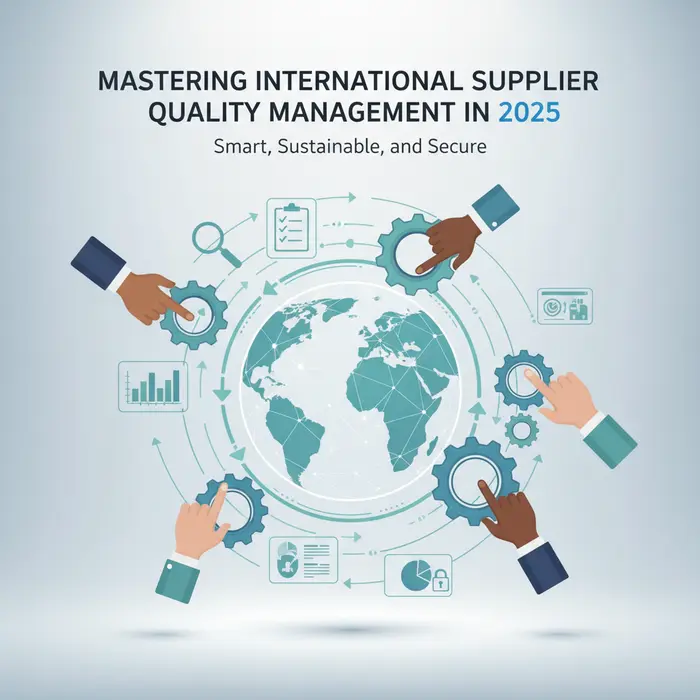
In the increasingly interconnected global economy, businesses heavily rely on international suppliers to maintain competitive pricing and access diverse resources. However, this reliance introduces a unique set of challenges when it comes to quality assurance. Mastering international supplier quality management in 2025 means navigating complex issues such as cultural differences, intricate logistics, and stringent compliance requirements for imported goods. Without robust supplier quality control strategies, companies risk encountering issues like quality fade, disruptions in supply, and damage to their brand reputation. Proactive and comprehensive approaches are essential to prevent quality degradation in imports and ensure consistent product excellence from overseas partners.
1. Navigating Cultural Nuances in Quality Assurance
One of the most profound challenges in international supplier quality management is understanding and adapting to cultural differences. What constitutes “quality” or “acceptable” can vary significantly across cultures, as can the preferred methods of communication and problem-solving. For instance, in some cultures, direct criticism might be avoided to “save face,” potentially leading to unspoken quality issues. Deadlines and specifications might be interpreted with varying degrees of flexibility. To overcome these hurdles, businesses must invest in cultural competency training for their quality teams. Establishing clear, unambiguous communication protocols, utilizing visual aids, and engaging local liaisons or quality managers who understand both business practices and cultural norms are critical. Building strong, trust-based relationships through regular, respectful interaction can foster a collaborative environment where quality issues are identified and addressed proactively, rather than allowing quality fade to set in silently.
2. On-Site Audits and Remote Monitoring Tools
Traditional on-site audits remain an invaluable component of any effective global quality management system. They provide direct observation of manufacturing processes, allowing for comprehensive assessments of facilities, equipment, staff competence, and adherence to specifications. However, geographical distances, travel costs, and recent global events have highlighted the need for sophisticated remote monitoring capabilities. Leveraging technology like IoT sensors, real-time data analytics, and high-definition video conferencing can provide continuous oversight, effectively supplementing or even substituting some on-site visits. AI-powered analytics can detect anomalies in production data, flagging potential quality issues before they escalate. Integrating these tools helps in preventing quality degradation in imports by allowing for immediate intervention and corrective actions. A hybrid approach, combining strategic on-site audits with continuous remote monitoring, offers a balanced and cost-effective way to maintain high standards and combat dealing with quality fade across diverse supply chains.
3. Logistics and Inspection Points in Global Supply Chains
The journey from an overseas factory to a consumer’s hands is fraught with potential quality risks. Effective supplier quality control strategies must extend beyond the factory floor, encompassing every stage of the global supply chain. Critical inspection points should be established: pre-production (to verify raw materials and tooling), in-line (during manufacturing to catch defects early), and pre-shipment (to ensure final product quality and quantity before leaving the factory). Employing reputable third-party inspection services at these junctures can provide an unbiased assessment and prevent defective goods from entering the shipping pipeline. Furthermore, managing the quality of inbound logistics is paramount. This includes proper packaging to prevent transit damage, secure warehousing practices, and meticulous documentation to ensure compliance with customs regulations and international trade laws. Addressing potential B2B supplier performance issues related to logistics, such as late deliveries or damaged goods, requires clear contractual agreements, performance metrics, and regular communication with freight forwarders and customs brokers. Adherence to international standards like ISO 9001 and specific industry certifications further strengthens compliance for imported goods, mitigating risks and ensuring product integrity throughout the entire process.
Tackling B2B Supplier Performance Issues & Corrective Actions
In the complex landscape of global supply chains, supplier quality control strategies are paramount for maintaining product integrity and operational efficiency. Despite robust vetting processes, B2B supplier performance issues can arise, manifesting as quality defects, delays, or non-compliance. These challenges, often including quality fade, demand a proactive and systematic approach. This section provides actionable steps for addressing existing performance and quality issues, including meticulous root cause analysis and implementing effective corrective actions to ensure sustainable supplier reliability.
1. Root Cause Analysis for Quality Defects
The first critical step in addressing any supplier performance issue is to move beyond superficial symptoms and pinpoint the fundamental cause. Whether you’re facing repeated product failures, inconsistent material properties, or delays in delivery, a thorough root cause analysis (RCA) is indispensable. For instance, when preventing quality degradation in imports, it’s not enough to simply reject a faulty batch; understanding why it was faulty prevents recurrence. Common RCA methodologies include the “5 Whys” technique, Fishbone (Ishikawa) diagrams, and Failure Mode and Effects Analysis (FMEA). The “5 Whys” encourages drilling down into sequential cause-and-effect relationships until the non-technical, underlying cause is identified (e.g., “Why was the part defective?” → “Machine not calibrated.” → “Why?” → “Maintenance schedule missed.” → “Why?” → “Lack of staff.” → “Why?” → “Budget cuts affected hiring.”).
Effective RCA requires close collaboration with the supplier. This isn’t about blame, but about shared problem-solving. Request detailed production records, process flowcharts, and quality control documentation from the supplier. On-site visits or virtual audits can provide invaluable insights into their manufacturing processes, training protocols, and equipment maintenance. It’s often during this phase that you uncover issues like insufficient employee training, use of substandard raw materials (sometimes indicative of quality fade), or outdated machinery. Without a precise understanding of the root cause, any attempted solution will likely be a temporary fix, failing to address the systemic problem and leading to recurring B2B supplier performance issues.
2. Implementing Corrective and Preventive Actions (CAPA)
Once the root cause is identified, the next step is to implement a robust Corrective and Preventive Action (CAPA) plan. Corrective actions (CAs) are designed to eliminate the cause of an existing non-conformity or undesirable situation. For example, if the root cause was identified as faulty machinery, the corrective action might be to repair or replace the equipment. Preventive actions (PAs), on the other hand, are taken to eliminate the cause of a potential non-conformity or other undesirable potential situation, thereby preventing future occurrences. This could involve updating maintenance schedules, implementing new training programs, or revising quality inspection points. The goal of CAPA is not just to fix the immediate problem but to build resilience and improve processes proactively, crucial for effective international supplier quality management.
The CAPA process should involve clear steps: definition of the problem, containment (isolating defective products to prevent further spread), root cause analysis, development of corrective actions, implementation of actions, verification of effectiveness, and documentation. Verification of effectiveness is particularly crucial; merely implementing a new procedure isn’t enough – you must confirm it actually solved the problem and didn’t introduce new ones. This often requires follow-up audits, re-testing, and continuous monitoring of performance metrics. A strong CAPA system, when consistently applied, significantly enhances supplier reliability and helps mitigate future risks, especially when navigating the complexities of preventing quality degradation in imports.
3. Supplier Scorecards and Performance Reviews
Beyond addressing specific incidents, maintaining excellent supplier performance requires ongoing evaluation and communication. Supplier scorecards are invaluable tools for systematically tracking and rating key performance indicators (KPIs) such as quality (defect rates, rework rates), delivery (on-time delivery, lead time adherence), cost (cost savings, pricing stability), and service (responsiveness, communication). These provide an objective, data-driven overview of a supplier’s performance over time, allowing for easy identification of trends – both positive and negative. They can quickly flag emerging quality fade or persistent B2B supplier performance issues before they escalate.
Regular performance reviews, based on these scorecards, are essential for fostering a collaborative relationship. These aren’t punitive sessions but opportunities for constructive dialogue. Discuss performance trends, celebrate successes, and jointly develop action plans for areas needing improvement. This is also an ideal forum to discuss any international supplier quality management challenges, product specification changes, or future supply chain strategies. Transparent communication and consistent feedback reinforce expectations, encourage continuous improvement, and strengthen the partnership, ultimately reducing the likelihood of critical performance breakdowns and ensuring long-term success.
Leveraging Technology for Enhanced Supplier Quality Control
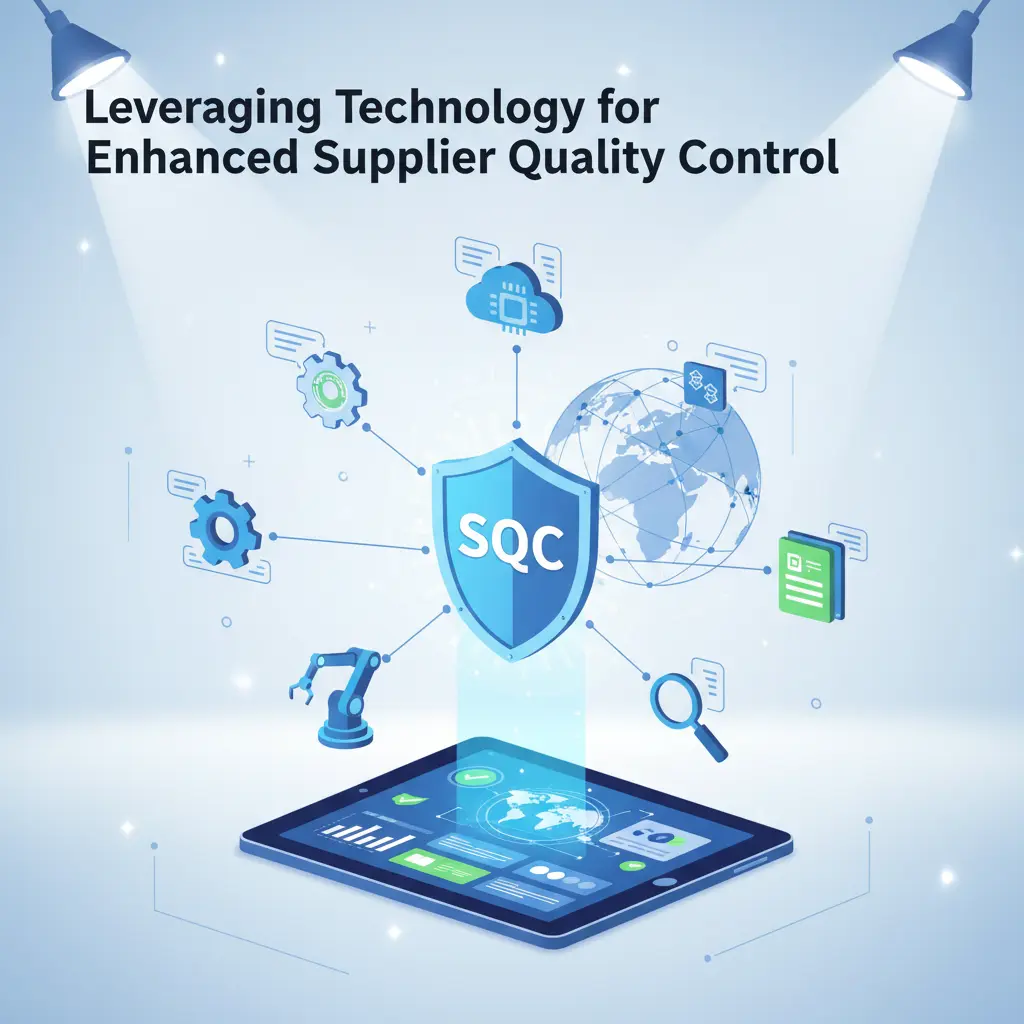
In today’s interconnected global economy, maintaining consistent product quality is paramount. As supply chains become increasingly complex, particularly with international supplier quality management, businesses face significant challenges, including the pervasive issue of dealing with quality fade and effectively preventing quality degradation in imports. Modern technologies offer powerful solutions to optimize quality control processes, improve data visibility, and foster better collaboration with suppliers. By embracing these advancements, companies can move beyond reactive measures to proactive, predictive strategies, ultimately mitigating B2B supplier performance issues and solidifying their market position. This section explores how strategic integration of digital tools can revolutionize traditional supplier quality control strategies, transforming them into resilient, data-driven systems.
1. ERP and QMS Integration for Seamless Data Flow
Enterprise Resource Planning (ERP) systems and Quality Management Systems (QMS) are foundational technologies for modern businesses. An ERP system centralizes operational data from across an organization, including procurement, inventory, and production. A QMS, on the other hand, specifically manages quality processes, documentation, audits, and non-conformances. The true power lies in their seamless integration, which eliminates data silos and manual data entry, thereby reducing errors and improving efficiency. When ERP and QMS platforms communicate effectively, quality data—from supplier audits and inspection results to corrective and preventive actions (CAPAs)—is instantly accessible across relevant departments. This integration provides a unified view of supplier performance, enabling real-time monitoring of quality metrics, streamlined root cause analysis, and faster resolution of issues. For instance, a deviation logged in the QMS can immediately trigger an alert in the ERP for procurement to review a supplier’s performance history before placing new orders. This cohesive approach significantly enhances a company’s ability to manage supplier quality proactively and efficiently.
2. AI and Machine Learning in Predictive Quality Analytics
Artificial Intelligence (AI) and Machine Learning (ML) are transforming supplier quality control by shifting the focus from reactive problem-solving to proactive prevention. These technologies can analyze vast datasets—including historical quality data, sensor data from production lines, logistics information, and even external factors like weather patterns or geopolitical events—to identify subtle patterns and predict potential quality issues before they manifest. For example, ML algorithms can detect anomalies in a supplier’s production parameters that indicate a deviation from specifications, signaling a potential future defect batch. Predictive quality analytics can pinpoint suppliers at higher risk of non-conformance, allowing businesses to implement targeted interventions, such as enhanced inspections or collaborative improvement programs. This capability is particularly invaluable for preventing quality degradation in imports, where early detection can save significant costs and reputational damage. By continuously learning from new data, AI-driven systems provide early warning systems, optimize inspection schedules, and even suggest root causes for complex quality problems, thereby refining supplier quality control strategies with unparalleled precision.
3. Blockchain for Supply Chain Transparency and Traceability
Blockchain technology offers a revolutionary solution for enhancing transparency and traceability throughout the supply chain, which is critical for robust supplier quality control. By creating an immutable, distributed ledger, blockchain records every transaction and event in a supply chain, from the origin of raw materials to the final product delivery. Each ‘block’ of information—such as a batch number, manufacturing date, quality inspection result, or shipping record—is cryptographically linked, making it impossible to alter retrospectively. This inherent trust mechanism allows companies to verify the authenticity and journey of products, which is crucial for dealing with quality fade and ensuring ethical sourcing. If a quality issue arises, blockchain enables rapid, precise traceability to the exact point of origin, facilitating quick isolation of affected batches and targeted corrective actions. Furthermore, it fosters greater accountability among all supply chain partners, as every participant’s contribution and adherence to quality standards are transparently recorded. This level of verifiable transparency not only prevents fraud and ensures compliance but also builds a foundation of trust essential for effective international supplier quality management, leading to genuinely enhanced supplier quality control. As noted by industry experts, the digital transformation enabled by technologies like blockchain is fundamental to building resilient supply chains and ensuring product integrity across global networks. Read more about the digital transformation of supply chains on Manufacturing.net.
Partner with Vietnam’s Leading Suppliers
Looking for reliable suppliers in Vietnam? Contact VietnamSuppliers.com today to connect with verified manufacturers and exporters across all industries.
—————————————
References
– ASQ’s Supplier Quality Resources: https://asq.org/quality-resources/supplier-quality
– Quality Management Resources: https://asq.org/quality-resources/quality-management
– Quality Management Principles and Guidelines | ASQ: https://www.asq.org/quality-resources/quality-management-principles
– international supplier quality management: https://asq.org/quality-resources/root-cause-analysis
– the digital transformation of supply chains on Manufacturing.net: https://www.manufacturing.net/operations/supply-chain/article/22754894/the-digital-transformation-of-supply-chain-and-logistics