The Rise of Vietnam in Global Sourcing
Explore Vietnam’s growing importance as a manufacturing hub and a prime destination for B2B sourcing, highlighting key economic drivers and advantages.
In recent years, Vietnam has emerged as a formidable player in the global manufacturing landscape, rapidly transforming into a preferred destination for B2B sourcing. Companies worldwide, looking to diversify supply chains, reduce costs, and tap into new markets, are increasingly turning their attention to this vibrant Southeast Asian nation. Its strategic location, burgeoning economy, and business-friendly policies have cemented its status as a critical hub for global trade and a top choice for Vietnam Sourcing B2B.

1. Why Vietnam? Advantages for B2B buyers
The appeal of Vietnam as a sourcing destination for B2B buyers is multifaceted, driven by a confluence of economic and logistical advantages. One of the primary draws is its competitive labor costs, which remain significantly lower than in many established manufacturing economies, offering substantial cost savings for businesses. Beyond cost, Vietnam boasts a rapidly developing infrastructure, including modern seaports, airports, and an improving road network, ensuring efficient logistics and timely delivery of goods. The government’s proactive efforts to attract foreign direct investment (FDI) have also created a stable and supportive business environment, with favorable policies and incentives for exporters.
Furthermore, Vietnam’s workforce is increasingly skilled and adaptable, particularly in sectors like textiles, footwear, and electronics, making it easier to find Verified Vietnam manufacturers capable of meeting international quality standards. Its political stability provides an added layer of security for long-term investments and sourcing partnerships. Many businesses are successfully connecting with Reliable Vietnam wholesale suppliers through various B2B platforms and trade shows, leveraging the country’s growing manufacturing capabilities. According to the World Bank, Vietnam’s economy has demonstrated remarkable resilience and growth, making it an attractive prospect for sustainable sourcing strategies.
2. Key industries and product categories to source
Vietnam’s manufacturing prowess spans a diverse range of industries, offering B2B buyers a wide array of product categories for sourcing. Historically renowned for its textile and apparel industry, Vietnam continues to be a global leader in producing high-quality garments, footwear, and fashion accessories for major international brands. The country has also rapidly expanded its capabilities in electronics manufacturing, becoming a hub for components, consumer electronics, and mobile devices.
Beyond these, other significant sectors include furniture and home goods, where Vietnamese craftsmanship and sustainable material sourcing are highly valued. Agricultural products, such as coffee, rice, spices, and a wide variety of seafood, are also major exports, with many Vietnam export companies listing these as primary offerings. For those wondering How to find suppliers in Vietnam for specific niches, the country also excels in handicrafts, plastics, and rubber products. The increasing sophistication of its supply chain network means that buyers can find everything from raw materials to finished goods, often with competitive pricing and excellent quality control.
3. Economic outlook and trade agreements impacting sourcing
Vietnam’s economic outlook remains robust, characterized by consistent GDP growth and a commitment to global economic integration. This positive trajectory is significantly bolstered by its participation in a series of comprehensive free trade agreements (FTAs) that have profoundly impacted its sourcing appeal. Key among these are the Comprehensive and Progressive Agreement for Trans-Pacific Partnership (CPTPP), the EU-Vietnam Free Trade Agreement (EVFTA), and the Regional Comprehensive Economic Partnership (RCEP).
These agreements provide preferential market access, reduced tariffs, and simplified customs procedures, making sourcing from Vietnam even more attractive for businesses operating in member countries. For instance, the EVFTA has opened significant opportunities for European businesses, while CPTPP connects Vietnam with major economies across the Pacific Rim. These trade pacts not only lower costs but also enhance transparency and regulatory alignment, mitigating risks for international buyers. The stable economic environment, coupled with strategic trade agreements, positions Vietnam as an indispensable link in global supply chains, fostering trust and long-term partnerships for businesses engaged in finding reliable Vietnam suppliers and expanding their international sourcing efforts.
How to Find Suppliers in Vietnam (Reliably)
Vietnam has rapidly emerged as a global manufacturing hub, offering diverse and cost-effective sourcing solutions. Its strategic location, competitive labor costs, improving infrastructure, and favorable trade agreements make it an ideal destination for Vietnam Sourcing B2B operations. However, navigating a new market to find trustworthy partners requires a methodical approach. This guide outlines efficient and reliable strategies for discovering and connecting with potential business partners, focusing on efficiency, verification, and trustworthiness.
1. Online B2B Platforms and Directories
The digital landscape offers a primary entry point for businesses seeking reliable Vietnam wholesale suppliers. Global B2B giants like Alibaba.com, Global Sources, and Made-in-China.com host numerous Vietnamese suppliers. These platforms provide extensive listings, often including company profiles, product catalogs, certifications, and third-party verification reports. When utilizing these platforms, it’s crucial to:
- Utilize Filters and Verification Services: Filter specifically for Vietnamese suppliers. Prioritize listings with “Verified Supplier,” “Trade Assurance,” or “Gold Supplier” badges, indicating a higher level of platform vetting.
- Examine Company Profiles: Scrutinize details such as establishment year, main products, production capacity, certifications (e.g., ISO 9001, SA8000), and export history. Assess the responsiveness and professionalism of initial communications.
- Request Samples and Conduct Due Diligence: Always request product samples to assess quality before committing to large orders. For further assurance, consider independent background checks or requesting references. Look for verified Vietnam manufacturers by cross-referencing their business registration details if publicly available.
- Explore Local Vietnamese Directories: Complement global searches with specific Vietnamese trade portals or industry association websites. These can lead to direct manufacturer relationships, potentially with fewer intermediaries, though they might require more effort in translation.
2. Trade Shows and Industry Events in Vietnam
For forging strong relationships and gaining firsthand insights into product quality and manufacturing capabilities, attending trade shows and industry events in Vietnam is invaluable. These events offer unparalleled opportunities to meet Vietnam export companies list contacts face-to-face, discuss requirements directly, and observe samples. Key benefits include:
- Direct Interaction: Personal meetings foster better communication, negotiation, and rapport building, crucial for long-term partnerships. This allows for detailed questioning and direct assessment of expertise.
- Physical Product Inspection: Attendees can physically inspect product samples, assess quality, and understand manufacturing standards on the spot, ensuring alignment with expectations.
- Networking Opportunities: Beyond potential suppliers, trade shows are excellent for connecting with other buyers, industry experts, and service providers (e.g., logistics, legal advisors).
Major Vietnamese cities like Ho Chi Minh City and Hanoi regularly host international trade fairs across sectors such as textiles, furniture, electronics, and general manufacturing. Examples include Vietnam Expo, SaigonTex, and Vietnam Manufacturing Expo. Meticulous planning, including pre-scheduling meetings with potential reliable Vietnam wholesale suppliers, will maximize your attendance effectiveness.
3. Leveraging Sourcing Agents and Local Networks
When time is limited or local market expertise is lacking, engaging a reputable sourcing agent or tapping into established local networks can significantly streamline how to find suppliers in Vietnam. Sourcing agents with a strong presence and experience in Vietnam offer services from supplier identification and vetting to quality control and logistics. Their local knowledge helps overcome language barriers, cultural nuances, and potential pitfalls.
- Supplier Identification and Vetting: Agents possess existing databases and local contacts to quickly identify verified Vietnam manufacturers that match your specific requirements. They can conduct initial factory audits, verify business registrations, and check certifications more efficiently.
- Quality Control and Communication: A competent agent acts as your eyes and ears on the ground, ensuring production adheres to your standards and facilitating clear communication throughout the process.
- Risk Mitigation: They can help navigate local regulations, manage cultural differences, and mediate disputes, thereby reducing business risks.
When selecting a sourcing agent, look for transparency in fees, a proven track record (check references!), and industry-specific expertise. Additionally, leveraging business associations, chambers of commerce, and expatriate business groups in Vietnam can provide valuable referrals and insights. For further reading on Vietnam’s trade environment, the U.S. Commercial Service’s Country Commercial Guide for Vietnam offers comprehensive insights into business practices and market conditions.
Finding reliable suppliers in Vietnam demands a multi-faceted approach, combining thorough digital research with strategic in-person engagement and, where beneficial, expert local assistance. By employing these strategies, businesses can confidently establish strong, lasting sourcing relationships in this dynamic market.
Verifying Vietnam Manufacturers and Quality Control
Embarking on Vietnam Sourcing B2B requires more than just finding competitive prices; it demands meticulous due diligence to ensure supplier legitimacy and consistent product quality. The dynamic landscape of global manufacturing positions Vietnam as a premier hub, but navigating its supplier ecosystem necessitates a strategic approach. This section outlines essential steps and best practices for performing robust due diligence, ensuring the legitimacy of your suppliers, and maintaining stringent product quality standards throughout your sourcing journey. By following these guidelines, businesses can confidently identify reliable Vietnam wholesale suppliers and establish lasting, fruitful partnerships.
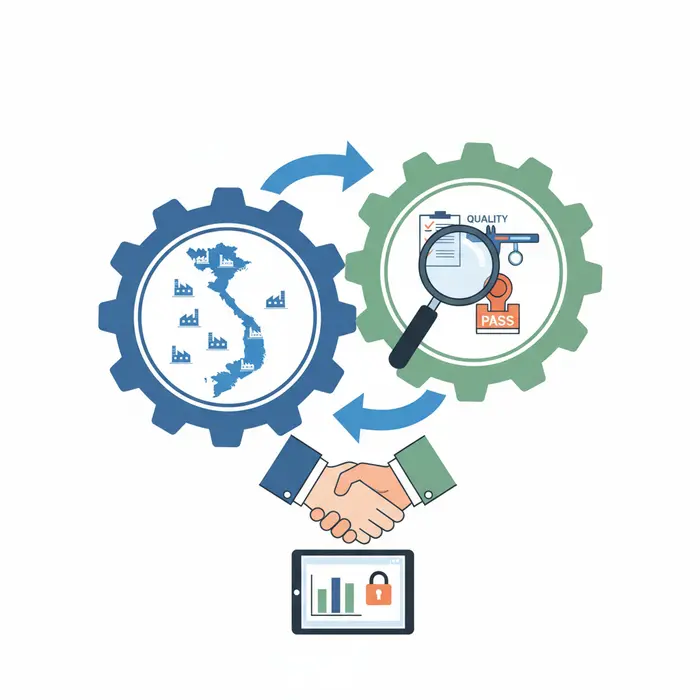
1. Due diligence: background checks and company registration
The first critical step in how to find suppliers in Vietnam is conducting comprehensive due diligence. This involves thorough background checks to confirm the legal standing and operational history of potential partners. Start by verifying company registration documents with relevant Vietnamese authorities. Look for business licenses, export licenses (if applicable), and tax registration certificates. These documents provide crucial insights into a company’s legality and operational scope. It’s also vital to research their corporate structure, ownership, and any potential litigation or bankruptcy records. Utilize local legal experts or reputable third-party verification services that specialize in Vietnamese business intelligence. Additionally, cross-reference their stated information with public records and industry directories. Checking their registered address, contact details, and banking information against official records can reveal inconsistencies. For a deeper dive into starting a business or understanding company regulations in Vietnam, authoritative sources like the U.S. Commercial Service offer valuable insights. This rigorous vetting process helps distinguish legitimate enterprises from potentially fraudulent entities, safeguarding your investment and reputation when engaging with the Vietnam export companies list.
2. Audits and factory inspections for verified Vietnam manufacturers
Once initial background checks are complete, the next vital step for securing verified Vietnam manufacturers is conducting on-site audits and factory inspections. A physical inspection provides an invaluable firsthand look at a supplier’s operational capabilities, infrastructure, and adherence to production standards. Key areas to assess include the factory’s production capacity, machinery quality and maintenance, cleanliness, and overall workplace safety. Evaluate the production line flow, inventory management, and packaging processes. Beyond the physical aspects, observe the general working conditions, employee training, and management practices. These inspections can be carried out by your own team, or more commonly, by independent third-party inspection agencies with local expertise. These agencies often have a detailed checklist covering various aspects, from structural integrity to waste management. Regular, unannounced inspections, especially during critical production phases, can help ensure ongoing compliance and quality consistency. This proactive approach is essential for mitigating risks and building confidence in your chosen reliable Vietnam wholesale suppliers.
3. Quality control processes and certifications (e.g., ISO, BSCI)
Maintaining high product quality standards is paramount, and this relies heavily on robust quality control (QC) processes and relevant certifications. When evaluating potential partners in Vietnam, inquire about their internal QC systems, including raw material inspection, in-process checks, and final product testing. Ask for detailed documentation of their QC protocols and any statistical process control data they maintain. Certifications play a crucial role in validating a manufacturer’s commitment to quality and ethical practices. Look for internationally recognized certifications such as ISO 9001 for quality management systems, ISO 14001 for environmental management, and SA8000 or BSCI (Business Social Compliance Initiative) for social compliance and ethical labor practices. These certifications indicate that the factory adheres to global benchmarks and undergoes regular external audits. Ensure that these certifications are current and valid. A supplier that invests in and maintains such certifications demonstrates a commitment to operational excellence and transparency, making them a more reliable choice for your sourcing needs. By prioritizing manufacturers with demonstrable QC processes and valid certifications, you significantly reduce the risk of product defects and ensure that your goods meet desired specifications and ethical standards.
Navigating Vietnam Export Companies & Wholesale Suppliers
In the dynamic landscape of global trade, Vietnam has emerged as a powerhouse, attracting businesses worldwide with its robust manufacturing capabilities and strategic location. For companies looking to diversify their supply chains or find cost-effective production, mastering Vietnam Sourcing B2B is paramount. This guide provides essential insights into identifying, evaluating, and fostering successful collaborations with established export companies and reliable wholesale partners, ensuring seamless trade operations and sustained growth.
1. Identifying reputable Vietnam export companies list
The first step in a successful sourcing journey involves meticulously identifying credible and reputable Vietnamese partners. Begin by exploring major global B2B platforms such as Alibaba, Global Sources, and specialized Vietnamese B2B directories. These platforms provide preliminary lists and company profiles, which are a starting point for building your potential Vietnam export companies list. Beyond digital searches, consider participating in international trade shows or virtual trade fairs. Engaging with chambers of commerce, both local and international (like AmCham Vietnam or EuroCham Vietnam), can also yield valuable recommendations for verified Vietnam manufacturers. Reputable sourcing agents specializing in the Vietnamese market can also provide vetted lists and facilitate initial contacts, saving considerable time. Always prioritize companies that openly provide references, showcase their certifications (e.g., ISO, BSCI, SA8000), and have a transparent track record in international trade. Due diligence in this phase is critical to filtering out less reliable entities and focusing on partners that align with your business ethics and quality standards.
2. Criteria for choosing reliable Vietnam wholesale suppliers
Once you have a potential list, rigorously evaluate these prospects to select truly reliable Vietnam wholesale suppliers. First, assess their quality control systems and certifications. Do they adhere to international quality standards such as ISO 9001? Requesting samples and factory audit reports is standard practice. Second, evaluate their production capacity and lead times to ensure they can consistently meet your demand, especially during peak seasons. A clear understanding of their manufacturing process and supply chain resilience is vital. Third, assess their communication efficiency and transparency; reliable suppliers are responsive, communicate clearly in English, and are proactive in addressing potential issues. Fourth, scrutinize pricing structures and payment terms. Transparency in pricing and fair payment arrangements are important for long-term partnership sustainability. Finally, investigate their commitment to ethical practices and regulatory compliance, ensuring they adhere to labor laws and environmental regulations. For comprehensive guidance on navigating the regulatory landscape, resources like the U.S. Commercial Service’s Doing Business in Vietnam Guide offer invaluable insights. This thorough vetting process is how to find suppliers in Vietnam who will truly be an asset to your business.
3. Communication and cultural considerations in B2B partnerships
Building successful B2B partnerships in Vietnam extends beyond contracts and quality checks; it deeply involves understanding and respecting local communication styles and cultural norms. Effective communication is the cornerstone. Vietnamese business culture often prioritizes long-term relationships and trust-building over immediate transactions, so patience and consistency are highly valued. Be prepared for a communication style that might be more indirect or nuanced. Clarity, politeness, and respect for hierarchy are crucial; always address the most senior person first. Written communication should be precise, avoiding slang or overly casual language. While many Vietnamese professionals speak English, a professional interpreter for critical discussions can prevent misunderstandings and demonstrate respect. Building rapport through personal interactions can significantly strengthen the partnership. Punctuality for meetings is expected, and a genuine interest in understanding Vietnamese culture can foster trust. Following up consistently, delivering on promises, and maintaining a professional yet friendly demeanor will help cultivate a robust and enduring collaboration with your Vietnamese partners, paving the way for smooth trade and mutual success.
Overcoming Sourcing Challenges & Future Trends
As Vietnam continues to solidify its position as a global manufacturing hub, businesses engaging in Vietnam Sourcing B2B face both immense opportunities and unique challenges. Navigating the complexities of international trade requires a strategic approach, keen understanding of local nuances, and foresight into emerging global trends. This section delves into common hurdles encountered when sourcing from Vietnam and provides actionable insights to help prepare businesses for the evolving landscape of global trade, ensuring seamless and sustainable supply chain operations.

1. Logistics, shipping, and customs considerations
One of the primary challenges in international sourcing, particularly in a rapidly developing economy like Vietnam, revolves around logistics, shipping, and customs. While Vietnam’s infrastructure is improving, businesses can still encounter bottlenecks. Key considerations include understanding shipping routes and transit times, especially for sea freight which is common for bulk orders. Customs clearance can be intricate, demanding precise documentation and adherence to evolving regulations. Delays, unexpected fees, and communication barriers with local authorities are not uncommon. To mitigate these issues, it is crucial to partner with experienced freight forwarders who possess deep knowledge of Vietnamese customs procedures and have established relationships. When looking at how to find suppliers in Vietnam, inquire about their export experience and their preferred logistics partners. A comprehensive Vietnam export companies list might highlight those with strong logistical capabilities. Furthermore, a clear understanding and agreement on Incoterms (International Commercial Terms) with your suppliers are paramount to define responsibilities and costs throughout the shipping process, preventing disputes and ensuring smooth delivery from verified Vietnam manufacturers.
2. Payment security and contract negotiations
Ensuring payment security and robust contract negotiations are critical for successful Vietnam Sourcing B2B. Risks include payment fraud, delayed payments, and difficulties in enforcing contracts in an unfamiliar legal framework. To safeguard transactions, businesses should utilize secure payment methods such as Letters of Credit (L/C), Telegraphic Transfers (T/T) through reputable banks, or escrow services for larger deals. Thorough due diligence is essential before engaging any supplier; verify business registrations, production capacities, and client references for reliable Vietnam wholesale suppliers. Contract negotiations should be meticulous, covering all aspects from product specifications, quality control, pricing, payment terms, delivery schedules, intellectual property rights, and dispute resolution mechanisms. It’s advisable to have contracts drafted or reviewed by legal professionals specializing in international trade law, preferably those with experience in Vietnamese jurisprudence. Understanding the local legal context can significantly reduce risks. For an authoritative guide on secure international payment methods, consult resources from the International Chamber of Commerce (ICC), which offers frameworks like Incoterms that are vital for defining obligations in international trade contracts.
3. Sustainability and ethical sourcing in Vietnam
The global shift towards greater corporate social responsibility has made sustainability and ethical sourcing non-negotiable aspects of modern supply chains. Businesses sourcing from Vietnam are increasingly expected to ensure that their verified Vietnam manufacturers adhere to fair labor practices, safe working conditions, and environmentally sound production processes. Challenges include monitoring compliance across a diverse supplier base, particularly for smaller factories, and addressing issues such as child labor, forced labor, and excessive working hours. Furthermore, environmental considerations, including waste management, water usage, and carbon emissions, are gaining prominence. To address these, implement a robust supplier code of conduct that aligns with international standards (e.g., SA8000, ETI Base Code). Conduct regular third-party audits and factory inspections to verify compliance. Building long-term relationships based on transparency and mutual respect with your suppliers can foster a culture of continuous improvement. Invest in training and capacity building for suppliers to help them meet ethical and environmental benchmarks. This proactive approach not only mitigates reputational risks but also ensures a resilient and responsible supply chain, positioning your business favorably in a market that increasingly values ethical provenance.
In conclusion, while the opportunities for Vietnam Sourcing B2B are vast, overcoming the inherent challenges requires diligence, strategic partnerships, and a forward-thinking mindset. By proactively addressing logistics, payment security, and ethical considerations, businesses can build resilient, efficient, and responsible supply chains that are well-prepared for the future of global trade.
Partner with Vietnam’s Leading Suppliers
Looking for reliable suppliers in Vietnam? Contact VietnamSuppliers.com today to connect with verified manufacturers and exporters across all industries.
—————————————
References
– World Bank: Vietnam Overview: https://www.worldbank.org/en/country/vietnam/overview
– U.S. Commercial Service’s Country Commercial Guide for Vietnam: https://www.trade.gov/country-commercial-guides/vietnam
– potential partners in Vietnam: https://www.trade.gov/country-commercial-guides/vietnam-starting-business
– U.S. Commercial Service’s Doing Business in Vietnam Guide: https://www.trade.gov/country-commercial-guides/vietnam-doing-business-guide
– Incoterms Rules by ICC: https://iccwbo.org/resources-for-business/incoterms-rules/