Introduction to Vietnam’s Footwear Industry
Vietnam has firmly established itself as a global powerhouse in footwear manufacturing, playing a pivotal role in supplying some of the world’s most recognized brands. From athletic shoes to fashion-forward designs, the Southeast Asian nation has become synonymous with high-quality production, competitive pricing, and efficient supply chain management. This overview delves into the critical factors that have propelled Vietnam to its current stature, highlighting its growth trajectory, inherent competitive advantages, and significant market presence. For businesses seeking reliable partners, understanding the landscape of Vietnam Footwear Manufacturers is essential.
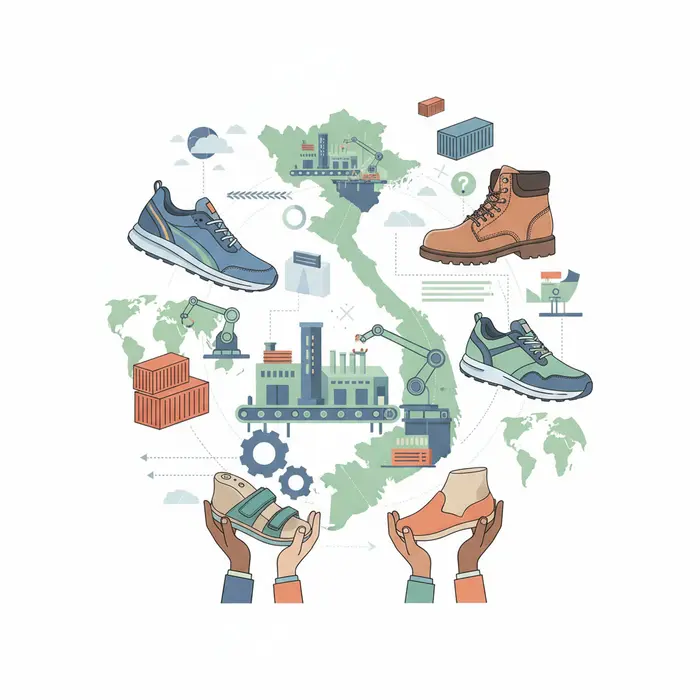
The nation’s strategic focus on industrial development, coupled with a skilled workforce and favorable trade policies, has attracted significant foreign direct investment (FDI) into the sector. Today, wholesale footwear suppliers Vietnam cater to a diverse international clientele, offering capabilities from custom shoe manufacturing Vietnam to large-scale mass production for major global brands. The industry is not just about volume; it’s increasingly about technological adoption, sustainability, and flexibility, allowing private label shoe manufacturers Vietnam to offer comprehensive solutions.
1. Why Vietnam? Key Advantages for Footwear Production
Vietnam’s rise as a leading footwear manufacturing hub is no accident. Several key advantages contribute to its undeniable appeal:
- Skilled and Cost-Effective Labor: Vietnam boasts a large, young, and adaptable workforce with a strong work ethic. While labor costs are rising, they remain competitive compared to many other manufacturing regions, particularly for semi-skilled and skilled production lines. This allows for efficient production of intricate designs and high-volume orders.
- Strategic Location and Infrastructure: Positioned at the heart of Southeast Asia with extensive coastlines, Vietnam offers excellent logistical connectivity. Its expanding network of ports, airports, and improved road infrastructure facilitates the smooth import of raw materials and export of finished goods, significantly reducing lead times and shipping costs.
- Favorable Trade Agreements: Vietnam is a signatory to numerous free trade agreements (FTAs), including the Comprehensive and Progressive Agreement for Trans-Pacific Partnership (CPTPP), the EU-Vietnam Free Trade Agreement (EVFTA), and the Regional Comprehensive Economic Partnership (RCEP). These agreements provide preferential tariffs and streamlined customs procedures, making Vietnamese-made footwear more competitive in major global markets.
- Government Support and Investment Climate: The Vietnamese government actively promotes foreign investment in key industries, including footwear. Policies often include tax incentives, land lease preferences, and support for training programs, creating a stable and attractive environment for manufacturers.
- Strong Supply Chain Ecosystem: Over the years, Vietnam has developed a robust ecosystem of ancillary industries, from material suppliers (leather, textiles, components) to packaging and logistics providers. This localized support reduces reliance on distant suppliers and enhances efficiency for Vietnam shoe factory list enterprises.
2. Growth Trends and Market Outlook for 2025
The Vietnamese footwear industry has demonstrated remarkable resilience and consistent growth, cementing its position as the world’s second-largest footwear exporter after China. In recent years, despite global economic fluctuations, the sector has continued to attract investment and expand its export value. For instance, in 2023, Vietnam’s footwear and handbag exports reportedly reached approximately $24 billion, showcasing the industry’s significant contribution to the national economy. This growth is driven by factors like increasing global demand for diverse footwear, strategic shifts by major brands seeking to diversify their supply chains, and Vietnam’s ongoing commitment to quality and efficiency. The outlook for 2025 remains positive, with expectations of continued robust performance. Industry projections anticipate further export growth, supported by the full realization of benefits from existing FTAs and increasing interest in sustainable manufacturing practices.
Many international brands are increasingly looking towards Vietnam for ethical and sustainable production, driving investments in green technologies and eco-friendly materials. This trend positions Vietnamese manufacturers favorably for future market demands. The ability of custom shoe manufacturing Vietnam facilities to adapt to rapidly changing fashion trends and incorporate advanced production techniques further solidifies this positive outlook. According to a report by the Sourcing Journal, referencing the World Footwear Yearbook, Vietnam’s dominance as a global exporter is set to continue, underscoring its strategic importance in the global footwear supply chain.
3. Major Footwear Manufacturing Hubs in Vietnam
While footwear production is distributed across Vietnam, several key provinces and cities have emerged as prominent manufacturing hubs, each offering unique advantages:
- Ho Chi Minh City: As Vietnam’s largest city and economic center, Ho Chi Minh City and its surrounding areas (like Binh Tan District, Tan Phu District) host numerous large-scale footwear factories and headquarters of major manufacturers. Its sophisticated infrastructure, access to a vast labor pool, and proximity to international ports make it a prime location.
- Binh Duong Province: Located north of Ho Chi Minh City, Binh Duong is a major industrial powerhouse, home to a significant concentration of footwear factories, including those producing for top international brands. Its well-developed industrial parks and robust support services are key attractions.
- Dong Nai Province: Adjacent to Binh Duong and Ho Chi Minh City, Dong Nai is another critical manufacturing zone. It boasts excellent connectivity to seaports and airports, attracting considerable foreign investment in footwear and textile production.
- Long An Province: Situated southwest of Ho Chi Minh City, Long An is emerging as a new industrial frontier. Its strategic location, improving infrastructure, and competitive land costs are drawing new investments and factory expansions, particularly for wholesale footwear suppliers Vietnam.
- Hai Phong City: In northern Vietnam, Hai Phong is a crucial port city and industrial hub. It serves as a gateway for exports to East Asian markets and has a growing number of footwear and textile factories, benefiting from its strategic location and well-established logistics network.
These hubs, along with others like Thanh Hoa and Nghe An, collectively form the backbone of Vietnam’s impressive footwear production capacity, showcasing the geographical diversity of its industrial strength.
Finding the Right Vietnam Footwear Manufacturer
Vietnam has firmly established itself as a global powerhouse in footwear manufacturing, attracting international brands and businesses seeking high-quality production, competitive pricing, and a skilled workforce. However, navigating the landscape of Vietnam Footwear Manufacturers requires a strategic approach. Identifying and evaluating the right manufacturing partner is crucial for the success of your product line, whether you’re looking for custom designs, wholesale orders, or private label solutions. This guide will walk you through the essential criteria to consider when selecting a partner that aligns with your specific business needs.
1. Assessing Manufacturing Capabilities (Custom vs. Standard)
The first step in finding the ideal Vietnamese footwear manufacturer is to clearly define your production requirements. Do you need a partner capable of intricate Custom shoe manufacturing Vietnam, or are you focused on bulk orders for an existing design? The capabilities of factories can vary significantly:
- Custom Manufacturing: If your vision involves unique designs, specialized materials, or innovative technologies, you’ll need a factory with strong R&D capabilities, experienced designers, and flexibility in material sourcing. Such partners often offer lower Minimum Order Quantities (MOQs) for new designs, providing design support and prototyping services to bring your unique footwear concepts to life.
- Wholesale Production: For businesses focused on high-volume production of standard or established designs, Wholesale footwear suppliers Vietnam will prioritize efficiency, consistent quality at scale, and competitive unit costs. Look for manufacturers with extensive production lines, robust supply chain management, and a proven track record of meeting large orders on schedule.
- Private Label Solutions: Many brands seek to launch their own branded footwear without the overhead of in-house manufacturing. Private label shoe manufacturers Vietnam specialize in taking your specifications and producing footwear under your brand name. They offer comprehensive services including branding, packaging, and sometimes even product development assistance, ensuring your brand identity is consistently reflected in the final product while protecting your intellectual property.
When assessing capabilities, inquire about their production volume, technological infrastructure (e.g., advanced stitching machines, CAD design), and expertise with different footwear types (athletic, casual, dress, safety). A diverse Vietnam shoe factory list will include specialists in various niches, so understanding your needs is paramount.
2. Quality Control and Compliance Standards
Quality is non-negotiable in the footwear industry. A reliable manufacturing partner in Vietnam must demonstrate stringent quality control (QC) processes and adherence to international compliance standards. Poor quality not only damages your brand reputation but can also lead to costly returns and rework.
- Robust QC Procedures: Effective quality control begins before production even starts, with thorough checks on raw materials. Throughout the manufacturing process, in-line inspections at critical stages ensure consistency, while final inspections before shipment guarantee that products meet your exact specifications and quality benchmarks. Inquire about their Acceptable Quality Limit (AQL) standards and how they handle defects.
- International Compliance: Beyond product quality, ethical and legal compliance is vital. Ensure your potential manufacturer adheres to local and international labor laws, including fair wages, safe working conditions, and the absence of child labor. Environmental regulations and safety standards should also be a priority. Requesting factory audits (e.g., SA8000, BSCI) or reviewing their certifications can provide peace of mind and demonstrate their commitment to responsible manufacturing. These audits are crucial for validating a factory’s adherence to global best practices, ensuring both product excellence and ethical operations.
3. Evaluating Ethical Sourcing and Sustainability Practices
In today’s market, consumers are increasingly conscious of a brand’s social and environmental impact. Partnering with a Vietnamese footwear manufacturer that prioritizes ethical sourcing and sustainability can significantly enhance your brand’s appeal and long-term viability.
- Ethical Sourcing: Investigate the factory’s supply chain for raw materials. Do they source materials responsibly, avoiding conflict minerals or exploiting labor? Transparency in the supply chain is a strong indicator of an ethical partner. This includes ensuring fair treatment and wages for all workers involved in the production process, aligning with global human rights standards.
- Sustainability Initiatives: Ask about their environmental management systems. Are they implementing measures to reduce waste, conserve energy, or utilize renewable resources? Many progressive Vietnamese factories are adopting sustainable materials, such as recycled plastics, organic cotton, or eco-friendly leather alternatives. Certifications like Global Recycled Standard (GRS), OEKO-TEX, or bluesign can attest to their commitment to environmental stewardship. Vietnam has made significant strides in becoming a sustainable manufacturing hub, evidenced by its growing share in global footwear exports, demonstrating its capability to produce high volumes while increasingly adopting eco-friendly practices. Reports highlight Vietnam’s strong performance in footwear exports, underlining its strategic importance in the global supply chain, with increasing emphasis on sustainable production methods.
By thoroughly evaluating these critical aspects, you can forge a successful partnership with a Vietnam footwear manufacturer that not only meets your production needs but also upholds your brand’s values and ensures long-term growth in a competitive market.
Custom Shoe Manufacturing Vietnam Explained
Vietnam has cemented its reputation as a global powerhouse in footwear production, offering an unparalleled blend of expertise, efficiency, and competitive pricing. For brands seeking to translate unique design concepts into high-quality products, Vietnam Footwear Manufacturers specializing in bespoke services are the ideal partners. This deep dive explores manufacturers offering bespoke design and production services, ideal for brands with unique specifications and product visions. Whether you’re a startup with a groundbreaking idea or an established brand looking to diversify your product line, custom shoe manufacturing in Vietnam provides the flexibility and scalability needed to bring your vision to life. From intricate design details to specialized material requirements, Vietnamese factories are equipped to handle diverse demands, positioning them as leading wholesale footwear suppliers Vietnam and crucial players for those compiling a Vietnam shoe factory list focusing on private label capabilities.
1. Process of Custom Shoe Design and Prototyping
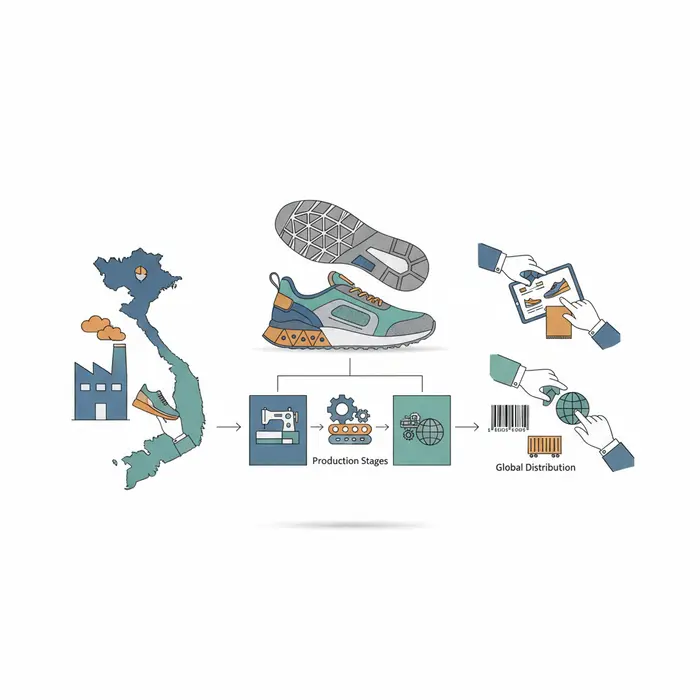
The journey of custom shoe manufacturing in Vietnam begins with a collaborative design and prototyping phase, a critical step for ensuring the final product perfectly aligns with your brand’s vision. Initially, brands provide detailed specifications, including sketches, technical drawings, material preferences, and target price points. Experienced design teams at Vietnamese factories often assist in refining these concepts, leveraging their deep understanding of footwear construction and market trends. This includes translating aesthetic ideas into functional designs, considering factors like ergonomics, durability, and wearability. Advanced CAD (Computer-Aided Design) software is frequently used to create 3D models and virtual prototypes, allowing for precise adjustments and visualizations before physical production begins.
Once the digital design is approved, the factory proceeds with creating physical prototypes. This involves crafting a sample pair of shoes using the specified materials and construction methods. The prototype serves as a tangible representation of the final product, allowing for thorough evaluation of fit, comfort, aesthetics, and overall quality. Brands typically conduct multiple rounds of feedback and revisions, with factories swiftly incorporating changes to achieve perfection. This iterative process, from initial sketch to refined sample, is a hallmark of the custom shoe manufacturing experience in Vietnam, guaranteeing that every detail is meticulously addressed before full-scale production commences, making it ideal for private label shoe manufacturers Vietnam.
2. Minimum Order Quantities (MOQs) for Custom Orders
Minimum Order Quantities (MOQs) are an essential consideration for brands engaging in custom shoe manufacturing Vietnam. MOQs represent the smallest number of units a factory is willing to produce for a specific order. These quantities are typically set to ensure the factory’s production runs are economically viable, covering costs associated with tooling, material sourcing, labor, and setup time. For custom designs, MOQs can vary significantly based on the complexity of the shoe, the materials used, and the factory’s overall capacity and specialization.
Generally, for highly customized footwear, MOQs in Vietnam can range from 500 pairs to several thousand pairs per style and color. Smaller, boutique factories might offer lower MOQs (e.g., 300-500 pairs) but may come with a higher per-unit cost. Larger factories, equipped for mass production, often have higher MOQs but can offer more competitive pricing for larger volumes. Brands should openly discuss their anticipated order volumes with potential Vietnam Footwear Manufacturers early in the negotiation process. Some factories may be willing to negotiate MOQs, especially for long-term partnerships or repeat orders, or if a brand commits to multiple styles or colorways that collectively meet the factory’s minimum threshold. Understanding and planning for MOQs is crucial for budgeting and scaling your custom footwear line effectively.
3. Key Considerations for Material Sourcing and Innovation
Material sourcing and innovation are paramount in custom shoe manufacturing, profoundly impacting product quality, sustainability, and market appeal. Vietnam Footwear Manufacturers offer access to a vast network of material suppliers, both local and international, providing a wide array of options from premium leathers and textiles to advanced synthetic compounds. Brands have the flexibility to specify desired materials, colors, and textures, ensuring their custom shoes meet precise aesthetic and performance criteria. Factories often have established relationships with certified suppliers, facilitating the sourcing of high-quality and ethically produced materials.
Beyond traditional materials, there’s a growing emphasis on innovation and sustainability. Many Vietnamese factories are adapting to global trends by offering eco-friendly options, including recycled materials, organic fabrics, bio-based leathers, and water-based adhesives. This commitment to sustainability aligns with the increasing consumer demand for environmentally responsible products. Exploring these innovative materials can differentiate a brand in a competitive market. Furthermore, factories stay updated with technological advancements in material science, from lightweight and breathable performance fabrics to durable and weather-resistant coatings. Collaborating with factories that prioritize R&D in materials can give brands a significant edge, ensuring their custom footwear is not only stylish but also at the forefront of material innovation, as highlighted by trends discussed in reports like Trends on the Sustainable Footwear Material Market.
Wholesale & Private Label Footwear Suppliers Vietnam
Vietnam has cemented its reputation as a global manufacturing powerhouse, particularly within the textile and footwear industries. For businesses worldwide, ranging from budding startups to established retailers, the country offers unparalleled opportunities for sourcing high-quality footwear. Whether you’re seeking bulk orders to expand your existing product lines or envisioning the development of your own unique designs under a private label, exploring Vietnam Footwear Manufacturers is a strategic move. The nation’s robust manufacturing infrastructure, skilled workforce, and competitive pricing make it an attractive destination for any company looking to enhance its footwear offerings and streamline its supply chain.
1. Navigating Wholesale Footwear Sourcing
Sourcing wholesale footwear from Vietnam presents a significant advantage for businesses aiming to stock a diverse inventory without the complexities of in-house manufacturing. Wholesale footwear suppliers Vietnam offer a vast array of styles, from athletic shoes and casual sneakers to elegant dress shoes and durable boots, catering to various market demands. When engaging with these suppliers, it’s crucial to clearly define your product specifications, target audience, and desired quality standards. Many Vietnamese factories operate with high production capacities, capable of fulfilling large volume orders efficiently. Furthermore, establishing direct relationships with manufacturers can lead to better pricing, greater flexibility in order customization (within wholesale parameters), and more reliable delivery schedules. Due diligence, including factory audits and sample evaluations, is highly recommended to ensure consistency in product quality and adherence to ethical manufacturing practices.
2. Benefits of Private Label Shoe Manufacturing Vietnam
For brands looking to establish a unique identity and offer exclusive products, private label shoe manufacturing in Vietnam is an increasingly popular option. Opting for private label shoe manufacturers Vietnam allows businesses complete control over design, materials, and branding, transforming conceptual ideas into tangible products that resonate with their specific customer base. The benefits are multifold:
- Design Control: Work closely with factory design teams or provide your own specifications to create truly bespoke footwear.
- Quality Assurance: Many factories adhere to international quality standards, ensuring your private label products meet high benchmarks.
- Cost-Effectiveness: Leverage Vietnam’s competitive labor costs and efficient production processes to achieve favorable unit costs, enhancing your profit margins.
- Brand Building: Develop a distinctive product line that strengthens your brand’s image and fosters customer loyalty.
- Market Responsiveness: The agility of Vietnamese manufacturers often allows for quicker turnaround times on new designs, enabling brands to respond rapidly to market trends.
Whether you’re exploring innovative material combinations or intricate design details, custom shoe manufacturing Vietnam provides the expertise and technological capabilities to bring your vision to life, positioning your brand for success in a competitive market.
3. Packaging, Branding, and Logistics Support
Beyond the production floor, Vietnamese footwear manufacturers often provide comprehensive support for the entire supply chain, including crucial aspects like packaging, branding, and logistics. Effective packaging is vital for product protection during transit and plays a significant role in brand presentation. Manufacturers can work with you to design custom shoe boxes, labels, and tags that align with your brand aesthetics and communicate your brand message effectively. This includes everything from material selection for packaging to printing logos and care instructions.
Furthermore, many leading Vietnam Footwear Manufacturers offer robust logistics support. This can range from assisting with freight forwarding and customs clearance to coordinating diverse shipping methods, whether by sea, air, or land, depending on your urgency and budget. This integrated approach simplifies the import process for international buyers, reducing potential headaches and ensuring a smoother transition from the factory floor to your warehouse or retail shelves. Leveraging their experience and established networks can significantly optimize shipping costs and delivery times, reinforcing Vietnam’s position as a reliable and comprehensive sourcing partner. According to reports, Vietnam’s manufacturing sector continues to expand, driven by its strong export capabilities and strategic investments in infrastructure, making it an ever more attractive hub for global supply chains. Nikkei Asia highlights Vietnam’s growing dominance in footwear exports, underscoring the reliability and capacity of its manufacturers.
In conclusion, whether your business strategy involves scaling through wholesale purchases or forging a unique path with private label products, Vietnam offers a dynamic and efficient ecosystem for footwear production. By leveraging the expertise of its manufacturers, businesses can secure high-quality products, optimize costs, and build a resilient supply chain.
Top Vietnam Shoe Factory List & Future Outlook
Vietnam has cemented its position as a global powerhouse in footwear manufacturing, attracting significant investments from international brands and becoming a crucial link in the global supply chain. This section highlights notable Vietnam Footwear Manufacturers, showcasing diverse specializations, and provides a forward-looking perspective on the industry’s challenges and opportunities anticipated for 2025 and beyond.
The landscape of Vietnamese footwear production is dynamic, characterized by a blend of massive foreign-invested enterprises and growing local companies. From high-volume athletic shoes to specialized fashion and sustainable options, the industry continues to evolve, adapting to global demands and technological advancements.
1. Spotlight on Leading Footwear Factories (Examples of specializations)
The Vietnamese footwear industry is dominated by a few colossal players, primarily Original Equipment Manufacturers (OEM) and Original Design Manufacturers (ODM) for the world’s leading brands like Nike, Adidas, Puma, and New Balance. Companies like Pou Chen (Taiwanese) and Changshin (Korean) are prime examples, operating numerous large-scale factories across the country and employing hundreds of thousands. These giants specialize in high-volume production of athletic and casual footwear, boasting advanced production lines and robust quality control systems.
Beyond these titans, a vibrant ecosystem of mid-sized and smaller factories caters to more niche demands. Many offer specialized services like custom shoe manufacturing Vietnam, allowing brands to develop unique designs and limited editions. These factories often excel in specific material handling, intricate detailing, or sustainable production practices. The rise of these agile manufacturers also supports brands seeking private label shoe manufacturers Vietnam, providing comprehensive services from design conceptualization to final product delivery. This segment is crucial for emerging brands and designers looking to scale without the overhead of their own production facilities.
Moreover, Vietnam is home to numerous wholesale footwear suppliers Vietnam that serve regional and international markets with a variety of shoe types, from formal wear to children’s shoes. While a comprehensive Vietnam shoe factory list would be extensive, understanding these categories – large-scale OEMs/ODMs, specialized custom manufacturers, and diverse wholesale suppliers – provides a clear picture of the industry’s capabilities.

2. Technological Advancements in Vietnamese Footwear Production
To maintain its competitive edge, the Vietnamese footwear industry is increasingly embracing technological advancements. Factories are investing heavily in automation and robotics, particularly in repetitive and labor-intensive tasks like cutting, stitching, and sole attachment. This not only boosts efficiency and production speed but also addresses rising labor costs and improves workplace safety.
Digitalization plays a pivotal role, with 3D design software streamlining the product development cycle, reducing prototyping time, and enhancing precision. Lean manufacturing principles are widely adopted to minimize waste and optimize production flows. Furthermore, there is a growing emphasis on sustainable production methods, including the use of eco-friendly materials (recycled polyester, vegan leather, bio-based foams) and energy-efficient machinery. These innovations are critical for Vietnam Footwear Manufacturers to meet the stringent environmental and ethical standards of global brands and consumers, ensuring a future-proof industry.
3. Navigating Supply Chain Challenges and Opportunities in 2025
Looking towards 2025, the Vietnamese footwear industry faces a complex interplay of challenges and opportunities. Global supply chains remain susceptible to geopolitical tensions, trade policy shifts, and unforeseen disruptions. Rising raw material costs, particularly for petroleum-based synthetics and natural rubber, alongside increasing labor wages in Vietnam, pose significant cost pressures. Additionally, mounting global pressure for greater supply chain transparency and traceability demands continuous investment in compliance and ethical sourcing.
However, substantial opportunities abound. Vietnam’s participation in numerous free trade agreements, such as the CPTPP and EVFTA, continues to provide preferential market access, attracting more foreign direct investment. The global trend towards supply chain diversification, reducing over-reliance on single countries, positions Vietnam favorably as a stable and capable alternative manufacturing hub. Furthermore, the industry can capitalize on the growing consumer demand for sustainable and ethically produced footwear by enhancing its green manufacturing capabilities and promoting its responsible sourcing initiatives.
Digital transformation, beyond factory automation, extends to supply chain management, enabling better forecasting, inventory optimization, and real-time tracking. This will be vital for Vietnam Footwear Manufacturers to enhance resilience and responsiveness. By strategically addressing challenges and leveraging these opportunities, Vietnam is set to solidify its standing as a premier global footwear manufacturing destination, demonstrating adaptability and a commitment to innovation in a competitive international market. Industry reports continue to project strong growth, underpinned by these strategic moves.
Partner with Vietnam’s Leading Suppliers
Looking for reliable suppliers in Vietnam? Contact VietnamSuppliers.com today to connect with verified manufacturers and exporters across all industries.
—————————————
References
– Sourcing Journal, referencing the World Footwear Yearbook: https://www.sourcingjournal.com/footwear/footwear-business/vietnams-footwear-exports-growth-trends-cautious-outlook-424151/
– Vietnam Continues to Perform Strong in Footwear Exports: https://worldfootwear.com/news/vietnam-continues-to-perform-strong-in-footwear-exports/7057.html
– Trends on the Sustainable Footwear Material Market: https://www.worldfootwear.com/news/trends-on-the-sustainable-footwear-material-market/3973.html
– Nikkei Asia highlights Vietnam’s growing dominance in footwear exports: https://asia.nikkei.com/Economy/Vietnam-surpasses-China-in-US-footwear-imports-report
– Vietnam Textile-Garment Industry Forecasts Strong Growth in 2024: https://www.fibre2fashion.com/news/apparel-news/vietnam-textile-garment-industry-forecasts-strong-growth-in-2024-294025-newsdetails.htm