The Rise of Vietnam in Global Manufacturing
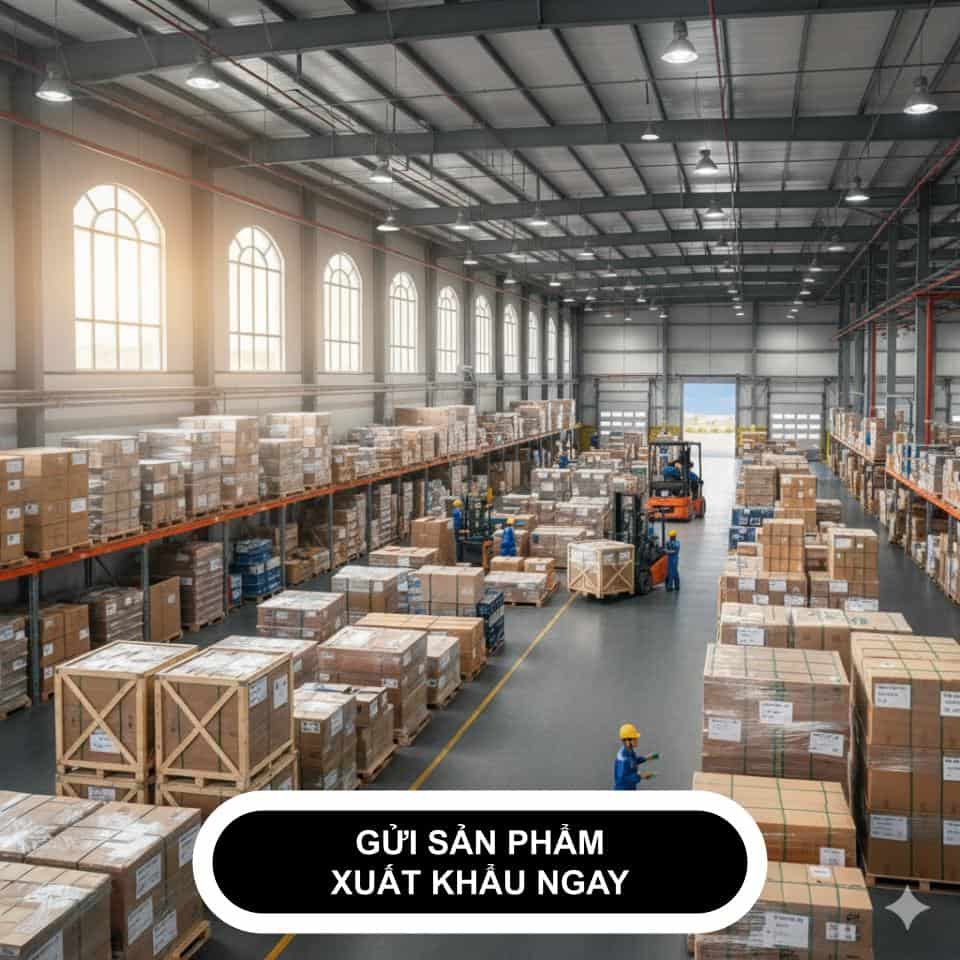
Vietnam has rapidly emerged as a formidable player in the global manufacturing landscape, increasingly positioned as a preferred destination for businesses seeking robust and diversified production capabilities. Once primarily known for textiles and agriculture, the Southeast Asian nation has strategically transformed its economy, attracting significant foreign direct investment and becoming a critical hub for electronics, footwear, and machinery production. This ascendance highlights Vietnam’s growing appeal for Vietnam manufacturing outsourcing, driven by a confluence of economic, geopolitical, and demographic factors that make it an attractive alternative to traditional manufacturing powerhouses.

1. Key Drivers: Cost-Effectiveness, Geopolitical Shifts, Skilled Workforce
Several pivotal factors underpin Vietnam’s manufacturing boom. Firstly, cost-effectiveness remains a primary draw. While wages have risen, they generally remain competitive compared to China, particularly for labor-intensive industries. This allows companies to optimize production costs without compromising quality. Furthermore, competitive land lease rates and streamlined operational expenses contribute to a lower overall cost of doing business.
Secondly, geopolitical shifts have significantly accelerated Vietnam’s rise. The ongoing trade tensions between the U.S. and China, coupled with a global push for supply chain diversification, have prompted many multinational corporations to adopt a “China Plus One” strategy. Vietnam is frequently the top choice for this diversification, offering political stability and a welcoming stance towards foreign investment, thereby reducing reliance on a single manufacturing base and mitigating risks.
Thirdly, Vietnam boasts a young, adaptable, and increasingly skilled workforce. Government investments in education and vocational training programs have cultivated a demographic capable of handling more complex manufacturing processes. This demographic dividend, combined with a strong work ethic, makes Vietnamese labor highly attractive for precision manufacturing and sophisticated assembly operations. The availability of competent local talent is crucial for businesses engaging in Vietnam OEM manufacturing, ensuring quality and efficiency.
2. Top Growth Sectors and Industries in Vietnam
Vietnam’s manufacturing prowess is evident across a diverse array of sectors. Electronics manufacturing, particularly in consumer electronics like smartphones, tablets, and components, has seen explosive growth, with major global brands establishing significant production facilities. The textile and apparel industry, a long-standing pillar, continues to thrive, evolving into higher-value fashion items and technical textiles. Similarly, the footwear sector, with its extensive network of Vietnam factory directory listings, remains a global leader in production volume.
Beyond these traditional strengths, Vietnam is making inroads into more advanced manufacturing. The furniture industry benefits from abundant raw materials and skilled craftsmanship, producing high-quality pieces for export. Automotive parts, machinery, and even renewable energy components are emerging as significant growth areas, signaling a move up the value chain. This diversification not only strengthens Vietnam’s industrial base but also offers a broader spectrum of opportunities for international buyers and sourcing agents Vietnam.
3. Comparative Advantage Over Other Asian Manufacturing Nations
When stacked against other Asian manufacturing nations, Vietnam often presents a compelling case. Its strategic geographic location provides excellent access to international shipping routes, facilitating efficient logistics. A network of more than 15 Free Trade Agreements (FTAs), including the Comprehensive and Progressive Agreement for Trans-Pacific Partnership (CPTPP) and the EU-Vietnam Free Trade Agreement (EVFTA), grants Vietnamese-made products preferential access to major global markets, reducing tariffs and enhancing competitiveness. This robust trade framework gives Vietnam a distinct advantage over countries with fewer such agreements.
Moreover, compared to emerging manufacturing hubs, Vietnam’s established infrastructure, proactive government policies supporting foreign investors, and a more mature industrial ecosystem provide greater stability and predictability. While India offers a massive domestic market, its infrastructure and regulatory environment can be more challenging for export-oriented manufacturing. Bangladesh excels in textiles but lacks the breadth of diversified manufacturing seen in Vietnam. Thus, for companies prioritizing ease of doing business, market access, and a balanced risk profile, Vietnam frequently emerges as the optimal choice for scaling production and ensuring supply chain resilience.
Navigating Vietnam OEM Manufacturing Opportunities
In the dynamic landscape of global production, Vietnam has emerged as a powerhouse for Vietnam manufacturing outsourcing. Its strategic location, competitive labor costs, growing infrastructure, and favorable trade policies make it an increasingly attractive destination for businesses seeking Original Equipment Manufacturers (OEMs). This deep dive explores how companies can effectively identify and collaborate with Vietnamese OEMs to meet their tailored production needs, ensuring quality, compliance, and scalability while protecting vital intellectual property.
1. Identifying Reliable Vietnam OEM Manufacturers and Partners
The first critical step in leveraging Vietnam’s manufacturing prowess is pinpointing reliable OEM partners. This process demands thorough research and due diligence. Businesses should begin by exploring comprehensive Vietnam factory directory listings and attending industry-specific trade shows, both virtual and physical, which provide direct access to potential collaborators. Engaging reputable sourcing agents Vietnam can significantly streamline this phase. These agents possess invaluable local market knowledge, can vet manufacturers based on experience, production capacity, financial stability, and ethical practices, and often act as crucial intermediaries, bridging cultural and communication gaps. Key criteria for evaluation include a manufacturer’s track record, client testimonials, adherence to international standards, and their specialization in your product category. A site visit, if feasible, offers firsthand insight into their operations, equipment, and overall organizational culture, confirming their capability to deliver on your production requirements for Vietnam OEM manufacturing. Diversifying your supply chain is also paramount, and Vietnam offers robust opportunities for Vietnam supply chain diversification away from single-country dependencies.
2. Ensuring Quality Control and Compliance Standards
Maintaining stringent quality control (QC) and ensuring compliance with international standards are non-negotiable for successful Vietnam manufacturing outsourcing. Establishing clear, measurable quality benchmarks from the outset is vital. This involves defining precise specifications, acceptable defect rates, and testing protocols in the initial contract. Implement a multi-stage QC process: raw material inspection, in-process checks at various production stages, and final product inspection before shipment. Many reputable Vietnamese OEMs have in-house quality assurance teams, but it’s advisable to also engage independent third-party inspection services, especially for initial orders or complex products. This dual approach provides an unbiased assessment and reinforces accountability. Furthermore, compliance extends beyond product quality to ethical labor practices, environmental regulations, and safety standards. Manufacturers should ideally hold relevant certifications such as ISO 9001 for quality management, ISO 14001 for environmental management, or SA8000 for social accountability. Partnering with OEMs committed to transparency and continuous improvement in these areas safeguards your brand’s reputation and mitigates risks. For a deeper understanding of global manufacturing quality assurance standards, consider resources like Intertek’s insights on manufacturing quality assurance, which highlight the critical role of comprehensive testing and auditing.
3. Customization, Production Scalability, and IP Protection
One of the primary advantages of partnering with Vietnam OEM manufacturing is the potential for tailored production and flexible scalability. Discuss your customization requirements early in the negotiation process, ensuring the OEM possesses the necessary machinery, skilled labor, and engineering capabilities to handle unique designs, materials, and finishing touches. A capable OEM should be able to offer prototyping services and be adaptable to design changes without significant delays. Equally important is the ability to scale production up or down in response to market demand. Verify the manufacturer’s capacity, flexibility in order volumes, and their supply chain resilience to accommodate fluctuations. This foresight is crucial for long-term strategic planning and effective Vietnam supply chain diversification. Crucially, safeguarding intellectual property (IP) is paramount. Vietnam has made significant strides in strengthening its IP laws and enforcement, yet vigilance is essential. Implement robust non-disclosure agreements (NDAs) and manufacturing agreements that clearly define ownership of designs, tooling, and manufacturing processes. Register your trademarks and patents in Vietnam. Work with a legal professional experienced in Vietnamese IP law to draft and review these documents. Regular audits and secure data exchange protocols further enhance protection against unauthorized reproduction, ensuring your innovations remain proprietary throughout the Vietnam OEM manufacturing lifecycle.
Your Guide to a Vietnam Factory Directory & Sourcing
Navigating the landscape of global manufacturing can be complex, but Vietnam has emerged as a powerhouse, offering compelling advantages for businesses seeking to diversify their supply chains and optimize production costs. For companies exploring Vietnam manufacturing outsourcing, understanding how to effectively identify suitable partners and leverage local expertise is crucial. This guide provides practical advice on finding the right factories and utilizing sourcing agents in Vietnam to streamline your procurement process, ensuring a robust and efficient supply chain. From utilizing comprehensive Vietnam factory directory resources to understanding the nuances of Vietnam OEM manufacturing, we’ll equip you with the knowledge to make informed decisions and capitalize on Vietnam’s growing industrial capabilities.

1. Utilizing Online Directories, Trade Associations, and Networks
The first step in finding a suitable manufacturing partner in Vietnam often begins with thorough research across various platforms. Online factory directories serve as invaluable starting points, aggregating lists of manufacturers by industry, product type, and capabilities. Beyond general B2B platforms, consider specialized Vietnamese directories or regional export portals that offer a more localized and verified selection of suppliers. These platforms often provide company profiles, product catalogs, and contact information, enabling initial screening.
Trade associations, both international and Vietnamese, are another powerful resource. Organizations like the Vietnam Chamber of Commerce and Industry (VCCI) or specific industry associations (e.g., textiles, electronics, furniture) can provide lists of their members, often established and reputable manufacturers. Attending trade shows in Vietnam or virtual events also offers direct access to a wide array of factories, allowing for face-to-face interactions, product demonstrations, and the opportunity to gauge a factory’s readiness and capabilities firsthand. Building a professional network through industry forums and business groups can also yield warm introductions to reliable partners, often proving more effective than cold outreach. Diligent use of these resources is fundamental to building a strong list of potential Vietnam OEM manufacturing partners.
2. The Indispensable Role of Sourcing Agents Vietnam
While direct factory outreach is possible, the complexity of navigating a foreign market often makes the expertise of Sourcing agents Vietnam an indispensable asset. These agents act as your local representatives, possessing deep knowledge of the Vietnamese manufacturing landscape, cultural nuances, and business practices. Their services typically span supplier identification, factory vetting, price negotiation, quality control, and logistics coordination. A skilled sourcing agent can bridge communication gaps, mitigate cultural misunderstandings, and ensure that your specifications are accurately conveyed and met.
Furthermore, agents can be instrumental in conducting initial factory visits and preliminary audits, saving you significant time and travel expenses. For businesses focused on Vietnam supply chain diversification, a sourcing agent can provide strategic insights, recommending factories that align with your long-term goals and risk management strategies. They can also help navigate regulatory requirements and ensure compliance with local labor laws and environmental standards. Their ability to manage the entire procurement process, from sampling to shipment, makes them a crucial partner for seamless Vietnam manufacturing outsourcing.
3. Performing Due Diligence and Comprehensive Factory Audits
Once a shortlist of potential factories is established, rigorous due diligence is paramount to safeguard your investment and reputation. This phase moves beyond initial impressions and delves into the operational, financial, and ethical integrity of a prospective partner. Due diligence should include verifying business registrations, licenses, and certifications. Financial health assessments are crucial to ensure a factory’s stability and capacity to fulfill orders. Requesting references from other international clients can provide valuable insights into a factory’s reliability and service quality.
Beyond paperwork, comprehensive factory audits are essential. These audits typically cover various aspects:
- Quality Management System (QMS) Audits: Assessing processes, controls, and documentation to ensure consistent product quality.
- Social Compliance Audits: Verifying adherence to labor laws, fair wages, safe working conditions, and ethical practices (e.g., SA8000, BSCI standards). This is increasingly important for brand reputation and consumer trust.
- Environmental Audits: Evaluating a factory’s environmental impact, waste management, and compliance with local regulations.
- Security Audits: Especially critical for certain industries, ensuring supply chain security against theft or sabotage.
Engaging third-party audit firms or experienced sourcing agents for these assessments provides an objective and detailed evaluation, significantly reducing risks associated with product quality, ethical breaches, and supply chain disruptions. For a deeper understanding of best practices in factory auditing and supply chain compliance, resources such as SGS’s guides on supply chain audits offer valuable insights into what to look for and how to approach these critical evaluations. This meticulous approach to vetting ensures that your chosen Vietnam OEM manufacturing partner is not only capable but also reliable and compliant.
In conclusion, successful Vietnam manufacturing outsourcing requires a multi-faceted approach, combining diligent research through directories and networks, strategic engagement with local sourcing agents, and rigorous due diligence and factory audits. By meticulously following these steps, businesses can confidently navigate the Vietnamese market, secure high-quality manufacturing partners, and achieve robust Vietnam supply chain diversification.
Strategies for Vietnam Supply Chain Diversification
In an increasingly volatile global economy, businesses are actively seeking robust strategies to build more resilient and efficient supply chains. The conventional wisdom of relying heavily on a single manufacturing hub has been challenged by geopolitical shifts, trade tensions, and unforeseen disruptions. Consequently, integrating Vietnam as a key manufacturing base has emerged as a paramount strategy for achieving Vietnam manufacturing outsourcing. This section explores the critical pathways businesses can navigate to successfully diversify their supply chains by leveraging Vietnam’s strategic advantages, from reducing regional dependencies to mitigating inherent risks.
1. Reducing Dependency on Single Manufacturing Regions
The “China-plus-one” strategy, which initially gained traction years ago, has evolved into a broader imperative for global supply chain diversification. Relying on a single manufacturing region exposes businesses to a myriad of risks, including political instability, labor shortages, rising costs, and environmental regulations. Vietnam offers a compelling alternative, or complementary, location due to its competitive labor costs, growing skilled workforce, and government incentives for foreign investment. By developing a manufacturing footprint in Vietnam, companies can significantly dilute their exposure to risks concentrated in any one country. This approach not only safeguards against potential disruptions but also fosters healthy competition among suppliers, potentially leading to better pricing and innovation. For those considering a shift or expansion, understanding the landscape of Vietnam OEM manufacturing is crucial, enabling businesses to find partners capable of producing goods to their exact specifications, thereby strengthening their overall Vietnam supply chain diversification efforts and leveraging Vietnam’s robust economic growth.
2. Understanding Logistics, Infrastructure, and Free Trade Agreements
Successful supply chain diversification hinges on a thorough understanding of the logistical and infrastructural capabilities of the new manufacturing base. Vietnam boasts a rapidly developing infrastructure network, including major international deep-water ports like Hai Phong and Cai Mep-Thi Vai, which are crucial for global trade. Its expanding road and rail networks facilitate efficient internal movement of goods. Beyond physical infrastructure, Vietnam’s extensive network of Free Trade Agreements (FTAs) provides a significant competitive edge. Key agreements such as the Comprehensive and Progressive Agreement for Trans-Pacific Partnership (CPTPP), the EU-Vietnam Free Trade Agreement (EVFTA), and the Regional Comprehensive Economic Partnership (RCEP) offer preferential tariffs and improved market access for goods produced in Vietnam. Navigating these agreements requires expertise, making the role of Sourcing agents Vietnam invaluable. These agents can help identify reliable suppliers, negotiate terms, and ensure compliance with local regulations and international trade agreements. Furthermore, access to a comprehensive Vietnam factory directory becomes essential for businesses looking to meticulously vet and select manufacturing partners that align with their operational scale and quality requirements, ensuring a smooth transition and operational efficiency.
3. Mitigating Risks and Building Supply Chain Resilience
Diversifying a supply chain to Vietnam is not without its challenges, requiring a proactive approach to risk mitigation and the strategic development of resilience. Potential risks include intellectual property protection issues, cultural differences in business practices, and navigating local regulatory environments. To counter these, businesses must engage in thorough due diligence when selecting partners, particularly when exploring Vietnam manufacturing outsourcing. Establishing clear contracts, understanding local labor laws, and investing in robust quality control processes are paramount. Building strong, long-term relationships with local partners and even considering direct investment in manufacturing facilities can foster greater control and stability. Furthermore, supply chain resilience involves not just diversifying locations but also implementing advanced monitoring systems, maintaining inventory buffers, and developing contingency plans for various scenarios, including natural disasters or unexpected demand fluctuations. By strategically combining localized expertise, robust legal frameworks, and continuous risk assessment, companies can effectively build a resilient supply chain in Vietnam that is capable of weathering global disruptions and ensuring long-term operational continuity.
In conclusion, integrating Vietnam into a global supply chain strategy offers a compelling path to enhanced resilience and efficiency. By thoughtfully addressing regional dependencies, understanding the logistical landscape and FTA benefits, and proactively mitigating risks, businesses can unlock significant competitive advantages and secure their future in a rapidly changing global marketplace.
Challenges and Future Outlook for Vietnam Manufacturing
Addressing potential hurdles in Vietnam manufacturing and forecasting future trends, opportunities, and sustainability efforts.
Vietnam has firmly established itself as a global manufacturing hub, attracting significant foreign direct investment (FDI) and becoming a preferred destination for Vietnam manufacturing outsourcing. Its strategic location, competitive labor costs, and robust trade agreements have fueled this growth. However, as the landscape evolves, both challenges and opportunities emerge, necessitating a strategic approach for businesses engaged in Vietnam OEM manufacturing and those seeking reliable supply chains.

1. Common Pitfalls and How to Avoid Them
While Vietnam offers immense potential, companies venturing into its manufacturing sector must be aware of common pitfalls. One significant challenge can be navigating the complex regulatory environment. Bureaucracy and ever-evolving local laws can slow down operations, making it crucial to engage experienced sourcing agents Vietnam or legal counsel. Another hurdle is quality control and intellectual property protection. Ensuring consistent product quality requires robust internal processes, clear contractual agreements with factories, and regular audits. To mitigate IP risks, strong non-disclosure and non-circumvention agreements are vital, alongside choosing reputable partners listed in a trusted Vietnam factory directory.
Supply chain transparency and communication are also critical. Language barriers and cultural differences can lead to misunderstandings, impacting production schedules and product specifications. Implementing clear communication protocols, utilizing bilingual staff, and investing in real-time tracking systems can circumvent these issues. Lastly, labor management can present difficulties, including understanding local labor laws and managing worker expectations. Adopting fair labor practices and fostering positive employer-employee relationships can prevent disputes and ensure a stable workforce.
2. Infrastructure Development, Labor Trends, and Policy Updates
Vietnam’s government continues to prioritize infrastructure development to support its manufacturing ambitions. Investments in ports, airports, and road networks are ongoing, aiming to enhance logistics efficiency and reduce transportation costs. However, rapid industrialization sometimes strains existing infrastructure, leading to bottlenecks, particularly in key economic zones. Businesses must factor in potential logistical delays and explore diverse shipping routes or warehousing solutions.
Labor trends indicate a gradual shift. While labor costs remain competitive compared to many other Asian nations, they are rising. Furthermore, there’s a growing demand for skilled labor, especially in high-tech and value-added manufacturing sectors. This necessitates investments in training and automation. Policy updates, such as incentives for high-tech industries, green manufacturing, and further integration into global trade agreements (like CPTPP and EVFTA), continue to shape the investment landscape. Staying informed about these changes is crucial for strategic planning and optimizing operations for Vietnam manufacturing outsourcing.
3. Sustainability, ESG, and Ethical Manufacturing in Vietnam
The global emphasis on sustainability, Environmental, Social, and Governance (ESG) criteria, and ethical manufacturing practices is growing, and Vietnam is no exception. International buyers and consumers are increasingly scrutinizing the environmental footprint and social responsibility of their supply chains. Vietnamese manufacturers are responding by adopting greener technologies, improving waste management, and reducing energy consumption. Many factories are also working towards international certifications like ISO 14001 (Environmental Management) and SA8000 (Social Accountability).
For companies outsourcing to Vietnam, integrating ESG principles is no longer optional but a strategic imperative. This involves due diligence on supplier environmental practices, ensuring fair wages and safe working conditions, and actively promoting ethical labor practices throughout the Vietnam supply chain diversification. Proactive engagement with local partners to implement sustainable practices not only meets global standards but also enhances brand reputation and resilience against future regulatory changes. Embracing these principles fosters long-term relationships and positions Vietnam as a responsible and sustainable manufacturing partner on the global stage, solidifying its future as a dependable hub for quality production.
Partner with Vietnam’s Leading Suppliers
Looking for reliable suppliers in Vietnam? Contact VietnamSuppliers.com today to connect with verified manufacturers and exporters across all industries.
—————————————
References
– World Bank – Vietnam Overview: https://www.worldbank.org/en/country/vietnam/overview
– Intertek’s insights on manufacturing quality assurance: https://www.intertek.com/manufacturing-quality-assurance/
– SGS’s guides on supply chain audits: https://www.sgs.com/en/services/audits-certifications/supply-chain-audits
– World Bank: Vietnam Overview: https://www.worldbank.org/en/country/vietnam/overview
– World Bank – Vietnam Overview: https://www.worldbank.org/en/country/vietnam/overview#1