What is Supply Chain Traceability?
In an increasingly interconnected and demanding global marketplace, the ability to understand and verify the journey of a product from its inception to its final destination has become paramount. This critical capability is known as supply chain traceability. More than just simple tracking, traceability involves establishing a comprehensive record of a product’s history, location, and application by means of recorded identifications. It’s the mechanism that allows businesses and consumers alike to delve into the intricate web of sourcing, manufacturing, logistics, and distribution, ensuring accountability and building trust at every stage.
Defining its core components, supply chain traceability is built upon robust data collection, secure storage, efficient sharing, and reliable verification processes. It’s an evolution from rudimentary tracking methods to sophisticated data ecosystems that leverage cutting-edge technology to achieve unparalleled visibility. For B2B supply chain solutions, effective traceability is no longer a luxury but a fundamental requirement for risk mitigation, regulatory compliance, and enhancing brand reputation.
1. Defining the Core Concepts and Benefits
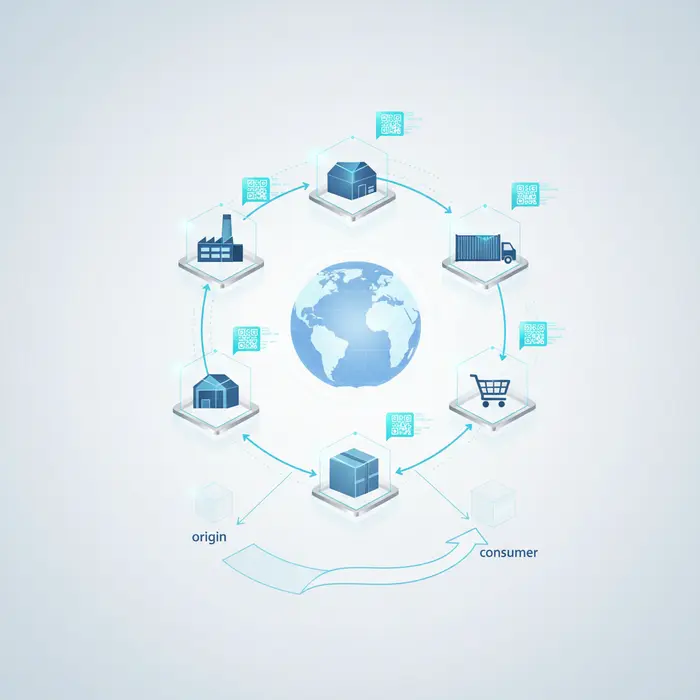
At its heart, supply chain traceability means the ability to follow a product or component forward and backward through the supply chain. This encompasses tracking inputs (raw materials), processes (manufacturing, assembly), and outputs (finished goods) as they move between various entities. Key components typically include unique identifiers (like batch numbers, serial numbers, QR codes), time-stamped records of events (production dates, shipment logs, quality checks), and location data. The goal is to create a transparent, auditable trail that can be accessed and analyzed as needed.
The benefits of robust supply chain traceability are extensive and transformative. Firstly, it significantly enhances supply chain transparency, allowing stakeholders to gain deep insights into product origins and journeys. This transparency is crucial for risk management, enabling rapid identification and isolation of issues in cases of recalls or contamination, thereby minimizing financial losses and reputational damage. Secondly, it plays a vital role in product origin verification, combating counterfeiting and ensuring ethical sourcing. Consumers are increasingly demanding to know where their products come from and under what conditions they were produced, driving companies to adopt more transparent practices. Furthermore, improved traceability optimizes operational efficiency by pinpointing bottlenecks, reducing waste, and streamlining inventory management, ultimately leading to significant cost savings and improved customer satisfaction.
2. The Evolution of Tracking & Visibility Tools
The concept of tracking goods is not new; it dates back centuries with manual ledgers and manifests. However, the sophistication and scope of these tools have undergone a dramatic transformation. Initially, traceability was largely a paper-based exercise, fraught with human error and limited in real-time visibility. Early digital solutions primarily focused on internal inventory management, utilizing basic barcodes and rudimentary databases to track products within a single company’s walls. This offered a foundational level of control but lacked the comprehensive, end-to-end visibility needed for complex, multi-tiered supply chains.
The digital revolution brought about significant advancements. RFID (Radio-Frequency Identification) tags provided automated, real-time tracking of items, vastly improving inventory accuracy and efficiency. ERP (Enterprise Resource Planning) systems began integrating supply chain modules, offering a more holistic view of operations. Yet, a persistent challenge remained: data silos between different companies within the supply chain. Each participant often used proprietary systems, making seamless data exchange difficult and hindering true end-to-end visibility. This led to a fragmented view, where each entity could only see their immediate upstream and downstream partners, rather than the entire product journey. The shift towards interconnected, cloud-based platforms and standardized data protocols has been crucial in overcoming these limitations, paving the way for advanced B2B supply chain solutions that prioritize data sharing and interoperability.
3. Leveraging Advanced Technologies for Enhanced Traceability
Today’s supply chain traceability is being revolutionized by a confluence of advanced technologies that move beyond simple tracking to create intelligent, responsive, and highly transparent networks. The Internet of Things (IoT) plays a pivotal role, with sensors embedded in products, packaging, and vehicles collecting real-time data on location, temperature, humidity, and other crucial environmental factors. This data, when combined with Artificial Intelligence (AI) and Machine Learning (ML) algorithms, can predict potential issues, optimize routes, and provide actionable insights into product quality and integrity throughout its journey.
Cloud-based platforms serve as the backbone for integrating data from disparate sources, offering centralized visibility and collaborative tools for all supply chain partners. However, perhaps the most disruptive innovation in this space is blockchain traceability. Blockchain technology creates an immutable, decentralized, and transparent ledger of all transactions and events within the supply chain. Each ‘block’ of information – from a raw material’s origin to its processing, packaging, and shipment – is cryptographically linked to the previous one, creating an unalterable chain. This distributed ledger technology dramatically enhances product origin verification, virtually eliminating fraud and providing an unparalleled level of trust among participants who may not otherwise trust each other. For consumers, this translates into verifiable claims about sustainability, ethical sourcing, and product authenticity. As businesses continue to grapple with complex global supply chains, leveraging these advanced technologies is essential for achieving true supply chain transparency and maintaining a competitive edge in a rapidly evolving market.
The Imperative for Supply Chain Transparency
In today’s interconnected global economy, the concept of supply chain transparency has evolved from a desirable attribute to an undeniable imperative. Businesses can no longer afford to operate with opaque supply chains, as the pressures from increasingly discerning consumers, stringent regulatory bodies, and growing ethical sourcing demands necessitate a clear, verifiable understanding of every product’s journey. This shift is reshaping how companies manage their operations, demanding robust solutions for supply chain traceability that extend from raw material extraction to final delivery.
The call for greater transparency is driven by multiple converging forces, making it a critical strategic priority for modern enterprises. From building unwavering customer loyalty to mitigating multifaceted risks and unlocking new efficiencies, a transparent supply chain is the bedrock of sustainable business growth and resilience.
Consumer Trust and Ethical Sourcing Demands
The modern consumer is more informed and socially conscious than ever before. Armed with readily available information, today’s buyers are not just purchasing products; they are endorsing brands that align with their values. This heightened awareness translates into a strong demand for supply chain transparency, particularly concerning ethical sourcing and environmental sustainability. Consumers want to know that the products they buy are not linked to forced labor, child exploitation, or environmentally destructive practices. This scrutiny extends to the entire supply chain, from the origin of raw materials to manufacturing processes and labor conditions. Brands that can offer verifiable product origin verification and demonstrate commitment to ethical practices gain a significant competitive edge, fostering deeper consumer trust and loyalty. Conversely, companies failing to meet these expectations risk severe reputational damage, boycotts, and a permanent erosion of their customer base. Building a trustworthy brand now inherently relies on the ability to openly share the story behind every product.
Regulatory Compliance and Risk Mitigation Strategies
Beyond consumer pressure, an increasingly complex web of international and national regulations mandates greater supply chain visibility. Governments worldwide are enacting stricter laws concerning labor practices (e.g., Modern Slavery Acts in various countries), environmental impact, product safety, and import/export compliance. Non-compliance can result in hefty fines, legal battles, seizure of goods, and significant reputational harm. A transparent supply chain acts as a powerful risk mitigation strategy, allowing businesses to proactively identify and address potential compliance issues before they escalate. Robust supply chain traceability systems enable companies to quickly pinpoint the source of contaminated products during a recall, verify ethical labor standards for auditors, and demonstrate adherence to environmental regulations. Furthermore, in an era of unpredictable global events—from pandemics to geopolitical tensions—visibility into the supply chain helps companies identify potential disruptions, diversify sourcing, and build resilience, ensuring business continuity.
Operational Efficiency and Competitive Advantage
While often viewed through the lens of compliance and consumer relations, supply chain transparency also offers profound internal benefits, leading to enhanced operational efficiency and a distinct competitive advantage. By leveraging technologies like Blockchain traceability, companies can create immutable, real-time records of every transaction and movement, significantly reducing paperwork, errors, and delays. This granular visibility allows for better inventory management, demand forecasting, and waste reduction across the entire network. For B2B supply chain solutions providers, offering transparency becomes a key differentiator, attracting partners who value reliability and shared ethical standards. Furthermore, detailed data gathered through transparent processes provides invaluable insights into performance bottlenecks, areas for cost reduction, and opportunities for innovation. This strategic intelligence empowers businesses to optimize their operations, streamline workflows, and make more informed decisions, ultimately enhancing profitability and market position. In a crowded marketplace, the ability to demonstrate a fully transparent, efficient, and ethically sound supply chain is a powerful tool for attracting investment, talent, and strategic partnerships, solidifying a company’s standing as a leader in its industry and shaping the future of supply chain management.
Embracing supply chain transparency is no longer a matter of choice but a strategic imperative that underpins trust, mitigates risk, and drives sustainable growth. Companies that invest in comprehensive traceability solutions will not only meet the demands of today but also secure their relevance and prosperity in the increasingly transparent global marketplace.
Blockchain Traceability: A Game-Changing Solution
In today’s complex global landscape, consumers and businesses alike demand greater insight into the origins and journey of products. Traditional supply chains often suffer from opacity, making it challenging to verify claims, address sustainability concerns, or combat counterfeiting. This is where blockchain technology emerges as a transformative force, revolutionizing supply chain traceability. By offering immutable records, enhanced security, and verifiable data, blockchain provides an unprecedented level of transparency and trust, fundamentally changing how products are tracked from source to consumer. This innovation is not merely an upgrade; it’s a paradigm shift towards a more accountable, efficient, and transparent future for B2B supply chain solutions.
1. Immutable Records and Data Integrity Benefits
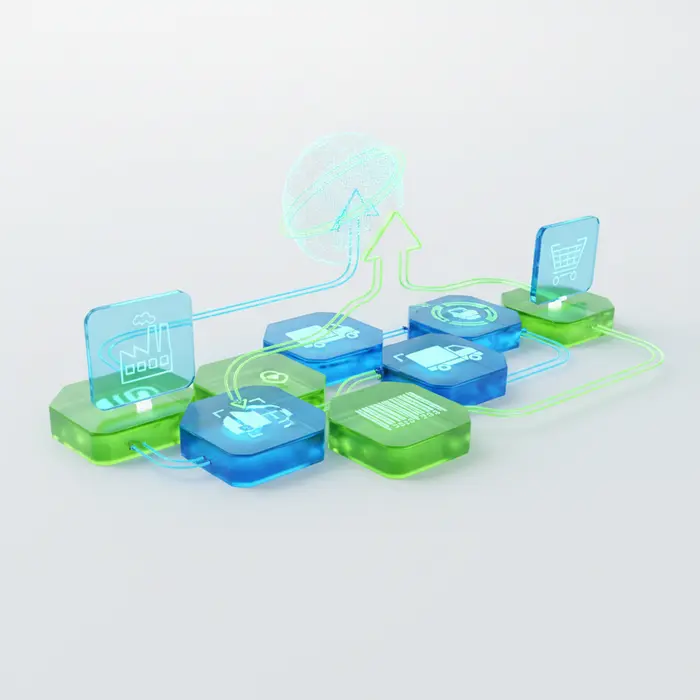
At the core of blockchain traceability lies its ability to create immutable records. Once data about a product’s journey – from raw material sourcing to manufacturing, shipping, and retail – is recorded on a blockchain, it cannot be altered or deleted. Each transaction, or ‘block,’ is time-stamped and cryptographically linked to the previous one, forming an unbreakable chain. This inherent immutability ensures unparalleled data integrity, eliminating the risk of fraud, data manipulation, and human error that plague traditional record-keeping systems. For businesses, this means verifiable product origin and a single, unchallengeable source of truth, building immense trust among all stakeholders. This transparency is crucial for industries where regulatory compliance is stringent, such as pharmaceuticals and food, offering undeniable proof of adherence to standards and ethical sourcing practices. Ultimately, the integrity of data fostered by blockchain allows for robust product origin verification, giving consumers and partners confidence in the authenticity and journey of every item.
2. Smart Contracts and Automated Verification Processes
Beyond immutable records, blockchain technology leverages smart contracts to automate and streamline verification processes within the supply chain. Smart contracts are self-executing agreements with the terms of the agreement directly written into lines of code. These contracts automatically execute predefined actions when specific conditions are met, eliminating the need for intermediaries and manual interventions. For example, a smart contract can automatically release payment to a supplier once goods are confirmed to have arrived at a specific port, or trigger an alert if a product deviates from its predetermined route. This automation significantly reduces administrative overhead, minimizes delays, and enhances the overall efficiency of B2B supply chain solutions. The precision and impartiality of smart contracts reduce the potential for disputes, ensuring that all parties operate under clear, predetermined rules. This not only accelerates transactions but also bolsters supply chain transparency by making every step of the process auditable and automatically verifiable.
3. Enhanced Security and Fraud Prevention Across the Supply Chain
Blockchain’s distributed and cryptographic nature inherently provides a superior level of security, making it a powerful tool for fraud prevention across the entire supply chain. Each piece of data on the blockchain is encrypted, and the network itself is decentralized, meaning there is no single point of failure that hackers can target. This robust security infrastructure makes it incredibly difficult for unauthorized parties to tamper with records or introduce counterfeit products. By tracking every item with a unique digital identity, companies can easily detect and prevent the entry of fake goods into the market, protecting their brand reputation and consumer safety. For consumers, this means greater assurance that the products they purchase are genuine, directly impacting their trust in brands. For businesses, particularly those engaged in global trade, this enhanced security translates into significant cost savings by reducing losses from counterfeiting, diversion, and illicit trade, cementing blockchain as an indispensable component for modern supply chain traceability strategies.
Verifying Product Origin and Authenticity
In today’s intricate global marketplace, the ability to verify product origin and authenticity has become paramount for businesses and end-users alike. The proliferation of complex global supply chains, coupled with the increasing sophistication of counterfeiters, necessitates robust solutions for supply chain transparency. This section delves into the critical methods and cutting-edge technologies deployed to ensure that products are exactly what they claim to be, thereby safeguarding brand reputation, consumer safety, and the integrity of B2B supply chain solutions.
1. Technologies for Origin Verification
Effective product origin verification hinges on leveraging technologies that provide unique identifiers and an immutable record of a product’s journey. Among the most prevalent are:
- RFID (Radio-Frequency Identification): RFID tags, embedded in products or packaging, use radio waves to communicate with readers. They allow for rapid, bulk scanning of items, providing real-time data on location and movement. This technology is invaluable for warehouse management, inventory control, and tracking high-value goods through various stages of the supply chain, ensuring that each product can be accounted for from manufacturing to delivery.
- QR Codes and Barcodes: These visual codes serve as digital fingerprints for individual products. When scanned with a smartphone or dedicated reader, they can link to a wealth of information about the item, including its batch number, manufacturing date, origin, and even sustainability data. QR codes, in particular, offer greater data capacity and can be integrated with consumer-facing platforms, empowering end-users to verify authenticity directly.
- NFC (Near Field Communication): Similar to RFID but operating over shorter distances, NFC tags allow for tap-and-scan verification using smartphones. They are often used for individual item authentication and can provide a secure, direct link to product data, helping to prevent tampering and provide confidence in a product’s legitimacy.
- Serialization: Assigning a unique serial number to each individual product allows for granular tracking. This method, often combined with the technologies above, enables businesses to monitor every single item, making it significantly harder for counterfeit products to infiltrate the legitimate supply chain without detection.
2. Combating Counterfeiting and Fraud in B2B Chains
Counterfeiting is a global menace, costing industries billions annually and posing significant risks to consumer health and safety. For B2B supply chain solutions, combating this threat requires a multi-faceted approach:
- Secure Packaging and Overt/Covert Features: Tamper-evident seals, holographic labels, micro-printing, and color-shifting inks are examples of physical security features that make products difficult to replicate. Covert features, such as invisible inks or chemical tracers, require specialized tools for verification and are used for internal authentication checks.
- Supply Chain Audits and Due Diligence: Regular, thorough audits of suppliers, manufacturers, and distributors are crucial. This includes verifying certifications, assessing security protocols, and scrutinizing documentation to identify potential weak points where illicit goods could enter the chain.
- Data Analytics and Anomaly Detection: Sophisticated software can analyze vast datasets from supply chain operations to identify unusual patterns, such as unexpected spikes in returns, deviations in shipping routes, or inconsistencies in production numbers. These anomalies can signal potential counterfeiting or fraud.
- Industry Collaboration and Information Sharing: Tackling counterfeiting effectively often requires collaboration across entire industries. Sharing intelligence about counterfeit products, common fraud tactics, and best practices for prevention can significantly bolster collective defenses. The OECD highlights the severe economic impact and public safety risks posed by counterfeiting and piracy, emphasizing international cooperation to combat these illicit trades.
3. The Role of Blockchain in Ensuring Authenticity
Blockchain technology has emerged as a transformative force in enhancing supply chain traceability and authenticity. Its decentralized, immutable ledger system offers unparalleled benefits:
- Immutable Record-Keeping: Every transaction and movement of a product, from raw material sourcing to retail, can be recorded on a blockchain. Once data is added, it cannot be altered or deleted, creating an unchangeable audit trail. This inherent immutability provides a high degree of trust and transparency, allowing any authorized participant to verify the origin and history of a product with confidence.
- Enhanced Supply Chain Transparency: Blockchain enables a shared, real-time view of the supply chain for all authorized parties. Stakeholders can access verified data points, reducing information asymmetry and fostering greater accountability. This level of blockchain traceability makes it incredibly difficult for counterfeit goods to penetrate the system unnoticed, as their provenance would not align with the established digital record.
- Smart Contracts for Automated Verification: Smart contracts—self-executing contracts with the terms of the agreement directly written into code—can automate verification processes. For instance, a smart contract could automatically release payment to a supplier only after a product’s authenticity and origin are confirmed on the blockchain, streamlining operations and reducing human error or deliberate fraud.
- Empowering End-Users: Consumers can often use a QR code or NFC tag to scan a product and view its entire journey on the blockchain, providing irrefutable proof of its authenticity and origin. This direct access to verifiable data builds strong consumer trust and brand loyalty.
By integrating these advanced technologies and adopting a proactive stance, businesses can significantly strengthen their defenses against counterfeiting and ensure unwavering product authenticity, benefiting both their operations and their customers.
Implementing B2B Supply Chain Solutions for 2025
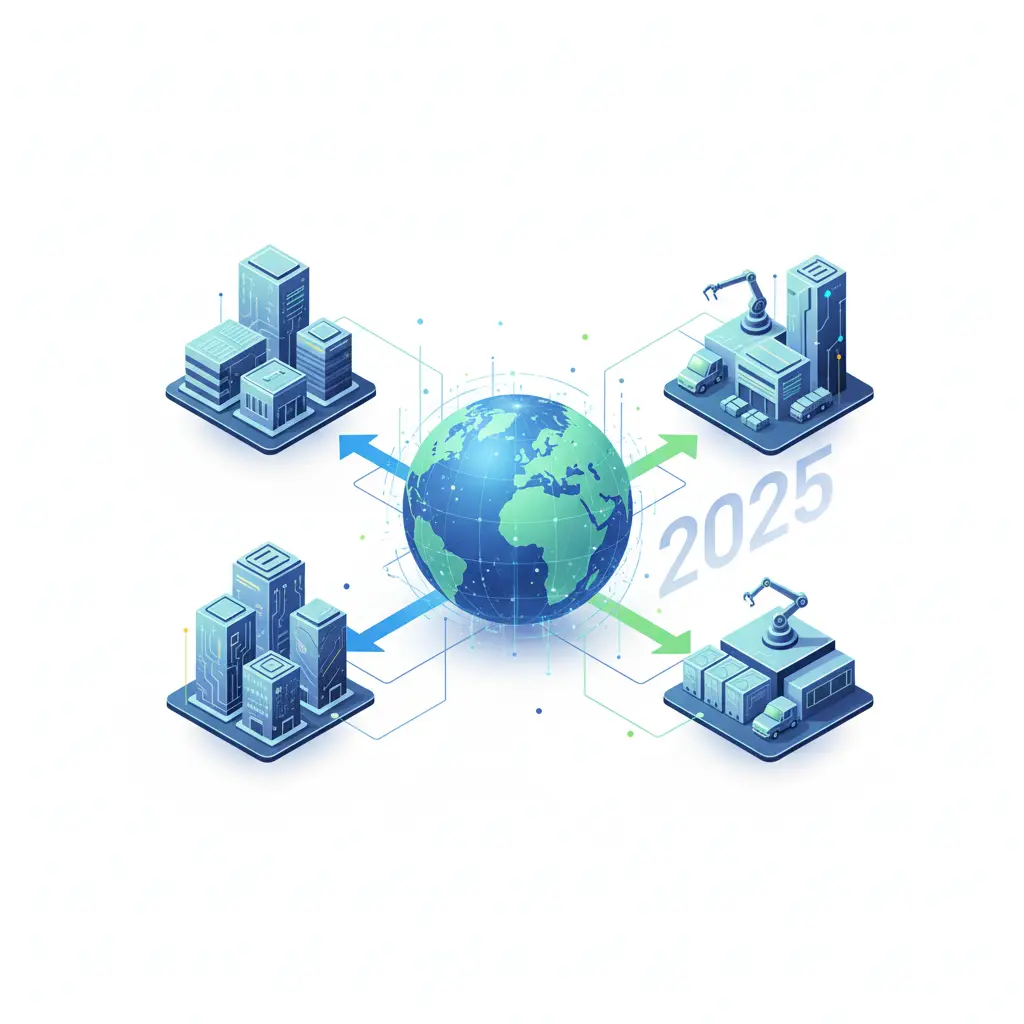
As businesses navigate the complexities of modern commerce, the demand for robust B2B supply chain solutions has never been more critical. For 2025 and beyond, integrating effective supply chain traceability solutions isn’t merely a compliance checkbox; it’s a strategic imperative for competitive advantage, risk mitigation, and enhanced customer trust. This section provides actionable insights and strategies for businesses to adopt and integrate these solutions, focusing on tangible benefits such as improved efficiency, sustainability, and unparalleled supply chain transparency.
1. Choosing the Right Traceability Platform and Partners
Selecting an appropriate traceability platform is foundational. Businesses must evaluate solutions based on their specific industry needs, existing infrastructure, and long-term scalability. A robust platform should offer end-to-end visibility, from raw material sourcing to final product delivery, enabling comprehensive product origin verification. Key considerations include: compatibility with diverse data formats, ease of integration with ERP and CRM systems, and the ability to scale across a global network of suppliers and distributors.
Equally vital is choosing the right partners. This extends beyond technology vendors to include third-party logistics (3PLs), auditors, and even direct competitors in pre-competitive areas of shared interest. Collaboration with trusted partners who share a commitment to supply chain transparency can significantly amplify traceability efforts. Vet potential partners thoroughly, ensuring their data security protocols, ethical standards, and technological capabilities align with your organization’s goals for advanced B2B supply chain solutions. Engaging in pilot projects can be an effective way to test platform suitability and partner effectiveness before a full-scale rollout.
2. Best Practices for Data Integration and Cross-Company Collaboration
Effective supply chain traceability hinges on seamless data integration across multiple stakeholders. Adopting industry-standard data formats (like GS1 standards) is crucial for interoperability and reducing data silos. Establishing clear data governance policies, including data ownership, access rights, and security protocols, is paramount for maintaining data integrity and trust. Companies should invest in secure, permissioned data-sharing frameworks that allow for granular control over who sees what information, ensuring compliance with privacy regulations while still enabling essential data flow.
Cross-company collaboration requires a culture shift, moving from competitive secrecy to shared transparency where beneficial. Implement collaborative tools and platforms that facilitate real-time communication and data exchange among supply chain partners. Regular training sessions and workshops can help standardize practices and foster a common understanding of traceability objectives. Incentivize partners for accurate and timely data submission, perhaps through performance bonuses or preferred vendor status. This collective approach strengthens the entire supply chain, making it more resilient and responsive to disruptions.
3. Leveraging Future Trends: AI, IoT, and Blockchain for Enhanced Traceability
The future of supply chain traceability is increasingly intertwined with emerging technologies. Artificial Intelligence (AI) can analyze vast datasets from traceability systems to identify patterns, predict potential bottlenecks, and optimize routing or inventory management. Machine learning algorithms can enhance fraud detection by flagging anomalies in product origin verification data, adding an extra layer of security and trust.
Internet of Things (IoT) devices, such as smart sensors and RFID tags, provide real-time data on product conditions (temperature, humidity, location) throughout the supply chain. This granular, continuous monitoring enhances visibility and allows for immediate intervention in case of deviations, significantly improving product quality and safety.
Crucially, Blockchain traceability offers an immutable, decentralized ledger for recording every transaction and movement within the supply chain. This technology fundamentally enhances trust and data integrity, making it extremely difficult to alter records, thus providing irrefutable proof of origin and authenticity. Integrating blockchain into B2B supply chain solutions can not only bolster supply chain transparency but also streamline compliance and auditing processes. Deloitte insights on blockchain in the supply chain highlight its potential to transform how businesses track and verify products, fostering a new era of trust and efficiency across global networks.
Partner with Vietnam’s Leading Suppliers
Looking for reliable suppliers in Vietnam? Contact VietnamSuppliers.com today to connect with verified manufacturers and exporters across all industries.
—————————————
References
– Why Supply Chain Traceability is Critical for Businesses Today – IBM Blog: https://www.ibm.com/blogs/blockchain/2020/07/why-supply-chain-traceability-is-critical-for-businesses-today/
– The Future of Supply Chain: The Era of Transparency and Resilience: https://www.mckinsey.com/capabilities/operations/our-insights/the-future-of-supply-chain-the-era-of-transparency-and-resilience
– Deloitte’s Insights on Blockchain for Supply Chains: https://www2.deloitte.com/us/en/insights/focus/industry-4-0/blockchain-supply-chain-use-cases.html
– OECD work on Counterfeiting and Piracy: https://www.oecd.org/governance/risk/counterfeitingandpiracy.htm
– Deloitte insights on blockchain in the supply chain: https://www2.deloitte.com/us/en/pages/consumer-industrial-products/articles/blockchain-supply-chain.html