What is a Pre-Shipment Inspection Report & Why it Matters?
In the complex landscape of international trade, ensuring product quality and compliance is paramount. For businesses operating globally in 2025, especially those sourcing from manufacturing hubs like Vietnam, a Pre-Shipment Inspection Report serves as an indispensable tool for quality assurance and risk mitigation. This crucial document provides a transparent snapshot of your order’s status before it leaves the factory, safeguarding against costly surprises and potential reputational damage.
1. Defining the Pre-Shipment Inspection Process
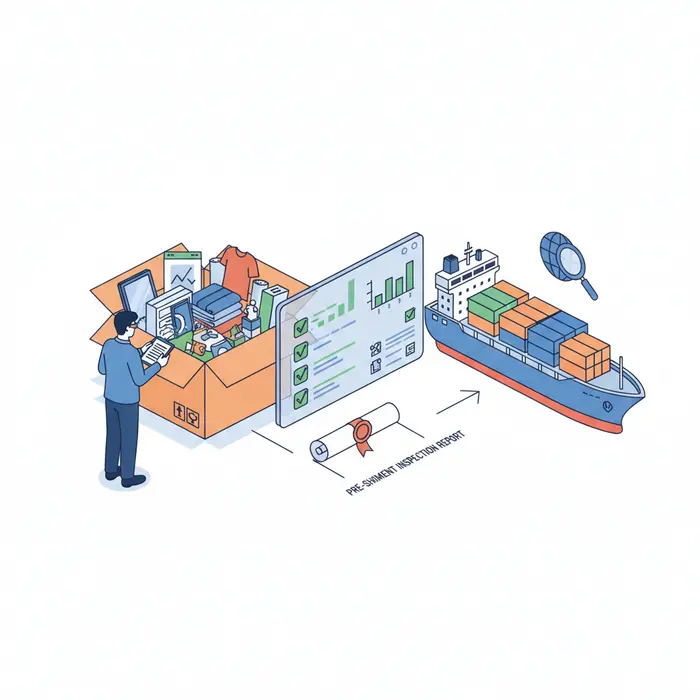
A Pre-Shipment Inspection (PSI) is a systematic check of goods conducted by a third-party inspection service provider, typically when 80-100% of the order production is completed and packed. The primary goal is to verify that the manufactured products align with the buyer’s specifications, purchase order, and any relevant international standards before shipment. This robust Quality Inspection Services process involves a detailed examination covering various critical aspects. Inspectors meticulously check quantities, product specifications, overall workmanship, functionality, labeling, packaging, and shipping marks. They follow a stringent Product Inspection Checklist, often customized to the buyer’s specific requirements, which may include visual inspections, on-site tests, measurements, and a review of documentation. The culmination of this thorough assessment is the Pre-Shipment Inspection Report – a comprehensive document detailing all findings, complete with photographic evidence and explanations of any deviations or defects discovered. This report essentially gives the importer “eyes on the ground” at the point of manufacture.
2. The Importance of a Pre-Shipment Inspection Report for Importers
For importers, particularly those engaged in global sourcing from regions like Asia, the Pre-Shipment Inspection Report is not merely a formality; it is a critical safeguard. Without it, importers risk receiving substandard goods, incorrect quantities, or products that do not comply with regulatory requirements in their destination market. Such issues can lead to significant financial losses, including chargebacks, returns, reshipment costs, and even legal disputes. More importantly, it can severely damage brand reputation and erode customer trust. By engaging a trusted service for Third Party Inspection Vietnam, for instance, importers gain an objective assessment, allowing them to make informed decisions before accepting the shipment. The report empowers them to approve the shipment, request rework, or even cancel the order if issues are severe enough. Furthermore, insights from a Container Loading Supervision Report, often conducted in conjunction with or after a PSI, ensures that the correct, inspected goods are loaded securely and efficiently, minimizing transit damage and discrepancies. In essence, the report acts as a final quality gate, providing peace of mind and protecting the importer’s investment.
3. Key Benefits of Early Defect Detection
One of the most significant advantages of a comprehensive Pre-Shipment Inspection and its subsequent report lies in the early detection of defects. Identifying issues before products leave the factory gate offers a multitude of benefits that translate directly into cost savings and operational efficiency. Firstly, it drastically reduces the financial burden associated with product returns, rework, or disposal of faulty goods once they arrive at the destination. Correcting defects at the source is invariably less expensive and time-consuming than addressing them after shipment, preventing costly delays and supply chain disruptions. Secondly, early detection fosters better supplier relationships. By providing clear, documented feedback through the Pre-Shipment Inspection Report, suppliers can address quality issues proactively, leading to continuous improvement and stronger, more reliable partnerships. This proactive approach helps avoid disputes and builds mutual trust. Finally, and perhaps most crucially, ensuring product quality before shipment directly impacts customer satisfaction and brand loyalty. Delivering high-quality, compliant products consistently builds a positive brand image, reduces customer complaints, and supports sustained business growth in a competitive global market, especially when adhering to global quality benchmarks.
In summary, as international trade continues to evolve in 2025, the Pre-Shipment Inspection Report remains an cornerstone of effective quality management. It provides a vital layer of protection for importers, ensuring product integrity, compliance, and overall supply chain reliability. Businesses committed to excellence and risk mitigation should view this report not as an expense, but as an invaluable investment in their success.
Decoding the Pre-Shipment Inspection Report: Key Elements
A comprehensive Pre-Shipment Inspection Report is more than just a document; it’s a critical tool in global trade, providing a transparent snapshot of your order’s quality and compliance before it leaves the factory floor. For businesses relying on efficient supply chains, especially those engaging in manufacturing or sourcing from regions like Vietnam, understanding this report is paramount. It acts as your eyes and ears on the ground, ensuring that what you ordered is what you get, minimizing risks, and preventing costly delays or returns. This section will break down the essential components typically found in such a report, highlighting what to look for and how to leverage the insights provided by professional Quality Inspection Services, including the invaluable Product Inspection Checklist.
1.
Understanding the Product Inspection Checklist
At the heart of every effective Pre-Shipment Inspection Report is the Product Inspection Checklist. This meticulously detailed document serves as the inspector’s roadmap, outlining every specification and requirement unique to your order. It’s not a generic form but a tailored instrument developed in collaboration between you, your supplier, and the third-party inspection service provider. Key elements typically found in this checklist include:
- Quantity Verification: Ensuring the exact number of units ordered is present and accounted for. This prevents shortages and ensures order fulfillment.
- Product Specifications: Verifying dimensions, weight, color, material composition, and other physical attributes match your approved samples and technical drawings. For instance, if you’re importing garments, this would cover fabric type, stitching quality, label accuracy, and sizing.
- Packaging and Marking Requirements: Confirming that inner and outer packaging meets protective standards, correct labeling (e.g., barcodes, country of origin, handling instructions) is applied, and shipping marks are accurate.
- Workmanship and Aesthetics: Detailed checks for visual defects such as scratches, dents, incorrect finishes, loose threads, or any inconsistencies that compromise the product’s appearance or functionality.
- Functionality and Safety Tests: Performing on-site tests to ensure the product operates as intended and complies with relevant safety standards (e.g., electrical tests for electronics, stress tests for furniture, toy safety checks). These tests are crucial for mitigating risks and ensuring market acceptance.
- Compliance with Standards: Verifying adherence to international or regional standards (e.g., CE, RoHS, ASTM) as specified in your purchase order.
- Special Instructions: Any unique requirements specific to your product or market, such as specific assembly instructions or packaging configurations.
2.
Critical Findings: Defects, Quantity, and Compliance
The core value of a Pre-Shipment Inspection Report lies in its ability to highlight critical findings related to product quality, quantity accuracy, and compliance with stipulated requirements. Inspectors from reputable Quality Inspection Services meticulously document any deviations from the approved specifications, categorizing defects and providing objective evidence.
- Defect Classification: Defects are typically categorized to give you a clear understanding of their severity.
- Critical Defects: Those that render the product unsafe or unusable, or non-compliant with mandatory regulations. These often lead to immediate rejection of the batch.
- Major Defects: Significant flaws that affect the product’s functionality, performance, or overall marketability, potentially leading to customer dissatisfaction or returns.
- Minor Defects: Small imperfections that do not significantly impact the product’s functionality or saleability but may detract from its aesthetic appeal.
The report will detail the type, location, and frequency of these defects, often alongside an Acceptable Quality Limit (AQL) to help determine if the production batch meets acceptable standards.
- Quantity Discrepancies: Beyond just counting, the report verifies that the number of units matches the purchase order, including any potential overages or shortages that might impact logistics and inventory management. This is critical for efficient supply chain planning.
- Compliance Breaches: This section details any failure to meet regulatory standards, industry specifications, or contractual agreements. For companies sourcing from diverse locations, ensuring compliance through a trusted provider of Third Party Inspection Vietnam services is essential to navigate complex international regulations and avoid costly penalties or market access issues.
3.
Visual Evidence: Photos and Videos in the Report
In a Pre-Shipment Inspection Report, text descriptions alone can only convey so much. This is where visual evidence – high-resolution photos and, increasingly, videos – becomes indispensable. These visual assets provide an undeniable, objective record of the inspection findings, allowing you to see exactly what the inspector saw.
- Detailed Photographic Documentation: The report will typically include numerous photographs showing:
- General Production Status: Overview shots of the factory, production line, and packaging areas.
- Product Appearance: Close-ups of the finished product from various angles, highlighting overall aesthetics.
- Defect Illustrations: Clear, annotated photos pointing out specific defects, their locations, and severity. This makes it easier to communicate issues with your supplier and understand the problem’s scope.
- Packaging Details: Images of inner and outer packaging, showing labeling, carton quality, and protective materials.
- Measurements and Tests: Photos documenting actual measurements taken (e.g., product dimensions against a ruler) or on-site test procedures (e.g., drop tests, functionality checks).
- Loading Process (if applicable): For many clients, this extends to a Container Loading Supervision Report, which includes photos of the container before loading, during loading to show carton arrangement and space utilization, and sealing.
- Video Evidence (where available): Short video clips can provide dynamic context for functionality tests, demonstrating how a product operates, or showcasing a persistent defect that is hard to capture in a still image. This multimedia approach significantly enhances transparency and understanding, bridging the geographical gap between buyer and manufacturer.
By thoroughly reviewing the visual evidence, you gain a comprehensive understanding of your order’s status, enabling you to make informed decisions and address any issues proactively with your supplier before shipment, thereby safeguarding your investment and brand reputation.
Choosing the Right Quality Inspection Services for Your Business
In today’s globalized marketplace, ensuring product quality is paramount for business success. As supply chains become increasingly complex, particularly when sourcing from manufacturing hubs like Vietnam, relying on robust Quality Inspection Services is no longer an option but a necessity. This guide will walk you through the critical considerations for choosing the right quality inspection services, emphasizing the invaluable role of third-party expertise for impartial assessments. From mitigating risks to safeguarding your brand reputation, a reliable inspection partner can be the cornerstone of your quality assurance strategy.
1. Benefits of Third-Party Inspection Vietnam (and other sourcing regions)
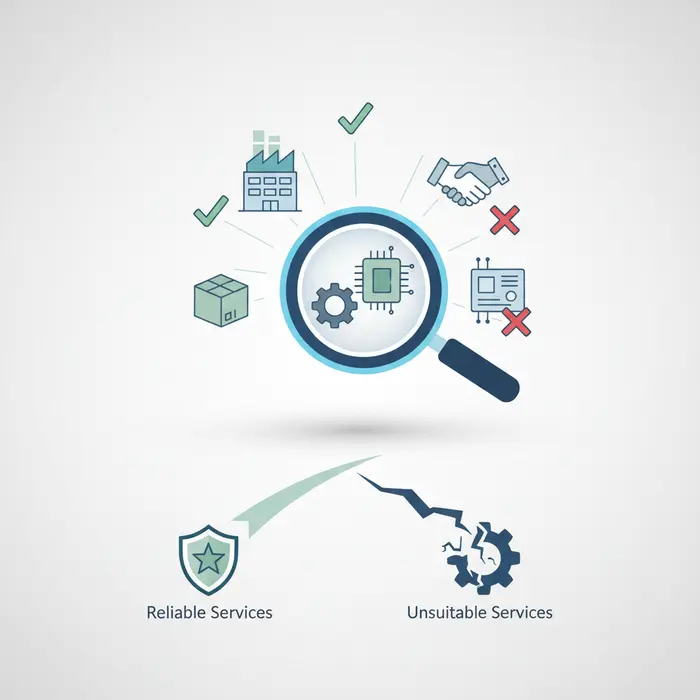
Engaging Third Party Inspection Vietnam services offers a multitude of benefits beyond merely checking products. The primary advantage lies in impartiality. Unlike factory-led checks, a third-party inspector provides an unbiased assessment, crucial for businesses operating remotely, especially when sourcing from regions like Vietnam. They act as your eyes and ears on the ground, helping to navigate cultural and communication barriers, ensuring your quality specifications are fully understood and met. This significantly reduces the risk of receiving defective goods, costly recalls, and damage to your brand reputation. Furthermore, third-party inspections ensure compliance with international quality standards, a vital aspect for market entry and consumer trust. They empower you with critical data, allowing for timely corrective actions before production scales or products are shipped, thus saving time and money.
2. Criteria for Selecting a Reliable Inspection Partner
Selecting the right inspection partner is a critical decision. Here are key criteria to consider:
- Experience and Expertise: Look for companies with a proven track record in your specific industry and product category. Inspectors should possess in-depth technical knowledge and understanding of relevant quality standards.
- Accreditation and Reputation: Verify their accreditations (e.g., ISO certifications) and check client testimonials. A strong reputation signifies reliability and consistent service quality.
- Comprehensive Reporting: Demand detailed documents such as a Pre-Shipment Inspection Report and a Container Loading Supervision Report, which should include clear findings, photographic evidence, and actionable recommendations.
- Communication and Transparency: An effective partner offers clear communication, timely updates, and transparent pricing.
- Local Presence and Global Reach: For sourcing in Vietnam, a company with local inspectors and a strong understanding of the regional manufacturing landscape is invaluable.
- Ethical Standards: Ensure the inspection company adheres to strict ethical guidelines to prevent corruption and maintain assessment integrity.
By carefully evaluating these aspects, you can forge a partnership that provides robust quality assurance.
3. Tailoring Quality Inspection Services to Your Product Needs
Not all products require the same level or type of inspection. The best Quality Inspection Services are adaptable and customized to your unique product specifications and risk profile.
- Developing a Product Inspection Checklist: A detailed Product Inspection Checklist is the backbone of any effective inspection. Developed collaboratively, it should outline all critical quality points, acceptable quality limits (AQL), measurement criteria, packaging requirements, and any specific tests relevant to your product.
- Types of Inspections: Different stages of production call for different inspections:
- Pre-Production Inspection (PPI): Verifies raw materials and components before mass production.
- During Production Inspection (DPI): Monitors production quality, identifies issues early, and ensures corrective actions.
- Pre-Shipment Inspection (PSI): The most common, performed when production is 100% complete and packed. This final check ensures the consignment meets all specifications before shipment, resulting in a detailed Pre-Shipment Inspection Report.
- Container Loading Supervision (CLS): Oversees loading to ensure correct quantity, packaging integrity, and secure loading, minimizing transit damage.
- Risk-Based Approach: High-value or safety-critical products may require more frequent and rigorous inspections. Discuss your specific needs with your partner to create a tailored program that balances cost-effectiveness with comprehensive quality assurance.
By customizing these services, you ensure your investment in quality control yields optimal results for your business.
Beyond the Pre-Shipment Inspection: Advanced Monitoring
While a Pre-Shipment Inspection Report (PSI) serves as a critical baseline for quality assurance, smart sourcing strategies, particularly when engaging with manufacturers in dynamic markets like Vietnam, demand a more comprehensive and proactive approach. Relying solely on a final inspection before shipment can leave businesses vulnerable to unforeseen issues, from production inconsistencies to improper loading practices that compromise product integrity during transit. Advanced monitoring techniques extend beyond the standard PSI, offering specialized inspection layers that ensure end-to-end quality control and mitigate risks across the supply chain. These specialized Quality Inspection Services provide deeper insights, catching potential problems earlier and ensuring that every stage, from raw material sourcing to container loading, meets stringent standards.
1. Container Loading Supervision Report: Ensuring Safe Transit
Even if products pass a Pre-Shipment Inspection Report, improper loading can negate all previous quality efforts. A Container Loading Supervision Report (CLS) is a vital safeguard, performed by a Third Party Inspection Vietnam team directly at the factory or warehouse before the container is sealed. This inspection is not just about counting boxes; it’s a detailed verification process that ensures the correct goods, quantities, and packaging are loaded safely and efficiently for their journey. Inspectors verify the container’s condition (cleanliness, structural integrity, absence of leaks), check the quantities and labels against the packing list, and ensure proper loading techniques are employed to prevent damage during transit. This includes confirming correct stacking, securing goods with dunnage or strapping, and verifying the sealing process. A comprehensive CLS report provides photographic evidence and detailed notes, offering peace of mind that your investment is protected from the moment it leaves the factory floor until it reaches its destination, significantly reducing the likelihood of shipping claims and disputes.
2. During Production and Before Production Inspections
Proactive quality control extends upstream from the final product check. Implementing inspections at earlier stages of the production cycle is crucial for preventing widespread defects and ensuring consistency. These include:
During Production Inspection (DUPRO)
A DUPRO inspection occurs when 20-80% of the production batch is complete. This mid-process check allows inspectors to identify and address defects early, preventing an entire run from being compromised. It’s an opportunity to monitor production progress, verify that the factory is adhering to the agreed-upon specifications, and ensure the consistent application of manufacturing processes. A DUPRO report provides real-time feedback, enabling timely corrective actions and minimizing costly rework or delays. This crucial step ensures that the final Pre-Shipment Inspection Report is more likely to yield positive results.
Before Production Inspection (IPI/Initial Production Inspection)
The IPI is conducted before mass production begins, typically after raw materials have been sourced and initial samples produced. This inspection focuses on verifying the quality of raw materials and components, ensuring they meet specified standards. It also assesses the factory’s production capabilities, equipment readiness, and initial sample conformity. Catching discrepancies at this stage is incredibly cost-effective, preventing potential issues from escalating and impacting the entire production run. It sets the foundation for a successful manufacturing process and ensures that the factory has correctly understood and prepared for your Product Inspection Checklist requirements.
3. Integrating Lab Testing and Certification
For many products, especially those with specific safety, performance, or environmental compliance requirements, visual and on-site inspections are insufficient. Integrating independent lab testing and certification services provides an essential layer of assurance. These tests verify material composition, chemical safety (e.g., RoHS, REACH), physical performance (e.g., durability, tensile strength), electrical safety (e.g., CE, FCC), and other critical attributes against international and national standards. A reliable Third Party Inspection Vietnam provider can facilitate samples collection from the production line and send them to accredited laboratories. This process ensures that products not only look good but also comply with all necessary regulatory requirements for market entry, protecting your brand from legal issues and product recalls. This level of due diligence, combined with a robust quality management system, reinforces consumer trust and strengthens your position in competitive markets, offering a complete picture far beyond what a standard Pre-Shipment Inspection Report alone can provide.
Maximizing Your Pre-Shipment Inspection for Success in 2025
In the dynamic global supply chain of 2025, a robust Pre-Shipment Inspection Report is no longer merely a compliance formality; it’s a strategic asset for driving efficiency and ensuring product quality. As businesses navigate increasingly complex sourcing landscapes, particularly from emerging markets, leveraging these reports effectively becomes paramount. This section offers actionable advice on transforming raw inspection data into tangible improvements across your supply chain, ultimately safeguarding your brand reputation and bottom line.

The insights gained from comprehensive Pre-Shipment Inspection Reports are invaluable. They provide a critical snapshot of your product’s quality and compliance before it leaves the factory floor. However, the true value lies not just in identifying defects, but in the subsequent actions taken based on these findings. By proactively utilizing this data, companies can foster stronger supplier relationships, implement continuous improvement cycles, and stay ahead of industry trends.
1. Communicating Findings to Suppliers Effectively
The immediate aftermath of receiving a Pre-Shipment Inspection Report is crucial. Effective communication with your supplier is the first step towards resolution and improvement. Begin by sharing the report promptly, highlighting both compliant aspects and non-conformities clearly and objectively. Utilize specific details, photographic evidence, and quantitative measurements provided in the report to illustrate issues. Instead of merely stating a problem, frame your feedback constructively, focusing on root cause analysis. For instance, if the Product Inspection Checklist reveals a recurring cosmetic defect, work with your supplier to understand why it’s happening – is it a material issue, a tooling problem, or a training gap?
Furthermore, leverage insights from the Container Loading Supervision Report to address packaging or loading discrepancies. A collaborative approach fosters trust and encourages suppliers to take ownership of quality improvements. Establish clear timelines for corrective actions and follow-up inspections. This transparent dialogue transforms inspection findings from mere accusations into shared opportunities for process optimization, strengthening long-term partnerships essential for a resilient supply chain.
2. Integrating Inspection Data into Your Quality Management System
To truly harness the power of your Pre-Shipment Inspection Report, integrate its data seamlessly into your overarching quality management system (QMS). This moves beyond reactive problem-solving to proactive quality assurance. Regular analysis of inspection data allows you to identify trends, pinpoint common failure points across different products or suppliers, and predict potential issues before they escalate. For example, if multiple reports from various Quality Inspection Services consistently show defects related to a specific manufacturing process, it signals a systemic issue that requires broader intervention, perhaps a re-evaluation of design specifications or manufacturing protocols.
By consolidating this information, you can refine your quality management system, update standard operating procedures (SOPs), and continuously improve your product specifications. This data-driven approach supports informed decision-making, allowing you to prioritize supplier development efforts, allocate resources more effectively, and ultimately enhance overall product quality and customer satisfaction. The goal is to build a feedback loop where inspection data directly informs improvements at every stage of the product lifecycle.
3. Future Trends in Pre-Shipment Inspection Technology
The landscape of pre-shipment inspection is rapidly evolving, driven by technological advancements that promise greater efficiency, accuracy, and transparency. In 2025 and beyond, expect to see widespread adoption of AI-powered analytics, machine learning for defect detection, and IoT sensors for real-time monitoring. These innovations will transform how Third Party Inspection Vietnam providers conduct their assessments, moving towards more predictive and less labor-intensive processes. For instance, drones equipped with high-resolution cameras could conduct preliminary visual checks of large shipments or facilities, while AI algorithms analyze images for anomalies faster and more consistently than the human eye.
Remote inspection capabilities, enhanced by live streaming and virtual reality, will become more commonplace, reducing travel costs and accelerating inspection times. Furthermore, the integration of blockchain technology could provide an immutable ledger of inspection reports, enhancing data integrity and trust across the supply chain. Embracing these emerging technologies will not only streamline your inspection processes but also provide deeper insights into product quality and supply chain performance, enabling more agile and resilient operations in the years to come. Staying informed about these trends and partnering with inspection providers who are investing in such technologies will be key to maintaining a competitive edge.
Partner with Vietnam’s Leading Suppliers
Looking for reliable suppliers in Vietnam? Contact VietnamSuppliers.com today to connect with verified manufacturers and exporters across all industries.
—————————————
References
– SGS Pre-Shipment Inspection Services: https://www.sgs.com/en/services/pre-shipment-inspection
– ASQ – AQL Calculator: https://asq.org/quality-resources/aql-calculator
– Quality Control Services | SGS: https://www.sgs.com/en/quality-control
– ITC Quality Management Guide: https://intracen.org/resources/publications/quality-management-guide/
– :