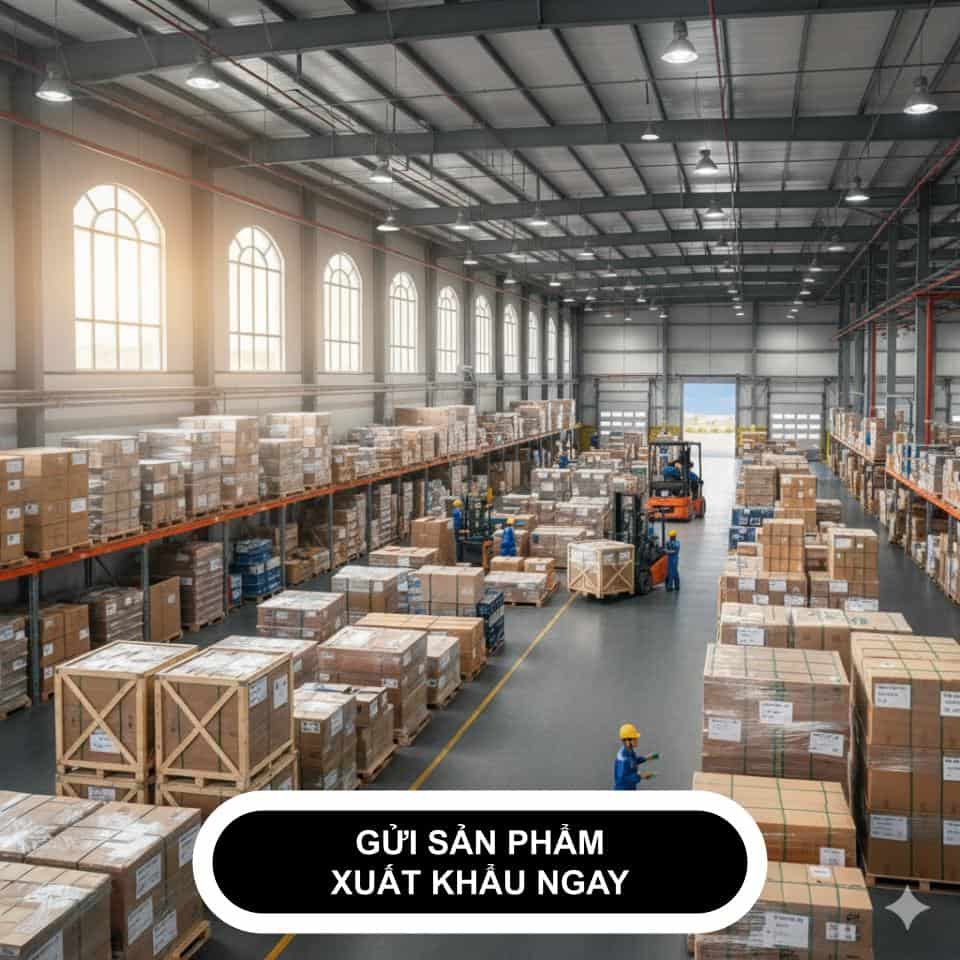
Overview of Global Trade Compliance Shifts in 2025
As the global economy continues its dynamic evolution, businesses operating across borders face an increasingly complex landscape of International Trade Compliance Changes. The year 2025 is poised to usher in significant shifts, demanding heightened vigilance and proactive adaptation from importers, exporters, and logistics providers alike. These changes are not isolated; they represent an interconnected web of regulations stemming from environmental concerns, geopolitical realignments, technological advancements, and evolving consumer expectations. Understanding these shifts is paramount for maintaining market access, avoiding costly penalties, and ensuring the resilience of global supply chains. The necessity for businesses to adapt goes beyond mere adherence; it involves a strategic re-evaluation of operational models and a deep dive into the intricacies of international trade compliance.

1. Key Drivers Behind New International Regulations
The push for new international regulations in 2025 is primarily driven by a confluence of global challenges and policy priorities. Environmental sustainability remains a dominant force, exemplified by the continued implementation and expansion of measures like the European Union’s Carbon Border Adjustment Mechanism (CBAM) and corporate due diligence directives (e.g., Corporate Sustainability Due Diligence Directive – CSDDD). These initiatives directly impact global trade policy developments by imposing new reporting obligations and carbon pricing on imported goods, leading to substantial EU import regulation changes. Beyond carbon, increased scrutiny on product lifecycles, waste management, and sustainable sourcing means that product certification export requirements are becoming more stringent and encompassing environmental impact assessments.
Furthermore, heightened consumer awareness regarding product safety and ethical sourcing is translating into stricter rules. For instance, updates to food safety import standards updates are being introduced to address emerging contaminants, traceability concerns, and food fraud, requiring exporters to provide more granular data and adhere to advanced certification protocols. Labor rights and human rights due diligence throughout the supply chain are also gaining traction, particularly in sectors prone to exploitation. Digital trade is another burgeoning area, with new regulations emerging to govern data flows, cybersecurity, and consumer privacy across borders, adding layers of complexity to cross-border e-commerce and digital service provision. These drivers collectively necessitate a fundamental shift in how businesses approach compliance, moving from a siloed view to an integrated, holistic strategy.
2. Economic and Political Factors Influencing Trade Policy
Economic and political considerations are profoundly shaping the trajectory of international trade policy in 2025. Geopolitical tensions, particularly between major trading blocs, continue to foster a more fragmented and nationalistic approach to trade. This often manifests as increased protectionism, strategic industry support, and export controls on sensitive technologies, directly impacting market access and supply chain configurations. The lessons learned from recent global disruptions, such as the COVID-19 pandemic and various regional conflicts, have underscored the critical importance of supply chain resilience. This has led to a push for diversification, near-shoring, and on-shoring initiatives, alongside the development of new supply chain compliance new standards focused on risk management, transparency, and redundancy.
Moreover, countries are increasingly leveraging trade policy to achieve broader economic objectives, including promoting innovation, securing critical raw materials, and addressing domestic employment concerns. This can result in new subsidies, tariffs, and non-tariff barriers that necessitate meticulous planning for businesses. The ongoing debate between multilateralism and bilateral agreements also adds an element of unpredictability. While efforts continue within organizations like the WTO to foster open trade, the proliferation of regional trade agreements and preferential arrangements means businesses must navigate a patchwork of different rules of origin, customs procedures, and market access conditions. These dynamic economic and political currents create an environment where staying abreast of evolving trade policies is not just good practice but a fundamental requirement for business continuity and growth.
3. Proactive vs. Reactive Compliance Strategies
In the face of these rapid and interconnected International Trade Compliance Changes, businesses are confronted with a critical choice: adopt a proactive or a reactive compliance strategy. A reactive approach typically involves waiting for new regulations to be enforced before scrambling to implement necessary adjustments. While seemingly simpler in the short term, this often leads to costly last-minute operational overhauls, potential fines, delays in shipments, and reputational damage due to non-compliance. It places businesses in a constant state of catch-up, hindering strategic planning and resource allocation.
Conversely, a proactive compliance strategy involves anticipating upcoming regulatory shifts, conducting regular risk assessments, and integrating compliance considerations into core business processes from the outset. This forward-looking approach enables companies to identify potential compliance gaps early, invest in necessary technology and training, and adjust their supply chain and operational models well in advance. For example, understanding impending product certification export requirements allows for timely product redesigns or testing. Adopting advanced compliance management systems, leveraging artificial intelligence for data analysis, and fostering a culture of compliance across the organization are hallmarks of a proactive strategy. This not only mitigates risks and reduces costs associated with non-compliance but also enhances a company’s competitive advantage by demonstrating reliability and adherence to international best practices. In an environment defined by continuous change, proactive compliance is not just a best practice—it’s an essential element of sustainable global trade.
Navigating EU Import Regulation Changes in 2025
The year 2025 is poised to bring significant shifts in the landscape of importing goods into the European Union. Businesses engaged in international trade must remain vigilant and proactive to adapt to upcoming International Trade Compliance Changes, which will impact everything from customs declarations to product certifications and tax obligations. These EU import regulation changes are designed to modernize trade processes, enhance digital efficiency, and ensure greater transparency and security across the bloc. Staying ahead means understanding these updates across customs procedures, tariffs, and specific market access requirements for goods entering the EU.
For global suppliers and importers, a deep dive into these impending regulatory adjustments is not just advisable, but essential for maintaining seamless supply chains and avoiding costly disruptions. This includes a careful review of new data requirements, evolving tax frameworks, and specific compliance measures pertinent to various product categories, including updates to food safety import standards and product certification export requirements. Proactive preparation and strategic planning around these new standards for supply chain compliance will be key to successful market access in the EU.
1. Updates to EU Customs Code and Tariff Classifications
The European Union continues its journey towards a fully digitalized and more efficient customs environment, with significant updates anticipated for the Union Customs Code (UCC) in 2025 and beyond. These changes aim to streamline customs procedures, reduce administrative burdens, and enhance risk management across all member states. Key among these updates will be the gradual rollout of new IT systems and data requirements, moving towards a centralized customs decision-making process and a more harmonized approach to declarations. Importers must prepare for potential revisions in the data fields required for import declarations, necessitating greater accuracy and detail in documentation submitted to customs authorities.
Furthermore, businesses should closely monitor potential shifts in EU tariff classifications. While the Harmonized System (HS) forms the basis for global tariff codes, the EU periodically updates its combined nomenclature (CN) to reflect technological advancements, new products, and changes in trade policy. Misclassification can lead to incorrect duty payments, delays, and penalties. Therefore, it is crucial for businesses to regularly review their product classifications, especially for goods with complex components or those that might fall under new environmental or technological classifications. Understanding these nuances is vital for accurate duty assessment and smooth passage through customs, minimizing risks associated with supply chain compliance new standards and customs audits.
2. Evolving VAT and Digital Reporting Requirements for Imports
The EU’s push for digital transformation extends significantly to its Value Added Tax (VAT) framework, especially concerning imports. While the Import One-Stop Shop (IOSS) for low-value consignments introduced in 2021 was a major step, 2025 could bring further enhancements or expansions to digital reporting requirements. The objective is to combat VAT fraud and ensure fairer competition, particularly for e-commerce transactions and business-to-consumer (B2C) sales originating from outside the EU.
Importers, especially those operating in the e-commerce sector, must prepare for heightened scrutiny and potentially more granular digital reporting obligations. This might include more frequent data submissions, real-time transaction reporting, or expanded use of digital platforms for VAT collection and remittance. Such changes could impact logistical planning, invoicing practices, and financial compliance strategies. Businesses need to evaluate their internal systems to ensure they can capture and transmit the necessary data accurately and efficiently. Adhering to these evolving digital reporting mandates is paramount for avoiding penalties and ensuring seamless market access, reinforcing the need for robust international trade compliance changes strategies.
3. Preparing for Potential New Post-Brexit Trade Adjustments
Despite the initial shockwaves of Brexit having settled, the trade relationship between the EU and the UK remains a dynamic landscape. 2025 may witness further adjustments, clarifications, or even new agreements impacting goods moving between the two entities. The Northern Ireland Protocol, in particular, continues to be a focal point, with ongoing discussions potentially leading to revised customs arrangements, sanitary and phytosanitary (SPS) checks, or origin rules for goods moving from Great Britain to Northern Ireland and subsequently into the EU.
Businesses trading across the EU-UK border must remain agile and informed about any developing policy changes. This includes monitoring updates to rules of origin, which dictate whether a product qualifies for preferential tariff treatment, and any new requirements for product conformity assessments or product certification export requirements. The potential for divergence in standards or regulatory approaches could create new hurdles or opportunities. Proactive engagement with industry bodies, government advisories, and legal experts will be crucial to navigating these evolving post-Brexit trade dynamics effectively and ensuring continuous supply chain compliance new standards.
Essential Product Certification Export Requirements Updates
Navigating international trade demands unwavering compliance, especially concerning product certification. With global markets increasingly interconnected, businesses must stay abreast of critical updates to product certification export requirements across various jurisdictions. This section delves into significant shifts, including new standards for product safety, environmental impact, and evolving conformity assessment processes, all crucial for maintaining seamless International Trade Compliance Changes.
The global regulatory environment is in constant flux, driven by technological advancements, heightened consumer expectations, and an urgent push for sustainability. For exporters, product certification is an ongoing process of adaptation. Understanding and implementing these updates is vital for market access, brand reputation, and mitigating risks, encompassing EU import regulation changes and specific market demands across regions.
1. New Standards for Product Safety, Quality, and Sustainability
Global trade has brought stringent product standards, extending beyond basic safety to encompass quality and profound sustainability criteria. Regulators worldwide are implementing stricter requirements to protect consumers, foster fair competition, and address environmental concerns. Product safety updates often involve new chemical restrictions (e.g., REACH and RoHS), enhanced electrical safety, and rigorous testing. The European Union consistently refines its safety directives, impacting imported goods and necessitating continuous vigilance for product certification export requirements into the bloc.
Beyond safety, sustainability is paramount. New standards frequently mandate detailed environmental impact assessments, carbon footprint disclosures, and adherence to circular economy principles. Extended Producer Responsibility (EPR) schemes are expanding, placing the onus on manufacturers for the entire lifecycle of their products. Businesses must demonstrate commitment to eco-design and responsible manufacturing, ensuring products comply with regulations and align with global efforts for a greener economy.

2. Digitalization of Certification and Documentation Processes
Digital technologies are revolutionizing how product certifications are managed, marking a significant shift in International Trade Compliance Changes. Governments and certification bodies increasingly adopt digital platforms, e-certificates, and blockchain to streamline processes, enhance transparency, and combat fraud. This digitalization aims to reduce administrative burdens, accelerate market access, and provide real-time visibility. For companies, this means moving from paper-based submissions to efficient, secure online portals for applications, test reports, and status tracking.
Key advancements include AI for conformity checks and blockchain for immutable records, improving efficiency and bolstering certification integrity. However, challenges like cybersecurity, interoperability, and equitable access remain. Adapting to these digital demands is crucial for an efficient supply chain and swift customs clearance, highlighting a critical aspect of supply chain compliance new standards.
3. Region-Specific Certification Challenges (e.g., CE, UKCA, FCC)
While global standards aim for harmonization, significant region-specific certification requirements pose unique challenges. The European Union’s CE Marking remains critical for products sold within the EEA, with updates emphasizing market surveillance and integrating cybersecurity for connected devices. Post-Brexit, the UKCA marking is steadily diverging from CE, creating complexities for businesses needing dual marking and different conformity assessment bodies. UKCA deadlines and scope are subject to ongoing announcements, adding uncertainty.
In North America, FCC certification is indispensable for electronic devices emitting radio frequency energy. Updates to FCC rules often revolve around new wireless technologies (e.g., 5G, IoT). Similarly, specific requirements for food safety import standards updates vary significantly by country, with bodies like the FDA and EFSA implementing distinct regulations. Navigating these landscapes demands meticulous planning, continuous monitoring, and often, partnerships with local experts. Ignoring these nuances can lead to costly market delays, underscoring the vital role of comprehensive product certification export requirements strategies.
Updates in Food Safety Import Standards for Global Trade
In an ever-evolving global market, ensuring food safety remains paramount, driving continuous updates in import standards across major trading blocs. For businesses engaged in the agricultural and food sectors, staying abreast of these International Trade Compliance Changes is not just a matter of best practice but a critical requirement for market access and sustained profitability. This section delves into the latest food safety import standards updates, highlighting new protocols concerning traceability, hygiene, labeling, and contaminant control, crucial for maintaining supply chain compliance with new standards and navigating the complexities of international trade.
1. Enhanced Traceability and Origin Rules for Food Products
The demand for greater transparency throughout the food supply chain has led to significantly enhanced traceability and origin rules. Major markets, particularly those influenced by EU import regulation changes, are now requiring more granular data on a product’s journey from farm to fork. This includes detailed records of production sites, processing facilities, transportation routes, and even specific batch numbers. Technologies like blockchain are increasingly being explored or mandated to create immutable and accessible records, allowing for rapid identification and recall in case of contamination or quality issues. Origin rules are also becoming stricter, with an emphasis on verifying the true geographical source of ingredients and finished products, especially for protected designations or high-risk commodities like seafood and certain fresh produce. Importers must demonstrate robust systems capable of providing verifiable information upon request, aligning with the highest benchmarks for food safety import standards updates.
2. Changes in Pesticide Residue Limits and Additive Regulations
Regulators worldwide are continually reviewing and often lowering Maximum Residue Limits (MRLs) for pesticides, herbicides, and veterinary drugs in food products. This trend reflects a precautionary approach to consumer health and environmental protection. For instance, the European Union frequently revises its extensive MRL database, and similar stringent adjustments are observed in markets like the United States, Japan, and Canada. Beyond pesticides, regulations surrounding food additives, colorants, and preservatives are also subject to frequent updates. New scientific assessments can lead to the banning of previously approved substances or the introduction of new limits for others. Furthermore, there is an increased focus on contaminants like heavy metals (e.g., cadmium, lead, arsenic), mycotoxins (e.g., aflatoxins, ochratoxin A), and process contaminants (e.g., acrylamide, 3-MCPD esters). Exporters must ensure their products meet the most current MRLs and additive standards of the importing country, often necessitating specific product certification export requirements and rigorous testing protocols before shipment.
3. Impact of International Audits and Inspections on Importers
The global shift towards stricter food safety oversight has intensified the frequency and scope of international audits and inspections. Importing countries are increasingly conducting on-site inspections of foreign production facilities or relying on recognized third-party certification bodies to verify compliance with their domestic standards. These audits can cover everything from Good Manufacturing Practices (GMP) and Hazard Analysis and Critical Control Points (HACCP) systems to staff training, sanitation, and pest control. Non-compliance identified during these inspections can lead to severe consequences, including product detentions at the border, rejections, heightened surveillance, and even bans on imports from specific regions or facilities. For importers, this translates into a need for meticulous due diligence when selecting suppliers, ensuring they not only meet but consistently uphold international food safety benchmarks. Proactive engagement with these updated standards, including regular internal and external audits, is crucial for mitigating risks and securing uninterrupted market access in a landscape increasingly defined by stringent food safety import standards updates.
Navigating the complex and ever-evolving landscape of global trade demands more than just reacting to new rules; it requires a forward-thinking strategy to future-proof your operations. As global commerce continues to accelerate, driven by consumer demand and geopolitical shifts, International Trade Compliance Changes are a constant. This final section delves into proactive measures for strengthening your supply chain compliance against future disruptions, emphasizing resilience, ethical practices, sustainability, and the transformative power of technology.

1. Integrating ESG (Environmental, Social, Governance) into Trade Practices
The imperative for businesses to adopt responsible practices extends far beyond corporate social responsibility—it’s now a fundamental component of supply chain compliance new standards. ESG principles are rapidly being integrated into global trade practices, influencing everything from sourcing decisions to product delivery. Environmental considerations demand thorough assessments of carbon footprints, waste reduction, and sustainable resource management across the supply chain. Social aspects encompass human rights, fair labor practices, worker safety, and community impact, particularly in regions with higher risks of exploitation. Governance involves robust ethical frameworks, anti-corruption policies, and transparent reporting.
Regulatory bodies, especially within the EU, are at the forefront of this shift. For instance, forthcoming initiatives like the EU Corporate Sustainability Due Diligence Directive (CSDDD) will mandate companies to conduct due diligence on human rights and environmental impacts throughout their value chains. This means businesses must not only comply with domestic EU import regulation changes but also ensure their international partners adhere to these increasingly stringent ethical and sustainable benchmarks. Integrating ESG isn’t just about avoiding penalties; it’s about building brand reputation, meeting consumer expectations, and securing a more sustainable future for global trade. Embracing these principles proactively positions companies as responsible actors, enhancing their market access and long-term viability.
2. Leveraging Technology for Proactive Compliance Monitoring and Reporting
The sheer volume and complexity of Product certification export requirements and evolving food safety import standards updates make manual compliance monitoring increasingly impractical. Technology offers powerful solutions to transform compliance from a reactive burden into a proactive strategic advantage. Artificial intelligence (AI) and machine learning (ML) can analyze vast datasets, identify potential risks, and flag non-compliance long before it becomes an issue. Predictive analytics can forecast future regulatory shifts or supply chain vulnerabilities based on historical data and current events, allowing businesses to adapt in advance.
Blockchain technology provides an immutable and transparent ledger for tracking goods, certifications, and transactions across the supply chain. This enhances traceability, verifies authenticity, and simplifies audits, crucial for adhering to strict requirements like Food safety import standards updates. Automation, through robotic process automation (RPA) and integrated compliance platforms, can streamline routine checks, generate necessary documentation, and ensure timely reporting. By centralizing data and automating processes, companies can gain real-time visibility into their compliance status, reduce human error, and allocate resources more effectively. This technological integration not only enhances accuracy and efficiency but also provides the robust audit trails necessary to demonstrate continuous adherence to international trade regulations.
3. Building Resilient and Adaptable Supply Chains Against Future Changes
A resilient supply chain is one that can anticipate, withstand, and recover from disruptions, including those brought about by unforeseen international trade policy shifts or new compliance mandates. To build such resilience, diversification is key. Relying on a single source or route for critical components or markets can amplify risk. Spreading sourcing across multiple geographies and suppliers, including nearshoring or reshoring where appropriate, can mitigate the impact of localized disruptions or specific trade barriers. Establishing robust risk assessment frameworks allows businesses to identify potential vulnerabilities, from geopolitical instability to natural disasters, and develop comprehensive contingency plans.
Agile processes and flexible contracts with suppliers enable rapid adjustments to evolving circumstances. This might include pre-negotiated alternative logistics routes, flexible production capacities, or buffer inventories for critical items. Furthermore, fostering strong, collaborative relationships with supply chain partners is crucial. Transparent communication and shared responsibility ensure that everyone in the value chain is aligned with compliance goals and prepared to adapt to new requirements. Continuous learning and horizon scanning—monitoring global trends, political developments, and emerging regulatory frameworks—empower businesses to anticipate change rather than merely react to it. This proactive approach ensures that your supply chain not only meets current compliance needs but is also robust enough to navigate the complexities of tomorrow’s global trade environment.
By integrating ESG principles, leveraging advanced technology, and cultivating resilience, businesses can transform compliance from a challenge into a strategic advantage, ensuring sustained success in a constantly changing world.
Partner with Vietnam’s Leading Suppliers
Looking for reliable suppliers in Vietnam? Contact VietnamSuppliers.com today to connect with verified manufacturers and exporters across all industries.
—————————————
References
– WTO | Trade Policy Reviews: https://www.wto.org/english/tratop_e/tpr_e/tpr_e.htm
– Union Customs Code (UCC): https://taxation-customs.ec.europa.eu/customs-code/union-customs-code_en
– New rules to protect consumers and adapt product safety to the digital age: https://ec.europa.eu/commission/presscorner/detail/en/ip_23_3825
– WTO Agreement on the Application of Sanitary and Phytosanitary Measures: https://www.wto.org/english/tratop_e/sps_e/sps_e.htm
– Understanding the WTO: Principles of the trading system: https://www.wto.org/english/thewto_e/whatis_e/tif_e/agrm1_e.htm