The Evolving Landscape of Global Supply Chain Resilience
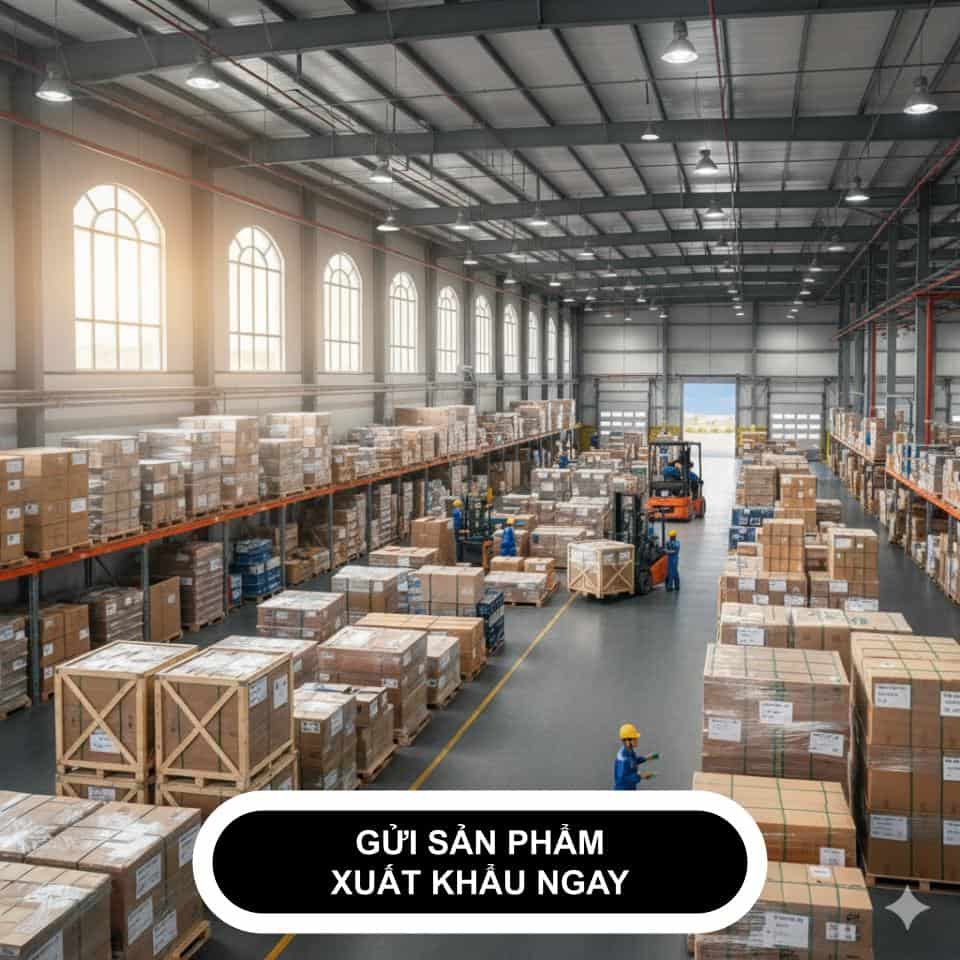
The past few years have undeniably reshaped the contours of international trade, bringing to the forefront an urgent, unprecedented need for robust Global Supply Chain Resilience. From the unpredictable waves of a global pandemic that exposed critical vulnerabilities to the escalating geopolitical tensions and regional conflicts, the traditional just-in-time model has been severely tested. Businesses worldwide have learned harsh lessons about over-reliance on single-source dependencies and the ripple effects of localized disruptions. This era of continuous turbulence necessitates a fundamental shift in strategy, prioritizing adaptability, redundancy, and foresight in every aspect of global commerce. The goal is no longer merely efficiency but the inherent ability to withstand shocks, recover swiftly, and even thrive amidst uncertainty.

Post-Pandemic Realities and Geopolitical Shifts
The COVID-19 pandemic served as a brutal awakening, demonstrating how quickly a health crisis could paralyze global logistics, shut down factories, and leave shelves bare. This immediate shock was soon compounded by a complex web of geopolitical shifts. Trade disputes, sanctions, and ideological divergences have introduced significant friction into international relations, compelling nations and corporations alike to reconsider their global dependencies. The pursuit of ‘strategic autonomy’ and ‘friendshoring’ reflects a profound re-evaluation, moving away from purely economic rationale towards a more balanced consideration of national security and political alignment in sourcing decisions. This shift has fundamentally altered how companies approach their global footprint, emphasizing a need for diversified strategies rather than concentrated dependencies.
Key Drivers for Enhanced Supply Chain Fortification
The drive towards greater Global Supply Chain Resilience is fueled by several critical factors. Firstly, the imperative for advanced International trade risk management has become non-negotiable. Companies are investing heavily in data analytics, AI-driven predictive modeling, and real-time visibility tools to anticipate disruptions before they escalate. Secondly, technological advancements are revolutionizing monitoring and response capabilities, from blockchain for enhanced transparency to IoT sensors providing granular data on inventory and shipments. Thirdly, governmental policies are increasingly designed to foster resilience, offering incentives for reshoring, nearshoring, and the development of robust Regional trade recovery strategies. There’s a growing recognition that collective, regional strength can buffer against global shocks. Lastly, environmental, social, and governance (ESG) pressures are pushing businesses towards more localized and sustainable supply chains, indirectly contributing to resilience by reducing long-distance dependencies and increasing ethical oversight. Companies are actively seeking ways to strengthen their supply chains, as highlighted by discussions on building resilience in global forums like the World Economic Forum.
Introducing the 2025 Outlook for Global Trade
Looking towards 2025, the landscape of global trade will likely be characterized by a concerted effort to institutionalize Global Supply Chain Resilience. We anticipate a significant acceleration in Export market diversification, with businesses actively seeking out new markets and alternative sourcing locations to mitigate concentration risks. The rise of robust regional manufacturing and distribution hubs will be a defining trend, particularly strengthening Asia supply chain resilience as a highly networked and adaptable region rather than a monolithic production base. Furthermore, there will be an increased emphasis on public-private partnerships and cross-border collaborations to build redundant infrastructure and foster information sharing. Companies will prioritize agility, leveraging digital platforms to connect with a wider network of reliable suppliers and partners globally, enabling swift pivots when disruptions occur. The future supply chain will not be a singular, linear path but a complex, interconnected web designed for continuous adaptation and robust resilience.
Regional Recovery Strategies: A Deeper Dive
The recent global disruptions have starkly highlighted the vulnerabilities within complex, interconnected supply chains, prompting regions worldwide to re-evaluate their approaches to sourcing and production. This critical re-evaluation has spurred the development of robust Global Supply Chain Resilience strategies, shifting focus from pure cost efficiency to security, proximity, and diversification. Across continents, distinct regional trade recovery strategies are emerging, aiming to build stronger, more localized, and adaptable supply networks. This section delves into these specific regional approaches, with a particular emphasis on fostering Asia supply chain resilience and its pivotal role in the future of international trade.
North America’s Nearshoring & Reshoring Initiatives
North America has increasingly championed nearshoring and reshoring as central tenets of its supply chain resilience strategy. Driven by geopolitical tensions, rising transportation costs, and the imperative for greater control over manufacturing processes, companies are opting to bring production closer to home, either within their own borders or to neighboring countries like Mexico and Canada. The United States-Mexico-Canada Agreement (USMCA) serves as a foundational framework, incentivizing regional production, particularly in critical sectors such as automotive, pharmaceuticals, and electronics. This shift mitigates international trade risk management associated with distant sourcing, reduces lead times, and can improve quality control. While not without its challenges, including labor costs and existing infrastructure, the long-term benefits of enhanced security, faster market response, and job creation are compelling businesses to invest in localized manufacturing hubs, strengthening the continent’s economic independence and resilience against future shocks.
Europe’s Strategic Autonomy and Diversification Efforts
Europe’s response to supply chain vulnerabilities is characterized by a strong push towards “strategic autonomy” and aggressive diversification. The European Union aims to reduce its over-reliance on single external suppliers, particularly for critical raw materials, semiconductors, and essential goods. This involves fostering internal production capabilities through initiatives like the European Chips Act, investing in green technologies, and building more circular economies. Simultaneously, Europe is actively pursuing export market diversification and strengthening trade ties with a broader range of partners across Africa, Latin America, and other parts of Asia, beyond traditional routes. The goal is to create a more balanced and robust network that can withstand disruptions from any single region or geopolitical event. By combining internal capacity building with a diversified external trading portfolio, Europe seeks to enhance its resilience and secure its economic future.
Asia Supply Chain Resilience: Innovations and Investment
Asia, often at the heart of global manufacturing, is not merely reacting to Western nearshoring trends but is proactively forging its own path toward enhanced supply chain resilience. Recognizing the need to evolve beyond being solely a production hub, countries across Asia are heavily investing in digital transformation, advanced logistics, and infrastructure development. The focus is twofold: strengthening intra-Asia supply chains and diversifying within the region. Nations like Vietnam, India, Malaysia, and Thailand are emerging as attractive alternatives or complements to traditional manufacturing powerhouses, driven by favorable government policies, skilled labor, and strategic geographic locations. This export market diversification within Asia itself is a key component of Asia supply chain resilience, ensuring continuity even if one nation faces disruption. Furthermore, significant investments in automation, AI, and blockchain technology are revolutionizing transparency and traceability, enabling better international trade risk management and quicker responses to disruptions. Initiatives like the Regional Comprehensive Economic Partnership (RCEP) further solidify regional integration, streamlining customs procedures and fostering stronger localized networks that reduce external dependencies. This proactive stance positions Asia not just as a manufacturing base, but as an innovator in building adaptable, robust, and sustainable supply chains for the future.
Export Market Diversification: Mitigating Concentration Risk
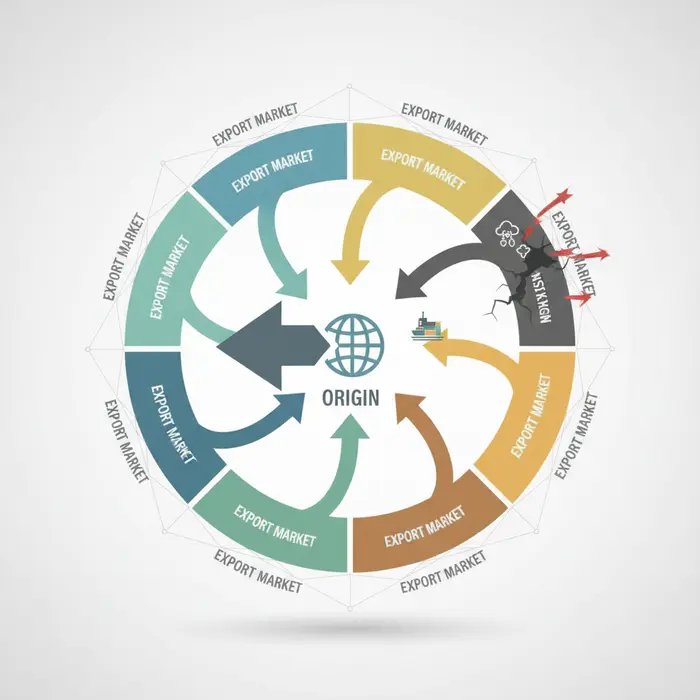
In today’s interconnected yet often volatile global economy, reliance on a limited number of export markets poses significant Global Supply Chain Resilience risks. Geopolitical shifts, economic downturns, trade disputes, or even localized disruptions can severely impact businesses heavily concentrated in single regions or with dominant trading partners. Export market diversification is not merely a growth strategy; it is a critical component of international trade risk management, designed to enhance overall business resilience by reducing vulnerability to external shocks. By strategically expanding into new territories, companies can spread risk, tap into new demand pools, and stabilize revenue streams, ensuring continuity and sustainable growth even when traditional markets face headwinds. This proactive approach supports robust regional trade recovery strategies and builds a more resilient foundation for global operations, particularly for businesses within complex networks like those characterizing Asia supply chain resilience.
1. Identifying High-Growth & Stable Export Destinations
The first step in effective export market diversification involves a rigorous process of identifying high-growth and stable export destinations. This means moving beyond conventional markets and exploring emerging economies or regions demonstrating consistent economic stability and rising consumer demand. Businesses must conduct thorough market research, analyzing macroeconomic indicators such as GDP growth, disposable income levels, and demographic trends. Political stability, regulatory environments, and ease of doing business are equally crucial factors. For instance, while certain established markets may offer large volumes, they might also present saturation or intense competition. Conversely, rapidly developing countries might offer significant untapped potential, albeit with different sets of market entry challenges. Utilizing data analytics, competitor analysis, and local market intelligence can help pinpoint these opportunities, ensuring that new markets align with a company’s long-term strategic objectives and risk appetite. The goal is to balance the potential for high returns with a realistic assessment of market accessibility and operational stability, thereby strengthening the company’s overall international trade risk management.
2. Leveraging FTAs and Trade Agreements for New Markets
Free Trade Agreements (FTAs) and other bilateral or multilateral trade agreements are powerful tools for market diversification, often significantly lowering the barriers to entry for new export destinations. These agreements typically reduce or eliminate tariffs, streamline customs procedures, harmonize standards, and protect intellectual property, making it more cost-effective and less complex to do business across borders. Companies should actively research and understand the FTAs to which their home country and potential new markets are signatories. For example, a business in an ASEAN member state might leverage the ASEAN Free Trade Area (AFTA) or broader agreements like the RCEP (Regional Comprehensive Economic Partnership) to access new markets within Asia or beyond with preferential treatment. By understanding the specific clauses and benefits of these agreements, businesses can gain a competitive edge, reduce landed costs for their products, and improve profit margins. This strategic leverage of trade policies is a proactive element of regional trade recovery strategies, enabling companies to explore and penetrate markets that might otherwise be financially or logistically prohibitive, thereby bolstering their global supply chain resilience.
3. Building Redundant Sourcing and Distribution Networks
Beyond identifying new markets, successful export market diversification demands a parallel effort in building redundant sourcing and distribution networks. Relying solely on a single source for critical inputs or a single logistics hub for distribution can negate the benefits of market expansion if that node becomes compromised. Redundancy means establishing multiple supply channels from different geographical regions and setting up alternative distribution centers or partnerships in various strategic locations. For example, instead of exclusively manufacturing in one country and shipping from a single port, a company might establish manufacturing partnerships in two or more distinct regions, each serving different export markets. Similarly, diversifying logistics partners and port access can provide flexibility during unforeseen disruptions such as natural disasters, labor strikes, or geopolitical blockades. This multi-hub approach not only ensures continuity of supply and timely delivery but also allows for greater agility in responding to shifting demand or supply chain pressures. Such diversified infrastructure is fundamental to achieving robust Asia supply chain resilience and forms the backbone of an effective international trade risk management framework, proving that true export market diversification extends far beyond sales targets into the very operational fabric of a business.
Advanced International Trade Risk Management for 2025
In an increasingly interconnected and volatile global economy, effective Global Supply Chain Resilience is paramount for businesses engaged in international trade. As we look towards 2025, the landscape of trade risks is evolving rapidly, demanding a sophisticated, proactive approach to management. This section explores advanced strategies and technological tools designed to identify, assess, and mitigate various trade-related risks, ensuring operational continuity and competitive advantage. From geopolitical shifts to cyber vulnerabilities and financial instabilities, mastering these challenges is crucial for fostering robust and adaptable international trade frameworks.
Geopolitical Risk Assessment and Scenario Planning
Geopolitical Risk Assessment and Scenario Planning refers to the systematic process of identifying, analyzing, and forecasting potential disruptions to international trade arising from political, social, and economic instability in various regions. For 2025, this involves moving beyond reactive measures to proactive foresight. Businesses must leverage advanced data analytics, artificial intelligence, and expert insights to model diverse scenarios, such as regional conflicts, trade wars, sanctions, or shifts in governmental policies. A critical component is developing robust regional trade recovery strategies that account for localized impacts and alternative sourcing or market entry points. Export market diversification is no longer an option but a necessity, reducing over-reliance on single markets or suppliers. Companies should invest in dynamic geopolitical monitoring platforms that provide real-time alerts and predictive analytics, enabling swift adjustments to supply chains and investment decisions. Emphasizing Asia supply chain resilience, for instance, requires deep dives into regional political dynamics, regulatory changes, and potential flashpoints, ensuring businesses can pivot effectively to safeguard their interests and maintain continuous flow of goods.
Cybersecurity Threats in Global Logistics
Cybersecurity Threats in Global Logistics encompass the sophisticated and evolving digital risks that target the intricate networks, data, and operational technologies underpinning international supply chains. As trade becomes increasingly digitalized, from smart ports to autonomous last-mile delivery, the attack surface for cybercriminals, state-sponsored actors, and hacktivists expands exponentially. In 2025, businesses must prioritize end-to-end cybersecurity solutions, integrating threat intelligence, advanced encryption, and anomaly detection across all logistics touchpoints. This includes securing Internet of Things (IoT) devices, operational technology (OT) systems, and vast datasets related to shipments, inventory, and customer information. Implementing zero-trust architectures, multi-factor authentication, and robust incident response plans are no longer optional. Furthermore, fostering a culture of cyber awareness among all supply chain partners, including third-party logistics providers and freight forwarders, is crucial. Proactive measures involve regular penetration testing, vulnerability assessments, and leveraging AI-powered solutions to predict and neutralize threats before they materialize, thereby strengthening overall international trade risk management capabilities against digital incursions.
Financial and Currency Volatility Management
Financial and Currency Volatility Management involves strategies and tools employed to mitigate the adverse impacts of fluctuating exchange rates, payment defaults, and other financial instabilities on international trade transactions. In 2025, with global economic indicators often unpredictable, businesses face heightened exposure to currency risks that can erode profit margins and distort pricing. Proactive management necessitates advanced hedging strategies, utilizing financial instruments like forward contracts, options, and currency swaps tailored to specific trade flows. Beyond traditional methods, companies are increasingly exploring innovative solutions such as blockchain-based payment systems that offer greater transparency, security, and potentially lower transaction costs, reducing counterparty risk. Diversifying banking relationships across different geographies and currencies can also offer a buffer against localized financial shocks. Furthermore, robust credit risk assessment tools, coupled with trade credit insurance, are vital for safeguarding against buyer insolvency or non-payment, particularly in emerging markets. Effective financial risk management contributes directly to enhancing overall global trade stability by ensuring stable cash flows and predictable operational costs, allowing businesses to navigate an unpredictable economic environment with greater confidence.
Effectively navigating the complex international trade landscape of 2025 requires an integrated and dynamic approach to risk management. By proactively assessing geopolitical threats, bolstering cybersecurity defenses, and implementing sophisticated financial volatility management strategies, businesses can not only mitigate potential disruptions but also transform challenges into opportunities for growth and innovation. Embracing these advanced frameworks is essential for building enduring and truly resilient global supply chains.
Future-Proofing Supply Chains: Technology and Collaboration
The global economic landscape has underscored the critical need for robust and adaptable supply chains. As businesses navigate an increasingly complex world marked by geopolitical shifts, climate change impacts, and rapid technological advancements, the imperative to build resilient supply chains for the long term has never been more urgent. This section explores how emerging technologies and strategic partnerships are crucial for achieving this resilience, transforming vulnerabilities into strengths and ensuring business continuity.

Leveraging cutting-edge innovations and fostering collaborative ecosystems are no longer optional but fundamental to enhancing Global Supply Chain Resilience. By adopting a proactive stance, companies can mitigate risks, improve operational efficiencies, and gain a competitive edge in an unpredictable market. The journey towards a future-proof supply chain involves a multi-faceted approach, integrating digital tools with human expertise and strategic alliances across the value chain.
1. Blockchain and AI for Enhanced Transparency and Traceability
The foundational pillars of modern supply chain resilience are transparency and traceability. Blockchain technology, with its immutable ledger and decentralized nature, offers an unparalleled ability to track products from their origin to the end-consumer. Each transaction and movement is recorded securely, providing a verifiable audit trail that significantly reduces fraud, improves accountability, and ensures compliance with ethical sourcing and environmental standards. This granular visibility is particularly vital for complex international logistics, where multiple intermediaries can obscure the supply chain’s true path.
Complementing blockchain, Artificial Intelligence (AI) acts as the intelligent layer, processing vast amounts of data generated across these transparent networks. AI algorithms can analyze historical patterns, identify anomalies, and predict potential disruptions before they escalate. From optimizing warehousing and transportation routes to forecasting demand fluctuations and managing inventory levels more efficiently, AI applications streamline operations. For instance, AI-driven platforms can swiftly identify the source of contaminated goods or counterfeit products, allowing for rapid response and recall, thereby safeguarding consumer trust and strengthening Global Supply Chain Resilience. The combination of blockchain’s data integrity and AI’s analytical prowess creates a robust framework for managing complex supply chains with unprecedented clarity and responsiveness.
2. Data Analytics for Predictive Risk Identification
In today’s volatile environment, the ability to anticipate and proactively manage risks is paramount. Advanced data analytics tools are transforming traditional risk management from a reactive exercise into a predictive science. By aggregating data from diverse sources – including weather patterns, geopolitical news feeds, market trends, supplier performance metrics, and real-time shipping information – businesses can develop sophisticated predictive models. These models are capable of identifying emerging threats such as potential natural disasters, port congestion, labor disputes, or sudden shifts in consumer demand that could impact Global Supply Chain Resilience.
Predictive analytics enables companies to simulate various disruption scenarios and formulate contingency plans, allowing for proactive adjustments like rerouting shipments, diversifying supplier bases, or pre-positioning inventory. This capability is critical for effective International trade risk management, helping businesses navigate tariffs, regulatory changes, and currency fluctuations with greater foresight. Furthermore, by analyzing vast datasets, companies can also uncover opportunities for optimizing their networks, identifying inefficiencies, and fostering lean practices that enhance overall agility and cost-effectiveness. The insights derived from data analytics empower decision-makers to make informed choices, minimizing financial losses and maintaining operational continuity amidst unforeseen challenges.
3. Multi-Stakeholder Collaboration and Public-Private Partnerships
While technology provides the tools, collaboration forms the backbone of a truly resilient supply chain ecosystem. No single entity operates in isolation; the interconnected nature of global commerce necessitates strong partnerships across the entire value chain. Multi-stakeholder collaboration involves fostering robust relationships with suppliers, logistics providers, distributors, and customers. This shared visibility and coordinated effort enable quicker responses to disruptions, facilitate joint problem-solving, and promote collective investment in resilience strategies. Such collaborative frameworks are vital for developing effective Regional trade recovery strategies, particularly in regions prone to specific types of disruptions.
Public-private partnerships (PPPs) play an equally crucial role, especially in enhancing infrastructure, setting international standards, and facilitating cross-border trade. Governments, alongside industry leaders, can work together to streamline customs processes, invest in advanced transportation networks, and create regulatory environments that support Asia supply chain resilience and broader Export market diversification. These partnerships can also facilitate the sharing of critical information, such as early warning systems for natural disasters or emerging health crises, allowing businesses to prepare and adapt. By fostering an environment of trust and shared responsibility, multi-stakeholder and public-private collaborations create a collective resilience that far surpasses what any individual organization could achieve alone, ensuring stability and growth in an ever-changing global marketplace.
Partner with Vietnam’s Leading Suppliers
Looking for reliable suppliers in Vietnam? Contact VietnamSuppliers.com today to connect with verified manufacturers and exporters across all industries.
—————————————
References
– How to build supply chain resilience: https://www.weforum.org/agenda/2023/01/how-to-build-supply-chain-resilience/
– Strengthening Asia’s Supply Chain Resilience in a Post-COVID-19 World: https://www.adb.org/news/speeches/strengthening-asia-s-supply-chain-resilience-post-covid-19-world
– :
– Council on Foreign Relations – Geoeconomics: https://www.cfr.org/geoeconomics
– :