The Evolving Landscape of Global Trade
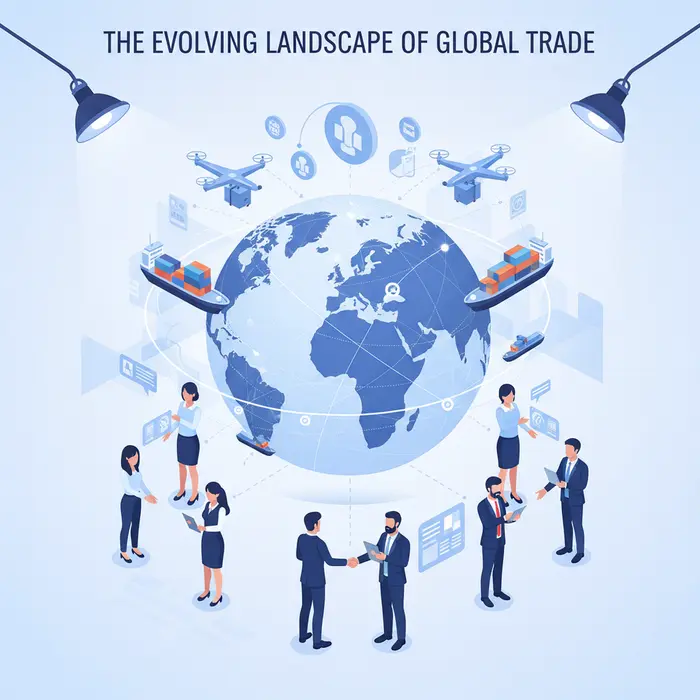
The global trade arena is undergoing a profound transformation, marked by unprecedented volatility and interconnectedness. From geopolitical shifts to rapid technological advancements and evolving consumer expectations, businesses worldwide face a dynamic environment that constantly redefines traditional supply chain paradigms. This necessitates a sharpened focus on supply chain resilience logistics – a proactive and adaptive approach to managing the flow of goods, information, and finances across international borders. Understanding these current trends and anticipating future challenges is crucial for developing robust strategies that ensure continuity, efficiency, and ethical compliance in a world where disruption is the new normal. The ability to adapt and innovate in logistics is no longer a competitive advantage but a fundamental requirement for survival and growth.
1. Geopolitical impacts on logistics and trade routes
Geopolitical tensions have emerged as a primary disruptor, fundamentally altering established trade routes and introducing significant uncertainty into secure international shipping strategies. Conflicts, trade wars, protectionist policies, and even piracy have direct consequences on the movement of goods. For instance, recent events in regions like the Red Sea have forced extensive rerouting, adding thousands of miles and weeks to transit times, alongside substantially increased freight insurance and operational costs. Such shifts place immense pressure on global freight forwarding solutions to find alternative, reliable pathways while managing heightened risks. Tariffs and sanctions, often fluctuating based on political relations, complicate customs compliance high-value goods and require meticulous planning to avoid penalties and delays. Furthermore, these geopolitical dynamics often push companies to re-evaluate their sourcing strategies, encouraging a move towards diversified supplier bases or nearshoring to mitigate exposure to single points of failure. The ongoing need for supply chain risk mitigation in this unpredictable landscape is paramount, demanding real-time intelligence and flexible logistical frameworks to absorb shocks and maintain operational integrity.
2. Technological disruptions and their opportunities
The rapid pace of technological innovation presents both challenges and unparalleled opportunities for enhancing supply chain resilience logistics. Artificial intelligence (AI) and machine learning are revolutionizing demand forecasting, inventory management, and route optimization, allowing businesses to predict disruptions and react with greater agility. The Internet of Things (IoT) provides real-time visibility into cargo location, condition, and security, which is vital for maintaining secure international shipping strategies. This enhanced transparency is particularly critical for customs compliance high-value goods, where precise tracking and condition monitoring can prevent losses and facilitate smoother customs clearance. Blockchain technology offers immutable records of transactions and movements, fostering greater trust and accountability across the entire supply chain, and significantly improving supply chain risk mitigation by verifying product authenticity and origin. Automation in warehouses and ports, coupled with advanced data analytics, streamlines operations, reduces human error, and accelerates processing times. Embracing these technological advancements is essential for creating more robust, efficient, and transparent global freight forwarding solutions capable of navigating the complexities of modern trade.
3. Consumer demands for transparency and ethical sourcing
Modern consumers are increasingly discerning, demanding not only speed and affordability but also greater transparency and ethical accountability throughout the supply chain. There is a growing expectation for products to be ethically sourced, environmentally sustainable, and produced under fair labor conditions. This societal shift compels businesses to scrutinize every link in their supply chain, from raw material extraction to final delivery. Implementing robust tracking systems that provide end-to-end visibility is crucial for verifying claims of ethical sourcing and meeting these demands. This impacts secure international shipping strategies by requiring detailed documentation and verification processes for origin and handling. Brands must be prepared to demonstrate due diligence in their sourcing practices, often necessitating deeper collaboration with suppliers and third-party auditors. The drive for sustainability also influences logistical choices, favoring greener transportation methods and optimized routes to reduce carbon footprints. Companies that fail to adapt to these consumer expectations risk reputational damage and loss of market share. Therefore, integrating ethical considerations and transparency into supply chain resilience logistics is no longer just a trend but a strategic imperative that shapes brand loyalty and market success in the evolving global marketplace.
Secure International Shipping Strategies
In today’s interconnected yet unpredictable global marketplace, safeguarding goods during transit is paramount for businesses aiming to maintain competitive advantage and customer trust. Robust secure international shipping strategies are no longer just an operational necessity but a fundamental pillar of supply chain resilience logistics. From raw materials traversing continents to finished products reaching their final destinations, ensuring the integrity, security, and timely arrival of shipments requires a multi-faceted approach that integrates advanced technology, stringent security protocols, and meticulous planning. This section delves into critical methods and technologies designed to fortify global supply chains against an array of modern threats, from physical theft to cyber vulnerabilities.
1. Advanced Tracking, Visibility, and IoT Solutions
The foundation of modern secure international shipping lies in unparalleled visibility and real-time data. Advanced tracking technologies, often powered by the Internet of Things (IoT), provide granular insights into every stage of a shipment’s journey. GPS-enabled trackers offer precise location data, while RFID tags facilitate efficient inventory management and gate-in/gate-out tracking. Beyond simple location, sophisticated IoT sensors monitor critical environmental parameters such as temperature, humidity, shock, and light exposure. This is particularly vital for global freight forwarding solutions handling sensitive or perishable goods.
These solutions enable proactive risk management: deviations from planned routes trigger immediate alerts, temperature excursions in cold chains are detected instantly, and unauthorized access attempts can be identified. The ability to monitor conditions in real-time not only deters theft and damage but also provides irrefutable data for compliance and insurance claims, significantly contributing to overall supply chain risk mitigation. By leveraging comprehensive data analytics, businesses can optimize routes, predict potential delays, and enhance the overall security posture of their logistics operations.
2. Mitigating Piracy, Cargo Theft, and Cybersecurity Risks
Global supply chains face a spectrum of threats, ranging from traditional physical risks like piracy and cargo theft to modern digital vulnerabilities. Secure international shipping strategies must comprehensively address both.
Physical Security:
Cargo theft remains a significant concern, impacting companies across all sectors. Implementing robust physical security measures is crucial, including tamper-evident seals, reinforced locks, and secure parking facilities for ground transport. For high-value goods, dedicated escort services or covert tracking devices may be necessary. Route optimization, coupled with real-time intelligence on high-risk areas, plays a vital role in circumventing potential threats. Collaboration with industry bodies and law enforcement agencies, such as reporting incidents to the Transported Asset Protection Association (TAPA), is essential for collective risk reduction. For more insights on global cargo theft trends, refer to TAPA’s reports on cargo theft.
Cybersecurity:
As logistics operations become increasingly digitized, so too do the entry points for cyber threats. Data breaches, ransomware attacks, and manipulation of shipping manifests can cripple operations, compromise sensitive information, and disrupt entire supply chains. Mitigating these risks requires a multi-layered cybersecurity approach:
- Data Encryption: Protecting sensitive shipping data, customer information, and operational protocols.
- Secure Networks: Implementing robust firewalls, intrusion detection systems, and secure VPNs for communication.
- Access Control: Strict authentication protocols to ensure only authorized personnel can access critical systems.
- Employee Training: Educating staff on phishing, social engineering, and data handling best practices.
- Regular Audits: Proactive vulnerability assessments and penetration testing to identify and remediate weaknesses.
Ensuring customs compliance high-value goods also intertwines with cybersecurity, as accurate and secure data submission is critical to avoiding delays and penalties.
3. Best Practices for Cold Chain and Sensitive Goods Transport
Transporting pharmaceuticals, certain chemicals, fresh produce, and other sensitive goods demands a highly specialized and meticulously managed secure international shipping strategy. The integrity and efficacy of these products are directly tied to maintaining specific environmental conditions throughout their journey, from origin to final destination.
Key best practices include:
- Specialized Equipment: Utilizing insulated containers, refrigerated trucks (reefers), and temperature-controlled air cargo solutions designed for precise climate management. These often integrate with IoT sensors for continuous monitoring.
- Redundant Systems: Implementing backup power sources and contingency plans for refrigeration units to prevent catastrophic failures during transit.
- Strict Temperature Mapping and Validation: Regularly validating and mapping temperature profiles within storage and transport units to ensure consistent and compliant conditions.
- Trained Personnel: Employing staff specifically trained in handling sensitive goods, understanding regulatory requirements (e.g., Good Distribution Practices for pharmaceuticals), and operating specialized equipment.
- End-to-End Monitoring and Documentation: Maintaining detailed records of temperature logs, handling procedures, and chain of custody documentation. This is crucial for regulatory audits and demonstrating product integrity.
- Route Planning and Risk Assessment: Carefully planning routes to minimize transit times, avoid extreme environmental conditions, and identify secure staging points.
Adhering to these best practices not only safeguards product quality and regulatory standing but also reinforces the overall supply chain resilience logistics for companies dealing with high-value, condition-sensitive cargo. For businesses looking to enhance their logistics capabilities and find reliable partners, resources like VietnamSuppliers.com offer valuable insights into strengthening global supply chains.
Mastering Global Freight Forwarding Solutions
Explore innovative approaches to streamline the movement of goods across borders, emphasizing efficiency, flexibility, and cost-effectiveness.
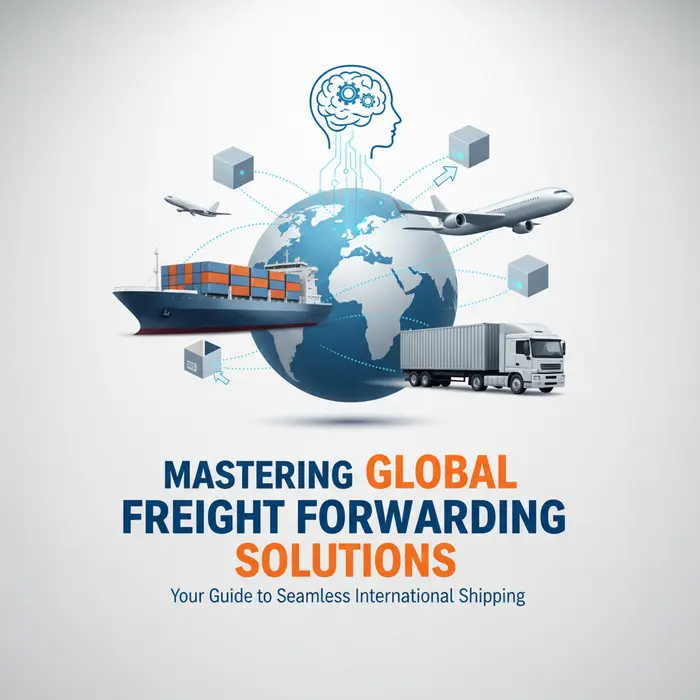
The modern global marketplace is characterized by unprecedented interconnectedness and inherent volatility. For businesses operating internationally, the ability to move goods efficiently, securely, and cost-effectively across borders is not just an operational challenge but a critical competitive differentiator. Mastering global freight forwarding solutions requires a proactive and adaptable strategy, one that is firmly rooted in building supply chain resilience logistics. As global trade continues to evolve, companies must embrace innovative approaches to navigate complex customs regulations, diverse transportation networks, and unpredictable geopolitical landscapes, ensuring that their secure international shipping strategies are robust enough to withstand disruptions and deliver value.
1. Optimizing multi-modal transport and network design
Optimizing the movement of goods often begins with intelligently designed transportation networks. Multi-modal transport, which combines different modes like ocean, air, rail, and road, offers unparalleled flexibility and efficiency. By strategically integrating these modes, businesses can leverage the cost advantages of sea freight for bulk shipments, the speed of air freight for urgent deliveries, and the flexibility of road/rail for last-mile distribution. This approach is fundamental to enhancing global freight forwarding solutions as it allows for dynamic routing and risk diversification. Effective network design involves analyzing transit times, costs, environmental impact, and potential bottlenecks to create the most efficient pathways for goods. Implementing a hub-and-spoke model, for instance, can consolidate shipments, reduce transit times, and minimize handling, thereby bolstering supply chain resilience logistics against disruptions. The goal is to create a seamless flow, minimizing delays and maximizing cost-effectiveness across the entire journey.
2. Strategic warehousing and distribution center integration
Beyond transportation, the strategic placement and integration of warehousing and distribution centers are vital components of advanced global freight forwarding solutions. These facilities serve as critical nodes for inventory management, value-added services, and expedited distribution. By positioning warehouses closer to key markets or manufacturing hubs, companies can significantly reduce lead times and shipping costs. Furthermore, integrating these centers with advanced inventory management systems allows for real-time visibility and optimized stock levels, which are crucial for products requiring careful handling or specific regulatory adherence. For high-value goods, particularly those subject to strict international trade laws, specialized facilities ensure customs compliance and enhanced security. This strategic approach to warehousing is a cornerstone of supply chain risk mitigation, ensuring products are stored and distributed in a manner that protects their integrity and availability, even amidst unforeseen challenges.
3. Leveraging digital platforms and AI for route optimization
The digital revolution has profoundly transformed the landscape of global freight forwarding. Leveraging advanced digital platforms and Artificial Intelligence (AI) is no longer an option but a necessity for competitive advantage. AI-driven algorithms can analyze vast datasets, including real-time traffic conditions, weather patterns, geopolitical events, and carrier performance, to predict potential delays and dynamically optimize routes. This capability significantly enhances secure international shipping strategies by identifying the most efficient, safest, and most cost-effective paths. Digital platforms provide end-to-end visibility across the entire supply chain, allowing stakeholders to track shipments, manage documentation, and communicate in real-time. From automated customs declarations to predictive analytics that foresee potential disruptions, these technologies are instrumental in streamlining operations, reducing manual errors, and fostering proactive decision-making. Embracing these tools is paramount for building robust and agile strengthening global supply chain resilience and ensuring consistent, reliable delivery in an ever-changing world.
In conclusion, mastering global freight forwarding in today’s dynamic environment requires a holistic approach that integrates optimized multi-modal transport, strategic warehousing, and cutting-edge digital technologies. By focusing on these pillars, businesses can not only streamline their operations and achieve significant cost savings but also build an agile and supply chain resilience logistics framework capable of navigating the complexities of international trade. This strategic foresight ensures efficient, flexible, and secure movement of goods, empowering businesses to thrive on the global stage.
Navigating Customs Compliance for High-Value Goods
In the intricate world of international trade, the movement of high-value goods presents a unique set of challenges, particularly concerning customs compliance. Unlike standard cargo, sensitive or high-value shipments often face heightened scrutiny, complex regulatory frameworks, and greater financial implications if mismanaged. Ensuring seamless customs clearance is paramount not only for timely delivery but also for safeguarding the financial integrity and reputation of businesses. A robust approach to supply chain resilience logistics hinges significantly on proactive customs management, especially when dealing with such critical cargo. Effective strategies minimize delays, avoid costly penalties, and mitigate risks across global freight forwarding solutions, ultimately contributing to a more secure international shipping strategy.
Ignoring the nuances of international trade regulations can lead to severe consequences, from delayed shipments and demurrage charges to fines, confiscation, or even blacklisting by customs authorities. Therefore, a deep understanding of the regulatory landscape is indispensable for any enterprise engaged in exporting or importing high-value items, such as electronics, pharmaceuticals, luxury goods, machinery, or art. This proactive stance is a cornerstone of effective supply chain risk mitigation, transforming potential hurdles into predictable processes.
1. Accurate HS Code Classification and Documentation
At the heart of international customs compliance lies the Harmonized System (HS) code classification. HS codes are a standardized numerical method of classifying traded products, used by customs authorities worldwide to identify products and assess duties and taxes. For high-value goods, precision in this classification is not merely good practice—it is an absolute necessity. An incorrect HS code, even by a single digit, can lead to significant discrepancies in duty assessment, triggering audits, delays, and substantial fines. It can also misrepresent the nature of the goods, potentially subjecting them to incorrect import restrictions or requirements.
The Harmonized System (HS) codes, maintained by the World Customs Organization (WCO), consist of up to six digits, with individual countries often extending this to eight or ten digits for further specificity. For high-value goods, which often have intricate components or specialized uses, the classification process requires meticulous attention to detail, often necessitating expert review. Comprehensive and accurate documentation supporting the declared HS code—including detailed product descriptions, technical specifications, and manufacturing processes—is crucial to substantiate the classification if challenged by customs officials. This accuracy is a fundamental component of secure international shipping strategies, ensuring that sensitive cargo moves efficiently through borders.
2. Understanding Trade Agreements and Preferential Duties
Navigating the complex web of international trade agreements can yield substantial financial benefits for businesses dealing in high-value goods. Free Trade Agreements (FTAs) and other bilateral or multilateral pacts aim to reduce or eliminate tariffs and non-tariff barriers between signatory countries. For high-value products, where duties can represent a significant portion of the total landed cost, leveraging these agreements can lead to considerable cost savings and enhanced competitiveness.
However, accessing preferential duty rates under these agreements is contingent upon strict adherence to ‘Rules of Origin’ provisions. These rules define criteria for determining the national origin of a product, which is often more complex than simply where the goods were shipped from. For high-value goods, which may involve components from multiple countries or undergo complex manufacturing processes, proving origin can be intricate. Companies must maintain thorough records, including Certificates of Origin and declarations from manufacturers, to demonstrate that their products meet the specific origin requirements of the respective trade agreement. A failure to comply can result in the assessment of higher, Most Favored Nation (MFN) duties, and potential penalties. Understanding and strategically applying these agreements is a vital aspect of optimizing global freight forwarding solutions for high-value items.
3. Managing Import/Export Licenses and Certifications
Certain high-value goods, due to their nature, origin, or intended use, require specific import or export licenses, permits, or certifications beyond standard customs declarations. These requirements are often imposed for national security, public health, environmental protection, or intellectual property reasons. Examples include: dual-use technologies (items with both civilian and military applications), controlled substances, pharmaceuticals, certain chemicals, endangered species products (CITES), cultural artifacts, and defense articles (ITAR in the U.S.).
The process of obtaining these licenses can be lengthy and demanding, involving multiple government agencies and stringent documentation requirements. Companies must proactively identify all necessary licenses well in advance of shipment, as delays in securing them can halt entire supply chains, incurring storage costs, contractual penalties, and eroding customer trust. Furthermore, failure to possess the correct licenses or certifications can result in severe penalties, including confiscation of goods, criminal charges, and hefty fines. Implementing robust internal controls and engaging with experienced customs brokers are critical elements of supply chain risk mitigation when dealing with such regulated, high-value cargo. This foresight ensures that the secure international shipping strategies put in place are comprehensive and legally sound.
Proactive Supply Chain Risk Mitigation
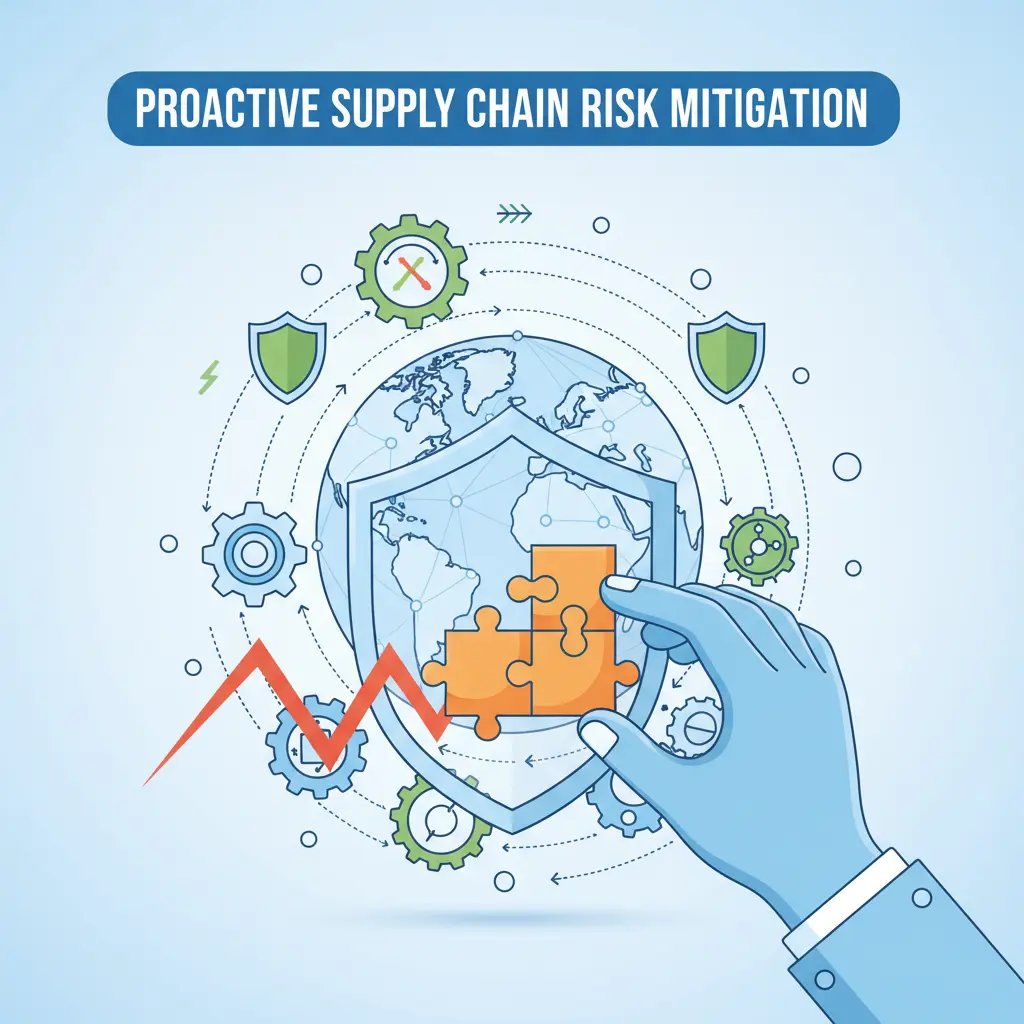
In an increasingly interconnected and volatile global economy, the ability to anticipate, assess, and mitigate potential disruptions is paramount for maintaining business continuity and operational stability. Proactive supply chain resilience logistics is no longer a luxury but a fundamental necessity, enabling companies to navigate geopolitical shifts, natural disasters, economic downturns, and unforeseen market fluctuations. Developing comprehensive strategies in this domain ensures that businesses can not only withstand shocks but also emerge stronger, more agile, and competitive. This involves a multi-faceted approach, integrating strategic planning, robust supplier management, and strong stakeholder collaboration to create a truly resilient ecosystem.
1. Scenario Planning and Contingency Strategies for Unforeseen Events
Effective supply chain risk mitigation begins with foresight. Scenario planning involves systematically identifying potential disruptions and analyzing their probable impact on operations, finances, and reputation. This comprehensive process considers a wide array of threats, including but not limited to natural catastrophes (earthquakes, floods, pandemics), geopolitical instability (trade wars, sanctions), cyberattacks, labor disputes, and sudden shifts in consumer demand. By modeling various ‘what-if’ scenarios, businesses can develop robust contingency strategies designed to minimize downtime and ensure continuous flow of goods and services. These strategies might include pre-approved alternative transport routes, emergency inventory stockpiling at strategic locations, agreements with backup logistics providers, and clear communication protocols for internal teams and external partners. The goal is to build flexibility into every layer of the supply chain, allowing for rapid adaptation and recovery. A well-executed scenario planning framework enables organizations to move from reactive crisis management to proactive risk mitigation, safeguarding critical operations and maintaining trust with customers and stakeholders.
2. Supplier Diversification and Dual-Sourcing Approaches
Over-reliance on a single supplier or geographic region can expose a business to significant vulnerabilities. Supplier diversification and dual-sourcing are critical strategies to enhance supply chain resilience logistics by spreading risk across multiple partners and locations. Diversification involves sourcing components, raw materials, or finished goods from a broader range of suppliers, ideally across different countries or continents, reducing susceptibility to localized disruptions. Dual-sourcing takes this a step further by actively maintaining relationships with at least two qualified suppliers for critical items, ensuring an immediate fallback option if one source becomes unavailable. This approach is particularly vital for components that are integral to production or have long lead times. Implementing these strategies supports more secure international shipping strategies, as it provides alternatives should a specific trade route or customs point face delays. Furthermore, leveraging multiple global freight forwarding solutions from diversified suppliers can alleviate pressure during peak seasons or unforeseen bottlenecks, ensuring more consistent delivery schedules. When dealing with customs compliance high-value goods, having alternative suppliers also implies varied customs procedures and potential tariff considerations, which can be managed more effectively with a diversified portfolio.
3. Building a Resilient Workforce and Strong Stakeholder Relationships
Beyond systems and processes, the human element is central to supply chain resilience logistics. A resilient workforce, equipped with the right skills and mindset, is invaluable in navigating disruptions. This involves ongoing training, cross-training employees in various functions, and fostering a culture of adaptability and problem-solving. Empowering teams to make swift, informed decisions during crises can significantly reduce their impact. Equally important are strong, collaborative relationships with all supply chain stakeholders – including suppliers, logistics partners, distributors, and even customers. Open communication channels, shared visibility of potential risks, and mutual trust form the bedrock of a robust and responsive network. Regular joint planning sessions, performance reviews, and even crisis simulation exercises with key partners can strengthen these bonds and improve collective response capabilities. Such partnerships are vital for smooth global freight forwarding solutions and navigating the complexities of customs compliance for high-value goods. By investing in people and fostering collaborative ecosystems, companies build a collective capacity to foresee, adapt, and overcome challenges, ensuring long-term operational stability and competitive advantage.
Partner with Vietnam’s Leading Suppliers
Looking for reliable suppliers in Vietnam? Contact VietnamSuppliers.com today to connect with verified manufacturers and exporters across all industries.
—————————————
References
– World Trade Organization on Global Value Chains: https://www.wto.org/english/res_e/reser_e/gvc_e.htm
– TAPA’s reports on cargo theft: https://www.tapa-global.org/news/news-detail/tapa-reports-significant-increase-in-cargo-thefts-across-emea-in-2023/
– strengthening global supply chain resilience: https://www.weforum.org/agenda/2021/04/how-to-build-a-resilient-global-supply-chain/
– :
– Building supply chain resilience: https://www.mckinsey.com/capabilities/operations/our-insights/building-supply-chain-resilience