
Setting the Stage: Vietnam’s Rise as an Export Powerhouse
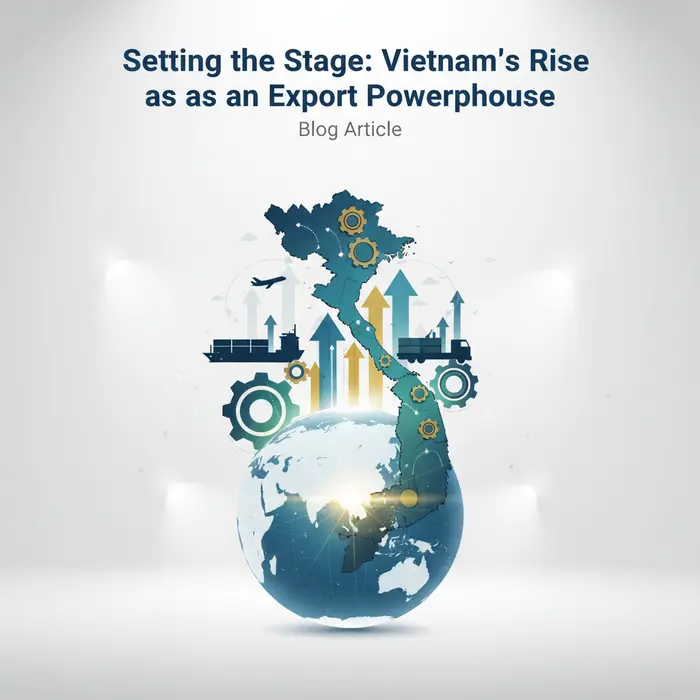
In recent decades, Vietnam has transformed from a war-torn, agrarian nation into a formidable force on the global economic stage, widely recognized for its robust manufacturing capabilities and impressive export growth. This remarkable journey has captivated international businesses and investors, making the nation a key player in global supply chains. Exploring the economic factors and strategic government initiatives propelling this ascent reveals a comprehensive blueprint for success that holds valuable insights for anyone looking to understand Vietnam Export Success Stories.
1. Vietnam’s Economic Transformation: From Agriculture to Industry
Vietnam’s economic narrative is one of profound transformation. Prior to the mid-1980s, the country operated under a centrally planned economy heavily reliant on agriculture. The pivotal “Doi Moi” (Renovation) reforms initiated in 1986 marked a decisive shift towards a market-oriented economy, embracing private enterprise and opening up to foreign investment. This strategic pivot catalyzed an unprecedented wave of industrialization. Manufacturing, particularly in labor-intensive sectors like textiles, footwear, and electronics, began to flourish, attracting significant foreign direct investment (FDI). This reorientation not only diversified the economy but also created millions of jobs, lifted countless people out of poverty, and laid the groundwork for the Vietnam’s remarkable economic growth seen today. The sustained focus on developing industrial capabilities has been a critical driver behind current Vietnam manufacturing export trends, demonstrating a clear commitment to becoming a global production hub.
2. Key Government Policies Supporting Export-Oriented Manufacturing
A cornerstone of Vietnam’s export prowess lies in its proactive and business-friendly government policies designed to attract and retain foreign investment while nurturing domestic industries. Recognizing the immense potential of an export-driven economy, the Vietnamese government implemented a suite of incentives. These include favorable tax regimes, such as corporate income tax holidays and reduced rates for specific sectors or regions, and streamlined administrative procedures for business registration and operations. The development of numerous industrial parks and export processing zones (EPZs) has further sweetened the deal, offering ready infrastructure, logistical support, and duty exemptions on imported raw materials for export production. These policies not only mitigate operational costs but also create a stable and predictable environment for investors. Understanding these governmental facilitators is crucial for developing effective B2B export strategy insights and for those seeking to capitalize on opportunities by finding top Vietnamese suppliers capable of meeting international demand.
3. FTAs and Trade Agreements: Opening Global Markets
Vietnam’s strategic engagement with the global economy through a vast network of Free Trade Agreements (FTAs) has been instrumental in expanding its market access and boosting its export competitiveness. The nation has aggressively pursued and ratified numerous bilateral and multilateral agreements, including the Comprehensive and Progressive Agreement for Trans-Pacific Partnership (CPTPP), the EU-Vietnam Free Trade Agreement (EVFTA), and the Regional Comprehensive Economic Partnership (RCEP). These agreements significantly reduce or eliminate tariffs on a wide range of goods, dismantle non-tariff barriers, and standardize trade procedures, making Vietnamese products more competitive in international markets. This broad access to key consumer bases in Europe, North America, and Asia provides invaluable opportunities for businesses operating within Vietnam. Leveraging these FTAs is a prime example of successful international trade growth tactics, allowing Vietnamese exporters to diversify their markets and mitigate risks associated with over-reliance on a single trade partner. This proactive approach to trade liberalization solidifies Vietnam’s position as a reliable and accessible global sourcing destination, contributing significantly to Vietnam Export Success Stories.
Decoding B2B Export Strategy Insights from Vietnam’s Best
Vietnam has emerged as a formidable player in the global B2B export landscape, moving beyond its traditional manufacturing roots to become a strategic exporter of diverse goods and services. The World Bank consistently highlights Vietnam’s remarkable economic resilience and growth, largely propelled by its vibrant export sector. This success isn’t accidental; it stems from a blend of astute market understanding, strategic partnerships, and a proactive embrace of digital transformation. For businesses globally seeking to understand effective B2B export strategy insights, or Vietnam Export Success Stories, analyzing the tactics employed by its leading companies provides invaluable lessons in international trade growth tactics and navigating the competitive global marketplace. We delve into the proven strategies that underpin Vietnam’s ascent, offering actionable takeaways for those looking to replicate similar success or for finding top Vietnamese suppliers.
1. Niche Market Identification and Specialization
One of the foundational pillars of successful Vietnamese B2B exporters is their ability to identify and specialize in niche markets. Rather than attempting to compete head-on with established giants in commoditized sectors, many Vietnamese companies carve out unique value propositions within specific segments. This strategy allows them to focus resources, build deep expertise, and offer highly customized solutions that meet precise customer demands. For instance, while general textile manufacturing is robust, specialized companies might focus on sustainable bamboo fabrics, organic cotton apparel for specific brands, or high-performance technical textiles for sportswear. Similarly, in agriculture, the shift isn’t just about exporting coffee, but premium, single-origin robusta or specialty arabica beans, often fair-trade certified. This focus on specialization is a key differentiator in Vietnam manufacturing export trends, enabling companies to command better prices, foster stronger brand loyalty, and build a reputation for quality and reliability in their chosen domain. It also helps in avoiding intense price wars by offering value that competitors cannot easily replicate.
2. Building Strong International Partnerships and Distribution Networks
Success in B2B exports is heavily reliant on trust and robust, long-term relationships. Vietnamese exporters excel at cultivating strong international partnerships and establishing efficient distribution networks. These partnerships often take various forms, from joint ventures and strategic alliances to exclusive distributorship agreements or original equipment manufacturer (OEM) contracts. Companies frequently participate in international trade fairs, business matching events, and government-led trade promotion programs to connect with potential partners. The emphasis is on mutual benefit, transparency, and consistent communication to ensure smooth operations and responsiveness to market changes. Building these networks requires significant investment in relationship management, understanding diverse business cultures, and often, adapting products to meet specific regulatory and quality standards of different markets. By establishing reliable channels for distribution and sales, Vietnamese firms ensure their products reach end-buyers efficiently, strengthening their competitive advantage and securing sustained growth in international trade.
3. Leveraging Digital Platforms for Global Reach
In an increasingly digitized world, Vietnamese B2B exporters have smartly leveraged digital platforms to transcend geographical barriers and expand their global footprint. This involves a multi-pronged approach that includes professional company websites optimized for international search engines, active participation in major B2B e-commerce marketplaces (like Alibaba, Global Sources, and Amazon Business), and strategic use of digital marketing. By creating compelling online storefronts and product catalogs, companies can showcase their capabilities, certifications, and product specifications to a worldwide audience 24/7. Search Engine Optimization (SEO) plays a crucial role in ensuring their products and services are discoverable by international buyers actively searching for finding top Vietnamese suppliers. Furthermore, leveraging social media for professional networking (e.g., LinkedIn) and targeted digital advertising campaigns allows them to reach specific buyer segments effectively. This digital-first mindset significantly reduces market entry costs and accelerates the pace of international expansion, making it a critical component of modern B2B export strategy insights for any aspiring global exporter.
Finding Top Vietnamese Suppliers: A Guide for Importers
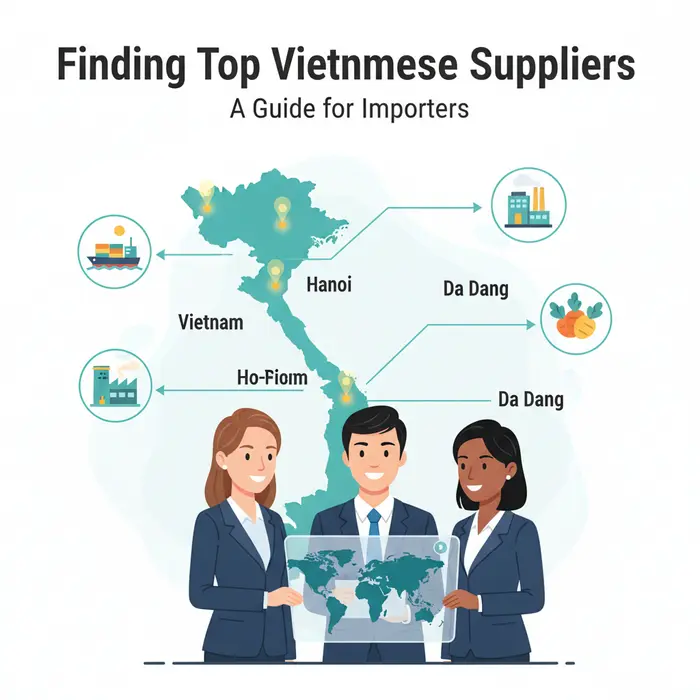
Vietnam has rapidly emerged as a global manufacturing powerhouse, attracting international businesses seeking diverse sourcing opportunities and competitive advantages. Its strategic location, skilled workforce, and pro-business government policies have fueled impressive export growth, making it a prime destination for importers worldwide. This guide offers practical advice and resources for international businesses looking to identify and vet reliable Vietnamese manufacturing partners, ensuring a seamless and successful supply chain. Navigating the Vietnamese market requires a strategic approach, combining diligent research with robust verification processes to unlock the full potential of this vibrant export economy.
1. Due Diligence: Verifying Supplier Credibility and Compliance
The cornerstone of any successful international trade relationship is thorough due diligence. Before committing to a Vietnamese supplier, it’s crucial to verify their credibility, operational capacity, and adherence to international standards. Start by requesting comprehensive company profiles, business licenses, and certifications (e.g., ISO 9001, SA8000). Cross-reference this information with public records and industry databases. Financial stability checks are also vital; understanding a supplier’s economic health can prevent future disruptions. Consider third-party audits for factories to assess manufacturing capabilities, ethical labor practices, and environmental compliance. Engaging local legal counsel can help review contracts and ensure compliance with Vietnamese business laws, minimizing risks and safeguarding your investment. This proactive approach forms the foundation of strong Vietnam Export Success Stories, building trust and reliability from the outset. Furthermore, understanding the nuances of local business culture and communication styles is an integral part of effective B2B export strategy insights when engaging with potential partners.
2. Utilizing Trade Fairs, B2B Platforms, and Government Resources
Identifying top Vietnamese suppliers can be significantly streamlined by leveraging various platforms. Attending major international trade fairs held in Vietnam (like Vietnam Expo, SaigonTex, or Vietbuild) offers direct interaction with a multitude of manufacturers, allowing you to assess products firsthand and establish personal connections. For virtual sourcing, reputable B2B platforms such as Alibaba, Global Sources, and Vietnam-specific portals like Vietnam Briefing provide extensive databases of suppliers. Always verify supplier profiles on these platforms through external checks. Government trade promotion agencies, both within Vietnam (e.g., VIETRADE – Vietnam Trade Promotion Agency) and in your home country (e.g., US Commercial Service, UK Department for International Trade), offer invaluable assistance. They provide market intelligence, facilitate matchmaking services, and often maintain lists of vetted exporters. These resources are critical for developing robust international trade growth tactics and staying informed on current Vietnam manufacturing export trends.
3. Quality Control and Supply Chain Management Best Practices
Maintaining high-quality standards and efficient supply chain management is paramount for sustained success with Vietnamese suppliers. Implement a robust quality control (QC) plan from the sampling stage through final production. This includes pre-production inspections (PPI), during production inspections (DUPRO), and pre-shipment inspections (PSI). Consider establishing a local presence or hiring a third-party QC agency in Vietnam to oversee these processes directly. Effective communication and clear specifications are crucial to avoid misunderstandings. For supply chain management, diversification is key; avoid over-reliance on a single supplier. Utilize supply chain management software to track orders, production schedules, and logistics, ensuring transparency and timely delivery. Furthermore, building long-term relationships through regular communication and fair practices fosters loyalty and better collaboration, which are essential for navigating the complexities of international logistics and ensuring consistent product quality. These best practices are vital for businesses committed to finding top Vietnamese suppliers and fostering long-term export success.
International Trade Growth Tactics for Sustainable Success
The global trade landscape is dynamic and fiercely competitive, demanding agile and forward-thinking strategies for businesses aiming for long-term growth. Drawing inspiration from Vietnam’s export success stories, nations and enterprises worldwide can glean invaluable B2B export strategy insights. Vietnam’s remarkable journey from a developing agricultural economy to a major manufacturing and exporting hub provides a blueprint for sustainable success in international markets. Its experience highlights critical international trade growth tactics that prioritize resilience, adaptability, and strategic market positioning, showcasing impressive Vietnam manufacturing export trends.
1. Diversification of Export Markets and Product Lines
One of the cornerstones of Vietnam’s robust export performance has been its unwavering commitment to diversification. Initially reliant on traditional sectors like textiles, apparel, and footwear, the country consciously broadened its export base to include high-value-added products such as electronics, smartphones, machinery, and agricultural goods. This strategic shift has significantly reduced vulnerability to demand fluctuations in any single industry or market. For businesses, this translates into a vital lesson: do not put all your eggs in one basket.
Enterprises should actively explore new geographical markets, moving beyond saturated or politically unstable regions. Simultaneously, investing in research and development to expand product portfolios is crucial. This could mean upgrading existing products, developing complementary items, or venturing into entirely new categories that leverage existing manufacturing capabilities or supply chains. For example, enhancing participation in global value chains by moving up the value chain – from basic assembly to design and engineering – represents a potent diversification tactic. This approach also helps in finding top Vietnamese suppliers who are evolving their offerings.
2. Adapting to Evolving Consumer Demands and Trends
The modern consumer is more informed, demanding, and environmentally conscious than ever before. Sustainable success in international trade hinges on an acute ability to anticipate and respond to these evolving demands. Vietnam, for instance, has increasingly focused on producing goods that meet stringent international quality and sustainability standards, particularly in agricultural exports and ethically sourced textiles.
Businesses must invest heavily in market intelligence and trend forecasting. This involves continuous analysis of demographic shifts, technological advancements, and socio-cultural movements that influence purchasing decisions. The rise of e-commerce, for example, necessitates a robust digital strategy, including online marketplaces, efficient logistics, and personalized customer experiences. Furthermore, a growing global emphasis on sustainability and ethical production practices means that certifications and transparent supply chains are no longer mere advantages but essential requirements. Companies that proactively integrate sustainability into their operations, from sourcing raw materials to manufacturing processes, will gain a competitive edge and build stronger brand loyalty across international borders.
3. Risk Management and Navigating Geopolitical Challenges
The global trade environment is frequently buffeted by geopolitical tensions, trade wars, pandemics, and supply chain disruptions. Vietnam’s ability to navigate these challenges, often by positioning itself as an alternative manufacturing base during periods of trade friction, offers valuable insights into effective risk management. A comprehensive international trade growth tactics approach must include robust strategies for mitigating various risks.
This includes building resilient and redundant supply chains, diversifying supplier bases (which often involves finding top Vietnamese suppliers who offer stability and quality), and strategically engaging in multilateral and bilateral trade agreements. Agreements like the CPTPP (Comprehensive and Progressive Agreement for Trans-Pacific Partnership) and the EVFTA (EU-Vietnam Free Trade Agreement) have been pivotal for Vietnam, providing preferential market access and regulatory certainty. For businesses, this means actively monitoring geopolitical developments, assessing potential impacts on trade routes, tariffs, and market access, and developing contingency plans. Investing in political risk insurance and establishing operations in multiple regions can also serve as crucial buffers against unforeseen disruptions. By proactively managing these risks, companies can ensure greater stability and continuity in their global trade operations, reinforcing their long-term growth trajectory inspired by Vietnam export success stories.
Future Forward: Vietnam Manufacturing Export Trends 2025 and Beyond
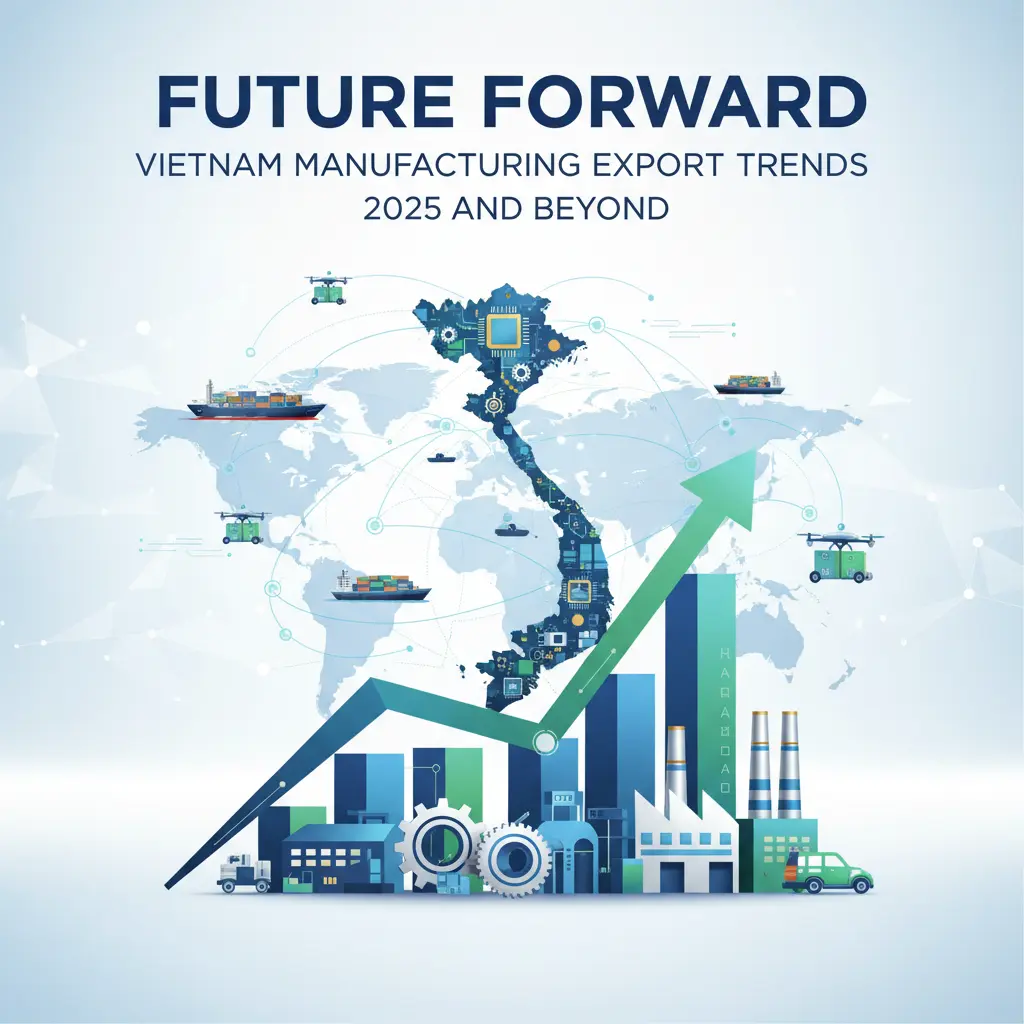
Vietnam’s manufacturing and export sector is poised for dynamic growth and transformation as we look towards 2025 and beyond. This period promises to be defined by groundbreaking technological advancements, a robust commitment to sustainable practices, and a strategic shift towards higher-value production. Companies aiming for Vietnam Export Success Stories will need to adapt quickly to these evolving landscapes, leveraging innovative approaches and understanding the intricate shifts in global demand. The nation is rapidly cementing its reputation as a global manufacturing hub, attracting significant foreign direct investment and fostering an environment ripe for international trade growth tactics and B2B export strategy insights.
1. The Rise of High-Tech Manufacturing and Value-Added Products
Gone are the days when Vietnam was solely known for low-cost, labor-intensive manufacturing. The future points firmly towards a significant pivot into high-tech and value-added production. This strategic evolution is driven by government initiatives, a skilled and increasingly educated workforce, and a conscious effort to move up the global supply chain. Sectors like electronics, automotive components, precision machinery, and advanced textiles are seeing substantial investment and innovation. As global supply chains diversify, Vietnam is becoming an attractive alternative for companies seeking reliable production with sophisticated capabilities. This shift offers immense opportunities for partners and buyers finding top Vietnamese suppliers capable of meeting stringent quality standards and delivering complex products. The emphasis is no longer just on quantity but on quality, technological sophistication, and integrated solutions, paving the way for more impactful B2B export strategy insights and stronger long-term partnerships. This transformation is critical for continued Vietnam manufacturing export trends to remain competitive on the international stage.
2. Embracing Sustainability and Green Export Practices
Sustainability is no longer a buzzword but a fundamental pillar of future manufacturing and export strategies in Vietnam. As global consumers and international regulations increasingly demand eco-friendly products and ethical production methods, Vietnamese manufacturers are proactively integrating sustainable practices. This includes adopting renewable energy sources, minimizing waste, implementing circular economy principles, and ensuring responsible supply chain management. From eco-friendly packaging to energy-efficient production lines, the push for ‘green’ exports is pervasive. Companies that embrace these principles early will gain a significant competitive edge, appealing to environmentally conscious markets and fulfilling stringent import requirements from key trading partners. This commitment to sustainability not only enhances Vietnam’s global reputation but also unlocks new market segments and strengthens its position as a responsible global supplier. The government is actively promoting green growth strategies, providing incentives for businesses to invest in sustainable technologies and practices, further solidifying this trend.
3. Impact of AI and Automation on Production and Logistics
The integration of Artificial intelligence (AI) and automation is set to revolutionize Vietnam’s manufacturing landscape. From smart factories employing IoT (Internet of Things) for real-time data analysis to automated logistics and warehousing solutions, these technologies promise enhanced efficiency, precision, and cost-effectiveness. AI-driven analytics can optimize production schedules, predict maintenance needs, and improve quality control, significantly reducing waste and increasing output. Automation in assembly lines, material handling, and quality inspection will lead to higher productivity and consistent product quality, crucial for maintaining an edge in competitive global markets. Beyond the factory floor, AI and automation will streamline export logistics, optimizing shipping routes, managing inventory, and improving customs procedures, thereby reducing lead times and operational costs. This technological leap will enable Vietnamese manufacturers to scale operations rapidly, respond flexibly to market demands, and offer more competitive pricing. The strategic adoption of AI and automation is not just an upgrade; it’s a necessary transformation for securing long-term Vietnam Export Success Stories and propelling the nation to the forefront of the global manufacturing sector. According to a report by the World Bank, digital transformation, including AI and automation, is a critical component of Vietnam’s economic development strategy, underpinning its move towards a high-income status.
Partner with Vietnam’s Leading Suppliers
Looking for reliable suppliers in Vietnam? Contact VietnamSuppliers.com today to connect with verified manufacturers and exporters across all industries.
—————————————
References
– Vietnam’s remarkable economic growth: https://www.worldbank.org/en/country/vietnam/overview
– :
– Vietnam Manufacturing Industry Trends and Forecast: https://www.vietnam-briefing.com/news/vietnam-manufacturing-industry-trends-and-forecast.html
– World Bank Report on Vietnam’s Global Value Chains: https://www.worldbank.org/en/news/press-release/2021/03/17/enhancing-vietnam-s-participation-in-global-value-chains
– World Bank: Vietnam Overview: https://www.worldbank.org/en/country/vietnam/overview

