Navigating the Global Agricultural Landscape
The global agricultural market is a complex, ever-evolving ecosystem, intrinsically linked to geopolitical stability, environmental health, technological innovation, and consumer demand. Understanding its current state and future trajectory is paramount for policymakers, producers, and traders alike. As we reflect on the immediate past and peer into the horizon, the Global Agricultural Market Outlook 2024 reveals a landscape shaped by persistent challenges and burgeoning opportunities, demanding agility and strategic foresight.
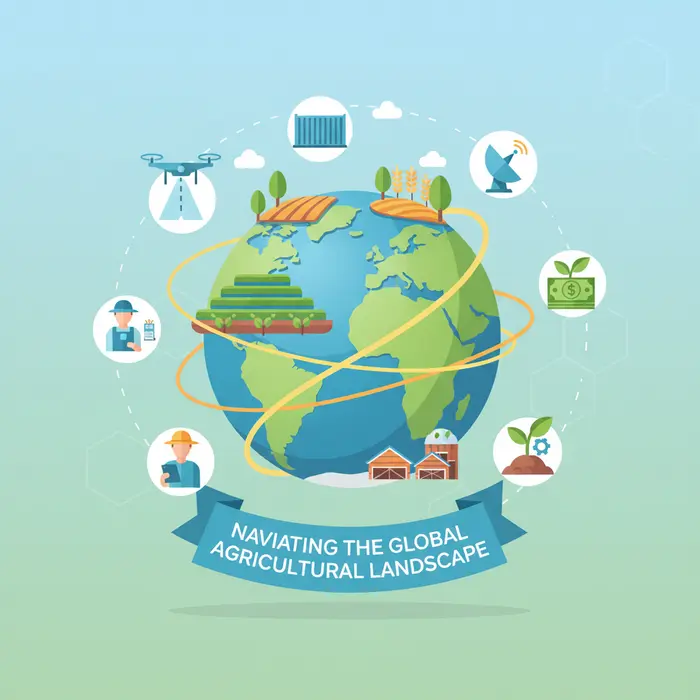
1. Summary of 2024 Performance and Key Learnings
The year 2024 proved to be a period of significant recalibration for the global agricultural sector. Following the supply chain disruptions and price volatility witnessed in previous years, 2024 saw a gradual stabilization in some segments, while others continued to grapple with external pressures. Agricultural commodity prices today remained a critical barometer, influenced by a delicate balance of robust demand, recovering production, and persistent geopolitical tensions. Extreme weather events, a stark reminder of ongoing climate change, impacted key producing regions, leading to localized supply shortfalls and price spikes for specific crops. Learners from 2024 emphasized the critical need for diversified sourcing, enhanced climate resilience strategies, and robust data analytics to anticipate and mitigate risks. Despite these challenges, the sector demonstrated remarkable adaptability, with innovations in sustainable farming practices gaining traction and regional trade blocs strengthening their collaborative efforts.
2. Major Drivers Shaping the 2025 Outlook
Looking ahead to 2025, several powerful drivers are poised to influence the global agricultural market. Geopolitical developments, including ongoing conflicts and evolving trade policies, will undoubtedly continue to dictate supply routes and market access, impacting international food trade statistics. Climate change remains a formidable force, with expectations of more frequent and intense weather phenomena challenging traditional farming practices and requiring significant investment in adaptive technologies. Economically, global inflation trends, interest rate policies, and shifting consumer purchasing power will affect demand dynamics, particularly for value-added products. Furthermore, the push for sustainability and traceability is transforming global food supply chain trends, encouraging greater transparency and responsible production from farm to fork. Technological advancements, from AI-driven precision agriculture and advanced biotechnology to improved logistics and cold chain management, are also set to revolutionize efficiency and productivity across the sector, offering solutions to many of the prevailing challenges.
3. Regional Spotlights and Export Opportunities
Amidst the global dynamics, specific regions are emerging as key players and offering compelling export opportunities. Southeast Asia, for instance, continues to solidify its position as a vital agricultural hub. Particularly, Vietnam agricultural export opportunities are significant and growing. Leveraging its diverse agro-ecological zones, Vietnam is a major global supplier of rice, coffee, aquaculture products (shrimp, pangasius), and tropical fruits. The country benefits from a strategic geographical location, a network of free trade agreements (including CPTPP, EVFTA, RCEP), and increasing investments in processing and quality standards. Its commitment to sustainable practices and value chain integration positions it well to meet global demand for responsibly sourced food products. Beyond Vietnam, other regions such as parts of South America and Africa are investing in infrastructure and agricultural modernization, poised to increase their contributions to global food supplies. Exporters capable of meeting stringent international standards, adapting to specific consumer preferences, and navigating complex regulatory landscapes will find ample opportunities in these vibrant markets. According to data from the Food and Agriculture Organization (FAO), global agricultural trade continues to expand, driven by increasing consumption in developing economies and the quest for food security and dietary diversification worldwide.
Agricultural Commodity Price Forecasts
The Global Agricultural Market Outlook 2024 anticipates a dynamic year for major agricultural commodities, characterized by persistent volatility and complex interplay of supply and demand factors. This section provides an in-depth analysis of anticipated price movements, examining the multifaceted forces behind these fluctuations. Stakeholders across the global food supply chain trends, from producers to consumers, will need to closely monitor these developments, as today’s agricultural commodity prices are influenced by an intricate web of economic, environmental, and geopolitical elements.
1. Forecasts for Grains, Oilseeds, Livestock & Dairy
Grains: The outlook for grains, including wheat, corn, and rice, remains sensitive to weather patterns and geopolitical stability. Wheat prices are expected to exhibit moderate volatility, primarily driven by Black Sea export dynamics and varying harvest forecasts across major producing regions like Europe and North America. Corn markets face pressure from robust global demand, particularly for livestock feed and ethanol production, balanced against the potential for strong yields in the Americas. Rice prices, crucial for food security in Asia, could see upward pressure due to export restrictions from key producers and evolving international food trade statistics, coupled with potential impacts from El Niño on monsoon seasons.
Oilseeds: Soybeans and palm oil markets are navigating intricate supply-demand balances. Soybean prices are highly responsive to South American planting and harvest conditions, alongside Chinese import demand. A robust crush for meal and oil is anticipated, supporting prices, yet large harvests could cap significant gains. Palm oil continues to be influenced by crude oil prices (due to biofuel demand) and labor availability in Southeast Asian plantations. Concerns over sustainability regulations also add a layer of complexity to price forecasts in this sector.
Livestock & Dairy: Livestock prices, covering beef, pork, and poultry, are largely dictated by feed grain costs, disease outbreaks, and evolving consumer dietary preferences. High feed prices translate directly into increased production costs, which eventually filter down to consumer prices. Dairy markets, meanwhile, grapple with global milk supply fluctuations, processing capacity, and international demand for dairy products, particularly from Asia. The balance between herd rebuilding efforts and persistent labor shortages will be critical in shaping the 2024 price trajectory for these commodities.
2. Impact of Geopolitical Tensions & Climate Change
Geopolitical tensions continue to cast a long shadow over agricultural markets. The ongoing conflict in Ukraine, a vital breadbasket, disrupts crucial Black Sea export routes for grains and oilseeds, introducing significant uncertainty and risk premiums into global prices. Trade disputes between major economic blocs, export bans, and sanctions can swiftly alter international food trade statistics and divert supply chains, leading to localized shortages or surpluses that ripple worldwide. Political instability in other key producing regions also poses a constant threat to supply predictability.
Climate change remains an undeniable and increasingly impactful force. Extreme weather events—from prolonged droughts in the Americas and Europe to devastating floods in Asia and intensifying heatwaves globally—directly threaten crop yields and livestock health. These unpredictable conditions exacerbate supply volatility, strain global food supply chain trends, and drive up production costs as farmers invest in more resilient practices or face crop failures. The frequency and intensity of these events make accurate long-range forecasting exceptionally challenging, underscoring the need for adaptive strategies.
3. Shifting Demand Dynamics and Trade Opportunities
Global demand dynamics are undergoing significant shifts, influenced by population growth, urbanization, and rising incomes in emerging economies. The expansion of middle-class populations in regions like Southeast Asia, Africa, and Latin America is fueling increased consumption of protein, dairy, and processed foods. This demographic shift presents both opportunities and challenges for the global agricultural sector, requiring producers to adapt to changing consumer preferences and diversified dietary needs.
Against this backdrop, countries like Vietnam are poised to leverage significant Vietnam agricultural export opportunities. With its strategic location, diverse agricultural base, and robust trade agreements, Vietnam is a key player in commodities such as rice, coffee, seafood, and fruits. Expanding processing capabilities, focusing on value-added products, and enhancing compliance with international quality standards will be crucial for Vietnam to capitalize on this growing global demand. Understanding these evolving market dynamics is vital for all participants in the Global Agricultural Market Outlook 2024 to identify competitive advantages and secure resilient supply lines amidst an ever-changing landscape.
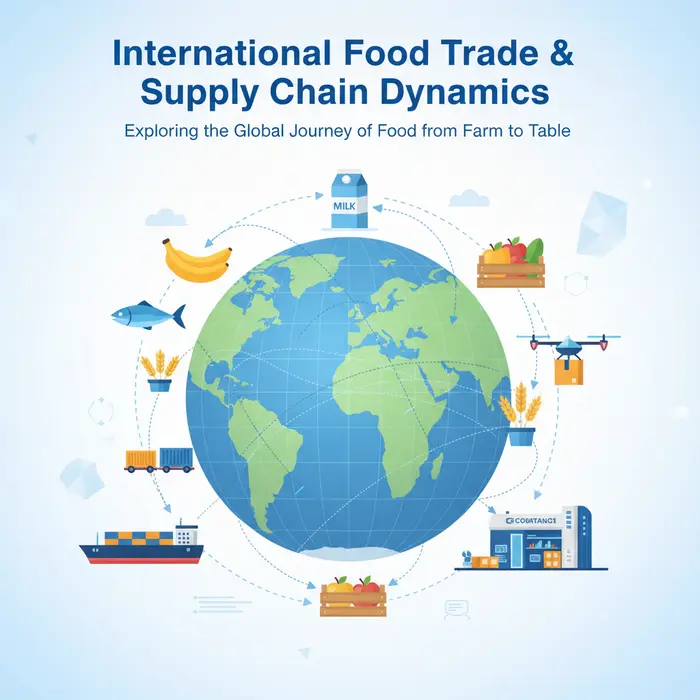
International Food Trade & Supply Chain Dynamics
The global food system is a complex web of production, processing, distribution, and consumption, constantly shaped by a confluence of economic, environmental, and geopolitical factors. Understanding the shifts in global food trade patterns, bolstering supply chain resilience, and adapting to the evolving landscape of logistics and distribution are paramount for stakeholders worldwide. A comprehensive Global Agricultural Market Outlook 2024 reveals a dynamic environment, presenting both significant challenges and new avenues for growth across the international food sector.
1. Key Trends in International Food Trade Statistics
Recent years have witnessed notable shifts in International food trade statistics. While overall trade volumes continue to expand, their growth trajectory has been influenced by factors such as fluctuating agricultural commodity prices today, trade policies, and shifts in global demand. Emerging economies are increasingly asserting their roles as both major exporters and importers, diversifying traditional trade routes. For instance, rising incomes in Asia are driving demand for high-value agricultural products, while climatic events in key producing regions can rapidly alter supply-side dynamics. Geopolitical tensions have also led to re-evaluation of dependencies, prompting countries to seek new trade partners and diversify their sources of staple foods. Analyzing these trends is crucial for forecasting market movements and ensuring food security.
2. Addressing Global Food Supply Chain Disruptions
The resilience of global food supply chains has been rigorously tested by a series of unprecedented events, from the COVID-19 pandemic and regional conflicts to extreme weather patterns intensified by climate change. These disruptions have exposed vulnerabilities, leading to bottlenecks, price volatility, and, in some cases, food shortages. To mitigate future risks, Global food supply chain trends are moving towards greater diversification, localization, and technological integration. Strategies include investing in localized processing and storage facilities, fostering regional trade agreements to reduce reliance on distant suppliers, and adopting advanced analytics and blockchain technology for enhanced traceability and transparency. Building robust and adaptive supply chains is no longer just a logistical challenge but a strategic imperative for national and global stability.
3. Emerging Opportunities for Agricultural Exports: A Focus on Vietnam
Amidst the evolving global trade landscape, specific regions and countries are poised for significant growth in agricultural exports. Vietnam stands out as a prime example, rapidly expanding its footprint in the international food market. Leveraging its rich agricultural biodiversity, strategic geographic location, and supportive government policies, Vietnam agricultural export opportunities are abundant across a range of products, including rice, coffee, seafood, fruits (like durian and dragon fruit), and spices. The country has been actively investing in advanced farming techniques, quality control, and compliance with international food safety standards to meet stringent market demands. By adapting to the latest Global food supply chain trends and forging new trade partnerships, Vietnam is not only contributing significantly to International food trade statistics but also solidifying its position as a reliable and competitive global supplier. This proactive approach underscores the potential for developing nations to capitalize on global demand shifts and contribute to a more diversified and resilient global food system.
In conclusion, the international food trade landscape in 2024 is characterized by both persistent challenges and considerable opportunities. Navigating this complex environment requires continuous monitoring of agricultural commodity prices today, a deep understanding of evolving trade statistics, strategic investment in supply chain resilience, and the agility to capitalize on emerging export markets like those presented by Vietnam. The insights provided by a forward-looking Global Agricultural Market Outlook 2024 will be crucial for all players in the global agricultural market.
Regional Market Spotlights & Export Opportunities
The global agricultural landscape is in constant flux, shaped by geopolitical events, climate change, technological advancements, and evolving consumer demands. Understanding regional market dynamics is paramount for stakeholders seeking to capitalize on significant export and investment opportunities. As we delve into the Global Agricultural Market Outlook 2024, a keen eye on specific geographic performances and emerging market potential reveals where the next wave of growth will originate and how global food supply chain trends are redefining trade relationships. This section illuminates key regions and identifies strategic avenues for expansion.
1. Emerging Markets: Growth & Investment Potential
Emerging markets are undeniably at the forefront of global agricultural expansion, presenting compelling growth and investment opportunities. Countries across Southeast Asia, Latin America, and sub-Saharan Africa are experiencing rapid population growth, rising disposable incomes, and urbanization, all of which fuel increasing demand for diverse and higher-value food products. This demographic shift, coupled with efforts to modernize agricultural practices, makes these regions particularly attractive. Investors are increasingly looking beyond traditional commodity trading, focusing on infrastructure development, cold chain logistics, processing facilities, and sustainable farming technologies. Monitoring agricultural commodity prices today in these regions is crucial, as local supply-demand dynamics often create unique arbitrage and investment entry points. Data from sources like the FAO’s Food Outlook regularly highlights the significant role emerging economies play in shaping international food trade statistics, indicating their growing influence on global food security and market stability. The diversification of agricultural output, from staple grains to exotic fruits and organic produce, further enhances their appeal, promising substantial returns for those who strategically invest in their agricultural transformation.
2. Vietnam’s Agricultural Export Opportunities 2025
Vietnam stands out as a prime example of an emerging market successfully leveraging its agricultural strengths for global export. Positioned strategically in Southeast Asia, Vietnam has cemented its reputation as a leading exporter of rice, coffee, cashew nuts, pepper, seafood, and a rapidly expanding array of tropical fruits. Looking ahead to Vietnam’s Agricultural Export Opportunities 2025, the nation is poised for continued growth driven by several factors: robust free trade agreements, significant investment in high-tech agriculture, and a strong push towards value-added processing and certified organic production. The emphasis on quality and sustainability is opening doors to more discerning markets, particularly in Europe, North America, and Japan. Beyond traditional exports, there’s increasing potential in niche products such as specialty coffees, exotic processed fruits, and aquaculture products that meet stringent international standards. Furthermore, enhancements in logistics and traceability systems are strengthening Vietnam’s position in complex global supply chains. For a broader perspective on the Global Agricultural Market Outlook 2024, understanding Vietnam’s trajectory offers valuable insights into the success factors for other aspiring agricultural exporters.
3. The Imperative of Sustainable Agriculture in Export Markets
The global agricultural trade is undergoing a transformative shift, driven by an escalating demand for sustainably produced food. Consumers worldwide, particularly in developed economies, are increasingly prioritizing products that are environmentally friendly, ethically sourced, and demonstrably safe. This imperative for sustainable agriculture creates significant new export niches and opportunities for nations capable of adapting. Countries that invest in practices like organic farming, reduced water usage, biodiversity conservation, and fair labor standards can gain a substantial competitive edge. Certifications such as GlobalGAP, Rainforest Alliance, and various organic labels are no longer mere add-ons but essential requirements for market access in premium segments. The ability to provide robust traceability from farm to fork, leveraging blockchain and other digital technologies, further enhances trust and value. For emerging markets, embracing sustainable agriculture is not just about meeting consumer demands; it’s also about building resilient food systems, enhancing long-term productivity, and ensuring market relevance in a future where ecological footprint and social responsibility are paramount. This trend profoundly impacts global food supply chain trends, pushing for more transparent, responsible, and environmentally conscious sourcing across all agricultural commodities.
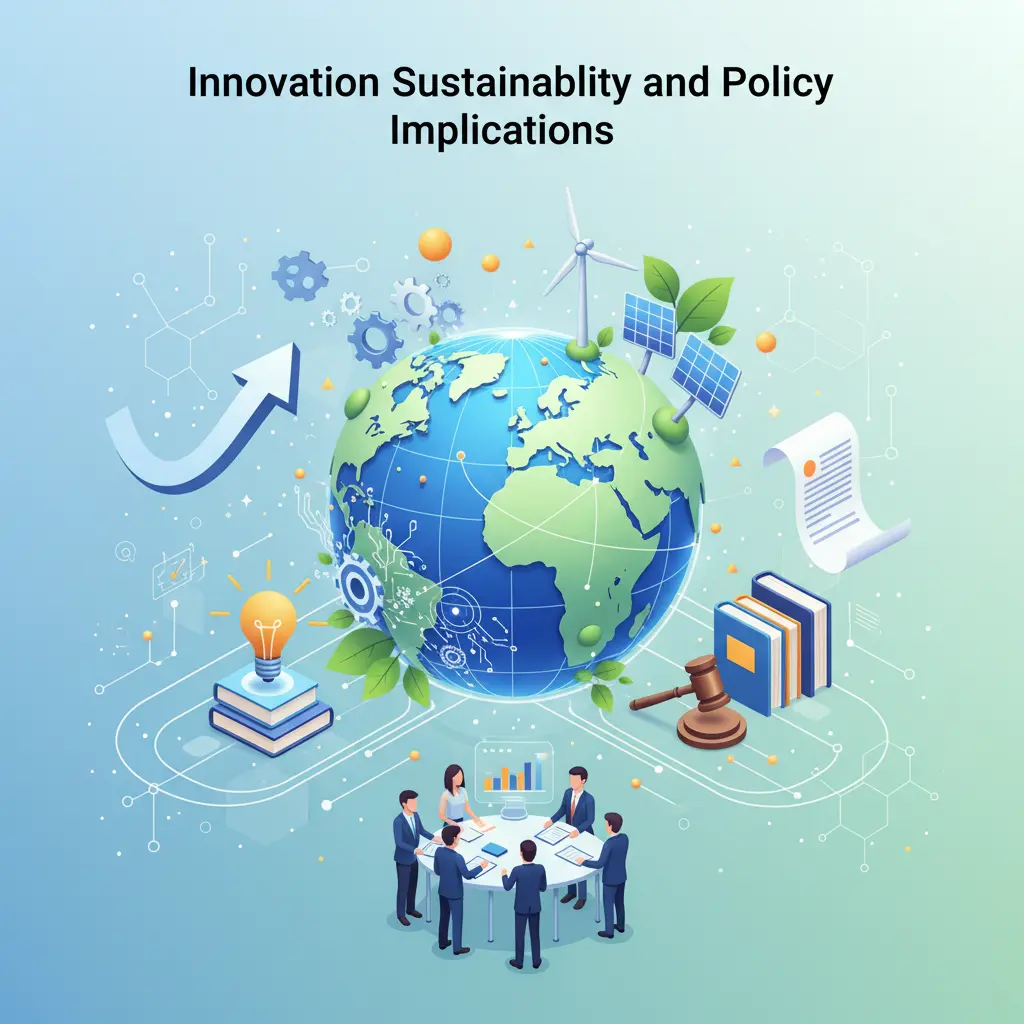
Innovation, Sustainability, and Policy Implications
The future of global agriculture is inextricably linked to transformative innovation, robust sustainable practices, and proactive policy frameworks. As the world grapples with a growing population, climate change, and evolving consumer demands, these three pillars are not merely desirable but essential for ensuring food security and economic stability. Understanding their interplay is crucial for interpreting the Global Agricultural Market Outlook 2024 and beyond. This section delves into how technological advancements, ecological stewardship, and effective governance will shape the long-term trajectory of global food systems.
Technological Advancements in Agriculture (AgriTech)
Technological advancements, often referred to as AgriTech, are revolutionizing every aspect of the agricultural value chain, from seed to plate. Precision agriculture, powered by AI, IoT sensors, and big data analytics, allows farmers to optimize resource allocation, leading to higher yields and reduced waste. Drones and satellite imagery provide real-time insights into crop health, soil conditions, and irrigation needs, enabling targeted interventions. Biotechnology offers enhanced crop varieties resistant to pests, diseases, and extreme weather conditions, while vertical and indoor farming promise localized food production with minimal land and water footprints. Automation and robotics are addressing labor shortages and improving efficiency in tasks like planting, harvesting, and livestock management. These innovations are critical for mitigating risks associated with volatile agricultural commodity prices and improving overall productivity. The adoption of AgriTech is not just about increasing output; it’s about making agriculture smarter, more efficient, and ultimately more profitable and sustainable.
Sustainable Farming Practices & Food Security Initiatives
The urgent need to address climate change and environmental degradation has placed sustainable farming practices at the forefront of agricultural development. Regenerative agriculture, which focuses on soil health, biodiversity, and carbon sequestration, is gaining traction as a means to restore ecological balance and enhance farm resilience. Practices such as reduced tillage, cover cropping, crop rotation, and integrated pest management minimize reliance on synthetic inputs and conserve natural resources. Water-saving technologies, including drip irrigation and smart irrigation systems, are crucial in regions facing water scarcity. These sustainable approaches directly contribute to long-term food security by ensuring the productivity of agricultural lands for future generations while minimizing environmental impact. For instance, countries like Vietnam are increasingly exploring sustainable practices to bolster their Vietnam agricultural export opportunities, recognizing that environmentally friendly products often command premium prices in international markets. These efforts are vital for building a resilient global food system capable of feeding a growing population amidst environmental challenges.
Policy Frameworks and International Cooperation
Effective policy frameworks and robust international cooperation are indispensable for fostering agricultural innovation and sustainability. Governments play a critical role in providing incentives for farmers to adopt new technologies and sustainable practices through subsidies, grants, and favorable regulations. Policies supporting agricultural research and development are vital for pushing the boundaries of AgriTech. Furthermore, trade policies need to be designed to facilitate the smooth flow of agricultural goods while ensuring fair competition and upholding environmental and labor standards. International collaboration is paramount in addressing global challenges such as climate change, transboundary pests and diseases, and ensuring equitable access to food. Organizations like the Food and Agriculture Organization (FAO) are crucial in gathering and disseminating international food trade statistics, guiding global policy discussions, and coordinating efforts to enhance food security worldwide. Agreements on carbon markets for agriculture, shared best practices, and investments in developing countries’ agricultural infrastructure are examples of how global cooperation can drive progress. Without coherent national policies and strong international partnerships, the potential of technological advancements and sustainable practices may remain untapped, hindering the progress outlined in the Global Agricultural Market Outlook 2024. These frameworks are the bedrock upon which a resilient, innovative, and sustainable global agricultural future will be built.
Partner with Vietnam’s Leading Suppliers
Looking for reliable suppliers in Vietnam? Contact VietnamSuppliers.com today to connect with verified manufacturers and exporters across all industries.
—————————————
References
– Food and Agriculture Organization (FAO): https://www.fao.org/state-of-agricultural-commodity-markets/en/
– FAO Food Outlook – Biannual Report on Global Food Markets: https://www.fao.org/food-outlook/en/
– FAO Food Outlook – Biannual Report on Global Food Markets: https://www.fao.org/worldfoodsituation/foodoutlook/en/
– FAO’s Food Outlook: https://www.fao.org/publications/food-outlook/en/
– FAOSTAT – International Food Trade Statistics: https://www.fao.org/faostat/en/#data/GT