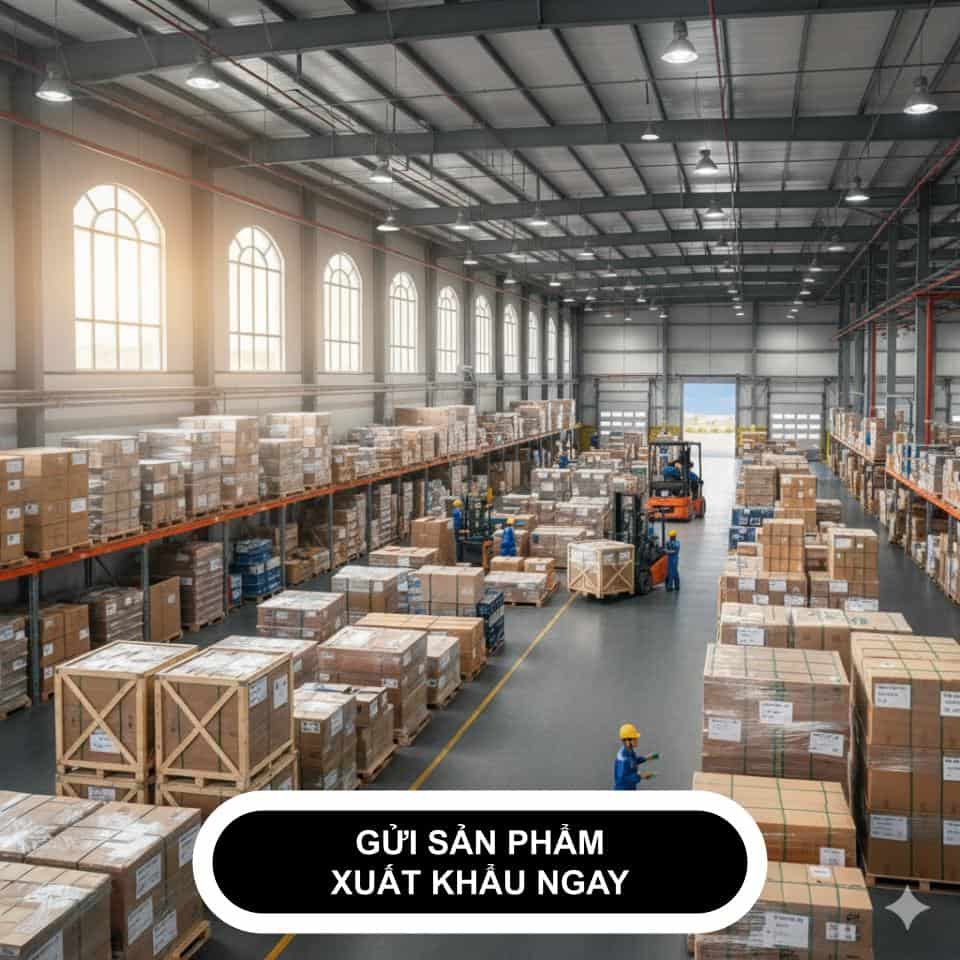
Understanding the Vietnam Manufacturing Shift
The global manufacturing landscape is undergoing a profound transformation, marked by a significant Vietnam Manufacturing Shift. For decades, China served as the undisputed “world’s factory,” but a confluence of economic, geopolitical, and logistical factors is now compelling multinational corporations to re-evaluate their supply chain strategies. Vietnam, with its strategic location, burgeoning workforce, and supportive government policies, has emerged as a prime beneficiary of this pivot, positioning itself as a crucial alternative manufacturing hub. This shift isn’t merely a reactive measure; it’s a strategic realignment driven by the imperative for greater resilience, efficiency, and market access in an increasingly unpredictable global economy.

1. Global Supply Chain Diversification Imperatives
The concept of “China Plus One” has evolved from a cautious strategy to a fundamental business imperative. Companies, once heavily reliant on a single manufacturing base, learned critical lessons about vulnerability during the COVID-19 pandemic and subsequent supply chain disruptions. The imperative for global supply chain resilience spurred a worldwide drive for diversification, seeking to mitigate risks associated with geographical concentration, natural disasters, and unforeseen economic shocks. Vietnam offers an attractive solution, enabling businesses to spread their production risks and build more robust, resilient networks. This strategy isn’t about abandoning China but rather about complementing existing operations with alternative production sites, fostering greater flexibility and ensuring business continuity. The increasing demand for Sourcing Vietnam suppliers reflects this strategic shift, as companies actively seek reliable partners to establish new manufacturing footprints.
2. Impact of Geopolitical Dynamics and Trade Policies
Geopolitical tensions and evolving trade policies have profoundly accelerated the Vietnam Manufacturing Shift. The U.S.-China trade war, characterized by escalating tariffs and trade barriers, served as a powerful catalyst for companies to explore alternatives to China-based production. These tariffs significantly increased the manufacturing cost in China for goods destined for the U.S. market, eroding profit margins and competitive advantages. Furthermore, the broader geopolitical competition and calls for “decoupling” in critical sectors have prompted businesses to consider national security implications and diversify their sourcing to reduce reliance on any single nation. Vietnam’s extensive network of Free Trade Agreements (FTAs), including the Comprehensive and Progressive Agreement for Trans-Pacific Partnership (CPTPP) and the EU-Vietnam Free Trade Agreement (EVFTA), offers preferential market access to major global economies, further enhancing its appeal as a manufacturing hub less susceptible to current trade disputes. This strategic positioning provides a stable and predictable environment for exporters.
3. Key Attractors: Labor Dynamics, Logistics, and Government Policies
Beyond strategic diversification, Vietnam presents compelling intrinsic advantages. Its youthful and increasingly skilled workforce offers a significant draw, often at a more competitive Manufacturing cost Vietnam compared to other established industrial nations. While labor costs are rising, they remain attractive for labor-intensive industries. Furthermore, the Vietnamese government has proactively invested in infrastructure development, enhancing its logistics capabilities. Major seaports like Hai Phong and Ho Chi Minh City, coupled with improved road networks and burgeoning industrial zones, facilitate efficient raw material imports and finished product exports. The government’s proactive stance is evident in its business-friendly policies, including investment incentives, streamlined administrative procedures, and a commitment to attracting foreign direct investment (FDI). These policies have fostered a conducive environment for various Vietnam export industries, from textiles and footwear to electronics and automotive components, making it easier for businesses to establish and expand their operations. The commitment to economic integration and stability underscores Vietnam’s long-term potential as a global manufacturing powerhouse.
The Vietnam Manufacturing Shift is a testament to the dynamic nature of global commerce. It represents a strategic evolution driven by the need for resilience, diversification, and competitive advantage. As businesses navigate a complex global landscape, Vietnam stands out as a compelling destination, offering a unique blend of strategic location, a motivated workforce, and a supportive policy environment. For companies looking to future-proof their supply chains and tap into new growth opportunities, understanding and engaging with this shift is no longer optional but essential for sustained success.
The China Plus One Vietnam Strategy in Action
The ‘China Plus One’ strategy has evolved from a nascent concept into a cornerstone of modern global supply chain management. This strategic approach encourages companies to diversify their manufacturing and sourcing bases beyond China, mitigating risks associated with over-reliance on a single country. Among the leading candidates for this diversification, Vietnam has emerged as a particularly attractive destination, propelling a significant Vietnam Manufacturing Shift across various industries. Companies are not just moving operations; they are strategically leveraging Vietnam’s unique advantages to build more resilient and cost-effective supply chains.
1. Benefits and Challenges of Production Diversification
Implementing a ‘China Plus One Vietnam strategy’ offers a myriad of benefits, primarily centered around risk mitigation and competitive advantage. Diversifying production reduces exposure to geopolitical tensions, trade tariffs, and unforeseen disruptions like pandemics or natural disasters in any single region. Vietnam specifically offers competitive Manufacturing cost Vietnam, a growing skilled labor pool, a stable political environment, and strategic geographic proximity to existing Asian supply networks. Its participation in numerous free trade agreements, such as the CPTPP and EU-Vietnam FTA, provides preferential access to key markets, bolstering Vietnam export industries.
However, the transition isn’t without its challenges. Initial setup costs, including factory construction, machinery relocation, and legal compliance, can be substantial. Companies must navigate potential infrastructure limitations outside major industrial hubs, ensure robust intellectual property protection, and understand local labor laws and cultural nuances. Sourcing Vietnam suppliers that meet international quality standards requires thorough due diligence and relationship building. Despite these hurdles, the long-term strategic advantages often outweigh the initial difficulties, especially for companies committed to building sustainable global supply chain resilience.
2. Real-World Case Studies: Successful Transitions to Vietnam
Numerous multinational corporations have successfully implemented elements of the ‘China Plus One Vietnam strategy.’ In the electronics sector, manufacturers of consumer gadgets and components have established new assembly plants, benefiting from lower labor costs and a young, adaptable workforce. This move allows them to serve global markets while reducing dependency on a singular manufacturing base in China. For example, a major smartphone manufacturer has significantly ramped up production in Vietnam, contributing substantially to the nation’s high-tech Vietnam export industries.
Similarly, the textile and apparel industry has seen a strong shift. Companies are leveraging Vietnam’s established expertise in garment production, benefiting from its integrated supply chain for fabrics and accessories, as well as its preferential trade agreements. A global sportswear brand, for instance, expanded its footprint in Vietnam to produce a significant portion of its footwear and apparel, citing reduced Manufacturing cost Vietnam and improved supply chain stability. These transitions often involve a phased approach, initially moving simpler assembly or lower-value processes before scaling up to more complex manufacturing.
3. Strategic Planning for Dual-Sourcing Models
Effective implementation of a ‘China Plus One Vietnam strategy’ demands meticulous strategic planning, especially when establishing dual-sourcing models. Companies must conduct comprehensive feasibility studies, evaluating potential sites based on infrastructure, labor availability, logistics, and proximity to raw materials or key markets. Identifying and vetting reliable Sourcing Vietnam suppliers is crucial; this often involves local partnership development, quality control audits, and capacity assessments. Building strong relationships with local government agencies and industrial park management can streamline the setup process and ensure compliance.
Moreover, strategic planning extends to integrating new Vietnamese operations seamlessly into existing global supply chains. This includes optimizing logistics, managing inventory across multiple locations, and implementing robust IT systems for communication and data exchange. Companies often adopt a phased approach, beginning with smaller-scale production or specific product lines, gradually expanding as operational efficiencies are proven. The goal is not to abandon China entirely but to create a diversified, agile, and resilient manufacturing footprint that can weather future disruptions and capitalize on new market opportunities.
Sourcing Vietnam Suppliers: A Practical Guide
The global supply chain landscape is undergoing a significant transformation, with a notable Vietnam Manufacturing Shift taking center stage. Companies worldwide are increasingly adopting the China Plus One Vietnam strategy, seeking to diversify their production bases and mitigate risks. This strategic pivot has made sourcing Vietnam suppliers a critical imperative for businesses aiming for resilience and competitive advantage. Vietnam’s burgeoning economy, attractive *manufacturing cost Vietnam*, and robust export infrastructure present a compelling case for investment. However, successfully navigating this vibrant market requires a methodical approach, from initial identification to fostering sustainable, long-term partnerships. This guide outlines essential steps and considerations for identifying, vetting, and building robust collaborations with manufacturing suppliers in Vietnam.

1. Identifying Key Industrial Hubs and Specialized Zones
The first step in effective sourcing Vietnam suppliers is understanding the country’s industrial geography. Vietnam is not a monolithic manufacturing entity; instead, it comprises distinct industrial hubs and specialized economic zones, each excelling in particular *Vietnam export industries*. For instance, the northern regions, including Hanoi, Hai Phong, and Bac Ninh, are powerhouses for electronics, automotive components, and high-tech manufacturing, driven by proximity to major seaports and international airports. The southern economic zone, encompassing Ho Chi Minh City, Binh Duong, and Dong Nai, is renowned for textiles, footwear, furniture, plastics, and food processing. Central Vietnam, with cities like Da Nang and Hue, is emerging in tourism-related manufacturing and high-tech services. Researching these zones allows businesses to pinpoint areas with concentrated expertise, established supply chains, and relevant infrastructure for their specific product needs. Engaging with local chambers of commerce or industry associations can provide invaluable insights into the specializations, labor availability, and regulatory frameworks pertinent to each region, streamlining the search for the most suitable partners and optimizing the *manufacturing cost Vietnam*.
2. Navigating Quality Control and Compliance Standards
Once potential suppliers are identified, rigorous quality control and compliance are paramount. Navigating these standards is crucial to protect brand reputation and ensure product integrity. International buyers must verify that Vietnamese suppliers adhere to global benchmarks such as ISO certifications (e.g., ISO 9001 for quality management, ISO 14001 for environmental management) and industry-specific standards (e.g., GMP for pharmaceuticals, ASTM/EN for toys). Beyond certifications, on-site factory audits are indispensable. These audits should assess production processes, worker conditions, safety protocols, and overall operational transparency. Furthermore, understanding Vietnam’s local labor laws, environmental regulations, and export/import policies is vital. This due diligence not only prevents future compliance issues but also ensures ethical sourcing practices, which are increasingly important to consumers and stakeholders globally. A proactive approach to quality assurance and compliance builds a foundation of trust and reliability, essential for successful partnerships within the Vietnam Manufacturing Shift.
3. Building Sustainable Long-Term Supplier Relationships
The transition to the Vietnam Manufacturing Shift is not merely about finding a new factory; it’s about forging enduring relationships. A sustainable partnership with Vietnam suppliers is characterized by clear communication, mutual respect, and a shared vision for growth. Cultural nuances play a significant role; understanding local business etiquette, communication styles, and decision-making processes can significantly impact the success of collaborations. Investing time in regular visits, establishing robust communication channels, and providing constructive feedback are critical for fostering strong bonds. Consider offering training or technical assistance to help suppliers meet evolving quality or production requirements. Long-term contracts that offer stability and incentive for continuous improvement can further solidify these relationships. By treating suppliers as true partners rather than just vendors, businesses can unlock greater innovation, flexibility, and cost efficiencies, ensuring a resilient and responsive supply chain that benefits both parties in the dynamic landscape of *Vietnam export industries*.
Key Vietnam Export Industries & Manufacturing Costs
Vietnam has emerged as a formidable player in the global manufacturing landscape, increasingly positioned as the preferred destination for companies implementing the Vietnam Manufacturing Shift. This strategic pivot, often termed the ‘China Plus One Vietnam strategy,’ sees multinational corporations diversifying their supply chains to leverage Vietnam’s competitive advantages. For businesses sourcing Vietnam suppliers, understanding the dominant export industries and the intricacies of manufacturing costs – from labor to infrastructure – is paramount.
1. Growth Sectors: Electronics, Textiles, Footwear, and Furniture
This section delves into Vietnam’s leading export sectors that are driving its economic growth and attracting significant foreign direct investment. Vietnam’s manufacturing prowess is increasingly visible across several key industries.
- Electronics: The electronics sector stands as Vietnam’s largest export earner, propelled by global tech giants. From smartphones and computers to components and consumer electronics, Vietnam has become a critical hub for high-tech manufacturing. This growth is underpinned by substantial investment in R&D and a burgeoning skilled workforce.
- Textiles and Garments: A traditional powerhouse, Vietnam’s textile and garment industry has moved beyond basic cut-and-sew operations to higher-value-added processes. With a vast workforce and continuous modernization, it remains a global leader in apparel manufacturing, catering to major international brands.
- Footwear: Vietnam is one of the world’s top producers of footwear, manufacturing for many of the most recognizable athletic and fashion brands. The industry benefits from a skilled labor force, established supply chains, and significant foreign investment, producing millions of pairs annually for export.
- Furniture: Leveraging its natural resources and craftsmanship, Vietnam’s furniture industry has seen remarkable growth. It exports a wide range of wooden and upholstered furniture, combining traditional techniques with modern designs to meet international demand, particularly from the US and European markets.
2. Comparative Analysis: Labor Costs vs. Productivity
This section provides a detailed comparison of Vietnam’s labor costs against its regional competitors, emphasizing the crucial balance between wages and workforce productivity. While labor costs in Vietnam are generally rising, they remain significantly more competitive than in established manufacturing hubs like China, especially for labor-intensive industries. The average monthly minimum wage, while varying by region, is still considerably lower, offering a substantial cost advantage.
However, the true value proposition lies not just in lower wages but in a young, adaptable, and increasingly skilled workforce. Vietnamese workers are often lauded for their diligence, eagerness to learn, and high productivity rates once trained. This combination mitigates the impact of rising wages, as the output per worker continues to increase, ensuring that the overall manufacturing cost Vietnam remains attractive. Government investments in vocational training and education further enhance the workforce’s capabilities, making Vietnam a compelling choice for long-term manufacturing strategies.
3. Understanding Infrastructure and Logistics Expenses
This section examines the critical role of infrastructure and logistics in Vietnam’s manufacturing ecosystem, outlining associated expenses and ongoing improvements. Vietnam has made significant strides in upgrading its infrastructure to support its booming export industries. This includes substantial investments in port facilities (such as Haiphong and Cai Mep-Thi Vai), international airports (Noi Bai and Tan Son Nhat), and an expanding network of highways and industrial zones.
While logistics expenses are a crucial component of overall manufacturing costs, Vietnam’s continuous infrastructure development aims to reduce these overheads. Efficient port operations, improved customs procedures, and a growing presence of international logistics providers contribute to streamlining the supply chain. Challenges like road congestion in major cities and varying infrastructure quality in remote areas still exist, but the government’s commitment to large-scale infrastructure projects, including expressways and deep-water ports, signals a clear direction towards enhanced connectivity and reduced lead times, further cementing Vietnam’s position as a global manufacturing hub.
Navigating the Future: Opportunities & Challenges by 2025
As the global economic landscape continues to reshape, Vietnam stands out as a pivotal destination for manufacturing investment. The next few years, extending to 2025, will be crucial in defining the trajectory of its industrial growth, marked by significant opportunities alongside a distinct set of challenges. Businesses looking to leverage the Vietnam Manufacturing Shift must keenly observe future growth areas, emerging technologies, and potential hurdles for businesses investing in Vietnam’s evolving manufacturing landscape.

1. Embracing Emerging Technologies and Automation
The drive towards higher value-added production is accelerating Vietnam’s adoption of Industry 4.0 technologies. By 2025, manufacturers are increasingly integrating automation, Artificial Intelligence (AI), Internet of Things (IoT), and advanced robotics into their operations. This shift is not merely about cost reduction but about enhancing precision, efficiency, and product quality. For instance, smart factories employing predictive maintenance can significantly reduce downtime and optimize production lines. Companies keen on sourcing Vietnam suppliers will find a growing number equipped with these advanced capabilities, particularly in electronics, automotive components, and textiles. Investing in these technologies is paramount for businesses to remain competitive and meet the rising global demand for sophisticated products. This technological leap contributes directly to the nation’s capacity to handle more complex manufacturing processes, moving beyond basic assembly towards intricate product development and innovation.
2. Evolving Regulatory Landscape and FDI Incentives
Vietnam’s proactive government policies and attractive Foreign Direct Investment (FDI) incentives continue to play a crucial role in its manufacturing appeal. The nation has consistently refined its investment environment, offering tax breaks, land lease incentives, and streamlined administrative procedures. Crucially, Vietnam’s extensive network of Free Trade Agreements (FTAs), including the CPTPP and EVFTA, provides preferential access to major global markets, making it an ideal hub for Vietnam export industries. This strategic positioning solidifies the country’s allure for companies pursuing a China Plus One Vietnam strategy. Moreover, there’s a growing emphasis on attracting high-tech and environmentally friendly investments, reflecting a desire to move up the value chain. Understanding these evolving regulations and leveraging available incentives will be critical for new entrants and expanding operations alike. The government’s commitment to improving infrastructure, particularly logistics and energy, further underpins these efforts, enhancing the operational efficiency for manufacturers across diverse sectors.
3. Mitigating Risks: IP Protection, Logistics, and Talent Shortages
Despite the immense opportunities, businesses must also navigate potential hurdles. Vietnam’s robust economic growth has brought challenges, particularly concerning intellectual property (IP) protection. While the legal framework is strengthening, diligent due diligence and robust contractual agreements remain essential for safeguarding proprietary technologies and designs. Logistics infrastructure, though improving, can still pose challenges, especially for businesses operating in remote areas or dealing with time-sensitive supply chains. Port congestion, road quality, and customs clearance efficiency require continuous monitoring and strategic planning. Furthermore, a rapidly expanding manufacturing sector is creating a demand for skilled labor that sometimes outstrips supply, leading to talent shortages in specialized fields. Addressing this requires investment in vocational training programs, partnerships with local educational institutions, and competitive compensation packages. While the manufacturing cost Vietnam remains competitive compared to some regional peers, labor costs are gradually rising with increased demand and skill requirements. Strategic human resource planning and continuous workforce development are vital to ensure a sustainable and productive manufacturing base into 2025 and beyond. Successfully addressing these risks will ensure the long-term viability and profitability of investments in Vietnam’s dynamic manufacturing landscape.
Partner with Vietnam’s Leading Suppliers
Looking for reliable suppliers in Vietnam? Contact VietnamSuppliers.com today to connect with verified manufacturers and exporters across all industries.
—————————————
References
– global supply chain resilience: https://www.worldbank.org/en/topic/trade/brief/global-value-chains
– World Bank Vietnam Overview: https://www.worldbank.org/en/country/vietnam/overview
– World Bank: Vietnam Overview: https://www.worldbank.org/en/country/vietnam/overview
– Global manufacturing shifts lift Vietnam’s labor costs: https://asia.nikkei.com/Economy/Inflation-rises-globally/Global-manufacturing-shifts-lift-Vietnam-s-labor-costs
– Vietnam Overview – World Bank: https://www.worldbank.org/en/country/vietnam/overview