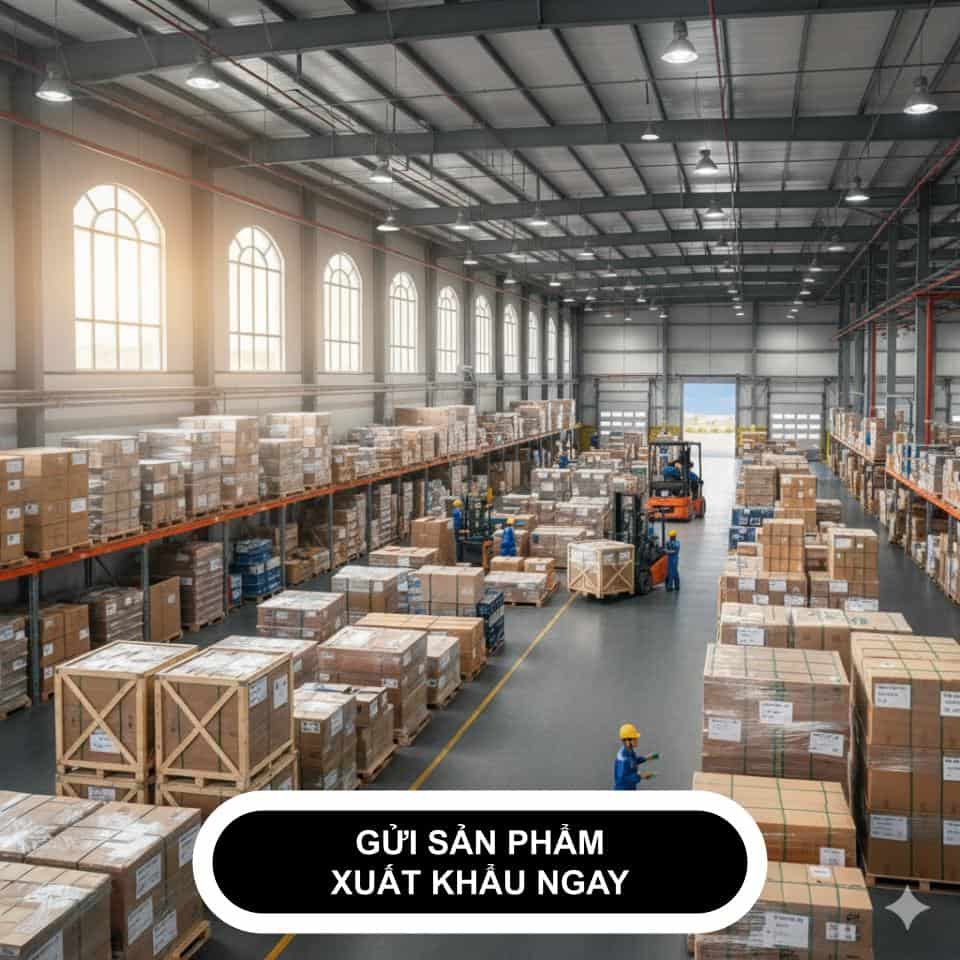
Navigating the Evolving Global Commodity Landscape
The global commodity landscape is undergoing a profound transformation, driven by a confluence of economic shifts, geopolitical realignments, and technological advancements. Understanding these dynamics is crucial for businesses engaged in international trade and sourcing. From raw materials to agricultural products, energy resources to precious metals, Global Commodity Export Trends are constantly in flux, demanding agility and foresight from market participants. This section offers an introduction to the current state and future outlook of international commodity markets, highlighting key drivers and shifts impacting global trade patterns and influencing Global Commodity Market Analysis.

1. Key Macroeconomic Influences on Commodity Markets
Macroeconomic factors serve as the bedrock for commodity demand and pricing. Global economic growth, particularly in major industrializing nations such as China and India, directly correlates with consumption levels of raw materials. Conversely, periods of economic slowdown or recession can significantly depress demand and prices. Inflationary pressures, often fueled by supply chain disruptions or excessive monetary easing, can either drive up commodity prices (as commodities are seen as an inflation hedge) or lead to aggressive interest rate hikes by central banks, which typically dampens economic activity and, consequently, commodity demand. Currency fluctuations also play a pivotal role; a stronger U.S. dollar, for instance, generally makes dollar-denominated commodities more expensive for buyers using other currencies, potentially reducing demand. Investors and businesses closely monitor these indicators for their Commodity Price Forecast, using tools like the Producer Price Index and Consumer Price Index to gauge future market movements. Understanding the interplay of these forces is essential for effective risk management and strategic planning within the Global Commodity Market Analysis.
2. Geopolitical Factors Shaping Trade Routes and Supply
Beyond economic fundamentals, geopolitical events increasingly dictate the flow and availability of commodities. Regional conflicts, trade wars, political instability, and sanctions can severely disrupt established supply chains, leading to price volatility and forcing companies to seek alternative sourcing options. For example, conflicts in resource-rich regions can halt production or impede transportation, leading to supply shortages and price spikes for specific commodities. Protectionist policies and retaliatory tariffs imposed by nations can redraw trade maps, making certain export routes less viable and encouraging B2B Export Sourcing Trends to shift towards more stable or politically aligned partners. The recent emphasis on supply chain resilience has underscored the vulnerability of global trade to geopolitical shocks, making International Trade Data Insights on political risk a critical component of strategic decision-making. Businesses must integrate sophisticated geopolitical risk assessments into their planning to mitigate potential disruptions and ensure continuity of supply.
3. Impact of Digitalization on Global Supply Chains
The advent of digitalization is revolutionizing global commodity supply chains, introducing unprecedented levels of efficiency, transparency, and traceability. Technologies such as blockchain are enabling immutable records of commodity provenance, enhancing trust and reducing fraud, especially in sectors like agriculture and mining. Artificial intelligence (AI) and machine learning algorithms are optimizing logistics, predicting demand fluctuations, and identifying potential supply bottlenecks before they occur. The Internet of Things (IoT) provides real-time tracking of shipments, environmental conditions, and inventory levels, offering granular control over the supply chain. E-commerce platforms and digital marketplaces are facilitating direct connections between buyers and sellers, streamlining transactions and opening up new avenues for B2B Export Sourcing Trends, particularly for SMEs. These technological advancements are not only improving operational efficiency but also contributing to greater sustainability and ethical sourcing practices, redefining the competitive landscape for Global Commodity Export Trends.
In-Depth Global Commodity Market Analysis
The global commodity landscape is a dynamic arena, constantly reshaped by geopolitical shifts, technological advancements, and evolving consumer demands. A comprehensive Global Commodity Export Trends analysis is crucial for businesses aiming to navigate the complexities of international trade. This detailed examination delves into major commodity groups, offering International Trade Data Insights to identify growth areas, challenges, and regional specificities, providing a vital compass for stakeholders engaged in B2B export sourcing trends and strategic planning. Understanding these patterns is key to anticipating commodity price forecasts and adapting to market volatility.
1. Energy Commodities: Shifts in Demand and Supply (Oil, Gas, Renewables)
The energy commodity market is undergoing a profound transformation. While crude oil and natural gas continue to dominate, their long-term trajectories are increasingly influenced by the accelerating global transition towards renewable energy sources. Demand for traditional fossil fuels, though still robust in many developing economies, faces headwinds from decarbonization efforts in developed nations. Supply dynamics are equally complex, with geopolitical tensions, OPEC+ policies, and technological advancements in extraction (e.g., shale gas) creating significant volatility in Global Commodity Export Trends. The surge in renewable energy investment – particularly solar, wind, and hydropower – is creating new commodity demands for materials like copper, lithium, and rare earths, while simultaneously displacing a portion of fossil fuel consumption. This shift necessitates a dual focus for B2B export sourcing trends: optimizing traditional energy supplies while rapidly expanding capacity for the components and infrastructure of the green energy future. Accurate commodity price forecasts for both traditional and emerging energy inputs are paramount for strategic investment.
2. Agricultural Goods: Food Security, Export Volumes, and Climate Impacts
Agricultural commodities form the bedrock of global food security, yet this sector is increasingly vulnerable to multifaceted challenges. Climate change, manifesting as extreme weather events, droughts, and floods, directly impacts crop yields and livestock production, creating significant ripple effects on global food supplies and Global Commodity Export Trends. Export volumes of staple grains like wheat, corn, and rice, along with key soft commodities such as coffee and sugar, are subject to these climatic pressures, alongside geopolitical factors, trade policies, and logistical bottlenecks. Nations are increasingly focused on diversifying their import sources and building strategic reserves to mitigate supply chain disruptions. Furthermore, evolving dietary patterns and the growth of the global middle class are driving demand for specific high-value agricultural products, creating opportunities for specialized B2B export sourcing trends. Understanding regional crop conditions and developing sophisticated commodity price forecasts for agricultural staples is critical for governments and businesses alike to ensure stable supply and combat food insecurity.
3. Metals and Minerals: Industrial Demand and Critical Materials Sourcing
The metals and minerals market is experiencing unprecedented demand, fueled by global industrialization, urbanization, and the green energy transition. Base metals like copper, aluminum, and iron ore are essential for infrastructure development and manufacturing, while precious metals such as gold and silver serve as investment vehicles and industrial inputs. Of particular strategic importance are critical minerals like lithium, cobalt, nickel, and rare earth elements, which are indispensable for electric vehicles, renewable energy technologies, and advanced electronics. Securing reliable and ethical Global Commodity Export Trends for these materials has become a national security priority for many countries, driving intensive B2B export sourcing trends towards new mining frontiers and advanced recycling initiatives. Concerns over supply chain concentration, geopolitical risks, and environmental sustainability are reshaping extraction and processing methods. Analyzing International Trade Data Insights related to these materials is vital for understanding market dynamics and accurately predicting commodity price forecasts, which can significantly impact manufacturing costs and technological innovation globally.
In conclusion, the global commodity market is a mosaic of interconnected sectors, each presenting unique challenges and opportunities. From the transformative shifts in energy to the climate-driven volatility in agriculture and the surging demand for critical metals, an informed approach is paramount. Continuous monitoring of Global Commodity Export Trends, coupled with sophisticated International Trade Data Insights and precise commodity price forecasts, will enable businesses to adapt, innovate, and thrive in this ever-evolving landscape, solidifying their position in the B2B export sourcing trends of tomorrow.
Leveraging International Trade Data Insights
An analysis of recent trade statistics and reports is crucial for businesses looking to uncover emerging patterns in export volumes, destination markets, and the performance of key trading blocs. Understanding these dynamics offers a competitive edge in navigating the complex global marketplace.
In an era defined by rapid economic shifts and geopolitical realignments, the ability to interpret International Trade Data Insights is more critical than ever. This comprehensive analysis delves into recent trade statistics, offering a panoramic view of Global Commodity Export Trends, identifying growth areas, potential challenges, and strategic opportunities for B2B sourcing and investment.
Regional Export Performance Snapshots (e.g., Asia, Americas, Europe)
A granular look at regional performance reveals distinct patterns. Asia continues its dominance as a manufacturing and export powerhouse, with countries like China, Vietnam, and India driving significant volumes, particularly in electronics, textiles, and various manufactured goods. Southeast Asian nations, in particular, are witnessing robust growth, fueled by diversified production bases and increasing foreign direct investment. The Americas present a mixed picture: North America, particularly the U.S. and Canada, shows strength in energy, agricultural commodities, and high-tech exports, while South American economies navigate fluctuations in demand for raw materials like minerals and agricultural produce. Europe, despite internal challenges, maintains strong intra-bloc trade, specializing in high-value manufactured goods, machinery, and luxury items. Our Global Commodity Export Trends analysis highlights these regional nuances, underscoring areas of opportunity and risk.
Shifting Trade Partnerships and Bilateral Agreements
The global trade landscape is continuously being reshaped by evolving geopolitical dynamics and new bilateral or multilateral agreements. The rise of regional blocs like the RCEP (Regional Comprehensive Economic Partnership) and the ongoing influence of agreements such as the CPTPP (Comprehensive and Progressive Agreement for Trans-Pacific Partnership) are altering traditional supply chains and creating new avenues for B2B Export Sourcing Trends. Countries are increasingly diversifying their trade partners to mitigate risks associated with over-reliance on single markets or suppliers. This includes a growing emphasis on nearshoring and friendshoring, driven by geopolitical considerations and the pursuit of more resilient supply chains. The careful monitoring of these shifting alliances is paramount for businesses seeking stable and cost-effective sourcing channels.
Logistics, Shipping Costs, and Infrastructure Development
The efficiency and cost of global logistics remain critical determinants of export competitiveness and significantly influence the Commodity Price Forecast. Recent years have seen unprecedented volatility in shipping costs, container availability, and transit times due to global disruptions, geopolitical events (e.g., the Suez Canal blockage, Red Sea conflicts), and labor shortages. Consequently, governments and private entities are investing heavily in infrastructure development, including port expansions, digital customs processes, and improved multimodal transportation networks. These investments aim to enhance connectivity, reduce bottlenecks, and lower the overall cost of trade. For businesses, understanding these logistical challenges and opportunities is vital for accurate costing, timely delivery, and maintaining competitive pricing in a fluctuating market.
In conclusion, a deep dive into recent trade statistics and reports offers indispensable insights for businesses engaged in international trade. By continuously analyzing regional performance, understanding evolving trade partnerships, and adapting to changes in logistics and infrastructure, companies can better position themselves to capitalize on emerging opportunities and mitigate risks in the dynamic global commodity market.
B2B Export Sourcing Trends and Strategic Adaptation
Amidst unprecedented market volatility and escalating geopolitical risks, businesses worldwide are undergoing a significant transformation in their B2B export sourcing strategies. The imperative to build resilient, efficient, and ethical supply chains has never been more critical. This shift is driving a profound re-evaluation of traditional procurement models, pushing companies to diversify their sourcing regions, embrace cutting-edge technologies, and prioritize sustainability. Understanding these Global Commodity Export Trends is essential for strategic adaptation, as organizations seek to mitigate risks, optimize costs, and secure competitive advantages in a dynamic global marketplace. The intricate dance between international trade data insights and proactive strategic planning defines the current landscape, forcing companies to move beyond reactive measures to predictive and preventative approaches.
1. Diversifying Sourcing Regions and Supplier Networks
The past decade has underscored the fragility of concentrated supply chains, prompting a strategic pivot towards geographical diversification. Businesses are actively moving away from single-source dependencies, often driven by a desire to de-risk operations from political instability, natural disasters, and trade policy shifts in specific regions. This involves exploring new emerging markets, evaluating nearshoring or friend-shoring opportunities, and strengthening relationships with a broader array of suppliers across different continents. The goal is not merely to find cheaper alternatives but to create a robust, multi-faceted network capable of absorbing shocks and maintaining continuity of supply. A comprehensive Global Commodity Market Analysis informs these decisions, guiding companies to regions with stable political climates, growing manufacturing capabilities, and competitive logistics. This trend also involves building deeper, more collaborative relationships with a larger portfolio of suppliers. Strategic partnerships, long-term contracts, and shared risk models are becoming more common, fostering greater transparency and resilience throughout the B2B export sourcing ecosystem. By spreading their sourcing base, companies aim to achieve greater supply chain flexibility and reduce exposure to localized disruptions, ensuring a more stable flow of goods and raw materials.
2. Technology Adoption in B2B Sourcing: Platforms and AI
The digital transformation is rapidly reshaping B2B export sourcing, with technology adoption becoming a critical differentiator. Cloud-based sourcing platforms are providing unparalleled visibility, streamlining procurement processes from supplier discovery to contract management. These platforms facilitate efficient communication, automate tendering processes, and offer centralized data repositories, drastically reducing lead times and administrative overheads. Beyond basic automation, Artificial intelligence (AI) is playing an increasingly pivotal role. AI-driven analytics can process vast amounts of International Trade Data Insights to identify optimal suppliers, predict commodity price fluctuations, and even forecast geopolitical risks that might impact supply chains. Machine learning algorithms enhance risk assessment by monitoring real-time global events, trade news, and economic indicators, alerting procurement teams to potential disruptions before they materialize. Furthermore, AI can optimize logistics routes, manage inventory more effectively, and personalize supplier interactions. The integration of AI and advanced analytics transforms B2B export sourcing from a reactive function into a proactive, data-driven strategic advantage, enabling companies to make more informed decisions and adapt swiftly to changing market conditions.
3. Sustainability and Ethical Sourcing Priorities in Commodity Trade
Sustainability and ethical considerations have moved from niche concerns to mainstream imperatives in B2B export sourcing. Growing consumer awareness, stringent regulatory requirements, and investor pressure are compelling businesses to scrutinize the environmental, social, and governance (ESG) impacts of their supply chains. This means prioritizing suppliers who adhere to fair labor practices, minimize environmental footprints, and demonstrate transparent governance. For commodity trade, this translates into a demand for certified sustainable products, traceable supply chains, and a commitment to reducing carbon emissions associated with production and transportation. Companies are implementing robust due diligence processes to ensure compliance with international labor laws, human rights standards, and environmental regulations across their global supplier networks. The drive for ethical sourcing is not just about reputation management; it’s increasingly linked to long-term business viability and access to capital, as financial institutions and investors increasingly favor companies with strong ESG credentials. Ultimately, integrating sustainability into B2B export sourcing strategies is no longer optional; it is a fundamental aspect of building a responsible, resilient, and future-proof supply chain, aligning business objectives with global sustainability goals and enhancing overall brand value.
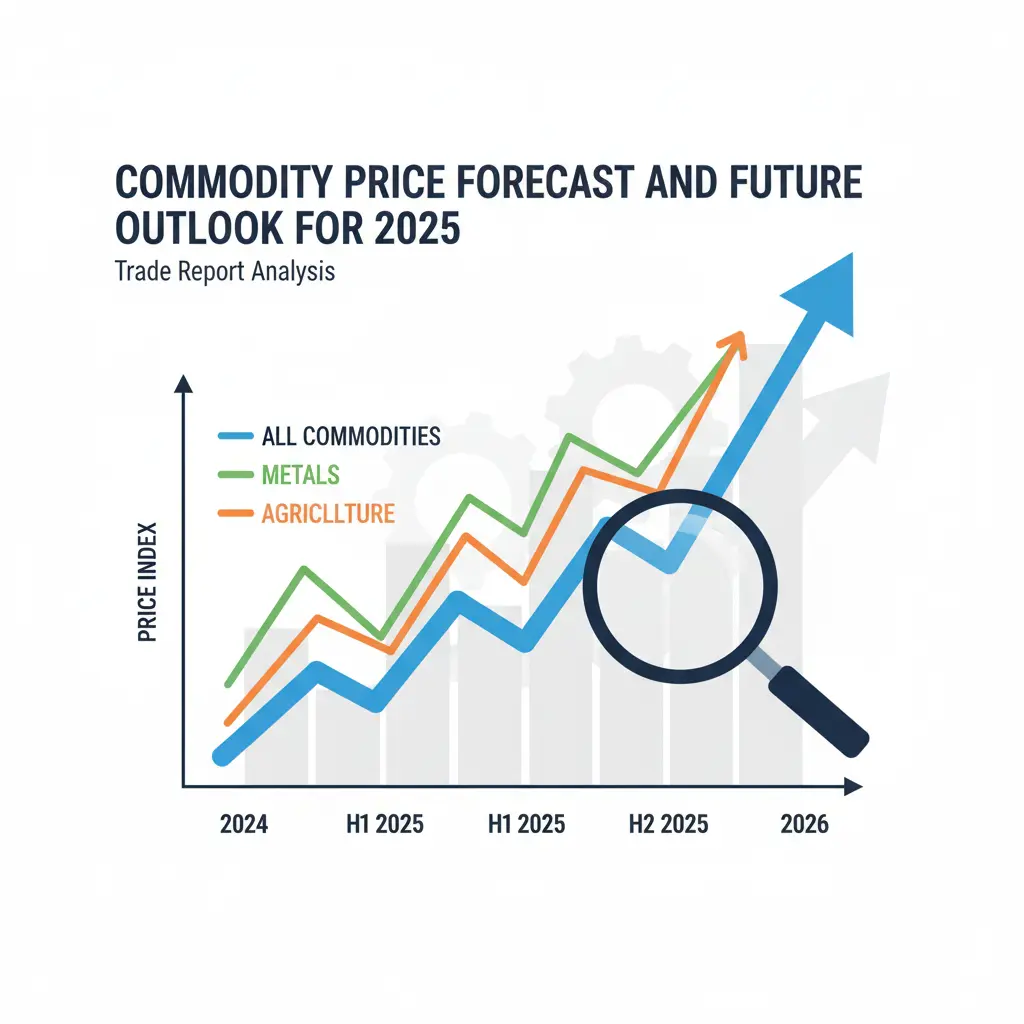
Commodity Price Forecast and Future Outlook for 2025
The global commodity market remains a critical barometer of economic health, heavily influenced by a confluence of geopolitical shifts, evolving economic policies, and groundbreaking technological advancements. As we approach 2025, understanding the future trajectory of commodity prices is not merely an academic exercise but a strategic imperative for businesses, investors, and policymakers worldwide. This section provides a comprehensive Commodity Price Forecast, meticulously analyzing the key factors expected to shape Global Commodity Export Trends and overall market stability in the coming year and beyond. We delve into potential growth opportunities and inherent risks, offering vital insights derived from a thorough Global Commodity Market Analysis.
1. Inflationary Pressures, Interest Rates, and Their Market Impact
Global inflationary pressures, while showing signs of moderation in some advanced economies, remain a persistent concern in many regions. Sustained or resurgent inflation can significantly elevate the production costs for raw materials, from energy to agricultural products, thereby putting upward pressure on commodity prices. Conversely, high inflation erodes consumer purchasing power, potentially dampening overall demand for goods and, consequently, their underlying commodities.
Central banks globally continue to navigate the delicate balance between controlling inflation and fostering economic growth, leading to varied monetary policies. Higher interest rates typically strengthen national currencies, particularly the U.S. Dollar, making dollar-denominated commodities more expensive for international buyers and potentially reducing demand. However, should central banks pivot towards interest rate cuts in late 2024 or early 2025, a scenario anticipated in several major economies, this could stimulate economic activity. Such a shift often translates to increased industrial output, boosting demand for critical inputs like industrial metals, energy resources, and agricultural commodities. The intricate interplay of these monetary policies will be a pivotal determinant for a comprehensive Global Commodity Market Analysis, with investors closely monitoring every signal for its impact on asset allocation and commodity futures.
2. Technological Innovation and Demand Shifts Across Sectors
Technological innovation is rapidly reshaping demand patterns across various commodity sectors. The accelerating global push towards decarbonization and sustainable energy sources stands out as a primary driver of demand for specific, often critical, commodities. Minerals such as lithium, cobalt, nickel, and copper are becoming indispensable for the rapidly expanding electric vehicle (EV) industry, renewable energy infrastructure like solar panels and wind turbines, and advanced battery storage solutions. This structural shift in demand is anticipated to sustain, and potentially elevate, prices for these ‘green’ commodities well into 2025 and beyond.
Beyond the green transition, the proliferation of artificial intelligence (AI), the expansion of data centers, and advancements in manufacturing processes are also profoundly influencing commodity demand. The massive energy consumption required by AI and data centers, for instance, could impact the outlook for oil, natural gas, and electricity. Meanwhile, advancements in robotics and additive manufacturing might necessitate new types of specialized metals and alloys. Staying abreast of these dynamic International Trade Data Insights is crucial for understanding future supply chain pressures and potential bottlenecks. This rapid technological evolution is also fundamentally altering B2B Export Sourcing Trends, as companies increasingly prioritize reliable, sustainable, and ethically sourced inputs to meet the demands of a high-tech future.
3. Policy Changes, Regulatory Frameworks, and Trade Barriers
The geopolitical landscape and evolving regulatory frameworks will continue to exert substantial influence over commodity markets in 2025. Geopolitical tensions, encompassing ongoing conflicts, shifting alliances, and trade disputes, pose significant risks to global supply chains and the free flow of commodities. The imposition of sanctions, export restrictions, and retaliatory tariffs can disrupt traditional trade routes, limit market access for producers and consumers, and inevitably drive up prices for affected commodities. The ongoing recalibration of trade relationships between major economic blocs will have direct and far-reaching implications for global economic outlook and Commodity Export Trends.
Furthermore, the increasing global emphasis on environmental, social, and governance (ESG) factors is leading to stricter environmental regulations. Carbon pricing mechanisms, limitations on resource extraction, and mandates for sustainable sourcing will invariably impact production costs and availability, particularly for fossil fuels and industries with high carbon footprints. Governments’ policy choices, including subsidies for renewable energy projects, strategic national reserve building, or large-scale infrastructure spending initiatives, can also artificially stimulate demand for specific commodities such as steel, cement, and other construction materials, thereby influencing their price stability and growth potential. A comprehensive understanding of these policy-driven impacts is indispensable for formulating an accurate and robust Commodity Price Forecast.
In conclusion, the 2025 outlook for commodity prices is marked by a complex interplay of forces. On one side, persistent inflationary pressures and the strategic maneuvering of monetary policy by central banks introduce volatility. On the other, robust structural demand drivers, particularly from the global green transition and technological advancements, create significant opportunities. Geopolitical stability and rapidly evolving regulatory landscapes add further layers of complexity and uncertainty. Businesses engaged in Global Commodity Export Trends and international sourcing must cultivate agility, leveraging granular International Trade Data Insights and adopting adaptive strategies to navigate these challenging yet opportunity-rich markets. Proactive risk management and the adoption of resilient B2B Export Sourcing Trends will be paramount for sustained success in this dynamic and evolving commodity landscape.
Partner with Vietnam’s Leading Suppliers
Looking for reliable suppliers in Vietnam? Contact VietnamSuppliers.com today to connect with verified manufacturers and exporters across all industries.
—————————————
References
– World Bank Commodity Markets Outlook: https://www.worldbank.org/en/research/commodity-markets
– World Bank Commodity Markets: https://www.worldbank.org/en/research/commodity-markets
– WTO | Statistics: https://www.wto.org/english/res_e/statis_e/statis_e.htm
– international trade data insights: https://www.wto.org/english/news_e/archive_e/pr954_e.htm
– World Bank Commodity Markets Outlook: https://www.worldbank.org/en/research/commodity-markets