Vietnam’s Economic Resilience & Growth Drivers
Vietnam has consistently emerged as a beacon of economic resilience and growth, particularly evident in its robust Vietnam export trends. Over the past few decades, the nation has transformed from a primarily agricultural economy into a dynamic manufacturing and export powerhouse, captivating global attention with its stable macroeconomic environment and remarkable growth trajectory. This sustained performance is not merely coincidental but a direct result of strategic foresight, adaptable policies, and a young, industrious workforce. The fundamental factors contributing to its export success and overall economic stability are multifaceted, ranging from a strategic geographical location to an aggressive pursuit of global trade integration. Businesses worldwide are increasingly considering sourcing from Vietnam suppliers, often after careful Vietnam trade data analysis, drawn by competitive costs, improving quality, and a reliable supply chain, all underpinned by strong government support and a rapidly expanding market presence.

1. GDP Growth and FDI Inflows
Vietnam’s economic miracle is perhaps best encapsulated by its impressive Gross Domestic Product (GDP) growth rates, which have consistently ranked among the highest globally for decades. Even amidst global economic uncertainties, Vietnam has often defied downturns, showcasing remarkable resilience. This sustained growth is significantly fueled by robust Foreign Direct Investment (FDI) inflows. Global manufacturers, seeking diversification and cost efficiencies, have increasingly poured capital into Vietnam, establishing factories and production hubs across various sectors. This influx of FDI has been instrumental in modernizing Vietnam’s industrial base, creating millions of jobs, and significantly boosting its Vietnam manufacturing exports. From electronics and textiles to footwear and machinery, foreign-invested enterprises (FIEs) account for a substantial portion of the country’s export revenue, illustrating the symbiotic relationship between FDI and export-led growth. The government’s consistent efforts to create an attractive investment climate, including tax incentives, streamlined business regulations, and robust infrastructure development, have played a pivotal role in maintaining this strong FDI momentum. This continuous investment not only expands productive capacity but also fosters technology transfer and skill development, further enhancing Vietnam’s competitiveness on the global stage.
2. Government Policies Supporting Trade
The Vietnamese government has demonstrated a proactive and visionary approach to economic development, with trade facilitation at its core. Recognizing the critical role of exports in national prosperity, policymakers have implemented a suite of strategic measures designed to support and enhance trade activities. These policies range from providing incentives for export-oriented businesses, such as tax breaks and land lease concessions, to investing heavily in crucial infrastructure projects. Modernized ports, improved road networks, and expanded logistical capabilities have drastically reduced lead times and shipping costs, making sourcing from Vietnam suppliers more attractive. Furthermore, the government has focused on administrative reforms, simplifying customs procedures and reducing bureaucratic hurdles, which directly benefits exporters and importers alike. Initiatives aimed at promoting domestic industries, fostering innovation, and upgrading manufacturing capabilities also contribute to the overall strength of Vietnam’s export base. Coupled with efforts to maintain macroeconomic stability, including managing inflation and ensuring a stable currency, these concerted government policies lay a solid foundation for sustainable trade growth and reinforce confidence among international partners.
3. Impact of Free Trade Agreements (FTAs)
Perhaps one of the most potent drivers of Vietnam’s export success is its strategic and extensive network of Free Trade Agreements (FTAs). Vietnam has aggressively pursued and signed numerous bilateral and multilateral FTAs with major economic blocs and countries worldwide. Key agreements include the Comprehensive and Progressive Agreement for Trans-Pacific Partnership (CPTPP), the EU-Vietnam Free Trade Agreement (EVFTA), and the Regional Comprehensive Economic Partnership (RCEP), among many others. These FTAs provide preferential access to vast consumer markets by significantly reducing or eliminating tariffs on a wide range of Vietnamese products. For instance, the EVFTA has opened doors for various Vietnam agricultural exports, such as coffee, rice, and seafood, to the lucrative European market, while also boosting industrial exports. Beyond tariff reductions, these agreements often include provisions on intellectual property rights, labor standards, and environmental protection, encouraging responsible and sustainable trade practices. This broad network of FTAs diversifies Vietnam’s export markets, reduces reliance on any single trading partner, and enhances the competitiveness of Vietnamese goods globally. The foresight in leveraging these agreements has allowed Vietnam to integrate deeply into global supply chains, attracting further investment and ensuring long-term growth in its dynamic export sector. The strategic embrace of FTAs is a testament to Vietnam’s commitment to open trade and its pivotal role in shaping future global commerce.
Surging Vietnam Agricultural Exports in Focus
Vietnam’s agricultural sector has emerged as a powerhouse on the global stage, demonstrating remarkable resilience and growth, even amidst global economic uncertainties. This section delves into the robust performance and key drivers shaping Vietnam export trends, particularly within its agricultural domain. We will examine the dominant commodities fueling this surge, the country’s proactive embrace of sustainable practices, and its strategic efforts to diversify market reach, all contributing to its evolving role as a significant global supplier. The narrative also touches upon the inherent challenges and the ongoing initiatives to ensure long-term sector viability and competitiveness, offering valuable insights for anyone interested in Vietnam export trends and sourcing opportunities.
1. Key Agricultural Commodities (Coffee, Rice, Seafood)
The backbone of Vietnam’s agricultural export success lies in its diverse range of high-value commodities.
Coffee: Vietnam has firmly established itself as the world’s second-largest coffee exporter, primarily specializing in Robusta beans. In recent years, export volumes and values have seen consistent growth, driven by increasing global demand and improved cultivation techniques. Vietnamese coffee is prized for its strong flavor profile, making it a staple in various coffee blends worldwide. The sector continues to invest in quality enhancements and sustainable farming practices to meet evolving consumer preferences and command higher prices in international markets.
Rice: As a major global food security provider, Vietnam is consistently among the top three rice exporters globally. Vietnamese rice, particularly fragrant varieties like ST25, has garnered international acclaim for its quality and taste. The country has focused on optimizing rice production through high-yield, disease-resistant varieties and efficient water management systems. This strategic approach has not only boosted export volumes but also ensured price competitiveness, solidifying Vietnam’s position in critical markets across Asia, Africa, and the Americas.
Seafood: Vietnam’s seafood sector is another star performer, with shrimp and pangasius (basa fish) leading the charge. The country is one of the largest shrimp exporters, leveraging its extensive coastline and advanced aquaculture techniques. Pangasius exports have also seen significant expansion, albeit with fluctuating market conditions and increasing scrutiny over environmental standards. The industry is continuously adapting to stringent import regulations from key markets like the EU and US, focusing on traceability, food safety, and sustainable farming methods to maintain and expand its global footprint. The overall Vietnam export trends in seafood indicate a move towards higher-value processed products.
2. Sustainable Practices and Certifications
A pivotal aspect of Vietnam’s long-term agricultural export strategy is its unwavering commitment to sustainability. Recognizing the growing global demand for ethically produced goods and the imperative to protect its natural resources, Vietnam has actively promoted and adopted a range of sustainable practices. Government initiatives, coupled with support from international organizations, encourage farmers to transition towards eco-friendly cultivation methods. This includes integrated pest management, efficient water usage, reduced chemical inputs, and climate-resilient farming techniques, particularly vital in the Mekong Delta region which is highly vulnerable to climate change impacts.
Furthermore, the adoption of international certifications like VietGAP, GlobalGAP, Organic, and ASC (for aquaculture) has become increasingly widespread. These certifications serve as powerful assurances of quality, safety, and environmental responsibility, crucial for gaining access to discerning markets in Europe, North America, and Japan. By adhering to these rigorous standards, Vietnam agricultural exports enhance their marketability and command premium prices, directly benefiting local farmers and contributing to the sector’s sustainable growth. This focus on sustainability not only aligns with global consumer trends but also fortifies Vietnam’s reputation as a reliable and responsible supplier.
3. Market Diversification Strategies
To mitigate risks associated with over-reliance on a few markets and to capture new growth opportunities, Vietnam has aggressively pursued market diversification strategies. A key enabler of this strategy is the country’s robust network of Free Trade Agreements (FTAs). Agreements such as the EU-Vietnam Free Trade Agreement (EVFTA) and the Comprehensive and Progressive Agreement for Trans-Pacific Partnership (CPTPP) have significantly reduced tariffs and non-tariff barriers, opening new avenues for Vietnam agricultural exports. These FTAs provide preferential access to major economies, stimulating demand for Vietnamese produce.
Beyond traditional markets like China, the US, and the EU, Vietnam is actively exploring emerging markets in Africa, the Middle East, and Latin America. This involves targeted trade promotion activities, participation in international food fairs, and strengthening diplomatic ties. Emphasizing value-added processing is another crucial element. Instead of merely exporting raw commodities, Vietnam is increasingly focusing on processed products, such as roasted coffee, instant noodles, fruit juices, and ready-to-eat seafood meals. This strategy not only increases export value but also creates more local jobs and fosters technological advancement within the sector. Companies engaged in Vietnam trade data analysis often highlight the success of these diversification efforts. For businesses looking into Sourcing from Vietnam suppliers, this dynamic approach underscores a reliable and forward-thinking supply chain. The overall health and growth trajectory of Vietnam’s agricultural sector growth is further elaborated in reports by international bodies.
Vietnam Manufacturing Exports: A Global Hub
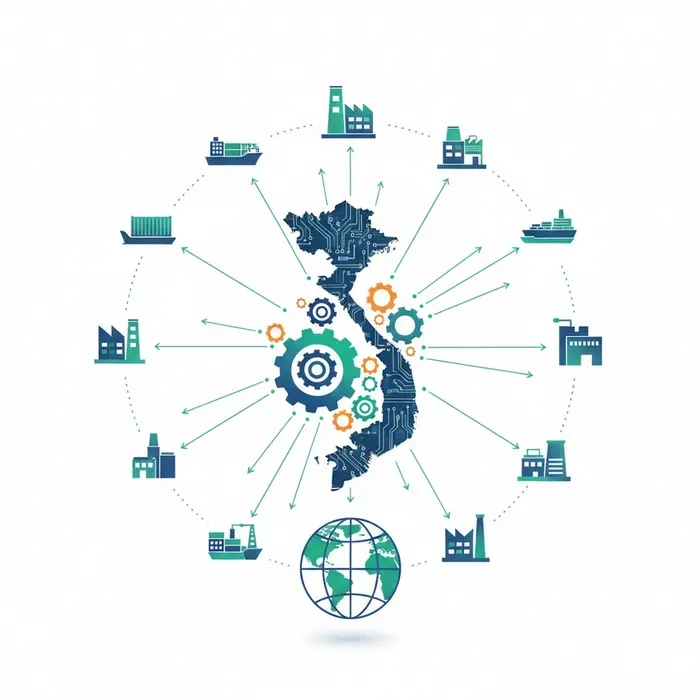
Vietnam has rapidly emerged as a formidable global manufacturing powerhouse, transforming its economy and solidifying its position within international supply chains. Over the past two decades, the nation has shifted from a primarily agrarian economy to one driven by industrial output and exports. This remarkable ascent is a testament to strategic government policies, significant foreign direct investment (FDI), a young and skilled workforce, and a proactive approach to trade liberalization. Tracking Vietnam export trends reveals a consistent upward trajectory, making it an increasingly attractive destination for global companies looking to diversify their production bases and optimize costs.
1. Electronics and Textiles Dominance
At the heart of Vietnam’s manufacturing success are its well-established electronics and textile sectors, which have long been the twin pillars of its export economy. The electronics industry, particularly, has witnessed explosive growth, attracting tech giants like Samsung, LG, and Foxconn. These companies have invested heavily in manufacturing facilities for smartphones, tablets, televisions, and other high-tech components, making Vietnam a crucial node in the global electronics supply chain. This influx of investment has not only boosted Vietnam manufacturing exports significantly but also fostered a robust ecosystem of local suppliers and skilled labor.
Similarly, the textile and garment industry, leveraging a competitive labor force and favorable trade agreements, remains a substantial contributor. Vietnamese factories produce a wide array of apparel and footwear for leading international brands, showcasing high quality and efficient production capabilities. While these sectors have been foundational, Vietnam is continually enhancing its value chain, moving towards more complex and higher-value-added processes within both electronics and textiles.
2. Diversification into High-Tech Manufacturing
Beyond its traditional strengths, Vietnam is strategically diversifying its manufacturing base into more sophisticated and high-tech industries. This shift is crucial for sustained economic growth and includes areas such as automotive parts, precision machinery, medical devices, and renewable energy components. The government has actively promoted this diversification through incentives for R&D, advanced technology adoption, and vocational training programs aimed at upskilling the workforce. Foreign investors are increasingly recognizing Vietnam’s potential as a hub for complex manufacturing, drawn by its stable political environment, improving infrastructure, and commitment to innovation. This diversification not only reduces reliance on a few key sectors but also positions Vietnam favorably in emerging global industries, attracting more specialized foreign direct investment and fostering technological transfer.
3. Supply Chain Resilience and Innovation
The global challenges of recent years have underscored the importance of resilient supply chains, and Vietnam has emerged as a key player in this regard. Its strategic geographic location, coupled with continuous investment in infrastructure — including deep-sea ports, expressways, and logistics hubs — has made it an attractive alternative to traditional manufacturing powerhouses. Furthermore, the nation is actively embracing innovation in its manufacturing processes, adopting Industry 4.0 technologies such as automation, AI, and big data analytics to enhance efficiency and competitiveness. Companies looking for reliable and agile production partners are increasingly sourcing from Vietnam suppliers, benefiting from its robust infrastructure and responsive industrial policies. The government’s emphasis on digital transformation and green manufacturing practices further solidifies Vietnam’s appeal as a forward-thinking global manufacturing hub, ready to adapt to future market demands and disruptions.
In conclusion, Vietnam’s journey from an emerging economy to a global manufacturing leader is a compelling narrative of strategic foresight and execution. With its robust electronics and textile sectors, aggressive diversification into high-tech manufacturing, and unwavering commitment to supply chain resilience and innovation, Vietnam continues to solidify its status as a pivotal player in the international trade landscape. Its dynamic growth trajectory and adaptability make it a critical hub for businesses worldwide, shaping the future of global production and export.
Strategic Sourcing from Vietnam Suppliers
Vietnam has rapidly emerged as a powerhouse in the global supply chain, presenting unparalleled opportunities for businesses seeking diverse and cost-effective sourcing solutions. Driven by favorable trade policies, a burgeoning manufacturing sector, and a skilled workforce, Vietnam export trends show a consistent upward trajectory across various sectors. This section provides practical insights for businesses looking to source products from Vietnam, covering the compelling benefits, potential hurdles, and essential best practices to ensure a successful sourcing strategy.
The shift towards Vietnam is not merely a search for lower labor costs; it’s a strategic move to diversify supply chains, tap into a resilient economy, and leverage a country that is increasingly integrated into global trade agreements. While the allure is strong, navigating the Vietnamese sourcing landscape requires a methodical approach, understanding both its vast potential and specific operational nuances. From textiles and electronics to Vietnam agricultural exports, the country offers a broad spectrum of products, making it a pivotal player in modern international trade.
1. Identifying Reliable Suppliers and Partners
The foundation of successful sourcing from Vietnam suppliers lies in rigorous supplier identification and vetting. Given the expansive nature of Vietnam’s manufacturing and agricultural sectors, distinguishing between established, high-quality partners and less reliable entities is crucial. Begin by leveraging B2B platforms, attending local trade fairs (both in Vietnam and international expos featuring Vietnamese companies), and consulting industry associations. Performing thorough due diligence, including background checks, factory audits, and verifying business registrations, is paramount.
Look for suppliers with a proven track record, clear communication channels, and a willingness to engage in long-term relationships. Examining their export history and customer references can provide valuable insights. For deeper dives, consider engaging local sourcing agents or consultants who possess intimate knowledge of the market and can offer on-the-ground support. Utilizing sophisticated Vietnam trade data analysis can further aid in identifying key players within specific industries, assessing their export volumes, and understanding their market reach. This data-driven approach helps minimize risks and maximize the potential for partnering with reliable, high-performing suppliers, whether for specialized components or large-scale Vietnam manufacturing exports.
2. Logistics and Infrastructure Considerations
Vietnam’s strategic geographical location and ongoing investments in infrastructure have significantly enhanced its logistical capabilities, yet careful planning remains essential. Key port cities like Ho Chi Minh City (Cat Lai), Hai Phong, and Da Nang serve as vital gateways for international trade, offering extensive shipping routes. Understanding the proximity of your chosen suppliers to these ports is critical for optimizing lead times and reducing inland transportation costs. Road networks are continually improving, but traffic congestion, especially around major urban centers, can impact transit times.
When dealing with products like Vietnam agricultural exports, specialized logistics, including cold chain storage and refrigerated transport, become non-negotiable. Similarly, for electronics or delicate manufactured goods, secure and climate-controlled warehousing solutions are vital. Partnering with reputable third-party logistics (3PL) providers with strong local networks can streamline customs clearance, warehousing, and last-mile delivery. Familiarize yourself with Vietnam’s customs regulations, import/export documentation requirements, and potential tariffs to avoid delays and unexpected costs. A well-structured logistics plan is the backbone of efficient sourcing, ensuring products move smoothly from the factory floor to their final destination.
3. Quality Control and Compliance Standards
Maintaining consistent product quality and ensuring compliance with international and destination-country standards is a non-negotiable aspect of strategic sourcing. While many Vietnamese suppliers adhere to high standards, proactive quality control (QC) measures are indispensable. Implement a robust QC strategy that includes pre-production inspections, in-line process checks, and final random inspections before shipment. Engaging independent third-party inspection agencies is often recommended to provide unbiased assessments and verify product specifications, packaging, and labeling.
Beyond product quality, ensuring ethical sourcing and social compliance is increasingly important. Verify that your suppliers adhere to labor laws, environmental regulations, and internationally recognized standards such as SA8000 or ISO 14001. Requesting factory audit reports and conducting your own periodic visits can help monitor compliance. For specific product categories, ensure adherence to relevant certifications (e.g., CE, RoHS for electronics; organic certifications for agricultural goods). Clear communication of your quality expectations, documentation of specifications, and a well-defined corrective action process will help mitigate risks and build a sustainable sourcing relationship, protecting both your brand’s reputation and your bottom line when engaging in Vietnam manufacturing exports or any other product category.
Vietnam Trade Data Analysis & Future Projections 2025
Synthesizes recent Vietnam trade data to offer a comprehensive analysis and provides projections for the country’s export landscape in the coming year.
Vietnam has cemented its position as a dynamic powerhouse in global trade, consistently demonstrating remarkable resilience and growth amidst a fluctuating international economic climate. As businesses worldwide recalibrate their supply chains and explore new markets, understanding the latest Vietnam export trends is crucial. This analysis delves into recent trade performance, identifies emerging opportunities, and offers strategic recommendations for companies looking to leverage Vietnam’s burgeoning export capabilities into 2025.
1. Review of Recent Export Performance
Vietnam’s export sector has continued its upward trajectory, albeit with some sector-specific variations influenced by global demand shifts and geopolitical factors. Preliminary data for 2024 indicates robust growth in key segments, reaffirming Vietnam’s role as a critical link in international supply chains. The nation’s diversified export portfolio has been a cornerstone of this stability. Vietnam manufacturing exports, particularly electronics (smartphones, components), textiles, and footwear, remain significant contributors to the overall trade balance. Major markets, including the United States, the European Union, China, and ASEAN countries, continue to be primary destinations for Vietnamese goods.
Beyond manufactured goods, Vietnam agricultural exports have also performed strongly. Commodities such as coffee, rice, seafood, and fruits have seen sustained demand, bolstered by improved cultivation techniques, quality control, and strategic market access. Despite global inflationary pressures and some logistical challenges, Vietnam’s trade agreements, including the CPTPP, EVFTA, and RCEP, have provided preferential access and fostered a conducive environment for export expansion. The government’s proactive approach to trade liberalization and investment promotion has further streamlined processes, making it increasingly attractive for global businesses.
2. Emerging Markets and New Opportunities
Looking ahead to 2025, Vietnam is strategically diversifying its export destinations and product offerings. While traditional markets remain vital, there’s an increasing focus on emerging economies in South Asia, Africa, and Latin America. These regions represent untapped potential for Vietnamese products, driven by growing middle-class populations and increasing demand for affordable, quality goods. Digital transformation and e-commerce platforms are also opening new avenues for Vietnamese exporters to reach a broader international customer base, circumventing traditional distribution channels.
New opportunities are also arising from Vietnam’s commitment to sustainability and high-tech industries. The country is making strides in developing green manufacturing, renewable energy components, and digital services, positioning itself as a hub for future-oriented exports. Furthermore, the shift in global supply chains towards resilience and diversification post-pandemic benefits Vietnam, as companies seek alternatives to consolidate their production bases. The continued growth in foreign direct investment (FDI) into high-tech sectors underscores this trend, promising a more sophisticated and value-added export mix in the coming years. Insights from the World Trade Organization’s recent reports often highlight Vietnam as a key player in Asia’s trade evolution.
3. Strategic Recommendations for Businesses
For international businesses keen on engaging with Vietnam’s burgeoning export sector, strategic planning is paramount. Firstly, conducting thorough Vietnam trade data analysis is essential to identify high-growth product categories and market segments. This data-driven approach can inform product development and market entry strategies. Secondly, focusing on supply chain resilience and sustainability is no longer optional; it’s a competitive imperative. Businesses should partner with Vietnamese suppliers who demonstrate strong ethical practices and a commitment to environmental standards, aligning with global consumer and regulatory demands.
Thirdly, leveraging the comprehensive network offered by platforms like VietnamSuppliers.com can significantly streamline the process of sourcing from Vietnam suppliers. These platforms provide direct access to verified manufacturers and exporters, facilitating efficient communication and secure transactions. Finally, investing in local expertise and cultural understanding is crucial for long-term success. Building strong relationships with Vietnamese partners, understanding local regulations, and adapting to market nuances will unlock the full potential of Vietnam’s dynamic export landscape.
Partner with Vietnam’s Leading Suppliers
Looking for reliable suppliers in Vietnam? Contact VietnamSuppliers.com today to connect with verified manufacturers and exporters across all industries.
—————————————
References
– sourcing from Vietnam suppliers: https://www.worldbank.org/en/country/vietnam/overview
– USDA FAS GAIN report on Vietnam’s agricultural production and trade: https://www.fas.usda.gov/data/vietnam-agricultural-production-and-trade-update-2
– World Bank WITS – Vietnam Trade Data: https://wits.worldbank.org/countrysnapshot/en/VNM
– World Bank: Vietnam Overview: https://www.worldbank.org/en/country/vietnam/overview
– World Trade Organization Report on Trade Trends: https://www.wto.org/english/news_e/news24_e/wto_report_highlights_evolving_trade_trends_e.htm