Introduction to Vietnam’s Footwear Industry
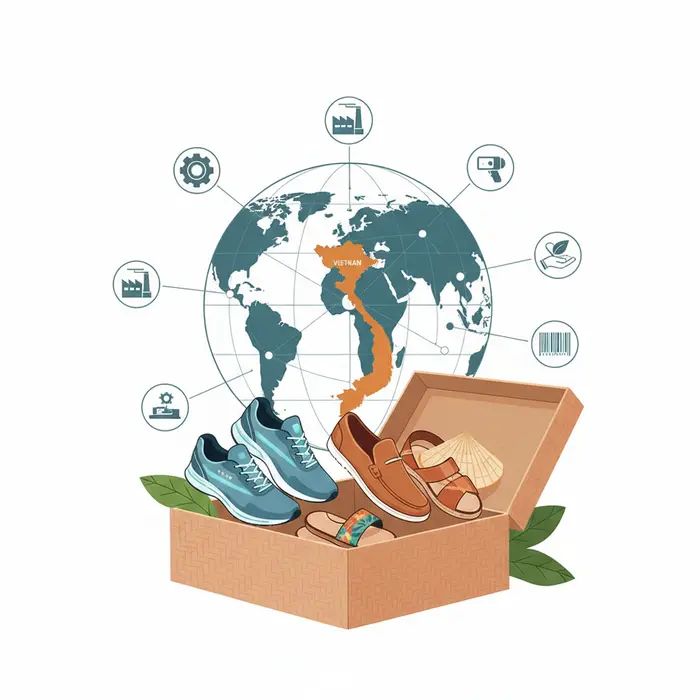
In recent decades, Vietnam has strategically positioned itself as a global powerhouse in footwear manufacturing, becoming an indispensable link in the international supply chain for shoes. What was once a nascent industry has burgeoned into a sophisticated ecosystem attracting major international brands and buyers worldwide. The ascent of Vietnam Footwear Manufacturers is no accident; it is the culmination of competitive advantages, a highly skilled and adaptable labor force, and a strategic geographical location that facilitates international trade. This synergy has transformed Vietnam into the second-largest footwear exporter globally, a testament to its robust industrial growth and commitment to quality.
1. Growth Trajectory and Global Market Position
Vietnam’s journey to becoming a dominant force in the footwear industry is a compelling story of economic transformation. Over the past two decades, the nation has steadily climbed the ranks, largely due to foreign direct investment (FDI) and a proactive government strategy to attract manufacturing. Global brands, initially seeking alternatives to China, found an ideal environment in Vietnam, fostering a significant transfer of technology and expertise. Today, Vietnam proudly holds its position as the second largest footwear exporter globally, trailing only China. This impressive market share is not just about volume; it encompasses a diverse range of products, from high-performance athletic shoes for brands like Nike and Adidas to sophisticated fashion footwear and durable work boots. The industry employs millions, driving economic growth and creating a strong foundation for continued expansion.
2. Key Advantages for International Buyers
For international buyers seeking reliable and efficient production partners, Vietnam offers a compelling suite of advantages:
- Competitive Cost Structure: While labor costs in Vietnam have seen a gradual increase, they remain highly competitive compared to many other manufacturing hubs. This allows for cost-effective production without compromising on quality, making it an attractive destination for wholesale footwear Vietnam.
- Highly Skilled and Adaptable Workforce: Decades of experience in shoemaking have cultivated a workforce renowned for its precision, craftsmanship, and adaptability. Vietnamese workers are adept at handling complex designs, utilizing advanced machinery, and quickly adopting new production techniques, ensuring high-quality output for everything from basic designs to intricate custom shoe manufacturing Vietnam projects.
- Strategic Location and Robust Infrastructure: Vietnam’s elongated coastline and numerous deep-water ports, such as Ho Chi Minh City, Haiphong, and Da Nang, provide excellent logistical advantages. Its proximity to key Asian markets and major international shipping routes reduces transit times and costs. The government continues to invest heavily in transportation and industrial zones, further streamlining supply chains for Vietnam shoe factory list operations.
- Favorable Trade Agreements: Vietnam benefits from an extensive network of Free Trade Agreements (FTAs), including the Comprehensive and Progressive Agreement for Trans-Pacific Partnership (CPTPP), the EU-Vietnam Free Trade Agreement (EVFTA), and the Regional Comprehensive Economic Partnership (RCEP). These agreements significantly reduce tariffs and streamline customs procedures, making Vietnamese-made footwear more competitive in global markets.
- Flexibility and Customization: Vietnam Footwear Manufacturers are equipped to handle diverse orders, from large-volume productions for major brands to smaller, more specialized runs for emerging labels. This flexibility extends to private label footwear Vietnam solutions, allowing brands to develop and produce their unique collections with confidence.
3. Sustainability and Ethical Manufacturing Standards
In an era where consumers and brands increasingly prioritize environmental and social responsibility, Vietnam’s footwear industry is making significant strides towards sustainability and ethical manufacturing. Many Vietnam shoe factory list members are investing in green technologies, such as solar power, water recycling systems, and waste reduction programs, to minimize their ecological footprint. There’s a growing adoption of eco-friendly materials, including recycled components, organic cotton, and responsibly sourced leather, aligning with global demand for sustainable products.
Furthermore, Vietnamese factories are increasingly committed to upholding stringent ethical labor practices. Compliance with international standards such as Business Social Compliance Initiative (BSCI), Sedex, and SA8000 is becoming commonplace, ensuring fair wages, safe working conditions, and respect for worker rights. This commitment not only enhances the industry’s reputation but also provides international buyers with the assurance that their products are manufactured responsibly, meeting the evolving ethical expectations of global consumers.
The combination of these factors – a dynamic growth trajectory, compelling advantages for buyers, and a strong push towards sustainable and ethical practices – solidifies Vietnam’s standing as a premier destination for footwear manufacturing. Its ongoing evolution ensures it will remain a critical player in the global footwear landscape for years to come.
Finding Your Ideal Vietnam Footwear Manufacturers
Vietnam has firmly established itself as a global powerhouse in footwear manufacturing, attracting brands and retailers worldwide with its skilled labor, competitive costs, and robust supply chain infrastructure. However, navigating the landscape of Vietnam footwear manufacturers to find your ideal partner requires a strategic approach. This guide provides a practical roadmap to identify, vet, and select the best Vietnam shoe factory list for your specific production needs, ensuring a smooth transition from concept to consumer.
1. Crafting a Comprehensive Vietnam Shoe Factory List
The initial step in securing your manufacturing partner involves compiling a robust list of potential Vietnam footwear manufacturers. Start by leveraging online B2B platforms like Alibaba, Global Sources, and Vietnam-specific directories. While these offer a broad reach, also consider more specialized industry portals and trade association websites. Attending international trade shows, both within Vietnam and globally, can provide invaluable face-to-face interaction with factory representatives and an opportunity to see samples firsthand. Networking within industry groups and seeking recommendations from peers who have experience with wholesale footwear Vietnam production can also yield high-quality leads. During this initial phase, cast a wide net, gathering contact information, primary product specializations (e.g., athletic, casual, dress, safety shoes), and any stated Minimum Order Quantity (MOQ) ranges. Focus on factories that openly communicate their capabilities for custom shoe manufacturing Vietnam or private label footwear Vietnam, as this indicates a readiness for tailored production. Remember, a comprehensive list allows for a more thorough comparative analysis later.
2. Evaluating Factory Capabilities and Specializations
Once you have a preliminary list, the next critical step is to deeply evaluate each factory’s capabilities against your specific requirements. This goes beyond a simple product list; it delves into their true operational strengths. Assess their product range: do they specialize in the specific type of footwear you need (e.g., leather boots, synthetic trainers, sustainable sandals)? Inquire about their material expertise—whether it’s sourcing high-grade leathers, advanced synthetic fabrics, or eco-friendly alternatives. Production capacity is paramount; understand their typical MOQ, their maximum output, and their ability to scale up or down with demand. Factories that boast certifications like ISO 9001 for quality management or ISO 14001 for environmental management demonstrate a commitment to international standards. Beyond certifications, delve into their internal Quality Control (QC) processes: how many inspection points do they have? Do they perform in-line, pre-shipment, and post-production checks? For brands requiring unique designs, assess their design and development capabilities. Can they assist with prototyping, pattern making, or material sourcing for new styles? This is particularly crucial for custom shoe manufacturing Vietnam. Furthermore, investigate their technological infrastructure. Modern machinery often translates to greater efficiency, precision, and consistency. Finally, consider their ethical practices, including labor conditions and environmental compliance, which are increasingly vital for brand reputation and consumer trust.
3. Due Diligence and Supplier Verification Strategies
After narrowing down your options, rigorous due diligence is essential before committing to a partnership. Begin with thorough initial contact, providing clear and detailed specifications for your product. Request comprehensive quotes, lead times, and, most importantly, samples. Receiving samples allows you to directly assess the quality of their craftsmanship, materials, and attention to detail. Whenever possible, conduct or commission a third-party factory audit. An audit provides an invaluable on-site inspection of the production facilities, worker conditions, safety protocols, quality control checkpoints, and overall operational efficiency. This step is crucial for verifying claims made by the factory and ensuring compliance with your ethical and quality standards. For insights into the broader context of manufacturing in Vietnam and its evolving supply chain challenges, resources like the Sourcing Journal’s analysis of the Vietnamese footwear industry can offer valuable perspectives. Evaluate communication responsiveness and transparency during this phase; a factory that communicates openly and promptly is likely to be a more reliable partner. Finally, when negotiating contracts, ensure all terms are meticulously documented, including payment schedules, intellectual property protection, quality assurance clauses, and dispute resolution mechanisms. Building a strong, transparent relationship with your chosen Vietnam footwear manufacturers is the foundation for long-term success.
Wholesale Footwear Vietnam: Opportunities for Buyers
Vietnam has firmly established itself as a global powerhouse in footwear manufacturing, offering immense opportunities for international buyers seeking quality, variety, and competitive pricing. From established brands looking to diversify their supply chain to emerging businesses exploring private label options, Vietnam Footwear Manufacturers provide a robust ecosystem. This section delves into the diverse options for purchasing wholesale footwear from Vietnam, exploring everything from existing collections to large-scale bulk orders, while also demystifying pricing structures and Minimum Order Quantities (MOQs).
1. Types of Wholesale Footwear Products Available
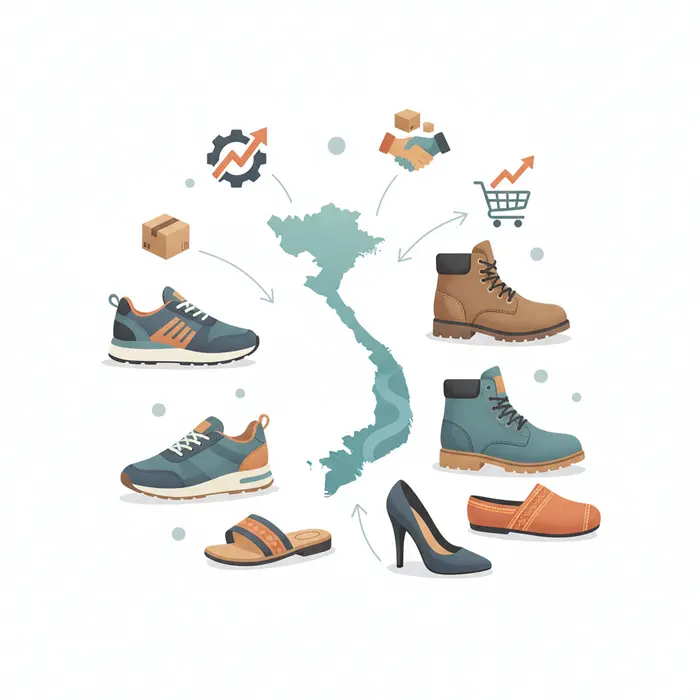
The landscape of wholesale footwear Vietnam is incredibly diverse, catering to nearly every segment of the market. Buyers can find an extensive range of products, reflecting the country’s versatile manufacturing capabilities. This includes athletic footwear, where many global sports brands have long-standing partnerships with Vietnam shoe factory list entries, renowned for their precision and advanced production lines. Casual shoes, from stylish sneakers and comfortable loafers to sandals and flip-flops, are also widely available. Furthermore, Vietnam excels in producing specialized footwear, such as safety shoes, hiking boots, and even fashion-forward dress shoes. For businesses looking for bespoke solutions, custom shoe manufacturing Vietnam services are highly developed, allowing for unique designs, material specifications, and branding. The option for private label footwear Vietnam is particularly attractive for retailers aiming to build their own brand identity without the complexities of setting up their own production facilities. Whether you need high-volume athletic wear or niche fashion items, Vietnamese manufacturers offer unparalleled flexibility and expertise.
2. Navigating Minimum Order Quantities (MOQs) and Pricing
Understanding MOQs and pricing structures is crucial for any buyer engaging with Vietnam Footwear Manufacturers. MOQs can vary significantly based on the factory’s size, production capabilities, and the complexity of the footwear product. For large-scale factories serving international brands, MOQs might start from 1,000 to 3,000 pairs per style/color, leveraging economies of scale for lower unit costs. However, many medium-sized factories and specialized workshops cater to smaller orders, often with MOQs ranging from 300 to 500 pairs, making wholesale footwear Vietnam accessible to a broader range of businesses, including startups and niche brands. Pricing is typically competitive, driven by lower labor costs compared to Western nations and efficient supply chains. Factors influencing price include material quality, design complexity, order volume, and any specific certifications required. It’s advisable to communicate your target price range and expected volume upfront to manufacturers to receive accurate quotes. Many factories offer tiered pricing, where larger orders result in lower per-unit costs, incentivizing bulk purchases. Negotiation is often possible, especially for long-term partnerships or significant commitments.
3. Efficient Logistics and Shipping for Wholesale Orders
Efficient logistics and shipping are vital components of successful wholesale footwear Vietnam procurement. Vietnam’s strategic geographical location and well-developed port infrastructure facilitate smooth international trade. Major seaports like Ho Chi Minh City, Haiphong, and Da Nang serve as key gateways for exporting footwear worldwide. Most Vietnam shoe factory list members are experienced in handling international shipments and can assist with freight forwarding, customs documentation, and various incoterms (e.g., FOB, CIF, EXW). Air cargo is also an option for urgent or smaller high-value orders, though at a higher cost. Buyers should consider lead times, which typically range from 45 to 90 days depending on the order size, product complexity, and seasonality. Establishing clear communication channels with manufacturers regarding production schedules and shipping timelines is essential. The global footwear market continues to grow, with Asia, particularly countries like Vietnam, playing an increasingly dominant role in production and exports, making robust logistics solutions critical for maintaining market competitiveness. According to the International Trade Centre, Vietnam is a top exporter of footwear globally, underscoring its logistical prowess and integration into global supply chains. Partnering with manufacturers who have strong logistical networks ensures timely and cost-effective delivery of your private label footwear Vietnam or custom shoe manufacturing orders.
Custom & Private Label Footwear Manufacturing
Vietnam has firmly established itself as a global powerhouse in footwear manufacturing, attracting brands worldwide seeking quality, efficiency, and competitive pricing. For businesses looking to launch their own shoe lines or expand existing ones, understanding the intricacies of Vietnam Footwear Manufacturers and the benefits of custom and private label production is crucial. This section delves into the comprehensive processes and distinct advantages of engaging with custom shoe manufacturing Vietnam and building a robust private label footwear Vietnam brand, from initial design concepts to the final product hitting the market.
1. Custom Shoe Manufacturing Vietnam: Design-to-Production Workflow
The journey of custom shoe manufacturing begins with a vision. Clients typically approach Vietnam Footwear Manufacturers with detailed designs, sketches, or even just conceptual ideas. The initial phase involves collaborative design refinement, where technical experts from the factory work closely with the brand to translate the creative vision into practical, manufacturable specifications. This includes selecting appropriate materials – from leather and synthetic fabrics to outsoles and accessories – ensuring they align with the shoe’s intended use, aesthetic, and target price point. The factory’s design and development team then creates detailed technical packs, patterns, and lasts (shoe molds) that serve as the blueprint for production. Utilizing advanced CAD software and skilled artisans, these factories ensure precision and accuracy at every step. This meticulous design-to-production workflow is a hallmark of custom shoe manufacturing Vietnam, ensuring that each pair meets the client’s exact specifications and quality expectations.
2. Private Label Footwear Vietnam: Building Your Brand Identity
Private label footwear offers an unparalleled opportunity for businesses to establish a unique brand identity without the overhead of owning a manufacturing facility. In Vietnam, numerous factories specialize in private label services, meaning they produce shoes according to a client’s design and specifications, then brand them with the client’s label. This model provides significant advantages, including full control over product design, material quality, and pricing strategy, allowing brands to carve out a distinct niche in the market. Private label footwear Vietnam factories assist not only in production but also often in branding elements like custom packaging, hang tags, and even advising on material choices that align with the brand’s ethos. Sourcing through a reliable Vietnam shoe factory list or working with wholesale footwear Vietnam suppliers who offer private label services empowers businesses to differentiate themselves, build customer loyalty, and scale their operations effectively.
3. Prototyping, Sampling, and Quality Control Best Practices
Crucial to the success of both custom and private label footwear production are the prototyping, sampling, and rigorous quality control stages. After the design is finalized, a prototype (or master sample) is created. This initial sample is critical for evaluating design aesthetics, fit, comfort, and manufacturability. Clients review the prototype, provide feedback, and iterative adjustments are made until the sample perfectly matches the brand’s vision. This iterative sampling process ensures that all specifications are met before mass production begins. For example, Vietnam’s pivotal role in global footwear production is underpinned by its factories’ commitment to these stringent processes. Quality control (QC) is implemented at multiple stages: incoming material inspection, in-line production checks, and a final pre-shipment inspection. Dedicated QC teams within Vietnam Footwear Manufacturers meticulously inspect components, stitching, assembly, and finished products to identify and rectify any defects, ensuring that the final output consistently meets international quality standards and the client’s specific requirements. This commitment to quality assurance protects the brand’s reputation and ensures consumer satisfaction.
Challenges, Trends, and the Future Outlook
The landscape of global manufacturing is ever-evolving, and for businesses looking to source footwear, understanding the intricacies of operating in key hubs like Vietnam is paramount. While Vietnam has solidified its position as a powerhouse in footwear production, Vietnam Footwear Manufacturers, like any major industry, face a unique set of challenges and are constantly adapting to emerging trends. Looking ahead, technological advancements and shifts in market demand will undoubtedly shape the long-term prospects for the industry, influencing everything from specialized manufacturing to large-scale wholesale operations.

1. Overcoming Communication and Cultural Barriers
One of the foundational challenges in international sourcing, particularly from Vietnam, revolves around navigating communication and cultural differences. Language barriers, primarily between Vietnamese and English, can lead to misunderstandings in specifications, deadlines, and quality expectations. Beyond language, nuanced business etiquette and differing communication styles present significant hurdles. Vietnamese business culture often prioritizes indirect communication and relationship-building, which can contrast with more direct Western approaches. Perceptions of time and urgency can also vary, impacting project timelines and lead times. To effectively bridge these gaps, businesses should consider hiring bilingual staff or investing in professional translation services. Cultural sensitivity training for sourcing teams is invaluable, fostering a deeper understanding and respect for local customs. Establishing clear, documented communication protocols, utilizing visual aids for technical specifications, and regular face-to-face meetings (when feasible) can significantly enhance collaboration. Building long-term relationships founded on trust and mutual understanding is key to successful partnerships, especially for complex projects like custom shoe manufacturing Vietnam, ensuring smooth operations and high-quality outcomes.
2. Supply Chain Resilience and Risk Management Strategies
The global supply chain has demonstrated its vulnerability to various disruptions in recent years, from geopolitical tensions and trade wars to natural disasters and pandemics. For businesses working with a Vietnam shoe factory list, managing these risks is critical for uninterrupted production and timely delivery. Raw material price volatility, logistical bottlenecks (especially in shipping), and potential labor shortages pose ongoing challenges. Furthermore, intellectual property theft remains a concern that requires vigilant monitoring and robust legal frameworks. Developing comprehensive risk management strategies involves several layers. Firstly, diversifying suppliers, both within Vietnam and potentially across other Southeast Asian nations, can mitigate over-reliance on a single source. Implementing advanced traceability systems for materials and products enhances transparency and accountability. Contingency planning for various scenarios, such as natural disasters or port closures, is essential. Investing in technology for real-time supply chain tracking provides visibility and allows for proactive problem-solving. Fostering strong, collaborative relationships with logistics partners and ensuring adherence to ethical sourcing practices and international compliance standards are also paramount. The ability to adapt quickly to unforeseen circumstances is now a defining characteristic of successful supply chains. According to a report by McKinsey & Company, strengthening supply chain resilience through diversification and digitization is a top priority for global businesses, highlighting the strategic importance of these measures in the footwear industry. Read more about supply chain resilience.
3. Innovation, Automation, and Future Market Shifts
The future of footwear manufacturing in Vietnam is inextricably linked to innovation and technological adoption. Emerging trends are dictating a shift towards more sustainable and eco-friendly production methods, with increasing demand for footwear made from recycled materials, bio-based alternatives, and processes that minimize water and energy consumption. Consumers are also seeking greater customization and personalization, pushing manufacturers to explore agile production models. The integration of “smart” footwear technology, such as embedded sensors for health monitoring or performance tracking, is another growing niche. Advanced manufacturing techniques, including 3D printing for prototypes and specialized components, and robotic automation for repetitive tasks like cutting, stitching, and finishing, are becoming increasingly prevalent in modern factories. Artificial intelligence (AI) is being deployed for quality control, predictive maintenance, and optimizing production schedules, while Enterprise Resource Planning (ERP) systems streamline operations from order to delivery. These technological advancements not only enhance efficiency and product quality but also address labor-intensive aspects of production. Future market shifts will continue to emphasize transparency in the supply chain, rapid fashion cycles requiring highly responsive manufacturing, and the continued growth of e-commerce and direct-to-consumer (DTC) models. Adapting to these changes is vital for wholesale footwear Vietnam suppliers who aim to remain competitive. Vietnam’s adaptability and willingness to embrace these innovations will be crucial in solidifying its long-term position as a global leader in footwear manufacturing, ensuring that Vietnamese factories continue to meet evolving global demands.
Partner with Vietnam’s Leading Suppliers
Looking for reliable suppliers in Vietnam? Contact VietnamSuppliers.com today to connect with verified manufacturers and exporters across all industries.
—————————————
References
– Vietnam consolidates its position as the second largest footwear exporter in the world – World Footwear: https://www.worldfootwear.com/news/vietnam-consolidates-its-position-as-the-second-largest-footwear-exporter-in-the-world/6710.html
– As Vietnam’s Footwear Industry Grows, It Faces Supply Chain Challenges: https://sourcingjournal.com/footwear/footwear-news/vietnam-footwear-industry-supply-chain-challenges-us-trade-tariffs-249576/
– :
– Vietnam Consolidates Its Position as the Second Largest Footwear Producer Worldwide: https://www.worldfootwear.com/news/vietnam-consolidates-its-position-as-the-second-largest-footwear-producer-worldwide/6078.html
– Read more about supply chain resilience: https://www.mckinsey.com/capabilities/operations/our-insights/the-future-of-supply-chains-resilience-reimagined