What is Supply Chain Resilience?
In an era marked by unprecedented volatility and interconnectedness, the concept of supply chain resilience has transitioned from a niche concern to a strategic imperative for businesses worldwide. It encompasses the ability of a supply chain to anticipate, prepare for, respond to, and recover from disruptions, ultimately minimizing their impact and ensuring continuous operations and customer satisfaction. This crucial capability allows companies to navigate the complexities of today’s global economy, where unforeseen events can arise from economic shifts, geopolitical tensions, natural disasters, cyber-attacks, or public health crises. Developing resilience isn’t merely about bouncing back; it’s about building a robust, adaptable system that can withstand shocks and even emerge stronger.
1. Defining Supply Chain Resilience
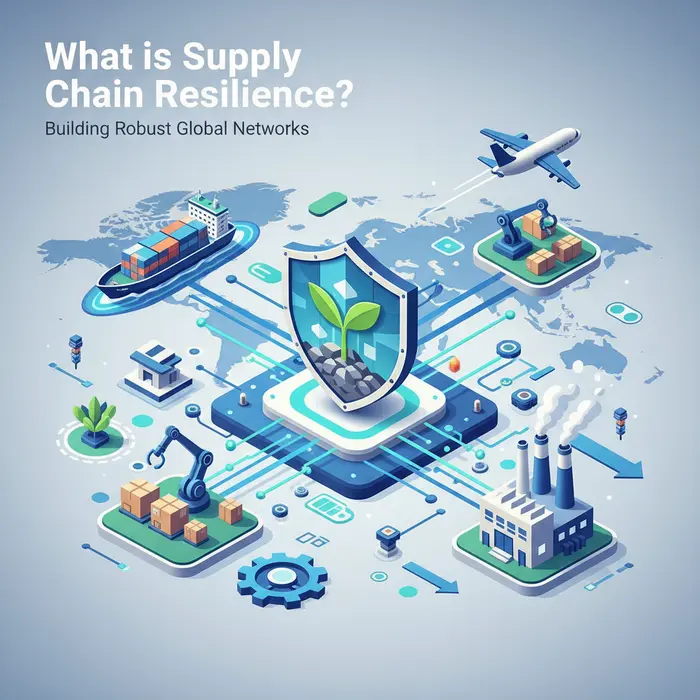
Supply chain resilience can be formally defined as the capacity of a supply chain to resist disruption and recover from its effects. It goes beyond mere efficiency, which often prioritizes cost reduction and lean operations. While efficiency remains important, resilience introduces a critical counterbalancing force, focusing on robustness and agility. At its core, it involves a strategic shift from merely reacting to problems to proactively building in safeguards and adaptive mechanisms. Key elements of this definition include preparedness (anticipating potential risks), responsiveness (acting quickly when disruptions occur), and recovery (restoring normal operations efficiently). Effective supply chain resilience strategies enable businesses to maintain operational continuity, protect their reputation, and safeguard their financial performance even when faced with significant external pressures. It’s about creating a system that is not brittle but flexible and robust.
2. The Growing Importance in a Volatile World
The imperative for supply chain resilience has never been more evident. Recent years have exposed the fragility of global supply networks, highlighting the devastating impact that various global supply chain disruptions can have. The COVID-19 pandemic, for instance, revealed vulnerabilities across nearly every industry, from manufacturing stoppages and logistical bottlenecks to sudden shifts in consumer demand. Geopolitical conflicts, such as the war in Ukraine, have further complicated global trade routes and commodity prices. Moreover, the increasing frequency and intensity of natural disasters, alongside growing cyber threats, constantly pose new challenges. These causes of supply chain disruptions underscore why businesses operating in today’s dynamic and unpredictable global economy must prioritize resilience. A resilient supply chain can mitigate financial losses, maintain customer trust, ensure market competitiveness, and ultimately secure long-term sustainability in an unpredictable operational landscape.
3. Key Characteristics of a Resilient Supply Chain
Building a resilient supply chain involves embedding specific characteristics throughout its design and operation. These include:
- Visibility: Enhanced supply chain visibility is foundational. This means having real-time, end-to-end insight into all processes, inventory levels, and supplier activities. Without clear visibility, identifying potential disruptions or assessing their impact becomes nearly impossible.
- Agility: An agile supply chain can respond quickly and effectively to changes, whether they are market shifts or unexpected disruptions. This often involves flexible production capabilities, adaptable transportation networks, and rapid decision-making processes.
- Flexibility: The ability to adapt to varying demands and conditions, often through diversified sourcing, multiple production sites, or alternative routes. This reduces reliance on single points of failure.
- Collaboration: Strong relationships with suppliers, customers, and logistics partners are vital. Open communication and shared risk management foster a collective ability to respond to challenges.
- Redundancy: While often seen as inefficient, strategic redundancy (e.g., holding safety stock, having backup suppliers, or alternative manufacturing locations) can be a lifeline during a crisis. It’s a calculated investment against potential high-impact events.
- Robust Risk Mitigation Strategies: Implementing comprehensive supply chain risk mitigation strategies involves identifying potential risks, assessing their likelihood and impact, and developing contingency plans. This proactive approach helps in preparing for a wide range of scenarios, from minor glitches to major catastrophes.
By integrating these characteristics, businesses can transform their supply chains into dynamic assets capable of weathering storms and adapting to the ever-evolving demands of the global market.
Common Causes of Supply Chain Disruptions
In an increasingly interconnected global economy, supply chains are the lifeblood of commerce, but they are also susceptible to a myriad of challenges. Understanding the causes of supply chain disruptions is paramount for businesses aiming to maintain operational continuity, protect profitability, and ensure customer satisfaction. These disruptions can stem from various internal and external factors, ranging from unforeseen natural events to evolving market dynamics and technological vulnerabilities. Developing strong supply chain resilience — the ability to anticipate, absorb, adapt to, and recover from disruptions — is no longer a luxury but a strategic imperative. This involves proactive planning, enhanced supply chain visibility, and robust risk mitigation strategies.
Natural Disasters and Geopolitical Events
Natural disasters are among the most unpredictable and devastating causes of supply chain disruptions. Earthquakes, hurricanes, floods, tsunamis, wildfires, and even global pandemics (like COVID-19) can abruptly halt production, damage infrastructure, block transportation routes, and impact labor availability. The ripple effect can be catastrophic, leading to immediate shortages, price spikes, and significant delays across multiple tiers of the supply chain. For instance, a natural disaster in a key manufacturing hub can disrupt global electronics production or automotive supply for months.
Equally impactful are geopolitical events. Wars, trade disputes, tariffs, sanctions, and political instability in critical regions can dramatically alter trade flows, increase logistics costs, and even make certain sourcing channels unviable. Tensions between nations can lead to sudden border closures, export restrictions, and shifts in global alliances, forcing companies to quickly re-evaluate their supplier networks and re-route shipments. These events underscore the critical need for diversified sourcing strategies and robust supply chain risk mitigation strategies to buffer against localized shocks.
Economic Fluctuations and Market Shifts
Economic volatility presents another significant category of supply chain disruption. Recessions, inflation, currency fluctuations, and interest rate changes can drastically impact consumer demand, production costs, and overall market stability. A sudden downturn in the economy can lead to decreased sales, excess inventory, and financial strain for suppliers, while inflationary pressures can erode profit margins and increase raw material costs.
Beyond broad economic cycles, specific market shifts driven by changing consumer preferences, technological advancements, or new regulatory landscapes can also create disruptions. For example, a sudden surge in demand for electric vehicles can strain the supply of critical battery components, while a shift towards sustainable packaging might render existing production lines obsolete. Without adequate supply chain visibility into demand patterns and market trends, businesses can find themselves with either too much inventory (leading to costly write-offs) or too little (resulting in lost sales and customer dissatisfaction). Effective forecasting and agile production capabilities are essential for navigating these shifts and maintaining what is supply chain resilience.
Technological Failures and Cyber Threats
In an increasingly digitalized supply chain, technological failures and cyber threats pose a growing risk. outages of IT systems, enterprise resource planning (ERP) platforms, or communication networks can bring operations to a standstill, hindering everything from order processing and inventory management to logistics and customer service. Such failures can be caused by hardware malfunctions, software bugs, or human error, but their impact can be widespread and costly.
Even more insidious are cyber threats, including ransomware attacks, data breaches, phishing scams, and denial-of-service (DoS) attacks. A successful cyberattack on a logistics provider, a manufacturer, or even a third-party vendor can compromise sensitive data, disrupt production schedules, and damage a company’s reputation. The interconnected nature of modern supply chains means that a vulnerability in one partner’s system can become an entry point for an attack on the entire network. Implementing robust cybersecurity protocols, regular system audits, and resilient backup solutions are vital components of any comprehensive supply chain risk mitigation strategies to protect against these digital threats.
In conclusion, the causes of supply chain disruptions are diverse and interconnected, necessitating a holistic approach to risk management. From natural disasters and geopolitical tensions to economic volatility and sophisticated cyberattacks, each factor presents unique challenges that can severely impact operations. Cultivating strong supply chain resilience through proactive planning, enhanced visibility, and agile response mechanisms is fundamental for businesses seeking to thrive in an unpredictable global landscape.
Effective Supply Chain Risk Mitigation Strategies
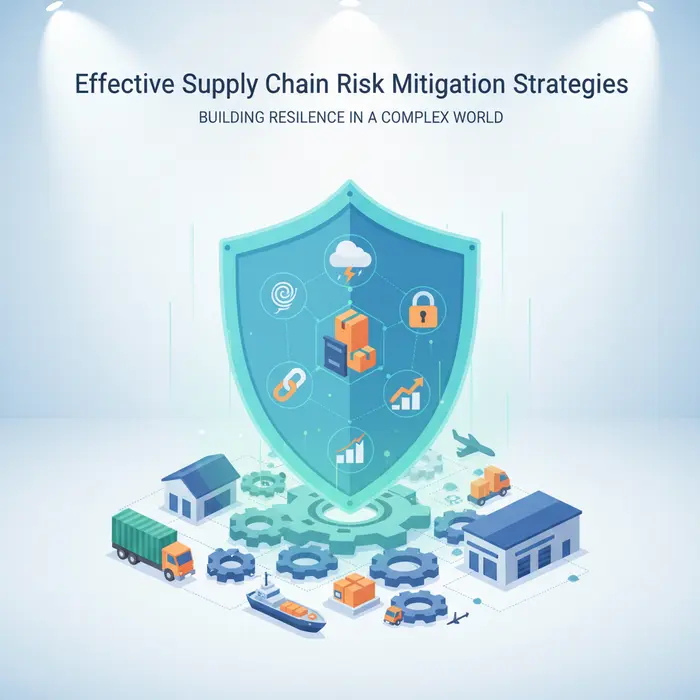
In an increasingly interconnected yet volatile global economy, ensuring robust supply chain resilience has become paramount for organizational survival and sustained growth. What is supply chain resilience? It is an organization’s ability to anticipate, prepare for, respond to, and recover from disruptions, maintaining continuity of operations and protecting its value chain. The modern supply chain faces a myriad of potential threats, from natural disasters and geopolitical instability to cyber-attacks and sudden shifts in demand or supply. Understanding the diverse causes of supply chain disruptions is the first step towards building a robust defense. This section will detail actionable supply chain risk mitigation strategies and best practices organizations can implement to proactively identify, assess, and reduce potential risks across their supply chain network, transforming vulnerabilities into sources of competitive advantage.
1. Diversification of Suppliers and Sourcing
One of the most fundamental supply chain risk mitigation strategies involves strategically diversifying an organization’s supplier base and sourcing locations. This approach directly addresses the vulnerability of relying on a single supplier or geographic region, which can lead to significant causes of supply chain disruptions if that source is compromised. Diversification means spreading risk across multiple vendors, including primary, secondary, and even tertiary suppliers, located in different countries or continents. This strategy not only enhances supply chain resilience by providing alternative supply routes but also fosters competition among suppliers, potentially leading to better pricing and service. Organizations should identify critical components and raw materials, then actively seek out qualified alternative suppliers, perhaps even from regions that have historically been overlooked. Building relationships with these diverse partners ensures that if one source experiences a disruption – be it a factory fire, a port closure, or political unrest – production can quickly shift to another, minimizing downtime and impact on customers. For a deeper dive into building resilient supply chains through diversification, refer to insights from industry experts like McKinsey & Company on Supply Chain Resilience.
2. Strategic Inventory Management
Effective inventory management is a crucial component of any robust set of supply chain risk mitigation strategies. While lean inventory practices are often lauded for cost efficiency, an overly lean approach can leave an organization exposed to severe causes of supply chain disruptions. Strategic inventory management involves finding the optimal balance between cost reduction and risk protection. This can include maintaining safety stock for critical components or finished goods, creating buffer stock at various points in the supply chain, or utilizing vendor-managed inventory (VMI) agreements. The goal is not to hoard excessive inventory but to strategically position it to absorb shocks. For example, a company might hold higher safety stock for items with long lead times or high demand variability. Furthermore, leveraging advanced analytics and supply chain visibility tools allows organizations to dynamically adjust inventory levels based on real-time data, predictive analytics, and anticipated risks. This proactive approach ensures that essential materials are available when unexpected events occur, safeguarding production schedules and customer satisfaction, thereby significantly enhancing overall supply chain resilience.
3. Contingency Planning and Scenario Modeling
Proactive contingency planning and sophisticated scenario modeling are indispensable tools for bolstering supply chain resilience. This strategy involves anticipating potential disruptions and developing detailed action plans for various crisis scenarios. Organizations must move beyond basic disaster recovery plans to embrace comprehensive business continuity strategies that cover a wide spectrum of causes of supply chain disruptions. Scenario modeling, powered by robust data analytics and supply chain visibility, allows businesses to simulate the impact of different disruptions – such as a major supplier failure, a sudden surge in demand, or a transportation bottleneck – on their operations, finances, and customer relationships. By running these “what-if” analyses, companies can identify vulnerabilities, stress-test existing plans, and develop specific responses, including alternative logistics routes, emergency production shifts, or communication protocols. These plans should be regularly reviewed, updated, and practiced through tabletop exercises or drills to ensure their effectiveness and to familiarize teams with their roles. A well-defined contingency plan, informed by continuous monitoring and predictive insights, enables swift, coordinated, and effective responses, minimizing the negative fallout from unforeseen events and solidifying an organization’s capacity for supply chain risk mitigation strategies.
Enhancing Supply Chain Visibility and Transparency
In an increasingly complex and interconnected global economy, the ability to see and understand every facet of a supply chain is no longer a luxury but a fundamental necessity. End-to-end visibility serves as the cornerstone of supply chain resilience, empowering businesses to preempt disruptions, facilitate rapid responses, and cultivate superior decision-making founded on robust data. Without a clear, real-time view of operations from raw material sourcing to final product delivery, organizations remain vulnerable to unforeseen challenges that can severely impact profitability, customer satisfaction, and brand reputation. True visibility transforms reactive measures into proactive strategies, enabling businesses to not only withstand shocks but also to thrive amidst uncertainty by understanding exactly what is supply chain resilience and how to achieve it.
1. The Power of End-to-End Visibility
End-to-end visibility refers to the comprehensive, real-time tracking and monitoring of goods, information, and financial flows across the entire supply chain, encompassing all partners, processes, and geographies. This holistic perspective is paramount for identifying potential causes of supply chain disruptions before they escalate. Whether it’s a natural disaster impacting a key manufacturing region, geopolitical instability affecting shipping routes, or a sudden surge in demand, granular visibility allows companies to detect early warning signs. By understanding the location and status of inventory, the performance of suppliers, and the progress of shipments, businesses can implement effective supply chain risk mitigation strategies. For instance, if a supplier faces production delays, visibility allows for immediate identification of alternative sourcing options or adjustments to production schedules. This proactive approach significantly reduces lead times, minimizes inventory holding costs, and enhances responsiveness to market changes. Ultimately, robust supply chain visibility is the bedrock upon which agile and resilient operations are built, ensuring continuity and stability even in volatile environments.
2. Leveraging Technology: IoT, AI, and Blockchain
The quest for enhanced supply chain visibility is inextricably linked to the adoption of advanced technologies. The Internet of Things (IoT) plays a crucial role by deploying sensors and devices across the supply chain to collect real-time data. These sensors can track everything from environmental conditions for sensitive goods (temperature, humidity) to the location and movement of assets, providing a live feed of physical flows. Artificial Intelligence (AI) algorithms then process this vast amount of IoT data, identifying patterns, anomalies, and potential issues that human analysis might miss. AI can predict equipment failures, forecast demand fluctuations with greater accuracy, and optimize routing and inventory levels. For example, AI-powered predictive analytics can alert managers to potential port congestion or adverse weather conditions that might delay shipments, allowing for rerouting or rescheduling well in advance.
Blockchain technology, while still maturing in supply chain applications, offers an unprecedented level of transparency and traceability. By creating an immutable, distributed ledger of all transactions and movements, blockchain ensures data integrity and builds trust among disparate supply chain partners. Each step of a product’s journey, from raw material to consumer, can be recorded and verified, making it virtually impossible to tamper with records. This not only enhances accountability and reduces fraud but also provides a clear audit trail for compliance and quality control. Together, these technologies form a powerful triad, transforming opaque supply chains into interconnected, intelligent networks that offer unparalleled visibility. According to McKinsey & Company, embracing digital supply chain transformation, including these technologies, is vital for future-proofing operations and achieving competitive advantage.
3. Data Analytics for Predictive Insights
While IoT and blockchain gather and secure data, it is data analytics that truly unlocks its value, converting raw information into actionable, predictive insights. Advanced analytics platforms leverage statistical models, machine learning, and artificial intelligence to identify trends, forecast future events, and simulate various scenarios. This capability moves beyond merely understanding what has happened to predicting what will happen, enabling truly proactive decision-making.
For instance, predictive analytics can forecast demand fluctuations with high accuracy by analyzing historical sales data, market trends, economic indicators, and even social media sentiment. This allows companies to optimize inventory levels, prevent stockouts or overstocking, and plan production schedules more efficiently. Furthermore, by analyzing supplier performance data, maintenance records, and shipping patterns, businesses can predict potential delays, quality issues, or capacity constraints before they occur. This foresight allows managers to implement supply chain risk mitigation strategies such as diversifying suppliers, pre-booking alternative transport, or adjusting production plans well in advance. The ability to simulate the impact of different disruption scenarios – from port closures to labor shortages – empowers organizations to develop robust contingency plans. Ultimately, data analytics transforms supply chain visibility from a mere observation tool into a strategic asset, driving continuous improvement and significantly bolstering overall supply chain resilience in a dynamic global landscape.
Building a Future-Proof Resilient Supply Chain in 2025
The global landscape of 2025 demands more than just efficient supply chains; it necessitates truly resilient ones. The journey towards achieving supply chain resilience is not a destination but a continuous process of improvement, adaptation, and proactive integration of future trends. A resilient supply chain is defined by its ability to anticipate, prepare for, respond to, and recover swiftly from disruptions, ensuring business continuity and sustained success. In an era marked by unprecedented volatility, ranging from geopolitical shifts and climate change impacts to rapid technological advancements and evolving consumer demands, organizations must pivot from reactive crisis management to strategic, future-proof planning.
Understanding the causes of supply chain disruptions is the first step towards building robustness. These can stem from a myriad of factors: natural disasters (hurricanes, pandemics), man-made crises (cyberattacks, labor strikes, geopolitical conflicts), economic downturns, and even sudden shifts in market demand or raw material availability. Such disruptions underscore the critical need for comprehensive supply chain risk mitigation strategies. This involves not only diversifying suppliers and logistics routes but also investing in advanced analytics and fostering a culture of adaptability across the entire ecosystem.
True resilience is about creating a system that not only withstands shocks but emerges stronger, leveraging insights from past incidents to inform future strategies. It integrates real-time data, predictive analytics, and collaborative partnerships to transform potential threats into opportunities for innovation and competitive advantage. As we look towards 2025, the emphasis is on dynamic capabilities that allow supply chains to self-organize and reconfigure under stress, maintaining flow and value delivery to customers.
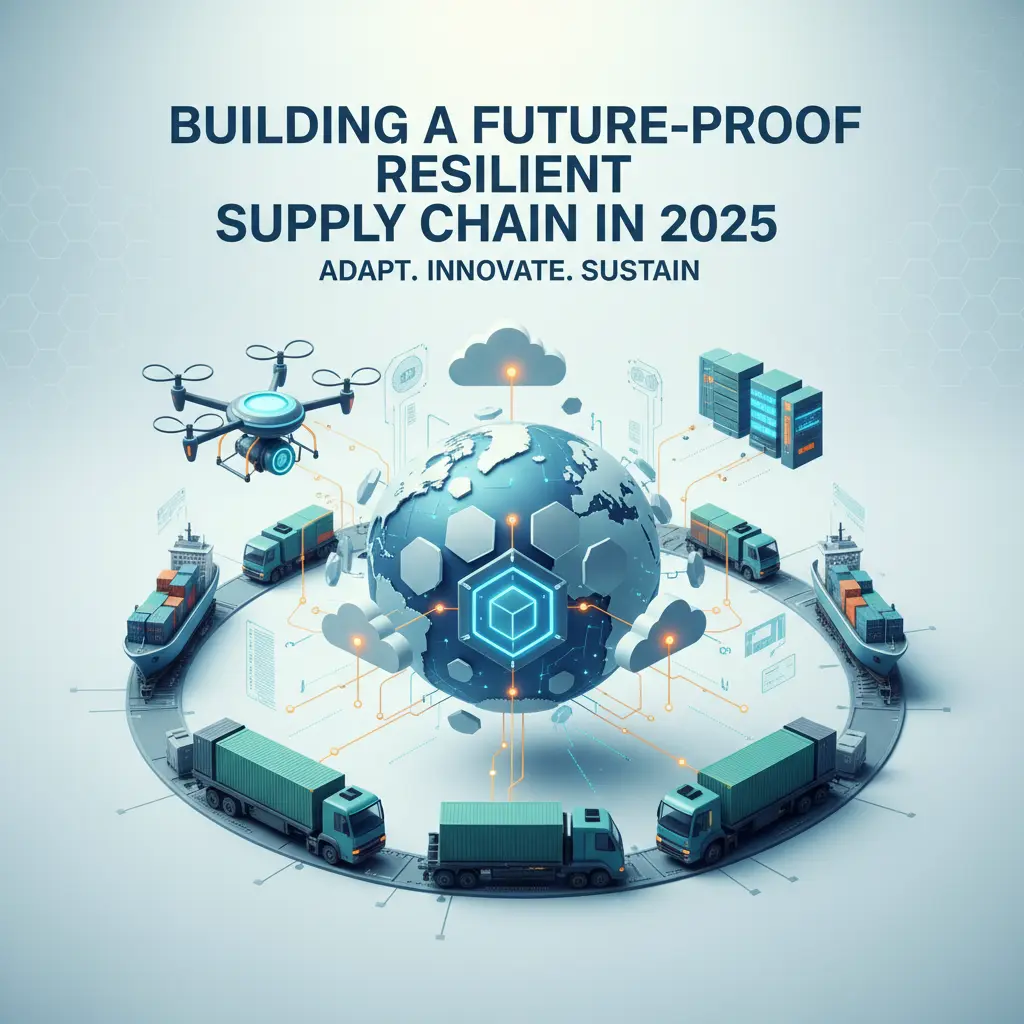
The path to a future-proof supply chain resilience in 2025 is anchored on three pivotal pillars:
Continuous Monitoring and Adaptation
Achieving true supply chain resilience necessitates an always-on approach to monitoring. This goes beyond traditional tracking, embracing real-time data streams from every node of the supply network. Leveraging technologies like IoT sensors, AI-powered predictive analytics, and blockchain offers unparalleled supply chain visibility. These tools enable companies to detect anomalies, forecast potential disruptions, and assess their likely impact with unprecedented accuracy. The ability to simulate various scenarios – from sudden spikes in demand to port closures – allows for pre-emptive strategic adjustments. Adaptation implies not just reacting quickly but possessing the agility to pivot strategies, re-route shipments, or activate alternative suppliers almost instantaneously. It means having flexible manufacturing capabilities and agile logistics networks that can be reconfigured on the fly, moving beyond static plans to dynamic, self-optimizing systems.
Cultivating a Culture of Resilience
Technology alone cannot build resilience; it requires a profound shift in organizational culture. A culture of resilience is one where every stakeholder, from procurement to logistics to IT, understands their role in mitigating risks and ensuring continuity. This involves fostering open communication channels, promoting cross-functional collaboration, and encouraging a proactive, rather than reactive, mindset. Training programs should focus on risk identification, crisis management protocols, and innovative problem-solving. Empowering employees at all levels to make informed decisions and fostering a learning environment where failures are analyzed for improvement are crucial. Furthermore, extending this culture to external partners – suppliers, distributors, and customers – through shared intelligence and collaborative planning strengthens the entire ecosystem. It’s about building trust and mutual dependency, recognizing that the resilience of one link often depends on the resilience of another.
Measuring Resilience: KPIs and Benchmarks
What gets measured gets managed. To truly build a future-proof supply chain, organizations must develop robust frameworks for measuring supply chain resilience. This involves establishing key performance indicators (KPIs) that extend beyond traditional efficiency metrics like cost and speed. Relevant resilience KPIs might include: recovery time objective (RTO), which measures how quickly operations can be restored after a disruption; maximum tolerable downtime (MTD); supplier diversification index; lead time variability; and inventory buffer effectiveness. Furthermore, benchmarking against industry leaders and best practices provides crucial insights into areas for improvement. Regular audits of risk mitigation strategies, stress-testing the supply chain against simulated major disruptions, and analyzing post-disruption performance are vital. Continuous measurement and feedback loops ensure that resilience initiatives are not one-off projects but integral, evolving components of the overall business strategy, driving sustained improvement and competitive advantage in 2025 and beyond.
Partner with Vietnam’s Leading Suppliers
Looking for reliable suppliers in Vietnam? Contact VietnamSuppliers.com today to connect with verified manufacturers and exporters across all industries.
—————————————
References
– Building supply chain resilience: https://www.mckinsey.com/capabilities/operations/our-insights/supply-chain-risk-management/building-supply-chain-resilience
– Building supply-chain resilience: Lessons from COVID-19 and other crises – McKinsey & Company: https://www.mckinsey.com/capabilities/operations/our-insights/building-supply-chain-resilience-lessons-from-covid-19-and-other-crises
– McKinsey & Company on Supply Chain Resilience: https://www.mckinsey.com/capabilities/operations/our-insights/supply-chain-management/supply-chain-resilience
– The Digital Supply Chain Journey by McKinsey & Company: https://www.mckinsey.com/capabilities/operations/our-insights/the-digital-supply-chain-journey
– Supply Chain Resilience in a New World – McKinsey & Company: https://www.mckinsey.com/capabilities/operations/our-insights/supply-chain-resilience-in-a-new-world