
Global Export Market Trends: The 2025 Outlook
The International Trade Forum 2024 Key Decisions underscored a pivotal moment for global commerce, bringing to light the profound macro-economic shifts, escalating geopolitical influences, and rapid technological advancements poised to redefine global trade and export markets into 2025. Discussions at the forum highlighted the necessity for businesses and nations to cultivate unparalleled agility and foresight to navigate an increasingly complex yet opportunity-rich international landscape. From reconfigured supply chains to the digital transformation of trade, the outlook for global exports demands a strategic re-evaluation of traditional models and an embrace of innovative approaches.
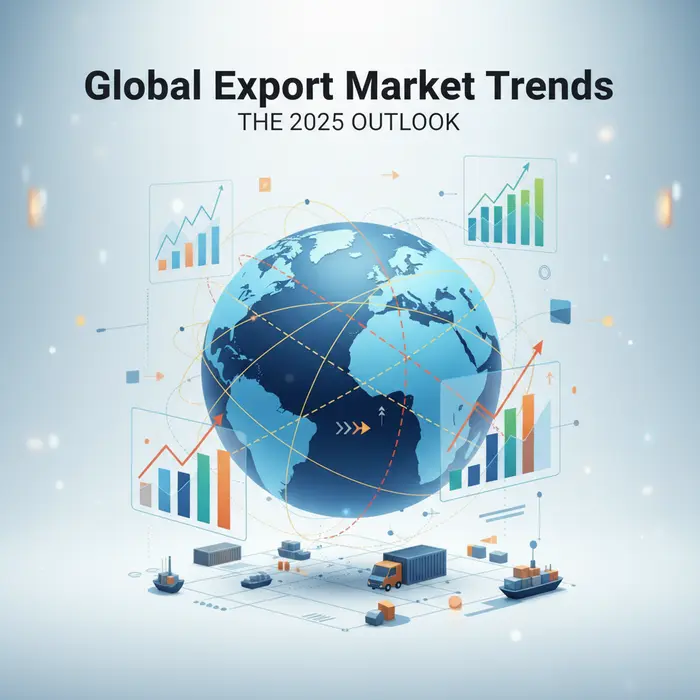
1. Emerging Markets & Demand Shifts Post-Forum
One of the most significant global export market trends for 2024 and beyond identified at the forum is the accelerating shift in global demand towards emerging markets. As developed economies grapple with inflation and slower growth, regions like Southeast Asia, Latin America, and parts of Africa are emerging as new consumption hubs, fueled by expanding middle classes and robust economic development. This shift presents considerable new opportunities for exporters, demanding a nuanced understanding of diverse consumer preferences, cultural contexts, and local regulatory frameworks. For instance, Vietnam export opportunities 2024 are particularly pronounced in sectors such as electronics, textiles, and agricultural products, benefiting from favorable trade agreements and strategic positioning within global supply chains. Businesses must adapt their product offerings, marketing strategies, and distribution networks to effectively tap into these evolving demand centers, moving beyond traditional markets and embracing a more diversified global footprint.
2. Digitalization’s Role in Trade Expansion
The forum emphasized that digitalization is not merely a tool but a transformative force driving trade expansion. The widespread adoption of e-commerce platforms, blockchain for supply chain transparency, artificial intelligence for predictive analytics, and IoT for real-time tracking is fundamentally reshaping how goods are traded internationally. These technologies are crucial for building robust supply chain resilience strategies, enabling businesses to foresee disruptions, optimize logistics, and respond rapidly to unforeseen challenges. Digitalization facilitates smoother customs procedures, reduces transactional costs, and opens up direct-to-consumer export models, democratizing international trade for SMEs. Furthermore, the ability to collect and analyze vast amounts of data allows exporters to identify niche markets, personalize offerings, and optimize pricing, providing a competitive edge in a crowded global marketplace. The imperative for 2025 is clear: invest in digital infrastructure and skills to remain competitive and agile.
3. Geopolitical Factors & Evolving Trade Routes
Geopolitical tensions and strategic realignments are profoundly influencing global trade routes and policy landscapes. The forum highlighted how ongoing conflicts, trade disputes, and the formation of new regional blocs are compelling businesses to reconsider their sourcing and distribution strategies. The impact of new trade agreements impacts, alongside phenomena like nearshoring, reshoring, and friend-shoring, is creating a more fragmented yet localized global supply chain. This means a greater emphasis on risk mitigation, diversification of manufacturing bases, and the exploration of alternative shipping corridors to bypass chokepoints. Exporters must meticulously assess geopolitical risks, diversify their market access, and build stronger regional partnerships. The future of trade routes will not be solely dictated by efficiency but increasingly by geopolitical stability and strategic alliances, requiring a dynamic and adaptable approach to international logistics and market access.
In conclusion, the 2025 outlook for global export markets, as deliberated at the International Trade Forum 2024, paints a picture of both significant challenges and unparalleled opportunities. Success hinges on a proactive approach to emerging market dynamics, aggressive adoption of digital technologies, and a strategic understanding of the evolving geopolitical landscape. Businesses that can adapt swiftly, embrace innovation, and prioritize resilience will be best positioned to thrive in this new era of global trade.
Fortifying Supply Chains for Future Shocks
The global economic landscape continues to grapple with unprecedented volatility, marked by geopolitical tensions, climate change impacts, and lingering effects of pandemics. In this turbulent environment, the resilience and adaptability of global supply chains have become paramount. The International Trade Forum 2024 Key Decisions underscored this urgency, bringing together leaders and experts to examine strategies and collaborative frameworks designed to enhance these critical networks. The discussions at ITF 2024 highlighted a consensus: traditional linear supply chains are no longer fit for purpose, necessitating a proactive and multi-faceted approach to withstand future shocks and ensure sustained economic stability.
1. Diversification & Regionalization Strategies
A primary lesson learned from recent disruptions is the inherent risk of over-reliance on single-source origins or lengthy, complex supply routes. ITF 2024 emphasized robust supply chain resilience strategies centered on diversification and regionalization. Businesses are actively encouraged to broaden their supplier base across multiple geographies, reducing vulnerability to localized disruptions. This strategic shift involves exploring “friend-shoring” or “near-shoring” initiatives, where production or sourcing moves closer to consumer markets or to politically aligned nations. Such moves not only shorten lead times but also build greater trust and collaboration within a regional bloc, fostering more stable and predictable trade environments. For instance, while global export market trends 2024 still show significant reliance on established manufacturing hubs, there’s a discernible pivot towards South East Asia as a diversification alternative. Countries like Vietnam are particularly well-positioned to capitalize on these shifts, offering compelling Vietnam export opportunities 2024 due to their growing manufacturing capabilities, strategic geographic location, and increasingly favorable trade policies. Diversification also extends to transportation modes, advocating for multi-modal logistics solutions to mitigate risks associated with specific transport routes or infrastructure failures, ensuring flexibility when one route is compromised.
2. Leveraging Technology for Supply Chain Visibility
In an increasingly complex world, visibility is the cornerstone of resilience. The ITF 2024 discussions extensively covered the transformative potential of technology in creating intelligent and transparent supply chains. Advanced digital tools, including Artificial intelligence (AI), Internet of Things (IoT), and blockchain, are no longer luxuries but necessities. AI and machine learning can analyze vast datasets to predict potential disruptions, optimize inventory levels, and even suggest alternative routes or suppliers in real-time. IoT sensors, embedded across the supply chain, provide granular, real-time data on cargo location, condition, and environmental factors, ensuring unparalleled tracking and traceability. Blockchain technology offers an immutable and transparent ledger for transactions and product origins, significantly enhancing trust and reducing fraud. These technologies collectively empower businesses to identify bottlenecks, assess risks more accurately, and respond swiftly to unforeseen events. Enhanced visibility also aids in meeting evolving regulatory and sustainability standards, providing an end-to-end view of the product journey from raw material to final delivery, which is critical for compliance and consumer confidence.
3. Policy Support for Resilient Networks
While technological advancements and business-level strategies are crucial, their efficacy is significantly amplified by robust policy support. Governments and international bodies play a pivotal role in creating an enabling environment for resilient supply chains. The ITF 2024 emphasized the need for streamlined customs procedures, standardized digital documentation, and cross-border data sharing agreements to reduce friction and accelerate trade flows. Furthermore, the impact of new trade agreements impacts on supply chain architecture was a key focus, with calls for agreements that prioritize flexibility, sustainability, and dispute resolution mechanisms over purely cost-driven objectives. Investment in critical infrastructure, such as modern ports, efficient rail networks, and robust digital connectivity, is also vital for facilitating diversified and regionalized supply chains. Public-private partnerships were highlighted as an effective mechanism for co-funding research and development in logistics technology, establishing early warning systems for supply chain disruptions, and developing shared standards for data exchange. By fostering a predictable regulatory environment and offering incentives for companies to adopt resilient practices, governments can significantly bolster global trade networks against future shocks, ensuring greater stability for industries and consumers worldwide.
New Trade Agreements: Impacts & Opportunities
The global trade landscape is undergoing a significant transformation, driven by geopolitical shifts, technological advancements, and evolving economic priorities. Recent trade negotiations have culminated in a series of new agreements, poised to reshape market access, tariffs, and the very fabric of global economic integration. For businesses and nations alike, understanding the outcomes of these trade negotiations and their potential implications is crucial for strategic planning and sustained growth. The International Trade Forum 2024 Key Decisions underscored this imperative, highlighting the need for agility and foresight in navigating the complexities of modern commerce. This section delves into the multifaceted impacts and promising opportunities emerging from these new trade agreements.
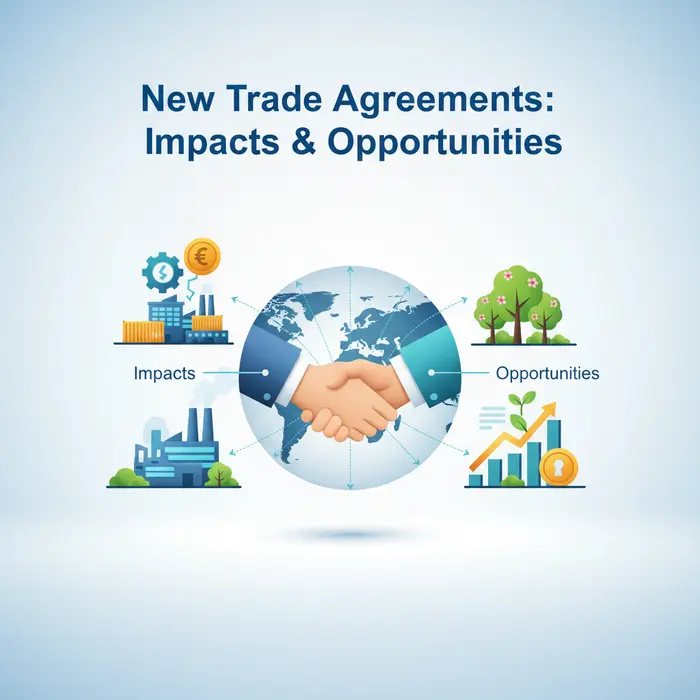
1. Bilateral & Multilateral Deal Assessments
This segment focuses on evaluating the specific outcomes and implications of newly concluded bilateral and multilateral trade agreements. The past few years have seen a surge in trade pacts, ranging from mega-regional deals like the Regional Comprehensive Economic Partnership (RCEP) and the Comprehensive and Progressive Agreement for Trans-Pacific Partnership (CPTPP) to a multitude of bilateral agreements between countries and blocs. These agreements typically aim to reduce or eliminate tariffs, streamline customs procedures, and establish common regulatory frameworks. The impact of new trade agreements often translates into enhanced market access for goods and services, fostering greater trade volumes and deeper economic interdependence. For instance, countries participating in RCEP are seeing reduced costs for intra-regional trade, while the CPTPP offers enhanced market access for members across the Pacific Rim. However, these assessments also reveal challenges, such as the need for domestic industries to adapt to increased competition and the potential for trade diversion. Understanding these nuanced outcomes is vital for businesses to identify new global export market trends 2024 and capitalize on preferential treatment.
2. Sector-Specific Regulatory Changes
New trade agreements are not merely about tariff reductions; they increasingly encompass a broad spectrum of regulatory changes that significantly affect specific economic sectors. These changes can range from new standards for product safety and environmental compliance to regulations concerning intellectual property rights, digital trade, and investment. For the automotive industry, for example, agreements might dictate rules of origin that influence supply chain configurations. The agricultural sector often faces specific sanitary and phytosanitary (SPS) measures, while technology companies grapple with new data localization requirements or cross-border data flow provisions. These sector-specific regulatory shifts necessitate a detailed analysis for businesses to ensure compliance and maintain competitiveness. Ignoring these changes can lead to costly non-tariff barriers, hindering market entry and operational efficiency. Conversely, proactive engagement with these evolving regulations can unlock significant opportunities, particularly for sectors that align with higher standards or possess unique intellectual property. Businesses must stay abreast of these developments to devise effective supply chain resilience strategies and protect their interests.
3. Navigating New Market Access Barriers & Facilitations
The introduction of new trade agreements inherently alters the landscape of market access, creating both new barriers and facilitations for businesses. While tariff reductions are a clear facilitation, the complexities often lie in non-tariff measures (NTMs), which can become de facto barriers if not navigated correctly. These can include complex customs procedures, varying technical standards, or cumbersome licensing requirements that differ across agreement participants. Conversely, agreements often include provisions for trade facilitation, such as expedited customs processes, mutual recognition of standards, and enhanced transparency in regulatory environments. For companies, particularly small and medium-sized enterprises (SMEs), understanding and leveraging these facilitations can significantly reduce the costs and time associated with international trade. Strategic planning must involve a thorough analysis of each target market’s specific requirements under new agreements. This is particularly relevant for identifying new market access opportunities, such as those presenting themselves as Vietnam export opportunities 2024. By understanding the specific rules of origin, regulatory frameworks, and dispute resolution mechanisms, businesses can strategically position themselves to benefit from preferential access and mitigate risks. Developing robust supply chain resilience strategies, coupled with comprehensive due diligence on market entry requirements, is paramount for success in this evolving global trade environment.
In conclusion, the new wave of trade agreements is fundamentally reshaping global commerce, offering both unprecedented opportunities and significant challenges. Proactive engagement, strategic adaptation, and a deep understanding of these evolving frameworks are essential for businesses and economies to thrive in the integrated, yet increasingly complex, international marketplace. The outcomes of these agreements will continue to define global export market trends 2024 and beyond, making informed navigation a key differentiator for success.
The recent International Trade Forum 2024 Key Decisions underscored Vietnam’s escalating role as a dynamic export hub, poised for remarkable growth in the coming years. Experts at the forum highlighted Vietnam’s strategic geographical location, robust manufacturing capabilities, and a proactive government committed to fostering an open trade environment. As global supply chains continue to evolve, seeking diversification and resilience, Vietnam presents compelling Vietnam export opportunities 2024 and beyond, driven by shifting global demand and the country’s continuous integration into the world economy.
1. Key Growth Sectors for Vietnamese Exports
Vietnam’s export trajectory is shifting from traditional sectors to higher value-added industries. While textiles, footwear, and basic electronics remain strong contributors, the forum identified several emerging sectors poised for significant expansion. High-tech manufacturing, particularly in areas like semiconductors, automotive components, and smart devices, is attracting substantial foreign direct investment. The country’s increasing capacity in renewable energy equipment, including solar panels and wind turbine components, aligns with global export market trends 2024 towards sustainable technologies. Additionally, processed agricultural products, aquaculture, and specialized food items with certifications for international markets are seeing increased demand, moving beyond raw commodity exports to branded, value-added goods. Digital services and software outsourcing also present burgeoning export potential, leveraging Vietnam’s young, tech-savvy workforce.
2. Enhancing Competitiveness & Market Access for Vietnam
To fully capitalize on these opportunities, Vietnam must continue to enhance its competitiveness and broaden market access. Forum discussions emphasized the importance of robust supply chain resilience strategies, including diversifying sourcing, strengthening domestic linkages, and investing in advanced logistics infrastructure. The impactful role of new trade agreements impacts was a recurring theme. Free trade agreements such as the CPTPP, EVFTA, and RCEP provide Vietnamese exporters preferential access to major markets, significantly reducing tariffs and non-tariff barriers. To truly leverage these agreements, Vietnamese businesses need to deepen their understanding of rules of origin and technical requirements. Furthermore, improving product quality, fostering innovation, and building strong brands are crucial. Digital transformation in trade facilitation, including e-customs and paperless trade, will streamline processes and enhance efficiency, making Vietnamese exports more attractive globally.
3. Investment & Policy Support for Vietnamese Exporters
Sustained growth in Vietnam’s export landscape hinges critically on continued investment and supportive government policies. The forum highlighted the need for strategic FDI that brings not only capital but also advanced technology, management expertise, and access to international distribution networks. Government initiatives, such as tax incentives for high-tech industries, credit support for SMEs engaged in export activities, and streamlined administrative procedures, are vital. Investment in infrastructure development – including deep-water ports, modern highways, and logistics hubs – remains a priority to reduce trade costs and improve connectivity. Moreover, continuous investment in human capital through vocational training and higher education programs focused on digital skills, engineering, and trade-related expertise will ensure a skilled workforce capable of meeting the demands of a sophisticated export economy. Collaborative efforts between the government, private sector, and international partners are essential to navigate the complexities of global trade and solidify Vietnam’s position as a leading export nation.
Beyond the Forum: Implementing Key Decisions
The International Trade Forum (ITF) 2024 served as a pivotal platform, moving beyond mere discussions to forge a concrete vision and actionable strategies for the global trade landscape. The resolutions and insights gleaned represent the International Trade Forum 2024 Key Decisions, which are now poised to shape the trajectory of international commerce well into 2025 and beyond. For businesses and policymakers alike, the transition from dialogue to decisive action is critical, demanding a proactive approach to navigate evolving markets, enhance resilience, and capitalize on emerging opportunities.

1. Collaborative Action Plans & Global Partnerships
A cornerstone of the ITF 2024 outcomes is the imperative for unprecedented collaborative action and strengthened global partnerships. Recognizing the interconnectedness of modern supply chains and the shared challenges of geopolitical shifts and economic volatility, delegates underscored the need for multi-stakeholder engagement. This involves closer cooperation between governments, international organizations, private sectors, and civil society to co-create solutions that foster a more stable and equitable trading environment. Emphasis was placed on digital integration across borders, streamlining customs procedures through harmonized digital platforms, and enhancing data sharing to improve transparency and efficiency. Understanding the Global export market trends for 2024 reveals a landscape demanding agility and shared risk mitigation. Collaborative frameworks are essential for developing robust supply chain resilience strategies, enabling quicker responses to disruptions and ensuring continuity of trade flows. The forum highlighted specific initiatives aimed at fostering regional trade blocs and bilateral agreements that prioritize sustainable development goals alongside economic growth.
2. Policy Reforms & Regulatory Frameworks for Trade
The ITF 2024 called for significant policy reforms and adaptive regulatory frameworks to support a dynamic global trade system. Policymakers are urged to review existing regulations, identifying areas for modernization, simplification, and harmonization to reduce trade barriers and facilitate cross-border transactions. This includes developing flexible trade policies that can adapt to rapid technological advancements, such as AI and blockchain, which are revolutionizing logistics and financial services. The discussions also delved into the new trade agreements impacts, stressing the importance of inclusive agreements that benefit small and medium-sized enterprises (SMEs) and developing economies. A key focus was on integrating sustainability into trade policies, promoting eco-friendly production methods, and encouraging the trade of green goods and services. Governments are encouraged to invest in trade-related infrastructure, both physical and digital, to support increased trade volumes and efficiency. The forum also highlighted the necessity of fair competition policies to prevent market distortions and ensure a level playing field for all participants in the global market.
3. Preparing Businesses for the New Trade Era
For businesses, the ITF 2024 presented a clear mandate: adapt or be left behind. The shift requires a strategic re-evaluation of business models, with an emphasis on innovation, digital transformation, and diversification. Companies must prioritize investment in technology to enhance operational efficiency, improve customer engagement, and navigate complex international regulations. Developing robust supply chain resilience strategies is no longer optional but a critical competitive advantage, requiring mapping, diversification of suppliers, and the adoption of advanced risk management tools. Moreover, businesses are encouraged to explore new markets and capitalize on emerging opportunities, such as the promising Vietnam export opportunities 2024, driven by the country’s strong economic growth and favorable trade policies. Training and upskilling the workforce to navigate digital tools, understand new trade compliance requirements, and adapt to evolving consumer preferences will be paramount. The forum underscored that businesses that embrace sustainability, ethical practices, and digital innovation will be best positioned to thrive in this new era of global trade, fostering trust and securing long-term growth.
Partner with Vietnam’s Leading Suppliers
Looking for reliable suppliers in Vietnam? Contact VietnamSuppliers.com today to connect with verified manufacturers and exporters across all industries.
—————————————
References
– :
– Supply Chain Resilience Strategies: https://www.weforum.org/agenda/2021/11/supply-chain-resilience-strategy-covid-pandemic/
– World Trade Organization – Regional Trade Agreements: https://www.wto.org/english/tratop_e/region_e/rta_e.htm
– WTO forecasts merchandise trade volume growth of 2.6% in 2024, 3.3% in 2025: https://www.wto.org/english/news_e/pres24_e/pr954_e.htm
– :

