What is an International Trade Auction?
The global marketplace is a complex ecosystem of supply and demand, where goods and services traverse borders at an unprecedented rate. Within this dynamic environment, one mechanism stands out for its efficiency, transparency, and ability to connect buyers and sellers worldwide: the International Trade Auction. Far more than just a simple sale, these specialized auctions represent a critical pillar of global commerce, facilitating the rapid and equitable exchange of diverse commodities, from raw materials and agricultural products to industrial machinery and even surplus goods. Understanding an international trade auction involves grasping its core purpose – to streamline cross-border transactions, optimize pricing through competitive bidding, and provide access to global markets for diverse participants. They are vital instruments that bridge geographical divides, enabling businesses to procure inputs or offload excess inventory globally. This section explores their definitions, historical roots, modern operational methods, and profound impact on international trade.
1. Defining Global Commodity Auctions
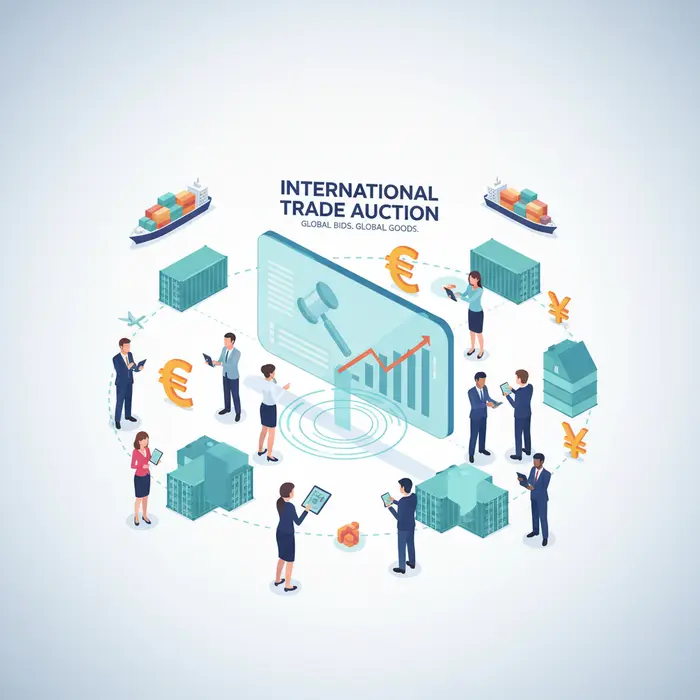
At its heart, a global commodity auction is a marketplace where goods, often standardized commodities or specific commercial products, are bought and sold through a competitive bidding process involving participants from various countries. Unlike traditional bilateral negotiations, these auctions introduce a dynamic element of real-time price discovery and transparency. They operate on principles that allow multiple buyers to compete for a specific lot of goods, driving the price towards its true market value based on current supply and demand. These platforms are particularly prevalent for bulk goods like grains, oil, metals, textiles, and even manufactured components. Modern B2B commodity auction sites have revolutionized this, moving from physical trading floors to sophisticated online platforms. These digital arenas allow businesses globally to participate easily, providing detailed descriptions, quality certifications, and inspection reports, ensuring buyers are well-informed. The process of how international trade auctions work typically involves sellers listing their goods with specific terms (e.g., origin, quantity, quality, shipping terms like FOB or CIF), and then registered buyers placing bids. Bids can be placed in various formats, such as English (ascending) or Dutch (descending) auctions. The highest bidder or the first to meet a reserve price secures the deal. This model fosters efficiency, reduces transaction costs, and opens up access to markets that might otherwise be difficult to penetrate, especially for smaller and medium-sized enterprises.
2. Historical Context and Modern Evolution
The concept of auctions in trade is ancient, with roots stretching back thousands of years. For centuries, physical commodity exchanges in major trading hubs like London, Amsterdam, and Chicago served as primary venues for international commodity auctions. These exchanges featured open-outcry bidding, establishing global benchmark prices for essential goods. This traditional model, while effective, was limited by geographical barriers, time zones, and logistics. The late 20th and early 21st centuries, however, ushered in a profound transformation. The advent of the internet and advanced digital technologies catalyzed the modern evolution of international trade auctions. What were once bustling trading floors have largely transitioned to virtual marketplaces. Online platforms now host sophisticated auction systems that manage complex logistics, secure payments, and verify participants globally. This digital shift has democratized access, allowing a wider array of businesses, from multinational corporations to smaller specialized importers and exporters, to participate from anywhere. This evolution has increased efficiency, transparency, and broadened the scope of goods traded, beyond traditional raw commodities. Digital platforms also offer greater data analytics, enabling more informed bidding strategies and market trend analysis.
3. Key Characteristics of Trade Auctions
International trade auctions possess several distinguishing characteristics that underscore their importance. Firstly, they offer unparalleled price transparency and efficiency. Competitive bidding ensures prices reflect real-time market conditions, providing fair value for both buyers and sellers. Secondly, they facilitate rapid transaction cycles. Unlike lengthy negotiations, auctions can conclude deals swiftly, crucial for perishable goods or commodities with volatile prices. This speed benefits export surplus auctions, where quick sales are necessary to minimize storage costs or adapt to changing market demands. Thirdly, they provide global market access. Businesses can reach a worldwide audience or source goods from diverse international suppliers without extensive travel or local representation. This is particularly advantageous for benefits of trade auctions for import buyers, who can discover unique products or secure competitive prices, diversifying supply chains. Moreover, these auctions often come with robust vetting processes for participants and goods, offering a layer of security and trust. Many platforms integrate logistics and payment solutions, simplifying the entire trade process from bid to delivery. The structured environment and transparent rules make it an attractive, reliable method for international trade.
How International Trade Auctions Work: A Step-by-Step Guide
Explaining the operational mechanics of international trade auctions, from listing to settlement, and key participant roles.
International trade auctions offer a transparent and efficient mechanism for global commerce, facilitating the exchange of commodities, industrial goods, and surplus inventory. Understanding how international trade auctions work is essential for businesses seeking competitive pricing or efficient market access, particularly through B2B commodity auction sites and export surplus auctions. They streamline transactions, providing significant benefits of trade auctions for import buyers and export sellers by connecting them to a broad global audience.
1. Participants: Buyers, Sellers, and Auctioneers
Every international trade auction involves three key roles:
- Sellers (Exporters): These entities offer goods for sale, ranging from raw materials to excess inventory. Their goal is to achieve the best possible price, clear stock, or access new markets. Auctions provide sellers with wide global reach without extensive individual sales efforts.
- Buyers (Importers): Businesses or individuals procuring goods, such as distributors or manufacturers. They aim to acquire products at competitive prices, efficiently and transparently. Benefits of trade auctions for import buyers include diverse product access, often at competitive prices, and simultaneous comparison of multiple offerings. Buyers typically undergo a verification process.
- Auctioneers (Platform Providers): These facilitators host the auction, provide technological infrastructure, set rules, verify participants, and often manage payment processing. Their role is to ensure a fair, transparent, and efficient marketplace, usually online for global accessibility.
2. The Bidding Process: From Listing to Close
The operational mechanics of how international trade auctions work involve a structured process:
- Listing and Cataloging: Sellers provide comprehensive details: product specifications, quantity, origin, quality certifications, shipping and payment terms, and images. The auction platform then organizes these listings, ensuring transparency to attract serious bids.
- Pre-Bidding and Inspection: Buyers review listings, ask questions, and, for high-value items, may arrange physical inspections. This stage allows buyers to conduct due diligence.
- The Bidding Event: Buyers place bids, competing against each other. Bids are typically online, with real-time updates on the highest bid. The system ensures valid bids and adherence to increments.
- Auction Close and Winner Notification: At the predetermined time or condition (e.g., reserve price met), the auction closes. The highest bidder is notified, as is the seller.
- Payment and Settlement: The winning buyer makes payment within a specified timeframe, often into an escrow account or directly to the seller. Upon payment confirmation, the seller arranges for goods release and shipment according to agreed terms. This stage involves logistics, customs clearance, and secure payment to mitigate cross-border risks.
3. Types of Auctions: Open Cry, Sealed Bid, Dutch Auctions
International trade auctions utilize various formats, optimizing outcomes for different scenarios.
- Open Cry (English) Auctions: The most common format, where bids are openly displayed, increasing incrementally. The item goes to the highest bidder when no further bids are placed. This transparent format fosters competition and aids market price discovery.
- Sealed Bid (First-Price Sealed-Bid) Auctions: Bidders submit a single, secret bid by a deadline. All bids are opened simultaneously, and the highest bidder wins at their submitted price. This prevents collusion and is useful when market value is uncertain.
- Dutch Auctions (Descending Price Auctions): Starting with a high price, the auctioneer progressively lowers it until a bidder accepts. The first to accept wins at that price. Efficient for selling large quantities quickly, often adapted for B2B commodity auction sites as reverse auctions where sellers bid down for a buyer’s request.
Understanding these mechanisms is crucial for navigating the global marketplace effectively and harnessing auctions for international trade efficiency, as highlighted by resources from institutions like the World Trade Organization on trade facilitation.
Top B2B Commodity Auction Sites and Platforms
The landscape of global commerce has been profoundly transformed by digital innovation, particularly in the realm of commodity trading. For businesses operating across borders, identifying reliable and efficient channels for sourcing and selling bulk goods is paramount. This section offers a comprehensive review of leading online platforms and marketplaces dedicated to B2B commodity auctions, highlighting their features and specializations. These platforms are crucial for facilitating seamless International Trade Auction activities, connecting buyers and sellers worldwide in dynamic, transparent environments.
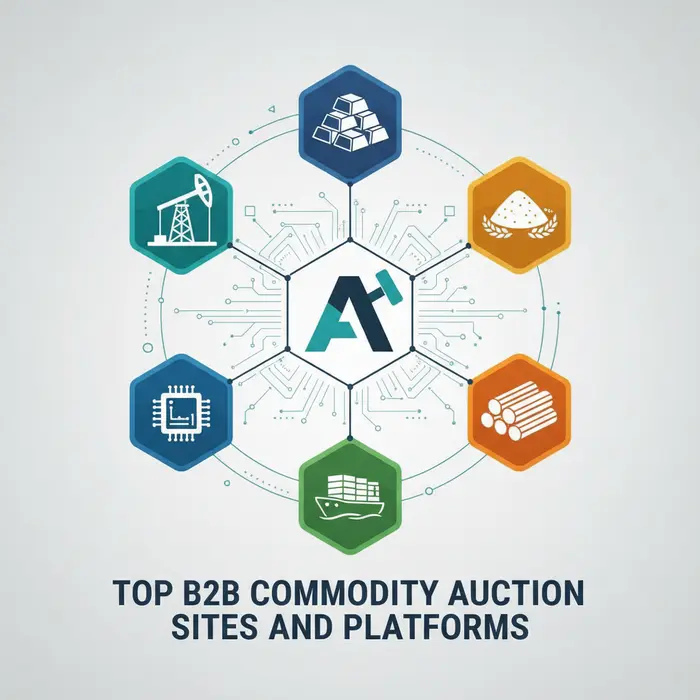
1. Navigating Digital Trade Auction Marketplaces
The shift from traditional trading floors to digital trade auction marketplaces has democratized access to global commodities, making it easier for businesses of all sizes to participate. Understanding how international trade auctions work online is key to leveraging their full potential. These platforms typically offer a structured environment where various B2B commodity auction sites aggregate listings from verified suppliers globally. The process often involves rigorous vetting of participants, secure bidding mechanisms, and clear terms and conditions. For import buyers, the ability to access a wide array of products, compare prices efficiently, and bid competitively offers significant advantages. These digital arenas provide a level playing field, ensuring transparency and reducing geographical barriers that once complicated bulk purchasing. They empower businesses to discover new suppliers and markets, streamline procurement, and react swiftly to market fluctuations.
2. Features to Look for in an Auction Platform
When selecting a B2B commodity auction site, businesses should evaluate several critical features to ensure efficiency, security, and profitability. A robust platform will offer a comprehensive suite of tools designed to facilitate smooth transactions. Key features include advanced search and filtering options, allowing buyers to quickly locate specific commodities by type, origin, quantity, and quality. Transparent bidding systems with real-time updates are essential for competitive pricing. Secure payment gateways and integrated escrow services provide peace of mind, protecting both buyers and sellers from potential disputes. Furthermore, platforms that offer logistics and shipping support, or at least integrate with reputable providers, can significantly simplify the post-auction process. Look for platforms with strong verification processes for both buyers and sellers, robust dispute resolution mechanisms, and comprehensive user reviews or ratings. Data analytics and reporting tools can also be invaluable, offering insights into market trends and bidding patterns, ultimately enhancing the benefits of trade auctions for import buyers by enabling more informed decisions.
3. Specialized Platforms for Specific Commodities
While general B2B marketplaces exist, many businesses find greater value in specialized platforms tailored to specific commodity sectors. These niche platforms offer a deeper understanding of industry-specific requirements, quality standards, and logistics. For instance, there are dedicated auction sites for agricultural products (grains, coffee, spices), metals (steel, aluminum, precious metals), energy resources (oil, gas, biofuels), and chemicals. These specialized B2B commodity auction sites often provide expert market insights, specialized grading and inspection services, and adherence to specific industry regulations. They are particularly effective for managing export surplus auctions, allowing producers to liquidate excess inventory efficiently and find buyers who understand the unique value proposition of their goods. For example, platforms focused on raw materials might integrate with global commodity exchanges or provide real-time pricing data from reputable sources like the World Trade Organization (WTO), offering unparalleled market transparency and trusted benchmarks. By focusing on a narrow range of goods, these platforms can build highly specialized communities, fostering trust and expertise that general marketplaces cannot always match. This specialization ensures that buyers get exactly what they need, and sellers reach their most relevant audience, optimizing the auction process for all parties involved.
Benefits of Trade Auctions for Import Buyers and Export Sellers
International trade auctions represent a dynamic and increasingly popular marketplace that offers significant advantages to both import buyers seeking goods and export sellers looking to liquidate surplus inventory. These platforms streamline cross-border transactions, fostering an environment of competitive bidding, global reach, and enhanced transparency. For businesses navigating the complexities of international trade, understanding how international trade auctions work can unlock substantial opportunities for growth and efficiency, transforming traditional buying and selling processes into agile, responsive operations.
1. Cost Savings and Diverse Sourcing for Import Buyers
For import buyers, international trade auctions serve as a powerful tool for achieving considerable cost savings and diversifying their sourcing channels. These platforms provide access to a vast array of goods, often including overstock, end-of-life products, returned merchandise, or surplus commodities that sellers are eager to move quickly. The competitive bidding environment inherent in auctions drives prices down, allowing buyers to acquire high-quality products at rates significantly lower than traditional wholesale markets. This is particularly beneficial for businesses looking to maximize their margins or test new product lines without substantial upfront investment.
Furthermore, B2B commodity auction sites open doors to a global network of suppliers, expanding sourcing options far beyond conventional channels. Buyers can discover unique products, access goods from new geographical regions, and engage with a wider pool of sellers they might not encounter through direct negotiation. This diversity mitigates supply chain risks, ensures a steady flow of inventory, and empowers buyers to react quickly to market trends or sudden shifts in demand. Whether it’s raw materials, finished goods, or specialized equipment, the ability to source broadly and competitively through auctions provides a strategic advantage, enabling businesses to maintain lean inventories while ensuring product availability.
2. Efficient Liquidation and Global Reach for Export Surplus Auctions
On the flip side, international trade auctions offer an invaluable mechanism for export sellers to efficiently liquidate surplus inventory and expand their market reach globally. Every business eventually faces the challenge of excess stock – whether due to overproduction, canceled orders, seasonal changes, or product obsolescence. Holding onto this dormant inventory ties up capital, incurs storage costs, and risks depreciation. Export surplus auctions provide a rapid and effective solution, allowing sellers to convert these liabilities into revenue quickly.
These auctions attract a diverse, international pool of import buyers actively looking for discounted goods. This global reach is a critical benefit, as it exposes surplus inventory to markets where demand might be higher or pricing more favorable than in the seller’s domestic market. Instead of relying on limited local buyers or complex, time-consuming international sales processes, sellers can list their goods and reach thousands of potential buyers worldwide simultaneously. The auction format fosters competitive bidding, often leading to better recovery rates for surplus goods than traditional fire sales or liquidation channels. This efficiency not only frees up warehouse space and working capital but also allows businesses to focus on their core product lines, maintaining a healthy inventory turnover and robust financial position.
3. Price Discovery and Market Transparency
One of the most profound benefits of international trade auctions for all participants is the unparalleled level of price discovery and market transparency they offer. In traditional trade, pricing can often be opaque, influenced by private negotiations, limited information, and established relationships. Auctions, by contrast, create a real-time, dynamic environment where market value is determined openly through competitive bidding.
For sellers, this means their goods are likely to achieve their true market price, as multiple buyers compete for the item based on its perceived value. This eliminates the guesswork often associated with setting prices for surplus or unique goods. For buyers, the transparency of the bidding process provides confidence that they are paying a fair market price, reflecting current demand and supply dynamics. The ability to see other bids and understand the competitive landscape empowers buyers to make informed decisions without fear of overpaying significantly or being taken advantage of due to information asymmetry.
Moreover, the inherent structure of auctions fosters a level playing field, where all qualified bidders have an equal opportunity to acquire goods. This transparency builds trust and establishes a reliable benchmark for commodity and product values across different international markets. As noted by experts in trade economics, effective price discovery mechanisms are crucial for efficient markets, ensuring resources are allocated optimally and reducing transaction costs for both buyers and sellers globally. This open negotiation process makes international trade auctions a cornerstone for fair, efficient, and equitable cross-border commerce.
The global marketplace is a dynamic arena, constantly reshaped by shifting geopolitical landscapes, economic fluctuations, and rapid technological advancements. For businesses engaging in international commerce, international trade auctions represent a powerful mechanism for sourcing and distributing goods efficiently. However, successfully navigating this environment demands a keen understanding of intricate regulations and an eye toward future trends. This section delves into the regulatory framework governing international trade auctions, offering insights into their operational nuances, and forecasting the transformative impact of emerging technologies and evolving best practices.

1. Legal and Compliance Considerations in Global Trade
Participating in an international trade auction requires meticulous attention to a complex web of legal and compliance obligations. Every transaction crosses borders, triggering a cascade of regulations related to customs duties, import/export licenses, product standards, and trade agreements. Buyers and sellers must be acutely aware of the specific rules in both the origin and destination countries. This includes understanding tariff classifications (HS codes), value-added taxes (VAT), and any preferential trade agreements (such as FTAs) that might apply, potentially reducing costs. Furthermore, adherence to international sanctions, embargoes, and anti-money laundering (AML) regulations is paramount to avoid severe penalties and reputational damage. Due diligence extends to verifying the legitimacy of goods, their origin, and the parties involved, ensuring compliance with ethical sourcing and labor laws. Staying updated on the broad international trade regulations and agreements outlined by bodies like the World Trade Organization (WTO) is crucial for mitigating risks and ensuring smooth transactions in global trade. A firm grasp of how international trade auctions work within these legal parameters is essential for any participant.
2. Impact of Technology: AI, Blockchain, and Automation
The landscape of international trade auctions is poised for revolutionary change, driven by advancements in artificial intelligence (AI), blockchain, and automation. AI is already transforming bidding strategies by analyzing vast datasets of historical auction prices, market demand, and competitor behavior, providing participants with predictive insights to optimize their bids. AI-powered tools can also automate aspects of due diligence, rapidly scanning contracts and regulatory documents for compliance issues. Blockchain technology promises to inject unprecedented transparency and security into the supply chain. By creating immutable ledgers, blockchain can verify the authenticity and provenance of goods, track their journey from source to auction, and streamline complex cross-border payments, significantly reducing fraud and disputes. Smart contracts, built on blockchain, can automate the execution of auction agreements, releasing payments only when predefined conditions are met. Automation, encompassing robotic process automation (RPA) and advanced logistics systems, will further streamline documentation, customs clearance, and inventory management, reducing human error and operational costs. These technological shifts are enhancing the efficiency and accessibility of B2B commodity auction sites, offering substantial benefits of trade auctions for import buyers by providing more reliable and cost-effective sourcing options.
3. Best Practices for Successful Participation in 2025
To thrive in the evolving international trade auction environment of 2025, participants must adopt a strategic and adaptable approach. First and foremost, continuous education on global and regional trade regulations is non-negotiable, as laws are constantly updated. Leveraging advanced data analytics and AI tools for market research and competitive intelligence will be crucial for informed decision-making. Building a robust network of trusted logistics partners, customs brokers, and legal advisors in key trading regions is equally important for seamless execution. Before participating in any auction, conducting thorough pre-auction due diligence on the seller, the goods, and all associated documentation remains a fundamental best practice. Developing a dynamic bidding strategy that considers real-time market fluctuations and integrates risk assessment is vital. Post-auction, efficient logistics management, including timely customs clearance and transportation, will ensure prompt delivery and customer satisfaction. Businesses looking to offload surplus inventory or procure specialized items should explore export surplus auctions, which are increasingly benefiting from these technological and strategic shifts. Success in this dynamic landscape hinges on a proactive stance towards compliance, aggressive adoption of technology, and meticulous operational planning.
The future of international trade auctions is one of accelerated change and increased sophistication. By diligently addressing regulatory complexities and embracing technological innovations, businesses can not only navigate this evolving landscape but also unlock new avenues for growth and efficiency in global commerce.
Partner with Vietnam’s Leading Suppliers
Looking for reliable suppliers in Vietnam? Contact VietnamSuppliers.com today to connect with verified manufacturers and exporters across all industries.
—————————————
References
– World Trade Organization: https://www.wto.org/
– World Trade Organization: https://www.wto.org/
– World Trade Organization (WTO): https://www.wto.org/
– Why B2B E-commerce Is the Future of Sourcing: https://www.forbes.com/sites/forbescommunicationscouncil/2021/08/17/why-b2b-e-commerce-is-the-future-of-sourcing/?sh=464e830e704e
– Overview of WTO Agreements: https://www.wto.org/english/thewto_e/whatis_e/tif_e/agrm1_e.htm