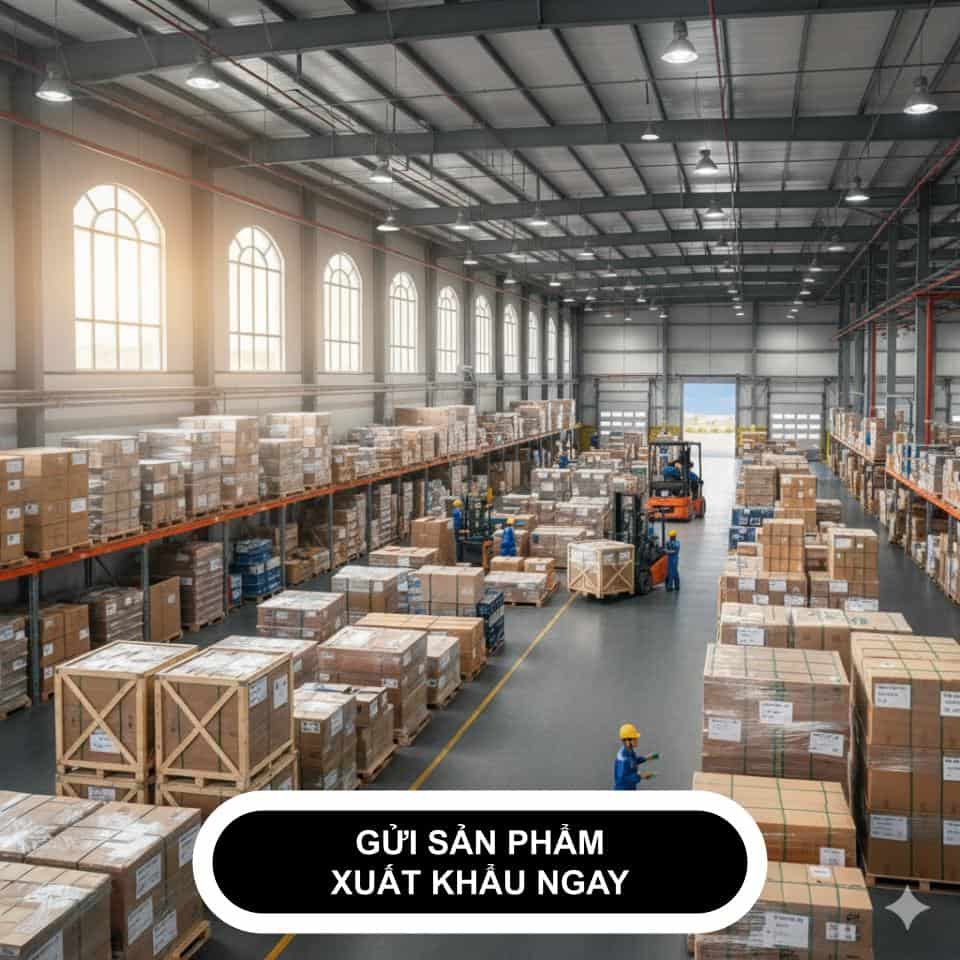
Foundations of International Market Entry Strategy
Embarking on global expansion is a pivotal step for businesses seeking sustainable growth and increased market share. However, success in international markets is not guaranteed; it hinges on a meticulously crafted International Market Entry Strategy for Exporters. This foundational section lays the groundwork, guiding businesses through the critical preparatory phases, from assessing internal capabilities to understanding the compelling drivers behind global ventures, ensuring a robust and well-informed approach to entering new territories.

1. Assessing Your Export Readiness and Capabilities
Before an enterprise can successfully penetrate foreign markets, a rigorous self-assessment of its export readiness and capabilities is indispensable. This process involves a comprehensive review of both internal strengths and potential external challenges. Internally, a firm must evaluate its production capacity to meet increased demand, financial resilience to cover initial internationalization costs, and human resources, including language proficiency and international business acumen. Management commitment to long-term global engagement is paramount, as is the product’s adaptability to varying cultural preferences and regulatory standards. Furthermore, understanding your intellectual property protection in new markets is a crucial element of readiness.
Externally, readiness involves a preliminary understanding of the target market’s regulatory landscape and potential trade impediments. This includes a thorough trade barriers analysis for exporters, identifying both tariff and non-tariff barriers. Tariff barriers, such as customs duties, are straightforward to quantify, but overcoming non-tariff barriers in international trade requires a deeper understanding of import quotas, licensing requirements, product standards, technical regulations, and local content rules. Successfully navigating these complexities requires proactive research and, often, local partnerships. Without a clear picture of these capabilities and challenges, an organization risks significant setbacks and wasted resources.
2. Key Drivers and Motivations for Global Market Expansion
The decision to expand into international markets is typically driven by a confluence of strategic motivations. One primary driver is the pursuit of new revenue streams and market growth, especially when domestic markets become saturated or highly competitive. Diversification of risk is another significant factor; by spreading operations across multiple geographies, businesses can mitigate the impact of economic downturns or political instability in any single market. Economies of scale often motivate expansion, as increased production for a larger customer base can lead to lower per-unit costs, enhancing overall profitability.
Additionally, some companies are compelled to expand globally to follow key domestic customers who have themselves internationalized, ensuring continued partnership and service. Access to new technologies, raw materials, or specialized labor can also be a powerful incentive. Competitive pressures, where rivals are already operating internationally, may necessitate a global presence to maintain market position. Regardless of the specific impetus, a comprehensive export market research guide B2B is essential to validate these motivations against real market opportunities and to identify specific global commodity market entry challenges. This research helps align strategic goals with tangible market potential.
3. Choosing Optimal International Market Entry Modes
Once readiness is established and motivations are clear, the next critical step is selecting the most appropriate international market entry mode. This choice dictates the level of risk, control, and resource commitment a company undertakes in its foreign ventures. Entry modes range from low-commitment strategies like indirect exporting (using intermediaries to sell products abroad) and direct exporting (selling directly to foreign customers), to more involved approaches such as licensing (granting rights to a foreign company to produce and sell your product) or franchising (granting a foreign entity the right to operate a business model).
For higher levels of control and greater potential returns, companies might opt for equity-based modes like joint ventures (forming a partnership with a foreign company) or wholly-owned subsidiaries (establishing a new foreign operation or acquiring an existing one). Strategic alliances, which involve collaborations with foreign entities without creating a new entity, offer flexibility. The optimal mode is rarely universal; it is a nuanced decision influenced by factors such as market size and growth potential, competitive intensity, political and economic stability, cultural distance, and the firm’s own resources and risk appetite. A careful evaluation of these variables, informed by thorough market analysis, is crucial for developing a sustainable and profitable International Market Entry Strategy for Exporters.
Comprehensive Export Market Research Guide for B2B
Focusing on B2B specific needs, this section guides exporters through the process of conducting thorough market research to identify opportunities and customer demands. Navigating the complexities of international trade requires a robust understanding of potential markets. For B2B exporters, this means delving deeper than consumer trends, scrutinizing industry-specific demands, regulatory landscapes, and intricate supply chains. A well-executed market research strategy is the bedrock of any successful International Market Entry Strategy for Exporters, minimizing risks and maximizing return on investment.
1. Identifying High-Potential Global B2B Markets
The first step in a successful export journey is to strategically identify which global B2B markets offer the greatest potential for your product or service. This involves a comprehensive screening process, moving from macro-level indicators to micro-level industry specifics. Begin by analyzing broad economic factors such as GDP growth, political stability, technological adoption rates, and overall business climate (PESTEL analysis adapted for B2B). For B2B products, it’s crucial to identify sectors where your offering is essential or highly beneficial. For instance, if you supply industrial components, target countries with burgeoning manufacturing sectors or significant infrastructure projects. Consider factors like existing trade agreements, which can significantly reduce or eliminate tariffs, making certain markets more attractive. A thorough trade barriers analysis for exporters, including both tariff and non-tariff measures, is indispensable here. Focus on identifying regions or countries where your specific industry vertical is experiencing growth, innovation, or a supply deficit that your company can fulfill. Prioritize markets where your competitive advantages (e.g., unique technology, cost-efficiency, superior quality) can be most effectively leveraged against local and international competitors.
2. Gathering Actionable Market Intelligence and Data Sources
Once high-potential markets are identified, the next phase is to gather detailed, actionable market intelligence. This requires a blend of secondary and primary research methods tailored for the B2B landscape. Secondary sources provide foundational data and include government trade statistics, reports from international organizations (e.g., WTO, World Bank, ITC), industry association publications, and specialized market research firms. These sources can offer insights into market size, import/export trends, competitor activity, and regulatory frameworks. For a comprehensive Export market research guide B2B, leverage online databases and subscription services that provide detailed sector-specific analyses. Beyond general statistics, understanding the supply chain dynamics within your target industry is critical. Primary research is equally vital, offering granular, first-hand information. This can involve conducting interviews with potential B2B clients, distributors, industry experts, and local business associations. Attending international trade shows and conferences relevant to your sector allows for direct engagement, competitive analysis, and networking opportunities. Furthermore, pilot projects or trial shipments can provide invaluable real-world data on logistics, customer acceptance, and market adaptation requirements, helping to refine your approach before a full-scale launch.
3. Assessing Local Demand and B2B Customer Needs
Understanding the specific demands and nuanced needs of B2B customers in a foreign market is paramount for success. This goes beyond generic market size and involves a deep dive into product specifications, quality standards, volume requirements, and pricing expectations. For industrial goods, for example, local certifications, technical standards, and after-sales service expectations can vary dramatically. Cultural factors also play a significant role in B2B transactions, influencing negotiation styles, communication protocols, and relationship building. Research into the local competitive landscape is essential: who are your rivals, what are their strengths and weaknesses, and what unique value proposition can you offer? Investigate payment terms, financing options, and logistical challenges, as these are often major considerations for B2B buyers. Successfully Overcoming non-tariff barriers international trade, such as technical regulations, sanitary and phytosanitary measures, or import licensing, often hinges on a clear understanding of local customer and regulatory demands. Furthermore, for businesses dealing in raw materials or components, understanding Global commodity market entry challenges, including price volatility, supply chain resilience, and geopolitical risks, directly impacts local demand. Tailoring your offering, marketing messages, and sales approach to resonate with the specific needs and pain points of the target B2B customer base will significantly increase your chances of market penetration and long-term success.
When planning an International Market Entry Strategy for Exporters, a thorough understanding of potential hurdles is paramount. Navigating the complex global trade landscape requires more than just a competitive product; it demands a deep dive into the various trade barriers that can significantly impact profitability and market access. From tariffs that directly inflate costs to intricate non-tariff regulations that demand stringent compliance, trade barriers analysis for exporters is a critical component of successful international expansion. This section will provide an in-depth analysis of these barriers and the pivotal role of international trade agreements.
1. Understanding Tariff Barriers: Duties, Quotas, and Taxes
Tariff barriers are among the most direct and historically common forms of trade restrictions, fundamentally altering the cost structure of imported goods. They are essentially taxes or duties levied on goods and services crossing national borders.
- Duties (Customs Duties/Tariffs): These are financial charges imposed by a country on imported goods. They can take various forms:
- Ad Valorem Duties: Calculated as a percentage of the imported good’s value (e.g., 5% of the CIF value).
- Specific Duties: A fixed charge per unit of the imported good (e.g., $10 per ton of steel).
- Compound Duties: A combination of both ad valorem and specific duties.
Duties directly increase the price of imported goods, making them less competitive against domestically produced alternatives and impacting an exporter’s pricing strategy.
- Quotas: Unlike duties, quotas are quantitative restrictions on the volume or value of goods that can be imported into a country during a specific period.
- Absolute Quotas: Set a hard limit on the quantity of a specific good allowed to enter. Once this limit is reached, no further imports are permitted until the next period.
- Tariff-Rate Quotas (TRQs): Allow a certain quantity of goods to be imported at a lower tariff rate, but any imports beyond that quantity face a significantly higher tariff rate.
Quotas can restrict market supply, create scarcity, and drive up prices for consumers, directly limiting the potential sales volume for exporters.
- Taxes: Beyond standard customs duties, exporters must also contend with various domestic taxes applied upon import or sale within the target country. These often include:
- Value Added Tax (VAT) or Goods and Services Tax (GST): A consumption tax levied at each stage of the supply chain, typically recoverable by businesses but impacting cash flow and initial pricing.
- Excise Taxes: Specific taxes on certain goods, such as tobacco, alcohol, or luxury items, which can significantly inflate their final retail price.
A thorough trade barriers analysis for exporters must account for these various tariff-based costs to accurately project market viability and profitability.
2. Identifying Non-Tariff Barriers: Standards, Licenses, and Regulations
While tariffs present clear financial obstacles, non-tariff barriers (NTBs) often represent more complex and opaque challenges for exporters. These are regulatory and bureaucratic measures that restrict trade without imposing direct taxes on imports.

- Technical Standards: These include product quality, safety, health, and environmental standards that imported goods must meet. Examples include:
- Sanitary and Phytosanitary (SPS) Measures: Regulations to protect human, animal, or plant life from risks arising from food additives, contaminants, toxins, or disease-carrying organisms (e.g., specific food safety certifications).
- Technical Barriers to Trade (TBT): Mandatory standards and voluntary conformity assessment procedures (e.g., product labeling, packaging requirements, electrical safety norms).
Compliance often requires costly modifications, testing, and certification processes, making overcoming non-tariff barriers international trade a significant challenge. Exporters must be aware of and comply with the specific requirements of each target market. The World Trade Organization (WTO) provides detailed information on these agreements and their implications for international trade, serving as a crucial resource for understanding technical barriers.
- Licenses and Permits: Many countries require import licenses or special permits for certain goods, often to monitor trade flows or protect domestic industries. Obtaining these can be a lengthy, bureaucratic process involving extensive documentation and potential delays.
- Regulations and Red Tape: Beyond specific standards and licenses, a myriad of other regulations can hinder market access:
- Customs Procedures: Complex, inefficient, or non-transparent customs valuation, classification, and clearance processes can cause significant delays and added costs.
- Rules of Origin: Requirements specifying that a certain percentage of a product’s value must originate in a particular country to qualify for preferential treatment.
- Local Content Requirements: Mandates that a certain proportion of a product’s components or value must be sourced domestically.
- Anti-dumping and Countervailing Duties: Measures imposed to counteract unfair trade practices, which can be complex to navigate.
Effectively managing and overcoming non-tariff barriers international trade demands diligent export market research guide B2B and a proactive approach to compliance and advocacy.
3. Navigating International Trade Agreements and Pacts
In an effort to reduce trade friction and foster economic cooperation, countries worldwide enter into various international trade agreements and pacts. These agreements aim to create more predictable and favorable trading environments by reducing or eliminating tariffs and standardizing regulations.
- Types of Agreements:
- Free Trade Agreements (FTAs): Eliminate tariffs and quotas among member countries but allow each member to maintain independent trade policies with non-members (e.g., NAFTA/USMCA, CPTPP).
- Customs Unions: Go a step further than FTAs by establishing a common external tariff policy towards non-member countries in addition to free trade among members (e.g., Mercosur).
- Common Markets: Include all elements of a customs union, plus the free movement of labor and capital among member states (e.g., the European Economic Area within the EU).
- Benefits for Exporters: Participating in markets covered by FTAs can offer significant competitive advantages. Exporters can benefit from:
- Reduced or Zero Tariffs: Directly lowering the cost of goods and making them more price-competitive.
- Simplified Customs Procedures: Streamlined processes that reduce delays and administrative burdens.
- Harmonized Standards: Greater alignment of technical standards and regulations, reducing the need for multiple product adaptations.
- Increased Market Access: Opening doors to larger customer bases and new opportunities.
- Challenges and Considerations: While beneficial, navigating these agreements isn’t without its complexities. Exporters must meticulously understand:
- Rules of Origin (ROO): To qualify for preferential tariff rates, goods must meet specific ROO criteria, which can be intricate and require detailed documentation.
- Compliance Requirements: Adherence to specific clauses, intellectual property rights, and dispute resolution mechanisms outlined in the agreements.
- Impact on Global Commodity Market Entry Challenges: Agreements can sometimes create new competitive dynamics, favoring products from member countries over those from outside the pact, thus influencing an exporter’s strategic planning.
Understanding and leveraging these agreements is a vital component of any robust international market entry strategy for exporters, enabling them to mitigate risks and capitalize on preferential trade terms.
Strategies for Overcoming Non-Tariff Barriers in International Trade
This section provides practical strategies and best practices for exporters to effectively overcome non-tariff barriers, ensuring smoother entry and operations. Navigating the complex landscape of international trade requires more than just competitive products and pricing. Non-tariff barriers (NTBs) – such as quotas, import licenses, technical regulations, health and safety standards, and customs procedures – often pose significant challenges, making a robust International Market Entry Strategy for Exporters indispensable. Understanding and strategically addressing these barriers is crucial for sustained success in global markets. This requires a comprehensive Trade barriers analysis for exporters and a proactive approach to compliance and market engagement, especially when facing Global commodity market entry challenges.
Product Adaptation and Local Compliance Strategies
One of the most direct and impactful strategies for Overcoming non-tariff barriers international trade is through meticulous product adaptation and adherence to local compliance standards. This involves going beyond basic quality checks to understand and integrate specific market requirements into product design, manufacturing, and labeling. Exporters must conduct thorough Export market research guide B2B early in the process to identify all relevant technical regulations, sanitary and phytosanitary measures, packaging requirements, and certification schemes. For instance, food products may need specific ingredient declarations, allergens warnings, or nutritional information in the local language, while electronics may require compliance with different voltage standards or safety certifications (e.g., CE marking in Europe or FCC in the US). Failure to comply can result in product rejections, costly re-labeling, or even market exclusion. Investing in early testing, obtaining necessary certifications, and designing products with flexible adaptation in mind can significantly reduce future roadblocks and ensure seamless market entry and acceptance.
Building Strategic Partnerships and Local Distribution Networks
Leveraging local expertise through strategic partnerships and robust distribution networks is a cornerstone of successful international market entry. Local partners – including distributors, agents, joint venture partners, or licensees – possess invaluable insights into the domestic market’s regulatory environment, cultural nuances, and consumer preferences. They can help navigate complex customs procedures, obtain necessary licenses, and ensure compliance with local laws that might not be immediately obvious to foreign entities. For example, a local distributor can advise on packaging that appeals to local tastes while meeting specific environmental regulations, or manage the logistics of navigating port inspections. These partnerships also provide established distribution channels, reducing the logistical burden and upfront investment for exporters. By sharing risks and responsibilities, exporters can mitigate many of the uncertainties associated with new market penetration, making this an essential component of any comprehensive International Market Entry Strategy for Exporters.
Effective Lobbying and Compliance Management
While often seen as a domain for large corporations, effective lobbying and proactive compliance management can be critical for exporters of all sizes. Engaging with trade associations, industry bodies, and even government agencies in target markets can provide a platform to advocate for more transparent and less burdensome trade regulations. This can involve participating in public consultations on new standards or working with peers to collectively address systemic barriers. Internally, implementing a robust compliance management system is vital. This involves continuous monitoring of changes in trade policies, regulations, and standards across target markets. Dedicated personnel or external consultants can help track these changes, perform regular trade barriers analysis for exporters, and ensure all operational aspects – from sourcing to delivery – adhere to evolving requirements. Proactive compliance not only prevents costly penalties and delays but also builds a reputation for reliability and trustworthiness, which can be a significant competitive advantage in the global marketplace when confronting Global commodity market entry challenges and working towards overcoming non-tariff barriers international trade.
Addressing Global Commodity Market Entry Challenges
For commodity exporters, navigating the complexities of international trade presents a unique set of hurdles. The global commodity market is characterized by extreme volatility, geopolitical sensitivities, and intricate supply chains, demanding a meticulously crafted International Market Entry Strategy for Exporters. Successfully establishing a foothold and thriving in these markets requires a deep understanding of potential pitfalls and proactive measures to mitigate them. This section delves into the specific challenges associated with entering and operating within these dynamic environments, offering insights for exporters aiming for sustainable growth.

1. Managing Price Volatility and Supply Chain Resilience
The inherent nature of commodity markets means prices can swing dramatically due to various factors, including geopolitical events, weather patterns, technological advancements, and shifts in global demand. This price volatility directly impacts revenue forecasting, profitability, and investment decisions for exporters. A sudden drop in global prices can erode margins, while unexpected spikes can make sourcing raw materials more expensive, affecting production costs. To counter this, exporters must prioritize robust supply chain resilience. This involves diversifying sourcing channels, establishing long-term contracts with buyers, and exploring hedging strategies through futures and options markets to lock in prices or protect against adverse movements. Effective risk management is not just about financial instruments but also about building redundancy and flexibility into every stage of the supply chain, from production to delivery. Conducting thorough Trade barriers analysis for exporters is crucial to understanding potential supply disruptions and market access limitations.
2. Overcoming Logistics and Infrastructure Hurdles
Transporting bulk commodities across international borders introduces significant logistical complexities. Many developing and emerging markets, rich in natural resources, often lack the sophisticated infrastructure required for efficient and cost-effective export. This includes inadequate port facilities, congested road and rail networks, limited storage capacities, and inefficient customs procedures. These deficiencies can lead to delays, increased transportation costs, spoilage, and reduced competitiveness. Overcoming non-tariff barriers international trade often means finding creative solutions to logistical bottlenecks. Exporters must meticulously plan their logistics, considering multimodal transport options, strategic warehousing, and reliable freight forwarding partners. Investing in supply chain technology for tracking and optimization can also provide a competitive edge, ensuring timely delivery and minimizing losses. Proper packaging, handling, and adherence to international shipping standards are equally vital to maintain product quality and market integrity.
3. Mitigating Political, Economic, and Currency Risks
Operating in global commodity markets exposes exporters to a spectrum of political, economic, and currency risks. Political instability in a producing or consuming country can lead to supply disruptions, trade embargos, nationalization of assets, or sudden changes in trade policies. Economic downturns in key markets can drastically reduce demand, while inflation can drive up operational costs. Furthermore, currency fluctuations between the exporter’s local currency and the currency of international trade (often USD) can significantly impact profitability, either enhancing or eroding margins. A comprehensive Export market research guide B2B is indispensable for identifying and assessing these risks. Strategies for mitigation include diversifying export markets to reduce reliance on any single country, utilizing political risk insurance, and implementing robust currency hedging strategies. Building strong relationships with local partners and staying abreast of geopolitical and macroeconomic developments through continuous market intelligence are essential components of a proactive risk management framework, enabling exporters to adapt swiftly to changing global conditions and ensure business continuity amidst uncertainties.
Partner with Vietnam’s Leading Suppliers
Looking for reliable suppliers in Vietnam? Contact VietnamSuppliers.com today to connect with verified manufacturers and exporters across all industries.
—————————————
References
– Trade Barriers: https://www.export.gov/article?id=Trade-Barriers
– trade barriers analysis for exporters: https://www.intracen.org/itc/trade-info/market-analysis-tools/
– World Trade Organization (WTO) Technical Barriers to Trade: https://www.wto.org/english/tratop_e/tbt_e/tbt_e.htm
– Non-Tariff Measures Data & Analytical Tools by International Trade Centre: https://www.intracen.org/trade-support/non-tariff-measures/data-analysis/
– International Trade Centre (ITC) Non-Tariff Measures: https://www.intracen.org/trade-support/non-tariff-measures/