Navigating the Global Cross-Border E-commerce Landscape
The digital age has irrevocably transformed commerce, dissolving geographical barriers and fostering an interconnected global marketplace. Global Cross-Border E-commerce Trends are not merely about buying and selling across borders; they represent a fundamental shift in how businesses operate and consumers shop. This section sets the stage, providing an overview of the current state and future projections for global cross-border e-commerce, highlighting key growth drivers and market dynamics. From burgeoning consumer demand in emerging economies to sophisticated B2B international e-commerce solutions, the landscape is complex, dynamic, and ripe with opportunities. Understanding these trends is crucial for any enterprise aiming to expand its reach and capitalize on the vast potential of international trade.
1. Market Size and Growth Projections to 2025
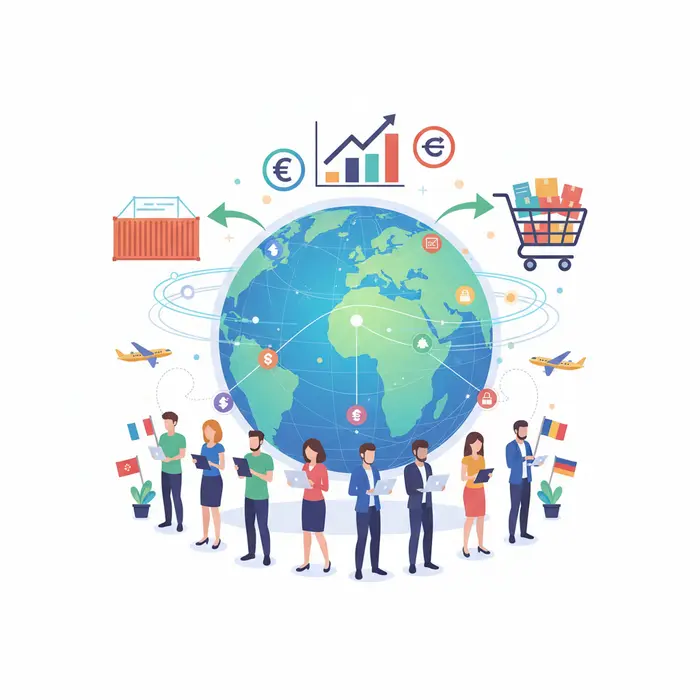
The trajectory of global cross-border e-commerce is one of relentless expansion. Current analyses indicate a robust growth path, with market size expected to reach staggering figures by 2025. According to Statista’s report on the global cross-border e-commerce market, this surge is fueled by increased internet penetration, widespread smartphone adoption, and a growing middle class with disposable income across various regions, particularly Asia-Pacific and Latin America. While B2C cross-border sales command significant attention, the B2B sector is experiencing an even more profound transformation. The demand for efficient B2B international e-commerce solutions is driving substantial investment, as companies seek to streamline procurement, optimize supply chains, and access new markets with greater agility. Projections consistently point towards double-digit annual growth rates, underscoring the imperative for businesses to develop a robust Import export e-commerce strategy to stay competitive and capture market share. This growth isn’t uniform; specific corridors, such as Vietnam export e-commerce opportunities, are emerging as hotspots, driven by favorable trade agreements, manufacturing prowess, and increasing digital adoption.
2. Key Technological Advancements Fueling Expansion
Technological innovation is the bedrock upon which the future of global cross-border e-commerce is being built. Artificial intelligence (AI) and machine learning (ML) are revolutionizing everything from personalized product recommendations and localized content translation to fraud detection and predictive analytics in logistics. Blockchain technology is beginning to offer unparalleled transparency and security in cross-border transactions and supply chain management, addressing long-standing issues of trust and traceability. Furthermore, advancements in payment gateways are simplifying currency conversions and offering diverse payment methods, catering to global consumer preferences. The intricate web of international logistics is also undergoing a profound transformation through global supply chain digitalization. Technologies like IoT for real-time tracking, automation in warehousing, and sophisticated data analytics are making international shipping faster, more reliable, and cost-effective. These technological leaps are not just incremental improvements; they are fundamentally reshaping the operational capabilities and strategic possibilities for businesses engaging in cross-border trade, enabling more efficient and resilient B2B international e-commerce solutions.
3. Evolving Consumer & Business Expectations
The digital native generation, coupled with globalized media and instant communication, has fostered a new set of expectations from both individual consumers and businesses. Consumers demand seamless, localized shopping experiences, competitive pricing, transparent shipping costs, and efficient returns policies, regardless of geographical origin. Personalization, ethical sourcing, and sustainability are increasingly influencing purchasing decisions, compelling brands to adapt their offerings and communication strategies for diverse international audiences. On the B2B front, businesses expect enterprise-grade platforms that integrate effortlessly with existing systems, offer robust compliance features for varying international regulations, and provide real-time visibility into complex transactions. The shift towards direct-to-consumer (D2C) models, even for established brands, underscores the desire for greater control over the customer journey and direct engagement with international markets. For countries like Vietnam, this translates into significant Vietnam export e-commerce opportunities, as local manufacturers and suppliers can leverage digital platforms to reach global buyers directly. Crafting an effective import export e-commerce strategy that prioritizes customer experience, technological integration, and adaptability to local nuances will be paramount for success in this rapidly evolving global marketplace.
The Rise of B2B International E-commerce Solutions
The landscape of global commerce is undergoing a profound transformation, with the Business-to-Business (B2B) sector increasingly embracing digital solutions for international trade. This shift, driven by the imperative for greater efficiency, transparency, and reach, reshapes traditional import-export dynamics and creates unprecedented opportunities. The rise of B2B international e-commerce solutions signifies a pivotal moment, as businesses navigate complex global supply chains. The adoption of digital platforms has become indispensable for maintaining competitiveness and fostering growth, placing them at the forefront of new Global Cross-Border E-commerce Trends. The global B2B e-commerce market, projected to reach significant valuations, underscores the critical need for a robust import export e-commerce strategy.
Digital Transformation in B2B Trade
Traditional B2B international trade, characterized by manual processes and extensive paperwork, is rapidly being superseded by digital alternatives. This Global supply chain digitalization is fundamentally altering how businesses interact, procure, and sell across borders. Companies now leverage advanced technologies like AI, machine learning, and cloud computing to automate complex transactions, enhance data security, and improve communication. AI-powered tools predict demand, optimize logistics, and automate customs documentation, significantly reducing errors and processing times. Blockchain offers transparency and traceability, mitigating risks associated with fraud and ensuring compliance. This digital shift empowers businesses to transcend geographical limitations, access a wider pool of suppliers and buyers, and respond more agilely to market fluctuations. The result is a more resilient, efficient, and interconnected global trade environment, paving the way for optimized import export e-commerce strategy, particularly benefiting regions like Vietnam export e-commerce opportunities.
Key B2B International E-commerce Solutions and Platforms
The proliferation of sophisticated B2B international e-commerce solutions has been central to this digital revolution. These platforms span from expansive global marketplaces like Alibaba.com and Amazon Business to niche industry-specific portals. What defines them is their capacity to offer comprehensive tools designed to meet the unique demands of cross-border B2B transactions. Features often include multi-currency and multi-language support, robust payment gateways, and advanced logistics modules for shipping, tracking, and customs clearance. Many platforms also incorporate sophisticated CRM and SRM functionalities, fostering stronger relationships. The best B2B international e-commerce solutions also provide advanced analytics, offering invaluable insights into market trends and supply chain bottlenecks, enabling data-driven decision-making. These platforms are not just transaction facilitators; they are ecosystem enablers, streamlining every touchpoint from inquiry to delivery and playing a critical role in shaping effective import export e-commerce strategy.
Streamlining Global Procurement Processes
For procurement teams, digital B2B international e-commerce solutions represent a paradigm shift, transforming a cumbersome process into an efficient, strategic function. These platforms empower businesses to discover and vet new suppliers globally with unprecedented ease, expanding sourcing options. Automated request for quotation (RFQ) processes, combined with intelligent matching algorithms, significantly reduce the time and effort for identifying qualified partners. Beyond supplier discovery, solutions offer centralized dashboards for managing contracts, purchase orders, and invoices, enhancing transparency and reducing administrative overhead. The ability to track orders in real-time and manage complex cross-border logistics directly through the platform ensures greater predictability and reduces lead times, critical for lean inventory and quick market response. By leveraging these advanced tools, companies achieve substantial cost savings, improve product quality, and enhance supply chain resilience. This strategic advantage is particularly beneficial for economies focused on increasing export capabilities, underpinning a robust import export e-commerce strategy and unlocking significant Vietnam export e-commerce opportunities.
Global Supply Chain Digitalization: A Competitive Edge
The landscape of global commerce is rapidly evolving, driven by unprecedented growth in cross-border e-commerce. As businesses increasingly tap into international markets, the complexity of managing global supply chains intensifies. Digitalization is no longer a luxury but a strategic imperative, revolutionizing these operations by enhancing efficiency, transparency, and resilience. This transformation is pivotal for companies seeking a competitive edge in a hyper-connected world, fundamentally reshaping Global Cross-Border E-commerce Trends and expectations.
Integrating advanced digital technologies into every facet of the supply chain enables real-time data exchange, predictive analytics, and automated processes. This holistic approach empowers businesses, particularly those engaged in B2B international e-commerce solutions, to navigate intricate global logistics with greater agility and insight. From sourcing raw materials to final delivery, global supply chain digitalization offers a pathway to optimized performance and sustainable growth.

1. Leveraging AI and Blockchain for Supply Chain Optimization
Artificial Intelligence (AI) and Blockchain technologies are at the forefront of this digital revolution, offering unparalleled capabilities for supply chain optimization. AI algorithms can analyze vast datasets to predict demand fluctuations with higher accuracy, optimize inventory levels, and even automate routing and logistics, significantly reducing operational costs and lead times. For any sophisticated import export e-commerce strategy, AI’s predictive power minimizes waste and maximizes efficiency.
Blockchain, on the other hand, introduces an immutable, decentralized ledger system that records every transaction and movement within the supply chain. This distributed ledger technology enhances transparency, builds trust among diverse stakeholders, and provides verifiable proof of product provenance. By securing transactions and streamlining audits, blockchain addresses critical challenges in B2B international e-commerce solutions, mitigating fraud and ensuring compliance across borders. Together, AI and blockchain forge a robust framework for a more intelligent, secure, and efficient global supply chain.
2. Enhancing Visibility and Traceability Across Borders
One of the most significant challenges in global supply chain management has traditionally been the lack of comprehensive visibility. Digitalization directly addresses this by providing end-to-end visibility and real-time traceability. Technologies like IoT sensors, GPS tracking, and advanced data analytics platforms allow businesses to monitor goods at every stage, from production to transit and delivery. This granular insight means companies can pinpoint the exact location and status of their shipments, identify potential bottlenecks, and proactively respond to issues.
Improved visibility is critical for a successful import export e-commerce strategy, enabling faster customs clearance, reducing delays, and enhancing customer satisfaction through accurate delivery estimates. Furthermore, enhanced traceability supports compliance with international regulations and boosts brand reputation by ensuring ethical sourcing and product authenticity. As Deloitte outlines, embracing digital supply chains is becoming a reality, providing the transparent framework necessary for modern global trade.
3. Overcoming Supply Chain Disruptions with Digital Tools
The past few years have underscored the vulnerability of global supply chains to various disruptions, from geopolitical events and natural disasters to public health crises. Digital tools offer a powerful defense mechanism, enabling businesses to build more resilient and adaptable supply chains. Predictive analytics can forecast potential disruptions by analyzing weather patterns, political instability, and demand shifts, allowing companies to prepare contingency plans before issues escalate.
Moreover, digital platforms facilitate rapid response and adaptation. Cloud-based systems enable seamless communication and collaboration among partners worldwide, while advanced algorithms can quickly identify alternative suppliers or re-route shipments to mitigate delays. For emerging markets like Vietnam, these digital capabilities present significant Vietnam export e-commerce opportunities. By adopting robust global supply chain digitalization strategies, Vietnamese businesses can enhance their reliability and competitiveness on the world stage, ensuring continuity of service even in turbulent times.
In conclusion, global supply chain digitalization is not merely an operational upgrade; it’s a strategic imperative that offers a profound competitive advantage. By embracing AI, blockchain, real-time visibility, and advanced risk management tools, businesses can transform their cross-border e-commerce operations, achieving unparalleled efficiency, transparency, and resilience in the face of an ever-changing global marketplace.
Crafting an Effective Import Export E-commerce Strategy
In an increasingly interconnected global marketplace, e-commerce has transcended geographical boundaries, presenting unprecedented opportunities for businesses to expand their reach. Developing a robust Global Cross-Border E-commerce Strategy is no longer optional but essential for sustainable growth. This involves navigating complex international logistics, understanding diverse consumer behaviors, and mastering the intricacies of global trade. An effective import-export e-commerce strategy requires foresight, adaptability, and a commitment to leveraging digital solutions to streamline operations and enhance customer experience, tapping into lucrative markets and ensuring compliance every step of the way.
1. Market Research and Niche Identification for Global Reach
The foundation of any successful import-export e-commerce venture lies in comprehensive market research and precise niche identification. Before launching into new territories, businesses must conduct thorough analyses to understand demand, competition, cultural nuances, and logistical viability. This involves scrutinizing global e-commerce trends and market forecasts, identifying regions with high growth potential, and assessing product-market fit. For instance, exploring Vietnam export e-commerce opportunities might reveal strong demand for specific agricultural products or manufactured goods in certain European or North American markets. Utilizing data analytics tools can pinpoint target demographics, preferred shopping habits, and price sensitivities across different countries. Niche identification involves more than just finding a gap; it means understanding specific customer pain points and offering tailored solutions that resonate locally. This initial deep dive minimizes risks, optimizes resource allocation, and sets the stage for a strategically sound market entry, ensuring your offerings genuinely appeal to the intended international audience.
2. Navigating Customs, Tariffs, and Compliance Regulations
Perhaps the most challenging aspect of an import-export e-commerce strategy is the labyrinthine world of customs, tariffs, and compliance regulations. Each country boasts its own set of rules, documentation requirements, and product standards, making meticulous planning indispensable. Businesses must accurately classify their goods using Harmonized System (HS) codes to determine applicable duties, taxes (like VAT or GST), and import restrictions. Understanding Incoterms (International Commercial Terms) is crucial for defining responsibilities, costs, and risks between buyers and sellers in international transactions, preventing costly disputes. Furthermore, compliance extends to product-specific regulations, such as health and safety certifications, environmental standards, and labeling requirements, which can vary wildly. Leveraging Global supply chain digitalization tools and partnering with experienced customs brokers or freight forwarders can significantly mitigate risks and streamline processes. Ignoring these regulatory complexities can lead to shipment delays, hefty fines, or even product seizure, underscoring the critical need for a robust compliance framework within your Import export e-commerce strategy.
3. Optimizing International Payment Processing and Currency Exchange
Efficient and secure international payment processing is a cornerstone of a successful cross-border e-commerce operation. Businesses must address challenges such as high transaction fees, fluctuating currency exchange rates, payment security, and the need to offer localized payment options. To cater to a global customer base, it’s vital to integrate diverse payment gateways that support major credit cards, local debit cards, digital wallets (e.g., PayPal, Alipay, Apple Pay), and bank transfers, especially for B2B international e-commerce solutions where larger transactions are common. Managing currency risk is another critical consideration; strategies like dynamic currency conversion, allowing customers to pay in their local currency, or currency hedging can protect profit margins from adverse exchange rate movements. Selecting a payment provider with strong fraud detection capabilities and adherence to international PCI DSS standards is paramount for safeguarding both the business and its customers. A well-optimized payment system not only reduces friction at checkout, leading to higher conversion rates, but also builds trust with international buyers, reinforcing the overall strength of your Import export e-commerce strategy.
Spotlight on Emerging Markets: Vietnam Export E-commerce Opportunities
In the dynamic landscape of Global Cross-Border E-commerce Trends, Vietnam is rapidly emerging as a pivotal player, capturing international attention with its robust growth and significant export potential. The country’s strategic location, young and digitally-savvy population, combined with proactive government policies, are creating an fertile ground for businesses looking to leverage its burgeoning digital trade sector. This section delves into the factors propelling Vietnam’s e-commerce ascent, identifies key product categories poised for international success, and outlines the supportive ecosystem fostering its digital trade expansion.

1. Vietnam’s E-commerce Landscape and Growth Drivers
Vietnam’s e-commerce market is experiencing an unprecedented boom, transforming from a nascent industry into a regional powerhouse. Fueling this explosive growth are several intertwined factors. A high internet penetration rate, approaching 70% of the population, coupled with widespread smartphone adoption, has laid the essential digital foundation. The country boasts a youthful demographic, with a significant portion of its population under 35, who are digital natives and avid online shoppers. This demographic, coupled with rising disposable incomes, contributes to a burgeoning domestic e-commerce market that serves as a vital proving ground for local businesses before venturing into international exports.
The COVID-19 pandemic further accelerated digital adoption, pushing both consumers and businesses online at an unprecedented pace. This shift has not only boosted B2C transactions but also significantly propelled the development of B2B international e-commerce solutions. Vietnamese businesses are increasingly embracing digital platforms to connect with global buyers, streamlining their supply chains and enhancing their reach through sophisticated digital tools and strategies.
2. Key Product Categories with High Export Potential
Vietnam’s manufacturing prowess and rich natural resources position it uniquely for e-commerce export success across diverse product categories. Identifying these high-potential sectors is crucial for developing an effective Import export e-commerce strategy:
- Textiles and Apparel: Already a global manufacturing hub, Vietnam’s textile industry is renowned for its quality and competitive pricing. E-commerce platforms provide an avenue for smaller brands and manufacturers to reach international consumers directly, bypassing traditional retail channels.
- Footwear: Vietnam is one of the world’s largest footwear exporters. The digital marketplace offers a direct route for Vietnamese manufacturers to sell specialized and fashion-forward footwear collections globally.
- Agricultural and Food Products: With its fertile lands, Vietnam excels in exporting coffee, rice, seafood, and tropical fruits. There’s a growing international demand for organic, specialty, and sustainably sourced Vietnamese food products, making them ideal for online export.
- Furniture and Handicrafts: Vietnamese craftsmanship is highly valued. From intricately designed wooden furniture to unique artisanal handicrafts, these products find a ready market among international consumers seeking authenticity and quality.
- Electronics and Components: Leveraging significant foreign direct investment, Vietnam is rapidly becoming a key player in electronics manufacturing. While often B2B, components and smaller electronic devices have growing B2C cross-border potential.
These categories benefit from Vietnam’s strong production capabilities and the increasing global demand for diverse, high-quality goods, as evidenced by the country’s impressive export growth, which reached over 371.3 billion U.S. dollars in 2022, a testament to its expanding manufacturing and export capacity.
3. Government Initiatives and Support for Digital Trade
The Vietnamese government plays a crucial role in fostering a supportive environment for digital trade and export e-commerce. Recognizing the transformative power of e-commerce, Hanoi has implemented a range of policies and initiatives aimed at accelerating digital transformation and enhancing the country’s competitiveness in the global digital economy.
Key among these are investments in digital infrastructure, including expanded broadband access and improved logistics networks, which are vital for efficient cross-border shipping. The government actively promotes the adoption of digital payment systems and has established legal frameworks to ensure secure online transactions and consumer protection, building trust in the e-commerce ecosystem. Furthermore, Vietnam’s participation in numerous Free Trade Agreements (FTAs) such as the EVFTA (EU-Vietnam Free Trade Agreement), CPTPP (Comprehensive and Progressive Agreement for Trans-Pacific Partnership), and RCEP (Regional Comprehensive Economic Partnership) significantly reduces tariffs and streamlines customs procedures, making Vietnamese products more competitive in international markets. These agreements, coupled with targeted programs supporting Small and Medium-sized Enterprises (SMEs) in going digital and enhancing Global supply chain digitalization, underscore the government’s commitment to capitalizing on Vietnam’s burgeoning export potential. Such comprehensive support ensures that businesses are well-equipped to navigate the complexities of international trade through digital channels, solidifying Vietnam’s position as a burgeoning e-commerce export powerhouse.
Partner with Vietnam’s Leading Suppliers
Looking for reliable suppliers in Vietnam? Contact VietnamSuppliers.com today to connect with verified manufacturers and exporters across all industries.
—————————————
References
– Statista’s report on the global cross-border e-commerce market: https://www.statista.com/statistics/1089228/cross-border-e-commerce-market-size-worldwide/
– :
– How digital supply chains are becoming a reality: https://www2.deloitte.com/us/en/insights/focus/digital-supply-network/digital-supply-chains-becoming-reality.html
– Global E-commerce Market Outlook: https://www.statista.com/outlook/dmo/ecommerce/worldwide
– Vietnam’s Total Exports Value: https://www.statista.com/statistics/1255018/vietnam-total-exports-value/