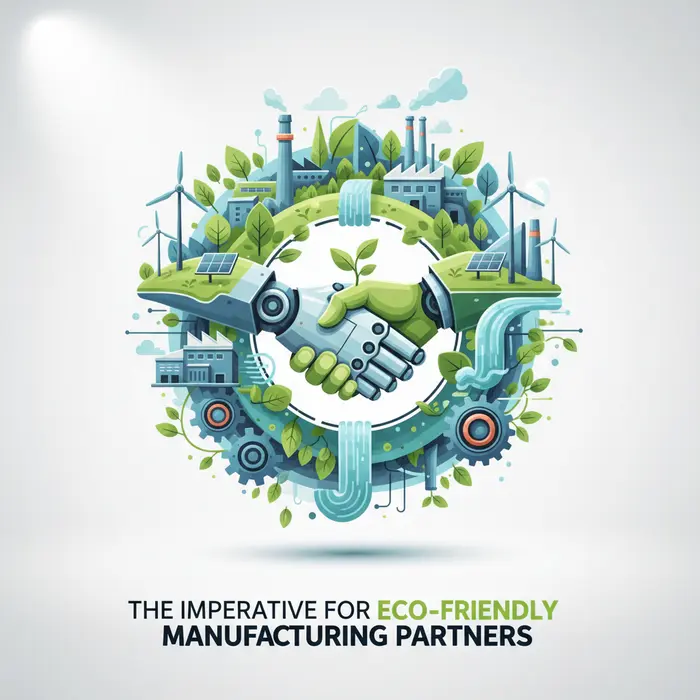
The Imperative for Eco-Friendly Manufacturing Partners
In an era increasingly defined by environmental consciousness, the pivot towards sustainable production practices is no longer an optional add-on but a strategic imperative for businesses worldwide. As global challenges like climate change, resource depletion, and pollution intensify, stakeholders across the board – from consumers to regulators and investors – are demanding greater accountability and responsibility from corporations. This shift necessitates a critical re-evaluation of supply chains, emphasizing the crucial role of partnering with Eco-Friendly Manufacturing Partners. Such collaborations are not merely about compliance; they are about fostering innovation, enhancing brand value, and securing a resilient, future-proof business model in a rapidly evolving green economy.
1. Rising Consumer Demand for Sustainability
The consumer landscape has undergone a dramatic transformation, with ethical and environmental considerations increasingly influencing purchasing decisions. Modern consumers, particularly younger demographics, are actively seeking brands that demonstrate a genuine commitment to sustainability, willing to pay a premium for products that are responsibly sourced and manufactured. Research consistently shows a growing preference for brands transparent about their environmental footprint and social impact. For instance, data from the NYU Stern Center for Sustainable Business indicates that sustainably marketed products are a significant driver of market growth across various categories. Businesses that neglect these evolving preferences risk alienating a substantial and growing segment of the market. Partnering with manufacturers committed to sustainable production practices directly addresses this demand, enabling companies to offer products that resonate with eco-conscious consumers and build lasting loyalty.
2. Regulatory Pressures and Future-Proofing Supply Chains
Governments and international bodies worldwide are tightening environmental regulations, introducing stringent requirements for manufacturing processes, material sourcing, waste management, and emissions. From the European Union’s ambitious Green Deal to national carbon neutrality targets, the regulatory environment is rapidly evolving, imposing greater responsibilities on businesses. Non-compliance can lead to hefty fines, legal challenges, and significant reputational damage. To mitigate these risks and future-proof their supply chains, companies must align with Eco-certified factories for export and partners who adhere to high environmental standards. This proactive approach ensures operations remain compliant with current and anticipated legislation, transforming potential liabilities into strategic assets. Investing in green manufacturing benefits B2B relationships by demonstrating foresight, reducing operational risks, and fostering innovation in resource efficiency and cleaner production methods.
3. Brand Reputation & Competitive Advantage in a Green Market
In a crowded marketplace, sustainability offers a powerful differentiator and a significant source of competitive advantage. Aligning with Eco-Friendly Manufacturing Partners strengthens a brand’s reputation, positioning it as responsible, forward-thinking, and trustworthy. A strong commitment to environmental stewardship attracts not only consumers but also investors who increasingly prioritize ESG (Environmental, Social, and Governance) factors, viewing sustainable businesses as more resilient and less risky. Furthermore, it enhances employee morale and attracts top talent who are drawn to companies with strong ethical values. Businesses that champion sustainability can command a premium, enter new markets, and foster deeper, more meaningful connections with their stakeholders. Seeking out Vietnam sustainable suppliers, for example, allows companies to tap into a growing network of environmentally conscious manufacturers, further solidifying their position in the green market and demonstrating tangible commitment to a more sustainable future.
Embracing eco-friendly manufacturing partnerships is thus more than just an ethical choice; it is a strategic business decision that drives profitability, resilience, and positive global impact. It’s about building a business that thrives not just today, but for generations to come, by integrating environmental responsibility into the very core of its operations.
Identifying Sustainable Production Practices in Manufacturing
In today’s global marketplace, discerning genuine eco-friendly manufacturing partners is crucial for businesses committed to sustainability. Beyond mere claims, understanding the tangible characteristics and indicators of truly sustainable production practices empowers companies to vet potential suppliers effectively. This section delves into the core tenets of green manufacturing, providing a framework to identify partners who not only promise, but actively deliver environmental responsibility, especially pertinent when seeking Vietnam sustainable suppliers for export. By focusing on verifiable actions rather than just certifications, businesses can ensure their supply chain aligns with their environmental and ethical goals, unlocking significant green manufacturing benefits B2B.
1. Resource Efficiency & Waste Reduction Strategies
This pillar of sustainable production focuses on minimizing input consumption and output waste throughout the manufacturing lifecycle. Truly sustainable production practices prioritize an end-to-end approach, from raw material extraction to product disposal.
- Lean Manufacturing Principles: Partners should demonstrate the application of lean principles to reduce waste in all forms – overproduction, waiting, unnecessary transport, over-processing, excess inventory, unnecessary motion, and defects. This translates to lower resource use and operational costs.
- Material Optimization: Look for evidence of efficient material utilization, such as design for minimal waste, use of recycled content, and strategies for byproduct valorization or industrial symbiosis where one factory’s waste becomes another’s input.
- Water Stewardship: Manufacturers committed to sustainability implement comprehensive water management plans. This includes reducing water consumption through process optimization, using closed-loop systems for wastewater recycling, and treating any discharged water to meet or exceed environmental standards.
- Energy Efficiency Programs: Beyond renewable energy, efficient use of existing energy is paramount. This involves upgrading to energy-efficient machinery, optimizing production schedules, implementing smart building management systems, and conducting regular energy audits to identify and address inefficiencies. A key indicator is a measurable reduction in energy intensity per unit of production.
- Waste Diversion & Circularity: Effective waste reduction goes beyond landfill diversion. It involves robust recycling programs for industrial waste, composting organic waste, and exploring opportunities for upcycling or remanufacturing components. The ultimate goal is to move towards a circular economy model where waste is designed out.
2. Renewable Energy Adoption and Green Technology Integration
A significant marker of an eco-friendly manufacturing partner is their commitment to transitioning towards cleaner energy sources and integrating advanced green technologies into their operations. This demonstrates a proactive approach to reducing carbon footprint and environmental impact.
- On-site Renewable Energy Generation: Factories that install solar panels, wind turbines, or other renewable energy sources on their premises show a strong commitment. This not only reduces reliance on fossil fuels but also often lowers operational costs in the long run.
- Purchasing Renewable Energy Credits (RECs) or Green Tariffs: When on-site generation isn’t feasible, purchasing RECs or subscribing to green energy tariffs from utility providers indicates a dedication to supporting renewable energy development.
- Investment in Energy-Efficient & Low-Emission Technologies: Modern eco-certified factories for export continually invest in machinery and processes that consume less energy and produce fewer emissions. This includes advanced automation, highly efficient motors, LED lighting, and technologies for capturing and treating air pollutants or greenhouse gases.
- Smart Grid Integration & Energy Storage: More advanced partners may integrate with smart grids to optimize energy consumption during off-peak hours or invest in battery storage solutions to maximize the use of intermittently available renewable energy.
- Material and Process Innovation: Beyond energy, look for innovation in materials (e.g., bio-based, biodegradable, low-impact alternatives) and processes (e.g., additive manufacturing to reduce material waste, solvent-free operations).
3. Ethical Sourcing & Supply Chain Transparency Standards
True sustainability extends beyond a factory’s four walls to encompass the entire supply chain. Ethical sourcing and robust transparency standards are critical indicators that a manufacturing partner is genuinely committed to responsible practices.
- Traceability Systems: A transparent supply chain allows for the tracking of raw materials from their origin to the final product. Partners should have systems in place to verify the provenance of materials, ensuring they come from responsible sources free from deforestation, illegal mining, or human rights abuses.
- Supplier Codes of Conduct: Reputable manufacturers enforce a strict supplier code of conduct that outlines expectations for environmental performance, labor practices, and ethical behavior across their own suppliers. This code should be actively monitored and enforced.
- Certifications for Raw Materials: Look for internationally recognized certifications for raw materials, such as FSC (Forest Stewardship Council) for wood products, GOTS (Global Organic Textile Standard) for textiles, or Fairtrade for agricultural commodities. These certifications provide independent verification of sustainable and ethical practices.
- Social & Labor Compliance: Sustainable production practices inextricably link environmental responsibility with social equity. Partners should demonstrate adherence to fair labor practices, including safe working conditions, fair wages, no child labor, and freedom of association. Audits by reputable third parties (e.g., SA8000, SEDEX) are strong indicators.
- Life Cycle Assessment (LCA) Mindset: While a full LCA might be complex, partners who consider the environmental impacts of their products from “cradle to grave” – including sourcing, manufacturing, distribution, use, and end-of-life – are demonstrating a holistic commitment to sustainability.
- Commitment to Continuous Improvement: The landscape of sustainability is constantly evolving. A truly sustainable partner will demonstrate a commitment to ongoing improvement, regularly reviewing their practices, setting new targets, and adapting to emerging best practices and technologies. Businesses seeking eco-friendly manufacturing partners should prioritize those with a clear roadmap for future environmental enhancements. The U.S. Environmental Protection Agency provides excellent resources on understanding and implementing sustainable manufacturing practices, offering a benchmark for what to expect from potential partners.
By applying these rigorous criteria, businesses can confidently identify and collaborate with genuine sustainable production practices providers, leveraging the green manufacturing benefits B2B offers, enhancing brand reputation, and contributing positively to the planet. For those specifically looking to connect with reliable suppliers, finding Eco-Friendly Manufacturing Partners can be streamlined through dedicated platforms.
Navigating Eco-Certified Factories for Export Success
In today’s global marketplace, the paradigm of trade is rapidly shifting towards sustainability. Businesses seeking international growth are increasingly recognizing that success isn’t solely defined by cost or quality, but also by environmental responsibility. This evolution underscores the critical importance of partnering with Eco-Friendly Manufacturing Partners. For exporters, identifying and collaborating with eco-certified factories is no longer a niche preference but a strategic imperative, offering a pathway to not only meet evolving consumer and regulatory demands but also to secure a competitive edge in the global arena.

1. Understanding Key Eco-Certifications
Eco-certifications serve as credible third-party verifications that a factory’s products, processes, or management systems meet specific environmental and social standards. They are crucial for assuring stakeholders of genuine sustainable production practices and for avoiding accusations of ‘greenwashing’.
- ISO 14001: This international standard specifies requirements for an effective environmental management system (EMS). It helps organizations identify, manage, monitor, and control their environmental performance, ensuring a systematic approach to environmental protection and continuous improvement. While not product-specific, it signifies a commitment to responsible operational practices across the factory.
- Global Organic Textile Standard (GOTS): For the textile industry, GOTS is perhaps the most respected standard for organic fibers. It ensures the organic status of textiles from the harvesting of the raw materials through environmentally and socially responsible manufacturing up to labelling, providing credible assurance to the end consumer. Partnering with GOTS-certified factories ensures that your textile exports meet stringent ecological and social criteria.
Other notable certifications include OEKO-TEX (ensuring textiles are free from harmful substances), Fair Trade (focusing on fair labor practices and sustainable development), Forest Stewardship Council (FSC) for wood and paper products, and SA8000 for social accountability. Each stamp of approval offers a distinct layer of credibility, collectively building a robust profile of an environmentally and ethically sound manufacturer.
2. Benefits of Partnering with Certified Factories for Export
The strategic advantages of collaborating with eco-certified factories for export are multifaceted, extending beyond mere compliance to genuine competitive differentiation.
- Enhanced Market Access & Consumer Trust: Global consumers and B2B buyers increasingly prioritize sustainability. Certifications act as a universal language of trust, opening doors to new markets and appealing to a growing segment willing to pay a premium for ethical products.
- Regulatory Compliance & Risk Mitigation: Many countries are introducing stricter environmental regulations for imported goods. Partnering with certified factories significantly reduces the risk of non-compliance, costly penalties, or supply chain disruptions. It also safeguards your brand from reputational damage associated with unsustainable practices.
- Brand Reputation & Investor Appeal: A commitment to sustainability enhances your brand’s image, positioning you as a responsible and forward-thinking enterprise. This attracts not only customers but also ethical investors and talent, reinforcing long-term viability.
- Operational Efficiencies & Innovation: Factories pursuing certifications often adopt lean and green manufacturing processes, leading to reduced waste, lower energy consumption, and optimized resource utilization. These green manufacturing benefits B2B translate into cost savings and foster innovation throughout the supply chain.
3. Overcoming International Trade Challenges with Sustainable Products
While the path to sustainable exports offers immense rewards, it also presents unique challenges. Navigating these requires diligence and strategic partnerships.
- Diverse International Standards: Different markets may have varying sustainability expectations and certification preferences. Partnering with factories that hold multiple relevant certifications or are adaptable to new requirements is crucial.
- Combating Greenwashing: The rise of ‘green’ claims has led to increased skepticism. Authentic third-party certifications are your strongest defense against greenwashing accusations, providing verifiable proof of your products’ sustainable credentials.
- Supply Chain Transparency: Building a truly sustainable supply chain demands transparency from raw material sourcing to final product. Eco-certified factories often have robust internal systems for traceability, making it easier to monitor and report on environmental and social impacts. This transparency is vital for meeting import regulations and consumer demand for ethical sourcing.
- Logistics and Carbon Footprint: Consider the environmental impact of shipping. Optimizing logistics and exploring sea freight or other lower-emission transport options can further enhance your sustainable profile.
For businesses looking to source high-quality, sustainably produced goods, regions like Vietnam are emerging as key players. Vietnam sustainable suppliers are increasingly investing in eco-certifications and adopting advanced sustainable production practices to meet global demand, offering a reliable pool of Eco-Friendly Manufacturing Partners for your export needs.
In conclusion, the decision to work with eco-certified factories is a foundational element for enduring export success in the 21st century. It’s an investment in environmental stewardship, brand resilience, and future market access. By diligently selecting your Eco-Friendly Manufacturing Partners, you not only contribute to a healthier planet but also unlock significant economic advantages, ensuring your products resonate with a globally conscious consumer base and comply with increasingly stringent international trade regulations.
Unlocking Green Manufacturing Benefits for B2B Growth
Integrating green manufacturing principles into the supply chain and partnering with eco-friendly firms offers B2B companies profound strategic and operational advantages. Beyond mere compliance, this shift unlocks a spectrum of benefits, from enhanced profitability to fortified brand reputation and future market resilience. For B2B entities, the choice of Eco-Friendly Manufacturing Partners is no longer an option but a strategic imperative, driving growth and sustainability hand-in-hand.
1. Cost Savings Through Efficiency & Waste Reduction
One of the most immediate and tangible advantages of embracing green manufacturing is the significant reduction in operational costs. By prioritizing sustainable production practices, businesses are compelled to scrutinize their entire production cycle, identifying areas of inefficiency and waste. This often leads to optimized resource consumption across the board—less energy for operations, reduced water usage in processes, and a more judicious application of raw materials. Implementing strategies like lean manufacturing, closed-loop systems, and robust recycling programs directly translates into lower material procurement expenses and decreased waste disposal fees. For example, a B2B supplier adopting energy-efficient machinery not only lowers its carbon footprint but also drastically cuts electricity bills, enhancing profit margins. Furthermore, minimizing waste generation means fewer costly inputs are lost to scrap, directly impacting the bottom line. These operational efficiencies are a fundamental component of the overall green manufacturing benefits B2B companies can realize, transforming environmental responsibility into financial gain.
2. Attracting Environmentally Conscious B2B Clients & Investors
In today’s marketplace, sustainability is a powerful differentiator that resonates deeply with an increasingly environmentally conscious clientele. B2B companies that showcase a commitment to green manufacturing and sustainable practices gain a significant competitive edge when vying for new clients. Major corporations, government agencies, and even smaller businesses are increasingly integrating environmental, social, and governance (ESG) criteria into their procurement processes. Partnering with suppliers known for their sustainable production practices helps these buyers meet their own sustainability goals and satisfy stakeholder demands. Being able to offer products sourced from eco-certified factories for export provides a crucial advantage in international markets, where regulatory standards and consumer expectations for sustainability are often higher. Moreover, this commitment extends beyond client acquisition to investor relations. Investment funds with an ESG mandate are actively seeking companies that demonstrate strong sustainability performance. By clearly articulating their green initiatives and the positive impact of their Eco-Friendly Manufacturing Partners, B2B firms can attract responsible investors, secure better financing terms, and enhance their overall market valuation. This dual appeal to both clients and investors solidifies the business case for green manufacturing.
3. Innovation, Market Differentiation, and Future-Proofing Business Models
Embracing green manufacturing is a powerful catalyst for innovation, pushing B2B companies to rethink traditional processes, materials, and product designs. This pursuit of sustainability often leads to the development of novel solutions, such as biodegradable packaging, energy-harvesting components, or products designed for circularity. Such innovations not only fulfill environmental objectives but also create unique selling propositions that profoundly differentiate a company in a crowded market. Being an early adopter and innovator in sustainable practices positions a B2B firm as a thought leader, attracting partners and clients who value forward-thinking and responsible suppliers. Furthermore, investing in green manufacturing acts as a strategic hedge against future risks. Regulatory landscapes are continuously evolving, with stricter environmental standards and carbon taxes becoming more prevalent globally. Companies that proactively integrate sustainable production practices are better prepared for these changes, avoiding costly non-compliance penalties and adaptation hurdles. This forward-looking approach ensures the long-term viability and resilience of business models, making them inherently more robust. For instance, collaborating with Vietnam sustainable suppliers for components can ensure a resilient and compliant supply chain. According to Deloitte Insights, sustainability is increasingly seen not just as a cost center, but as a source of competitive advantage, driving growth, innovation, and stakeholder value. By embedding sustainability into their core operations, B2B companies are not just doing good for the planet; they are future-proofing their businesses against an uncertain future, ensuring sustained growth and relevance.
Spotlight on Vietnam Sustainable Suppliers: A Growing Hub
In an era where environmental consciousness is no longer a niche but a global imperative, businesses worldwide are actively seeking sustainable solutions across their supply chains. Vietnam, long recognized as a manufacturing powerhouse, is rapidly emerging as a leading hub for businesses looking to partner with Eco-Friendly Manufacturing Partners. This strategic shift is driven by a combination of government initiatives, increasing consumer demand for ethical products, and the inherent adaptability of Vietnamese manufacturers. For companies committed to green sourcing, Vietnam offers a compelling landscape of opportunities, promising not just cost-effectiveness but also a robust commitment to sustainable production practices.

1. Vietnam’s Commitment to Green Manufacturing & Development
Vietnam’s journey towards becoming a sustainable manufacturing leader is underpinned by a strong national commitment. The government has rolled out ambitious strategies and policies aimed at promoting green growth and sustainable development across all sectors. These initiatives include incentives for companies adopting cleaner technologies, reducing carbon footprints, and adhering to international environmental standards. The focus is not only on attracting foreign investment but also on ensuring that this growth is responsible and environmentally sound. This proactive stance is transforming the industrial landscape, encouraging factories to invest in renewable energy sources, waste reduction programs, and eco-efficient production methods. As a result, finding Vietnam sustainable suppliers is becoming increasingly easier for international buyers, as more local businesses embrace sustainable production practices.
This commitment extends to integrating sustainability into economic development plans, aiming for a greener, more resilient economy. The nation is actively pursuing a low-carbon economy and promoting resource efficiency across industries, a commitment highlighted by news sources reporting on Vietnam’s Green Growth Strategy. Eco-certified factories for export are becoming a benchmark, signalling a new era of manufacturing where ecological responsibility is paramount. This robust framework provides a solid foundation for businesses seeking reliable and genuinely green manufacturing partners.
2. Key Industries for Sustainable Sourcing in Vietnam
Vietnam’s push for sustainability is evident across various manufacturing sectors, making it an attractive destination for businesses seeking green sourcing options. The textile and apparel industry, a major export driver, is at the forefront of this transformation. Many Vietnamese garment factories are adopting sustainable production practices, utilizing organic or recycled materials, implementing water-saving dyeing processes, and ensuring fair labor conditions. Similarly, the footwear industry is seeing a rise in manufacturers using eco-friendly materials and less toxic adhesives.
Beyond fashion, the electronics sector is also making strides, with companies focusing on reducing e-waste and incorporating sustainable components. The furniture industry, leveraging Vietnam’s abundant natural resources, is increasingly sourcing wood from sustainably managed forests and using non-toxic finishes. Even in agriculture and food processing, there’s a growing emphasis on organic farming and responsible supply chains. These diverse sectors demonstrate the breadth of opportunities for businesses to find Eco-Friendly Manufacturing Partners capable of delivering products that meet both quality and sustainability benchmarks. The emergence of these Vietnam sustainable suppliers highlights the pervasive integration of green practices into the core of Vietnamese manufacturing, offering significant Green manufacturing benefits B2B.
3. Tips for Vetting and Collaborating with Eco-Friendly Partners in Vietnam
Partnering with Eco-Friendly Manufacturing Partners in Vietnam requires thorough due diligence to ensure genuine commitment to sustainability. Here are essential tips:
- Verify Certifications: Look for internationally recognized certifications such as GOTS (Global Organic Textile Standard), Oeko-Tex, Fair Trade, LEED (for facilities), or ISO 14001 (Environmental Management System). These certifications provide independent verification of sustainable production practices.
- Conduct Factory Audits: Beyond certifications, conduct or commission independent audits focusing on environmental impact, waste management, energy consumption, and labor practices. Site visits are invaluable for observing operations firsthand.
- Assess Material Sourcing: Inquire about their supply chain for raw materials. Do they source sustainably? Are their materials traceable? For textiles, this might involve asking about organic cotton origins or recycled fiber content.
- Review Energy and Waste Management: Understand their energy mix (renewable vs. fossil fuels) and waste reduction strategies. Do they have programs for recycling, reusing, or responsibly disposing of production waste?
- Foster Open Communication: Establish clear communication channels and shared goals regarding sustainability. A transparent partner will be willing to discuss their challenges and continuous improvement efforts.
- Start Small, Scale Up: Consider starting with a smaller project to build trust and assess the partnership’s effectiveness before committing to larger volumes.
By following these guidelines, businesses can confidently identify and collaborate with eco-conscious manufacturers in Vietnam, ensuring their supply chain aligns with global sustainability objectives and delivers tangible Green manufacturing benefits B2B.
Partner with Vietnam’s Leading Suppliers
Looking for reliable suppliers in Vietnam? Contact VietnamSuppliers.com today to connect with verified manufacturers and exporters across all industries.
—————————————
References
– NYU Stern Center for Sustainable Business – Sustainable Market Share Index™: https://www.stern.nyu.edu/experience/academic-departments-centers-initiatives/centers/center-sustainable-business/research/csb-sustainable-market-share-index
– U.S. Environmental Protection Agency: https://www.epa.gov/sustainability/sustainable-manufacturing
– GOTS-certified factories: https://global-standard.org/
– :
– Vietnam’s Green Growth Strategy: https://vietnamnews.vn/economy/1484178/viet-nam-targets-green-growth-by-2050.html