
Navigating the Evolving Global Logistics Landscape
The global logistics landscape is undergoing a profound transformation, marked by unprecedented volatility and complexity. Businesses worldwide are grappling with a confluence of challenges, from lingering pandemic effects to escalating geopolitical tensions and economic shifts. In this dynamic environment, the traditional pursuit of efficiency alone is no longer sufficient; the imperative for robust Global supply chain resilience has become paramount. This section offers an overview of the major shifts impacting global supply chains, setting the stage for strategies that prioritize adaptability and continuity in an increasingly unpredictable world.

1. Post-Pandemic Disruptions and Geopolitical Influences
While the acute phase of the COVID-19 pandemic may have receded, its ripple effects continue to destabilize global logistics. Lingering issues such as port congestion, labor shortages, and unpredictable demand spikes still impact lead times and operational costs. For instance, while improved from peak levels, concerns around shipping container availability 2024 periodically resurface due to sudden demand shifts or localized disruptions. Compounding these challenges are escalating geopolitical tensions. Trade disputes, regional conflicts, and the weaponization of economic policies have introduced significant uncertainty. The recent disruptions in critical shipping lanes, such as the Red Sea, exemplify how regional instability can rapidly escalate into global supply chain bottlenecks, driving up freight costs and extending transit times for international logistics optimization efforts.
2. Economic Headwinds and Shifting Consumer Demands
The global economy faces persistent headwinds, including elevated inflation, rising interest rates, and the threat of recession in key markets. These factors directly influence consumer purchasing power and business investment, leading to fluctuating demand patterns. Post-pandemic, there’s been a notable shift in consumer spending, with a resurgence in services often at the expense of goods, creating inventory imbalances for many retailers. Moreover, the accelerating digital transformation of commerce has intensified the need for sophisticated B2B shipping solutions that can handle complex fulfillment requirements, from direct-to-consumer (D2C) models to intricate last-mile deliveries. Businesses are under pressure to optimize their international logistics, finding cost-effective yet reliable ways to move goods while navigating volatile fuel prices and capacity constraints.
3. The Urgency for Adaptive Supply Chain Models
In light of these multifaceted challenges, the traditional ‘just-in-time’ model, optimized primarily for cost efficiency, is increasingly being re-evaluated. The new paradigm emphasizes ‘just-in-case’ resilience and agility. Companies are actively pursuing strategies to diversify their manufacturing and sourcing bases, moving beyond single-country dependencies to build more robust networks. This includes exploring options like nearshoring, reshoring, and ‘friend-shoring’ to mitigate geopolitical risks. Markets like Vietnam, for example, have seen increased interest, driving demand for specialized Vietnam freight forwarding services as companies seek alternative production hubs. Furthermore, the adoption of advanced technologies—such as AI-driven predictive analytics, blockchain for transparency, and IoT for real-time tracking—is becoming crucial for enhancing visibility and enabling proactive decision-making. Developing adaptive supply chain models is no longer a strategic option but an operational imperative for sustained competitiveness in the evolving global logistics landscape.
Tackling Shipping Container Availability Challenges in 2024
The global trade landscape continues its dynamic evolution, and 2024 presents a fresh set of hurdles for businesses navigating international logistics. At the forefront of these challenges is shipping container availability 2024, a critical factor influencing everything from transit times to freight costs. Despite some stabilization post-pandemic, persistent issues like geopolitical shifts, unexpected demand surges, and infrastructure bottlenecks continue to create volatility. For businesses aiming for robust Global supply chain resilience, understanding and proactively addressing these dynamics is paramount. This section delves into the intricate interplay of container supply, port congestion, and effective strategies for optimizing equipment utilization and capacity management, particularly vital for regions like Vietnam where exports are booming and efficient Vietnam freight forwarding is crucial.
1. Forecasting and Mitigating Container Shortages
Predicting and preparing for container shortages is no longer a reactive measure but a strategic imperative. The volatility observed in recent years underscores the need for sophisticated forecasting models that go beyond historical data. Businesses must integrate real-time market intelligence, geopolitical analyses, and seasonal demand patterns to anticipate potential pinch points. Key to mitigation is diversifying sourcing strategies for containers, exploring leasing options from multiple providers, and even considering long-term contracts to secure equipment. Furthermore, optimizing container usage through efficient loading and swift turnaround times at both origin and destination ports can significantly alleviate localized shortages. Collaborating with reliable B2B shipping solutions providers who have strong networks and equipment pools is essential. This proactive approach helps in maintaining consistent inventory levels and avoiding costly delays that can ripple through the entire supply chain.
2. Strategies for Port Efficiency and Vessel Scheduling
Port congestion remains a significant contributor to container availability issues, tying up equipment and delaying vessel movements. In 2024, strategies for enhancing port efficiency and optimizing vessel scheduling are more critical than ever. Implementing smart port technologies, such as automated gate systems and predictive analytics for berth utilization, can streamline operations. Collaborative decision-making between shipping lines, port authorities, and terminal operators is key to minimizing dwell times and ensuring smooth cargo flow. Advanced vessel scheduling techniques, including dynamic routing and speed optimization, can help carriers adapt to unforeseen disruptions and maintain schedule integrity. For companies involved in international logistics optimization, leveraging freight forwarders with established relationships and priority access at key ports can make a substantial difference. Furthermore, exploring alternative, less congested ports, even if they involve slightly longer inland transit, can sometimes offer a more reliable and cost-effective solution than waiting at bottlenecked hubs. According to recent insights, global port performance continues to be a mixed bag, with significant variations across regions, emphasizing the need for flexible and adaptive port strategies. Industry analysis consistently highlights the ongoing challenges in port operations and equipment management, urging stakeholders to invest in technology and collaboration.
3. Leveraging Digital Platforms for Container Visibility
In the complex world of global shipping, knowledge is power. Digital platforms offering end-to-end container visibility have emerged as indispensable tools for managing equipment and capacity challenges. These platforms provide real-time tracking of containers, from booking to final delivery, offering granular insights into their location, status, and estimated arrival times. By consolidating data from various sources—shipping lines, port terminals, customs—they create a single, unified view of the supply chain. This enhanced visibility empowers businesses to make informed decisions, such as rerouting shipments, expediting specific containers, or proactively communicating potential delays to customers. For logistics managers, leveraging AI-powered analytics within these platforms can predict potential delays, identify optimal routing, and even suggest empty container repositioning strategies. The ability to monitor equipment utilization across a global network allows companies to identify underutilized assets and allocate them more effectively, minimizing the need for costly last-minute leases or purchases. Investing in such digital solutions is no longer a luxury but a necessity for achieving true shipping container availability 2024 and ensuring supply chain resilience in an unpredictable market.
Optimizing International Logistics for Future-Proofing Operations
In an increasingly interconnected yet volatile global economy, optimizing international logistics is paramount for businesses seeking to achieve sustainable growth and ensure operational continuity. The past few years have highlighted the critical importance of Global supply chain resilience, pushing companies to rethink traditional approaches to International logistics optimization. From navigating fluctuations in Shipping container availability 2024 to managing complex customs procedures, the challenges are multifaceted. This section delves into detailed strategies leveraging technology, fostering strategic partnerships, and refining processes to enhance efficiency, mitigate risks, and develop robust B2B shipping solutions capable of withstanding future disruptions.

Future-proofing operations demands a proactive stance, moving beyond reactive problem-solving to building inherent flexibility and transparency into every aspect of the supply chain.
1. Implementing End-to-End Supply Chain Visibility
Achieving comprehensive end-to-end supply chain visibility is the foundational step toward true international logistics optimization. This involves gaining real-time insights into every stage of the product journey, from raw material sourcing to final delivery. Modern solutions leverage a combination of IoT sensors, GPS tracking, blockchain technology, and cloud-based platforms to provide granular data on inventory levels, shipment locations, transit times, and potential delays. For example, knowing the exact status and location of goods in transit, whether in a warehouse or on a vessel, allows businesses to respond swiftly to issues like port congestion or unforeseen customs hold-ups, common challenges impacting Shipping container availability 2024.
This level of transparency not only enhances operational efficiency by enabling predictive analytics and proactive decision-making but also significantly improves customer satisfaction through accurate delivery estimates. For companies engaging in Vietnam freight forwarding, for instance, real-time visibility can provide critical updates on vessel movements, port clearance, and inland transportation within the region, ensuring smoother operations and reducing risks associated with complex international routes. By consolidating data from various stakeholders – suppliers, carriers, customs, and distribution centers – organizations can identify bottlenecks, optimize routes, and strengthen overall Global supply chain resilience against unexpected events.
2. AI and Machine Learning for Route and Network Optimization
The application of Artificial intelligence (AI) and Machine Learning (ML) is revolutionizing International logistics optimization by enabling advanced analytics and predictive capabilities that far surpass traditional methods. AI algorithms can analyze vast datasets, including historical shipment data, real-time traffic conditions, weather patterns, geopolitical events, and even social media sentiment, to forecast demand, identify potential disruptions, and optimize routes with unprecedented accuracy. This leads to more efficient use of resources, reduced fuel consumption, and significant cost savings.
For network optimization, AI and ML models can dynamically re-route shipments based on real-time conditions, suggesting alternative modes of transport or distribution hubs to circumvent delays. They can also optimize warehousing strategies, inventory placement, and load consolidation, ensuring that products are always positioned optimally for faster, more cost-effective delivery. Predictive maintenance for logistics assets, such as trucks or warehouse equipment, is another area where AI excels, preventing costly breakdowns and delays. Embracing AI’s transformative impact on supply chains allows businesses to create more agile, responsive, and cost-effective B2B shipping solutions, moving beyond simple automation to intelligent, self-optimizing systems. For deeper insights into this area, explore resources such as McKinsey’s analysis on AI’s role in supply chain transformation.
3. Building Diverse and Resilient Carrier Networks
Reliance on a single carrier or a limited set of logistics partners can introduce significant vulnerabilities into an international supply chain. A key strategy for future-proofing operations and enhancing Global supply chain resilience is to build diverse and resilient carrier networks. This involves establishing relationships with multiple carriers across different modes of transport (sea, air, road, rail) and geographies. Diversification minimizes the impact of disruptions affecting a single carrier, port, or route, such as labor strikes, natural disasters, or capacity shortages, which have severely impacted Shipping container availability 2024.
Strategic partnerships extend beyond mere transactional relationships. They involve collaborative planning, shared risk assessment, and open communication with logistics providers, including specialized Vietnam freight forwarding experts who understand specific regional nuances. Engaging a mix of large global players and nimble regional specialists can offer a balanced approach to capacity, cost, and flexibility. Furthermore, exploring alternative shipping routes and multimodal transportation options can provide essential backup plans. By proactively cultivating a robust ecosystem of logistics partners, businesses can ensure continuity of service, maintain flexibility in times of crisis, and ultimately deliver more reliable B2B shipping solutions to their customers, regardless of external volatility.
In conclusion, optimizing international logistics for future-proofing operations is a continuous journey that integrates technological advancements with strategic partnerships and process refinements. By prioritizing end-to-end visibility, leveraging AI for smart optimization, and building diverse carrier networks, businesses can significantly enhance their ability to navigate global complexities, ensuring sustained efficiency and resilience in an ever-evolving marketplace.
Vietnam’s Rising Role in Global Freight Forwarding
Vietnam has rapidly emerged as a pivotal player in the global manufacturing and logistics landscape, signifying a strategic shift in how companies approach global supply chain resilience. Once considered a secondary option to established manufacturing powerhouses, Vietnam’s dynamic economy, strategic location, and proactive government policies have propelled it to the forefront, attracting significant foreign direct investment (FDI) and transforming it into a vital hub for freight forwarding and supply chain diversification. As businesses worldwide seek to mitigate risks associated with over-reliance on single-source production, Vietnam offers a compelling alternative, driving demand for sophisticated international logistics optimization and robust B2B shipping solutions.
1. Vietnam’s Strategic Position in Asia-Pacific Trade
Vietnam’s geographical advantage is undeniable. Situated at the heart of Southeast Asia, its extensive coastline offers direct access to major international shipping lanes, connecting it efficiently to key markets in Asia, Europe, and North America. This prime location is further bolstered by its active participation in numerous free trade agreements, including the Comprehensive and Progressive Agreement for Trans-Pacific Partnership (CPTPP), the EU-Vietnam Free Trade Agreement (EVFTA), and the Regional Comprehensive Economic Partnership (RCEP). These agreements have significantly reduced tariffs and streamlined customs procedures, making Vietnamese exports more competitive and attracting multinational corporations looking to diversify their manufacturing bases. The influx of electronics, textile, and footwear manufacturers, among others, underscores Vietnam’s role as a critical node in global production networks, contributing substantially to its rise in international trade and reinforcing its importance for companies striving for enhanced global supply chain resilience.
2. Investment in Infrastructure and Logistics Capabilities
Recognizing its potential, the Vietnamese government, alongside private investors, has poured substantial resources into upgrading the nation’s infrastructure and logistics capabilities. Major port expansions, such as Cai Mep-Thi Vai international deep-water port complex in the south and Lach Huyen International Gateway Port in the north, have dramatically increased capacity and improved turnaround times for large container vessels. The ongoing development of Long Thanh International Airport aims to establish a regional air cargo hub, further enhancing air freight options. Improvements in road networks, including expressways and industrial zone connections, have facilitated more efficient inland transport. These investments directly address concerns about international logistics optimization and mitigate challenges related to shipping container availability, particularly relevant as demand surges for 2024. The development of modern logistics parks and warehousing facilities across key economic zones further strengthens Vietnam’s ability to handle increasing volumes of goods, making it a more attractive destination for freight forwarders.
3. Navigating Regulatory and Operational Specifics
While Vietnam offers immense opportunities, successful freight forwarding and logistics operations require a nuanced understanding of its regulatory and operational landscape. Businesses must navigate customs procedures, diverse documentation requirements, and evolving local regulations, which can be complex. The importance of experienced Vietnam freight forwarding partners cannot be overstated; local expertise is crucial for efficient customs clearance, adherence to import/export laws, and managing inland transport challenges like traffic congestion in urban areas. Furthermore, understanding peak season surcharges, port congestion, and the need for skilled labor in logistics are critical for effective planning. Companies offering B2B shipping solutions are increasingly leveraging technology, such as electronic customs systems and advanced tracking platforms, to streamline operations and enhance transparency. Overcoming these operational specifics with expert guidance is key to unlocking Vietnam’s full potential as a resilient and dynamic link in the global supply chain.
In an era marked by unprecedented global disruptions, from geopolitical tensions to environmental challenges, the demand for robust and adaptive global supply chain resilience has never been more critical. Businesses operating in the B2B space are increasingly looking beyond traditional freight methods to embrace innovative B2B shipping solutions that not only enhance efficiency but also fortify their operations against unforeseen shocks. The focus has shifted from mere cost-cutting to strategic investments in logistics infrastructure and practices that ensure continuity, agility, and competitive advantage.
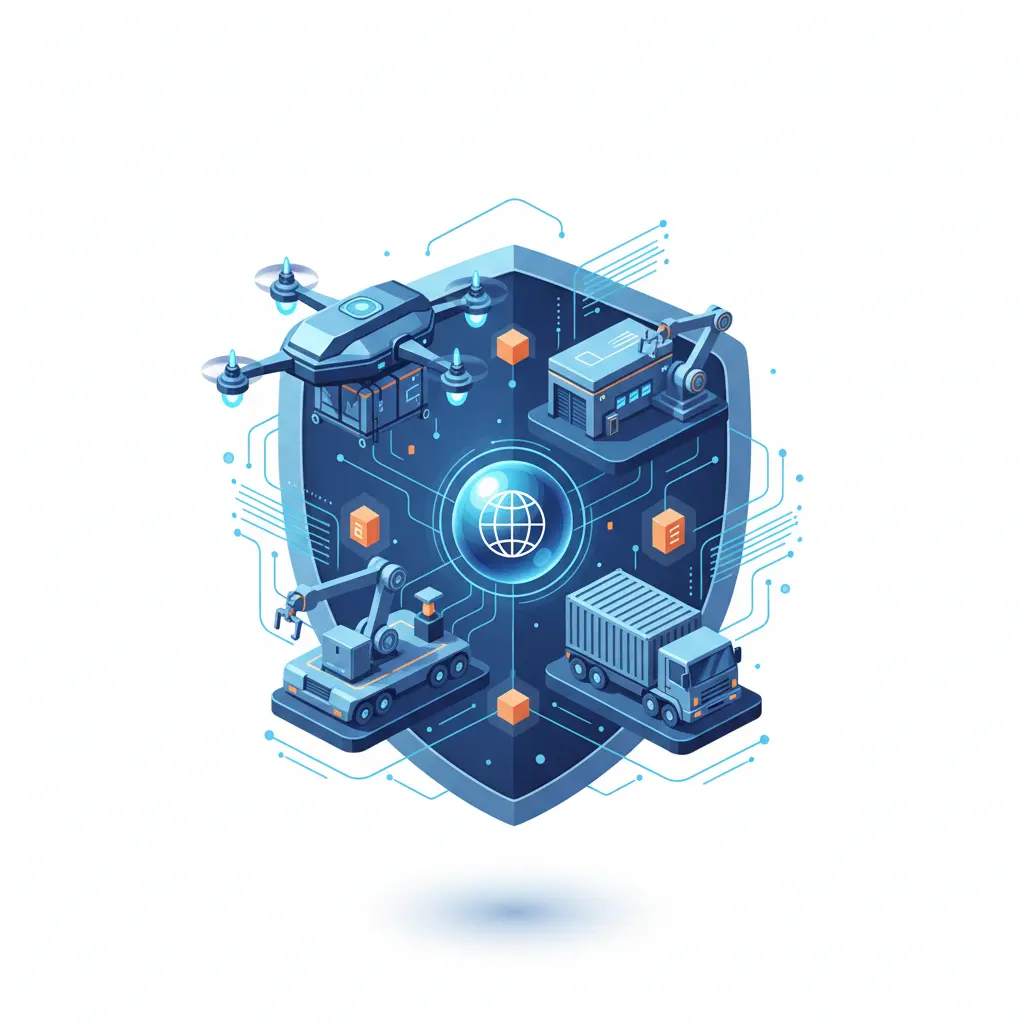
The imperative for enhanced resilience is evident in recent events that have highlighted vulnerabilities, such as port congestion, labor shortages, and fluctuating shipping container availability 2024. To navigate these complexities, companies must adopt advanced strategies that redefine their approach to B2B logistics, ensuring products move seamlessly from origin to destination, regardless of external pressures.
1. Supplier Diversification and Nearshoring/Friendshoring
One of the foundational pillars of building global supply chain resilience is strategic supplier diversification. Relying on a single source or geographic region for critical components can expose businesses to significant risks. Diversification involves expanding the supplier base across multiple countries and regions, reducing the dependency on any one point of failure. Complementing this approach are strategies like nearshoring and friendshoring.
Nearshoring involves relocating production or sourcing closer to the primary market, often within the same continent. This strategy significantly shortens lead times, reduces transportation costs, and simplifies logistics management. Friendshoring, a newer concept, entails sourcing from countries considered geopolitical allies or those with stable trade relations. Both strategies aim to mitigate geopolitical risks, reduce transit times, and enhance control over the supply chain. While these approaches may sometimes increase initial production costs, the long-term benefits in terms of reduced risk, faster market response, and improved predictability often outweigh the expenditure, ultimately bolstering overall global supply chain resilience.
2. Implementing Multi-Modal Transportation Strategies
Multi-modal transportation involves using a combination of different transport modes—such as sea, air, rail, and road—to move goods from their origin to their final destination. This strategy is critical for achieving international logistics optimization and resilience in B2B shipping. Instead of relying solely on one mode, which can be susceptible to specific disruptions (e.g., port strikes affecting ocean freight, bad weather grounding air cargo), multi-modal approaches offer unparalleled flexibility.
For instance, high-value, time-sensitive goods might start with air freight for speed, then transition to rail or road for cost-effective distribution over shorter distances. Bulky, less urgent cargo might primarily use ocean freight, with rail or barge handling inland movement. This adaptability is particularly crucial when facing issues like fluctuating shipping container availability 2024 or unpredictable fuel prices. By strategically combining modes, businesses can create more robust and agile shipping networks, ensuring that even if one segment of the transport chain faces a disruption, alternative routes and methods are readily available, thereby minimizing delays and maintaining supply chain integrity. According to a recent report by the World Economic Forum, multi-modal strategies are essential for future-proofing supply chains against systemic shocks and enhancing overall logistical agility. The World Economic Forum highlights the importance of multi-modal transport in building resilient supply chains.
3. Customized Logistics Solutions for Complex Cargo and Last-Mile
The diverse nature of B2B products often necessitates customized logistics solutions, especially for complex cargo and last-mile delivery. Standard shipping services are rarely sufficient for oversized, hazardous, temperature-controlled, or high-value items. Customization involves tailored packaging, specialized equipment (e.g., refrigerated containers, heavy-lift cranes), precise handling protocols, and dedicated transport routes.
Equally challenging is B2B last-mile delivery, which differs significantly from its B2C counterpart. B2B last-mile often involves delivering to industrial sites, warehouses, or production facilities with specific access requirements, delivery windows, and offloading procedures. Solutions might include direct-to-site delivery, scheduled appointments, reverse logistics for parts or returns, and specialized personnel. Companies leveraging expertise in regional markets, such as those providing Vietnam freight forwarding services, can offer invaluable insights and tailored solutions for navigating local regulations and infrastructure. These bespoke services ensure that even the most intricate logistics challenges are met with precision and efficiency, contributing significantly to customer satisfaction and operational continuity within the broader framework of advanced B2B shipping solutions.
Partner with Vietnam’s Leading Suppliers
Looking for reliable suppliers in Vietnam? Contact VietnamSuppliers.com today to connect with verified manufacturers and exporters across all industries.
—————————————
References
– World Economic Forum – Supply Chain Resilience: https://www.weforum.org/agenda/2023/01/supply-chain-resilience-global-economic-forum-risk-report-2023/
– Industry analysis consistently highlights the ongoing challenges in port operations and equipment management: https://www.joc.com/maritime-news/container-lines/container-shipping-rates-global-supply-chain-challenges-2024_20240105.html
– McKinsey’s analysis on AI’s role in supply chain transformation: https://www.mckinsey.com/capabilities/operations/our-insights/how-ai-is-changing-the-supply-chain-game
– World Bank: Vietnam Overview: https://www.worldbank.org/en/country/vietnam/overview#1
– The World Economic Forum highlights the importance of multi-modal transport in building resilient supply chains.: https://www.weforum.org/agenda/2023/11/how-to-build-resilient-supply-chains-in-an-unpredictable-world/

