
Understanding Export Credit Insurance
The global marketplace offers unprecedented growth opportunities, but also unique challenges, particularly regarding payment security across borders. For businesses expanding internationally, safeguarding against financial losses from non-payment is paramount. This is where Export Credit Insurance emerges as a critical financial instrument, providing a robust safety net for secure and confident international trade. It’s a strategic tool designed to de-risk global transactions, allowing businesses to seize opportunities without undue exposure to buyer defaults or political upheavals.
1. What is Export Credit Insurance?
At its core, Export Credit Insurance is a specialized form of trade credit insurance tailored for international transactions. It protects exporters against commercial and political risks that could lead to non-payment by foreign buyers for goods or services. Essentially, it acts as a financial safeguard, ensuring exporters receive payment even if overseas customers default due to unforeseen circumstances.
Risks covered generally fall into two categories:
- Commercial Risks: Include buyer insolvency, protracted default, or refusal to accept goods.
- Political Risks: Encompass events such as war, civil unrest, expropriation, currency inconvertibility, or the cancellation of import/export licenses.
By mitigating these diverse threats, Export Credit Insurance provides a stable financial environment for global operations. For those seeking to bolster International trade payment security, understanding this solution is crucial.

2. Why it’s essential for global trade
International trade involves complexities far exceeding domestic commerce. Factors like vast distances, differing legal systems, unfamiliar business practices, and volatile political landscapes introduce layers of risk impacting an exporter’s bottom line. Without adequate protection, these risks can deter market exploration or necessitate stringent payment terms, reducing competitiveness.
Export Credit Insurance directly addresses these challenges by transferring much of the non-payment risk to the insurer. This enables businesses to:
- Expand Confidently: Venture into new, high-growth markets.
- Offer Competitive Terms: Provide open account credit, enhancing market position.
- Protect Cash Flow: Safeguard against buyer defaults, ensuring consistent cash flow.
- Facilitate Financing: Insured receivables often lead to easier access to bank financing.
It’s an indispensable tool for sustainable growth, transforming potential vulnerabilities into strategic advantages.
3. How Export Credit Insurance Works
Understanding the operational mechanism of Export Credit Insurance is key to leveraging its full potential as an Export risk mitigation strategy. The process typically involves several stages:
- Application and Underwriting: Exporter applies, detailing business and terms. Insurer assesses buyer creditworthiness and political stability.
- Policy Issuance: Policy outlines coverage (e.g., 80-95% of loss) and claim conditions.
- Credit Limits: Insurer sets maximum covered amount for each buyer.
- Shipment and Payment: Exporter ships goods and extends credit.
- Claim Filing: If buyer defaults on a covered risk, exporter files a claim after a waiting period.
- Indemnification: Upon validation, insurer pays the agreed percentage, helping recover losses.
This structured approach ensures financial integrity as exporters pursue market opportunities.
4. Benefits of Export Credit Insurance
The advantages of implementing Export Credit Insurance extend beyond simple risk mitigation. These Trade credit insurance benefits are multifaceted, supporting both operational resilience and strategic growth:
- Enhanced Sales & Market Penetration: Reduced non-payment risk allows confident pursuit of new markets and flexible payment terms, increasing sales and competitive positioning.
- Improved Cash Flow & Liquidity: Protection against defaults ensures stable revenue, vital for operational planning.
- Access to Better Financing: Insured receivables are lower risk, leading to easier access to pre-export and post-shipment financing, often at favorable rates.
- Stronger Buyer Relationships: Offering credit fosters trust and long-term client relationships.
- Professional Risk Management: Insurers provide expertise in credit assessment and market intelligence.
- Peace of Mind: Confidence from protected sales allows management to focus on core business and expansion.
In conclusion, Export Credit Insurance is an investment in the security, stability, and growth of international trade activities, transforming global risks into manageable opportunities.
In the dynamic world of global commerce, securing payments for international exports is paramount. Export Credit Insurance (ECI), also known as trade credit insurance for exporters, provides vital protection against non-payment by foreign buyers due to commercial (e.g., insolvency, bankruptcy) or political risks (e.g., war, currency inconvertibility). Understanding how export insurance works is essential for businesses seeking to mitigate risks, expand into new markets, and enhance their international trade payment security. This section delves into ECI’s operational mechanics, from key participants to the application process and various coverage types.
1. Key Parties and Their Roles
The effective operation of Export Credit Insurance involves several key stakeholders:
- The Exporter (Policyholder): The seller of goods or services protecting their accounts receivable from overseas buyers. They pay premiums and file claims.
- The Importer (Buyer): The overseas customer. Their creditworthiness and country risk are crucial factors for the insurer.
- The Export Credit Agency (ECA) or Private Insurer: The provider of ECI (e.g., U.S. EXIM Bank, UK Export Finance, or private entities). They assess risks, issue policies, and process claims.
- Banks/Financiers: May receive an ECI policy as collateral, enabling them to offer trade finance or working capital loans more confidently against protected foreign receivables.
2. The Application and Approval Process
Securing Export Credit Insurance typically follows a structured process, ensuring both the exporter and insurer have a clear understanding of the risks involved:
- Initial Consultation and Inquiry: The exporter first approaches an ECA or private insurer to discuss their needs. This involves providing details about their business, target markets, specific buyers, and typical transaction volumes and terms.
- Risk Assessment and Underwriting: This is a critical phase where the insurer thoroughly evaluates the risks. They assess the creditworthiness of the foreign buyer, examining their financial statements, payment history, and market reputation. Additionally, they analyze the political and economic stability of the buyer’s country, as these factors significantly influence the likelihood of non-payment. This comprehensive evaluation is central to understanding how export insurance works in practice.
- Policy Proposal and Terms: Based on the risk assessment, the insurer provides a policy proposal outlining the terms of coverage. This includes the maximum aggregate liability, coverage limits per buyer, the percentage of loss covered (typically 80-95%), premium rates, and any specific conditions or exclusions.
- Policy Issuance and Management: Once the exporter accepts the terms and pays the initial premium, the policy is issued. The exporter is then responsible for adhering to the policy’s terms, such as reporting shipments and payments regularly, and promptly notifying the insurer of any overdue accounts.
3. Types of Coverage and Policies
Export Credit Insurance offers a range of flexible policies tailored to different exporter needs and risk profiles, significantly contributing to export credit insurance benefits and broader export risk mitigation strategies:
- Whole Turnover Policies: These are the most common and often cost-effective policies, covering all or a significant portion of an exporter’s eligible foreign receivables against a portfolio of approved buyers. They provide comprehensive protection and administrative simplicity for exporters with multiple overseas clients.
- Single Buyer Policies (Specific Buyer Policies): Designed for exporters with a large, single contract with one specific overseas buyer, or for those who only wish to insure against a particular high-value transaction.
- Short-Term vs. Medium-Long Term Policies:
- Short-Term: Covers transactions with payment terms typically up to 180-360 days, common for consumer goods, raw materials, and components.
- Medium-Long Term: Extends coverage for periods ranging from one to ten years, usually for capital goods, projects, and services, often involving structured finance.
- Commercial Risk Only vs. Political Risk Only vs. Comprehensive:
- Commercial Risks: Protects against buyer insolvency, bankruptcy, or protracted default.
- Political Risks: Covers events beyond the buyer’s control, such as war, revolution, expropriation, currency inconvertibility, or revocation of import licenses.
- Comprehensive Coverage: Combines both commercial and political risk protection, offering the broadest international trade payment security.
- Pre-shipment vs. Post-shipment Coverage: Some policies can also cover risks incurred before the goods are shipped (e.g., buyer defaults after placing an order but before manufacturing is complete), in addition to the more common post-shipment non-payment risks.
Should a covered non-payment event occur, the exporter files a claim with the insurer. After validation, the insurer typically reimburses a pre-agreed percentage of the loss, significantly reducing financial exposure. By understanding these mechanisms, exporters can leverage ECI to confidently pursue global opportunities, knowing their financial interests are protected.
Key Benefits for Exporters
In the dynamic and often unpredictable landscape of global commerce, exporters face a myriad of challenges, from payment defaults to political instability. Implementing Export Credit Insurance (ECI) emerges as a strategic imperative, offering significant advantages that fortify business operations and foster sustainable growth. This critical financial tool explores enhanced payment security, reduced financial risk, and improved access to financing for growth, thereby empowering businesses to confidently expand their international reach.

1. Ensuring International Trade Payment Security
One of the foremost trade credit insurance benefits is the unparalleled payment security it provides. Export Credit Insurance safeguards exporters against the risk of non-payment by foreign buyers, a prevalent concern that can severely impact cash flow and profitability. This type of insurance covers various commercial risks, such as buyer insolvency, protracted default (payment delays beyond an agreed period), and even repudiation of goods. By securing their receivables, businesses can extend more competitive credit terms to international clients without undue fear, making their offers more attractive in a competitive global market. This enhanced security not only protects existing revenue streams but also encourages exporters to pursue new, potentially higher-risk markets and customers, knowing their efforts are financially protected. Understanding how export insurance works means recognizing it as a fundamental layer of protection, transforming uncertain international transactions into more predictable and manageable endeavors, and boosting international trade payment security.
2. Mitigating Commercial and Political Risks
Beyond commercial non-payment, ECI is a robust tool for export risk mitigation strategies, specifically designed to address both commercial and political risks inherent in cross-border trade. While commercial risks include insolvency or payment default, the international arena also presents unique political risks beyond the control of either the exporter or the buyer. These can include currency inconvertibility, expropriation, war, civil unrest, embargos, and license cancellations due to government actions in the buyer’s country. Such events can severely disrupt trade flows and lead to significant financial losses. Export Credit Insurance provides a crucial safety net against these geopolitical uncertainties, offering compensation for losses incurred due to these unforeseen circumstances. This comprehensive coverage allows exporters to operate with greater confidence in politically volatile regions or developing markets, where the potential for high returns often comes with heightened risk. ECI acts as a de-risking mechanism, making global expansion a more viable and less daunting prospect for companies of all sizes.
3. Facilitating Access to Trade Finance
A less obvious but equally vital benefit of ECI is its significant role in facilitating access to trade finance. Financial institutions are often hesitant to provide pre-shipment or post-shipment financing for export transactions due to the perceived high risks associated with international trade. However, when an exporter has an Export Credit Insurance policy in place, the risk profile of their receivables dramatically improves. Banks and lenders view insured receivables as collateral with much lower risk, making them more willing to extend financing. This can include working capital loans, pre-export financing, or even discounting of insured receivables. By reducing the bank’s exposure to payment default, ECI effectively unlocks capital that might otherwise be unavailable. This improved access to finance is crucial for growth, allowing exporters to fund larger orders, invest in production capacity, or manage cash flow gaps between shipment and payment. For many small and medium-sized enterprises (SMEs), this ability to leverage their insured sales to secure financing can be a game-changer, enabling them to compete more effectively and seize international opportunities.
In conclusion, Export Credit Insurance is far more than just a safety net; it’s a powerful enabler of global trade. By ensuring payment security, mitigating a broad spectrum of commercial and political risks, and significantly improving access to essential trade finance, ECI equips exporters with the confidence and financial stability needed to thrive in the complex international marketplace. It transforms potential obstacles into opportunities, fostering robust growth and sustained success for businesses engaged in worldwide commerce.
Common Export Risks Covered
In the dynamic landscape of international trade, businesses encounter numerous uncertainties that can jeopardize payment and operational stability. Export Credit Insurance stands as a critical financial tool, acting as a robust risk mitigation strategy designed to shield exporters from the financial consequences of non-payment by international buyers. This specialized form of trade credit insurance provides indispensable security, allowing companies to expand into new markets with confidence, offer competitive credit terms, and safeguard their balance sheets against unforeseen challenges, enhancing international trade payment security.
Export Credit Insurance fundamentally works by transferring the risk of non-payment from the exporter to an insurer. This mechanism not only protects against direct financial losses but also bolsters a company’s ability to obtain financing. By mitigating credit risk, exporters can pursue larger orders and penetrate potentially lucrative markets, transforming potential threats into growth opportunities through effective export risk mitigation strategies.
1. Commercial Risks (Buyer Insolvency, Non-Payment)
Commercial risks represent the most common category of threats, directly stemming from the buyer’s financial health and willingness to pay. Export Credit Insurance offers comprehensive protection against several critical commercial risks:
- Buyer Insolvency: This covers situations where an international buyer declares bankruptcy, becomes insolvent, or enters liquidation, rendering them legally unable to fulfill payment obligations. The insurance covers unpaid invoices, providing crucial trade credit insurance benefits and stabilizing cash flow.
- Protracted Default/Non-Payment: Even without formal insolvency, a buyer might simply fail to pay within agreed credit terms or repeatedly delay payment beyond a specified period (e.g., 90 to 180 days past the due date). This “protracted default” triggers compensation, highlighting how export insurance works to provide practical financial relief.
- Buyer’s Refusal to Accept Goods: In specific cases, a buyer might wrongfully refuse to accept goods, even if contract-compliant, leading to non-payment. Policies can offer coverage if the refusal is deemed unjustified and results in an unrecoverable loss.
By protecting against these commercial eventualities, Export Credit Insurance provides an essential layer of financial stability, allowing businesses to extend competitive credit terms without undue exposure.
2. Political Risks (War, Currency Transfer)
Political risks are external, often unpredictable events beyond the control of both parties, which can severely disrupt international trade and impede payment. Export Credit Insurance is specifically designed to address these complex challenges:
- War, Civil Strife, and Revolution: Political instability, including outbreaks of war, civil unrest, or revolutions in the buyer’s country, can make it impossible for the buyer to operate or for payments to be legally transferred.
- Currency Inconvertibility and Non-Transferability: Governments may impose restrictions preventing the conversion of local currency into hard currency or the transfer of funds out of the country. The U.S. Export-Import Bank (EXIM), for instance, explicitly covers such events, safeguarding exporters against a common impediment to international trade payment security.
- Expropriation or Nationalization: The government of the buyer’s country might seize the buyer’s assets or nationalize their industry, effectively nullifying debts to foreign entities.
- Cancellation of Import/Export Licenses: Unexpected changes in government regulations, such as the sudden revocation of import licenses or imposition of new trade bans, can prevent contract fulfillment or payment.
Coverage for political risks is a cornerstone of export risk mitigation strategies, providing peace of mind when venturing into politically sensitive regions.
3. Other Unforeseen Trade Disruptions
Beyond direct commercial and political risks, international trade can be impacted by other specific events hindering payment or contract fulfillment. Export Credit Insurance policies can extend to cover these less common but equally disruptive scenarios:
- Unfair Calling of Bonds or Guarantees: Protection against situations where a public buyer arbitrarily calls upon performance bonds or advance payment guarantees without legitimate cause.
- Contract Repudiation by a Public Buyer: Coverage for instances where state-owned enterprises or government entities unilaterally repudiate a contract, often due to political changes, preventing performance or payment.
- Wrongful Detention of Goods: Addresses cases where goods are unlawfully detained or confiscated by customs or government authorities in the buyer’s country, leading to significant delays and potential losses.
These specific coverages underscore the comprehensive nature of Export Credit Insurance, providing layered protection against a broad spectrum of challenges that can arise in global trade, truly encompassing a holistic approach to export risk mitigation strategies.
In conclusion, Export Credit Insurance is a strategic enabler for businesses seeking international growth. By meticulously covering a wide array of commercial, political, and specific trade disruption risks, it empowers exporters to offer competitive terms, manage cash flow effectively, and confidently pursue opportunities worldwide, securing investments and ensuring business continuity in an unpredictable global marketplace.
Choosing & Implementing Your ECI Policy
Navigating the complexities of global commerce requires strategic foresight, especially when it comes to securing payments. Export Credit Insurance (ECI) serves as a critical tool, protecting exporters against the risk of non-payment from overseas buyers due to commercial (e.g., insolvency, protracted default) or political (e.g., war, currency transfer restrictions) events. This section provides practical guidance on selecting the most suitable ECI policy, evaluating providers, and effectively integrating this insurance into an exporter’s overall business strategy, ensuring international trade payment security and fostering sustainable growth. Understanding how export insurance works is paramount for any business looking to expand confidently into new markets.
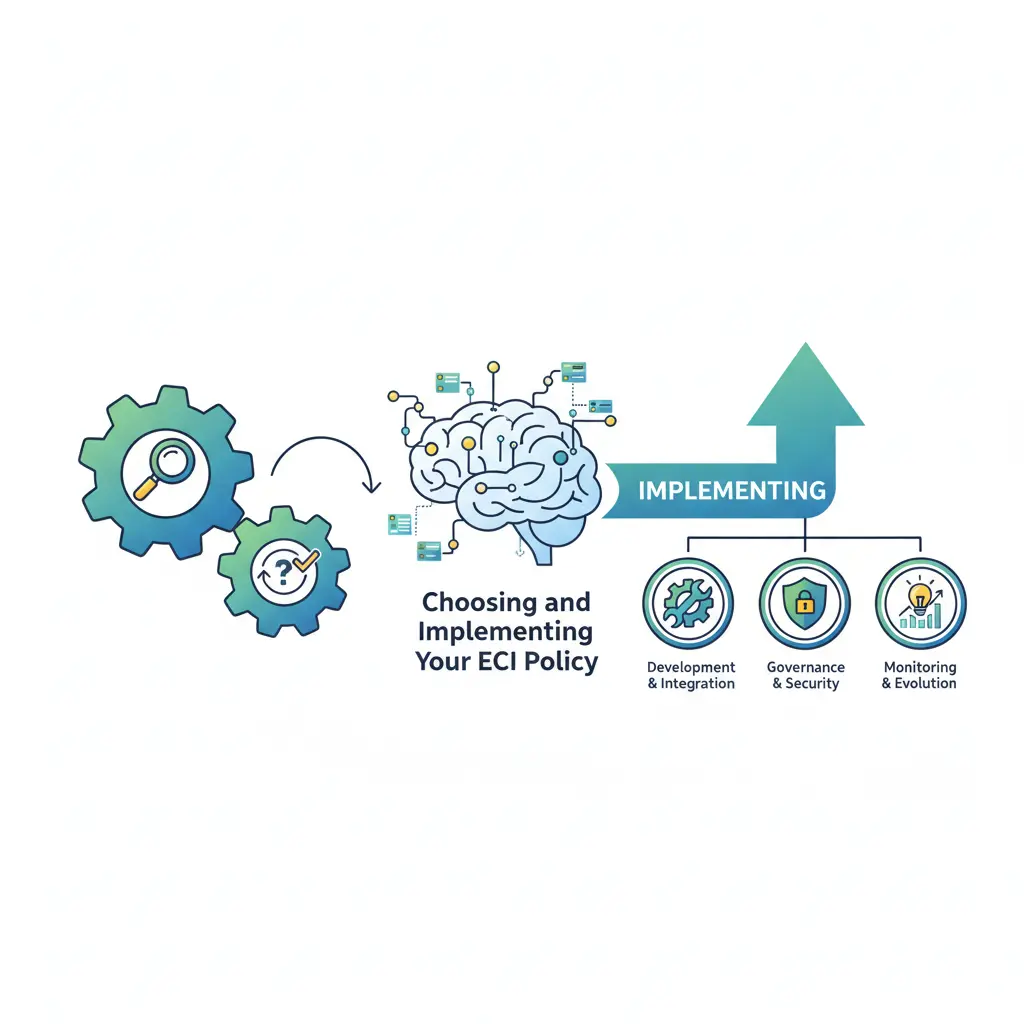
1. Factors to consider when selecting a policy
Choosing the right Export Credit Insurance policy involves a meticulous evaluation of several key factors to align coverage with your specific business needs and risk profile. Firstly, assess the type of coverage required. Do you need whole-turnover coverage for all your export receivables, or specific buyer/country coverage for higher-risk transactions? Consider the scope of risks covered – commercial risks are standard, but political risk coverage might be crucial depending on your target markets. Secondly, your industry and customer base play a significant role. Some policies are tailored to specific sectors, and the creditworthiness of your typical buyers will influence premium rates and terms. Thirdly, policy flexibility and deductibles are important. Can the policy be customized as your export activities evolve? What is the deductible or retention rate you’ll be responsible for? Lastly, critically evaluate the cost of the premium against the potential benefits. While ECI is an investment, the trade credit insurance benefits often far outweigh the expense, providing peace of mind and unlocking capital otherwise tied up in receivables. A well-chosen policy acts as a robust pillar in your overall export strategy.
2. Leading export credit insurance providers
The global market for Export Credit Insurance is dominated by a few major players, alongside governmental agencies and specialized brokers. Understanding their offerings can help in making an informed decision. Key private providers include Atradius, Euler Hermes (Allianz Trade), and Coface. These multinational insurers offer comprehensive commercial and political risk coverage across a vast network of countries, catering to businesses of all sizes. They often provide valuable market intelligence and credit assessments, aiding exporters in vetting potential buyers. In addition to private insurers, government-backed agencies play a crucial role, particularly for supporting national export initiatives or covering higher-risk markets. Examples include the Export-Import Bank of the United States (EXIM Bank), UK Export Finance (UKEF), and various national export credit agencies (ECAs) worldwide. These governmental bodies often offer more flexible terms for strategic national interests or for small and medium-sized enterprises (SMEs) venturing into new territories. Engaging with a reputable insurance broker specializing in trade credit can also be highly beneficial, as they can compare multiple quotes and tailor a solution best suited to your unique export portfolio.
3. Best practices for policy management
Effective management of your Export Credit Insurance policy is as crucial as its initial selection. It transforms ECI from a mere safeguard into a proactive tool for business growth and international trade payment security. Firstly, establish clear internal processes for reporting new buyers, monitoring credit limits, and filing claims promptly. Adherence to reporting requirements is critical to ensure your coverage remains valid. Secondly, maintain open and regular communication with your ECI provider. Inform them of any significant changes in your export activities, customer payment behavior, or market conditions. Their insights and credit monitoring services are valuable resources. Thirdly, thoroughly understand your policy’s terms and conditions, especially regarding exclusions, deductibles, and claim procedures. Proactive knowledge minimizes surprises and expedites claim resolution. Regularly review your policy with your broker or provider to ensure it still aligns with your evolving business strategy and current market risks. Integrating ECI into your broader financial planning allows you to leverage its benefits fully, such as improved cash flow management, enhanced borrowing capacity from lenders who view insured receivables more favorably, and increased confidence to explore new, potentially lucrative, markets. By implementing robust export risk mitigation strategies, businesses can transform potential threats into opportunities for expansion and sustained profitability.
Partner with Vietnam’s Leading Suppliers
Looking for reliable suppliers in Vietnam? Contact VietnamSuppliers.com today to connect with verified manufacturers and exporters across all industries.
—————————————
References
– EXIM Bank Export Credit Insurance: https://www.exim.gov/products/export-credit-insurance
– Export Credit Insurance (ECI): https://www.exim.gov/products/export-credit-insurance
– Trade Credit Insurance | EXIM.gov: https://www.exim.gov/products/trade-credit-insurance
– The U.S. Export-Import Bank (EXIM): https://www.exim.gov/products/credit-insurance/short-term-export-credit-insurance
– ICC Trade Finance Gap Survey: https://www.iccwbo.org/publication/icc-trade-finance-gap-survey-2023-moving-beyond-resilience/

