The Evolving Landscape of Vietnam Quality Inspection in 2025
Vietnam has rapidly emerged as a powerhouse in global manufacturing, attracting significant foreign direct investment and becoming a crucial hub in diversified supply chains. As its industrial capabilities expand, so too does the imperative for stringent quality control. The year 2025 sees the landscape of Vietnam Quality Inspection undergoing significant transformation, driven by evolving global demands, technological advancements, and a heightened focus on product integrity and ethical sourcing. For international buyers and businesses sourcing from Vietnam, understanding these shifts is paramount to ensuring product excellence, mitigating risks, and maintaining brand reputation in an increasingly competitive market. This section delves into the current trends, challenges, and opportunities shaping quality control practices, underscoring its growing importance for sustainable global trade.
1. Key Drivers for Enhanced Quality Control
The bedrock of Vietnam’s enhanced focus on quality control lies in several pivotal drivers. Firstly, the nation’s consistent economic growth and attractive investment policies have led to a surge in foreign direct investment (FDI), particularly from companies seeking to diversify their manufacturing bases beyond traditional hubs. This “China+1” strategy has brought a new wave of advanced manufacturing facilities and higher expectations for product quality. International buyers, increasingly discerning and aware of supply chain vulnerabilities, demand unparalleled quality to safeguard their brand integrity and comply with stringent market regulations. The rise of e-commerce further amplifies this, as online reviews and consumer feedback can instantly impact a product’s success. Consequently, businesses operating in Vietnam are investing more in robust quality assurance systems. The demand for specialized services like Third Party Inspection Vietnam, which provides objective assessments of product quality at various stages, has seen a substantial uptick. Similarly, proactive measures such as a comprehensive Factory Audit Vietnam are becoming standard practice for businesses looking to vet potential suppliers and ensure compliance with their specific quality management systems and ethical guidelines even before production commences. This proactive approach minimizes risks and fosters long-term, reliable supplier relationships.
2. Impact of Global Supply Chain Shifts on QC
The past few years have dramatically reshaped global supply chains, moving from a focus on efficiency to prioritizing resilience and diversification. This paradigm shift profoundly impacts quality control in Vietnam. As companies scatter their production across multiple geographies, managing quality becomes inherently more complex. The reliance on a singular manufacturing hub is diminishing, replaced by a network of suppliers that requires diligent oversight. This diversification necessitates sophisticated Vietnam Supplier Verification processes to ensure that new partners meet rigorous quality and ethical standards from the outset. Furthermore, the increased lead times and potential for disruptions in fragmented supply chains elevate the importance of early detection of quality issues. Consequently, Vietnam Pre-Shipment Inspection has become an indispensable tool. These inspections, conducted before goods leave the factory, provide a final critical check, preventing costly rejections, recalls, and reputational damage downstream. By identifying and rectifying defects prior to shipping, businesses can mitigate financial losses, maintain delivery schedules, and ensure customer satisfaction, highlighting QC as a strategic imperative rather than a mere operational cost.
3. New Regulations and Standards Affecting Imports
The global regulatory environment for imported goods is continuously tightening, driven by consumer safety concerns, environmental sustainability mandates, and ethical sourcing principles. Major importing markets like the European Union, the United States, and Japan are implementing stricter product safety standards, chemical restrictions (e.g., REACH, RoHS), and traceability requirements. Furthermore, there’s a growing emphasis on social compliance and environmental responsibility throughout the supply chain. These evolving regulations mean that what was acceptable yesterday might not be compliant tomorrow. For exporters in Vietnam, this translates into an urgent need for advanced Vietnam Quality Inspection protocols that go beyond basic product checks. Compliance with international standards such as ISO 9001 for quality management, ISO 14001 for environmental management, and SA8000 for social accountability is becoming a competitive differentiator. Businesses must navigate a complex web of national and international legislation, making robust internal QC systems and credible third-party verification services essential. Staying abreast of these changes and proactively adapting quality processes ensures market access and fosters consumer trust, reinforcing Vietnam’s position as a reliable and responsible global supplier.
In conclusion, the landscape of quality inspection in Vietnam in 2025 is characterized by dynamic growth, increasing complexity, and a non-negotiable demand for excellence. The convergence of economic drivers, global supply chain recalibrations, and stringent regulatory frameworks positions quality control not just as a departmental function but as a strategic cornerstone for businesses engaging with Vietnam. Embracing advanced inspection methodologies, partnering with reliable Vietnam Quality Inspection providers, and committing to continuous improvement will be crucial for maintaining competitiveness, safeguarding brands, and capitalizing on the immense opportunities Vietnam offers in the global marketplace.
Why Third-Party Inspection Vietnam is Indispensable
In the vibrant and rapidly expanding manufacturing landscape of Vietnam, ensuring product quality and compliance is paramount for businesses worldwide. As global supply chains become increasingly intricate, relying solely on internal checks or manufacturer self-assessments can expose companies to significant risks. This is where Vietnam Quality Inspection, particularly through independent third-party services, becomes not just beneficial, but truly indispensable. Employing a professional Third Party Inspection Vietnam partner acts as a crucial safeguard, providing an objective lens on production processes and finished goods, thereby protecting brand reputation, mitigating financial losses, and ensuring market access.
1. Advantages of Impartial Assessments and Expertise
One of the foremost reasons to engage a Third Party Inspection Vietnam service is the inherent impartiality and specialized expertise they bring to the table. Unlike a manufacturer’s internal quality control, which may have vested interests, an independent inspector operates without bias, providing a true and objective assessment of product quality and production adherence. These inspectors possess deep knowledge of various product categories, manufacturing processes, and international quality benchmarks. Their specialized training enables them to identify subtle defects, non-conformities, and potential issues that might be overlooked by an in-house team or a less experienced eye. For instance, during a Factory Audit Vietnam, an independent auditor can meticulously evaluate production capabilities, machinery maintenance, worker training, and quality management systems, providing a transparent report on a supplier’s operational integrity. This level of detail and neutrality offers invaluable insights, building a foundation of trust and confidence in your Vietnamese suppliers.
2. Reducing Risks and Costly Reworks Post-Production
Proactive quality control through third-party inspection is a powerful strategy for risk mitigation and cost saving. Defects identified late in the supply chain – upon arrival in the destination country or, worse, after reaching the consumer – can lead to exorbitant costs associated with rework, returns, logistics, and product recalls. Engaging in Vietnam Pre-Shipment Inspection, for example, allows for final checks on product specifications, quantity, packaging, and labeling before goods leave the factory. This critical step ensures that any discrepancies are caught and rectified on-site, preventing the shipment of substandard products. Moreover, services like Vietnam Supplier Verification conducted by third parties can assess a new supplier’s legitimacy, production capacity, and quality control systems even before a contract is signed, drastically reducing the risk of engaging with unreliable partners. By intercepting issues early, businesses avoid costly delays, protect their profit margins, and maintain a positive brand image, which is vital in today’s competitive global marketplace.
3. Ensuring Compliance with International Standards
Navigating the complex web of global trade regulations and quality standards can be a daunting task for businesses, especially those sourcing internationally. Third-party inspection services play a critical role in ensuring that products manufactured in Vietnam comply with the specific requirements of the target market. Whether it’s adherence to safety standards like CE for Europe, ASTM for the US, or international quality standards such as ISO 9001, independent inspectors are well-versed in these mandates. They conduct tests and inspections to verify that products meet all necessary technical specifications, performance criteria, and regulatory obligations. This not only facilitates smooth customs clearance and market entry but also protects consumers and the brand from legal liabilities. By guaranteeing compliance, third-party inspectors empower businesses to confidently expand their global reach, knowing their products meet the highest benchmarks of quality and safety, reinforcing the value of comprehensive Vietnam Quality Inspection practices.
Mastering Vietnam Pre-Shipment Inspection for Success
In the dynamic landscape of global manufacturing, ensuring product quality and compliance is paramount, especially when sourcing from rapidly growing hubs like Vietnam. The journey from raw material to finished product is complex, and without stringent oversight, minor discrepancies can escalate into costly problems. This is where a robust Vietnam Quality Inspection strategy, particularly a thorough pre-shipment inspection, becomes not just beneficial but absolutely crucial. It serves as the ultimate safeguard, providing a critical last line of defense to identify defects, verify adherence to specifications, and ensure that your goods are perfect before they ever leave the factory floor. Investing in comprehensive quality checks ensures that your brand reputation remains untarnished and your supply chain runs smoothly.
1. What Pre-Shipment Inspection (PSI) Entails
Pre-Shipment Inspection (PSI) is a systematic check performed when at least 80% (and ideally 100%) of the order has been produced and packed for shipment. It’s an exhaustive evaluation designed to confirm that the goods meet your precise specifications, quantity, and packaging requirements before they are dispatched. This final quality control step covers a multitude of aspects, ranging from the product’s visual appearance and functionality to its labeling and shipping marks. Engaging a third-party quality control provider for a Third Party Inspection Vietnam is a common and highly recommended practice. These independent inspectors act as your eyes and ears on the ground, providing an unbiased assessment of your products. Their role extends beyond merely spotting flaws; they verify quantities, conduct on-site functional tests, check for adherence to safety standards, and scrutinize packaging integrity, ensuring every detail aligns with your purchase order and international standards.
2. Critical Checkpoints and Common Defects to Look For
A meticulous Vietnam Pre-Shipment Inspection delves deep into various critical checkpoints to uncover potential issues. Key areas include visual checks for aesthetic flaws, measurement verification against technical drawings, material composition analysis, and crucial functionality tests to ensure the product performs as intended. Inspectors meticulously examine aspects such as color consistency, surface finishes (looking for scratches, dents, or burrs), and overall craftsmanship. For textiles, this might involve checking stitching quality, fabric strength, and color fastness. For electronics, it entails power-on tests, button functionality, and safety compliance. Common defects frequently identified during these inspections include incorrect dimensions, substandard materials, mislabeled packaging, faulty components, poor assembly, and non-compliance with safety regulations. Even seemingly minor deviations, such as incorrect barcodes or missing warning labels, can lead to significant customs delays or product recalls. A proactive approach, often informed by a prior Factory Audit Vietnam or Vietnam Supplier Verification, allows inspectors to focus on known risk areas and historical issues, making the PSI even more effective in pinpointing recurring problems.
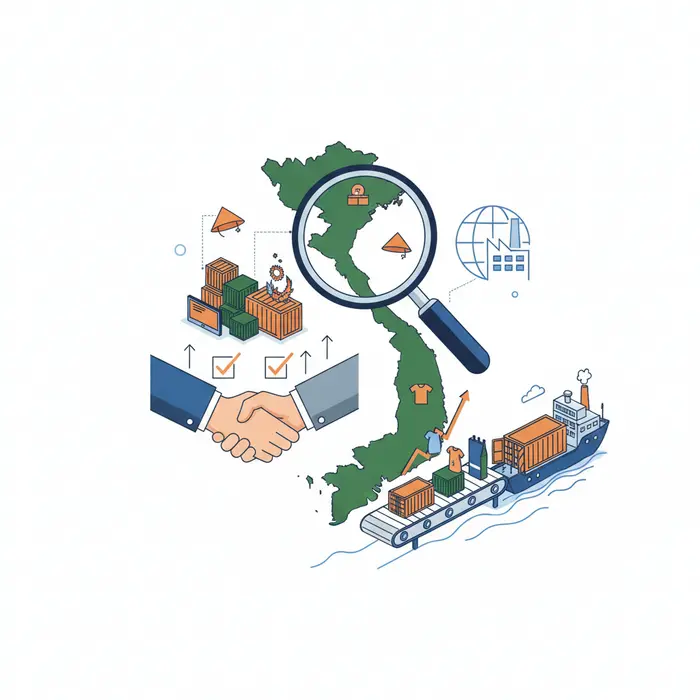
3. Benefits of Catching Issues Before Shipment
The advantages of conducting a thorough Vietnam Quality Inspection before goods ship are manifold and directly impact your bottom line and brand reputation. Firstly, it offers substantial cost savings by preventing the shipment of defective products. Recalling faulty goods, reworking them, or dealing with customer returns and chargebacks can be astronomically expensive, far outweighing the initial inspection cost. Secondly, it safeguards your brand image. Delivering high-quality products consistently builds trust and loyalty, while shipping substandard items can quickly erode consumer confidence and damage your reputation, which is incredibly difficult to rebuild. Thirdly, pre-shipment inspections minimize delays and logistical nightmares. Discovering issues post-arrival often necessitates re-negotiations with suppliers, reshipments, or even disposal, all of which consume valuable time and resources. Early detection allows for prompt corrective actions at the factory, ensuring that only compliant products are dispatched. Furthermore, it fosters improved supplier relationships by establishing clear quality expectations and promoting continuous improvement. Suppliers are more likely to uphold standards when they know their products will be meticulously checked. Ultimately, PSI acts as a crucial risk mitigation tool, ensuring compliance with international trade regulations, product safety standards, and your specific contractual requirements, thereby reducing potential legal liabilities and financial exposure. It’s an investment that pays dividends in operational efficiency, customer satisfaction, and long-term business success.
Factory Audit Vietnam: A Foundation for Reliable Sourcing
In today’s globalized economy, Vietnam has emerged as a powerhouse for manufacturing, offering competitive costs and a skilled workforce. However, navigating this dynamic landscape requires more than just identifying potential suppliers; it demands a robust system for ensuring quality, compliance, and ethical practices. This is where a comprehensive Vietnam Quality Inspection, particularly a thorough factory audit, becomes indispensable. A factory audit in Vietnam serves as the bedrock for reliable sourcing, providing invaluable insights into a supplier’s operational capabilities, quality management systems, and adherence to ethical standards. It’s a proactive measure that mitigates risks, fosters trust, and lays the groundwork for successful, long-term partnerships, ultimately safeguarding your brand’s reputation and bottom line.
1. Purpose and Scope of Effective Factory Audits
An effective factory audit is far more than a simple walkthrough; it’s a meticulous evaluation designed to provide a panoramic view of a potential or existing supplier’s operations. The primary purpose is to assess a supplier’s suitability and capacity to meet your specific requirements, identifying potential risks before they escalate into costly problems. The scope typically encompasses a wide array of criteria, from facility infrastructure and production processes to organizational structure and documentation control. For businesses looking to establish a strong supply chain in Southeast Asia, understanding the nuances of a Factory Audit Vietnam is crucial. It helps in verifying the accuracy of supplier claims, ensuring transparency, and building confidence in their ability to deliver consistent quality. This initial verification process is a critical component of Vietnam Supplier Verification, ensuring that you partner with manufacturers who are genuinely capable and compliant.
2. Assessing Production Capability and Quality Management Systems
One of the core objectives of a factory audit is to rigorously evaluate a supplier’s production capability and the robustness of their Quality Management System (QMS). This involves a deep dive into manufacturing processes, machinery, tooling, and overall production capacity to confirm they can meet your volume and technical specifications. Auditors will examine equipment maintenance schedules, production workflow efficiency, and potential bottlenecks. Crucially, the audit assesses the implementation of quality control procedures at every stage: from incoming material inspection and in-process checks to final product testing and packaging protocols. This critical evaluation helps determine if the factory adheres to international quality standards such as ISO 9001. A comprehensive assessment here is paramount for mitigating defects and ensuring product consistency, making it a vital precursor to any Vietnam Pre-Shipment Inspection. Leveraging Third Party Inspection Vietnam services during these audits provides an impartial, expert assessment, invaluable for verifying a supplier’s true capabilities and commitment to quality.
3. Identifying and Mitigating Ethical & Environmental Risks
Beyond quality and production, modern supply chains demand adherence to ethical and environmental standards. A factory audit is an essential tool for identifying and mitigating potential risks in these areas, which can severely impact brand reputation and lead to legal repercussions. Auditors examine labor practices, including working conditions, wage compliance, adherence to working hour regulations, child labor policies, and health and safety measures. They also assess the factory’s environmental footprint, reviewing waste management protocols, pollution control systems, energy consumption, and compliance with local environmental laws. The increasing global emphasis on Environmental, Social, and Governance (ESG) factors makes this aspect of the audit more critical than ever. By proactively addressing these concerns through a thorough Factory Audit Vietnam, businesses can ensure they are sourcing responsibly, protecting their brand from association with unethical practices, and contributing to sustainable global supply chains. This commitment to ethical and environmental compliance reinforces the importance of diligent Vietnam Supplier Verification processes.
Strategic Vietnam Supplier Verification for Risk Mitigation
In today’s interconnected global economy, sourcing from Vietnam presents immense opportunities for businesses seeking competitive advantages and diversified supply chains. However, realizing these benefits hinges on robust supplier management. Strategic Vietnam Quality Inspection and thorough supplier verification processes are not just bureaucratic hurdles; they are fundamental pillars that build trust, minimize inherent supply chain risks, and foster long-term, successful partnerships. A proactive approach to understanding and vetting potential partners in Vietnam transforms potential vulnerabilities into strengths, ensuring product quality, ethical compliance, and operational reliability from the outset. By diligently assessing every facet of a potential supplier’s operations – from their financial health to their communication protocols – companies can safeguard their brand reputation, avoid costly delays, and cultivate enduring collaborations that drive mutual growth and success in the dynamic Vietnamese market.
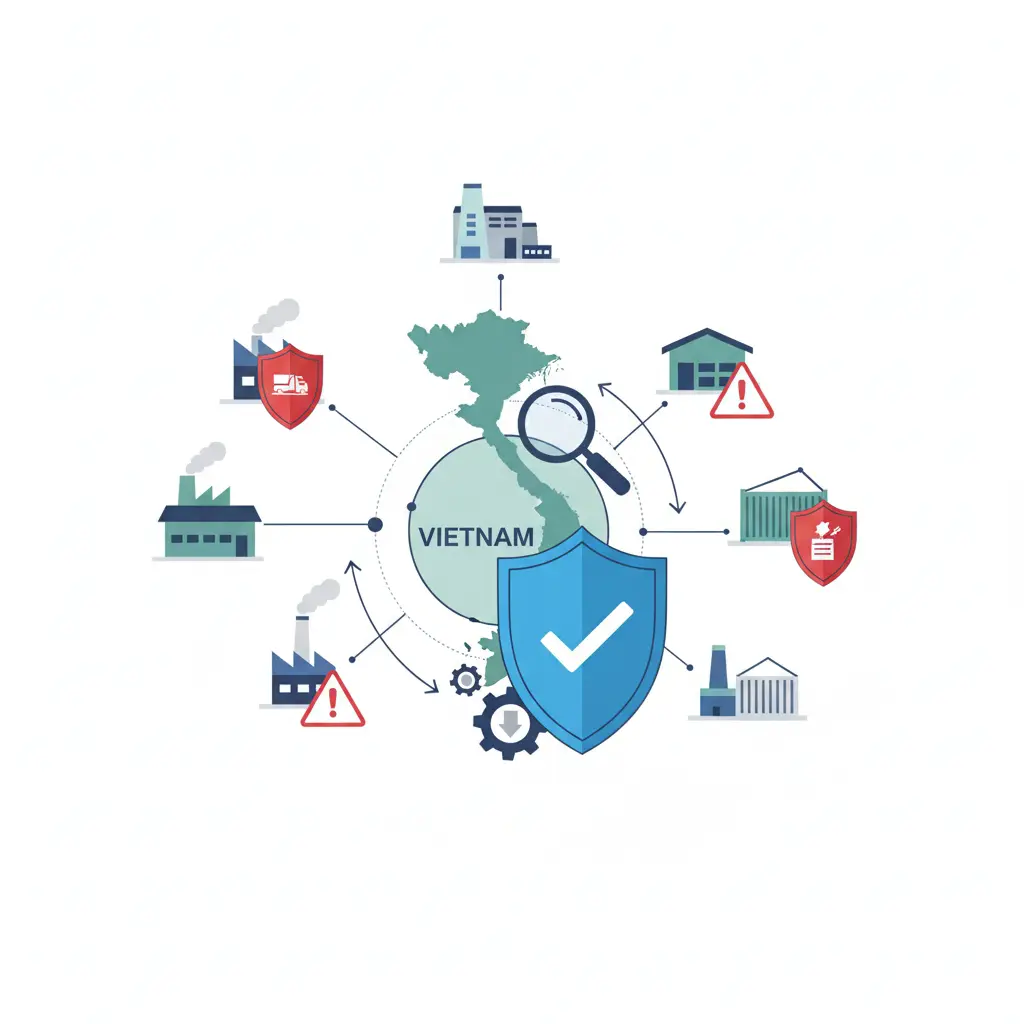
1. Comprehensive Due Diligence Steps for New Suppliers
Embarking on a partnership with a new supplier in Vietnam requires a meticulous, multi-layered due diligence process. This initial phase goes beyond simply checking references; it involves a deep dive into the supplier’s operational capabilities, manufacturing processes, and quality management systems. A critical component of this is conducting a Factory Audit Vietnam. This on-site assessment by independent experts scrutinizes production lines, equipment maintenance, and adherence to international manufacturing standards. It evaluates everything from raw material storage to finished product packaging, identifying potential bottlenecks or quality inconsistencies before they impact your supply chain. Furthermore, verifying certifications like ISO 9001 for quality management or ISO 14001 for environmental management provides an objective benchmark of their commitment to best practices. Understanding their experience with international clients, their production capacity relative to your order volume, and their existing client portfolio helps paint a comprehensive picture of their reliability and scalability. Engaging a reputable Third Party Inspection Vietnam service during this stage can provide unbiased insights, ensuring that the supplier’s stated capabilities align with their actual operational strengths and helping to establish a baseline for future quality expectations.
2. Financial Stability and Legal Compliance Checks
The longevity and stability of any supplier relationship are heavily reliant on their financial health and unwavering commitment to legal and ethical compliance. Before committing to a long-term contract, it’s imperative to conduct thorough checks on a potential Vietnamese supplier’s financial stability. This includes reviewing their balance sheets, income statements, and cash flow projections, where possible, or utilizing credit reports from local agencies. A financially stable supplier is less susceptible to operational disruptions caused by liquidity issues, ensuring consistent production and timely deliveries. Equally vital are comprehensive legal and ethical compliance checks. This involves verifying their business registration, licensing, and adherence to local labor laws, environmental regulations, and intellectual property rights. Companies should also assess their anti-corruption policies and practices. Partnering with a non-compliant supplier can expose your business to significant reputational damage, legal liabilities, and operational interruptions. For instance, ensuring they meet international standards for worker safety and fair wages isn’t just ethical; it mitigates risks associated with forced labor or child labor, which can have severe consequences for brands operating in global markets. Leveraging legal counsel specializing in Vietnamese business law can be invaluable during this intricate phase, providing insights into local regulatory nuances and safeguarding against potential pitfalls.
3. Evaluating Communication and Responsiveness
Beyond tangible assets and financial figures, a supplier’s communication style and responsiveness are often overlooked yet crucial indicators of a successful partnership. Effective communication is the bedrock of problem-solving, transparency, and collaboration, especially when navigating the complexities of international trade. During the verification process, assess how quickly and thoroughly potential suppliers respond to inquiries, their willingness to provide detailed information, and their proficiency in English or your preferred language. Test their ability to clearly articulate production schedules, potential delays, and proposed solutions. A supplier that is proactive in its communication, transparent about challenges, and quick to address concerns demonstrates a higher level of professionalism and commitment. This attribute becomes particularly critical when dealing with urgent orders or unexpected production issues, making a Vietnam Pre-Shipment Inspection much smoother. Their responsiveness to feedback and their ability to adapt to changing requirements also offer insights into their flexibility and customer-centric approach. Ultimately, a supplier who communicates openly and consistently reduces misunderstandings, streamlines operations, and builds a foundation of trust essential for sustainable long-term partnership success. A recent article by SupplyChainBrain highlighted that poor communication is a leading cause of supply chain disruptions, underscoring its importance in supplier selection.
Partner with Vietnam’s Leading Suppliers
Looking for reliable suppliers in Vietnam? Contact VietnamSuppliers.com today to connect with verified manufacturers and exporters across all industries.
—————————————
References
– WTO Technical Barriers to Trade Committee Discussions: https://www.wto.org/english/news_e/news23_e/tbt_21jun23_e.htm
– ISO International Standards Overview: https://www.iso.org/standards.html
– SGS Inspection Services – Ensuring Quality and Safety: https://www.sgs.com/en/services/inspection
– ISO 9001 Quality Management: https://www.iso.org/iso-9001-quality-management.html
– The Cost of Poor Communication in the Supply Chain: https://www.supplychainbrain.com/articles/38073-the-cost-of-poor-communication-in-the-supply-chain