
Introduction to Vietnam’s Manufacturing Landscape
Vietnam has rapidly emerged as a formidable global manufacturing hub, capturing the attention of international businesses seeking diversified production capabilities and strategic advantages. Once primarily known for agriculture, the nation has undergone a remarkable economic transformation, evolving into a premier destination for manufacturing across various sectors. This shift is driven by a combination of strategic geographical positioning, robust economic policies, and a dynamic workforce, making it an increasingly attractive alternative to traditional manufacturing powerhouses. For companies looking to expand their global supply chains and partner with reliable producers, understanding the nuances of Vietnam’s manufacturing landscape is paramount.

1. Why Vietnam: A Global Manufacturing Hub
Vietnam’s rise as a global manufacturing hub is no accident; it is the culmination of strategic planning and a confluence of advantageous factors. Geographically, its prime location in Southeast Asia offers excellent access to major shipping routes and key Asian markets, significantly reducing logistics costs and transit times. Politically, Vietnam boasts a stable environment complemented by proactive government policies aimed at attracting Foreign Direct Investment (FDI). These policies include tax incentives, streamlined administrative procedures, and the development of modern industrial parks equipped with excellent infrastructure. Furthermore, Vietnam has aggressively pursued and signed numerous free trade agreements, such as the EVFTA (EU-Vietnam Free Trade Agreement) and CPTPP (Comprehensive and Progressive Agreement for Trans-Pacific Partnership), which open doors to vast international markets and reduce trade barriers. The country also benefits from a competitive labor force that is increasingly skilled and educated, offering a cost-effective solution for high-volume production. These elements combined make Vietnam an compelling choice for businesses looking for new Vietnam Manufacturing Partners and understanding how to source from Vietnam efficiently.
2. Key Growth Sectors and Economic Outlook
Vietnam’s manufacturing prowess spans a diverse range of sectors, with electronics and textiles leading the charge. Electronics manufacturing Vietnam has seen exponential growth, driven by investments from tech giants producing everything from smartphones and components to consumer appliances. Similarly, Vietnam garment manufacturers continue to be a cornerstone of the economy, renowned for their capacity to produce high-quality apparel and footwear for global brands. Beyond these, the country is also expanding into furniture, automotive components, and even high-tech aerospace parts, showcasing a steady move up the value chain. The nation’s economic outlook remains robust, with consistent GDP growth rates that have positioned it as one of the fastest-growing economies in the world. According to the World Bank, Vietnam’s economy has demonstrated remarkable resilience and growth, driven by strong exports and domestic demand. This impressive trajectory is projected to continue, fueled by ongoing FDI, a focus on digital transformation, and further integration into global supply chains, making it an attractive long-term investment destination.
3. Benefits for International Buyers and Investors
For international buyers and investors, partnering with manufacturers in Vietnam offers a multitude of compelling benefits. The competitive operating costs, particularly in labor and utilities, translate into lower production expenses and enhanced price competitiveness for products in global markets. Access to Vietnam’s extensive network of free trade agreements provides preferential tariffs and expanded market access, allowing businesses to tap into new customer bases without incurring significant import duties. Furthermore, diversifying supply chains into Vietnam enhances resilience, mitigates risks associated with over-reliance on a single production hub, and offers greater flexibility in response to geopolitical and economic shifts. However, success in Vietnam also hinges on ensuring quality and compliance. This is where Vietnam factory audit services become crucial, helping international partners maintain high standards, verify ethical practices, and ensure regulatory adherence. As the business environment continues to mature and simplify, Vietnam remains an ideal locale for establishing enduring and fruitful manufacturing collaborations, positioning itself as a reliable and strategic choice for future growth and sustainable Vietnam Manufacturing Partners.
Navigating Key Manufacturing Sectors in Vietnam
Vietnam has rapidly emerged as a global manufacturing powerhouse, attracting significant foreign direct investment (FDI) due to its strategic location, competitive labor costs, and supportive government policies. For businesses seeking reliable and scalable production capabilities, understanding the unique strengths and opportunities within Vietnam’s diverse industrial landscape is crucial. This deep dive explores specific industries thriving in Vietnam, with a focus on textile/garment and electronics, detailing their unique strengths, supply chain ecosystems, and opportunities for partnership. As Vietnam continues its economic transformation, leveraging its strengths in manufacturing becomes key for global businesses.
1. Vietnam Garment Manufacturers: Trends & Opportunities
Vietnam’s textile and garment industry is a long-standing pillar of its economy, known for its skilled workforce, growing vertical integration capabilities, and a strong commitment to quality. The sector significantly benefits from numerous free trade agreements (FTAs), including the EVFTA and CPTPP, which provide preferential access to major global markets. Vietnamese garment manufacturers are increasingly moving up the value chain, transitioning from basic Cut-Make-Trim (CMT) services to more sophisticated Original Equipment Manufacturing (OEM) and even Original Design Manufacturing (ODM), offering comprehensive services that encompass design, material sourcing, and production.
While the industry still relies on imported raw materials (such as fabric and yarn) primarily from countries like China, Taiwan, and South Korea, there is a concerted governmental and industrial push for increased domestic production and supply chain diversification. The ecosystem comprises a dynamic mix of large state-owned enterprises, significant foreign-invested companies, and agile small-to-medium enterprises (SMEs). Furthermore, sustainability and ethical manufacturing practices are becoming paramount, driven by stringent buyer demands and evolving global standards, compelling factories to adopt eco-friendly materials and responsible labor practices.
For brands looking for reliable Vietnam garment manufacturers, opportunities abound in high-quality apparel production, sustainable fashion lines, and specialized textiles. Partnerships can range from direct sourcing and procurement to collaborative design and product development. Leveraging Vietnam’s extensive FTA network can offer significant cost advantages and expand market access.
2. Electronics Manufacturing Vietnam: Innovation & Capacity
The electronics sector is arguably Vietnam’s most dynamic and fastest-growing manufacturing segment. Anchored by the presence of major multinational corporations like Samsung, LG, and Foxconn, Vietnam has solidified its position as a critical global hub for producing smartphones, televisions, computers, and a wide array of electronic components. The sector’s strengths lie in its modern high-tech infrastructure, a large pool of young, adaptable engineers and technicians, and a government keen on fostering innovation and attracting high-value manufacturing investments.
The electronics supply chain in Vietnam is robust but continually evolving its local content. While assembly operations are highly efficient and sophisticated, many high-tech components and specialized parts are still imported. However, there is a concerted national effort to develop a stronger local supporting industry, which includes indigenous parts manufacturing, robust R&D capabilities, and advanced software development. Dedicated industrial parks for high-tech manufacturing play a crucial role, offering tailored incentives and world-class infrastructure to attract further investment.
For businesses seeking Electronics manufacturing Vietnam partners, the opportunities are vast, ranging from assembling complex consumer electronics to producing specialized industrial components. There is significant potential for companies involved in parts manufacturing, advanced material science, software integration, and smart device development to integrate effectively into the existing ecosystem. The country’s increasing focus on R&D and higher value-added activities also opens doors for technology transfer, strategic joint ventures, and collaborative innovation.
3. Other Emerging Industries (e.g., Footwear, Furniture)
Beyond textiles and electronics, several other industries are experiencing significant growth and offering attractive partnership opportunities in Vietnam:
- Footwear: Following a trajectory similar to textiles, Vietnam’s footwear industry is a global leader, particularly renowned for its production of athletic and casual shoes. Major international brands like Nike and Adidas have established significant production facilities here. The sector boasts a highly skilled workforce and is increasingly adopting more sustainable production methods. Opportunities exist for specialized footwear production, material innovation, and ethical sourcing practices.
- Furniture: Vietnam has carved out a significant niche in the global furniture market, celebrated for its craftsmanship, competitive pricing, and diverse range of products, from elegant indoor wooden furniture to durable outdoor patio sets. The industry is agile in adapting to international design trends and adhering to global sustainability standards. Partnership opportunities lie in custom furniture manufacturing, sustainable wood sourcing, and collaborative design.
Regardless of the specific industry, successfully understanding how to source from Vietnam requires thorough due diligence. This includes identifying reliable Vietnam Manufacturing Partners, conducting comprehensive factory audits (using trusted Vietnam factory audit services), understanding local regulations, and efficiently navigating complex logistics. Engaging with local experts or platforms like VietnamSuppliers.com can significantly streamline this intricate process and ensure successful, long-term partnerships.
How to Source from Vietnam Effectively
Vietnam has rapidly emerged as a powerhouse in global manufacturing, offering compelling advantages like competitive labor costs, a growing skilled workforce, strategic geographic location, and a stable political environment. For businesses looking to diversify their supply chains or reduce manufacturing costs, establishing successful sourcing relationships with Vietnam Manufacturing Partners is a strategic move. This practical guide outlines the essential steps and best practices for identifying, evaluating, and establishing fruitful partnerships with manufacturers in Vietnam, ensuring a robust and reliable supply chain.
1. Finding Reliable Vietnam Manufacturing Partners
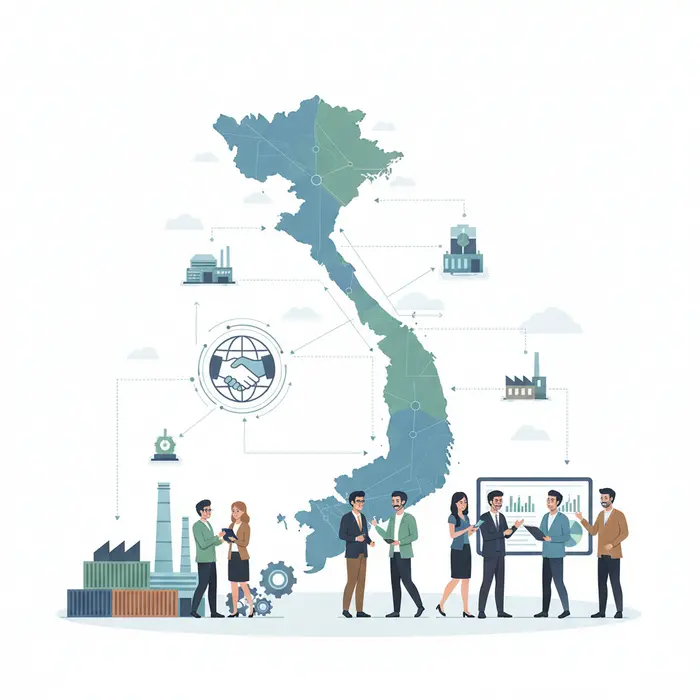
The foundation of effective sourcing in Vietnam lies in identifying trustworthy and capable manufacturers. Start by leveraging comprehensive online B2B platforms, industry-specific directories, and attending international trade shows focused on Vietnamese exports. Sourcing agents specializing in Vietnam can also be invaluable, providing access to their established networks and local expertise. For sectors like Vietnam garment manufacturers or Electronics manufacturing Vietnam, it’s crucial to look for partners with proven track records and relevant industry certifications. Once potential partners are identified, due diligence is paramount. This involves requesting company profiles, client references, and conducting preliminary checks on their financial stability and operational history. Engaging professional Vietnam factory audit services is highly recommended. These audits assess manufacturing capabilities, quality control systems, ethical labor practices, and compliance with international standards, significantly mitigating risks before committing to a partnership. Focus on transparency and a willingness to collaborate, as these are key indicators of a reliable partner.
2. Initial Contact and Communication Strategies
Once you’ve shortlisted potential Vietnam Manufacturing Partners, effective communication becomes critical. When making initial contact, be precise and detailed about your product specifications, quality requirements, expected volumes, and timelines. Prepare a clear Request for Quotation (RFQ) that leaves no room for ambiguity. Remember that English proficiency can vary, so consider using clear, concise language and visual aids where possible. Leveraging translation services or local representatives for complex discussions can bridge language barriers and ensure mutual understanding. Culturally, Vietnamese business etiquette values politeness, patience, and building relationships. Avoid overly aggressive negotiation tactics initially; instead, focus on fostering trust and demonstrating long-term commitment. Regular and clear communication channels, whether through email, video conferencing, or dedicated project management tools, are essential for seamless collaboration. Understanding the nuances of how to source from Vietnam effectively means embracing these communication strategies from the outset.
3. Negotiating Contracts and Terms of Engagement
The final stage before production involves negotiating comprehensive contracts and terms of engagement. This is where all aspects of your partnership with Vietnam Manufacturing Partners are formally documented. Key areas to cover include pricing structures, payment terms (often requiring an upfront deposit), lead times, intellectual property protection, quality assurance protocols, and detailed specifications for materials and finished products. Clearly define inspection procedures, defect rates, and dispute resolution mechanisms. It is highly advisable to engage legal counsel with expertise in Vietnamese commercial law to draft or review contracts. This ensures that all terms are legally binding in Vietnam and protect your business interests. Don’t overlook provisions for force majeure, termination clauses, and clear guidelines for communication and reporting. A well-crafted contract establishes a robust framework for the entire sourcing relationship, minimizing misunderstandings and providing a clear path for collaboration and accountability, which is fundamental to successful sourcing from Vietnam.
Ensuring Quality and Compliance: Vietnam Factory Audit Services
As businesses increasingly seek diversified and resilient supply chains, Vietnam has emerged as a powerhouse for Vietnam Manufacturing Partners. From Vietnam garment manufacturers to advanced Electronics manufacturing Vietnam, the country offers competitive advantages. However, successfully sourcing from Vietnam goes beyond just finding a supplier; it critically involves ensuring the highest standards of quality control and ethical compliance. Mitigating risks associated with new partnerships and upholding brand reputation requires a robust strategy, and this is where comprehensive Vietnam factory audit services become indispensable. These audits serve as a proactive safeguard, verifying a factory’s capabilities, adherence to international standards, and commitment to social and environmental responsibilities, thereby ensuring high standards in production and reducing potential liabilities.
1. Importance of Pre-Production Audits and Due Diligence
Before any production begins, conducting thorough pre-production audits and due diligence is paramount. This initial assessment phase is crucial for businesses looking at how to source from Vietnam effectively. A pre-production audit helps to vet potential suppliers, confirming their capacity, capabilities, and management systems. It assesses whether the factory possesses the necessary machinery, skilled labor, quality management systems, and financial stability to fulfill your order specifications. Skipping this vital step can lead to significant issues down the line, including production delays, quality defects, cost overruns, and even reputational damage. By investing in this early stage, you gain critical insights into your potential Vietnam Manufacturing Partners, allowing you to make informed decisions and build a relationship based on transparency and trust from the outset. It’s an essential risk mitigation tool, ensuring that the factory is not only capable but also aligns with your company’s values and quality expectations before a single product is made.
2. Types of Vietnam Factory Audit Services (Quality, Social, Environmental)
To comprehensively mitigate risks and ensure compliance, a range of specialized Vietnam factory audit services are available, each focusing on different critical aspects of a supplier’s operations:
- Quality Audits: These audits typically assess the factory’s quality management system (QMS) against international standards like ISO 9001. Auditors evaluate production processes, incoming material inspection, in-process quality control, final product inspection, packaging, and storage procedures. The goal is to verify that the factory consistently produces goods that meet specified quality requirements and that mechanisms are in place for continuous improvement. For sectors like Electronics manufacturing Vietnam, precision and defect rates are critical, making a robust quality audit indispensable.
- Social Compliance Audits: In today’s global market, ethical sourcing is non-negotiable. Social audits evaluate a factory’s adherence to labor laws and ethical practices. This includes examining working conditions, wages, working hours, health and safety protocols, prevention of child labor, forced labor, and discrimination. Standards such as SA8000, BSCI, or Sedex are often used as benchmarks. These audits are particularly vital for industries like Vietnam garment manufacturers, where labor practices are under intense scrutiny. Ensuring social compliance not only protects workers but also safeguards your brand’s reputation.
- Environmental Audits: With increasing global emphasis on sustainability, environmental audits assess a factory’s compliance with local environmental regulations and international standards (e.g., ISO 14001). Auditors examine waste management practices, wastewater treatment, air emissions, chemical handling, energy consumption, and overall environmental impact. These audits help ensure that your Vietnam Manufacturing Partners are operating responsibly and minimizing their ecological footprint, which is increasingly important for consumers and regulatory bodies worldwide. Learn more about ISO 14001 Environmental Management Systems.
3. Implementing Effective Quality Control Processes On-site
Beyond initial audits, ongoing and effective quality control (QC) processes on-site are essential for maintaining high product standards throughout the production cycle. This proactive approach ensures that any deviations from specifications are identified and rectified promptly, minimizing waste and delays. Key elements of effective on-site QC include:
- Initial Production Check (IPC): Performed at the beginning of production, this check verifies that the factory understands your specifications and is using correct materials and production techniques.
- During Production Inspection (DUPRO): Conducted when 20-80% of the goods are produced, DUPROs identify potential defects or issues early, allowing for corrective actions before the entire batch is completed. This is crucial for complex products from Electronics manufacturing Vietnam.
- Pre-Shipment Inspection (PSI) / Final Random Inspection (FRI): This is the final stage of inspection, usually performed when 100% of the order is complete and packed. A random sample of products is inspected according to international statistical sampling procedures (e.g., AQL – Acceptable Quality Limit) to ensure compliance with specifications, labeling, packaging, and quantity.
- Loading Supervision: An optional but recommended service, especially for high-value goods, to ensure the correct products are loaded, quantities are accurate, and containers are properly secured for shipment, preventing damage during transit.
- Supplier Corrective Action Request (SCAR): A formal process to document and address identified quality issues, requiring the factory to implement root cause analysis and preventive measures.
Implementing these robust QC measures provides peace of mind, builds stronger relationships with your Vietnam Manufacturing Partners, and ultimately ensures that your products meet the stringent quality expectations of your target market. By combining comprehensive factory audits with continuous on-site quality control, businesses can confidently navigate the complexities of international manufacturing and leverage Vietnam’s production capabilities to their full potential.
Building Long-Term Partnerships and Future Outlook
Fostering enduring and mutually beneficial relationships with Vietnam Manufacturing Partners is paramount for sustainable global sourcing. As Vietnam solidifies its position as a burgeoning manufacturing hub, understanding the strategies for robust collaboration, alongside anticipating the future trajectory and potential challenges of its evolving industrial landscape, becomes critical for international businesses. This section explores key approaches to cultivate trust and efficiency, while also casting a forward glance at Vietnam’s ascent in the global supply chain.

1. Strategies for Sustainable Supplier Relationships
Building sustainable relationships with Vietnamese manufacturers goes beyond transactional dealings; it’s about forging genuine partnerships. Open and transparent communication is the bedrock, ensuring clarity on expectations, quality standards, and delivery schedules. Regular on-site visits, though sometimes challenging, can significantly strengthen ties and foster a deeper understanding of operational capabilities and cultural nuances. Investing in joint training programs, particularly in areas like quality control and lean manufacturing, can elevate the capabilities of your Vietnam Manufacturing Partners, leading to consistent product quality and process improvements.
For sectors like Vietnam garment manufacturers or Electronics manufacturing Vietnam, a strong focus on ethical sourcing and corporate social responsibility (CSR) is increasingly vital. Demonstrating a commitment to fair labor practices and environmental stewardship not only enhances your brand reputation but also encourages your suppliers to adhere to similar high standards. This collaborative approach ensures not just compliance, but a shared vision for responsible production. Establishing clear, measurable KPIs (Key Performance Indicators) and conducting regular performance reviews, with constructive feedback, helps maintain accountability and drives continuous improvement, transforming suppliers into integral extensions of your own operations.
2. Logistics, Supply Chain Management, and Risk Mitigation
Efficient logistics and a resilient supply chain are non-negotiable when sourcing from Vietnam. The nation’s improving infrastructure, including expanding port facilities and road networks, facilitates smoother movement of goods. However, proactive supply chain management is still essential. This involves carefully mapping out your entire supply chain, identifying potential bottlenecks, and diversifying your supplier base to mitigate risks associated with geopolitical events, natural disasters, or unexpected disruptions. Engaging with reliable freight forwarders and customs brokers who possess local expertise can significantly streamline import-export processes and minimize delays.
When considering how to source from Vietnam effectively, thorough due diligence is paramount. This includes performing comprehensive factory audits, often facilitated by Vietnam factory audit services, to assess production capabilities, quality systems, and compliance with international standards. Partnering with the right Vietnam Manufacturing Partners from the outset can save significant time and resources. Regularly reviewing supplier contracts, understanding local regulations, and having contingency plans for potential disruptions – such as alternative shipping routes or backup suppliers – are crucial elements of risk mitigation. Furthermore, leveraging technology for real-time tracking and supply chain visibility can provide early warnings for potential issues, allowing for prompt corrective actions. Vietnam’s economic growth and integration into global trade have been significant, as noted by institutions like the World Bank, but prudent risk management remains key for sustained success.
3. The Future of Vietnam as a Global Manufacturing Powerhouse
Vietnam’s trajectory as a global manufacturing powerhouse appears robust, driven by a confluence of factors including favorable trade agreements (such as the CPTPP and EVFTA), a young and increasingly skilled workforce, and consistent foreign direct investment (FDI). The government’s strategic focus on high-tech manufacturing, digital transformation, and sustainable industrial development is attracting investment in electronics, automotive components, and renewable energy sectors, moving beyond its traditional strengths in textiles and footwear.
Challenges certainly exist, including the need for further infrastructure development, upskilling the labor force to meet the demands of advanced manufacturing, and navigating global economic fluctuations. However, Vietnam’s adaptability, coupled with its commitment to ease of doing business, positions it strongly for continued growth. The nation is actively investing in smart factories and Industry 4.0 technologies, aiming to enhance productivity and competitiveness. For international businesses, understanding these shifts and strategically positioning themselves with the right Vietnam Manufacturing Partners will unlock immense opportunities in a market that is not just growing, but evolving into a sophisticated and resilient manufacturing ecosystem. Its strategic geographical location and stable political environment further enhance its appeal as a long-term sourcing and production destination.
Partner with Vietnam’s Leading Suppliers
Looking for reliable suppliers in Vietnam? Contact VietnamSuppliers.com today to connect with verified manufacturers and exporters across all industries.
—————————————
References
– World Bank Vietnam Overview: https://www.worldbank.org/en/country/vietnam/overview
– World Bank: Vietnam Overview: https://www.worldbank.org/en/country/vietnam/overview
– Vietnam Market Overview – U.S. International Trade Administration: https://www.trade.gov/country-commercial-guides/vietnam-market-overview
– ISO 14001 Environmental Management Systems: https://www.iso.org/iso-14001-environmental-management.html
– World Bank – Vietnam Overview: https://www.worldbank.org/en/country/vietnam/overview

