
Understanding Vietnam’s Sourcing Landscape in 2025
As the global economy navigates dynamic shifts, Vietnam continues to solidify its position as a powerhouse in international trade, presenting increasingly attractive opportunities for Vietnam commodity sourcing in 2025. Its strategic geographic location, robust economic policies, and a burgeoning manufacturing base have made it a preferred destination for businesses seeking diversified and resilient supply chains. The coming year promises a landscape ripe with potential, from traditional agricultural mainstays to rapidly expanding industrial exports, underpinned by a government keen on fostering trade and investment. Understanding this evolving landscape is crucial for importers aiming to capitalize on Vietnam’s competitive advantages and ensure a steady flow of high-quality goods.
1. Vietnam’s Economic Growth and Global Trade Position
Vietnam’s economic trajectory over the past decade has been nothing short of remarkable. Fueled by market-oriented reforms, a young and dynamic workforce, and a strategic embrace of international trade agreements, the nation has consistently posted impressive GDP growth rates. This sustained expansion has significantly bolstered its manufacturing capabilities and export capacity. Vietnam is a key signatory to numerous free trade agreements, including the CPTPP, EVFTA, and RCEP, which provide preferential access to major global markets. This extensive network of trade pacts not only reduces tariffs but also streamlines customs procedures, making it easier for international buyers to engage in Vietnam’s trade landscape. The country’s commitment to improving its business environment, coupled with ongoing infrastructure development, further enhances its appeal as a stable and growing hub for global commodity sourcing.

2. Key Sectors Driving Commodity Exports Beyond Agriculture
While historically recognized for its formidable contribution to global Agricultural products Vietnam export — with rice, coffee, seafood, and rubber leading the charge — Vietnam’s export portfolio has diversified dramatically. In 2025, while agriculture remains vital, significant growth is projected in industrial commodities. The electronics sector, particularly mobile phones, computers, and components, continues to be a dominant force, attracting major multinational investments. Textiles and garments, footwear, and furniture also maintain strong export performance, leveraging Vietnam’s skilled labor and competitive production costs. Furthermore, sectors like plastics, chemicals, and base metals are showing increasing maturity and export potential. Buyers looking for Reliable Vietnam commodity suppliers will find a broadening spectrum of goods, from high-tech manufacturing components to processed raw materials, indicating a sophisticated and multi-faceted sourcing environment. This diversification reduces reliance on any single sector, offering a more robust and varied sourcing platform for international businesses.
3. Emerging Trends and Market Dynamics in Vietnamese Trade
The sourcing landscape in Vietnam for 2025 is shaped by several critical emerging trends and market dynamics. Digital transformation is accelerating, with increasing adoption of e-commerce platforms and digital supply chain solutions, which can streamline procurement processes and enhance transparency. Sustainability and ethical sourcing are also gaining paramount importance. International buyers are increasingly demanding commodities produced under environmentally friendly and socially responsible conditions, pushing Vietnamese suppliers to adopt greener practices and obtain relevant certifications. Furthermore, evolving global trade tensions and geopolitical shifts are prompting many companies to de-risk their supply chains, with Vietnam often emerging as a prime alternative. Understanding Vietnam import regulations and navigating the nuances of its various free trade agreements is essential for smooth operations. Importers should also be aware of the growing importance of building direct relationships and utilizing Vietnam trade partners directory resources to find reliable local partners who can adapt to these changing demands and ensure compliance. The emphasis on quality control, timely delivery, and competitive pricing remains, but it is now augmented by a strong focus on resilience, transparency, and sustainable practices, making Vietnam a dynamic and forward-thinking sourcing hub.
Navigating Vietnam Import Regulations with Confidence
Navigating the complexities of international trade is a critical component of successful global procurement. For businesses eyeing the vibrant markets and diverse product offerings of Southeast Asia, understanding Vietnam Commodity Sourcing is paramount. Vietnam has emerged as a powerhouse in global supply chains, offering everything from agricultural products to electronics. However, unlocking its full potential requires a clear grasp of its import regulations. This comprehensive guide is designed to empower international buyers, ensuring smooth, compliant, and efficient sourcing operations by demystifying Vietnam’s import landscape. By familiarizing yourself with these essential guidelines, you can confidently engage with reliable Vietnam commodity suppliers and leverage the nation’s burgeoning export capabilities.
1. Essential Documentation for Importing from Vietnam
Successful importation into Vietnam begins with meticulous preparation of necessary documentation. Importers must be diligent in compiling a complete set of papers to avoid delays and penalties. Key documents typically include the Customs Declaration Form, a crucial document detailing the goods being imported, their value, and origin. Alongside this, the Commercial Invoice, which outlines the transaction between buyer and seller, and the Packing List, providing detailed information about the contents and weight of each package, are indispensable. The Bill of Lading (for sea freight) or Air Waybill (for air freight) serves as a contract between the shipper and carrier, and as a receipt for the goods.
Furthermore, a Certificate of Origin (Form C/O) is often required. This document, issued by an authorized body in Vietnam, verifies the country of manufacture and can be vital for claiming preferential tariff rates under various free trade agreements Vietnam is party to. For specific goods, particularly agricultural products Vietnam export, additional certificates are mandatory. These might include Phytosanitary Certificates to ensure goods are free from pests and diseases, and Health Certificates for food items, guaranteeing they meet safety standards. Always confirm product-specific documentation requirements well in advance with your chosen reliable Vietnam commodity suppliers or a customs broker.
2. Customs Procedures, Tariffs, and Taxation Explained
Understanding Vietnam’s customs procedures, tariffs, and taxation is fundamental to accurate cost forecasting and timely delivery. The process generally involves submitting the customs declaration and supporting documents electronically through the Vietnam Automated Cargo Clearance System (VNACCS/VCIS). Goods are then classified using the Harmonized System (HS) codes, which dictate the applicable import duty rates. It’s crucial for importers to correctly identify the HS code for their products to prevent misclassification and potential fines.
Vietnam applies various tariff rates, including Most Favoured Nation (MFN) rates, preferential rates under free trade agreements (FTAs) with countries like the EU, Korea, Japan, and within ASEAN, and ordinary rates for non-MFN countries. Utilizing C/O forms for preferential rates can significantly reduce import costs. Beyond tariffs, imports are subject to Value Added Tax (VAT), typically at 0%, 5%, or 10%, depending on the commodity. Special Consumption Tax (SCT) may also apply to certain luxury goods or items deemed harmful, such as alcohol or tobacco. Navigating these various taxes and duties requires careful planning and, often, professional advice to ensure compliance and cost-efficiency in your Vietnam Commodity Sourcing strategy. Keep an eye on the latest updates from the General Department of Vietnam Customs for any changes in policy.
3. Compliance with Vietnamese Trade Laws and Quality Standards
Adhering to Vietnamese trade laws and quality standards is non-negotiable for successful and sustainable importing. Vietnam has a robust regulatory framework designed to protect consumers and facilitate fair trade. Importers must ensure their products comply with specific technical regulations and national standards, which can vary significantly across different commodity groups. This includes compliance with labeling requirements, which stipulate information such as product origin, manufacturer details, ingredients, and usage instructions, often needing to be in Vietnamese.
For specific sectors, such as food and beverages, cosmetics, and pharmaceuticals, stringent quality control measures and registration processes are in place. Products might require pre-market approval, testing by accredited laboratories, and adherence to specific hygienic and safety standards. Understanding these nuances is critical, especially when dealing with specialized goods from the agricultural products Vietnam export sector. Staying informed about changes in Vietnamese trade laws is vital, and leveraging a robust Vietnam trade partners directory can connect you with experienced legal or customs consultants. Proactive compliance not only ensures legal adherence but also builds trust with authorities and consumers, laying the groundwork for a long-term, successful Vietnam Commodity Sourcing relationship.
Finding Reliable Vietnam Commodity Suppliers for Your Business
Vietnam has emerged as a powerhouse in global commodity markets, offering a vast array of products from agricultural goods like coffee, rice, and seafood to industrial minerals and manufactured components. For businesses looking to optimize their supply chains, Vietnam Commodity Sourcing presents an exciting opportunity. However, navigating this vibrant market requires strategic planning, diligent vetting, and a commitment to building strong, lasting partnerships. This section provides actionable strategies and tips for identifying and vetting reliable Vietnam commodity suppliers, building strong partnerships, and ensuring supply chain integrity.

1. Strategies for Vetting and Due Diligence on Vietnamese Suppliers
Identifying truly reliable Vietnam commodity suppliers goes beyond simply finding a contact. Comprehensive due diligence is paramount to mitigate risks and ensure product quality and ethical practices. Start by verifying legal registration and business licenses through official Vietnamese government databases. This confirms their legitimacy and operational capacity. Next, focus on certifications relevant to your industry, such as ISO 9001 (quality management), HACCP (food safety), GlobalG.A.P. (good agricultural practices), or organic certifications for agricultural products Vietnam export. These certifications are strong indicators of a supplier’s commitment to international standards and quality control.
Beyond paperwork, conduct an in-depth assessment of their production facilities. Ideally, this involves on-site visits, either personally or through a trusted third-party auditing firm. Evaluate their production capacity, equipment modernity, quality control procedures, and adherence to labor and environmental standards. Financial stability checks, while sometimes challenging to obtain directly, can be pursued via reputable credit rating agencies or by requesting bank references with their permission. Understanding Vietnam import regulations and export procedures is also crucial; a reliable supplier should demonstrate full compliance and transparency regarding these processes, helping you avoid potential delays or penalties.
2. Utilizing B2B Platforms, Trade Fairs, and Local Networks
Finding potential suppliers requires a multi-faceted approach. B2B platforms like Alibaba, Global Sources, and regional Vietnamese equivalents (e.g., ECVN – Vietnam E-commerce) offer extensive directories and initial contact points. While convenient, always remember to exercise caution and perform thorough vetting, as these platforms host a wide range of suppliers. Trade fairs, both within Vietnam (such as Vietfood & Beverage, Food & Hotel Vietnam, or industry-specific agricultural expos) and international events featuring Vietnamese exhibitors, provide invaluable opportunities for face-to-face interaction. These events allow you to inspect product samples, discuss capabilities directly, and gauge a supplier’s professionalism and responsiveness firsthand.
Leveraging local networks is another highly effective strategy. Connecting with business associations, chambers of commerce (e.g., Vietnam Chamber of Commerce and Industry – VCCI), and industry-specific groups in Vietnam can yield warm introductions to reputable suppliers. Engaging with sourcing agents or consultants who possess deep local knowledge and established connections can significantly streamline the process, helping you navigate cultural nuances and identify legitimate partners faster. A well-maintained Vietnam trade partners directory, often compiled by trade promotion organizations or embassies, can also be a valuable starting point for research.
3. Building Long-Term Relationships with Trusted Local Producers
The foundation of successful Vietnam Commodity Sourcing lies in cultivating long-term, mutually beneficial relationships. Once you’ve identified reliable Vietnam commodity suppliers, focus on clear and consistent communication. Cultural understanding is key; Vietnamese business culture often values personal relationships and trust, so investing time in building rapport can significantly impact the partnership. Regular visits to their facilities, even after the initial vetting, demonstrate commitment and allow for ongoing oversight of quality and production processes. Ensure contracts are meticulously drafted, covering all aspects from quality specifications, payment terms, delivery schedules, and dispute resolution mechanisms.
By fostering trust and demonstrating loyalty, you encourage suppliers to prioritize your business, offer competitive pricing, and provide consistent quality. This approach is particularly beneficial when sourcing agricultural products Vietnam export, where crop cycles and seasonal variations can impact availability and pricing. Trusted local producers can also offer valuable insights into market trends, local regulations, and potential innovations, making them more than just suppliers but strategic partners in your supply chain. Strong relationships ensure supply chain integrity and resilience, crucial for sustained business success in Vietnam’s rapidly growing economy.
Spotlight on Agricultural Products: Vietnam Export Powerhouse
Vietnam has firmly established itself as a formidable force in the global agricultural market, transitioning from a war-torn nation to a major exporter of diverse agro-commodities. Its strategic geographic location, fertile land, and robust government support for agriculture have paved the way for consistent growth, making Vietnam Commodity Sourcing an increasingly attractive prospect for global buyers. This deep dive explores Vietnam’s dynamic agricultural sector, highlighting key export products, current market trends, and significant opportunities for international importers looking to capitalize on this vibrant market in 2025 and beyond.
1. Top Agricultural Products Vietnam Export: Coffee, Rice, Seafood, Spices
Vietnam’s agricultural prowess is best exemplified by its consistent top-tier performance in several key commodity categories:
Coffee: Vietnam is the world’s second-largest coffee exporter, primarily of Robusta beans. Its coffee sector is a cornerstone of the economy, with significant investments in processing and quality improvement. Global demand for Robusta, driven by the instant coffee industry and espresso blends, ensures robust market trends. For global buyers seeking bulk Robusta, Vietnam offers competitive pricing and large volumes, making it a primary destination for reliable coffee sourcing.
Rice: As one of the world’s leading rice exporters, Vietnam plays a crucial role in global food security. Vietnamese rice, known for its aroma and quality, particularly jasmine and glutinous varieties, enjoys strong demand across Asia and Africa. While export volumes can fluctuate with climate, continuous advancements in cultivation and processing ensure a steady supply for international markets. Global buyers can find a wide range of rice varieties from Vietnam, catering to diverse culinary preferences.
Seafood: With an extensive coastline and a thriving aquaculture industry, Vietnam is a powerhouse in seafood exports. Key products include pangasius (basa fish), shrimp (especially Vannamei and Black Tiger), and various other fish and mollusks. The sector is characterized by modern farming techniques, stringent quality control, and a focus on sustainable practices. The demand for Vietnamese seafood remains high, driven by its competitive pricing and adherence to international food safety standards, presenting ample opportunities for reliable Vietnam commodity suppliers.
Spices: Vietnam has emerged as a significant player in the global spice market, particularly for black pepper, cashew nuts, and cinnamon. It is the world’s largest exporter of black pepper, with robust production and processing capabilities. The export of cashew nuts, both raw and processed, and high-quality cinnamon sticks and powder also contributes significantly to its agricultural export portfolio. These products offer strong prospects for global buyers seeking quality spices and nuts for various industries.
2. Sustainability, Quality Standards, and Certifications in Vietnamese Agriculture
Understanding the stringent requirements of international markets, Vietnam has made considerable strides in enhancing the sustainability and quality of its agricultural products. The government, along with industry players, has actively promoted practices that align with global environmental and social standards. Farmers and processors are increasingly adopting certifications such as VietGAP (Vietnamese Good Agricultural Practices) and GlobalGAP, ensuring product traceability and safety from farm to fork. For coffee, certifications like UTZ Certified and Rainforest Alliance are common, reflecting a commitment to ethical and sustainable farming. In the seafood sector, certifications like ASC (Aquaculture Stewardship Council) and BAP (Best Aquaculture Practices) are becoming more prevalent, addressing concerns about environmental impact and social responsibility. Adherence to these standards is crucial for navigating Vietnam import regulations and accessing lucrative markets in Europe, the US, and Japan, making it easier for global buyers to source with confidence.
3. Market Opportunities for Specific Agro-Commodities and Value-Added Products
Looking ahead to 2025, the opportunities for global buyers in Vietnam’s agricultural sector are expanding beyond raw commodities. There’s a growing emphasis on value-added products that cater to evolving consumer preferences and higher profit margins. For instance, in coffee, the market for roasted beans, ground coffee, and specialty blends is witnessing rapid growth. Similarly, processed seafood products – such as breaded fish fillets, marinated shrimp, and ready-to-eat meals – offer significant potential. The spice sector is also diversifying into essential oils, extracts, and blended spice powders. Organic and fair-trade certified products across all categories are gaining traction, presenting premium market segments. Buyers can also explore niche markets like exotic fruits (dragon fruit, longan), vegetables, and floriculture, where Vietnam is steadily building its export capacity. Engaging with a Vietnam trade partners directory or directly with reliable Vietnamese commodity suppliers will be key to identifying these specialized offerings and forging long-term, mutually beneficial relationships.
Expanding Your Network: Vietnam Trade Partners Directory & Resources
Establishing and nurturing a robust network is paramount for successful international trade, especially when engaging in Vietnam Commodity Sourcing. The Vietnamese market, with its dynamic growth and diverse product offerings, presents immense opportunities for global businesses. However, unlocking this potential requires more than just identifying products; it necessitates connecting with the right entities – from government bodies to industry leaders and verified suppliers. This comprehensive resource section is designed to guide you through the intricate landscape of Vietnam’s trade ecosystem, providing a directory of key partners and invaluable resources to facilitate your sourcing journey.
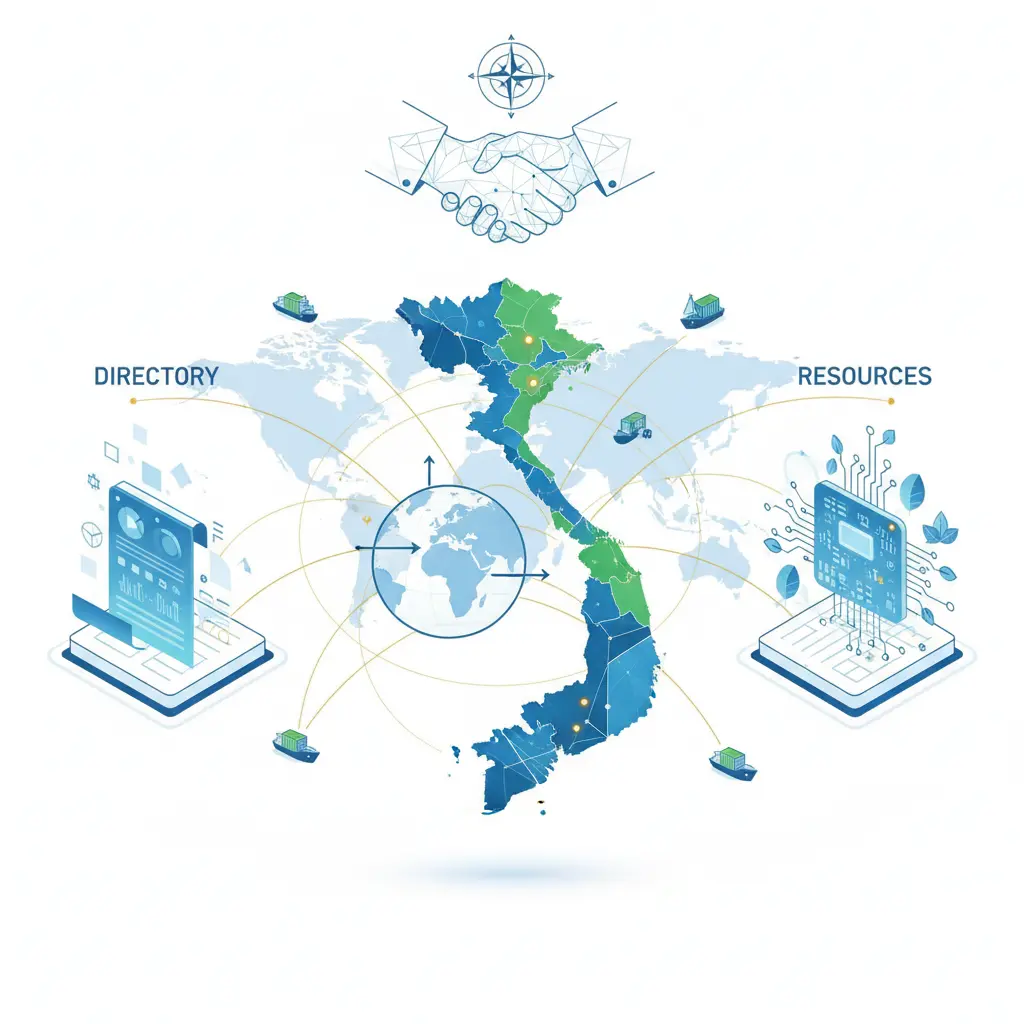
Understanding who to approach and where to find credible information can significantly streamline your operations, mitigate risks, and foster long-term, mutually beneficial relationships. Whether you are navigating Vietnam import regulations, seeking Reliable Vietnam commodity suppliers, or exploring avenues for Agricultural products Vietnam export, this guide serves as your essential Vietnam trade partners directory.
1. Key Government Agencies and Trade Promotion Organizations
Engaging with governmental bodies and official trade promotion agencies is often the first step for businesses looking to establish a foothold in Vietnam. These organizations play a crucial role in regulating trade, offering market insights, and connecting foreign investors with local partners. They are invaluable for understanding the legal framework and economic policies that govern commodity sourcing and export.
- Ministry of Industry and Trade (MOIT): As the principal government body responsible for industry, trade, and energy, MOIT formulates policies, manages trade agreements, and oversees import-export activities. Their website is a critical resource for official announcements and regulatory updates concerning various commodities.
- Vietnam Trade Promotion Agency (VIETTRADE): An arm of MOIT, VIETTRADE is specifically mandated to promote Vietnamese exports and facilitate foreign investment. They organize trade fairs, business matching events, and provide market research, making them an excellent first point of contact for identifying potential partners and understanding specific sector opportunities. They can offer guidance on everything from finding Reliable Vietnam commodity suppliers to navigating complex Vietnam import regulations.
- Vietnam Chamber of Commerce and Industry (VCCI): VCCI acts as a national, independent, non-governmental organization representing the business community in Vietnam. It offers a range of services, including business support, legal consultation, arbitration, and training. VCCI is particularly useful for networking with local businesses and gaining insights into specific industry practices.
These agencies provide a foundational layer of support and information, helping businesses understand the landscape, legalities, and strategic directions for sourcing and trade in Vietnam.
2. Online Directories and Business Matching Platforms for Vietnam Sourcing
In the digital age, online platforms have revolutionized how businesses connect. For Vietnam sourcing, a blend of international and localized online directories offers unparalleled access to a vast network of suppliers and potential partners. These platforms enhance efficiency, transparency, and reach.
- General B2B Platforms (e.g., Alibaba, Global Sources): These international behemoths host millions of suppliers worldwide, including a substantial number from Vietnam. They offer verification services, trade assurance, and tools to filter suppliers by product, location, and certification. While comprehensive, specific vetting for Vietnamese market nuances is still advisable.
- Vietnam-Specific Online Directories: Platforms like VietnamExport.com, Yellow Pages Vietnam, and specialized industry portals (e.g., for textiles, agriculture, seafood) focus exclusively on Vietnamese businesses. These can be excellent for discovering local suppliers often not found on larger global platforms. They serve as a specialized Vietnam trade partners directory.
- Industry Association Websites: Many Vietnamese industry associations maintain online member directories. For instance, associations for coffee, cashew, seafood, or textile manufacturers often list their members, which include verified producers and exporters. These can be highly targeted resources for specific Vietnam Commodity Sourcing needs.
Leveraging these online tools requires diligence in verifying supplier credentials, reviewing past performance, and ideally, conducting physical inspections or third-party audits to ensure reliability and compliance.
3. Leveraging Embassies, Consulates, and Trade Missions for Support
Embassies, consulates, and trade missions, both foreign missions in Vietnam and Vietnamese missions abroad, are often overlooked but incredibly potent resources for trade facilitation. They serve as diplomatic and economic bridges, offering a unique blend of government-backed support and local market intelligence.
- Foreign Embassies and Consulates in Vietnam: Your home country’s embassy or consulate in Hanoi or Ho Chi Minh City can provide invaluable assistance. They often have dedicated commercial sections that offer services such as market briefings, partner identification, trade mission organization, and advice on navigating local business practices and Vietnam import regulations. They can be particularly helpful for small and medium-sized enterprises (SMEs) venturing into Vietnam Commodity Sourcing for the first time.
- Vietnamese Embassies and Consulates Abroad: If you are starting your research from outside Vietnam, contacting the Vietnamese embassy or consulate in your country can yield useful preliminary information. They can provide general market overview reports, lists of relevant Vietnamese agencies, and sometimes even initial contacts for specific sectors like Agricultural products Vietnam export.
- Trade Missions and Delegations: Participate in trade missions organized by your government or by Vietnamese authorities. These events provide structured opportunities to meet potential partners, visit factories, and gain firsthand insights into the market. They are often accompanied by seminars and networking events that foster deeper connections.
These diplomatic channels offer a layer of trust and official endorsement that can be crucial in international trade, helping businesses connect with Reliable Vietnam commodity suppliers and navigate the complexities of foreign markets with greater confidence.
Partner with Vietnam’s Leading Suppliers
Looking for reliable suppliers in Vietnam? Contact VietnamSuppliers.com today to connect with verified manufacturers and exporters across all industries.
—————————————
References
– :
– Vietnamese Import/Export Procedures: https://ecomviet.gov.vn/en/trade-info/export-import-procedures/
– Vietnam’s rapidly growing economy: https://www.worldbank.org/en/country/vietnam/overview
– reliable coffee sourcing: https://www.fas.usda.gov/data/vietnam-coffee-annual-2023
– Vietnam Trade Promotion Agency (VIETTRADE): https://www.vietrade.gov.vn/en/

