
The Imperative for B2B Supplier Diversification
The global economic landscape is in constant flux, marked by unprecedented disruptions ranging from geopolitical tensions and natural disasters to global pandemics and rapid technological shifts. For B2B businesses, these seismic shifts underscore a critical need: strategic supplier diversification. Relying on a single source or a limited pool of suppliers, however seemingly efficient in the short term, exposes businesses to significant vulnerabilities that can derail operations, inflate costs, and damage reputation. Embracing robust B2B supplier diversification strategies is no longer merely a strategic advantage but an operational imperative, promising enhanced resilience, competitive edge, and sustained growth in an increasingly unpredictable world.

1. Understanding Modern Supply Chain Vulnerabilities
Modern supply chains, despite their intricate efficiencies, are inherently susceptible to a myriad of risks. The COVID-19 pandemic, for instance, exposed the fragility of global supply networks, causing widespread shortages, production delays, and soaring prices due to factory shutdowns and logistical bottlenecks. Beyond health crises, geopolitical conflicts can lead to trade restrictions, tariffs, and even outright embargos, disrupting crucial material flows. Natural disasters, from floods to earthquakes, can incapacitate manufacturing hubs or transit routes without warning. Cybersecurity threats also loom large, potentially compromising sensitive data or operational systems across the supply chain.
Single-source reliance exacerbates these vulnerabilities. If a primary supplier faces an internal issue – be it a labor strike, a quality control failure, or even financial instability – the ripple effect can bring a buyer’s production to a halt. This lack of alternative options often leaves businesses at the mercy of their sole supplier, dictating terms, prices, and delivery schedules. Effective international trade risk management is paramount, demanding a proactive approach to identify and mitigate these varied threats through comprehensive resilient supply chain planning B2B strategies.
2. Economic Benefits of a Diversified Supplier Portfolio
The advantages of a diversified supplier base extend far beyond mere risk mitigation; they translate into tangible economic benefits. Firstly, competition among multiple suppliers typically leads to better pricing, allowing businesses to negotiate more favorable terms and reduce procurement costs. This competitive environment also fosters innovation, as suppliers strive to offer superior products or services to secure contracts.
Secondly, diversification significantly enhances business continuity. Should one supplier experience disruption, alternative sources can quickly step in, minimizing downtime and ensuring consistent production. This resilience protects revenue streams and preserves customer trust. Furthermore, engaging with a wider array of suppliers, particularly those in emerging markets, can open doors to new technologies, specialized expertise, and more sustainable practices, driving internal efficiencies and product development.
Finally, strategic diversification can facilitate export market expansion strategies. By sourcing components or services from different regions, businesses gain valuable insights into local market dynamics and regulatory environments. This intelligence can be leveraged when finding new international clients, effectively turning procurement relationships into potential market entry points. A robust network of global suppliers supports ambitious growth trajectories by ensuring scalable and reliable sourcing options.
3. Proactive vs. Reactive Diversification Approaches
The approach to supplier diversification fundamentally impacts its effectiveness. A reactive approach is characterized by crisis-driven decision-making. When a supply disruption occurs, businesses scramble to find immediate alternatives, often under immense pressure. This hurried process can lead to suboptimal choices, higher costs due to urgency, and inadequate vetting of new partners. The focus is on patching a wound rather than preventing it, leading to short-term fixes that may introduce new, unforeseen risks.
In contrast, proactive diversification is a strategic, ongoing process. It involves continuously scouting for potential suppliers, conducting thorough due diligence, building relationships before a crisis hits, and establishing backup agreements. This foresight allows businesses to evaluate potential partners based on criteria such as quality, reliability, cost-effectiveness, ethical practices, and geopolitical stability, rather than just immediate availability. Proactive planning also includes developing clear contingency plans, mapping out alternative supply routes, and investing in advanced supply chain visibility tools. Embracing a proactive stance transforms supplier diversification from a defensive measure into a core pillar of strategic growth and long-term competitiveness. It necessitates a continuous investment in market intelligence and supplier relationship management, ensuring that the supply chain remains agile, robust, and prepared for future uncertainties.
Export Market Expansion Strategies for Growth
For B2B suppliers aiming for sustainable growth and enhanced resilience, actively pursuing B2B supplier diversification strategies is paramount. A critical component of this involves strategic export market expansion, opening new avenues for revenue and mitigating reliance on single domestic markets. This guide delves into key approaches for identifying and successfully entering new international territories, understanding their unique regulatory landscapes, and implementing effective initial market entry tactics.
1. Identifying High-Potential International Markets
The first step in any successful export venture is rigorous market identification. This process goes beyond merely looking at large economies; it requires a nuanced analysis of various factors. Begin by assessing potential markets based on their economic stability, political risk, and overall growth prospects. Key indicators include GDP growth rates, industrial output, and sector-specific demand relevant to your B2B offerings. Understanding the competitive landscape is crucial – are there dominant local players, or is there a gap your product or service can fill? Furthermore, evaluate the ease of doing business, which encompasses everything from legal frameworks to infrastructure quality. Utilizing comprehensive data sources like the International Trade Centre’s Trade Map can provide invaluable insights into trade flows and market demand, helping you pinpoint promising regions. The goal here is not just to expand, but specifically to identify high-potential markets that align with your core capabilities and where you have a strong chance of successfully finding new international clients and establishing a robust presence.
2. Market Entry Modes: Direct vs. Indirect Exporting
Once target markets are identified, selecting the appropriate market entry mode is critical for managing risk and maximizing potential. Generally, entry modes can be categorized into direct and indirect exporting, each with distinct advantages and disadvantages. Direct exporting involves the supplier taking full responsibility for selling and delivering products to the foreign market. This can include establishing an overseas sales force, engaging in direct e-commerce, or working with foreign agents or distributors. While direct exporting offers greater control over branding, pricing, and customer relationships, it typically requires more significant investment in resources, local market knowledge, and carries higher financial risks. Conversely, indirect exporting involves leveraging intermediaries to sell products abroad. This might include partnering with an Export Management Company (EMC), an Export Trading Company (ETC), or engaging in ‘piggybacking’ where your products are sold through another company’s established international distribution channels. Indirect methods significantly reduce upfront investment and risk, as the intermediary handles logistics, regulations, and sales. However, this often comes at the cost of lower profit margins and less control over the foreign market operations. The choice between direct and indirect exporting should be a strategic decision, balancing your company’s resources, risk tolerance, and long-term objectives for each specific market.
3. Navigating Regulatory & Cultural Nuances
Successful export market expansion extends beyond identifying markets and choosing an entry mode; it demands a deep understanding and careful navigation of both regulatory frameworks and cultural landscapes. Each country has a unique set of import regulations, tariffs, non-tariff barriers, product standards, certification requirements, and customs procedures. Failing to comply can lead to significant delays, fines, or even rejection of goods. Therefore, early engagement with local legal and customs experts is essential for robust international trade risk management. Beyond regulations, cultural nuances profoundly impact B2B interactions. Business etiquette, communication styles (direct vs. indirect), negotiation tactics, decision-making processes, and even holiday calendars vary greatly across regions. What is acceptable in one culture might be offensive in another, potentially jeopardizing critical client relationships. Investing in cultural training for your sales and management teams, or working closely with culturally informed local partners, is not just a courtesy but a strategic imperative. Integrating these considerations into your overall planning is vital for building a resilient supply chain planning B2B strategy that can adapt and thrive in diverse global environments.
In conclusion, successful export market expansion is a multifaceted endeavor requiring meticulous research, strategic planning, and adaptability. By systematically identifying high-potential markets, selecting appropriate entry modes, and skillfully navigating regulatory and cultural complexities, B2B suppliers can effectively diversify their client base, enhance their market footprint, and build greater resilience as part of their overarching B2B supplier diversification strategies for sustained growth.
Mastering International Trade Risk Management
In today’s interconnected yet volatile global economy, effective international trade risk management is not merely an option but a strategic imperative. For businesses pursuing B2B supplier diversification strategies, navigating the complexities of global commerce requires a robust framework for identifying, assessing, and mitigating a wide spectrum of potential threats. From geopolitical upheavals to logistical bottlenecks and currency fluctuations, each risk factor presents a unique challenge that, if unaddressed, can derail export market expansion strategies, erode profitability, and undermine the stability of even the most resilient supply chain planning B2B.
This section delves into crucial strategies designed to safeguard international trade operations, helping businesses not only survive but thrive in dynamic global markets. By proactively managing these risks, companies can confidently embark on finding new international clients and build more secure, adaptable, and profitable international trade relationships.

1. Geopolitical and Economic Risk Mitigation
Geopolitical and economic risks represent some of the most formidable challenges in international trade. These encompass political instability, policy changes, trade wars, sanctions, economic downturns, and shifts in regulatory environments that can dramatically alter market conditions. Mitigating these risks begins with comprehensive market intelligence and continuous monitoring of global events. Businesses must conduct thorough country-specific risk assessments before engaging in new markets as part of their international trade risk management strategy. Diversifying export market expansion strategies across multiple stable regions rather than concentrating on a single market is paramount. Leveraging trade agreements and understanding local regulations can provide a protective layer, while political risk insurance offers a financial safeguard against unforeseen government actions or large-scale political disruptions. Engaging with local partners who possess deep insights into the political and economic landscape can also significantly reduce exposure and provide crucial early warnings. For a comprehensive guide on navigating these complexities, organizations can refer to authoritative sources such as the International Trade Centre’s insights on global value chains and resilience.
2. Logistical and Supply Chain Disruption Resilience
The physical movement of goods across borders is susceptible to numerous disruptions, ranging from natural disasters and port congestion to labor strikes and infrastructure failures. Building logistical and supply chain disruption resilience is fundamental to B2B supplier diversification strategies. This involves more than just having alternative suppliers; it requires establishing redundancy in transportation routes, freight forwarders, and distribution channels. Implementing advanced supply chain visibility tools, such as real-time tracking and predictive analytics, allows businesses to anticipate and react swiftly to potential bottlenecks. Strategic inventory management, including maintaining safety stock for critical components or finished goods, can buffer against short-term disruptions. Furthermore, fostering strong, transparent relationships with logistics partners and implementing robust contingency plans for various disruption scenarios are vital for resilient supply chain planning B2B. Regularly reviewing and stress-testing these plans ensures that operations can continue smoothly even under adverse conditions, protecting your ability to consistently serve new and existing international clients.
3. Currency, Payment, and Legal Protections
Financial and legal risks are inherent in international transactions. Currency exchange rate volatility can significantly impact profitability, making currency hedging strategies (e.g., forward contracts, options) essential for managing exposure when dealing with multiple currencies. Ensuring secure payment is critical, especially when finding new international clients. Tools like letters of credit, export credit insurance, and international factoring can mitigate the risk of non-payment or default by overseas buyers. Legally, robust contracts are non-negotiable. These agreements must clearly define terms, responsibilities, Incoterms, intellectual property rights, and dispute resolution mechanisms (e.g., arbitration clauses). Businesses must also ensure compliance with international trade laws, customs regulations, and local legal frameworks in their target markets. Seeking expert legal counsel specializing in international trade law is crucial to protect against legal disputes, ensure compliance, and safeguard commercial interests across different jurisdictions. A proactive approach to these financial and legal aspects forms the bedrock of secure and successful international trade operations.
Finding New International Clients & Partnerships
In today’s interconnected global economy, expanding your reach beyond domestic borders is no longer just an option but a strategic imperative for sustainable growth. For B2B suppliers, B2B supplier diversification strategies are crucial for building resilience, mitigating risks, and unlocking new revenue streams. Navigating international markets, however, requires a multi-faceted approach that combines digital innovation, traditional networking, and robust local alliances. This section provides actionable advice on how to secure new business and broaden your client base in global markets, fostering effective export market expansion strategies.
1. Leveraging Digital Platforms for Global Reach
The digital landscape offers unparalleled opportunities for finding new international clients without the immediate need for extensive travel. B2B suppliers can significantly enhance their global visibility by strategically utilizing online platforms. Start by optimizing your company website for international SEO, incorporating multilingual content, and ensuring it caters to diverse cultural preferences. Engaging with industry-specific B2B marketplaces (e.g., Alibaba, ThomasNet, GlobalSources) can directly connect you with a vast network of potential buyers worldwide. Professional networking platforms like LinkedIn are invaluable for identifying decision-makers, participating in industry discussions, and building thought leadership that resonates globally.
Content marketing, including targeted blogs, whitepapers, and case studies, can establish your expertise and attract international leads. By addressing pain points common to global clients and showcasing your unique value proposition, you can generate inbound inquiries. Furthermore, virtual trade shows and webinars have emerged as cost-effective alternatives to traditional events, allowing for global participation and lead generation from your office. Embracing these digital tools is fundamental for any resilient supply chain planning B2B, enabling you to identify and engage with diverse suppliers and buyers efficiently.
2. The Role of Trade Missions and International Exhibitions
While digital tools are powerful, the human element remains irreplaceable in B2B international relations. Trade missions and international exhibitions provide invaluable platforms for face-to-face interaction, which is critical for building trust and understanding cultural nuances. Government-backed trade missions often offer curated opportunities to meet pre-qualified buyers and partners, coupled with logistical and advisory support. These missions are particularly effective for entering new or complex markets, offering insights into local business practices and regulatory environments.
International exhibitions, on the other hand, serve as global showcases for your products and services. Attending and exhibiting at these events allows you to directly demonstrate your offerings, gauge market interest, and conduct competitive analysis in real-time. They are prime venues for networking with potential clients, distributors, and industry influencers from various countries. The direct engagement fosters stronger relationships and facilitates deeper market intelligence than purely digital interactions. Such events are cornerstone elements of effective export market expansion strategies, offering a robust channel for uncovering new opportunities and managing international trade risk through direct vetting of partners.
3. Building Local Partnerships and Distribution Networks
Entering a new international market without local insight can be challenging. Building strong local partnerships and distribution networks is often the most effective way to overcome cultural barriers, navigate regulatory complexities, and establish a credible presence. Local agents, distributors, or even joint venture partners possess invaluable knowledge of the market dynamics, customer preferences, and competitive landscape. They can provide essential support in sales, marketing, logistics, and after-sales service, significantly accelerating your market penetration.
When selecting partners, thorough due diligence is paramount to mitigate international trade risk management. Verify their reputation, financial stability, market reach, and commitment to your products. Clear contractual agreements that define roles, responsibilities, performance targets, and intellectual property protection are essential for a successful and long-term collaboration. These strategic alliances are vital components of finding new international clients and enhancing your overall B2B supplier diversification strategies, ensuring a resilient and adaptable supply chain in global markets.
Expanding your B2B client base internationally requires a strategic blend of digital prowess, proactive engagement at global events, and carefully cultivated local partnerships. By systematically implementing these approaches, suppliers can effectively broaden their market reach, diversify their client portfolio, and build a more resilient and prosperous global enterprise.
Building Resilient Supply Chain Planning B2B
In today’s dynamic global marketplace, building resilient supply chain planning B2B is no longer a luxury but a necessity. Businesses face constant disruptions, from geopolitical shifts and natural disasters to economic volatility and unforeseen pandemics. A robust strategy consolidates diversification efforts into a comprehensive framework, emphasizing agility, the smart application of technology, and continuous monitoring to ensure long-term stability and competitive advantage. The focus shifts from merely reacting to problems to proactively constructing a supply chain capable of absorbing shocks and adapting swiftly.
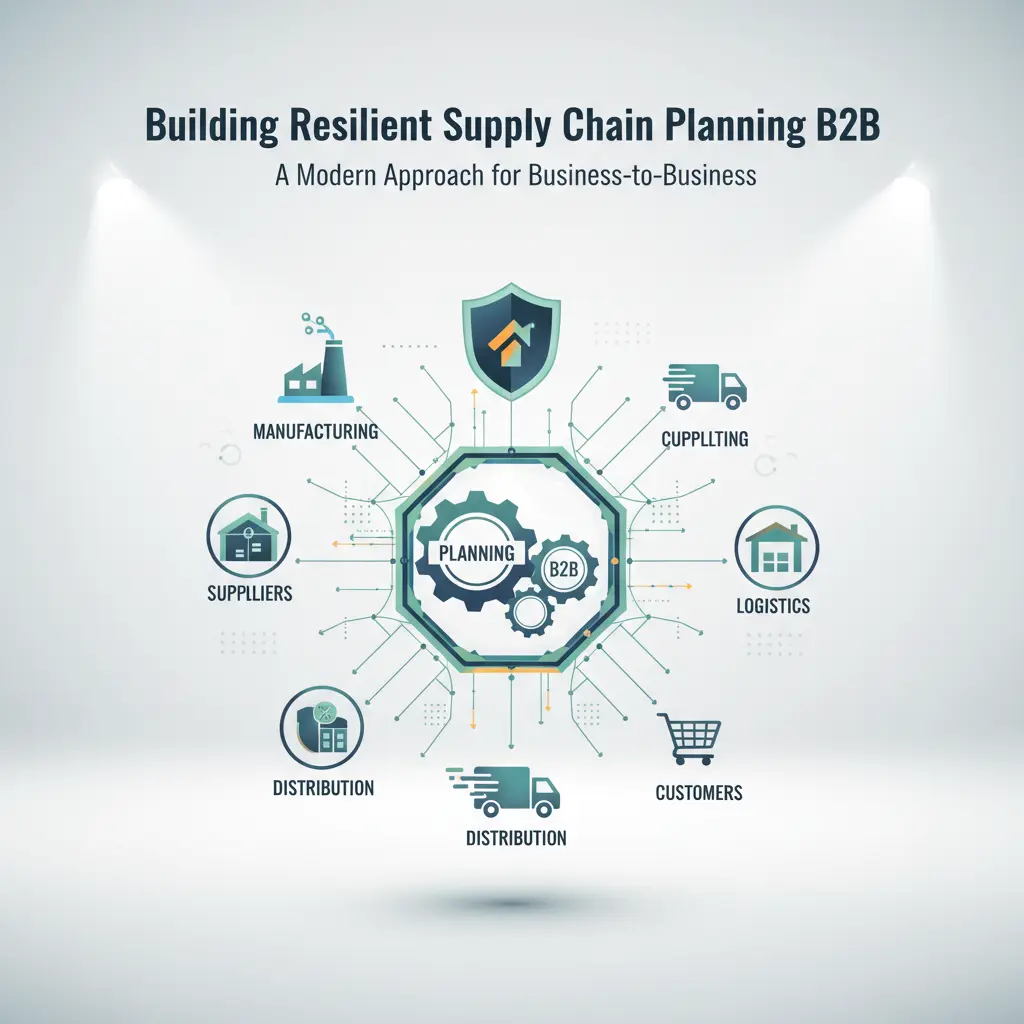
Implementing effective B2B supplier diversification strategies is foundational to this resilience. It involves not just adding more suppliers, but strategically spreading risk across different geographies, capabilities, and even business models. This proactive approach minimizes dependency on single points of failure, ensuring that if one link in the chain breaks, alternatives are readily available and integrated.
1. Implementing Agile Supply Chain Models
Implementing Agile Supply Chain Models is about creating a flexible and responsive network that can adapt quickly to changing market conditions and unforeseen disruptions. An agile supply chain is characterized by its ability to sense changes, make rapid decisions, and execute adjustments efficiently. For B2B companies, this means moving away from rigid, linear processes towards a more fluid and collaborative ecosystem. Key components include flexible manufacturing capabilities, dynamic inventory management systems, and strong supplier relationships that allow for quick shifts in sourcing or production. Building agility requires real-time data exchange, enabling swift communication and coordination across all tiers of the supply chain. This approach allows businesses to respond to sudden demand fluctuations, mitigate risks from geopolitical events, and even leverage new opportunities faster than competitors. By embracing an agile model, companies can significantly reduce lead times, optimize costs, and enhance overall customer satisfaction, proving essential for sustainable resilient supply chain planning B2B.
2. Technology’s Role in Monitoring & Optimization
Technology’s Role in Monitoring & Optimization is paramount in developing a truly resilient B2B supply chain. Modern enterprises leverage advanced digital tools to gain unprecedented visibility and control over their operations. This includes using AI-powered analytics for predictive demand forecasting, which helps anticipate market shifts and potential disruptions before they occur. Internet of Things (IoT) sensors provide real-time tracking of goods, inventory levels, and asset performance, enabling proactive problem-solving. Blockchain technology offers secure and transparent transaction records, enhancing trust and traceability across complex global networks. Cloud-based platforms facilitate seamless data sharing and collaboration among partners, breaking down silos that often hinder efficiency. These technologies not only enable continuous monitoring of key performance indicators but also optimize processes by identifying bottlenecks, inefficiencies, and potential points of failure. For effective international trade risk management, technology provides the insights needed to navigate complex regulatory environments and unforeseen global challenges, transforming raw data into actionable intelligence for strategic decision-making and fostering greater supply chain resilience best practices.
3. Future-Proofing Your B2B Supply Chain
Future-Proofing Your B2B Supply Chain involves adopting a proactive and forward-thinking mindset to anticipate and mitigate future challenges. This goes beyond immediate crisis response, focusing on building inherent robustness and adaptability into the entire supply network. Key strategies include continuous scenario planning, where businesses model responses to various potential disruptions – from climate change impacts to new trade tariffs – to refine their strategies. Investing in sustainable and ethical sourcing practices not only meets evolving consumer and regulatory demands but also diversifies supply options and enhances brand reputation. Actively exploring export market expansion strategies and developing relationships with a broader range of global partners can significantly dilute geographical concentration risks. Furthermore, fostering innovation within your supply chain, whether through new materials, production methods, or logistics solutions, ensures continuous evolution. By strategically identifying and finding new international clients and suppliers, companies can build a diversified ecosystem that is less susceptible to regional downturns or protectionist policies, ensuring long-term stability and competitive advantage in an ever-changing world.
Partner with Vietnam’s Leading Suppliers
Looking for reliable suppliers in Vietnam? Contact VietnamSuppliers.com today to connect with verified manufacturers and exporters across all industries.
—————————————
References
– Building Resilient Supply Chains from Harvard Business Review: https://hbr.org/2020/07/building-resilient-supply-chains
– International Trade Centre’s Trade Map: https://www.intracen.org/trade-map/
– :
– Trade Missions: U.S. International Trade Administration: https://trade.gov/data-and-analysis/trade-events/trade-missions
– Deloitte’s insights on supply chain resilience: https://www2.deloitte.com/us/en/insights/topics/supply-chain/supply-chain-resilience.html

