
Introduction to the Shifting Trade Landscape
The global stage for commerce is undergoing a profound transformation, reshaping not only how goods and services move across borders but also the very fabric of the international trade workforce trends. Driven by an intricate interplay of geopolitical shifts, rapid technological advancements, and an urgent global focus on sustainability, the traditional paradigms of international trade are being challenged and redefined. This evolution demands a workforce equipped with new skills, an adaptive mindset, and a deep understanding of complex global dynamics. Businesses that fail to recognize and adapt to these sweeping changes risk falling behind, while those that proactively address the evolving demands for global export skills are poised for unparalleled growth and resilience in an increasingly interconnected, yet unpredictable, world.
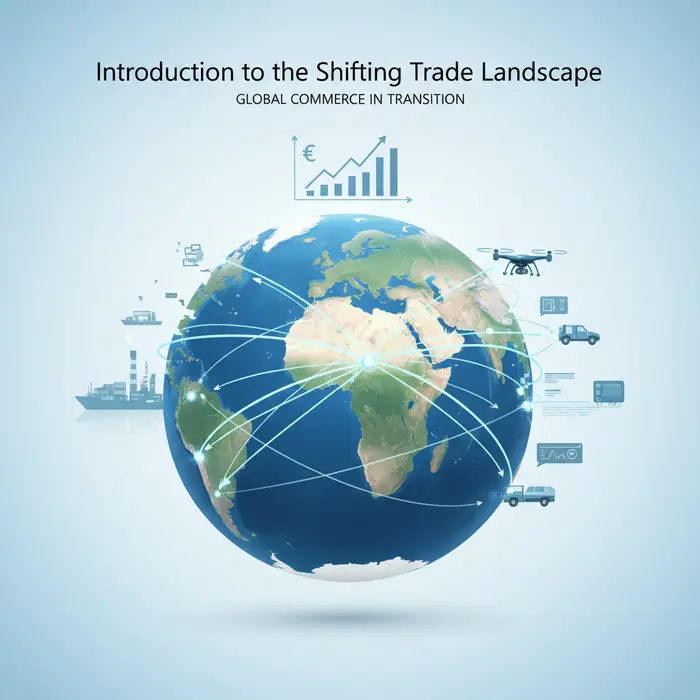
1. Defining ‘international trade workforce trends’
At its core, ‘international trade workforce trends’ refers to the evolving demands, challenges, and opportunities impacting professionals engaged in cross-border commerce. This encompasses strategic planners, logistics specialists, and sales professionals navigating diverse international markets. Key indicators include a significant global export skills gap, particularly in areas like digital proficiency, data analytics, and cross-cultural negotiation. The future of international trade jobs increasingly demands a strong foundation in digital skills for international trade, including e-commerce platform management, cybersecurity, and proficiency in emerging technologies like blockchain for supply chain transparency. These trends highlight a critical shift from purely transactional roles to more strategic, analytical, and technologically integrated positions, demanding continuous learning and adaptation.
2. Key drivers of change: Geopolitics, technology, sustainability
The current metamorphosis of international trade is propelled by three primary forces, each with far-reaching implications for the workforce:
- Geopolitics: The rise of protectionism, trade disputes, and the weaponization of economic policies have spurred a re-evaluation of global supply chain strategies. Businesses are increasingly prioritizing resilience and diversification over pure cost-efficiency, leading to phenomena like “friend-shoring” or regionalization. This necessitates a new breed of international supply chain talent capable of navigating complex regulatory environments, managing diversified supplier networks, and mitigating geopolitical risks. The emphasis has shifted from finding the cheapest source to ensuring stable, ethical, and resilient supply lines, requiring geopolitical literacy and sophisticated risk management.
- Technology: The relentless march of digitalization continues to revolutionize trade. Automation, Artificial Intelligence (AI), blockchain, and advanced data analytics are streamlining customs processes, optimizing logistics, and enhancing market intelligence. E-commerce platforms have democratized global trade, allowing small and medium-sized enterprises (SMEs) to access international markets previously dominated by larger corporations. Consequently, the demand for digital skills for international trade has skyrocketed. Professionals must be adept at utilizing AI-driven forecasting tools, managing blockchain-enabled trade finance, and leveraging big data for market analysis. The future of international trade jobs is inextricably linked to technological fluency.
- Sustainability: Growing environmental concerns and social responsibility demands are fundamentally altering trade practices. Consumers, governments, and investors increasingly pressure businesses to adopt sustainable sourcing, ethical labor practices, and reduced carbon footprints across their supply chains. This has given rise to ‘green trade’ and circular economy initiatives, impacting everything from product design to logistics. The workforce needs expertise in areas like environmental compliance, sustainable supply chain management, and reporting on ESG metrics. This driver not only reshapes operational roles but also creates new opportunities in sustainable trade development.
3. Why understanding these trends is crucial for businesses
For businesses, understanding these international trade workforce trends is imperative for survival and sustained growth. Ignoring these shifts leads to competitive disadvantages: inability to secure skilled talent, increased costs, and failure to adapt to evolving market demands and regulatory frameworks. Proactively addressing the global export skills gap through training and upskilling transforms human capital into a powerful strategic asset. It ensures businesses can leverage new technologies, navigate geopolitical complexities, and meet sustainability imperatives. This foresight allows organizations to attract and retain top international supply chain talent, drive innovation, and secure a leading position in global trade.
The Global Export Skills Gap: A Deep Dive
The intricate world of international trade is constantly evolving, driven by technological advancements, shifting geopolitical landscapes, and a growing emphasis on sustainability. While opportunities for global commerce expand, a significant hurdle persists: a pervasive global export skills gap. This deficiency in critical expertise across various regions threatens to impede growth, reduce efficiency, and undermine global competitiveness, necessitating a closer examination of its specific manifestations and widespread implications.
1. Identifying critical missing skills
At the heart of the challenge lies a deficiency in several key areas crucial for navigating modern international trade. Perhaps most prominent are **digital skills for international trade**. The proliferation of e-commerce, blockchain for supply chain management, data analytics, and AI in logistics demands a workforce adept at leveraging these technologies. Companies struggle to find talent capable of managing complex digital platforms, interpreting vast datasets for market insights, or implementing automated customs declarations. Beyond the digital realm, a severe shortage of expertise in comprehensive market analysis and strategy hinders businesses from identifying lucrative new markets, assessing risks effectively, and formulating competitive entry strategies.
Cross-cultural communication and negotiation skills are also critically underdeveloped. In a world of diverse partners, the ability to build rapport, understand cultural nuances, and negotiate effectively across different business etiquettes is paramount. Furthermore, expertise in regulatory compliance and trade finance remains a constant demand, with businesses frequently struggling to navigate the ever-changing landscape of tariffs, non-tariff barriers, customs procedures, and international payment mechanisms. The increasing global focus on environmental, social, and governance (ESG) factors also highlights a growing need for professionals skilled in sustainable supply chain practices and ethical sourcing. Addressing these fundamental deficiencies is crucial for understanding the evolving international trade workforce trends.
2. Regional variations in skill shortages and their causes
The global export skills gap is not uniform; it presents distinct regional variations shaped by economic development, educational systems, and industry focus. In rapidly industrializing regions of Asia, for instance, while there’s a strong drive towards digital transformation and advanced manufacturing, the educational infrastructure often struggles to keep pace, leading to a shortage of specialists in cutting-edge areas like AI-driven logistics and complex supply chain management. Many countries still lack sufficient talent in value-added services and strategic market penetration.
In Europe, the emphasis on a green economy and stringent regional regulations creates a high demand for professionals skilled in sustainable trade practices, circular economy principles, and complex regulatory compliance across diverse member states. An aging workforce further exacerbates skill shortages in traditional areas, while a need for multilingual trade professionals remains constant. North America sees a robust demand for data analytics, supply chain resilience experts, and professionals adept at leveraging automation and AI to optimize trade operations and manage complex global networks. Conversely, in parts of Africa and Latin America, more fundamental gaps persist, including basic digital literacy, foundational logistics knowledge, and access to advanced international business training, compounded by limited investment in vocational education and infrastructure. These disparities contribute significantly to the broader global export skills gap, requiring tailored solutions.
3. Impact on supply chain efficiency and global competitiveness
The consequences of these skill deficiencies ripple throughout the entire international trade ecosystem, significantly impacting supply chain efficiency and global competitiveness. A lack of skilled personnel often translates into operational inefficiencies, including costly delays in customs clearance, errors in documentation, and suboptimal logistics planning. These inefficiencies not only inflate operational costs but also extend lead times, frustrating customers and eroding trust.
More profoundly, the skill gap leads to missed opportunities. Businesses unable to leverage digital tools or conduct thorough market analyses are less likely to identify and penetrate new, high-growth markets. They may also struggle to adapt to evolving consumer demands or comply with new international standards, thereby ceding market share to more agile competitors. The absence of a robust international supply chain talent pool hinders innovation, preventing companies from adopting advanced techniques in predictive analytics, sustainable sourcing, or risk management. Ultimately, nations and companies with a significant export skills gap become less competitive on the global stage, struggling to attract investment, participate fully in global value chains, and secure the prosperity promised by international trade. As highlighted by the World Economic Forum’s Future of Jobs Report, adaptability and digital fluency are critical for the future of international trade jobs, underscoring the urgency of addressing these talent gaps.
Closing this critical skills gap is not merely about filling positions; it’s about future-proofing economies and ensuring that businesses can thrive in an increasingly interconnected and complex global marketplace. Strategic investments in education, vocational training, and continuous professional development are paramount to cultivate a workforce equipped to meet the demands of tomorrow’s international trade.
Digital Skills: The New Imperative for Global Trade
The landscape of international trade is undergoing a profound metamorphosis, driven by the relentless march of digital innovation. What was once a domain rooted in traditional logistics, paperwork, and face-to-face negotiations is rapidly evolving into a complex, data-driven ecosystem. This transformation has made digital skills not just advantageous, but an absolute imperative for anyone looking to thrive in global commerce. The growing demand for digital competencies is reshaping every facet of the industry, from sourcing and supply chain management to customs clearance and customer engagement, fundamentally altering traditional international trade roles and practices. Companies failing to embrace this shift risk falling behind in an increasingly competitive global marketplace.
This digital wave has created a significant global export skills gap, highlighting an urgent need for upskilling the existing international trade workforce and equipping new entrants with the necessary tools. The traditional international trade workforce trends now point towards a critical pivot: proficiency in digital technologies is no longer a niche requirement but a core competency. The future of international trade jobs will heavily rely on individuals who can navigate digital platforms, analyze vast datasets, and leverage advanced technologies to optimize cross-border operations.
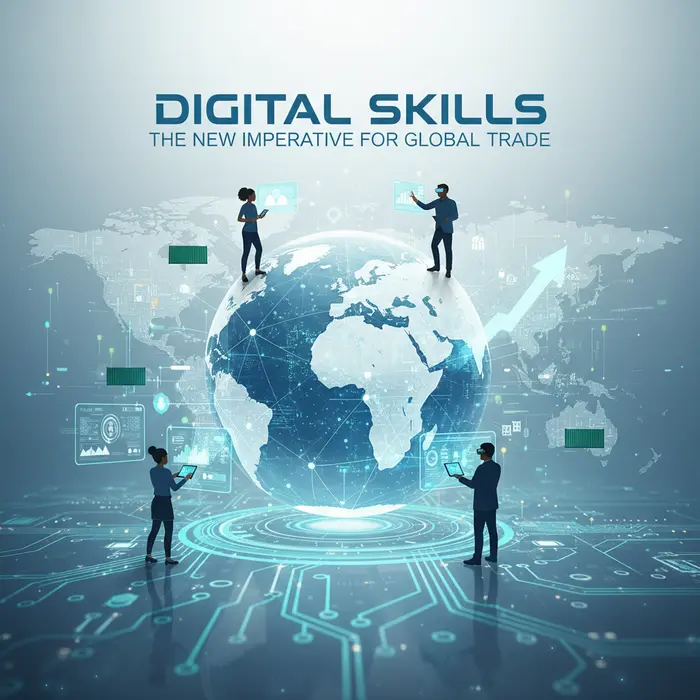
Essential digital skills: AI, blockchain, data analytics, e-commerce
At the forefront of this digital revolution are several key technological competencies. Artificial Intelligence (AI), particularly machine learning, is revolutionizing predictive analytics in demand forecasting, optimizing shipping routes, and automating customer service. AI-powered tools can process enormous amounts of market data, identify emerging international trade workforce trends, and even detect potential supply chain disruptions before they occur, offering unprecedented efficiency and foresight. Blockchain technology is another game-changer, promising unparalleled transparency and security in supply chains. Its decentralized ledger system can track goods from origin to destination, verify authenticity, and streamline customs processes, thereby reducing fraud and administrative burdens. This is particularly vital for managing complex international supply chain talent networks.
Data analytics has moved from a specialized function to a fundamental skill for almost all trade professionals. The ability to collect, interpret, and act upon large datasets is crucial for making informed decisions, identifying market opportunities, assessing risks, and optimizing operational performance. From analyzing trade flows to understanding consumer behavior across different markets, data literacy empowers businesses to gain a competitive edge. Finally, e-commerce platforms are no longer just for retail; they are increasingly becoming the backbone of B2B international trade. Proficiency in managing digital storefronts, understanding cross-border payment systems, and navigating international shipping regulations within an e-commerce framework is vital for businesses looking to expand their global reach. According to the World Economic Forum’s Future of Jobs Report 2023, analytical thinking and creative thinking, both highly reliant on digital tools and data, are among the fastest-growing core skills.
Automation’s role and its effect on trade job functions
Automation is rapidly redefining the scope of many traditional trade job functions. Repetitive and transactional tasks, such as data entry, document processing, and compliance checks, are increasingly being handled by robotic process automation (RPA) and other automated systems. This doesn’t necessarily mean job losses across the board; rather, it signifies a shift in responsibilities. Trade professionals are now freed from mundane tasks, allowing them to focus on higher-value activities that require critical thinking, problem-solving, strategic planning, and relationship management. For instance, instead of manually preparing customs declarations, trade specialists can now review automated outputs, troubleshoot exceptions, and strategize on tariff optimization or free trade agreement utilization. This enhances efficiency, reduces errors, and allows for more strategic engagement with the complexities of global commerce.
Upskilling and reskilling initiatives for the digital age
To bridge the pervasive international trade workforce trends and skill gaps, robust upskilling and reskilling initiatives are paramount. Governments, educational institutions, and private companies are increasingly collaborating to develop training programs focused on digital skills for international trade. These initiatives range from short online courses in data analytics and e-commerce management to comprehensive vocational training in blockchain applications for supply chains. Employers are realizing the importance of investing in their existing workforce, providing opportunities for continuous learning to ensure their teams remain relevant and effective. Such programs are crucial for equipping the current workforce with the advanced competencies needed to navigate the complexities of modern global supply chains and preparing for the future of international trade jobs. The goal is to cultivate a dynamic workforce that can adapt to technological advancements and leverage them for competitive advantage.
The shift towards a digitally proficient global trade environment is undeniable. As international trade continues to evolve, embracing and mastering digital skills will not only ensure operational efficiency and competitiveness but will also define the career trajectories of individuals and the success of businesses operating on a global scale. The imperative to integrate digital competencies into every level of the international trade ecosystem is not merely a trend but a fundamental prerequisite for sustained growth and innovation.
The Future of International Trade Jobs
The landscape of international trade is undergoing a seismic shift, driven by rapid technological advancements, evolving geopolitical dynamics, and an increasing focus on sustainability. These forces are not only reshaping how goods and services move across borders but are also fundamentally altering the demands on the global workforce. Understanding these international trade workforce trends is crucial for professionals and businesses aiming to thrive in this new era. Traditional trade roles are not disappearing; rather, they are evolving, requiring new skill sets and giving rise to entirely novel opportunities that demand a proactive approach to talent development.
1. Emerging roles: Trade compliance technologists, sustainable logistics managers
The complexities of global regulations, coupled with the imperative for ethical and environmentally sound practices, are creating a demand for specialized roles that blend technical expertise with deep industry knowledge.
- Trade Compliance Technologists: As countries implement intricate tariff schedules, sanctions, and export controls, the role of a trade compliance technologist becomes indispensable. These professionals are at the forefront of leveraging AI, machine learning, and blockchain to automate compliance checks, identify potential risks, and ensure adherence to international trade laws. Their expertise lies in understanding regulatory frameworks and translating them into technological solutions, making them critical in mitigating financial penalties and reputational damage. Mastering digital transformation and data analytics is paramount for this role.
- Sustainable Logistics Managers: With growing pressure from consumers, investors, and governments to reduce carbon footprints and promote ethical sourcing, the sustainable logistics manager is emerging as a pivotal figure. These professionals design and implement eco-friendly supply chain strategies, optimize transport routes to minimize emissions, oversee the use of sustainable packaging, and ensure fair labor practices across the global supply network. Their focus extends beyond efficiency to encompass environmental stewardship and social responsibility, directly addressing the push for a greener global economy.
2. Redefined roles: Customs brokers, freight forwarders in the digital era
Many long-standing pillars of international trade are not being replaced but are undergoing a profound metamorphosis, driven by digitalization and the need for greater agility and transparency.
- Customs Brokers: Historically, customs brokers were largely paperwork-centric. Today, their role is evolving into strategic advisors who leverage advanced software and data analytics to navigate complex tariff classifications, optimize duties, and ensure seamless customs clearance. They use predictive analytics to anticipate delays and provide real-time insights to clients, moving from transactional processors to strategic partners. The modern customs broker must possess not only a deep understanding of trade regulations but also strong digital skills for international trade, enabling them to integrate with clients’ systems and offer data-driven solutions. This shift highlights a growing global export skills gap among those unable to adapt.
- Freight Forwarders: The traditional freight forwarder, primarily responsible for booking cargo space, is transforming into a sophisticated supply chain orchestrator. Modern freight forwarders utilize integrated digital platforms to offer end-to-end visibility, real-time tracking, and optimized route planning across multiple modes of transport. They provide value-added services such as inventory management, risk assessment, and data-driven insights to improve supply chain resilience and efficiency. This requires a new breed of international supply chain talent capable of managing complex logistics networks with technological prowess and strategic foresight.
3. Attracting and retaining diverse talent in new trade landscapes
The success of businesses in the evolving trade environment hinges on their ability to attract, develop, and retain a diverse pool of talent equipped with future-ready skills. The future of international trade jobs demands professionals who are not only digitally fluent and analytically sharp but also possess strong interpersonal, cross-cultural communication, and problem-solving abilities. Companies must invest in continuous learning and upskilling programs to bridge the global export skills gap, focusing on areas like AI literacy, blockchain fundamentals, sustainable practices, and advanced data analytics. Furthermore, fostering inclusive work environments that value diverse perspectives will be crucial for innovation and adaptability in a rapidly changing global market. Attracting and retaining top international supply chain talent will require flexible work arrangements, opportunities for professional growth, and a commitment to ethical and sustainable business practices.
In conclusion, the future international trade professional will be a hybrid individual: technologically adept, sustainability-minded, globally aware, and adaptable. Companies that recognize and proactively prepare for these shifts will be best positioned to capitalize on the vast opportunities within the dynamic world of international trade.
Navigating the International Supply Chain Talent Challenge
The global trade landscape is undergoing a profound transformation, driven by technological advancements, geopolitical shifts, and evolving consumer demands. This dynamic environment places unprecedented pressure on the international trade workforce trends, revealing critical talent shortages across the international supply chain. Businesses and governments worldwide face the urgent task of developing a resilient, adaptable trade workforce capable of navigating complexity and capitalizing on new opportunities. Addressing this challenge requires proactive, multifaceted strategies focused on talent acquisition, continuous development, and robust collaborative frameworks.

1. Strategies for talent acquisition and development
To combat the growing global export skills gap, organizations must implement innovative approaches to attract and nurture talent. Traditional recruitment methods are often insufficient to fill highly specialized roles in international trade and logistics. A comprehensive strategy includes:
- Internship and Apprenticeship Programs: Establishing robust programs provides practical, hands-on experience for new entrants, bridging the gap between academic knowledge and industry demands. These programs serve as vital pipelines for identifying and cultivating future leaders in international trade, giving students exposure to real-world challenges and processes.
- Upskilling and Reskilling Initiatives: Investing in existing employees is crucial. As technology reshapes trade operations, current staff need continuous training in digital skills for international trade, such as data analytics, AI, blockchain, and advanced logistics software. Reskilling programs can transition employees from roles being automated to new, emerging positions, fostering loyalty and retaining institutional knowledge.
- Targeted Recruitment and Employer Branding: Actively promoting careers in international trade and supply chain management to diverse talent pools, including women and underrepresented groups, can broaden the candidate base. Showcasing the dynamic and impactful nature of these roles, along with opportunities for global engagement, can attract new generations seeking meaningful careers.
- Cross-Functional Training: Encouraging employees to gain experience across different functions within the supply chain, from procurement to customs compliance and last-mile delivery, builds a more versatile and knowledgeable team ready for the future of international trade jobs.
2. Government and industry collaborations for workforce development
No single entity can tackle the scale of the international supply chain talent challenge alone. Effective solutions require strong partnerships between governments, educational institutions, industry associations, and private businesses:
- Policy and Funding Initiatives: Governments can play a pivotal role by allocating funding for vocational training programs, offering tax incentives for companies investing in employee development, and creating policies that ease talent mobility across borders. They can also support research into emerging skill needs and create frameworks for standardized certifications.
- Curriculum Development: Collaborations between industry experts and educational institutions (universities, colleges, technical schools) are essential to ensure that academic curricula align with current and future industry demands. This includes developing specialized courses in global logistics, trade finance, customs law, and ethical sourcing, incorporating practical case studies and real-world simulations.
- Shared Knowledge Platforms: Creating platforms for sharing best practices, market intelligence, and training resources across industries and borders can help benchmark skill levels and foster a collective approach to workforce development. For instance, initiatives that map global supply chain skill gaps can inform targeted training programs.
- Industry Consortia: Forming consortia allows companies to pool resources for developing joint training programs, addressing common skill shortages, and advocating for policies that support the growth of a skilled trade workforce. These groups can also set industry standards for professional competency and ethics.
3. Building a resilient and adaptable trade workforce for 2025 and beyond
The ultimate goal is not just to fill current vacancies but to cultivate a workforce that is inherently resilient and capable of adapting to unforeseen disruptions and evolving market dynamics. This forward-looking approach focuses on:
- Emphasis on Digital Fluency: Beyond basic computer literacy, a resilient workforce must be fluent in advanced digital tools and concepts—from AI-driven predictive analytics to blockchain for supply chain transparency. Continuous learning pathways must be integrated into career development to keep pace with rapid technological change.
- Cultivating Soft Skills: While technical skills are vital, soft skills like critical thinking, complex problem-solving, cross-cultural communication, negotiation, and adaptability are equally crucial. These human-centric skills enable professionals to navigate ambiguity, collaborate effectively across diverse teams, and innovate in challenging environments.
- Promoting a Lifelong Learning Culture: Organizations must foster an environment where continuous learning is not just encouraged but expected. This includes access to online courses, professional certifications, mentoring programs, and opportunities for rotational assignments that broaden perspectives and skill sets.
- Diversity, Equity, and Inclusion (DEI): A diverse workforce brings a wider range of perspectives, experiences, and problem-solving approaches, enhancing resilience and innovation. Implementing strong DEI policies helps attract a broader talent pool and ensures that the workforce accurately reflects the global nature of international trade. Investing in a future-proof international supply chain talent pool is essential for sustained growth and competitiveness in the ever-evolving world of global commerce. The future of international trade jobs hinges on these strategic investments today.
Partner with Vietnam’s Leading Suppliers
Looking for reliable suppliers in Vietnam? Contact VietnamSuppliers.com today to connect with verified manufacturers and exporters across all industries.
—————————————
References
– World Economic Forum – The Future of Jobs Report 2023: What’s Driving Change in the Skills Landscape: https://www.weforum.org/agenda/2023/05/future-of-jobs-report-2023-skills/
– World Economic Forum’s Future of Jobs Report: https://www.weforum.org/reports/the-future-of-jobs-report-2023/
– World Economic Forum: Future of Jobs Report 2023: https://www.weforum.org/agenda/2023/05/future-of-jobs-report-2023-skills-jobs-of-the-future/
– :
– global supply chain skill gaps: https://www.weforum.org/agenda/2021/08/supply-chain-crisis-reskilling-upskilling-future-jobs/

